Yucca Aloifolia: How To Plant, Grow, and Care for Spanish Dagger Plants
Yucca aloifolia (Spanish bayonet) is a gorgeous variety perfect for landscaping. It adds height and structure without much maintenance. Join Epic Gardening founder Kevin Espiritu as he shares how to grow these useful plants.

Contents
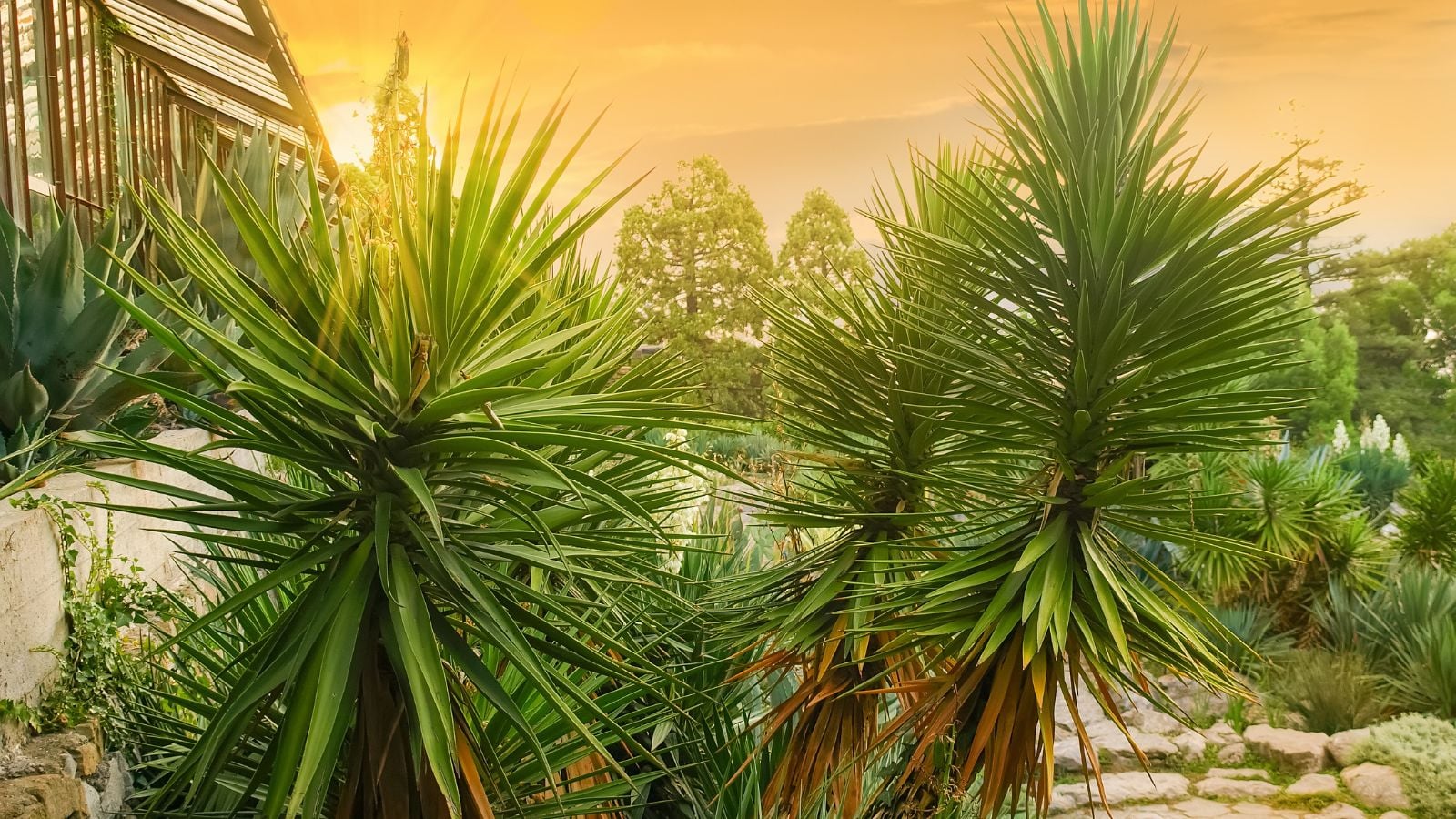
The Spanish bayonet plant, known scientifically as Yucca aloifolia, is a perennial shrub in the Asparagaceae family. It has a slim stem and can grow ten to fifteen feet tall, making it a strong choice for xeriscape gardens.
Its branches are stocky, and the leaves are sturdy, thick, and sharply pointed. They can reach about two feet in length, with tips sharp enough to puncture skin.
This plant goes by several names and produces white flowers that typically appear in clusters. The blooms emerge in spring and summer as tall spikes rising from the center of the plant. Both the fruit and the flowers are edible, although the flowers are best when cooked.
If you want to add this beautiful yucca to your garden, follow this easy planting and care guide to get started.
Espoma Bio-tone Starter Plus Organic Plant Food (4 lbs.)

The Ultimate Starter Fertilizer with both Endo & Ecto Mycorrhizae
- Grows larger root mass to help plants establish fast
- Reduces transplant loss
- Promotes bigger blooms
- Microbe enhanced all natural organic fertilizer with no sludges or fillers
For use on everything you plant. Use when planting all flowers, vegetables, trees and shrubs.
Buy at Epic Gardening ShopQuick Care Guide

|
Common Name
Spanish Bayonet, Dagger Plant, Aloe Yucca
Scientific Name
Yucca aloifolia
Family
Asparagaceae
Height & Spread
10-15′ tall and 3-5′ wide
|
Light
Full sun
Soil
Well-draining cactus soil or potting soil with pumice
Water
Once per week, more often in hotter temperatures
Pests & Diseases
Scale, spider mites, and yucca moth larvae, leaf spot
|
All About Yucca aloifolia

Yucca aloifolia is commonly known as Spanish bayonet, dagger plant, aloe yucca, and Spanish dagger. It belongs to the Asparagaceae family, which includes flowering plants such as asparagus, hostas, bluebells, and even spider and snake plants. The asparagus connection is especially noticeable just before the dagger plant blooms, when the emerging flower spear resembles a giant asparagus shoot.
This species is native to the southern regions of the United States and is widely cultivated in southern Florida and Mexico, particularly along coastal forests and sand dunes. Purple yucca is often used as a natural fence in many areas since the plant spreads easily by seed. It is well-suited to low-moisture environments and sandy coastal soils, making it effective for keeping out unwanted visitors.
The Spanish bayonet can develop a trunk twelve feet tall or more. Its stems grow slowly and produce thick leaves that taper to narrow, sharply pointed tips. These leaves are the reason behind the plant’s common name. Take care when handling them, since the points can cause injury.
The brown terminal spine of Yucca aloifolia distinguishes it from its close cousin Yucca gloriosa. Both species have sharp leaves with pointed tips and both contain saponins, which can be toxic in large amounts, although you are unlikely to be eating these spiky plants.
Planting
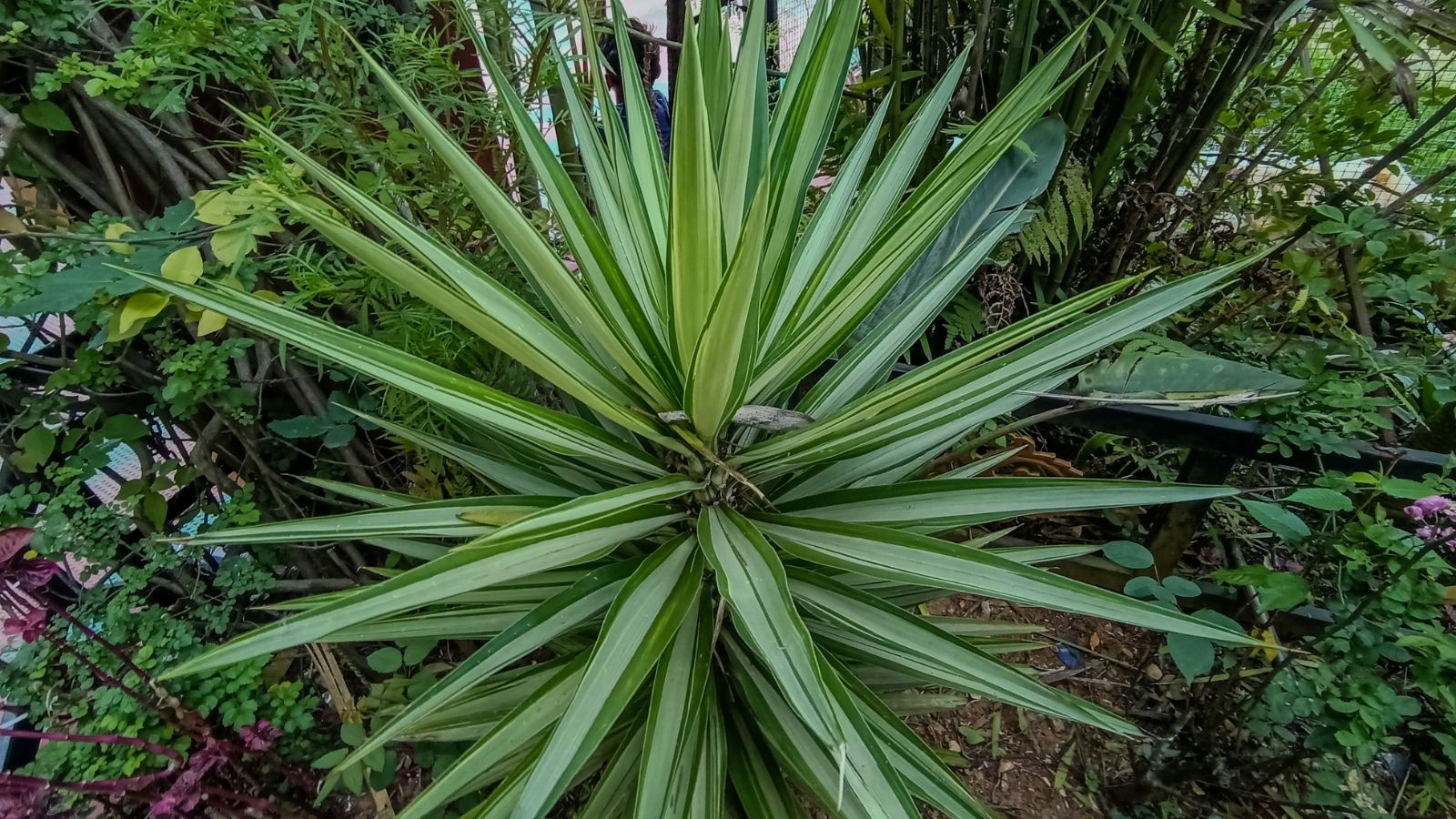
Getting your Yucca aloifolia established is simple as long as you prioritize excellent drainage. Whether planted in the ground or in a container, the most important factor is soil that drains very well to prevent root rot.
Outdoors, sandy or gritty soil works best, and you can amend poor garden soil by mixing in plenty of coarse sand, perlite, or gravel. For container growing, use a specialized cactus and succulent mix or make your own well-draining blend.
Dig a hole twice as wide as the root ball but no deeper, keeping the top of the root ball level with the surrounding soil. After placing the plant, backfill the hole, tamp gently to remove air pockets, and water thoroughly to help it settle.
How to Grow
Overall, yucca dagger plants are tough and naturally suited to sandy, coastal environments. If you live in warm conditions, this species is easy to care for. In colder USDA zones, you will need to take extra steps to protect it during fall and winter. It grows best outdoors, since indoor conditions are usually too shaded for Yucca aloifolia to thrive, and keeping it outside also avoids the risk of being poked by its sharp leaves.
Light
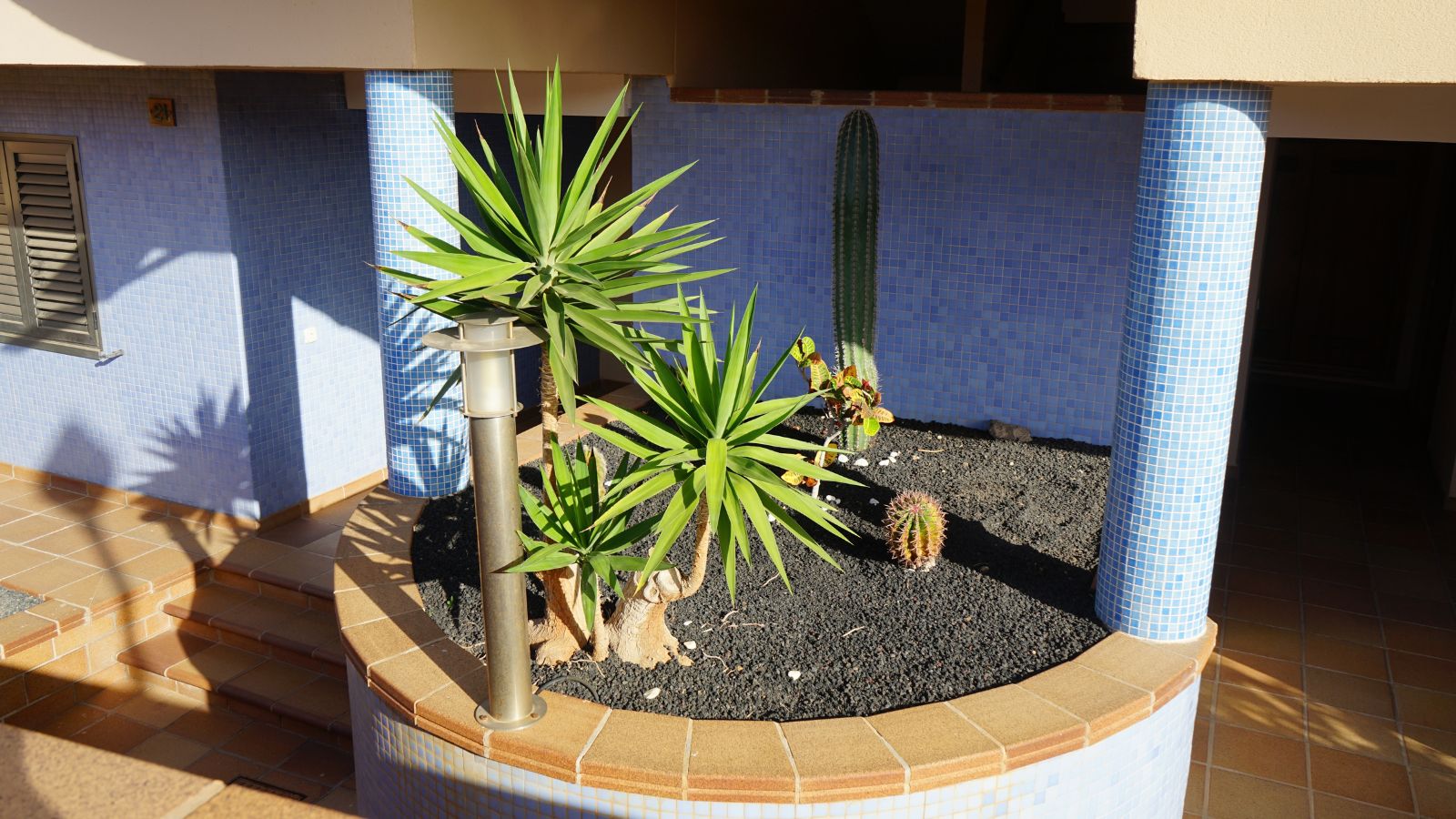
The Spanish bayonet plant needs plenty of sun throughout the year. It thrives on natural light in every season and prefers full sun over artificial light, which is why it performs best outdoors in open, south-facing locations with minimal shade.
If your yucca is not receiving enough sunlight, the leaves will begin to stretch. The plant can also experience sunburn, which appears as white or yellow patches on the leaves. When moving a yucca outdoors, transition it gradually rather than all at once to avoid sunburn.
Water

If temperatures rise, you may need to water more often. During the rainy season and in winter, you will not need to water as frequently since the plant is either receiving enough moisture or entering dormancy. The leaves will begin to wrinkle if the plant is not getting enough water.
Overwatering can lead to root rot. The leaves may discolor and eventually die if excess watering continues, and the roots can start to smell, which often leads to the plant’s decline. This species is native to the sandy Atlantic and Gulf coasts of the southeastern United States, where natural rainfall is usually enough to keep it healthy.
Soil

Yucca aloifolia thrives in arid gardens with extremely porous, sandy soil that offers excellent drainage. You can use a commercial cactus mix or loosen regular potting soil by adding pumice or perlite.
Sandy soil is especially important for these coastal native plants, since it prevents nutrient buildup and mimics the naturally lean conditions they prefer. Avoid planting in compacted, heavy clay soil, which holds too much moisture and does not suit this species.
Temperature and Humidity

The plant prefers temperatures of 50 to 60°F (10 to 16°C) during winter and 70°F (21°C) or higher in summer.
Your yucca can suffer freeze damage if exposed to severe cold. When temperatures drop too low, move the plant indoors to prevent the leaves from turning black and dying. In their native range, from USDA zones 8 to 11, they return each year since they are hardy perennials in those conditions.
Fertilizer

Growing slowly in the garden, yucca plants only need fertilizer a few times per year, and in their native range, they often do not need any at all.
A low-nitrogen fertilizer works best and should include calcium, magnesium, iron, and sulfur. Apply fertilizer sparingly, since too much can harm the plant. High nitrogen levels can quickly damage or kill the leaves, so it is better to underfertilize than overdo it.
Maintenance
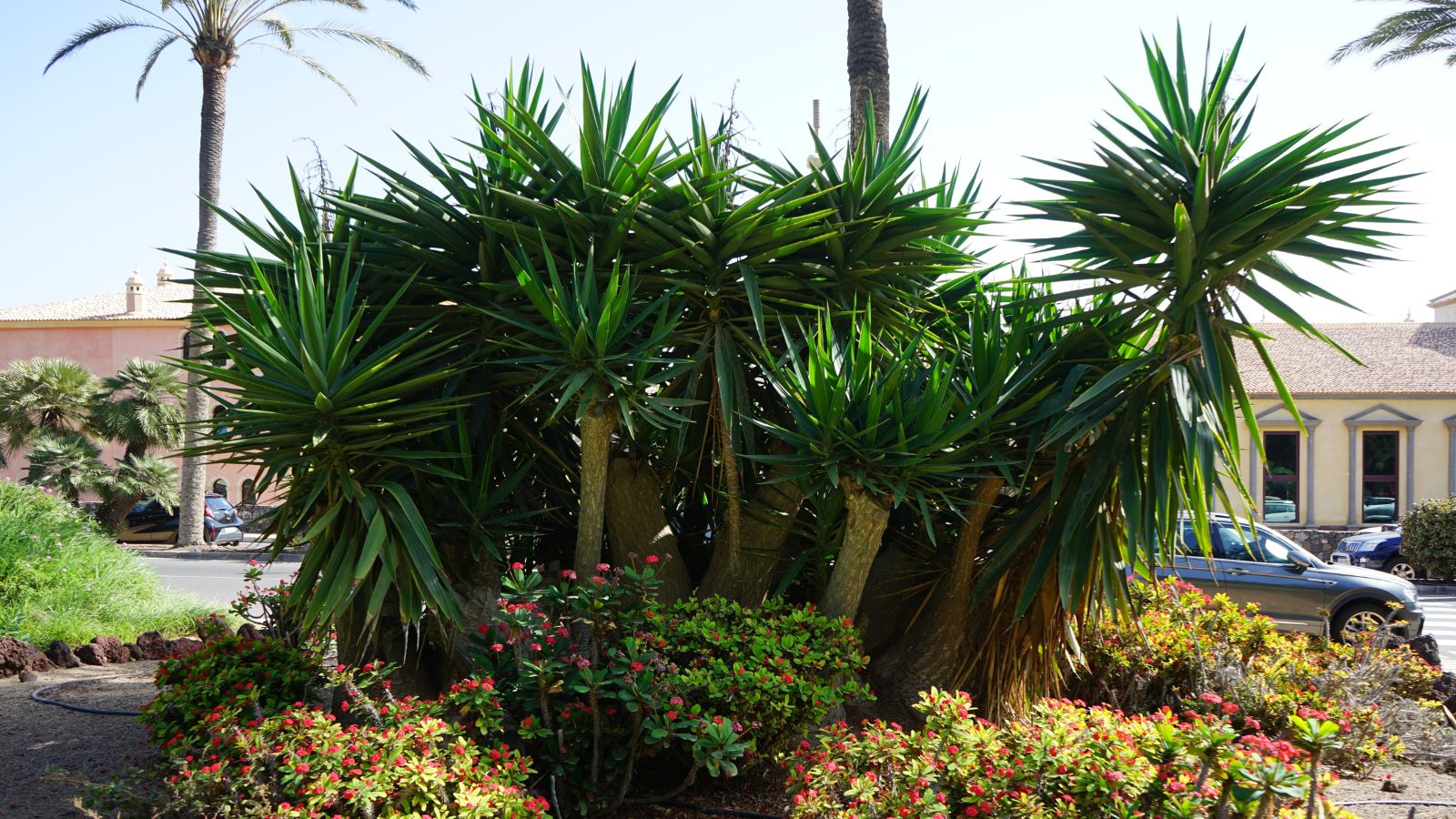
Since the sharp spikes of a yucca plant can injure you or even trigger an allergic reaction, it is best to trim the leaves before the tips become too pointy. You can snip the leaf tips with pruning shears or scissors. Wear sturdy gloves to protect your hands. Cutting the leaf tips will not harm the plant.
If you want your yucca to grow bushier, remove some of the leaves from the central stem and then cut the stem halfway down. This encourages the plant to branch in two opposite directions. Carry out this pruning in spring for the best results.
Propagation
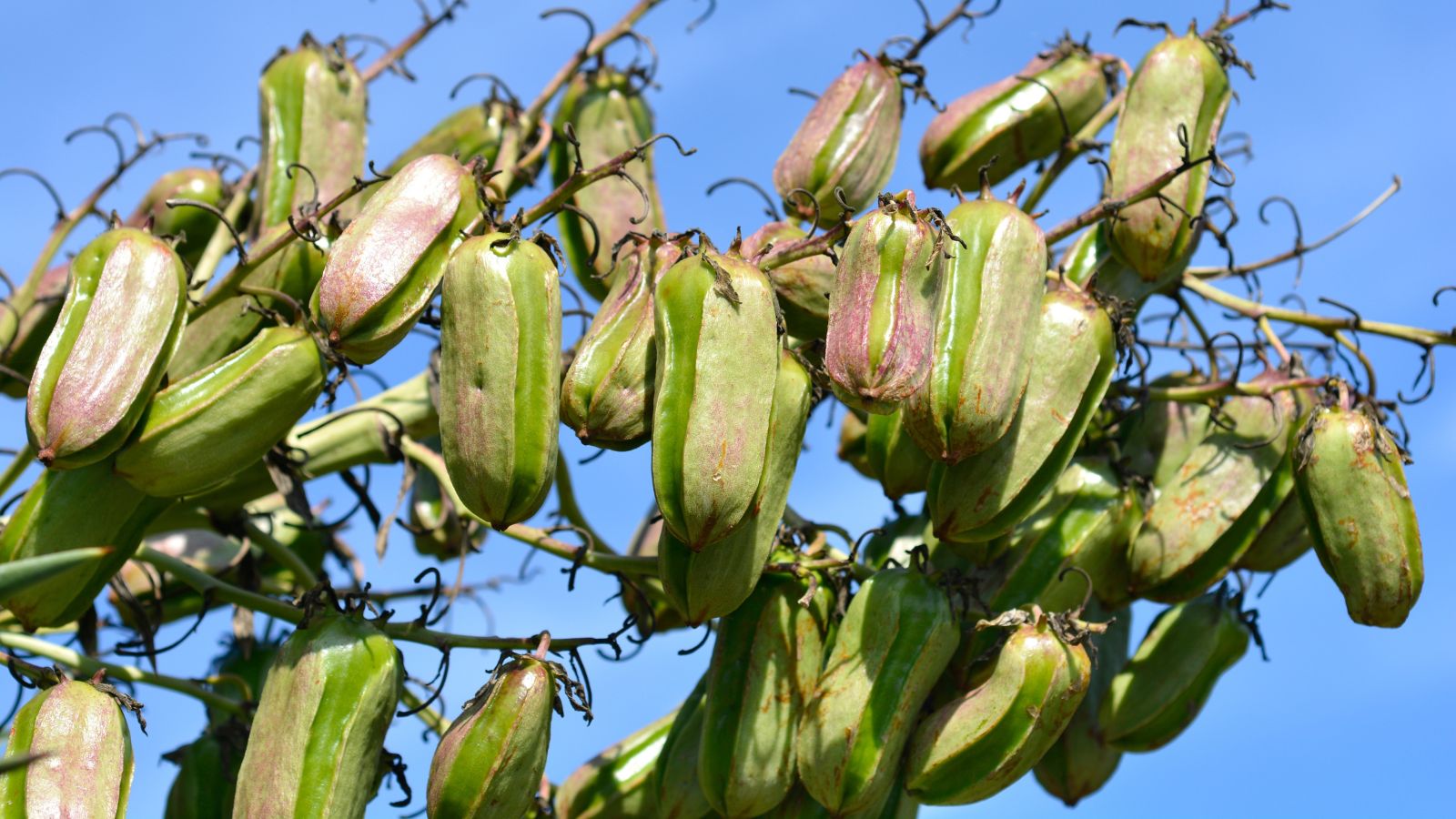
These plants usually germinate from fresh seed during winter. The ideal temperature for germinating yucca seed is 60 to 70°F (16 to 21°C). Yuccas can also be grown easily from root cuttings or by planting fully grown offsets. When preparing seed, allow the capsule to dry, then crush it to release the seeds. Keep the seeds in moist sand in a cool place through winter.
In late winter or early spring, you can take a root cutting from an established plant. Remove buds from the base of the plant or from emerging rhizomes. Dip the cut ends in wood ash and plant them in sandy soil until they are established. Rooting typically takes about three to six months.
Common Problems
Now that we’ve covered the basic care for your yucca, let’s discuss some of the issues that can arise. Yucca plants do not need constant attention, but they do have requirements.
Growing Problems

A yucca plant will gradually decline if it receives too little sunlight for an extended period. It also will not survive long under artificial light, since it is naturally an outdoor species.
Overwatering can discolor the leaves and damage the roots, while underwatering may cause the leaves to shrivel and die. Thanks to its drought tolerance, underwatering is far less common, but consistent overwatering can quickly lead to serious problems.
Pests

Spider mites are often attracted to Yucca aloifolia. If you notice them on your plant, rinse them off with a strong stream of water from a hose, then wipe the leaves with a damp cloth. Repeat this process while wearing gloves until the mites are gone.
Mealybugs and some types of aphids can also affect yucca plants. Both pests can be removed with a firm spray of water and the same follow-up wiping technique used for spider mites. Insecticidal soap is another option, since it is gentle once dry. Avoid harsher chemical pesticides, because yuccas attract many pollinators and chemical sprays can harm them.
Diseases
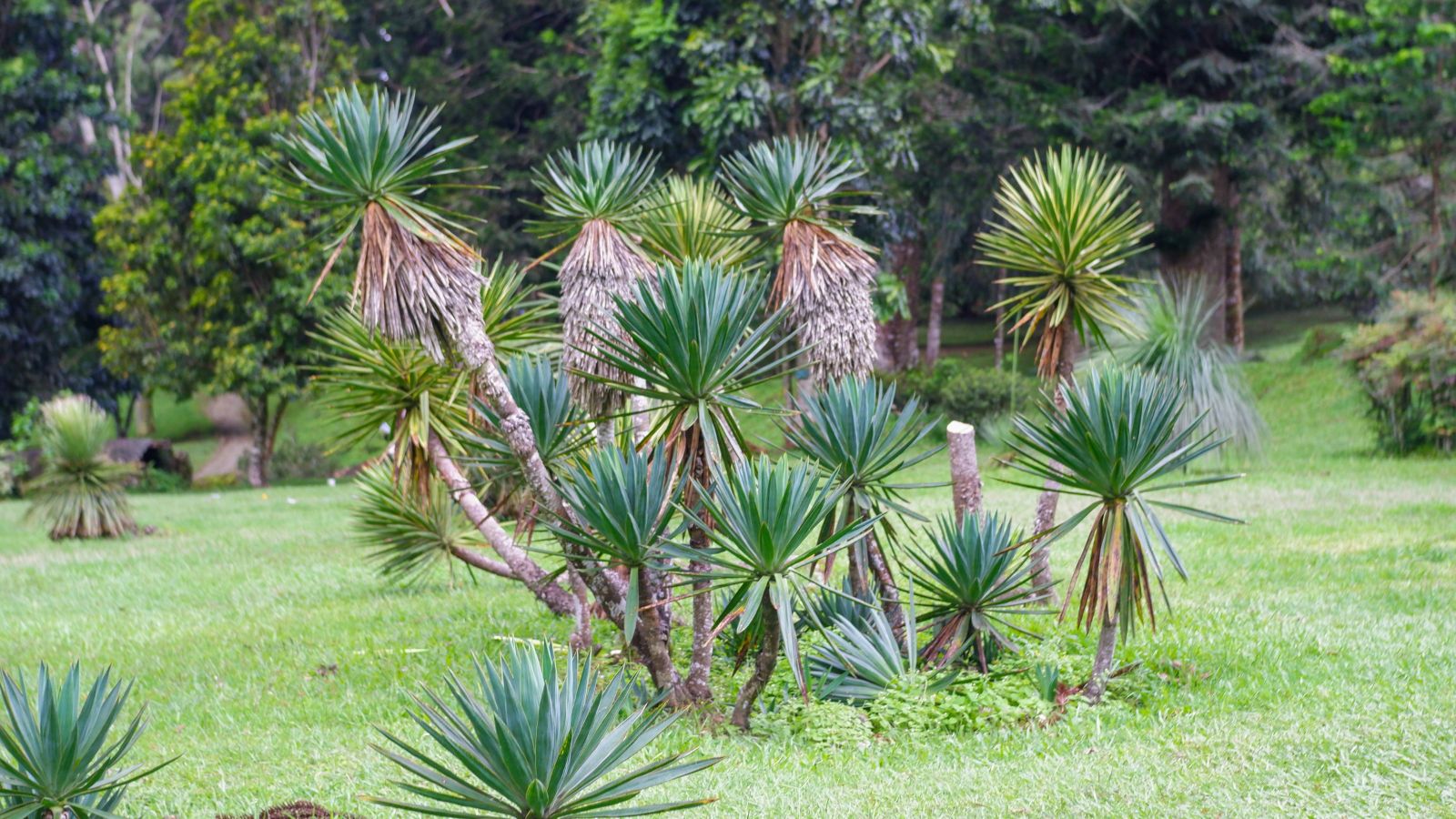
Brown spot or gray leaf spot can develop on yucca leaves. You can help prevent gray leaf spot by reducing how often you water the plant and by avoiding splashing water over the foliage. Many leaf spot issues on yucca are fungal and need moisture to take hold, so keeping the leaf blades dry goes a long way toward preventing these problems.
Overwatering can also encourage the fungal pathogens that cause root rot. It is essential to grow Yucca aloifolia in well-draining soil, since this plant does not tolerate wet feet.
Frequently Asked Questions
How do you care for a yucca plant indoors?
When your yucca plant is indoors, make sure to give it a healthy watering every 5 to 7 days. Also, keep it in the brightest light area of your home since it needs full sun year round. You may want to avoid keeping your yucca indoors, though.
Are Spanish daggers poisonous?
The sap that is inside the plant of a Yucca aloifolia is mildly toxic. The sharp ends of the leaves can cause a severe puncture wound, which can lead to an allergic reaction. Consuming the leaves can cause saponin toxicity as well.
How tall do Spanish daggers get?
They reach roughly 10 to 12 feet tall.
How long do yucca plants live?
Especially in their native range, these plants live for 5+ years.
Can you trim a Spanish dagger?
Absolutely! Check the Pruning section above to see the ways you can prune.
What happens if you cut the top off a yucca?
As long as you do this properly, the plant will fork from either side just below the cut and become bushier.





