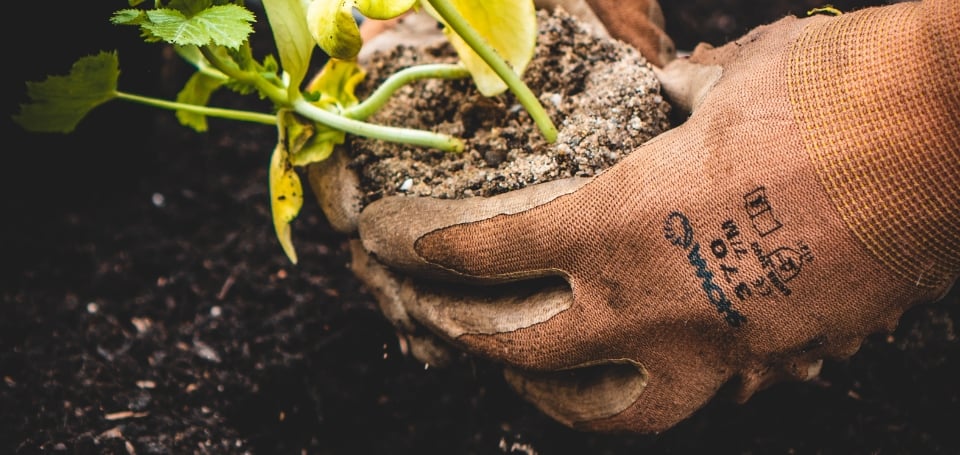
How to Plant, Grow, and Care for Winter Squash
Growing winter squash allows you to enjoy fall's bounty to the fullest. This in-depth growing guide by gardening expert Rachel Garcia shows you how to get great yields!


Contents
Imagine yourself cozy indoors, watching the snowfall outside and enjoying a warm dish of rich, flavorful butternut squash. Sounds nice, right? Even if it’s spring right now, you can start preparing this meal from your garden. Growing winter squash is easy and productive enough to keep your kitchen stocked all season long.
As you probably know, there are many varieties of squash, with over 700 in cultivation. They fall into two main categories based on their growing season and storage qualities.
Summer squash plants produce quickly and their fruit has a thin rind, like zucchini. Winter squashes are ready to harvest in autumn. They develop a hard, thick skin that allows them to store well throughout the colder months, similar to pumpkin.
Unlike summer squash, winter squash such as acorn squash can continue growing without losing texture or flavor. Many reach over two feet in length. Some varieties are bred specifically for size and entered into competitions, especially pumpkins. Others are small enough to be considered perfect single servings. Flavors vary across types, but most offer a sweet, nutty, or pumpkin-like taste.
Growing winter squash requires plenty of room, but it brings a lot of charm to the garden. Plants develop large, rounded leaves and vibrant yellow flowers in summer. The fruit appears in a wide range of shapes and colors, often doubling as autumn decor. Most winter squash varieties grow as sprawling vines that reach anywhere from three to 15 feet long, while compact bush types work well in smaller gardens and containers.
Squash is native to Central and South America, so it is not cold-hardy. It grows easily as an annual in zones 2 through 11. With proper planning, you can harvest your crop before autumn frost arrives.
There is much more to explore about this plant. Squashes offer beauty in the garden, add visual interest as seasonal decorations, and deliver delicious homegrown meals.


Quick Care Guide

|
Scientific Name
Cucurbita maxima, Cucurbita argyrosperma, Cucurbita moschata, Cucurbita pepo
Days to Harvest
75-110 days depending on variety
Light
Full sun
Water
Consistent,even moisture, about 1″ per week
|
Soil
Well-draining, loamy, fertile
Fertilizer
Balanced 5-5-5 or a 5-10-10 NPK periodically through the summer
Pests
Squash vine borer, squash bug, cucumber beetle, aphids
Diseases
Bacterial wilt, mosaic virus, powdery mildew
|
Winter Squash Varieties
Round or flat, smooth or rough, one-toned or two, there is an incredible range to choose from. To simplify the different types of squash and pumpkin, we’ve grouped them by shape. These are some of our favorite squash varieties, although there are hundreds more to explore.
Some varieties are larger and produce more squash per plant than others. If you are working with limited space, choose your varieties with that in mind. Most will yield more than enough fruit for a small family, so there is no need to plant too many.
Elongated

These varieties appear stretched out in shape. We’re sure you’ll recognize the classic butternut squash, but there are many, many others. We’ve chosen a good variety to give you an idea of the elongated options.
- Waltham Butternut Squash: 85 days. One of the most popular varieties. Butternut squash has a nutty taste and cooks to a dense yet soft texture. The fruit is medium-sized (12-15”) and stores well. Harvest butternut squash at the right time for perfect flavor.
- Organic Tahitian: 110 days. This butternut squash cultivar can grow to an impressive 3 feet or longer! It supplies plenty of sweet flesh for cooking.
- Jumbo Pink Banana: 105 days. This plant has a high yield of slightly pink squashes with sweet, bright orange flesh. Each fruit can grow to be 40 pounds or more!
- Goldetti: 100 days. Dine luxuriously with the savory, golden flesh of this spaghetti squash. This is a semi-bush plant.
- Organic Spaghetti Squash: 88 days. Another lovely spaghetti squash with a reliable germination rate from San Diego Seed Co!
- Delicata JS: 100 days. Cream colored skin that’s ribbed with dark green. Grows about 5-7 fruits per plant.
- Honeyboat: 100 days. A cultivar of Delicata squash that’s very sweet, even after being stored.
- Butterbaby: 105-110 days. This is a butternut squash in miniature, perfect for single servings! Grows as a semi-bush, and is easy to contain but can still climb.
Heart-Shaped

What’s not to love about heart-shaped squash? This fun form is noticeable when you cut the fruit in half. Acorn squash, a popular variety, fits into this category, as do the others below. Acorn squash plants produce fruit in the short to medium time range. For those in colder winter seasons, acorn squash is a great choice!
- Acorn Table Queen: 80 days. This acorn squash has dark green skin that contrasts beautifully with the yellow turned bright orange flesh. It grows to about 6” long and has a sweet taste.
- Sweet Dumpling: 90 days. These little guys weigh around a pound each and have white skin painted green. This is one of the sweetest-tasting squashes.
- Carnival: 95 days. Talk about decorative! These have defined ridges with dappled colors, not unlike a Monet painting.
- Mashed Potatoes: 100-110 days. This acorn squash has pure white skin. It has a compact vine and is high-yielding.
- Yokohama: 100 days. This Japanese-based kabocha squash has dark green skin and a slightly squashed appearance. Its flesh is dry with a fine texture and excellent in squash recipes.
- Celebration: 80 days. Similar in appearance to the Carnival varieties, Celebration is the best-tasting acorn squash. It grows on a compact bush that’s resistant to powdery mildew.
Round

This list barely scrapes the surface of all the round squashes out there. The size of these can vary from a single serving size to sugar pumpkins to the giant, competition-winning pumpkin. Here are just a few of our favorites. Similar to acorn squash, they have very different flavors. Kabocha squash is one of the most popular of these.
- Tivoli Hybrid: 98 days. This is a spaghetti squash that grows like a bush, making it perfect for containers. The fruit is ovular with light yellow skin and creamy yellow flesh.
- BonBon: 95 days. A cultivar of the buttercup squash strain. This green-skinned fruit is small and round with a grey “button” on the bottom.
- Buttercup Kabocha Squash: 90-100 days. This Kabocha squash has a chestnut flavor (similar to acorn squash) and smooth texture. It’s naturally pest-resistant and durable.
- Shokichi Green: 100 days. A cute, dappled light-green squash that serves one. Will grow 18-20 squashes per plant. Similar to kabocha squash.
- Scheherazade: 105 days. 5-10 pound warty fruit that’s just as pretty as it is tasty. Pumpkin orange and dark green skin with a nutty, spaghetti squash texture.
- Small Wonder: 75-80 days. Each fruit makes a single serving of flavorful, spaghetti squash-like goodness. The vine is high-producing, and the fruit stores well.
- Angel Hair: 88 days. These small, egg-shaped squashes contain soft noodles of flesh that can be used like spaghetti squash.
- Sugar Bush Sugar Pumpkins: 95 to 100 days. Sugar pumpkins grow in a bush habit and produce small, round pumpkins that are perfect for baking pies and breads. This is your standard pie pumpkin.
Other

We’ve covered the basic shapes, but nature is rarely so geometric. There are all sorts of crazy-shaped fruits out there, like the turban squash! We’ve lumped them into one miscellaneous category.
- Lakota: 85-100 days. Pear-shaped squash that’s streaked with deep orange and green skin. Heirloom variety with a sweet and nutty taste.
- Marina Di Chioggia: 95 days. It doesn’t get much wartier than this one. It’s a small, dark green turban squash with uniquely lumpy skin. The flesh is meaty and is great in squash recipes like ravioli.
- Blue Hubbard Squash: 100 days. Go back to the basics with this bumpy, washed-out blue hubbard squash. It only grows one or two per plant, but each weighs 15 pounds or more! Like a kabocha squash, but much bigger.
- Red Kuri: 92 days. Add some color with this vibrant red fruit. It has a rich taste and is generally resistant to cucumber beetles.
- Scallop Early White Bush: 46 days. These eye-catching bush squashes are pure white, scalloped, and shaped like a flying saucer. Not only are they decorative, but they also have a sweet taste and creamy texture.
- Sweet Potato Squash: 100 days. The vining sweet potato squash has a white, dappled skin with deep green veins. The flesh is bright orange, like that of sweet potatoes.
- Sweet Dumpling Squash: 100 days. The sweet dumpling squash is a vining plant that produces small, deeply ribbed white and green pumpkin-like gourds. The sweet dumpling squash is popular for its intensely sweet flavor when cured.
Planting Winter Squash

Since they are annuals, winter squashes such as acorn squash, sweet dumpling squash, and spaghetti squash are usually planted from seed, although you may find the occasional start at a nursery. Get a head start by sowing your seeds indoors in late winter or early spring. They should only go into the ground once all risk of frost has passed and the soil has warmed to around 60°F (16°C) or higher. The exact timing depends on your region, so monitor local forecasts for guidance.
Start your squash seeds up to one month before planting. This gives you some flexibility without overcrowding your young plants. To improve germination, soak the seeds overnight before planting them two to three inches deep. Keep the soil consistently moist and between 60 and 105°F (16 to 41°C), with 85 to 90°F (29 to 32°C) ideal. A seedling heating mat helps maintain even warmth for stronger germination.
Seeds typically sprout within about a week, followed by another five to ten days before seedlings appear. To simplify transplanting and reduce stress on the plants, use fast-degrading containers such as peat pots that can be planted directly into the garden.
Before planting outdoors, prepare the soil. Winter squash needs plenty of space. Each plant should be six to eight feet away from its neighbors. Vine types can be trained up a trellis, but they still require ample room. Work in plenty of organic matter during autumn to enrich the soil before spring planting.
If you are planting directly in the ground, place four to five seeds in each planting spot. Thin gradually as they grow until only one strong plant remains. Rather than pulling out the extras, pinch them off at the soil level to avoid disturbing the surviving plant’s roots. Whether you direct sow or transplant, form small mounds about two feet wide for each plant. These mounds help the vines sprawl outward. In very dry climates, invert the mounds to encourage moisture retention.
Winter squash can also be grown entirely in containers, especially compact bush types. This method allows you to start the plants early indoors and extend the season later by moving them inside when frost arrives.
How to Grow
Growing winter squash, like butternut squash and sweet dumpling squash, takes about the same level of commitment as most garden vegetables. It’s a long season though, so you’ll need a good routine in place. Here’s how to grow winter squash.
Light

Plant your squash in full sun and away from shadow-casting plants. Ensure you’ve given yourself enough time before the frost, and plant butternut squash varieties if your season is shorter.
Water

Keep the soil consistently moist by watering deeply once or twice a week. These plants retain water well, but can quickly run out in high heat, causing them to wilt. In the summer, you may be watering daily, so it’s beneficial to set up an irrigation system.
To prevent diseases, only water at the base of the plant, so the rest is kept dry. It’s best to water in the morning so any excess moisture can evaporate before the heat of the afternoon.
Soil

Squashes have shallow roots, so you will need to keep the soil consistently moist. To avoid problems caused by excess water, use well-draining soil that absorbs moisture quickly without leaving puddles on the surface. At the same time, it should retain some moisture for at least a day or two. Add mulch around the base of each plant to reduce weeds and help maintain even soil moisture.
Winter squash grows best in very fertile soil. Add plenty of organic matter in autumn so it has time to break down before spring planting. If your soil needs an extra boost, apply a top dressing of composted material during summer. Aim for loose, loamy soil that promotes healthy root growth. While squash tolerates a broad pH range, it performs best between 5.5 and 7.0.
Temperature and Humidity

Despite its name, winter squash is not frost-hardy. It grows best in temperatures from 50°F to 90°F (10°C to 32°C), which is achievable in zones 2 to 11 from spring to fall. Higher temperatures can still ripen the fruit, but may damage the flowers.
High humidity increases the risk of pests and diseases, although this is difficult to control since squash grows outdoors. If you live in a humid region, monitor your plants closely and check regularly for early symptoms.
Fertilizing

Winter squash has a long growing season and needs a steady supply of nutrients to support healthy growth. Plan to fertilize at least once or twice during the season. Some gardeners apply fertilizer every other week, and if you prefer more frequent feeding, a fast-acting liquid fertilizer is the best choice. For lighter schedules, slow-release granules work well.
Choose a fertilizer with slightly lower nitrogen because excess nitrogen encourages leafy growth instead of fruit production. An NPK ratio around 5-10-10 is ideal. A balanced 5-5-5 fertilizer also works when paired with occasional applications of kelp meal and bone meal to support strong flowering and fruiting.
Pruning and Training

Winter squash vines can climb a trellis that is five to eight feet tall without much trouble. Set the support in place when you plant, then let the vines climb naturally. If they need a little direction, gently guide them onto the trellis. A loose loop of plastic garden tape can help with extra support. As the fruit gets larger, it may also need additional reinforcement.
Growth starts moderately, then accelerates in late summer. If you begin to run out of space, you can prune the unruly vines, although this step is optional. Try to wait until squash has started forming so that any pruning redirects energy into fruit development.
Squash and pumpkin plants produce primary, secondary, and tertiary vines. Fruit forms on the secondary vines, so avoid pruning those. Focus instead on trimming tertiary vines to maintain airflow and manage space. Always prune when the plant is dry to reduce the risk of disease entering fresh cuts.
When in doubt, err on the side of light pruning. Fruit production depends on healthy leaves, so removing too many will reduce your harvest. Handle vines gently because they can break more easily than they look, especially around the roots and developing squash.
Propagation

Since they are annuals, winter squashes are not typically propagated by anything other than seed. Fortunately, the seeds grow quickly and easily. If starting from seed isn’t your preference, you may be able to find young butternut squash or acorn squash plants at a nursery.
It is possible to save your own seeds, but it is more complicated than purchasing a fresh packet online. Many squash varieties are hybrids that produce sterile seeds, and cross-pollination is common, which means saved seeds often will not grow true to type.
If you want to try seed saving, choose a healthy, fully mature heirloom squash with no soft spots. When the fruit is ripe, the seeds turn dark brown. Scoop them out, place them in a container of water, and leave them submerged for two to four days. During this time, viruses die off and viable seeds sink to the bottom. Remove the good seeds and allow them to air dry completely.
Once they are fully dry, store the seeds in a labeled container, noting the date and variety. Keep the container in the refrigerator or another cool, dry place. The seeds will remain viable for about three years, but they are best used sooner rather than later.
Harvesting

You’ve been working all spring and summer to cultivate these beauties, and now you finally get to enjoy them. Once harvested, winter squash stores easily and can feed your household throughout the colder months.
Depending on when you started your seeds, harvest usually begins in late summer and early fall, especially for faster fruiting varieties such as butternut squash. Make sure you finish harvesting before the first frost, or you may end up with far less fruit than expected.
A ripe winter squash has a thick, hard rind that cannot be dented with your thumbnail. It should sound hollow when tapped and show no soft spots. The color will be fully developed but appear matte rather than glossy.
Use clippers or a sharp knife to remove the squash from the vine. Leaving a few inches of stem attached helps extend storage life. Avoid lifting squash by the stem because it can snap off and cause the fruit to crack or split.
After harvesting, cure your squash by leaving it in the sun for one to two weeks. This process hardens the rind further and helps eliminate potential soft spots. If outdoor conditions are not suitable, place the squash in the sunniest indoor location you have. Wait to wash the fruit until you are ready to cook.
If you enjoy experimenting in the kitchen, you can also harvest a few male blossoms throughout the season. Pick them in the afternoon when fully open, and remember to leave plenty behind since these blooms are important for pollination.
Storing

When stored correctly, winter squash usually lasts for about six months, although longevity depends on the variety. Keep squash in a dry, dark, and cool location, but not cold. You can also cook it first, cube or puree the flesh, and then freeze or can it. Frozen squash lasts about three months, while canned squash keeps for one to two years.
There are hundreds of ways to enjoy winter squash. The flesh works beautifully in soups, pasta, casseroles, pies, and even salads. Often, a little olive oil and salt are enough to bring out its natural sweetness. Its rich texture also allows it to shine on its own. Roasted squash topped with butter or olive oil and brown sugar is a classic favorite.
The seeds should not go to waste. Squash seeds are edible, and if you are not saving them for next year, you can roast them for a nutritious snack. Roasted seeds keep for one to two weeks. For longer storage, rinse off all squash residue, remove any stringy material, and air-dry them completely. Store in an airtight container with a moisture-absorbing packet in a dark place. You can soak the dried seeds for 24 to 48 hours to rehydrate them before roasting later.
Squash blossoms can also be enjoyed. Submerge them gently in cold water and store them in the fridge. Dry them in a salad spinner or on a paper towel before cooking. They are often battered and fried in olive oil or used as delicate wraps similar to dumplings. Seeds can be roasted the same way you would prepare pumpkin seeds.
Troubleshooting
Pests and diseases are dangerous threats to growing winter squash, so be on the lookout for symptoms. Catching them early on can be the difference between life and death for your plants.
Growing Problems

Squash plants produce separate male and female flowers, which means you may need to hand-pollinate if local pollinators are not doing the job. The male flowers appear first, followed shortly by the females. Only the female flowers develop fruit, so it is normal for the male blooms to fade without producing squash.
Telling the flowers apart is simple. Male flowers form on thin stems, while female flowers sit on small ovate bulges that look like tiny squash.
Wilting leaves are a common issue across most types of squash. This usually indicates underwatering, so start by giving the plant a deep drink. It should perk up quickly. If watering is not the problem, consider increasing your fertilizer. In some cases, wilting can signal insect damage or disease. These issues often appear alongside additional symptoms, which we will cover below.

Pests

Besides a few resistant squash types, most squashes are highly susceptible to pests. If you want to avoid spending your summer battling insects, use floating row covers until the plants begin to bloom. These barriers are very effective at preventing pests from laying eggs on your plants. Even so, there are several common culprits to watch for.
Squash vine borers are exactly what they sound like. These pests tunnel through squash vines, affecting both winter and summer squash. They are the larvae of the black and red clearwing moth and feed inside the stems. Look for small entry holes surrounded by frass, a sawdust-like residue.
Prevent vine borers by dusting plants with diatomaceous earth and wrapping the lower stems in aluminum foil. Neem oil smothers eggs, so apply it regularly. Adding beneficial nematodes to the soil is another helpful environmental control.
Wilting, discolored leaves, and dying fruit can signal squash bugs. These greyish brown, shield-shaped insects suck sap from the plant and inject toxins that may carry disease. Prevent them with regular applications of diatomaceous earth or neem oil.
Cucumber beetles may sound harmless, but heavy infestations can destroy squash plants. Adults feed on vines while larvae eat the roots. They also carry serious diseases such as bacterial wilt. Since cucumber beetles vary in appearance, you may want to reference our guide for photos. Pyrethrin spray helps control them, and natural predators such as ladybugs and lacewings are excellent allies.
Aphids are another threat. Although small, they multiply quickly and can drain your plants, leading to yellowing, wilting, and increased susceptibility to pathogens. Insecticidal soap works well for control. Diatomaceous earth, neem oil, ladybugs, and lacewings also help reduce aphid populations.
Diseases

There are several disease-resistant squash varieties, and you can further reduce disease risk by keeping foliage dry and controlling pests. A simple preventive step is to place a piece of wood or plastic beneath each developing fruit. This keeps the squash off the soil, limits exposure to pests and pathogens, and helps prevent soft spots.
Bacterial wilt spreads through cucumber beetles and can take out a plant quickly. It causes the entire vine, including the fruit flesh and rind, to wilt. There is no cure once infection sets in, so prevention is essential. Focus on controlling cucumber beetles to protect your plants.
Mosaic virus may not show symptoms immediately, but eventually causes cupped leaves, mottled or unusual coloring, distorted growth, and swollen squash. It is often spread through infected seed, so buy seed from a reputable source and avoid saving your own. Cucumber beetles can also transmit the virus. At the first sign of infection, remove and destroy the affected plant to prevent spread.
Powdery mildew is another common issue. It appears as a white, powder-like coating on the leaves and blocks sunlight, which reduces photosynthesis and leads to stunted growth and nutrient deficiencies. Because damp foliage encourages this fungus, try to keep leaves dry. If your squash vines are very dense, prune a few to improve airflow. If powdery mildew still develops, treat it with a copper fungicide.
Frequently Asked Questions
How long does it take to grow winter squash?
Most squash varieties take 80-110 days to produce ripe squash flesh. Butternut squash is on the lower end of this. They’re planted in early spring and are ready for harvest in the fall.
How do you harden winter squash?
After cutting it off the vine, let your squash sit out in the sun for 1-2 weeks. This will “cure” the skin and eliminate soft spots.
Will winter squash ripen after picking?
Yes, it can ripen slightly during curing. Still, we recommend waiting until it’s just ripe before picking.
Can you eat winter squash without curing?
You certainly can, but the flavor won’t be as rich and complex. Curing the squash will improve the overall flavor.
How do you know when winter squash is ripe?
When you press on the skin of the squash, your finger shouldn’t feel any yield. It should be firm to the touch. Butternut squash and acorn squash (along with other types) should sound hollow when you knock on them.