Wheelchair Gardening Tips: Working While Seated
Wheelchair gardening can be a challenge, but there are ways to overcome disability. We cover practical information you can put right to use!


Contents
Many people who do not live with mobility limitations may never consider the unique challenges of wheelchair gardening. Much of the gardening world is designed with able bodied users in mind, from tool design to bed height and pathway layout. As a result, accessibility often requires thoughtful planning.
Gardening for wheelchair users deserves dedicated attention because it is entirely achievable with the right setup. With practical adjustments and intentional design, gardening can remain fulfilling, comfortable, and productive.
Mobility challenges do not prevent someone from maintaining a healthy, thriving garden. Limited mobility simply calls for adaptive strategies that prioritize comfort, safety, and independence. With the right tools, layout, and planning, garden tasks can become easier and more enjoyable. Here are practical ways to make your garden accessible for a wheelchair user, whether that is you or someone you support.


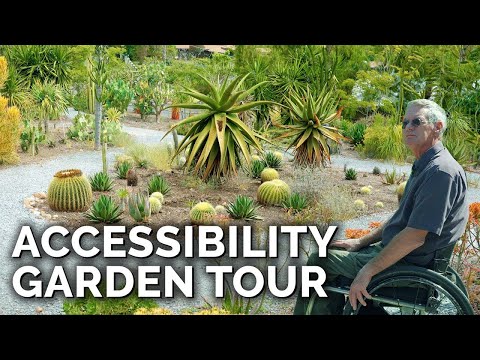
Wheelchair Accessible Gardens

A garden designed for wheelchair users should prioritize accessibility at every level. Raised garden beds at an appropriate height and orientation are essential. Options include raised planters, hanging baskets, tabletop gardens, or traditional wooden raised beds built to allow comfortable reach from a seated position.
The layout should feature firm, stable pathways that are smooth and free from loose gravel or large debris that make rolling difficult. Planting areas need to be easily accessible from a seated height so everyday garden tasks remain manageable and efficient.
Thoughtful accessible garden design benefits not only wheelchair users but also gardeners of all ages and abilities, creating a more inclusive and practical space for everyone.
How to Make Garden Tasks Wheelchair Accessible
Gardeners who use a wheelchair should be able to move and work comfortably within their space. Gardening involves many routine tasks, and each one should be planned with accessibility in mind. Creating an accessible setup benefits not only wheelchair users but also anyone who wants to welcome a diverse range of people into their garden.
With thoughtful design and adaptive strategies, everyday gardening tasks become easier and more efficient. The following tips focus on making each core task more accessible while maintaining productivity and enjoyment in the garden.
Weeding and Pruning

Working in raised beds and garden beds in general requires the removal of weeds and pruning of trees. Wheelchair bound gardeners cannot easily get onto the ground near their gardens to remove weeds from beds.
Pruning can be very difficult, even on small fruit trees. Ensure there is stable ground and that you do not have to reach too far to remove branches. A pole pruner may be useful here. Prune at the proper time of year. Gloves are helpful for both pruning and weeding, as repetitive motions can cause blisters. Tools commonly sold in large retail stores can cause strain in the arms, especially for those who need to move a chair frequently to change positions.
If a bed is not positioned correctly, twisting to work within it may become necessary. To prevent injury, warm up your body beforehand and wear clothing that protects against scratches and cuts. Create a clear weeding and pruning plan.
Will you weed raised beds today and tackle another garden area tomorrow? Or weed in the morning and prune small fruit trees in the afternoon? One effective approach is to separate tasks by planting area to ensure everything is covered without overexertion.
One of the best adaptable tools for weeding is a gripping weed puller. It features a blade that enters the soil and claws that grip the weed. When you pull back on the pole, the entire weed is removed.
For pruning, cut-and-hold pruning shears are excellent, especially for plants that require deadheading. For bushes and trees, ratchet action and power lever loppers help reduce strain while improving plant health. Keep tools sterilized and well-oiled so they do not add unnecessary resistance. Unless you are working with planters or containers, extended reach tools often make pruning easier and safer within garden beds.
Digging and Harvesting

Digging and harvesting in raised beds or containers can strain the shoulders, back, and arms. Like pruning, reaching too far from a wheelchair places stress on these areas.
To reduce the risk of injury, warm up your arms, back, and shoulders before starting. Wear clothing you do not mind getting dirty, and use gloves to prevent blisters and excessively dirty hands.
Plan your harvest around plant maturity rates and coordinate it with your tilling or bed turnover schedule. As you harvest, decide whether you will till the garden immediately for future plantings or prepare the raised bed after harvest. If you are working with a raised planter, consider what will replace the harvested vegetables. If you are harvesting herbs, think about companion plants to grow alongside them. Advance planning makes the process smoother and more manageable.
When working in raised beds, shorter handled tools can be just as effective as long handled tools used in in-ground beds. A 14-inch handled stirrup hoe works well for raised bed weeding and harvesting root or bulb vegetables. A T handled trowel with an adjustable pole assists with digging in raised beds, in-ground beds, and containers filled with potting soil. A cultivator is useful for surface tilling and aerating soil before the next planting cycle.
Watering

Watering is one of the most important gardening tasks. Vegetables, flowers, and soil all need consistent moisture to support healthy growth. Watering can become especially demanding during the heat of summer, which is why most gardeners water early in the morning near sunrise or in the evening as the sun sets.
Watering from a wheelchair with a traditional hose can strain the arms, hands, back, and even legs. Wet paths increase the risk of slipping, and loose hoses create tripping hazards. Garden layout should account for irrigation design, and the watering method itself should reduce strain and improve safety.
In larger gardens, soaker hoses that drip water directly at the root zone offer a practical solution. With this system, you only need to turn on the main water source, making accessible spigot height and easy reach essential. Because wet paths can be dangerous, choose stable, absorbent materials such as brick to create smoother transitions and better drainage.
For gardeners who prefer to move a hose manually, a hose reel can help. Lightweight coiled hoses are easier to pull and retract after use. Trolley hose systems allow you to move the hose along as you garden, reducing drag and resistance.
A small watering can works well for containers, especially when paired with drip irrigation or soaker hoses in larger beds. While other areas receive automated soil-level irrigation, you can supplement pots by hand as needed.
If using a standard hose, attach a long spray nozzle or irrigation wand to direct water precisely to the soil. For larger irrigation systems, whether pre-packaged or custom-built, automatic timers simplify the process. In that case, daily checks of each bed, planter, and plant ensure everything functions correctly.
Yard Work

Sweeping, raking, and mowing lawns can strain the arms and back when tools are the wrong length or weight. Choose a broom, rake, or lawnmower that fits your height and strength. Raking in particular can send shock through the arms as you lift and pull the rake across the soil. Stretch before beginning each task to reduce the risk of injury.
Select a power-driven lawnmower with steady speed control. Because these tasks can be physically demanding, spread them across different days and seasons. Lawns typically require no more than one inch of growth removed once or twice per week in spring and summer, and may not need mowing at all in fall and winter. Leaving fallen leaves in place can support wildlife and improve soil health over time.
Small wheeled electric mowers are often wheelchair accessible and allow you to move behind the machine without bending or reaching upward. Ride-on mowers work well if you can safely transfer from your chair to the mower seat. A bag attachment collects debris and helps prevent wheel clogging. Robotic mowers that follow a programmed perimeter are another option, requiring only monitoring and occasional troubleshooting rather than active pushing.
Adjustable rakes and brooms make it easier to tailor tools to your working height. Lightweight options reduce fatigue. Supportive grips and arm supports help with one-handed use or reduce strain during two-handed tasks. Grab and lift rakes and garden grippers eliminate the need to bend when collecting leaves and grass clippings, making yard maintenance more manageable.
Sowing and Transplanting

Growing plants from seed is one of the most rewarding parts of gardening. A planting station can be set up indoors or outdoors and tailored to your specific needs. A semi-outdoor planting area on a table works well for starting herbs, flowers, and vegetables, although lifting or transporting trays may be challenging. Mixing compost, peat moss, and other materials to fill trays can also require extra effort.
Every gardener benefits from a dedicated table or growing space for sowing seeds. As seedlings develop, they can be prepared for transplanting on a properly positioned workstation. Adding a stable brick pathway to and from this area improves access and safety. At this station, you can mix potting soil or seed starting mix suited to your garden and gardening style. If seed starting is part of your plan, include this station in the initial garden design.
Self-watering propagators and seeds with strong germination rates improve success during the seed starting phase. Seed cell trays, peat pots, and starter pods simplify handling. Seed sowers reduce the need to dig into each container individually. When it is time to transplant seedlings into the garden, use an adjustable trowel that allows comfortable digging from different heights.
A practical tip for all gardeners is to use a toolbelt. Keeping tools within reach saves time and reduces unnecessary movement. An armrest-mounted tool bag provides a similar benefit and keeps essential items close at hand.
Moving Equipment

Gardening sometimes requires moving soil, tools, and building materials. Lifting heavy items such as soil bags or wood for raised beds or hugelkultur mounds can strain the back, arms, and hands. Take regular breaks and avoid carrying too much at once. Light stretching before lifting and planning movements in advance can help prevent injury.
For smaller loads, transporting materials in your lap may be manageable. For larger loads or loose materials like mulch, a four-wheeled garden cart works well, especially one that can attach and tow behind you like a trailer.
Keep frequently used tools in a toolbelt or on a cart so they remain within easy reach. Flexible rubber buckets make moving soil easier because they fit securely in your lap or on a cart. Pot wheels allow containers to move smoothly without heavy lifting. Clear pathways and organized tool placement reduce unnecessary strain.
Folding hand dollies are useful for transporting heavier items, particularly when secured with a bungee cord to your armrests to prevent slipping or rolling away. This setup allows you to push materials forward safely and efficiently.





