
Contents
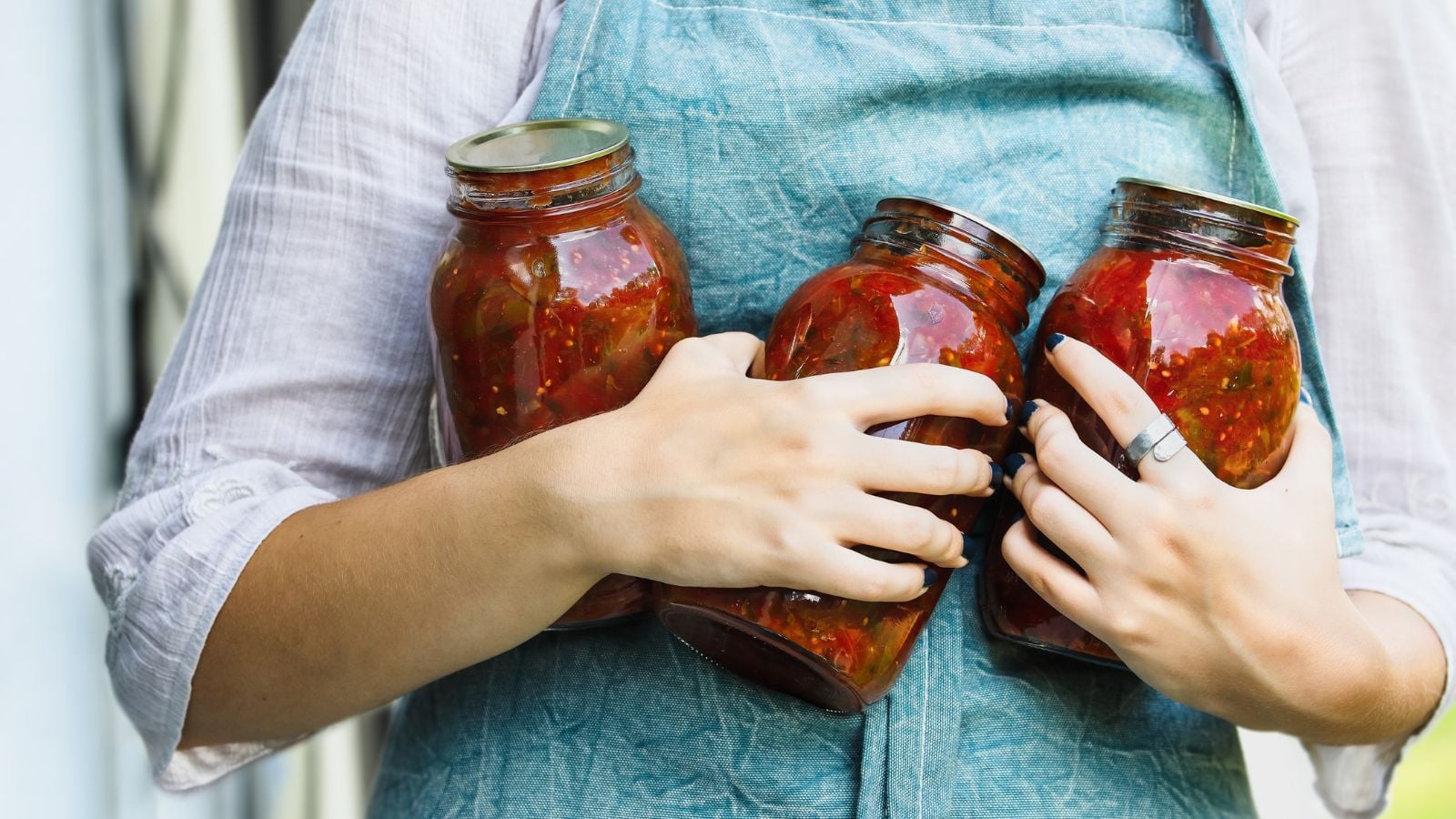
Once summer hits, there is nothing better than pulling veggies out of your garden and whipping up a summer salsa. With a bit of elbow grease and a few tools, you can easily grow and product a salsa that couldn’t be more fresh.
For this reason, you should consider growing a salsa garden! Especially if you know salsa is a staple in your household, a successful salsa garden would be a huge boon. If you already know how to grow the plants that produce salsa ingredients, it shouldn’t be hard at all.
Maybe you haven’t grown any food plants at all, and there’s nothing wrong with that! A salsa garden is a great way to start. You don’t even need a lot of space to get going. That means even those with a patio growing space can have home grown salsa.


What Is A Salsa Garden?
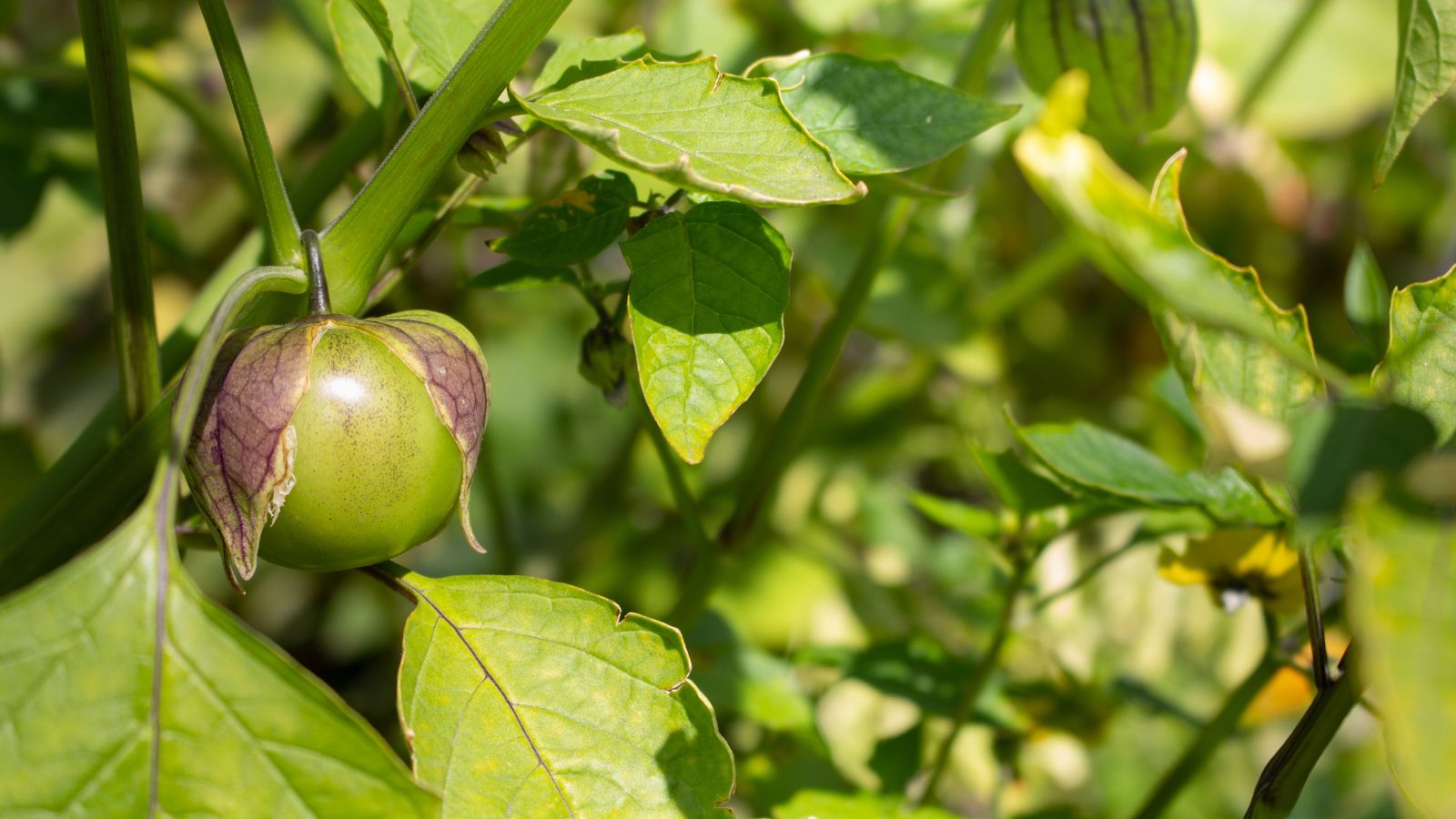
A salsa garden is just a normal garden, but focused on growing salsa essentials: tomato/tomatillo, onion, peppers and herbs. While none of these plants require a great deal of meticulous care, they will need to be planted at the right time and harvested at the ideal flavor point.
If you already have a garden, find a sunny spot for Roma tomatoes, tomatillos, and peppers hot enough to satisfy. Other vegetables you’ll need may include cilantro, onion and garlic.
What’s great about a growing plants to make salsa is many of them enjoy growing next to one another. This fact adds credence to the claim that all the salsa plants can be grown in a small space, like our 10 or 15 gallon Epic Grow Bags.
How To Plant A Salsa Garden

If you don’t have a garden plot cleared yet, find a spot in your yard that will pick up a lot of sun, or place a medium-sized grow bag in full sun. Very few food-bearing plants will thrive in the shade.
Also consider the possibility that you may need to fence in your garden at some point, as bunnies really like the leaves of pepper plants and the green shoots of onions.
Tools You Might Need:
- A durable shovel – If you’re busting sod, you’ll need something sturdy, and a cheap shovel will leave you with a busted handle and a less than useful head. Once the sod is gone, dig deep and really turn the soil. Water will reach the roots of your plants more effectively and they’ll produce more food. Any hand shovel will do for smaller spaces.
- A hand cultivator – Mechanized cultivators are available, but for a first turning it’s a good idea to use a hand tool. Use a twist tiller to loosen the earth. You can get a good look at your soil and review the contents. If you see earthworms, you’re in luck. If you’re dealing with extremely heavy clay soil, you’ll need compost. If it’s sandy soil, you’ll need to amend it when you set your plants.
- Small space gardeners need grow bags, or a small raised bed. Find a patio-sized metal raised bed for balconies, and small outdoor areas. There are plenty of other options as well, and there are tons of Birdies Metal Raised Beds sizes and shapes in our store.
What To Plant In A Salsa Garden

Plant anything and everything that will grow in your region and your soil. Have fun, try new things, and don’t give up! Plants are great teachers. As Thomas Jefferson said, “tho’ an old man, I am but a young gardener.”
Garlic should be planted in the fall for a summer harvest in temperate climates. If your winters are extremely wet, amend the soil to keep it light so your garlic doesn’t rot.
Onions can be planted early in the spring as long as they ground temperature stays above 20°F (-7°C). Onions can be planted in a block instead of a row, so you can keep them in consistent sunlight.
If you live in the south, consider a lime tree. If you have a sunny window and eight to twelve hours of daylight, try growing citrus indoors! A greenhouse is also a great space to grow citrus in areas where it’s too cold to grow outdoors.
Choose a meaty variety of tomato or you get spicy tomato juice in the chopping process. Romas are excellent for salsa, and they keep their shape when scalding to peel. Tomatillos are another option for salsa verde, and these produce tons of tomatillos in a season.
Add Espoma Tomato Tone to the hole when setting your tomato plants; they’re heavy feeders. Then continuously feed them throughout the season with liquid tomato plant food.
Peppers are a matter of taste. Review the heat index of pepper plants before deciding what to plant. Keep a variety in your garden and prepare salsa that will please those who love the heat and those who just can’t handle it.
No matter how hot you like your salsa, handle peppers with care and use gloves; the process of veining and seeding peppers transfers pepper oil, and thus heat, to your skin.
You may or may not feel this while in the kitchen, but should you rub your eye, scratch your nose, or need to put in contact lenses at any point in the next few hours, you will definitely notice. Other horror stories include changing diapers (poor baby) and, for the gentlemen, using the bathroom.
Cilantro is another matter of taste. To some of us, salsa isn’t salsa without cilantro. However, some people find that cilantro tastes like soap. This is genetic and can’t be helped, so be prepared to provide a cilantro and a non-cilantro option when serving your salsa to guests.
When To Plant A Salsa Garden

It’s easy to get very excited in the planting season and put things in the ground too early. While onions can be planted early, tomatoes have a very definite need for a certain amount of sunshine, and peppers can’t handle cool weather. Review your hardiness zone and determine the best times to plant for your region.
In general, you want to plant your tomatoes or tomatillos, and your peppers when temperatures are consistently above 50°F (10°C). Plant them as close to this time as possible so you get a good head start on fruit production.
Cilantro can be sown as soon as you plant your tomatoes. A little cilantro seed can go a long way, so keep a section of your salsa garden free for the next planting of cilantro and plant every two weeks. When one section goes to seed, gather the seed for your next salsa season and plant more in the empty space.
Harvesting Your Salsa

After you’ve cared for your plants through the season, you get to harvest them! Depending on varieties you’ve grown, harvest times will be variable based on the conditions your plants are grown in, and those you provide. Here’s a quick breakdown of harvest times for basic salsa elements.
- Tomatoes: 60 to 85 days
- Tomatillos: 60 to 80 days
- Peppers: 60 to 90 days
- Onions: 90 to 120 days
- Garlic: roughly 270 days
- Cilantro: 28 days
- Lime: 3 to 6 years for immature trees; trees take 8 to 10 years to fully mature





