What To Plant In A Fall Garden
Summer may be gone, but gardening season is not over! Plant these veggies in your fall garden for an abundant winter or spring harvest.

Contents
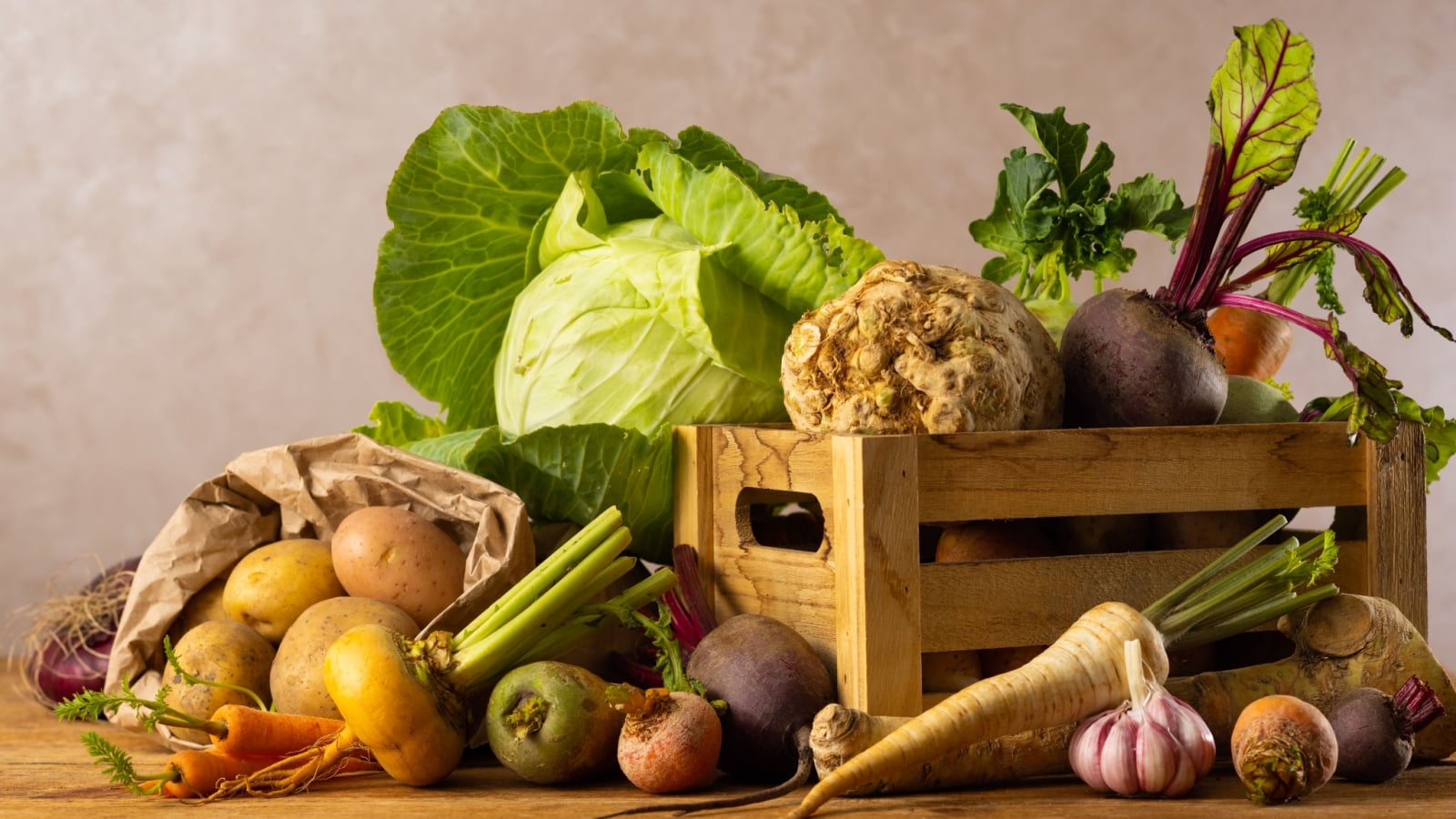
When fall comes, many of us think of harvesting pumpkins and winter squash, but what about veggies that you can plant while the leaves are changing? Thankfully, there are many other crops that you can grow around the time that you harvest classic fall favorites. Most people don’t think of fall as a season for gardening, but this assumption couldn’t be further from the truth.
Fall brings new opportunities to squeeze more out of your gardening year. If you are an avid gardener, planting a fall garden can be one of the most rewarding ways to expand your season and growing knowledge. However, it’s important that you know which plants are best for fall. I didn’t know when I first grew in the fall… and let’s just say I paid the price.
Here’s a list of the 15 best plants to plant in your fall garden. Many of these crops actually perform better in the buffer season than they do in hot summers. They thrive in lower light and colder temperatures, which is exactly what we’re looking for in a fall garden.


Broccoli

Broccoli is one of the healthiest vegetables, so take advantage and add it to your fall garden. It is a member of the cabbage family, and it develops best in the cooler seasons of spring and fall.
Broccoli needs healthy soil, ample sunlight, and cool weather to grow. Fall is the perfect time to grow this brassica because average temperatures are low, which reduces the risk of pest issues and bolting (going to flower). Anyone who has ever struggled with summer aphid outbreaks will be grateful for an autumn broccoli crop.
Brussels Sprouts

Brussels sprouts are a green leafy member of the cabbage family, just like broccoli. Brussels sprouts offer several health benefits, including large amounts of vitamin C and K. Plus, with a little olive oil and some salt, they taste absolutely amazing.
Brussels sprouts require cool weather and rich soil. They will not grow well in hot weather, which is why fall is the optimal season to grow these bad boys.
Cabbage

Cabbage is a hearty vegetable that grows year-round in most temperate regions. This crop was domesticated more than 3,000 years ago, and dozens of cabbage varieties are available today.
While it can grow in a variety of conditions, fall is the best season for harvesting the crop because of the cool weather and rich soil. Planting cabbage in the spring requires much more preparation, but in the fall, you can direct seed into the soil due with less worry of frost. Mature plants are moderately frost-tolerant and become even more crisp and sweet after a light freeze.
Cauliflower

Cauliflower can be grown year-round just like cabbage, but again, it does best in the fall. It is a member of the Brassicaceae (cabbage) family. Cauliflower provides large amounts of vitamins, protein, and fiber. If you’re into the paleo diet, it’s also a great substitute for rice or other grains in most dishes.
Cauliflower needs cool weather and moist soil to grow properly. Hot weather tends to produce premature cauliflower heads, making fall the optimal season to grow the most dense florets.
Kohlrabi

Kohlrabi is a small, stout vegetable that belongs to the cabbage family (are you seeing a trend here yet?!). Kohlrabi originated in Germany, hence its nickname, “German turnip.” Eat the unique brassicas cooked or raw. The alien-like bulbs grow year-round in most regions, but the crop does best in cool weather.
When Kohlrabi grows, it ends up looking like an ugly purple turnip, but don’t let that fool you—it’s delicious! Add crisp, frost-sweetened slices to salads or roast for a delectable side dish that has a potato-like texture and turnip-like flavor.
Lettuce

Lettuce is a member of the daisy family that is mostly eaten in salads. To harvest a fall crop of lettuce, plant in late August, depending on your hardiness zone. Baby greens can be cut within a few weeks and full heads are typically ready to eat by early October.
Lettuce absolutely loves cool weather and slightly reduced sunlight. Summer heat and sunshine tend to scorch the leaves and bring about lots of pest issues.
Mustard Greens
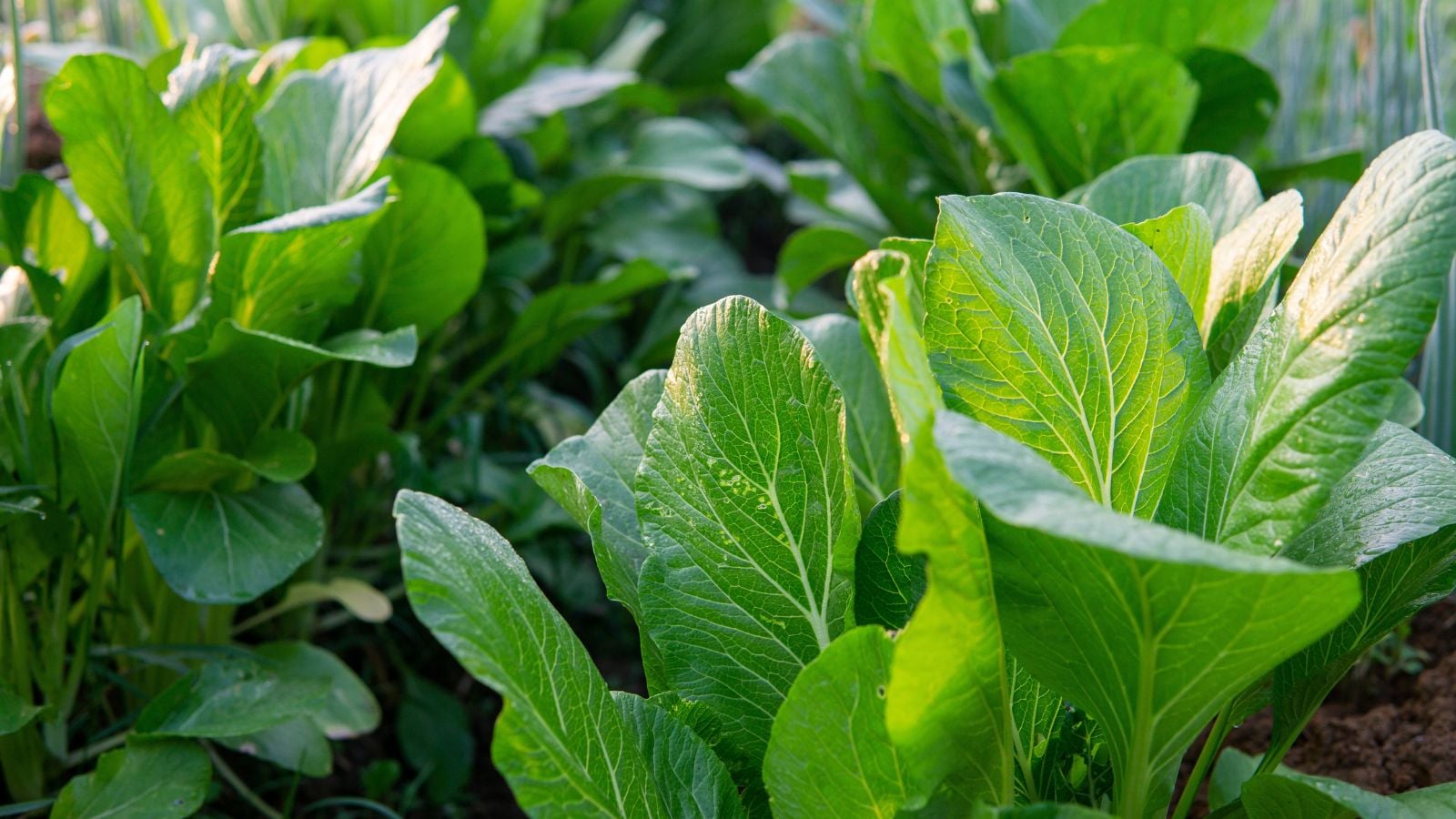
Mustard greens are one of the less common leafy greens to grow for many gardeners, but they absolutely thrive in the fall. They’re similar to kale (but spicier!) and the vegetable provides large amounts of vitamins and fiber.
Mustard greens are resistant to frost, so if you’re getting a late start on your fall garden, you can confidently plant some of these in your garden. Enjoy these flavorful salad greens raw or cooked.
Radish

Radishes are crunchy vegetables often enjoyed on top of salads. People have been eating radishes for thousands of years… and not without reason! They’re nutritious, crisp, hydrating, and versatile.
Radishes can grow in nearly any region, but timing the harvest of the plant is a bit tricky. For most varieties, you want to harvest them at golfball size before they start flowering, otherwise they will become pithy and bitter.
Typically, radishes are a terrific fall crop. October seems to be the best time to harvest the vegetable. The cool air and chilled soil often produces the most tasty radishes of the year.
Rutabaga

Rutabaga is a turnip-like root vegetable that grows under the soil. It’s one of the best vegetables to grow in the fall because rutabaga roots thrive in cool soils. Like many of its brassica cousins, rutabagas tend to taste bitter when grown in heat.
Ideally, temperatures need to be between 50 to 65°F (10-18°C) on a daily basis for the rutabaga to thrive. Barring some of the more extreme fall climates, that puts rutabaga right in range for a perfect autumn crop.
Spinach

Spinach is a super nutritious green vegetable. If you’re like me, you grew up watching Popeye chug cans of spinach. And if Popeye can get guns like that from spinach alone, we all better get with the program!
Spinach developed this reputation due to the massive amounts of vitamins and minerals contained in its green leaves. Spinach grows best in temperatures below 70°F (21°C). Several varieties of spinach exist, but ‘Bloomsdale‘ is especially good for fall planting. Like several of the other vegetables on this list, spinach does rather well in cool temperatures and survives through exceptionally cold frosts.
Chard

Chard is yet another leafy green vegetable, but this one is related to beets. This tasty green is mostly used for Mediterranean-style cooking. Like most vegetables on the list, chard is super nutritious, providing tons of vitamin A, C, and K.
It’s best to plant seeds 40 days prior to the first frost date for an early fall harvest. It is also recommended to trim the chard plant down when it reaches a foot tall. You can continually harvest by picking only the mature outer leaves.
Collards

Collards are another leafy brassica that does rather well in the fall. Collards are relatives to the broccoli family and they offer several of the same health benefits.
The recommendation is to sow collard seeds when your ambient temperatures are around 65°F (18°C). Collards do best in cool weather, and fall is actually the optimal time to plant this vegetable.
Peas

Finally, a crop that isn’t a brassica or a salad green! Peas are not usually thought of as a fall vegetable, but autumn-grown pods are often superior to their spring-grown counterparts.
Plant peas 90 days prior to the first fall frost. The soil needs to be between 50 to 70°F (10-21°C) for them to grow. Early fall weather provides the perfect climate for quick establishment. Don’t forget to build a trellis for vining types!
Scallions

Scallions are members of the onion family with versatile culinary uses. They’re a milder version of the onion that I personally love to use in my morning omelettes. Growing scallions requires a temperature of 50°F (10°C).
Plant scallions in the fall to ensure a colorful, flavorful garnish for your holiday dishes. They’re very tough and they can withstand the freezing temperatures of winter.
Turnips

Turnips are root vegetables grown in temperate climates around the world. Rich in vitamins and minerals while also adding a nice kick to any meal, turnips are a fast favorite among many fall gardeners. They don’t only come in grandma’s classic purple-top variety, but are also available as sweet Japanese turnips for fresh eating.
While spring is a great time to plant and grow turnips, fall can be even better. Plant these root veggies in late summer or early autumn for a sweeter and more nourishing harvest. Ensure that the soil is loose and well-drained.
Go Forth and Plant Your Fall Garden

There are many more veggies to plant in the fall than the 15 listed here, but these are some of my personal favorites. They’re the ones I’ve had the most success with in the buffer season before the cold hits.
Just because the seasons change doesn’t mean that you can’t continue your love of gardening. In fact, most of the vegetables mentioned above actually thrive in the fall climate.
I hope you’ve found this list helpful and inspiring! Drop me a comment and let me know your favorite fall garden strategies… I’m still learning and would love to hear your tips and tricks.