7 Dahlia Watering Tips for Abundant Flowers
Dahlias have specific water needs that change throughout the season, and getting it wrong can mean fewer blooms or plant failure. Gardening expert Madison Moulton shares the watering secrets that keep dahlias thriving.


Contents
Dahlias have a reputation for being thirsty plants, but there’s more to watering than that. Water a dahlia too much and the tubers rot. Water a dahlia too little and the flowering stops.
These impressive blooms require significant moisture to develop their size and vibrant colors, yet the tubers can’t handle constant wetness. Their needs also shift throughout the growing season. A newly planted tuber requires completely different care than a mature plant loaded with dinner-plate-sized blooms.
These tips can dramatically improve both flower size and bloom quantity. They will help you provide exactly what your dahlias need when they need it.


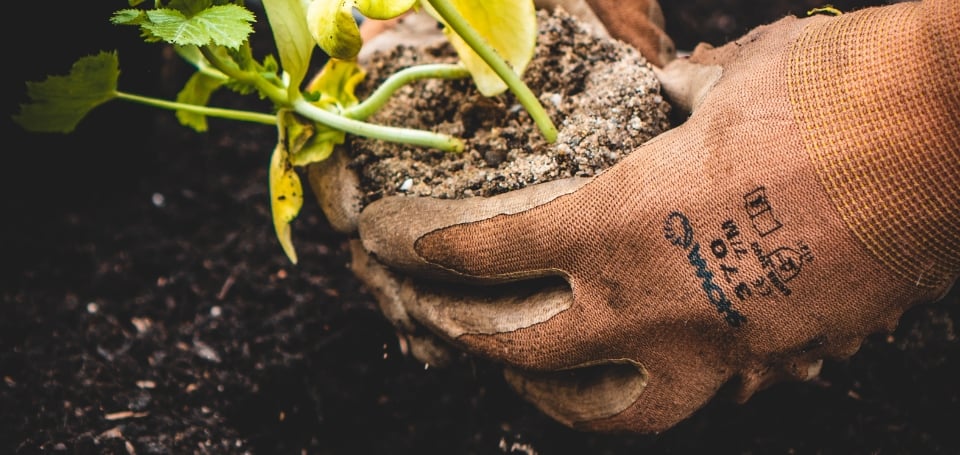
Water Frequently After Planting

Newly planted dahlia tubers need careful attention to get established properly. The tubers are basically sitting dormant in the soil until they sprout, and this is when they’re most vulnerable to both drought and overwatering.
Start with moderate moisture right after planting, enough to settle the soil without becoming soggy. The tubers need some moisture to begin sprouting, but too much water before dahlias are actively growing can cause rot problems.
Once you see the first shoots emerging, increase watering frequency gradually. New growth means the tubers are actively taking up water and nutrients, so they can handle more irrigation without problems.
Keep soil consistently moist but not waterlogged during this establishment period. Check daily during hot weather since new plants haven’t developed the root systems to handle drought stress yet.
Adjust Watering to Growth

Dahlia water needs change as plants develop through the season. Early-season watering should be light and infrequent. The tubers are just starting to develop roots and shoots, so they can’t process large amounts of water. Overwatering at this stage is one of the quickest ways to lose dahlias to rot.
As plants reach about 12 inches tall, they start needing significantly more water. This is when root systems are expanding and top growth is accelerating. You’ll need to water your dahlia more frequently and more deeply to support the increased plant activity.
Peak water needs come during the flowering season when plants are producing those spectacular blooms. Large dahlia flowers require enormous amounts of water to develop and maintain their size and quality. This is when deep, frequent watering becomes essential.
Late in the season, start tapering back on dahlia watering as plants prepare for dormancy. Too much water late in the year can delay the natural process that prepares tubers for winter storage.
Check the Soil

Guessing about soil moisture is one of the fastest ways to mess up dahlia watering. These plants need consistent moisture, but that changes with weather, soil type, and plant size.
Stick your finger into the soil near the tubers. If it’s dry a few inches down, it’s time to water your dahlia. Surface soil can look dry while deeper soil is still moist, or vice versa, depending on recent weather.
Clay soils hold moisture longer than sandy soils, so watering frequency needs to match your soil type. Sandy soils might need daily watering during hot weather, while clay soils could go several days between waterings.
Mulched soils also behave differently from bare ground. Mulch helps retain moisture but can also mask what’s happening at root level. Check under the mulch to see actual soil conditions rather than just looking at the surface.
Container-grown dahlias dry out much faster than garden plants. Check these daily during hot weather since pots can go from moist to bone dry surprisingly quickly.
Watch the Weather

Weather patterns should drive your dahlia watering schedule more than calendar dates. A week of cool, cloudy weather means very different watering needs than a week of hot, sunny days.
Hot, windy conditions increase water needs dramatically. Plants lose moisture through their leaves much faster when it’s hot and breezy, requiring more frequent irrigation to replace what’s lost to evaporation.
Recent rainfall affects watering needs for several days. A good soaking rain might eliminate the need for irrigation for a week or more, depending on temperatures and soil conditions. Don’t water your dahlia just because it’s been a few days since the last irrigation.
Humidity levels also matter. High humidity reduces water loss from leaves, while low humidity increases it. Adjust your watering frequency based on overall weather patterns, not just temperature and rainfall.
Watch the forecast too. If rain is predicted, you might skip irrigation and let nature handle it. But if a heat wave is coming, you’ll want to make sure dahlias are well-watered before temperatures spike.
Water the Soil, Not the Leaves

Dahlias are prone to several fungal diseases that thrive in humid conditions. Wet foliage creates perfect conditions for powdery mildew, gray mold, and other problems that can ruin plants and flowers.
Direct water at the soil around dahlias rather than spraying it over the foliage. Soaker hoses or drip irrigation work perfectly for this, delivering water exactly where it’s needed without wetting leaves.
If you’re watering by hand, use a nozzle that lets you direct water flow precisely. Water slowly at the base of the dahlia, letting it soak into the root zone rather than running off or splashing onto leaves.
Timing matters too. If you must water overhead, do it early in the morning so foliage has time to dry before evening. Wet leaves overnight are much more likely to develop disease problems than leaves that dry quickly in the morning sun.
Avoid watering dahlias during the heat of the day, which wastes water to evaporation and can stress plants. Early morning is ideal, with early evening as a second choice if morning isn’t possible.
Watch Drainage

Even water-loving dahlias can’t tolerate waterlogged soil. Poor drainage kills more dahlias than drought, especially early in the season when tubers are vulnerable to rot.
Heavy clay soils that don’t drain well need amendment with organic matter or sand to improve water movement. Raised beds work well for dahlias in areas with drainage problems since they elevate plants above problematic soil.
Container drainage is critical since pots can become waterlogged much more easily than garden soil. Make sure containers have adequate drainage holes and don’t sit in saucers that hold standing water.
Watch for signs of drainage problems like water standing on the soil surface after irrigation, or soil that stays soggy for days after watering. These conditions will eventually kill dahlia tubers even if plants look healthy initially.
Slopes and raised areas naturally provide better drainage than low spots where water collects. If you’re dealing with marginal drainage, position dahlias in the best-draining parts of your garden.
Water Consistently

Irregular watering stresses dahlias and reduces flower quality. Plants that experience drought followed by heavy watering often develop problems with bud formation and flower development.
Consistent moisture doesn’t mean watering the same amount every day. It means maintaining steady soil moisture levels appropriate for the current weather and plant growth stage. Some days you might not water at all, while others require deep soaking.
Mulching helps tremendously with moisture consistency. A thick layer of organic mulch moderates soil temperature and moisture, reducing the daily swings that stress plants.
Automatic irrigation systems work well to water dahlias since they provide regular, measured amounts of water. Just make sure you can adjust the timing and duration as needs change through the season.
Check plants regularly during hot weather since water needs can change quickly. What was adequate irrigation yesterday might not be enough today if temperatures spike or winds increase.