15+ Upcycle Ideas For Your Garden

A blue and red boat hull filled with Cyperus papyrus and Juncus effusus surrounded by white pebbles, an example of upcycle ideas for the garden

Contents

As gardeners, we’re always trying to make the most of what we have…

But sometimes our creative juices need a refill! Here are 15 different ways you can upcycle and repurpose items in your garden!

Be sure to comment below with your own methods :)​

1. Turn Styrofoam Cups Into Planters

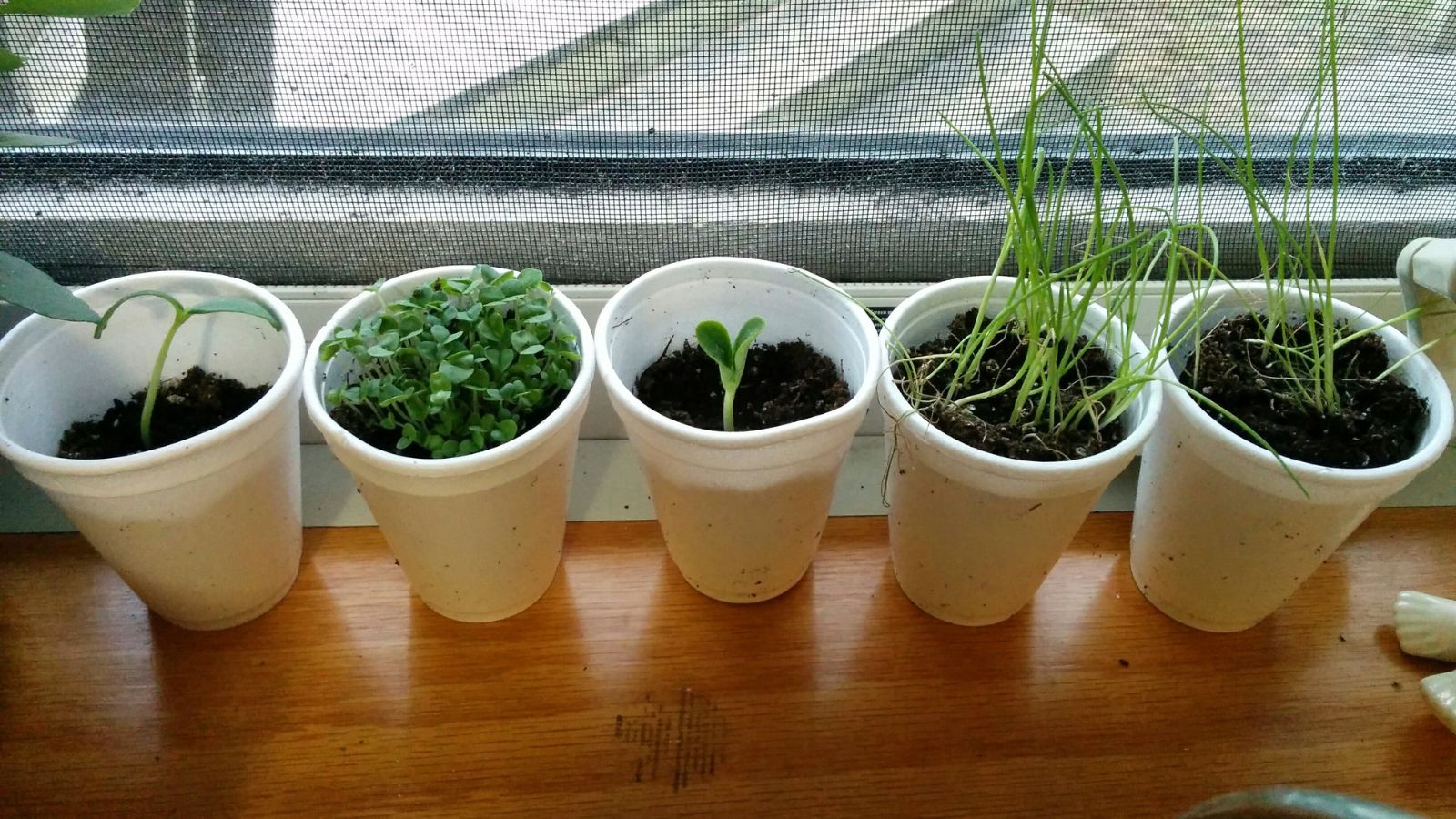
An overhead and close-up shot of a row of several repurposed Repurpose styrofoam cups, all filled with soil and devleoping plants in doors
Repurpose styrofoam cups as mini greenhouses to start seeds, root cuttings, or transplant seedlings.

Ideally you’re not using a lot of styrofoam cups to begin with, but sometimes it’s unavoidable. If you have some extra lying around the house from an old party, you can use them ​as miniature greenhouses to start seeds, root your cuttings, or transplant seedlings.

2. Turn Mushroom Containers Into Planters​

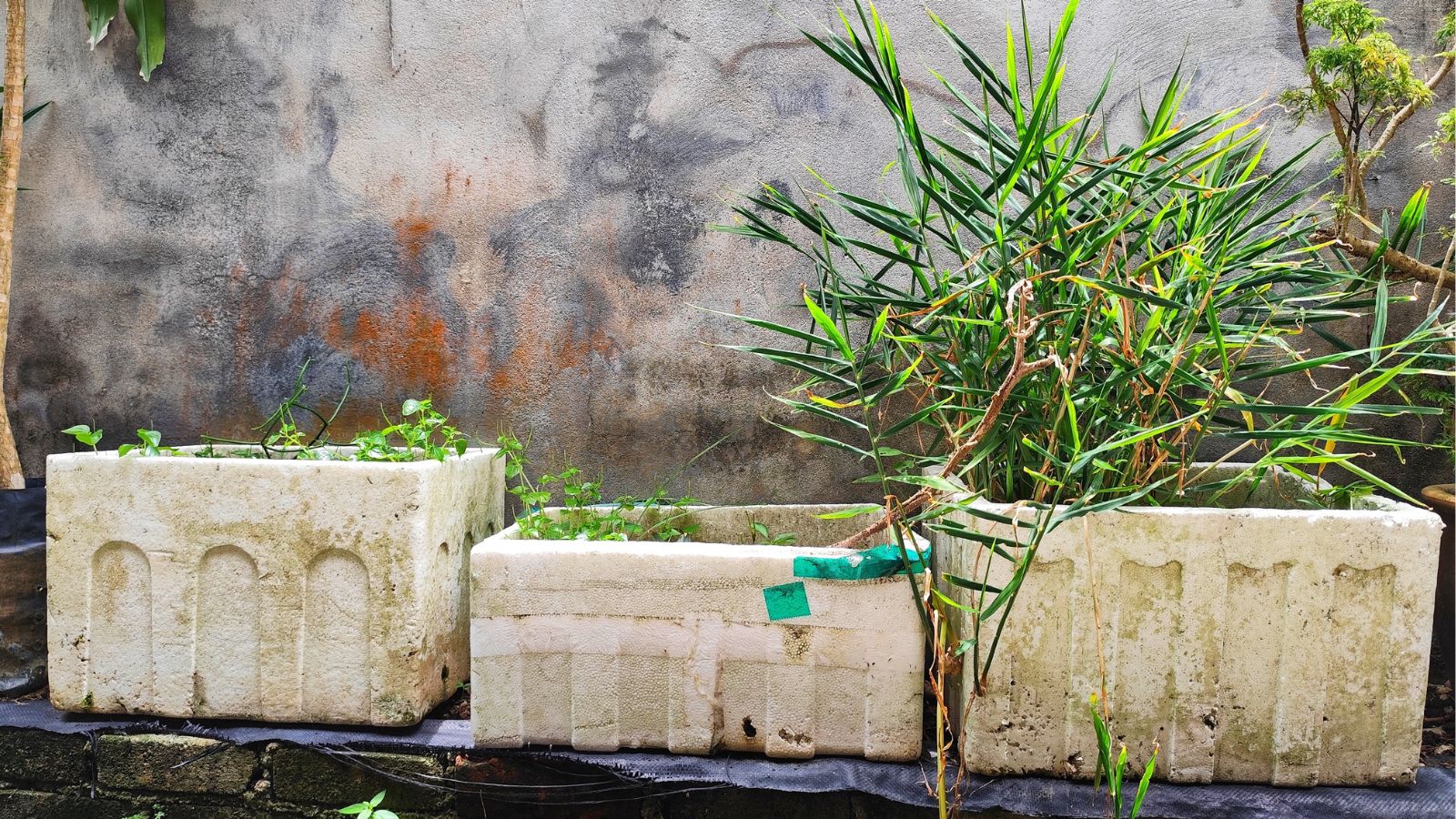
A shot of several white colored styrofoam mushroom planters, all filled with various plants, all placed in a well lit area outdoors
Upcycle styrofoam containers into perfect mini planters for starting seeds or fitting into small spaces.

Similar to ​styrofoam cups, you can upcycle the styrofoam containers. They make amazing little planters for starting seeds or fitting into a tight space.

3. Turn Egg Cartons Into Germination Trays​

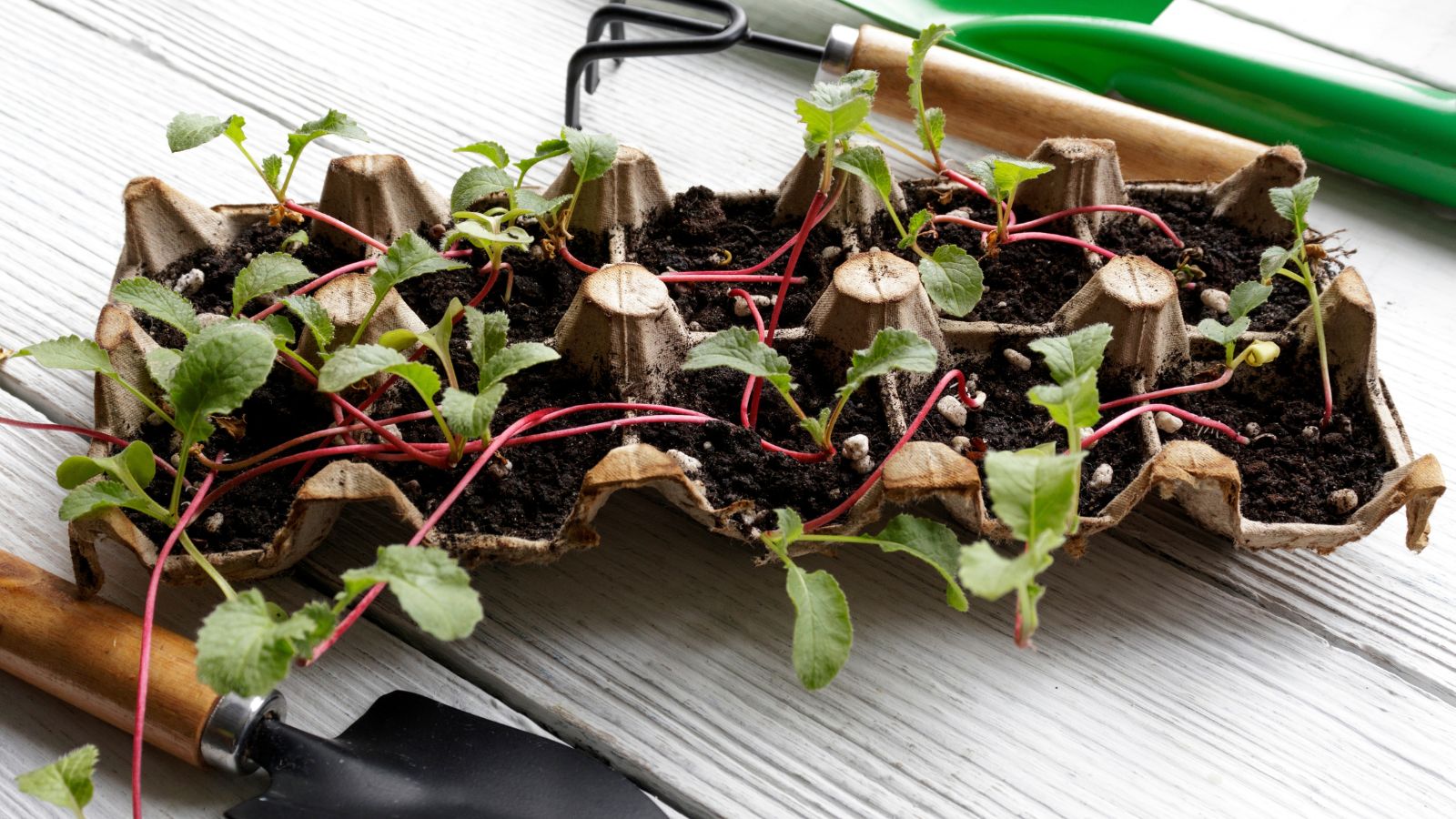
A close-up and overhead shot of a repurposed egg carton, filled with soil and developing plant, all placed in a well lit area indoors
Repurpose egg cartons into “germination stations”.

A great way to reuse egg cartons is to turn them into ‘germination stations’, as I like the call them. Adding a little soil to the separate sections for each egg turn the carton into a 12-18 seed starter tray.

4. Use Plastic Bags To Create Mini Greenhouses
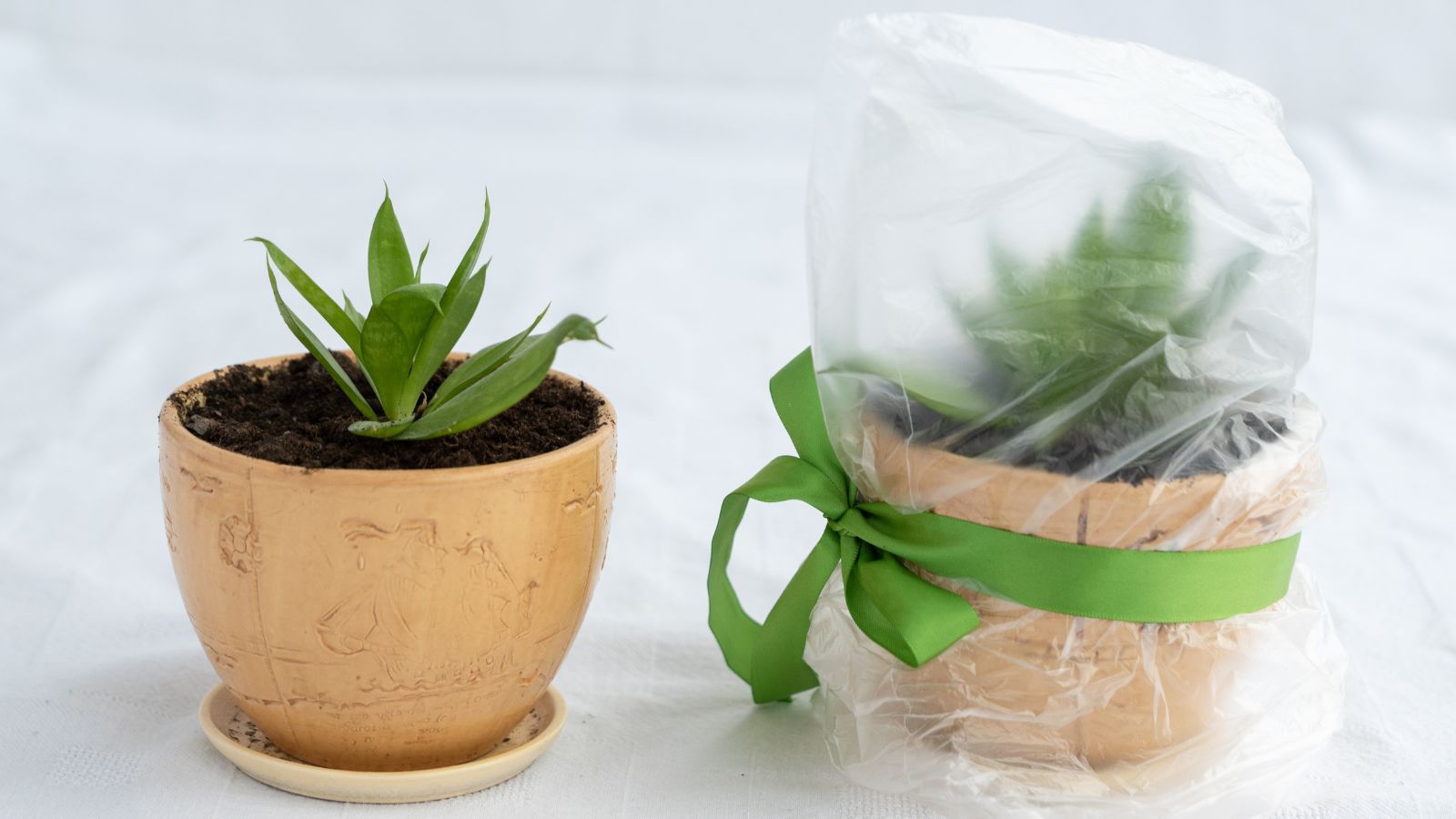
A close-up shot of two small pots, with one covered with a plastic bag, all placed in a well lit area indoors
Repurpose plastic bags as mini-greenhouse covers for your pots and seedling trays.

No matter how hard you try, sometimes you still use plastic bags in day to day life. It hurts to throw them away and send them into the Great Pacific Garbage Patch​, so why not turn them into the covers for mini-greenhouses?

To do this, all you need to do is cover your pots and seedling trays with plastic bags. Use sticks or skewers to keep the bag upright and aerated.​

5. Use a Crib for a Trellis

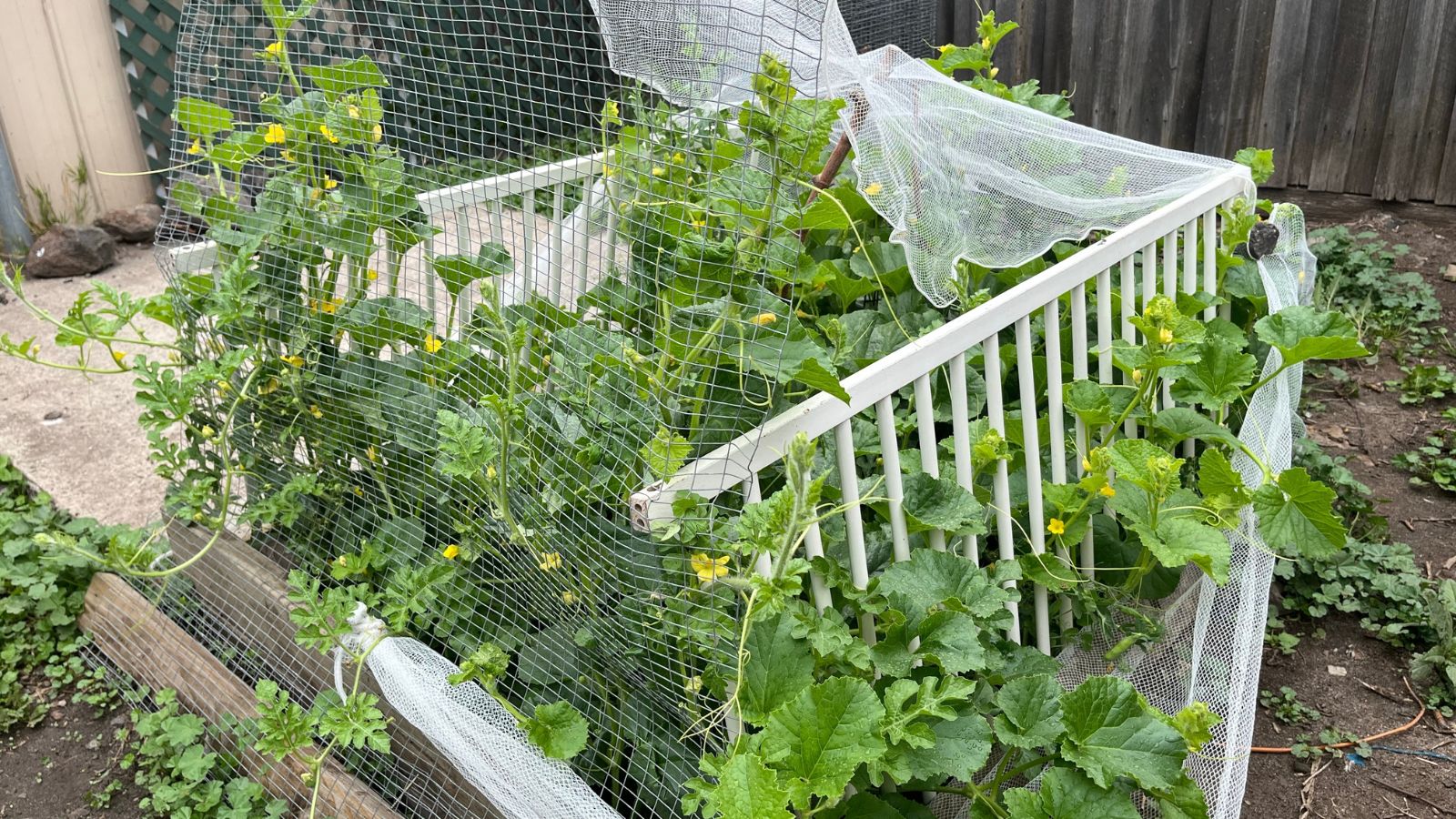
A close-up shot of a repurposed crib, turning it into a garden support structure for developing plants
Turn old cribs into garden trellises by using the parts to support vining plants.

If your children have outgrown their cribs and you’re wondering what to do, wonder no more! They make fantastic ​trellises for the garden.

All you need to do is disassemble the crib and use various parts as you see fit. They work especially well for cucumbers and any vining plant that likes to spread out horizontally.​

6. Use Clothing as Plant Ties

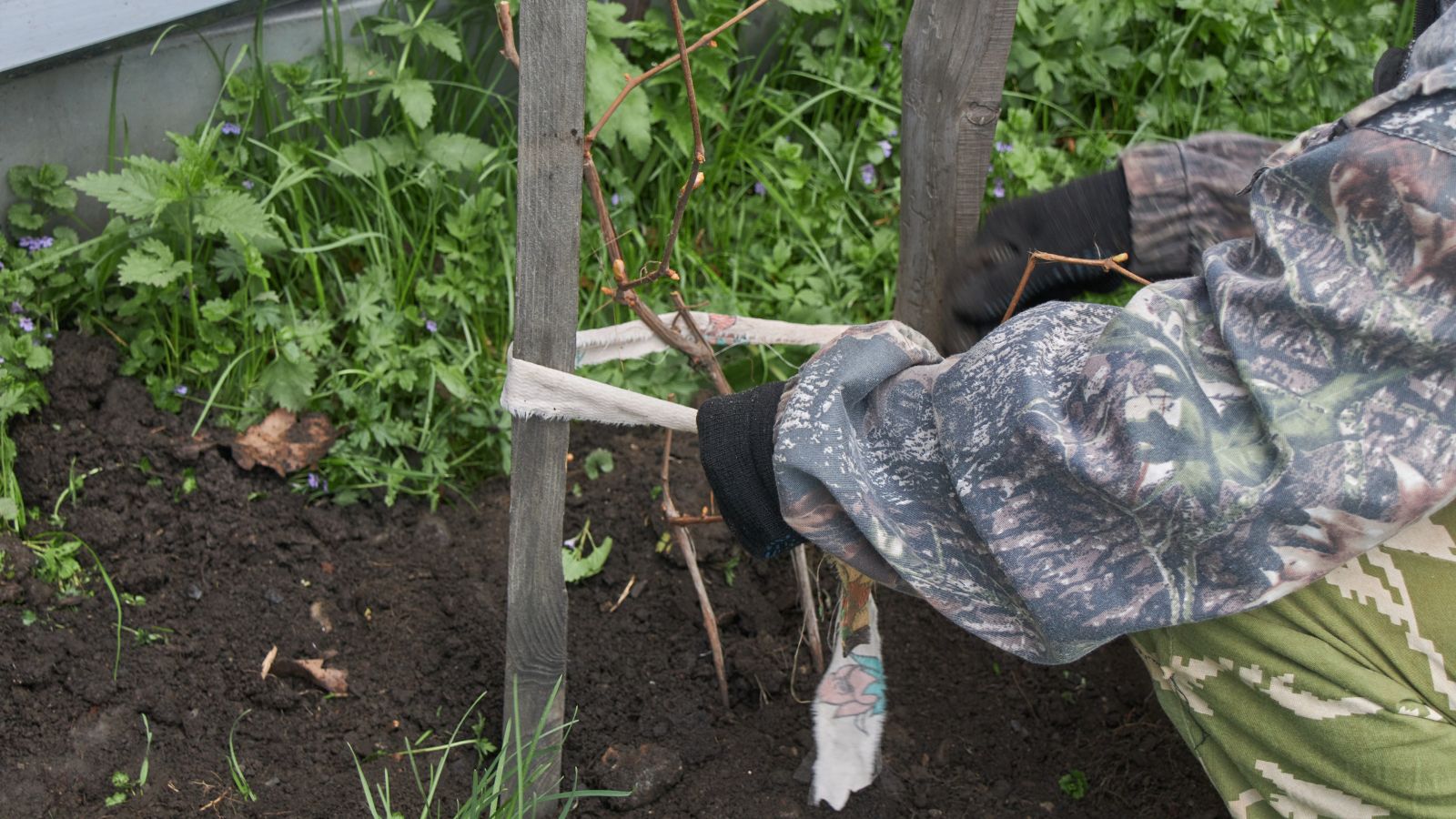
A close-up shot of a person using an old clothing to tie and support plants
Repurpose old clothes as garden ties to support heavy fruiting plants.

If your old clothes are too ratty to send to Goodwill or donate to someone in need, then use them in the garden. They’re fantastic ties and supports for heavy fruiting varieties of tomatoes, beans, cucumbers, and more.​

7. Use Fence Pieces For Container Gardening
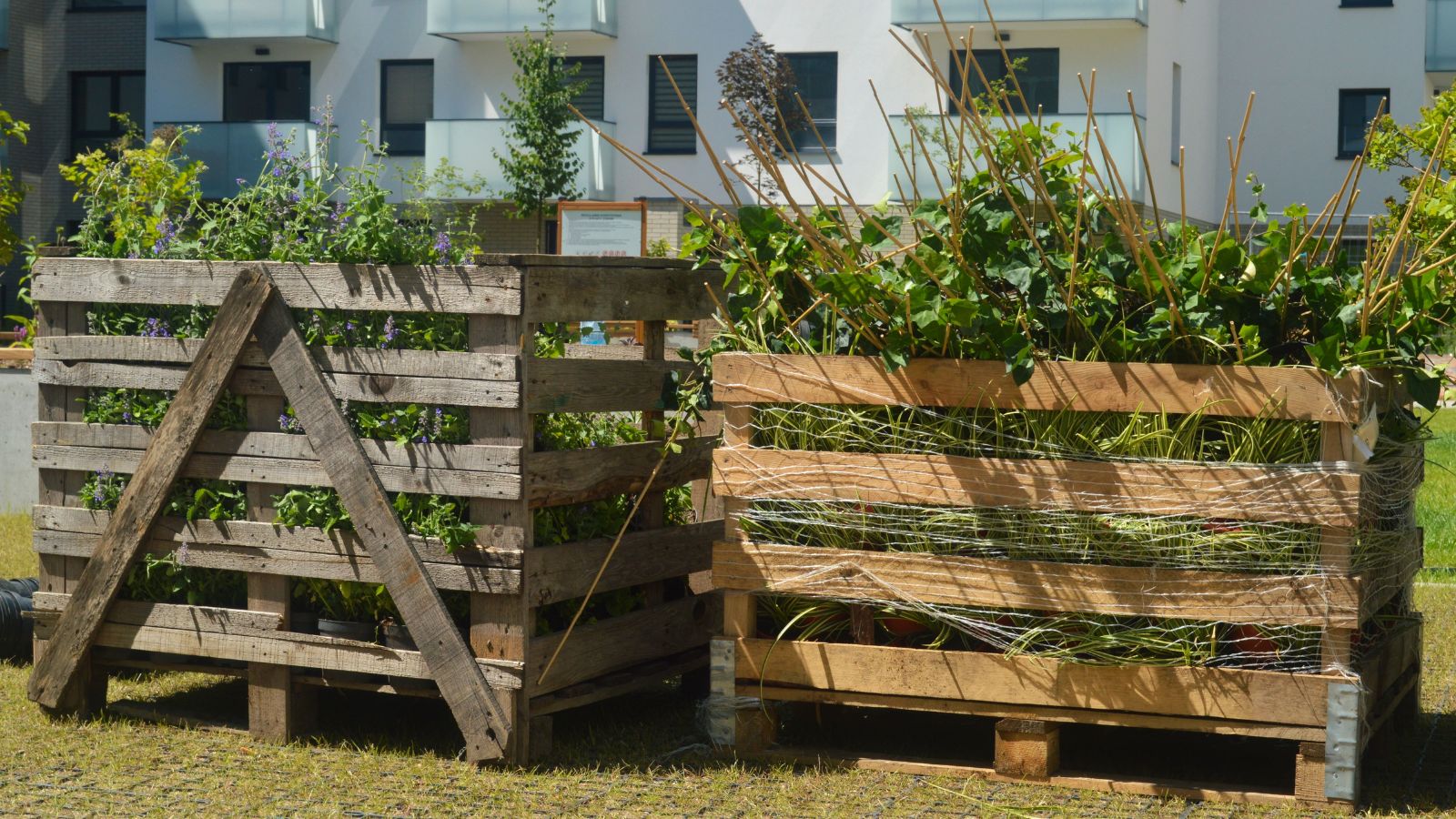
A shot of several repurposed wooden fences made into large planters, all placed in a well lit area outdoors
Repurpose old wooden fences into rustic DIY containers.

When redoing a fence, the tendency is to give away all of the old wood or use it as firewood. Instead of burning it, you can turn it into containers with just a little bit of extra work.

Saw down the planks into the same size and arrange into a cylinder, then use an old trashcan on the inside for support and tie rope around the outside for stability.​

8. Use Trash Cans For Compost Bins

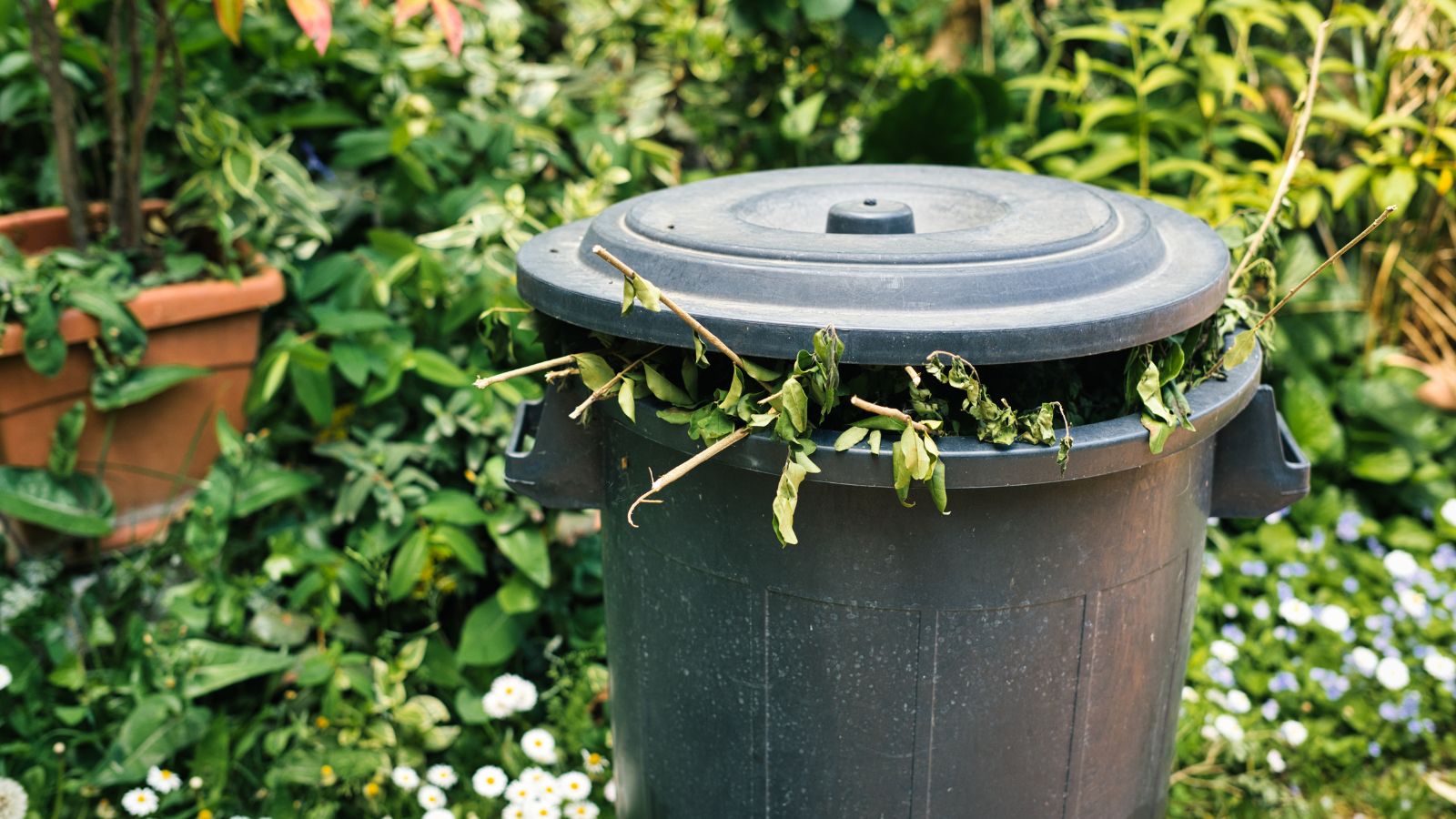
A close-up shot of a black colored repurposed trash can for compost, all placed in a well lit area outdoors
Give damaged trash cans a second life by turning them into compost bins.

Trash cans tend to break and crack due to sun exposure, but that doesn’t mean their useful life has passed. You can ​use them as compost bins.

  • ​Dig a hole the circumference of your trash can
  • Drill holes every few inches in the sides of the can for aeration
  • Cut out the bottom of the trashcan
  • Sink the trashcan into the dug out hole
  • Fill with browns and greens and add living garden soil for beneficial bacteria
  • Add water
  • Put lid on
  • Stir every few days

9. Turn Wine Corks Into Containers
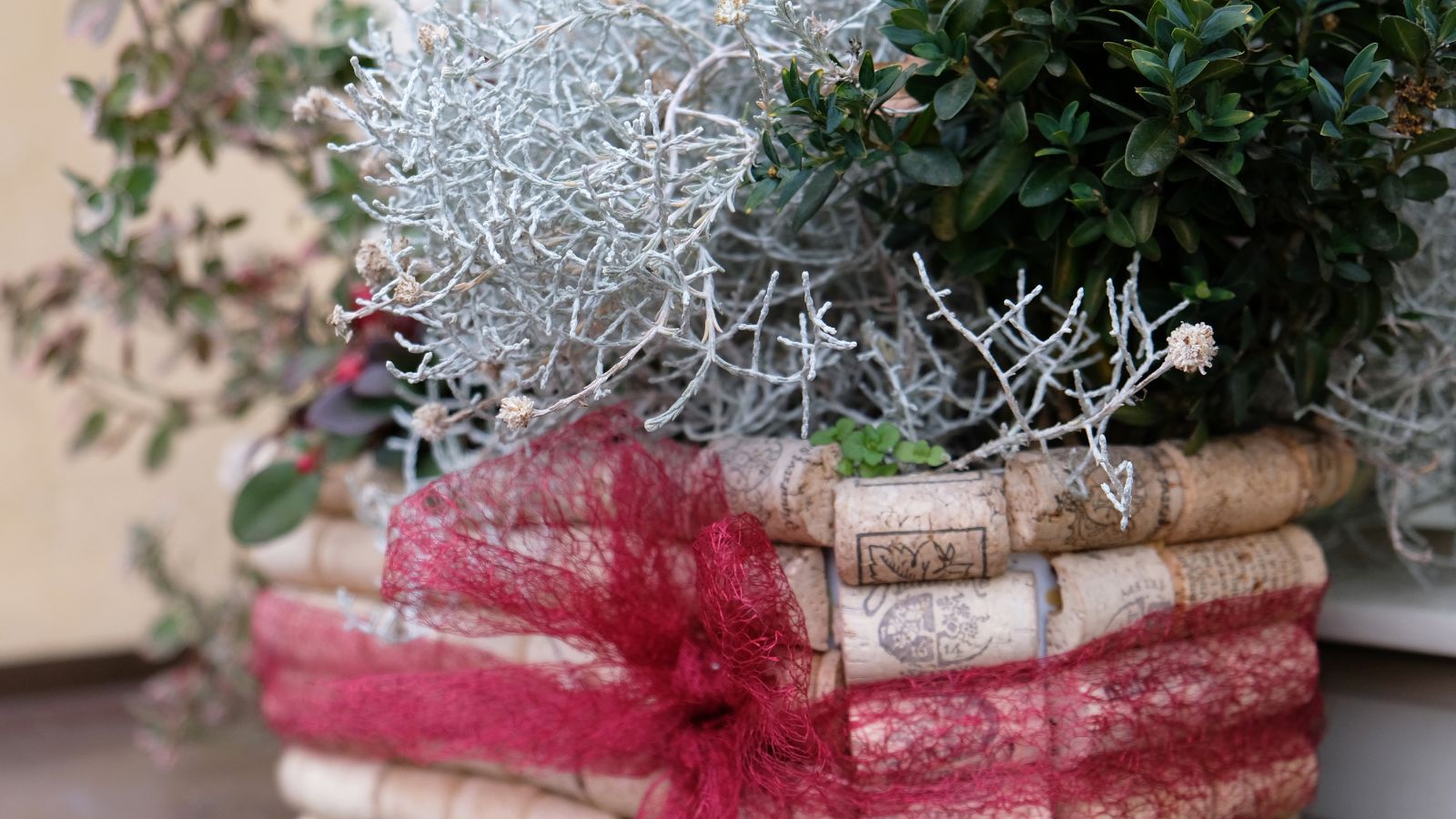
A close-up shot of a pot, covered in old wine corks, with the pot filled with various plants in a well lit area indoors
Transform old wine corks into charming pot covers.

If you have a love of the humble grape’s liquid form, chances are good you’ve got wine corks lying around the house somewhere – maybe even in a bucket somewhere as a collection. Put them to use! You can easily​ dress up a pot with cork on the outside to turn something drab into something beautiful. Just hot glue them to the outside of an old planter pot.

10. Weave Rope Into Containers
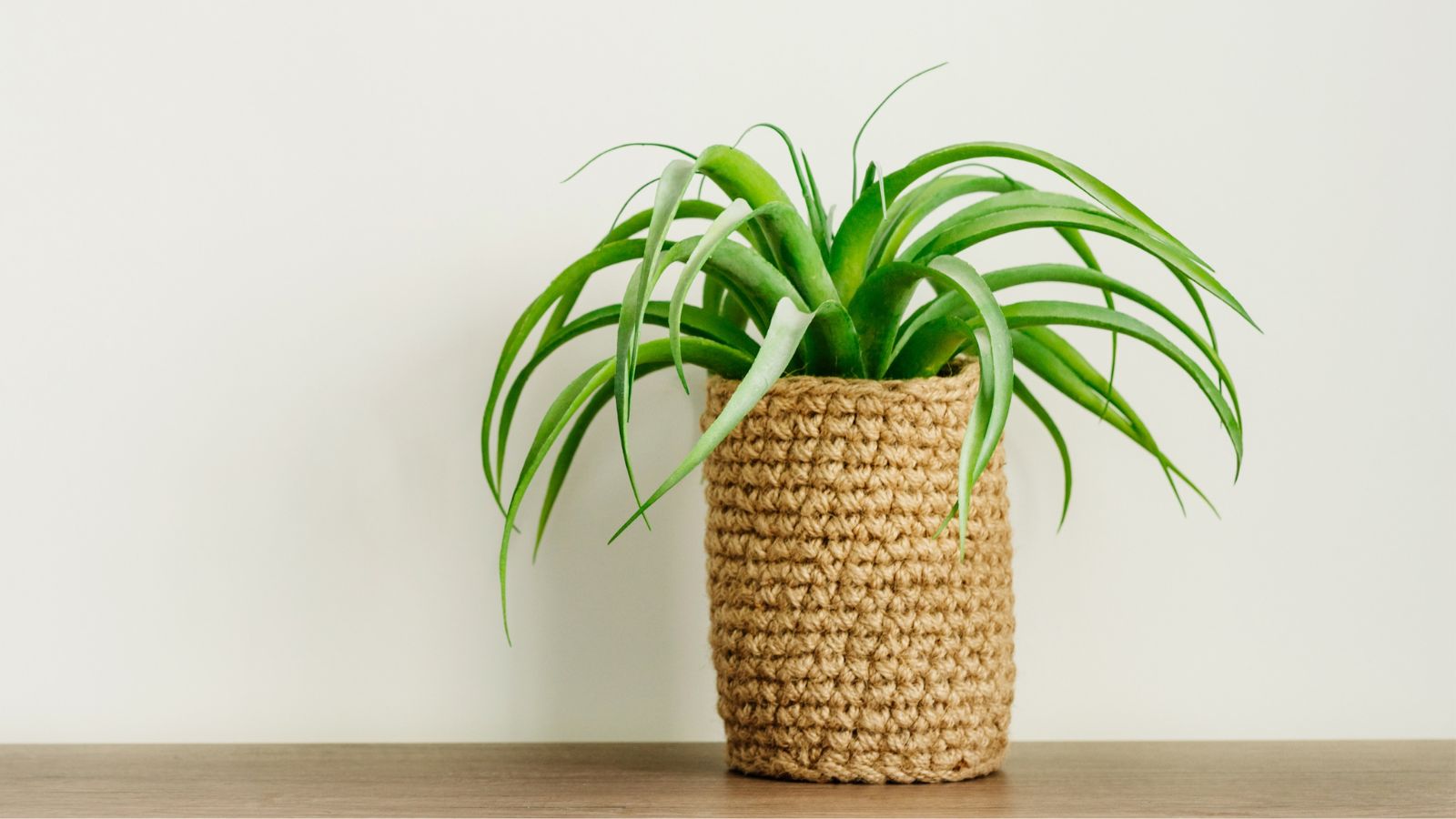
A close-up shot of a small pot with a developing houseplant, with the pot covered in used, old, weave ropes.
Repurpose old ropes by wrapping them around pots.

Similar to the ​wine cork tip, you can use old rope and wind it around ugly pots to create something organic looking and new. Just wind tightly and hot glue together to make sure it all stays put.

11. Use Milk Crates as Shelving
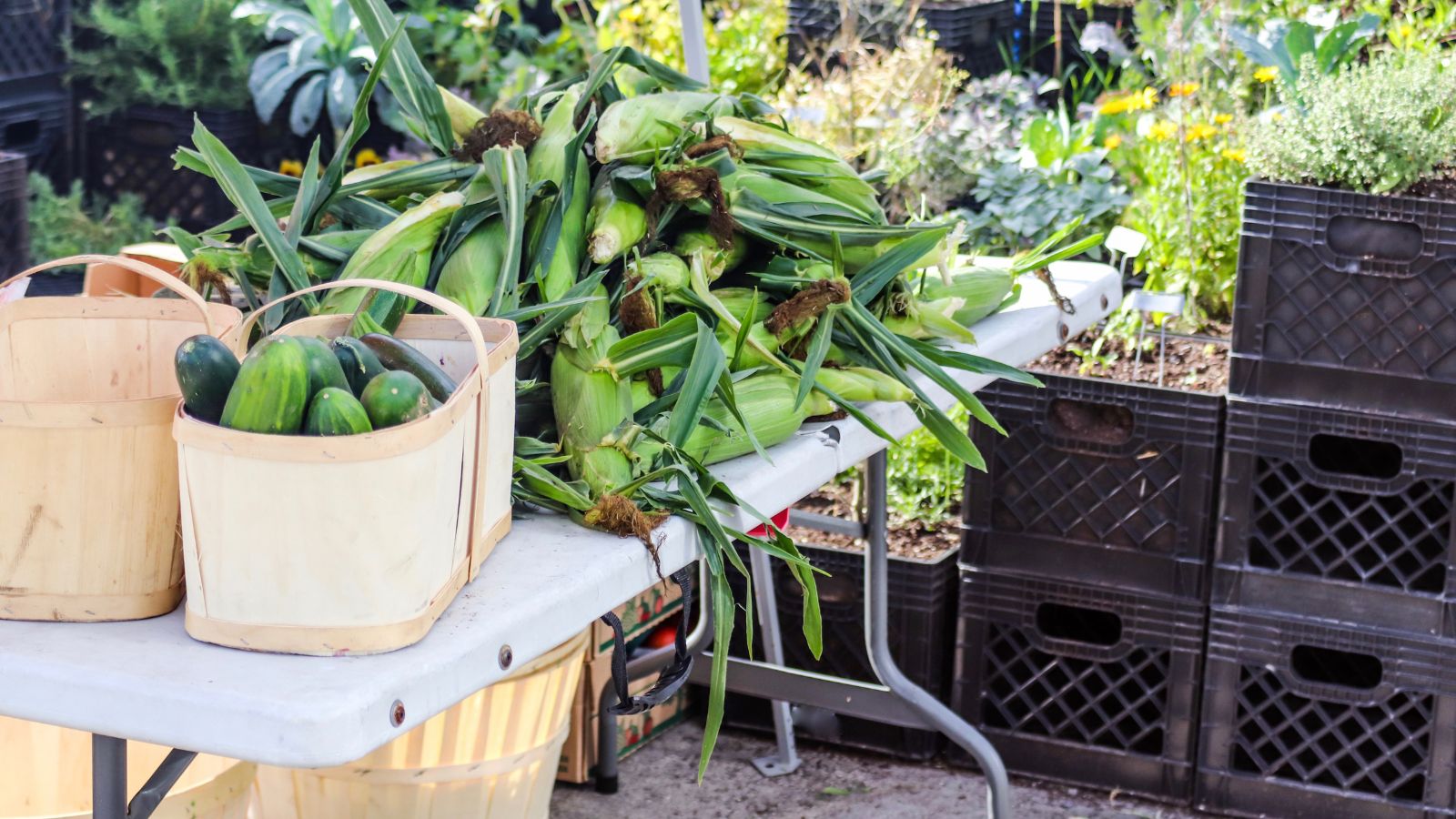
Use Milk Crates as Shelving with different plants inside while there are crops on a plastic table with a white surface
These crates are useful as outdoor shelving.

Most of us don’t have milk delivered to the door anymore, but we may still have some old milk crates lying around the yard somewhere. These make perfect upcycled garden shelving for plants, pots, or tools.​

12. Turn Wine Bottles Into Garden Bed Edging
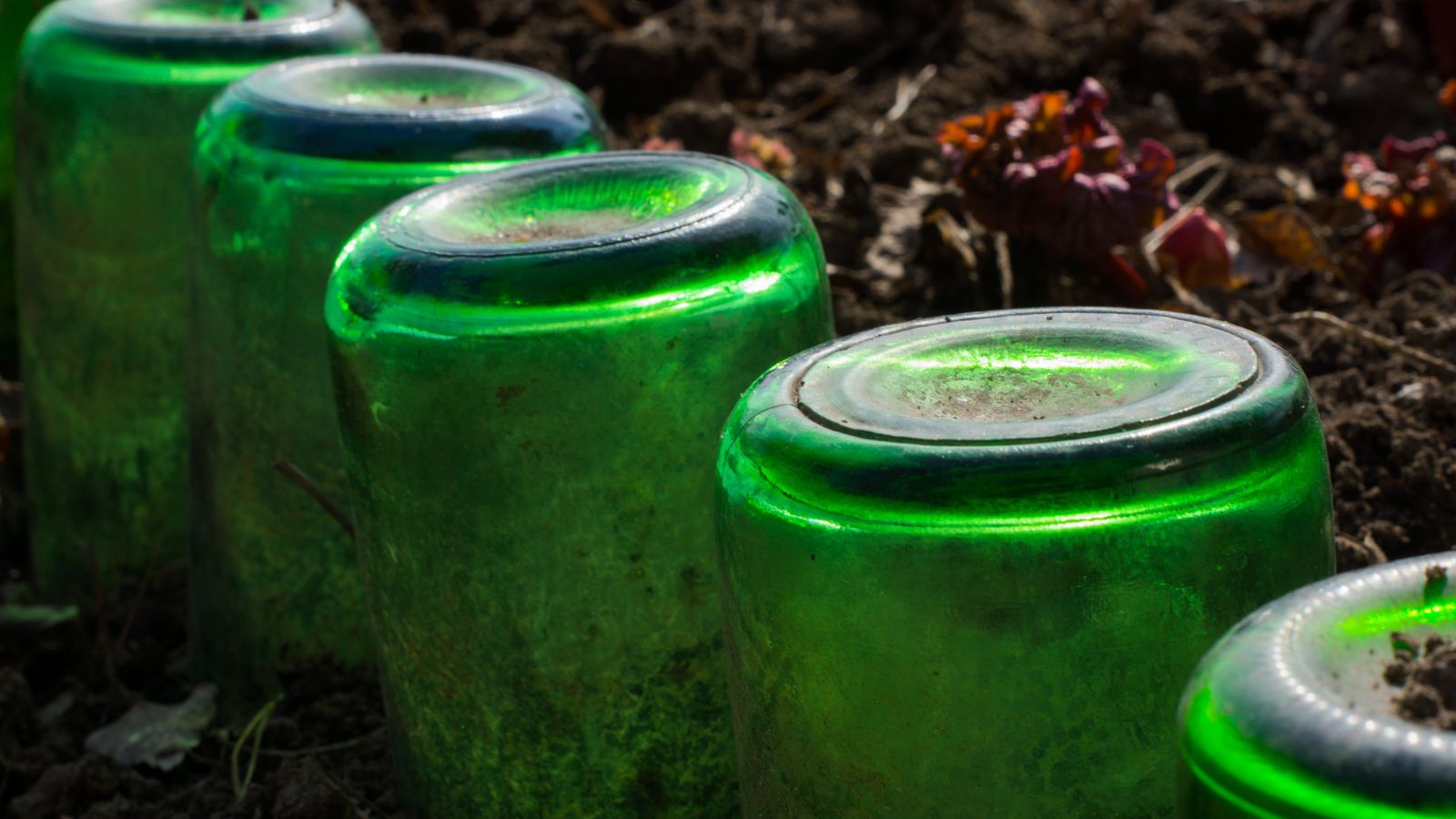
A row of green bottles placed upside down into the edge of a garden bed with dark brown soil and organic material
These bottles are ideal for garden bed edges.

Just like your wine corks can pretty up an old, dusty pot, your wine bottles can make a statement in the garden as well.​ The most effective way to use them is as garden edging to separate out one section of your garden from another.

13. Use Potting Soil Bags As Lining

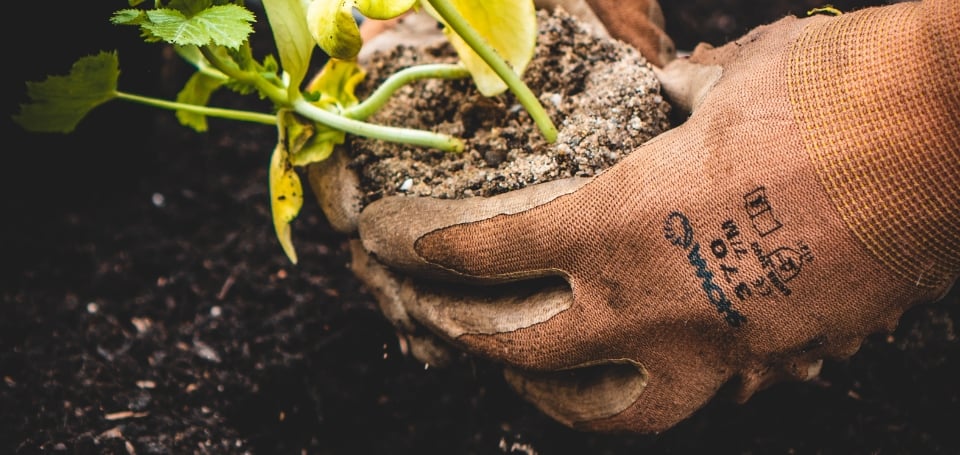
A gloved female hand holds young seedlings in a black polybag against a gray wall background.
Certain plastic bags are great for gardening, such as emptied potting soil bags.

One place you usually can’t avoid using plastic is when you go out to the garden center and pick up some potting soil.  However, it’s easy to repurpose these old bags – just use them as liner for your garden beds and pots! The type of plastic is safe for gardening​ and makes a great liner for most garden beds.

14. Use Food Cans as Vases
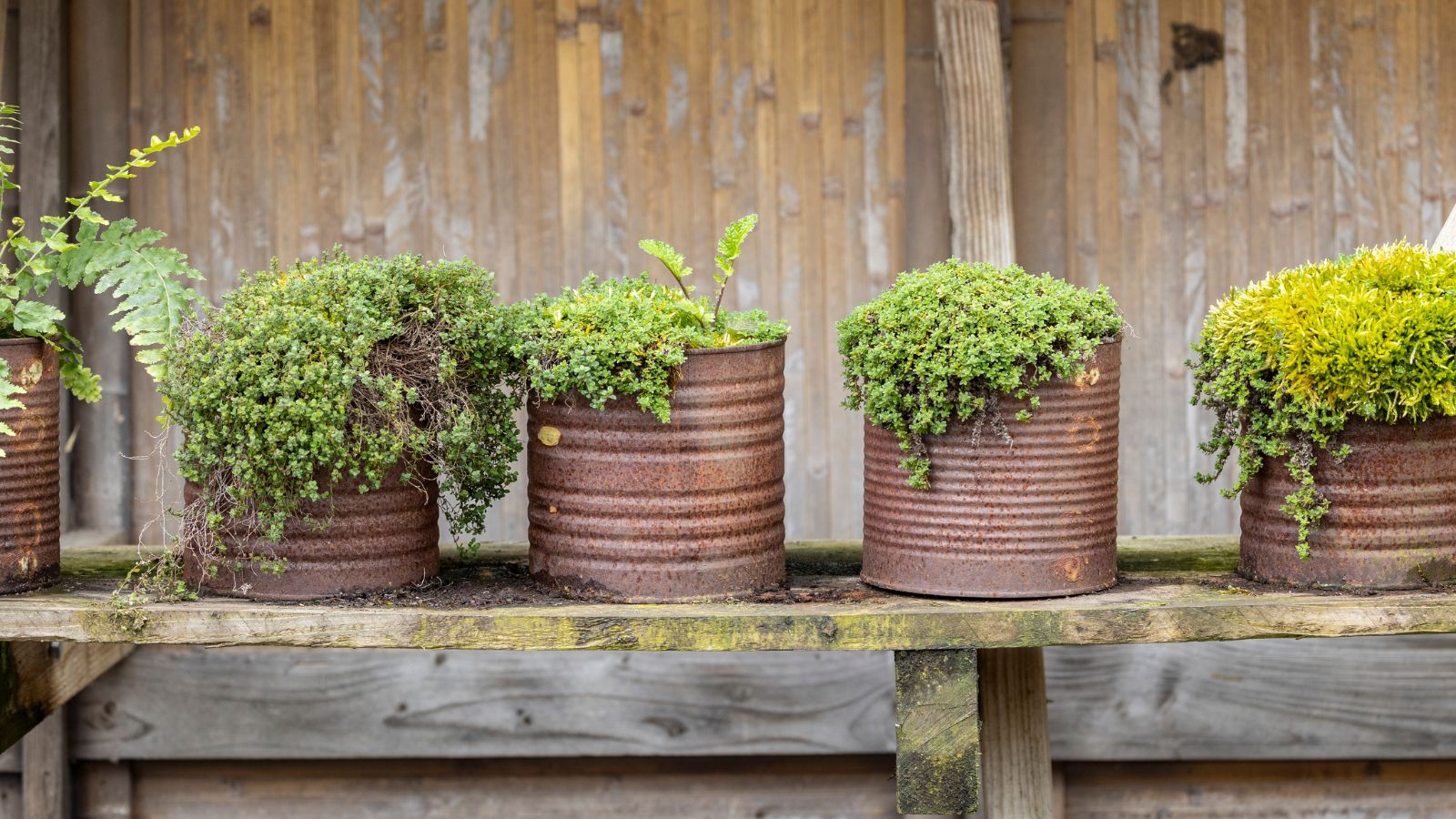
A row of plants that Use Food Cans as Vases with each having a unique kind of green
These cans are perfect as planters or vases.

If you don’t feel like sending your metal food cans to the recycling center and want to upcycle them yourself, using them as flower vases or cutting rooters is a fantastic way to upcycle them.​

15. Use Kitchen Scraps as Cuttings

Four glass jars filled with water having different types of vegetable being regrown using their scraps
Some crops can be regrown using their scraps.

This one is so cool that we have two posts ​on the topic here:

YouTube video

Share This Post
Earth Day gardening. Close-up of a woman's hand planting a young basil seedling in a peat pot into the soil. The gardener is wearing a blue shirt. The basil seedling has vibrant green leaves that are smooth, glossy, and tender. These leaves are oval-shaped with a pointed tip and serrated edges, arranged in pairs along the stem.

Gardening Tips

7 Eco-Friendly Garden Practices to Adopt for Earth Day

If you want to nourish Mother Nature while growing food as sustainably as possible, these 7 eco-friendly upgrades are perfect for Earth Day! Garden expert and former organic farmer Logan Hailey explains why and how these simple efforts can make a tremendous difference for local ecosystems, waterways, and waste reduction.

Close-up of a gardener's hands installing drip irrigation on a garden bed with growing cabbages. The drip irrigation system is a connection of thin hoses to a drip sprayer for watering plants closer to the roots.

Gardening Tips

How to Install a DIY Drip Irrigation System in 9 Easy Steps

If you’re tired of dragging a hose through your garden or looking to cut back on your water bill, drip irrigation could be the solution. These systems may seem complex, but designing and installing a system is simple. Join vegetable farmer Briana Yablonski as she explains how to add drip irrigation to your garden.

A vibrant garden brimming with an array of plant species, showcasing nature's diversity in a harmonious arrangement. Sunlight gently caresses the leaves and petals, casting a warm, inviting glow.

Gardening Tips

How to Build a Regenerative Garden

Regenerative gardening is a restorative way to grow food and flowers, revitalizing our soil. We can all take small steps to lower our carbon footprint by gardening more naturally. Join small-scale farming expert Jenna Rich as she explores what regenerative gardening means and how you can take small steps now to bring these practices into your own backyard, helping to mitigate climate change one garden at a time.

Deer-proof DIY garden with wooden raised beds enclosed by a tall mesh fence for protection.

Gardening Tips

9 Deer-Proofing Garden Solutions to DIY in February

Do you have problems with deer eating your crops? In many parts of the country, these adorable animals wreak havoc on vegetable gardens. In this article, horticulture expert Matt Dursum shows you the best solutions to creating a DIY deer-proof guard around your garden this February.