15 Unexpected Plants to Give This Valentine’s Day
Gifting a unique plant for Valentine’s Day is a thoughtful, playful, and lasting way to celebrate those we love. With dreamy blooms, exciting foliage, enchanting fragrances, and good vigor, handpicked selections are sure to delight. Garden expert Katherine Rowe explores unexpected Valentine plants for inspiration.


Contents
In honor of Valentine’s Day, let’s celebrate life and love by highlighting our connection to nature. Plants become a living gift and representation of thoughtful, lasting appreciation, with years of enjoyment for the beholder.
This Valentine’s Day-inspired collection branches out from the traditional but relates to the theme in name, sweet coloration, heart-shaped leaves, dramatic blooms, symbolism, or heady perfume. These unexpected Valentine plants make the list because they’re brimming with other attributes like good vigor and ease of growth. What’s not to love about easy care and giftable plants to delight and surprise?
From seeds to houseplants to perennials and trees, we’ve got fun options to inspire tailormade selections for your Valentine. You can’t go wrong with a sweet living gift for the plant-lover in your life.


String of Hearts


|
common name String of Hearts |
|---|---|

|
botanical name Ceropegia linearis subsp. woodii |

|
sun requirements Bright, indirect light |

|
height 3-4” |

|
hardiness zones 10-12 |
String of hearts charms with trailing stems dotted with pronounced heart-shaped leaves. The succulent is fast becoming a favorite houseplant for its easy care, adaptability to varying conditions, and darling habit.
Two to three-foot stems gently cascade over container edges and hanging baskets. In addition to their lovely shape, leaves feature silver mottling amid their dark green surfaces. Undersides are purple, and variegated selections have silvery pink tinges.
The southern African natives do well with morning sun or a bright spot out of direct afternoon rays. With their water-holding leaves, they don’t require as much water as some tropicals. Water about once a month or as soil fee. Water about once a month or when it is dry at an inch or two beneath the surface. Clip long vines to propagate more of the love.
Redbud ‘Carolina Sweetheart®’

|
|
common name Redbud ‘Carolina Sweetheart®’ |
|---|---|
|
|
botanical name Cercis canadensis ‘NCCC1’ |
|
|
sun requirements Full sun to partial shade |
|
|
height 15-30’ |
|
|
hardiness zones 5-9 |
Redbuds make an unexpected Valentine’s plant and are sweet harbingers of spring. The small specimen trees are one of the first to bloom in late winter in a spray of purple-pink that lines slender branches for an all-over outline of color.
‘Carolina Sweetheart®’ is a twist of hot pink, white, and green among dense heart-shaped foliage. Pink spring flowers give way to purple-blushed leaves that turn hot pink, green with white margins, and eventually true green in the summer.
‘Hearts of Gold’ is another sweet variety with spring leaves that emerge red and orange and become pure gold. As the season progresses, they mellow to chartreuse and pale green. ‘Hearts of Gold’ is a fast grower, reaching ten feet in the first five years and blooming on first-year wood.
‘Hearts A’Fire’ is a new introduction in glowing burgundy, gold, and warm orange. The fiery shades intermingle with dark and light greens.
Cercis are easy, low-maintenance trees that adapt to various site conditions, from poor soils to shifting sunlight. They perform best in average, well-draining soils with consistent moisture.
Heartleaf Philodendron
|
|
common name Heartleaf Philodendron |
|---|---|
|
|
botanical name Philodendron hederaceum |
|
|
sun requirements Partial to full shade |
|
|
height 6”- 6’ |
|
|
hardiness zones 11-12 |
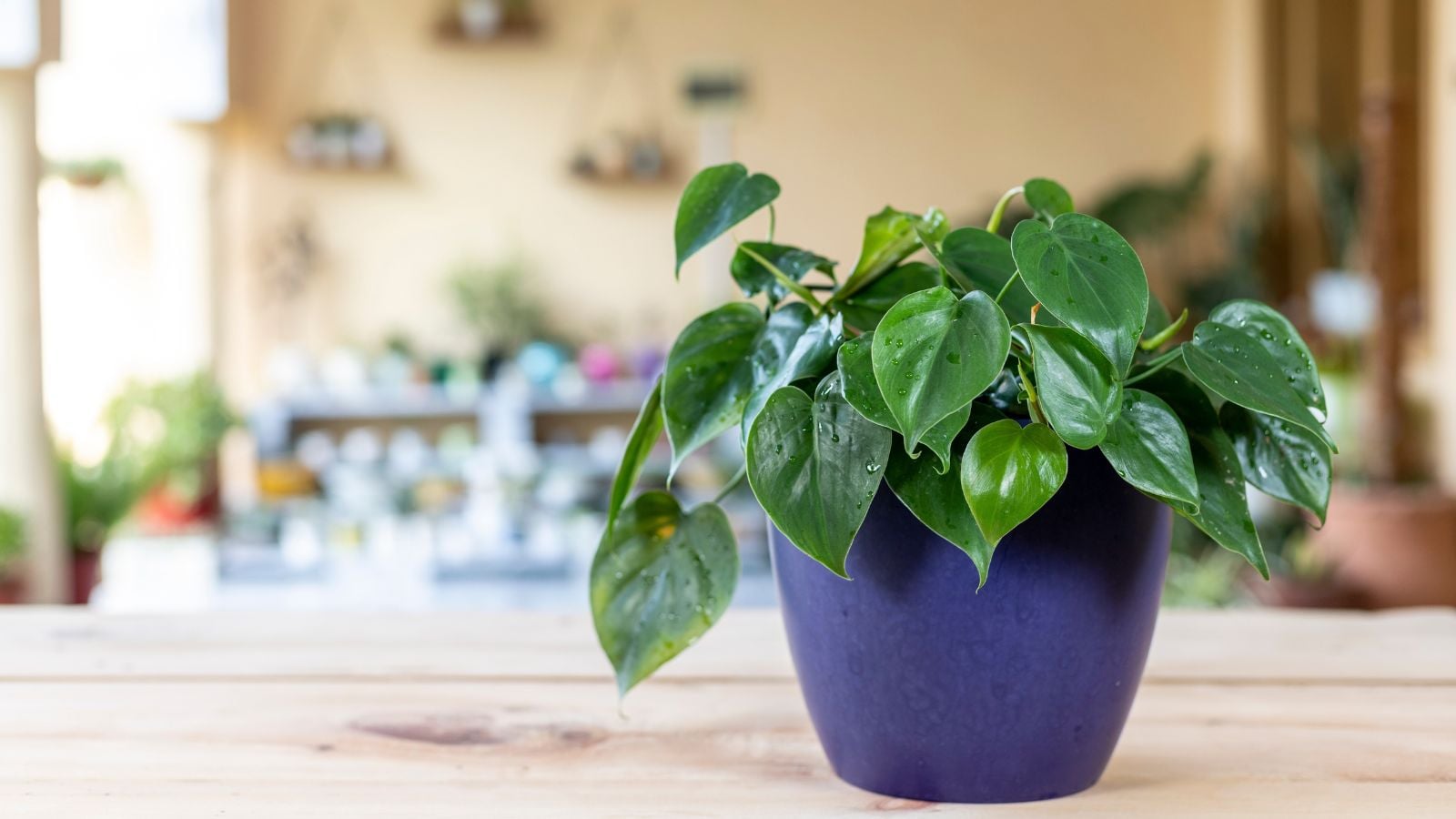
Sweetheart, or heartleaf philodendron, has vining stems with glossy heart-shaped leaves. They cascade or climb, depending on supports. Leaves emerge fresh, bright green, and darken as they mature. New growth sometimes has a pinkish-bronze blush for pretty interest among the sweet foliage.
‘Lemon Lime’ adds zesty chartreuse to brighten the interior display. Numerous variegated varieties like ‘Brasil’ (with a light golden-green central stripe) and ‘Rio’ (silvery white) are splashy. The solid green species is a soft, cascading anchor.
Heartleaf philodendron enjoys an easy culture and can live for decades. Native to Mexico, Central, and South America, the rainforest dwellers adapt to more temperate climates given average warmth and humidity indoors. They handle less humidity better than some other tropicals.
Sweet Pea ‘Little Sweetheart’

|
|
common name Sweet Pea ‘Little Sweetheart’ |
|---|---|
|
|
botanical name Lathyrus odoratus ‘Little Sweetheart’ |
|
|
sun requirements Full sun to partial shade |
|
|
height 8-14” |
|
|
hardiness zones 7-10 |
Ornamental sweet peas enchant with colorful blooms on twining vines and a heavenly fragrance. In a variety of colors like pink, mauve, red, blue, maroon, peach, and white, sweet peas bring vertical interest to annual displays and bouquets.
‘Little Sweetheart’ is a dwarf variety that doesn’t need staking. It spills beautifully in pots and suspended planters and brings a light scent. The frost-tolerant beauties flower in spring and summer before hot temperatures set in.
Sweet peas grow quickly from seed and can be direct-sown four to six weeks before the anticipated last frost date. A fun Valentine’s plant idea is to curate a bundle of seeds. Add to ‘Little Sweetheart’ some ‘Sugar Daddy’ sweet peas, ‘Lemon Drop’ hot chili peppers, ‘Chocolate Sprinkles’ tomatoes, heirloom beauties sunflowers, and ‘Funny Valentine’ cypress vine seeds. Or, opt for a tailored seed gift set with their interests in mind.
Meyer Lemon

|
|
common name Meyer Lemon |
|---|---|
|
|
botanical name Citrus x meyeri ‘Improved’ |
|
|
sun requirements Full sun |
|
|
height 8-10’ |
|
|
hardiness zones 8-11 |
Meyer lemon trees bring a burst of cheer to those who brighten your life. Their color, floral perfume, and citrus flavor sweeten the interiorscape in late winter and the outdoors in warm months. Meyer is a hybrid between a lemon and a sweet orange or mandarin, and the yellow-orange fruits are sweeter and less acidic than other varieties.
The lemons need at least six hours of sunlight to thrive, so a south-facing window is ideal. They can also spend summer outdoors and come in for winter where not hardy.
The ‘Improved’ Meyer lemon bush is a younger form of the tree with a more compact growth habit. The shrubby form makes it easy to grow in containers and to prune and pick. While an unexpected Valentine’s plant, it’s like having your own conservatory, and picking fresh lemons is a sweet reward in the cool season.
Anthurium

|
|
common name Anthurium |
|---|---|
|
|
botanical name Anthurium scherzerianum |
|
|
sun requirements Bright, indirect light |
|
|
height 18” |
|
|
hardiness zones 11-12 |
Anthurium offers structural, heart foliage and vibrant spathes (colorful leaves) that are attractive all year. Waxy, shiny, and long-lasting, the classic tropicals are a festive indoor bloomer in shades from white to pink to scarlet.
Anthurium symbolizes hospitality, love, and abundance, so what better gift than a stately specimen that can live indoors in almost any spot? Red anthurium features bold red spathes atop a base of heart-shaped deep green leaves, making it a fitting choice for an unexpected Valentine’s plant gift. Pink anthurium is a feminine, compassionate option in dusky flamingo pink.
Share the hospitality of anthurium over and over by dividing the plant in spring. Remove any offsets from the mother plant and pot new shoots in small containers to grow and give.
Sweetheart Valentine Hoya

|
|
common name Sweetheart Valentine Hoya |
|---|---|
|
|
botanical name Hoya kerrii |
|
|
sun requirements Bright, indirect light |
|
|
height 1-13’ vines |
|
|
hardiness zones 11-12 |
Hoya are popular for their unique waxy foliage, fragrant blooms, and long lifespan as low-maintenance indoor specimens, making them another perfect unexpected Valentine’s plant gift. Some 500 species and their cultivars in diverse colors and shapes make them versatile across spaces. Their vining stems and thick leaves trail with a soft, sculptural appeal. The semi-succulents are adaptable and one of the easiest houseplants to grow in varying conditions with few requirements.
Sweetheart hoya is often sold as a single heart-shaped leaf. If the grower captures a bit of stem tissue during propagation, the leaf will grow and vine. You may also see flowering from the slow grower over time, with a cluster of ivory, pink, and gold blossoms. Hoya heart prefers warm, humid locations. A bright kitchen or bathroom makes an ideal indoor spot.
Hoyas have low water needs and prefer soils that dry slightly between sessions. They like their roots cozy and perform well when slightly potbound, living in the same vessel for years.
Peperomia ‘Sweet and Sour™’

|
|
common name Peperomia ‘Sweet and Sour™’ |
|---|---|
|
|
botanical name Peperomia obtusifolia ‘Sweet and Sour™’ |
|
|
sun requirements Bright, indirect light |
|
|
height 6-12” |
|
|
hardiness zones 10-12 |
Peperomia is a houseplant favorite for beginners and collectors alike, with diverse colors and forms. The genus is a vast collection of species native to the tropical Americas. Baby rubber plants with dark green leaves are a fit for low or artificial light, though variegated selections show the most coloration in brighter situations.
‘Sweet and Sour™’ brings the yen and yang with light, creamy margins that swirl around green interiors. Leaves are glossy and cupped with rosy pink tinges. Over time, the upright stems start to trail and soften the container and hanging basket edges.
These do best in a draft-free location. While they produce inconspicuous flowers, P. obtusifolia grows for its stable foliage and minimal maintenance. Peperomia is non-toxic and safe for people and pets.
Olive Tree

|
|
common name Olive Tree |
|---|---|
|
|
botanical name Olea europaea |
|
|
sun requirements Full sun |
|
|
height 6-30’ |
|
|
hardiness zones 8-11 |
A symbol of peace and friendship, olive trees have a clean, uncomplicated elegance that works for any style. Their slender, deep green leaves have silvery undersides, and dwarf varieties like ‘Little Ollie’ have a shrubbier habit. They’re well-suited to container culture and last in a pot.
‘Little Ollie’ doesn’t bear fruit and is seedless, so it won’t drop or spread. Olive trees need plenty of direct sun, and a south-facing window is a good spot. Gritty, well-draining soil helps roots against rot from overwatering.
One of the oldest fruit trees, olives have a rich cultural history. Tiny white blooms cover the trees in late spring, and fruiting varieties ripen from October through December. Cure fresh olives for eating or press them for oils. Birds and wildlife appreciate them as a food source.
Cast Iron Plant ‘Milky Way’

|
|
common name Cast Iron Plant ‘Milky Way’ |
|---|---|
|
|
botanical name Aspidistra elatior ‘Amanogawa’ |
|
|
sun requirements Bright, indirect light |
|
|
height 18” |
|
|
hardiness zones 8-11 |
Give them the galaxy with this variegated cast iron plant. Aspidistra has tall, broad, sculptural leaves that happily infill dry, shady areas. ‘Milky Way’ adds dramatic interest in compact form with dark green leaves with ivory and yellow stripes and speckled “constellations.”
While the true ‘Milky Way’ variety from Japan has stripes and stars, they often appear commercially with just the speckled visual interest. ‘Milky Way’ grows as a houseplant year-round or in a shaded garden bed with less vigorous spread than the straight species.
With good drainage, Aspidistra grows in both dry and moist soils. Clip off tattered or winter-damaged fronds for a fresh appearance and new growth. Where not hardy, grow cast iron in containers to overwinter indoors.
Pothos ‘Pearls and Jade’

|
|
common name Pothos ‘Pearls and Jade’ |
|---|---|
|
|
botanical name Epipremnum aureum ‘Pearls and Jade’ |
|
|
sun requirements Bright, indirect light |
|
|
height 4-8’ |
|
|
hardiness zones 10-12 |
Pothos cascades with heart-shaped leaves from grass green to lime to silver with variegation, flecks, and splashes. Hint at luxury with ‘Pearls and Jade,’ featuring strong variegation with solid milky white portions amongst blue-green surfaces. ‘Pearls and Jade’ has slightly smaller, more ruffled leaves than the straight species (E. aureum has green leaves flecked with gold).
Pothos are easy-care tropicals that adapt to less-than-ideal conditions, even only artificial light, so they’re the ideal unexpected surprise for your Valentine with less plant experience. Keep them out of direct sun and away from drafts, and the trailing stems will thrill and spill. In more light, they’ll retain the best coloration.
Prune off long stems to retain a full, vining form. Create new plants with the clippings; pothos propagate easily in water or soil.
Hoya ‘Krimson Queen’

|
|
common name Hoya ‘Krimson Queen’ |
|---|---|
|
|
botanical name Hoya carnosa ‘Krimson Queen’ |
|
|
sun requirements Bright, indirect light |
|
|
height 3-20’ |
|
|
hardiness zones 10-11 |
In addition to the Hoya heart, we’ll add Hoya carnosa for a more unexpected Valentine plant. H. carnosa has thick, elongated leaves along vining stems that trail, spill, or climb.
‘Krimson Queen’ boasts variegated foliage with milky white and pink margins among green centers. Adding to its pretty appeal are pinkish-white blooms that may emerge on mature plants in the warm months. The pristine, starry blossoms have magenta-red centers and appear in clusters. The foliage alone makes this one worth gifting.
‘Krimson Queen’ is a recipient of the Royal Horticultural Society’s Award of Garden Merit. They have low water needs and make easy-to-grow houseplants, ‘Krimson Queen’s’ pink shades intensify in brighter situations.
Epimedium ‘Sweetheart’

|
|
common name Epimedium ‘Sweetheart’ |
|---|---|
|
|
botanical name Epimedium x rubrum ‘Sweetheart’ |
|
|
sun requirements Partial to full shade |
|
|
height 6-12” |
|
|
hardiness zones 4-8 |
Epimediums are low-growing, compact perennials that bring color, texture, and form to the shade garden for multi-season appeal. They produce colorful foliage with dramatic mottling, blotching, and venation, as well as orchid-like flowers with delicate spurs.
The delicate look of the plant belies its durable nature. Epimediums are low-maintenance and grow in conditions that other perennials may find challenging. These woodlanders tolerate dry shade conditions when established.
‘Sweetheart’ has pale yellow and ivory petals surrounded by rose-red sepals. Bright green heart-shaped leaves with striking red edges are fresh in spring. The leaves mature to green in summer, gaining a red blush in fall.
‘Pretty in Pink’ is another selection with bright green hearts, this time with bronze rose patterning. While deciduous, the leaves drop late in the cold season, providing extended interest. It’s vigorous in the landscape with a lovely form of floral sprays and foliage.
Magnolia ‘Teddy Bear®’

|
|
common name Magnolia ‘Teddy Bear®’ |
|---|---|
|
|
botanical name Magnolia grandiflora ‘Southern Charm’ |
|
|
sun requirements Full sun to partial shade |
|
|
height 16-20’ |
|
|
hardiness zones 7-9 |
For the gardener equivalent of a giant plushy, Magnolia ‘Teddy Bear®’ is the best Valentine’s plant for unexpected charm. Magnolia, renowned for its lemon-scented, creamy white summer blooms, has broad evergreen leaves with a bronze underside. The large, glossy leaves and well-branched form make a beautiful showcase, especially as leaf undersides become velvety in winter.
Teddy Bear® is smaller than its parent and good for a large container or in the landscape. Classic six to eight-inch white flowers yield interesting seed pods with red berries. Leaves are particularly brown and velvety underneath as the weather cools.
M. grandiflora ‘Little Gem’ is another dwarf grower with dense leaves and a compact, upright habit, smaller and slower growing than the giant Southern magnolia species, ‘Brackens Brown Beauty’ is semi-dwarf and more winter-hardy than other varieties.
Aglaonema ‘Lady Valentine’

|
|
common name Aglaonema ‘Lady Valentine’ |
|---|---|
|
|
botanical name Aglaonema ‘Lady Valentine’ |
|
|
sun requirements Bright, indirect light |
|
|
height 1-2’ |
|
|
hardiness zones 10-12 |
Aglaonema, or Chinese evergreen, has colorful foliage and an easy-care nature. ‘Lady Valentine’ is pretty in pink with dappled green and cream highlights. Leaves are lush, glossy, and broad, with pinks from light to dark.
‘Lady Valentine’ has a compact, leafy habit and makes a colorful focal point at two feet tall. The adaptable tropicals tolerate low to medium light and do well as houseplants, looking good year-round. Foliage turns brighter pink with more exposure to bright, indirect light.
Low maintenance and undemanding, ‘Lady Valentine’ does well with drying out slightly between watering sessions. Water when the soil surface is dry to an inch or two deep.