16 Types of Mulch to Improve Your Garden
Learning about all the types of mulch is a stepping stone towards your future garden success! There are many options to choose from, each with particular characteristics you can use to your advantage. We explore 16 types to meet all your needs.

Contents
Mulch is the bread and butter of a low-maintenance garden. Without it, we would spend so much time watering and weeding that we would hardly have a chance to enjoy our own handiwork. Whether you are mulching for the first time or looking to switch things up, this guide will help you navigate the different types of mulch and what each one can do for your garden.
No matter the material, all mulch serves the same primary purpose: keeping moisture in and weeds out. By forming a physical barrier between the soil and the sun, mulch reduces water evaporation and makes it difficult for weeds to push through. Many types of mulch also offer added benefits, such as improving soil fertility, insulating the soil, or enhancing the overall look of a garden bed.
Before exploring the different types of mulch, think about what your garden bed needs most. You might want something that looks attractive and performs well in a front yard, a material that absorbs excess moisture at the bottom of a slope, or extra support for a productive vegetable patch. Whatever your garden requires, this overview of mulch types will help you choose the right option.
Epic Organic Garden Straw

Epic Organic Garden Straw
Epic Organic Garden Straw is a weed seed-free mulch that helps create a healthier, more resilient garden. It locks in moisture, blocks weeds, and regulates soil temperature, giving your plants the stable environment they need to thrive, without introducing unwanted seeds or chemicals.
Buy at Epic Gardening Shop
Organic Mulch
Organic mulches act as part-time fertilizers. They break down over time, adding nutrients to the soil and supporting healthy plant growth. In many cases, you can till spent mulch directly into the soil at the end of the season. Because organic mulches decompose, they need regular replenishment, sometimes as often as monthly.
These types of mulch are often the most environmentally friendly options, especially since many come from natural byproducts. Below are some of the best organic mulches for suppressing weeds while improving soil quality.
Straw Mulch

Straw consists of the dried stalks of grain plants such as wheat, oat, or rice. Hay can make up a portion of straw, but it often carries large numbers of viable weed seeds. For this reason, many gardeners choose hay-free, weed-free garden straw. You may also find used straw bales for free from businesses that created seasonal displays in fall, although these bales usually are not seed-free.
Straw mulch ranks among the best types of mulch for vegetable gardens and raised beds. It breaks down easily, feels lightweight, and spreads without effort. Because straw decomposes quickly, plan to refresh the mulch layer every one to two months.
You can even grow certain crops entirely in straw. Many gardeners mound straw to grow potatoes or plant tomatoes and peppers directly into decomposing straw bales.
Wood Chips

This category includes regular and dyed wood chips. Manufacturers make these mulches from tree trunks and branches, and unsold Christmas trees often end up here. Retailers may dye or treat wood chips to prevent weed spread and help the color last longer. Some products also offer reduced flammability.
Most wood chip mulches use carbon or iron oxide-based dyes, which are generally safe for garden beds, but always check the label to be sure.
Wood chips are larger than most other tree-based types of mulch, which makes them better suited to landscaping areas that see little disturbance. Their size does come with a downside. The pieces can wash away easily, especially after heavy rain. You may find yourself kicking dyed chips back into place while walking past planted areas. Avoid using hardwood chips on slopes, as they do not stay put for long.
Arborist’s Wood Chips

This mulch represents the wilder side of hardwood chips. Arborist wood chips come from tree trimming and removal byproducts and often include leaves, twigs, and material from trees, shrubs, and other woody plants. This mix of textures works to your advantage because it prevents the mulch layer from compacting. If you practice Back To Eden gardening, this option often works best.
You can usually get arborist mulch for free if you know where to ask. Call a local arborist or landscaping company, or even stop a truck if you see one working nearby. Since these companies often pay to dispose of tree waste, many welcome the chance to dump chips directly into garden beds.
Even without processing or treatment, this type of mulch is generally safe for garden use. The chipping process and drying conditions typically kill most insects and harmful bacteria. Still, confirm that the source trees were not treated with pesticides before spreading the mulch.
Some arborist chips perform better than others. Avoid walnut tree chips because they contain allelopathic compounds that harm other plants. Tree of heaven and eucalyptus also cause problems in garden beds, so request loads free of these species.
As an organic mulch, arborist wood chips break down slowly, which makes them well-suited for long-term landscaping. They absorb and hold moisture, keeping soil evenly damp. Many gardeners also prefer their more refined look compared to straw. Overall, this type of mulch offers an excellent balance of function, soil improvement, and visual appeal.
Shredded Bark Mulch
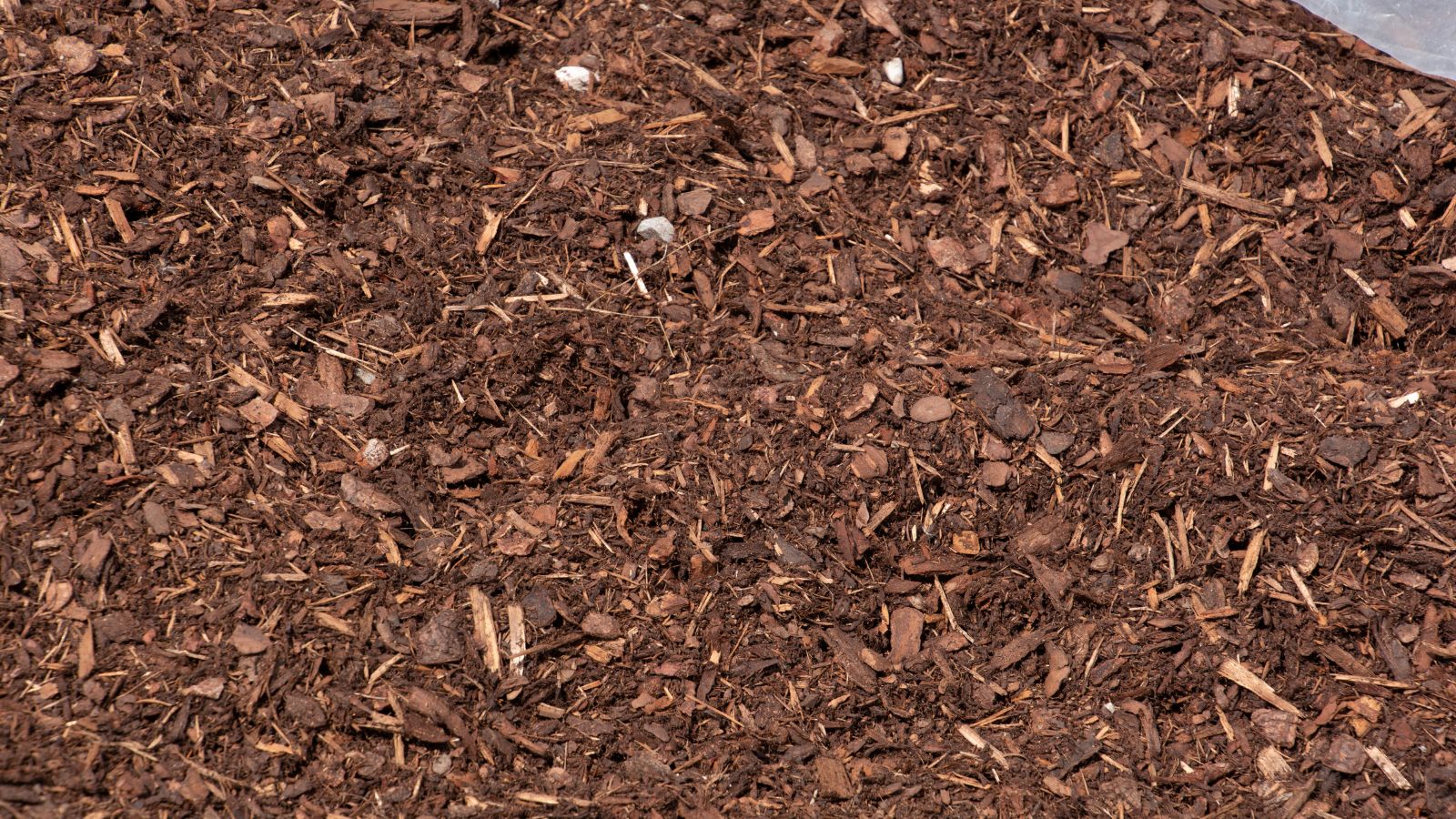
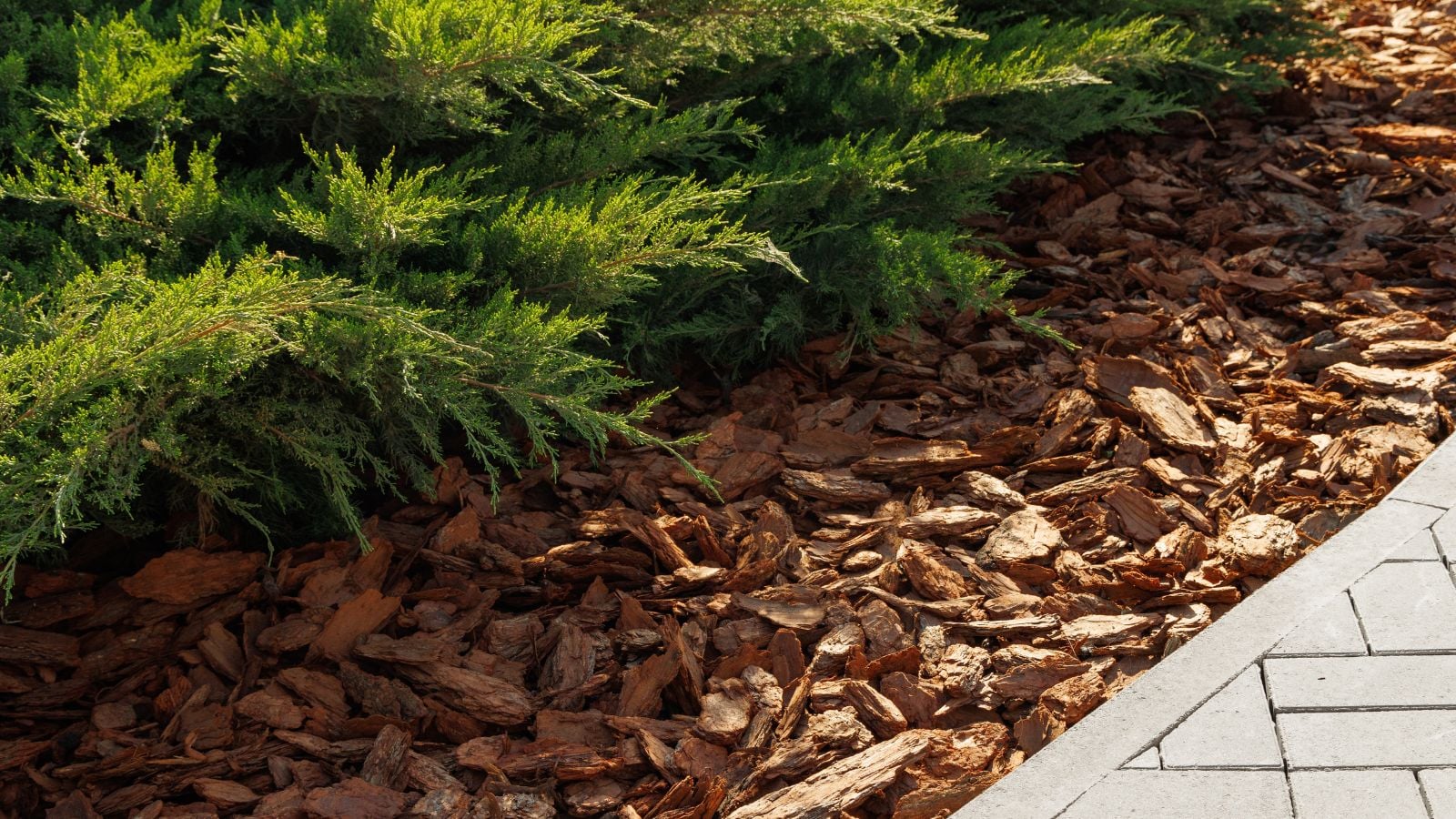
This mulch suits gardeners who like the look of wood chips but prefer smaller pieces. Shredded bark mulch contains finer chips that resist washing away during rain. Manufacturers produce it from a mix of tree species, yet it still maintains a fairly uniform appearance. It is also one of the most affordable mulch options available.
Shredded bark mulch decomposes slowly, which makes it a long-lasting choice for landscape beds. As it breaks down, it can draw nitrogen from the soil. If you plan to use it around nitrogen loving plants, supplement the area with a light application of fertilizer.
Some shredded bark types of mulch, such as cedar, offer an added benefit. Aromatic cedar can help reduce certain pest populations. Keep in mind that bark mulch often contains sharp slivers, so wear gloves when handling it.
Leaf Mulch

Leaves pile up on lawns every autumn, so putting them to work in the garden makes sense. If you have a lawnmower with a bag attachment, run it over the leaves and collect the shredded material. A thick layer of leaf mulch helps insulate the soil through winter and keeps dormant roots protected.
It can feel tempting to rake leaves and spread them directly onto garden beds, but skipping the shredding step causes problems. Whole leaves tend to mat together, compact, and develop mold. Shredded leaves create an aerated layer that holds soil moisture while still allowing airflow, preventing anaerobic conditions from developing.
Grass Clippings
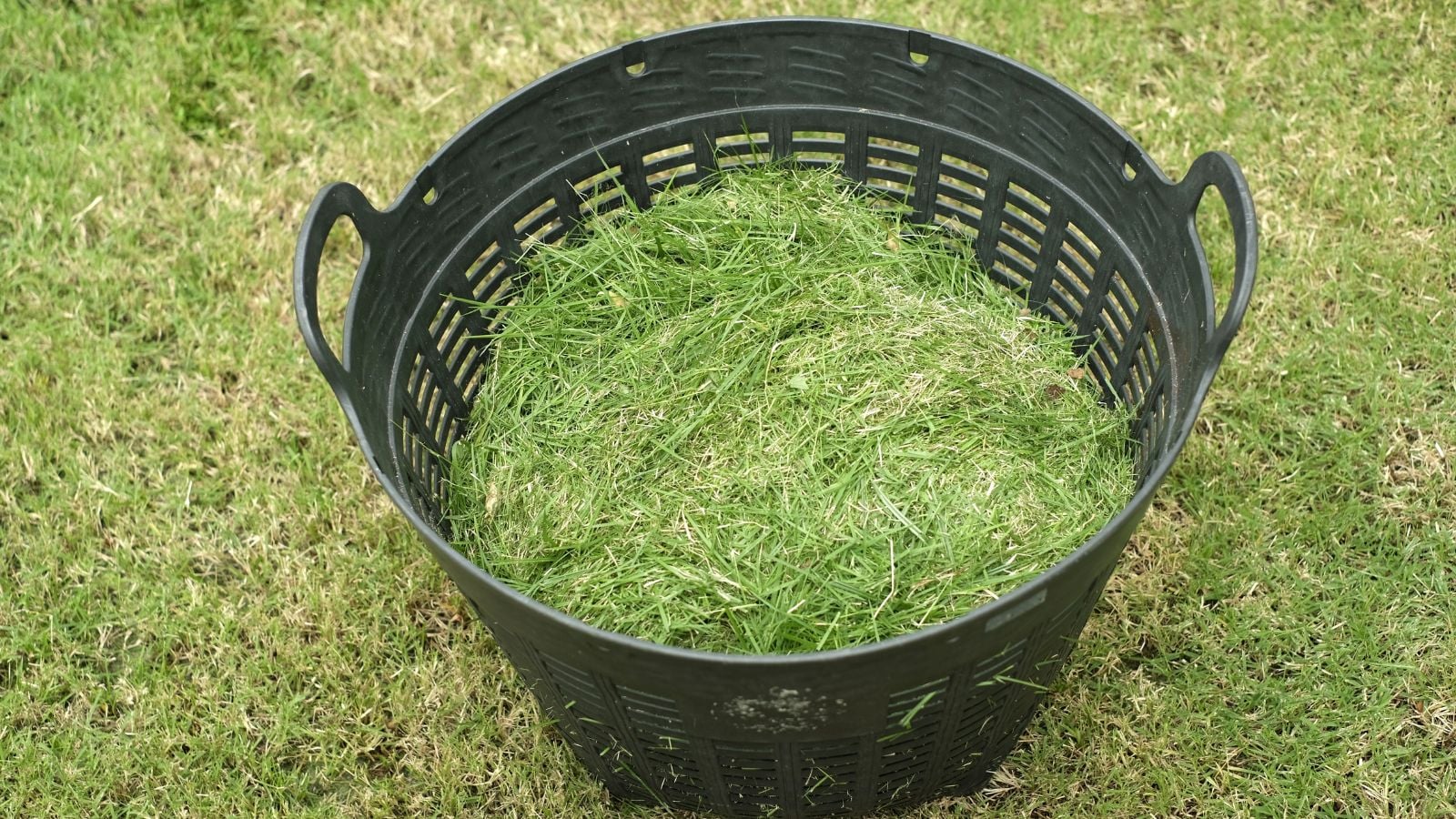
Since you already have your lawnmower out for leaf mulch, collect grass clippings as well. They are just as easy to use and provide a steady supply throughout summer.
Grass clippings add valuable nitrogen to the soil and have a texture that works well in vegetable gardens. The main drawback is the smell. Freshly cut grass smells pleasant, but clippings can develop an odor as they break down. They tend to form dense mats that limit oxygen, which leads to anaerobic decomposition. The smell usually fades after one to two weeks, so use grass clippings in garden areas away from the house.
Cocoa Hull Mulch
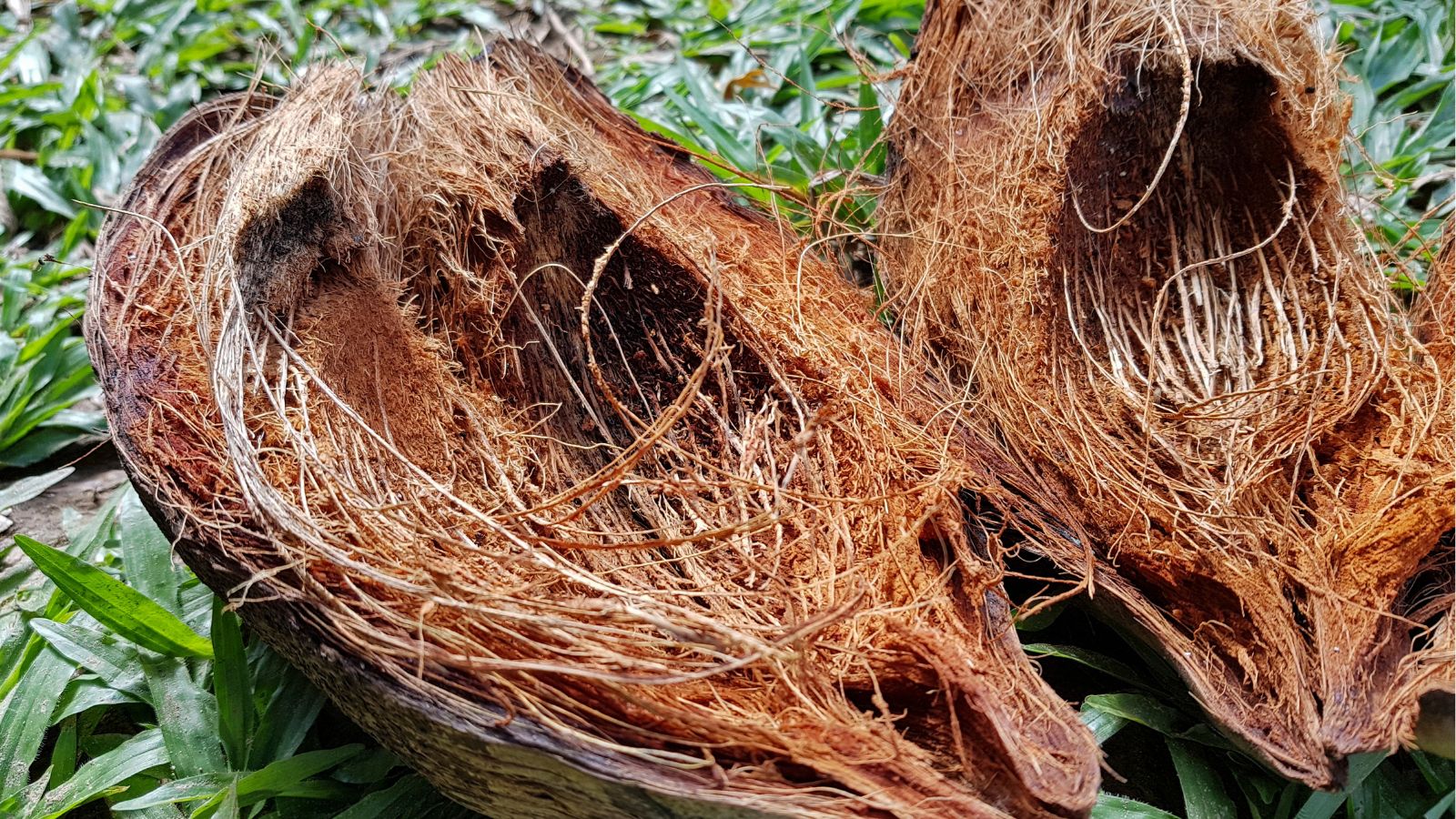
Did you know you can feed your garden chocolate? It is not the same sweet treat people love, but a byproduct of chocolate production.
Cocoa hulls separate from the cocoa bean during processing. Instead of being discarded, these byproducts often gain a second life as an environmentally friendly mulch. One major perk is the rich chocolate scent that cocoa hull mulch releases when it gets wet.
Cocoa hull mulch adds nutrients to the soil and stands out as one of the most visually appealing mulches, thanks to its distinctive texture and roasted brown color. That said, several drawbacks make many gardeners think twice before using these types of mulch.
First, cocoa hull mulch is not pet-friendly. Like chocolate, it can be toxic to dogs and cats, so keep it well away from pets at all times.
Another concern appears when the mulch becomes overly wet. Soggy cocoa shells can attract pests and bacteria, which works against healthy garden conditions. For this reason, cocoa hull mulch does not perform well in humid growing zones.
Pine Straw Mulch

Pine straw mulch may sound fancy, but it consists simply of dried pine needles. Like leaf mulch, pine needles are easy to source if you have pine trees nearby. All it takes is sweeping up the needles and spreading them over garden beds. You can also purchase pine needles in bales, often for less than the cost of bark mulch.
Pine straw filters water effectively and insulates the soil, helping regulate temperature. It also protects soil from erosion and works especially well for plants that prefer acidic growing conditions.
Wood Shavings

This natural mulching material falls between wood chips and sawdust in size. Because of their unique texture, wood shavings absorb moisture efficiently, but at a slower rate. The small, rough pieces also help deter slugs and other soft-bodied pests.
Gardeners usually reserve wood shavings for walkways or decorative landscapes because they initially draw nitrogen from the soil. After complete decomposition, which takes a couple of years, the nitrogen returns to the soil.
An especially useful option is wood shavings previously used as horse stall bedding. This material offers the same benefits while adding nutrients from decomposed horse manure. If you know a horse owner, you may even find used bedding available for free and in large quantities. The main drawback is the odor, which can be noticeable at first.
Cardboard Mulch

You can use cardboard as mulch in several ways. For the simplest approach, flatten cardboard boxes and lay them over areas where you want to suppress weeds and improve the soil. Soak the cardboard with water and secure it so it stays in place.
This method works well but does not look very attractive, since exposed cardboard stands out in the landscape. For that reason, many gardeners add a layer of another type of mulch on top.
Instead of layering whole sheets, you can shred the cardboard before adding it to the garden. Shredded cardboard improves aeration, especially when you use corrugated material. Avoid cardboard coated with plastic, as it breaks down poorly in soil. Use pizza boxes only if they have minimal grease, as heavy oils slow decomposition.
Newspaper Mulch

If you do not like what you see in the newspaper, put it to work as mulch. Paper absorbs moisture well and breaks down quickly in garden beds, whether you use it shredded or in sheets. To create an effective weed barrier, layer several pages thick. Newspapers are easy to source in bulk. Save your own or ask neighbors, schools, libraries, or local newspaper offices for old copies.
Newspaper shreds more easily than cardboard, since you can run it through a standard paper shredder. Shredded paper allows better airflow and decomposes faster than stacked sheets. Even so, newspaper mulch can mat together over time and form a dense layer, so check it occasionally and break it apart as needed.
Compost as Mulch

If you use compost in your garden, you may already use it as mulch without realizing it. Spreading a dense layer of finished compost across the soil creates the same protective barrier as traditional mulch. Because it closely resembles soil, it blends seamlessly into garden beds.
One of the biggest benefits of using compost as mulch is its ability to feed plant roots as it breaks down. Since compost can contain many different materials, check that it suits the plants you are growing. For example, mushroom compost tends to have lower nutrient levels, while compost that includes coffee grounds provides a mild nitrogen boost.
You can make compost mulch at home by setting up a compost bin, although this does require time and ongoing effort. Pre-packaged compost offers a convenient alternative. No matter the source, compost breaks down quickly and needs regular replenishment.
Inorganic Mulch
Inorganic mulches do not provide added nutrients, but they still work well in many garden situations. Their biggest advantage is longevity. In most cases, you only need to replace or refresh inorganic mulch once a year, if that. If you want a truly low-maintenance option, this category fits the bill.
Rubber Mulch
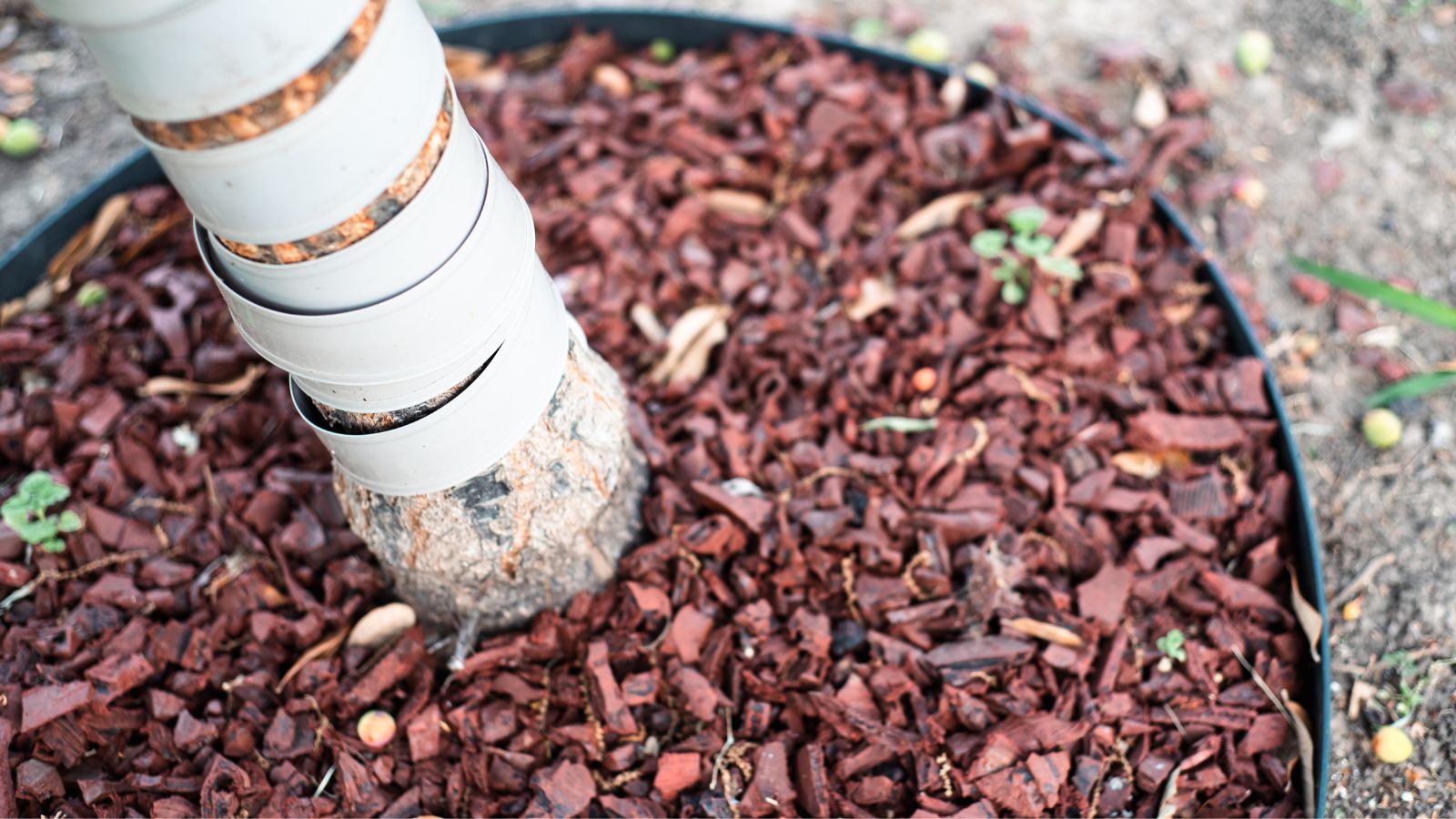
Rubber mulch is not as strange as it sounds. Manufacturers usually make it from shredded rubber products, such as recycled tires. The finished material looks surprisingly similar to many other mulch types, and most people would never guess it once came from a vehicle. Unlike organic mulches, rubber mulch holds its appearance for a long time. It also stays in place well and resists moisture and bacterial growth.
Rubber mulch works best in permanent landscape areas rather than annual garden beds. Because it does not decompose, it does not improve soil health or return nutrients to the ground. You also cannot till it into the soil, which makes removal more difficult if you decide to change your landscape. Poorly processed rubber mulch may also contain metal contaminants, so quality matters.
Rubber mulch is flammable and poses a serious fire risk if ignited. If you live in a fire prone region, avoid using rubber mulch altogether.
Plastic Mulch
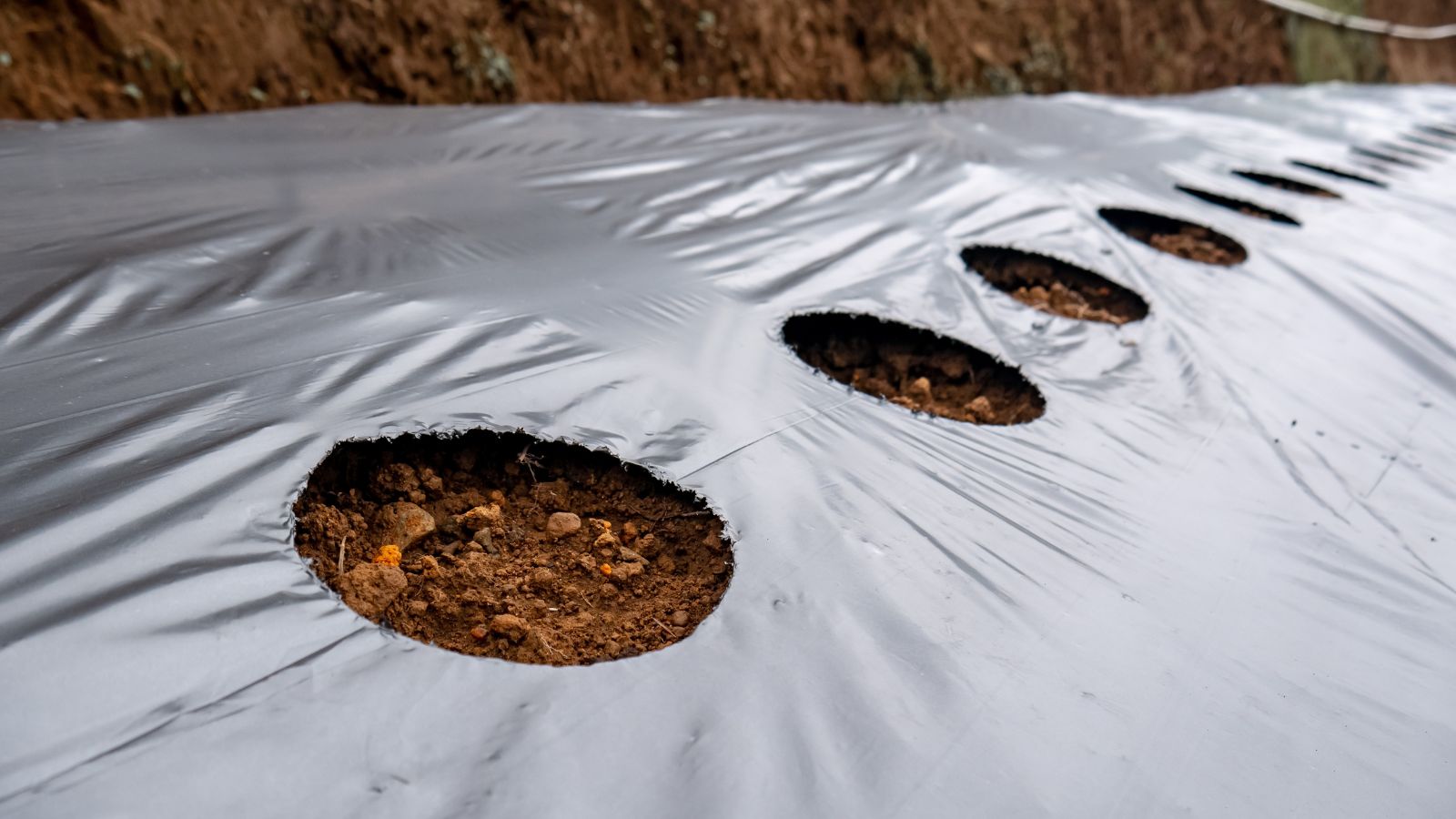
Plastic ranks among the least attractive types of mulch, but it performs extremely well in vegetable gardens. You can lay large sheets of plastic over beds and cut holes where plants emerge. This approach covers wide areas efficiently, blocks weed seed germination, and insulates plant roots during winter and early spring.
It works especially well for sprawling crops such as pumpkins or watermelon, since it keeps vines and leaves off the soil and away from soil-dwelling insects and bacteria.
Plastic mulch does come with drawbacks. Because it is inorganic, it does not improve soil fertility. You also need to plan irrigation carefully. Overhead watering pools on the plastic surface, so drip irrigation placed at the base of each plant works best. In some cases, especially with shrubs, this targeted watering can encourage shallow root growth.
Aesthetics also matter. Plastic mulch lacks the visual appeal of options like cocoa hulls, cedar bark, or compost. If you want the performance benefits without the industrial look, use thick landscape fabric and top it with an organic mulch layer.
Pumice Rock
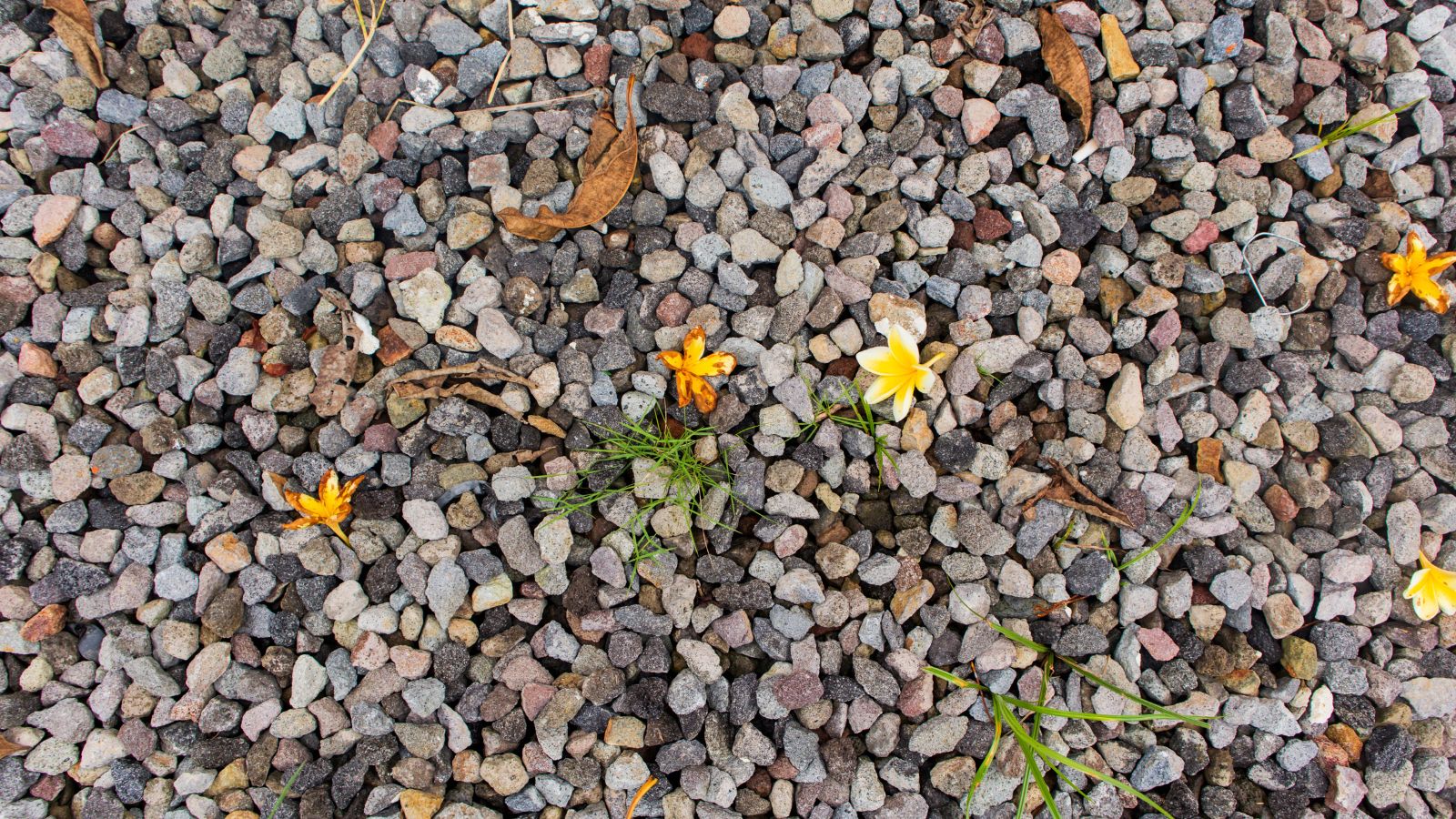
We have covered arborist byproducts, tire byproducts, and even pizza byproducts, but one of the most unusual options comes from volcanoes. Pumice rock forms during ancient volcanic eruptions and has a unique texture because it is technically a type of glass. Thanks to this structure and its natural abundance in the southwest, pumice rock works well as a mulch material.
Pumice rock mulch can draw moisture upward and hold it near the soil surface. Its larger particle size improves aeration and makes it especially useful for waterlogged soils or garden beds planted with desert species that prefer drier conditions. This mulch also helps prevent soil erosion.
Although pumice can retain some moisture, it remains an inorganic stone and does not decompose. Over time, the pieces may break down into smaller fragments, which can reduce their effectiveness as mulch.
Pea Gravel
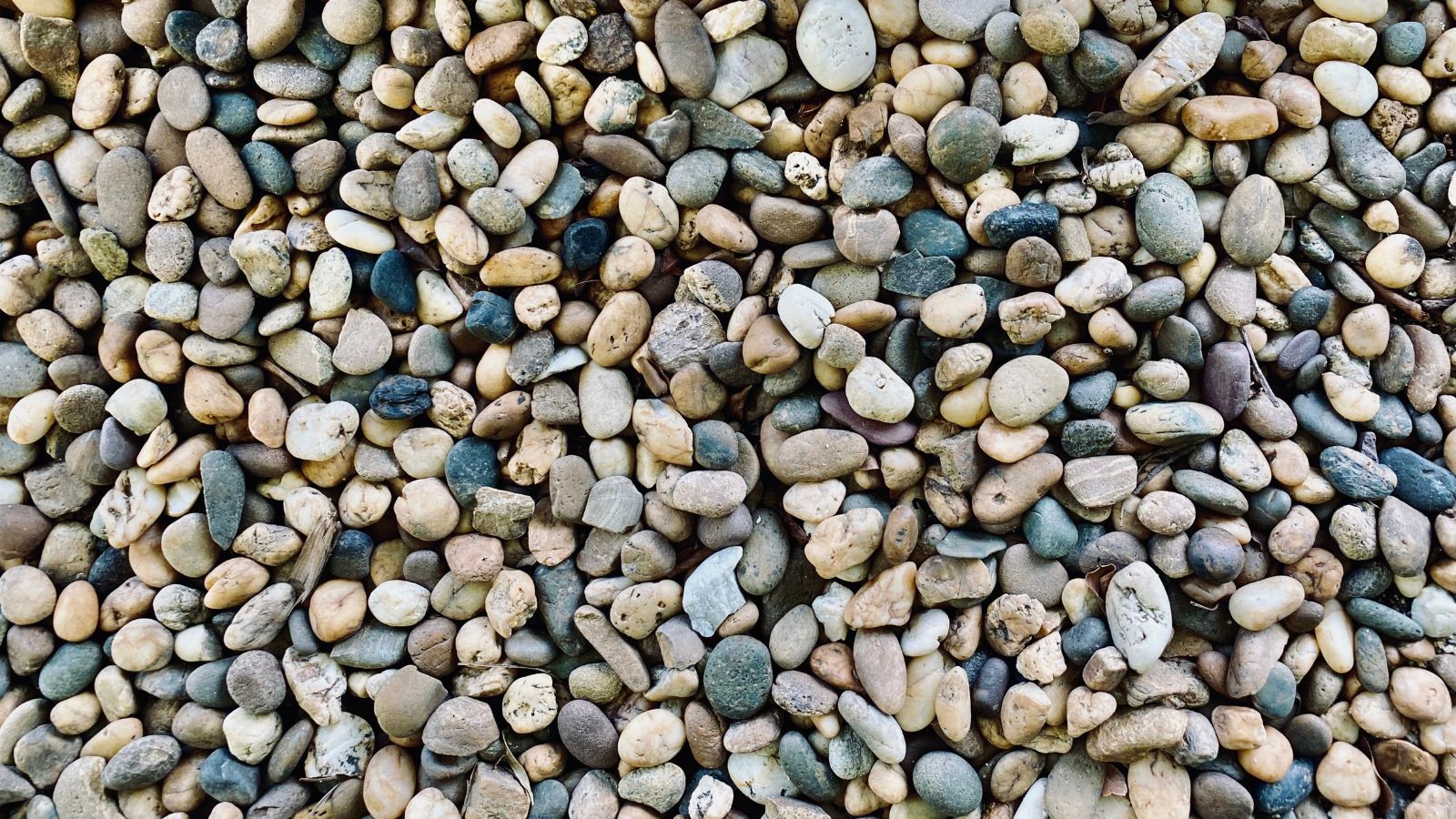
Pea gravel is an inorganic mulch that retains moisture and suppresses weeds without decomposing. Depending on where you use it, this can be an advantage or a drawback. In landscaped areas, pea gravel maintains its appearance and rarely needs replacement.
In garden beds, however, pea gravel does not return nutrients to the soil and can interfere with planting or soil cultivation. For this reason, it works best as a decorative mulch around trees and shrubs rather than in actively worked garden areas.
Frequently Asked Questions
What is the best kind of mulch to use?
That depends on what type of garden beds you have. If you need something for an ornamental landscape, hardwood chips or pumice rock and efficient and pretty mulch materials. If you need mulch for something like a vegetable patch, straw, fine wood chip, or compost mulches are the way to go.
What is the best mulch to prevent weeds?
Most of the different types of mulch will keep weeds out of the garden bed. Some of the most efficient out there include plastic and cardboard mulch because they make a solid barrier. If you want to use a different mulch, we recommend laying landscape fabric underneath as extra weed spread protection.
What is the best mulch to use around your house?
If you live somewhere prone to wildfires, stay away from dried plant mulches, like leaves, pine needles, or cardboard. You’ll also want to avoid anything that can melt, like rubber. Stones and hardwood arborist wood chips are the safest option here.





