Going on Vacation? Here’s How to Make Sure Your Tomatoes Survive It
Gardeners need vacations too! Tomatoes can be sensitive, and knowing what they need to survive your time away ensures you get to enjoy them when you get back. Experienced gardener Sarah Jay provides tips to keep tomatoes healthy while you vacation.


Contents
I’m an avid gardener, but also a vacation-lover, and sometimes it’s hard to leave my plants even when I’m excited about a trip. The idea of not having anyone in the garden to monitor them used to give me anxiety, but over time, I learned how to ensure my plants (including my tomatoes) survive vacation.
Strategies for this include checking on your tomatoes before you head out. But your vacation could also be a great opportunity to install some convenience-enhancing tech that improves tomato care even while you’re home. A little extra effort ahead of your foray could make gardening easier.
Whether you go for an automated option or stick to trusted friends to get your tomatoes through the time you’re gone, knowing how to help tomatoes survive during a vacation is paramount. Keep these things in mind as you prepare and plan the fun times.
Chocolate Cherry Pole Cherry Tomato

Chocolate Cherry Pole Cherry Tomato Seeds

Artisan Bumble Bee Blend Pole Cherry Tomato

Artisan Bumble Bee Blend Pole Cherry Tomato Seeds
Fertilize and Harvest

To start, think about the last time you fertilized your tomatoes. They are heavy feeders and need plenty of nutrients to produce a healthy crop. So if you’re going to be out during their regular feeding time, it’s good to give them a boost before you go.
To help your tomatoes survive vacation, use a gentle tomato-specific fertilizer. I like to use an organic liquid fertilizer throughout the season, but an organic powder is good too. For liquids, dilute them to ¼ strength with water and apply a day or two before you leave.
For powdered fertilizers, a couple of tablespoons per plant worked lightly into the soil surface is perfect. Water before and after applying dry feeds. If you’re only going to be gone for a few days, this step may not be necessary. Only apply diluted liquid feeds every couple of weeks, and powdered feeds every four to six weeks.
One other task to take care of before you leave town: harvest those tomatoes! This keeps indeterminate plants producing while you’re gone. If you’re dealing with a determinate variety, you’ll harvest all at once, so this may not be something to do before you go. When you do harvest, pull your tomatoes at the breaker stage, when they’re about 40 to 60% ripe.
Scout for Pests and Diseases

If you head out for vacation without checking your plants for pests, they could go to town on them while you’re gone. To help tomatoes survive vacation, check them diligently. Common insect pests include aphids, spider mites, cutworms, and tomato hornworms.
Aphids are small pear-shaped insects that congregate on the undersides of leaves and stems. Spider mites are tinier, but get together in similar numbers. You’ll know they’re around if you see yellow stippling on tomato leaves accompanied by dense webbing.
Blast both of these off your tomatoes with a strong stream of water from a hose. Remove heavily infested leaves with sharp, sterilized pruners.
Caterpillars are easier to spot, and you can hand-pick these and drop them into soapy water to kill them. If you know there are wild nightshade plants around, relocate them there instead of killing them to support your local sphinx moths.
Pest-free plants benefit from a pre-emptive spray of Bt to keep caterpillar pests from feeding. However, remember that any pesticide can damage beneficial insects.
While you’re looking for pests, check out the leaves to see if any have taken on fungal, bacterial, or viral diseases. Remove any blight-infected foliage, and take out entire plants that have become wilted due to Fusarium or Verticillium.
Mottling caused by mosaic viruses is another sign that it’s time to take out your plant. Throw these in the garbage, rather than the compost pile.
Automate Your Irrigation

One of the best things I’ve ever done for my garden is getting a drip system installed with an automated timer. I’m typically busy outside my working life, and not having to get up and immediately spend an hour or more watering has helped immensely. This also means I can rely on an automated watering regimen when I go out of town.
Your irrigation system could be as technical as a full drip system, or as simple as a soaker hose draped along the surface of your garden soil. I know that tomatoes love the deep, slow irrigation from either. Add to that a timer, and your tomatoes survive vacation with ease.
Not only does a timed system keep your plants in healthy and happy condition, but it also conserves water that might otherwise be wasted with overhead watering. And watering the soil surface prevents fungal diseases that come from water splashing on leaves. Look for a timer that has a rain sensor to conserve even more water.
If you already have a system installed, give it a good check before you leave. This allows you to address any problems before you’re already off on your adventure.
Mulch

If you haven’t mulched yet, before you head out for vacation is a great time to start! Find an organic mulch that works for tomatoes. A lighter mulch like straw, leaf mold, or seedless grass clippings spread in a two to three-inch layer is perfect for helping tomatoes survive vacation.
Mulch has many benefits for tomato plants. It conserves moisture while you’re away and prevents weed growth. In situations where overhead watering has to be done, it prevents spores and bacteria from splashing up onto the plant.
As organic mulches break down, they leach nutrients into the soil surface, which adds a little boost to your tomatoes. Of course, if you’ve already mulched, you can replenish any that has already decomposed before you head out on vacation.
Phone a Friend

If you don’t have time to set up an automated watering system, call a friend to water your plants for you while you’re gone. If you have a drip or soaker line set up, all your friend needs to do is head over, connect the hose, and turn it on for a set period. It’s good to have someone roll by and check on the tomatoes if you’re going to be gone for a long time.
Your friend could also do some overhead watering for you. If you have a whole garden that needs water while you’re gone, it really helps to know there’s someone ready to lend a hand. The person could be experienced, or they could be new to gardening, and you could give them a chance to learn and be in a garden space.
Shade Them Out

Tomatoes like full sun, but the sun evaporates moisture over time. If you know you’ll be gone for a while and you want to help your tomatoes survive vacation, give them a little shade. Container plants can be moved from a sunnier spot to one that gets morning sun and afternoon shade.
If you have a taller sun-loving plant in a container, it can act as a shady specimen in a pinch. A shade canopy is another great tool to have at your disposal. Just set it up before you leave.
Note that this isn’t a great one-shot solution for trips of more than a couple of days. Combine this with an automated watering system, or with a friend’s help if you’re leaving for more than that.
Use Ollas

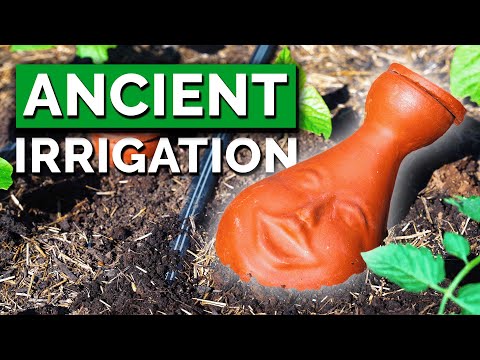
Clay pot irrigation is an ancient method for keeping your plants irrigated without wasting water. Through the process of osmosis, these enclosed clay pots, or ollas, slowly emit water into the soil through pores in their terracotta structure directly at the root level. They are usually designed with a tapered neck to reduce evaporation.
You can simply bury a few of these in the garden soil and fill them before you go. If you live in a dry climate, the soil will take on and drain water more readily, requiring more frequent refilling of your olla to help tomatoes survive vacation.
An automatic olla system is a great way to keep them filled while you’re gone. Just hook the system up to a hose, and the water is replenished as needed. In this case, all you need to do is check the system before you go to ensure it’s working properly.
Key Takeaways
Now that you know what to do ahead of your vacation, you can rest easy while you’re gone. Remember the following points as you prepare to help your tomatoes survive vacation:
- Drip and soaker lines are great ways to simplify watering and give tomatoes the deep, consistent water they need, bolstering overall disease-resistance.
- Automated systems are even better and only require a few checks to ensure they’re working before vacation.
- Don’t forget to mulch, harvest, and fertilize your tomatoes before you leave if necessary.
- Check for pests and diseases to keep the pressure down while you’re gone.





