50 Tomato Trellis Ideas You Can Install in an Afternoon
Looking to trellis tomatoes in your garden but aren’t quite sure where to start? Trellising tomatoes can require some finesse, especially for new gardeners. In this article, Epic Gardening Founder Kevin Espiritu shares 50 tomato trellis ideas you can use in your garden.

Contents
While some gardeners choose determinate tomatoes so they can skip using a trellis, anyone growing an indeterminate variety will definitely need one. Whether you want something short or tall, simple or elaborate, there are plenty of options that can give your plants the support they need to produce huge amounts of fresh tomatoes.
I’ve grouped these tomato trellis ideas by the type of structure providing the support and included rough estimates of cost (from one to three dollar signs) and general difficulty. You are almost guaranteed to find a trellis solution here that works beautifully for your tomato plants.


String-Based Supports
String-based tomato trellis ideas are easy to install and don’t require much equipment to get started.
The T-Post Tomato Trellis
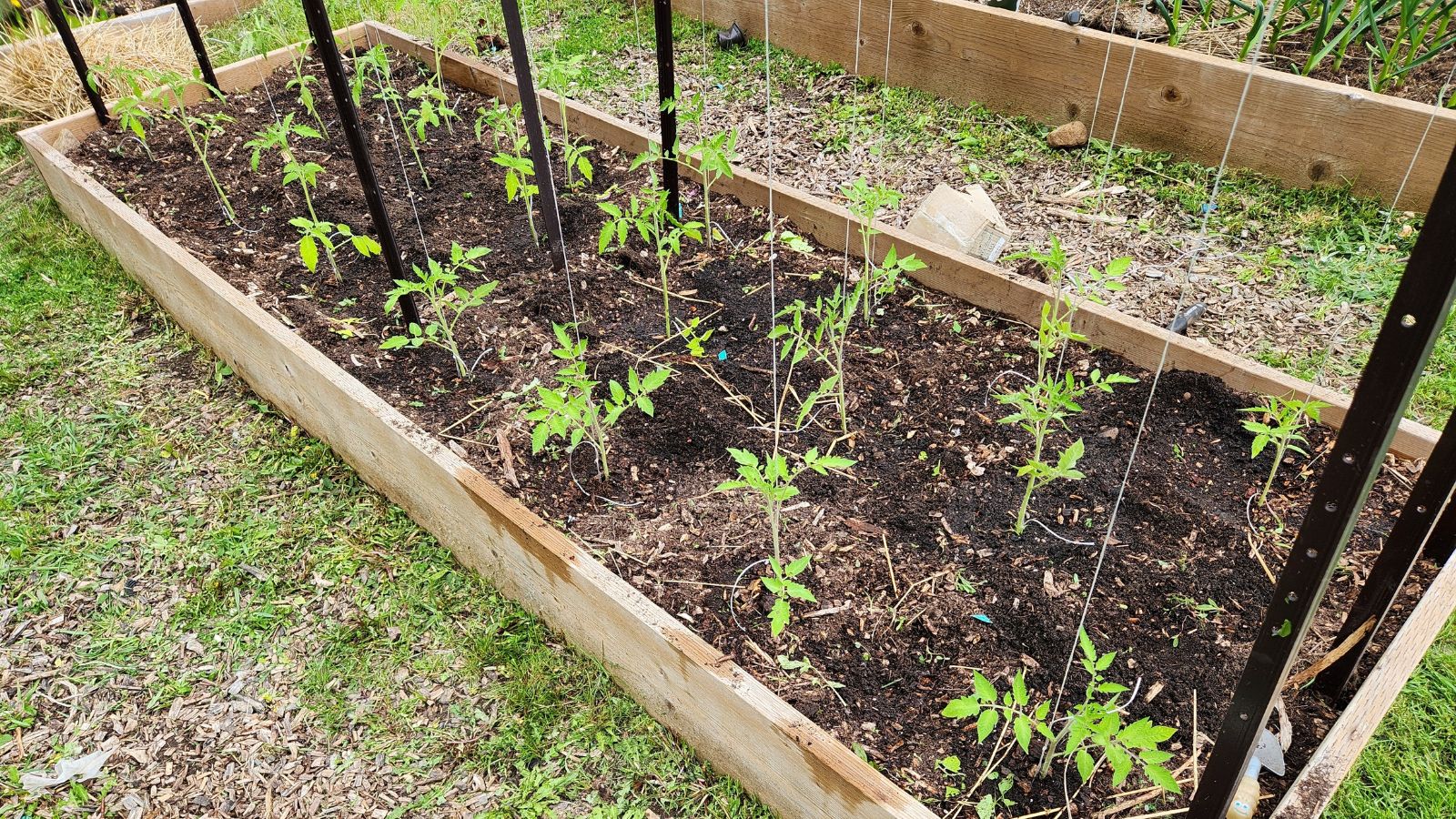
This is a really creative way to support tomatoes. A framework made of T posts and rebar anchored securely in the ground provides a sturdy structure. When the tomatoes are still young, a piece of twine is tied around the base of each plant and attached to the upper rebar. As the plant grows, you simply train it to wrap around the twine.
It’s an easy DIY setup, and with the addition of a mesh screen panel, you can also use the structure for other climbing crops like beans and peas when you’re not growing tomatoes. Full directions and the process for training can be found at this website.
| Materials | Twine, metal posts, PVC or metal t-connectors, rebar |
| Difficulty | Beginner |
| Cost | $-$$ |
The A-Frame Support Structure

If you love the twine support method but tend to grow six-foot-tall tomato plants like I do, this lumber framework tomato trellis idea is a great solution. Its height gives you plenty of room to train taller vines, and the sturdy build keeps everything secure.
Because the structure is so tall, you can also drape shade cloth over it on hot days or add plastic during cold snaps. This extra protection helps shield your plants from temperature extremes and can even extend their growing season.
| Materials | Lumber, nails or screws, twine |
| Difficulty | Beginner to intermediate (wood cutting required) |
| Cost | $$-$$$ (depending on lumber choice) |
The Indestructible DIY Tomato Trellis
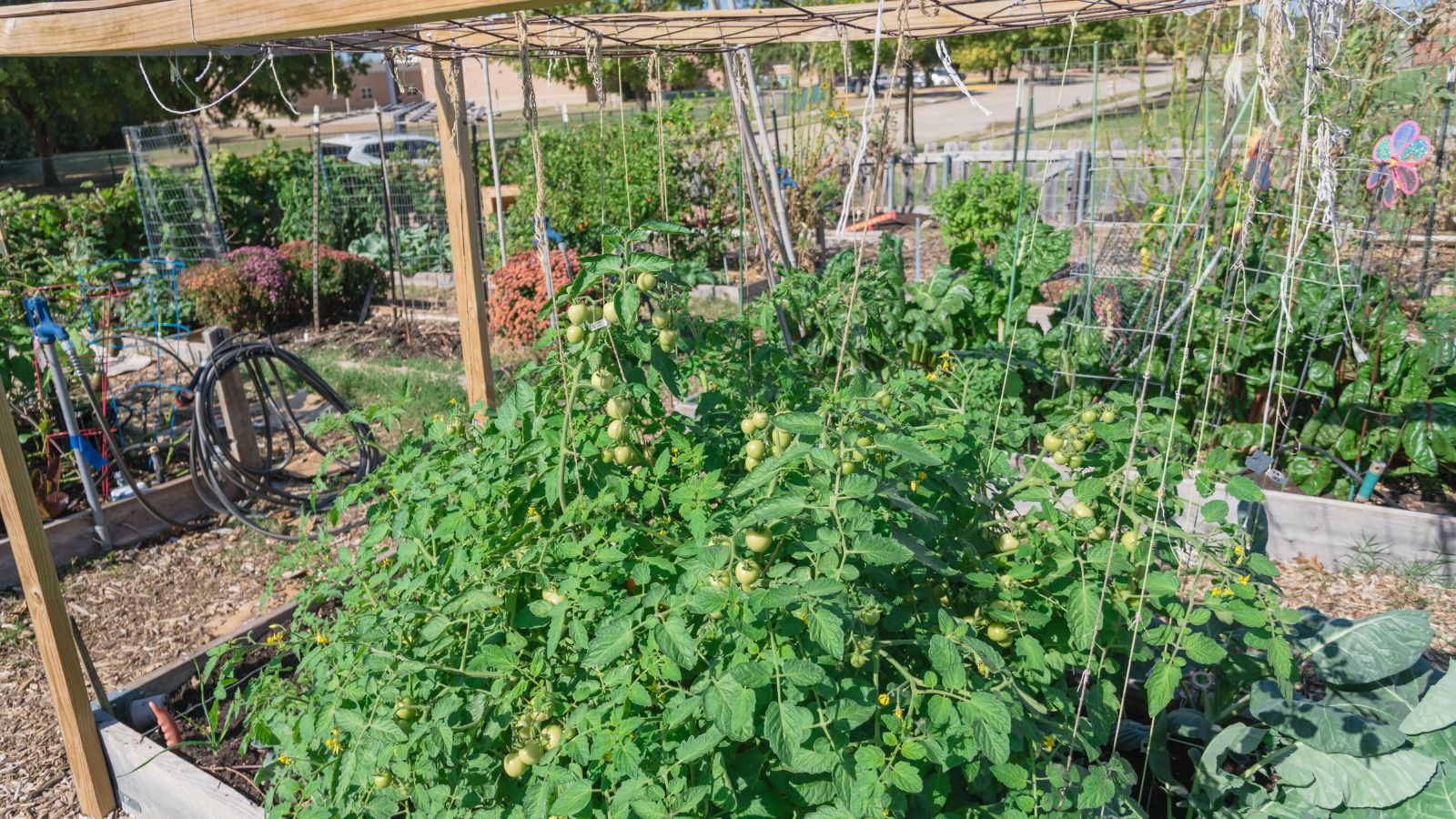
This trellis is constructed of rebar, electrical conduit, and nylon mesh. It certainly seems like it could be indestructible! It makes a great row support for multiple tomato plants.
| Materials | Rebar, electrical conduit, nylon mesh, conduit elbows, conduit cutters, a lighter |
| Difficulty | Beginner |
| Cost | $$ |
Florida Weave String Trellis
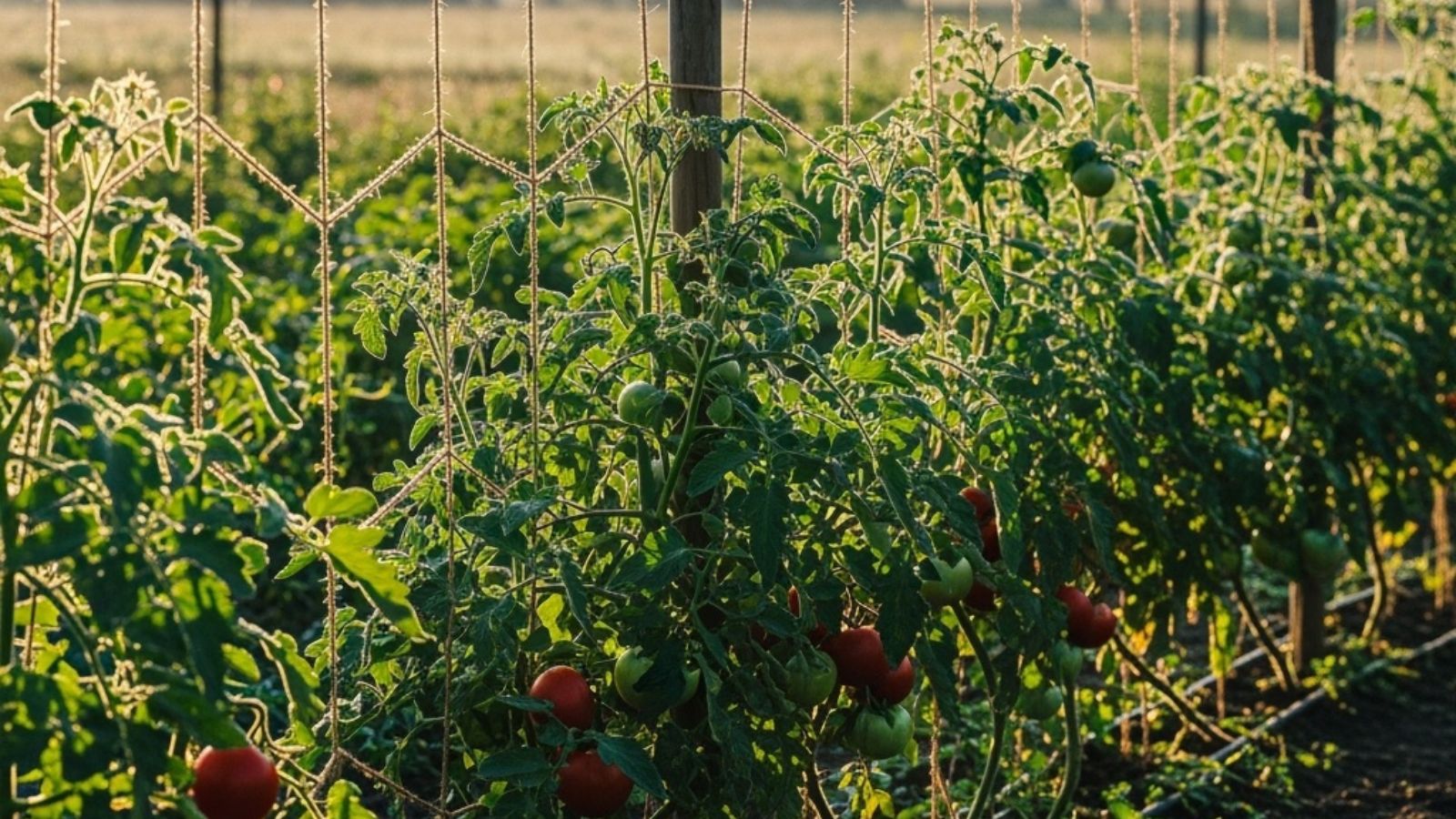
I’m actually doing a Florida weave trellis this year for my tomatoes, and it’s working really well. While it’s most commonly used on determinate varieties to give them a bit of extra structure, you can absolutely use it for indeterminate plants as long as your stakes are tall and sturdy enough.
The method is simple. Drive heavy-duty stakes into the ground, then weave twine or nylon cord back and forth between the stakes to form a cat’s cradle-style support system around the plants. As the tomatoes grow, you continue adding new rows of twine to keep the stems upright and supported. This site teaches the process very well.
| Materials | Stakes (I used metal fence posts), twine or nylon cord |
| Difficulty | Beginner |
| Cost | $ |
Diagonal String Trellis
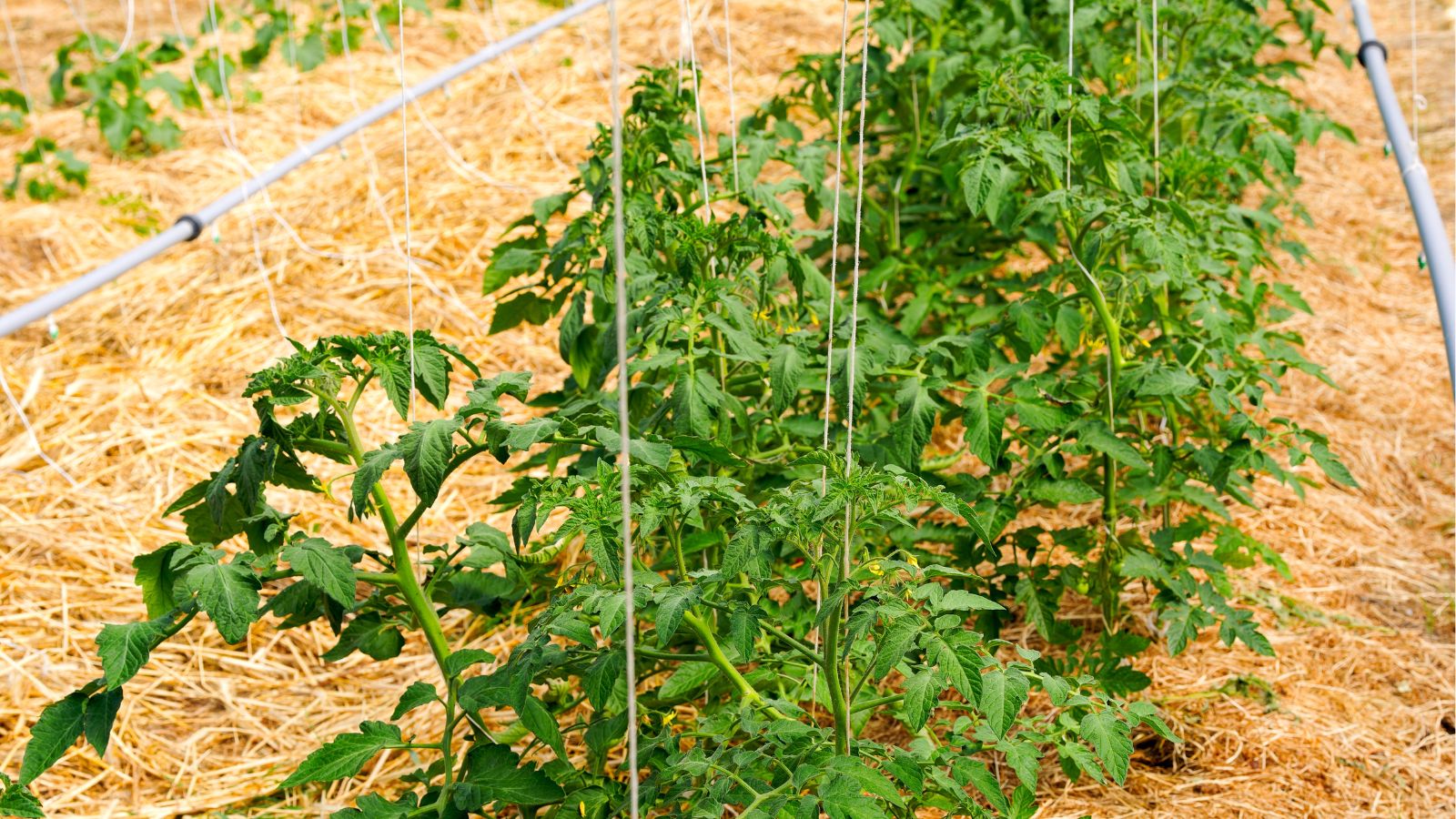
This one is a bit unusual because instead of supporting the tomato from above, the string guides the plant as it grows diagonally up toward a frame. It does require some training, but the payoff is great. This tomato trellis idea gives you easy access to all sides of the plant, which makes pruning, harvesting, and general care much simpler. Check out the diagrams on this blog post.
| Materials | Metal frame, nylon cord, nylon mesh |
| Difficulty | Intermediate (because of time spent training the tomatoes to climb) |
| Cost | $$ |
Wood Frame String Trellis
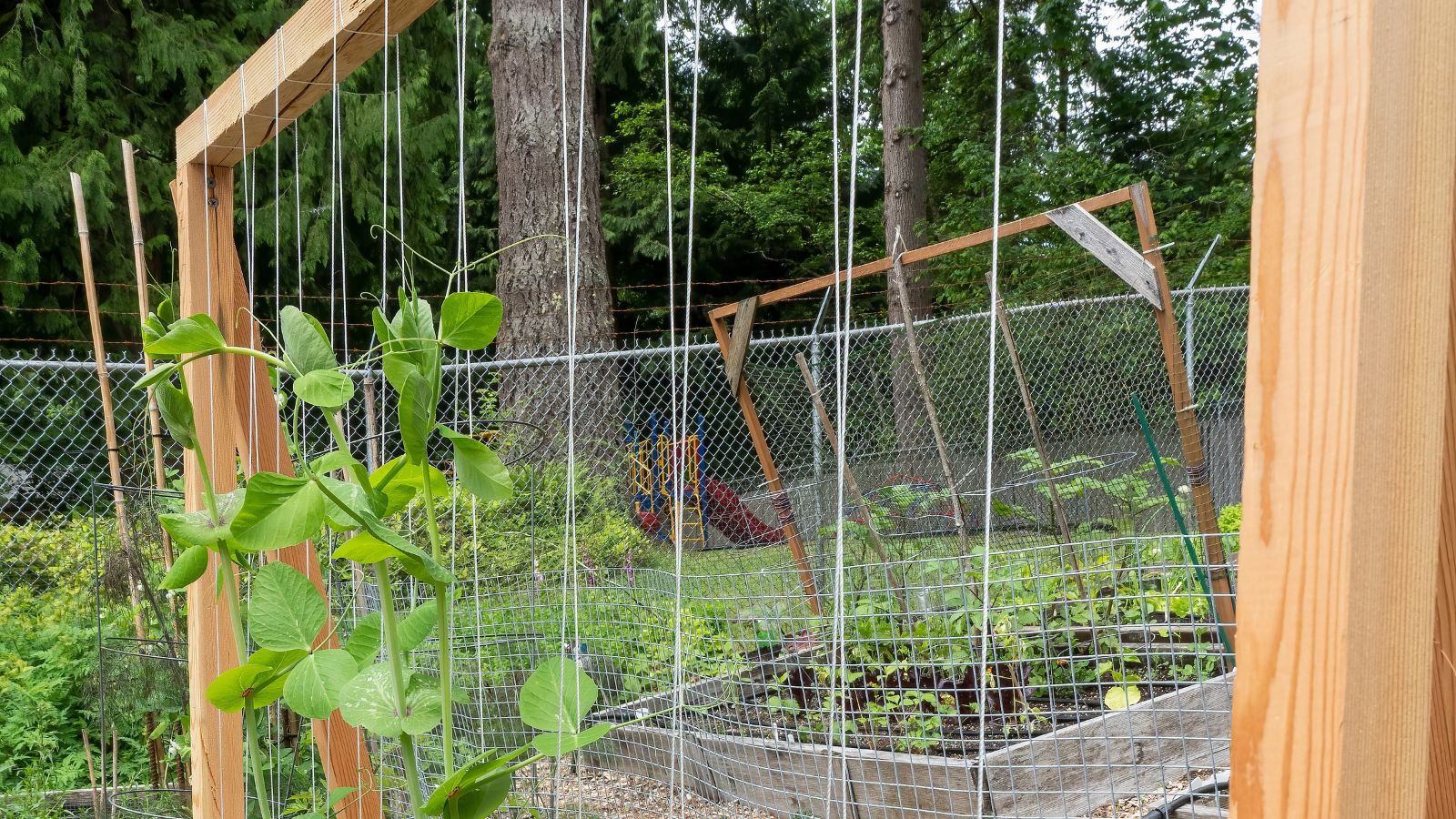
A slightly angled wood frame helps support tomatoes as they grow upward in this clever design. Using tomato clips, the vines are trained along strings set at a gentle tilt, which makes it easy to reach all sides of the plant for pruning and harvesting. It’s almost the reverse of the design above, but just as practical and user-friendly.
| Materials | Lumber, nylon cord or heavy-duty twine |
| Difficulty | Intermediate (because of time spent training the tomatoes to climb) |
| Cost | $$ |
Leftover Parts Trellis
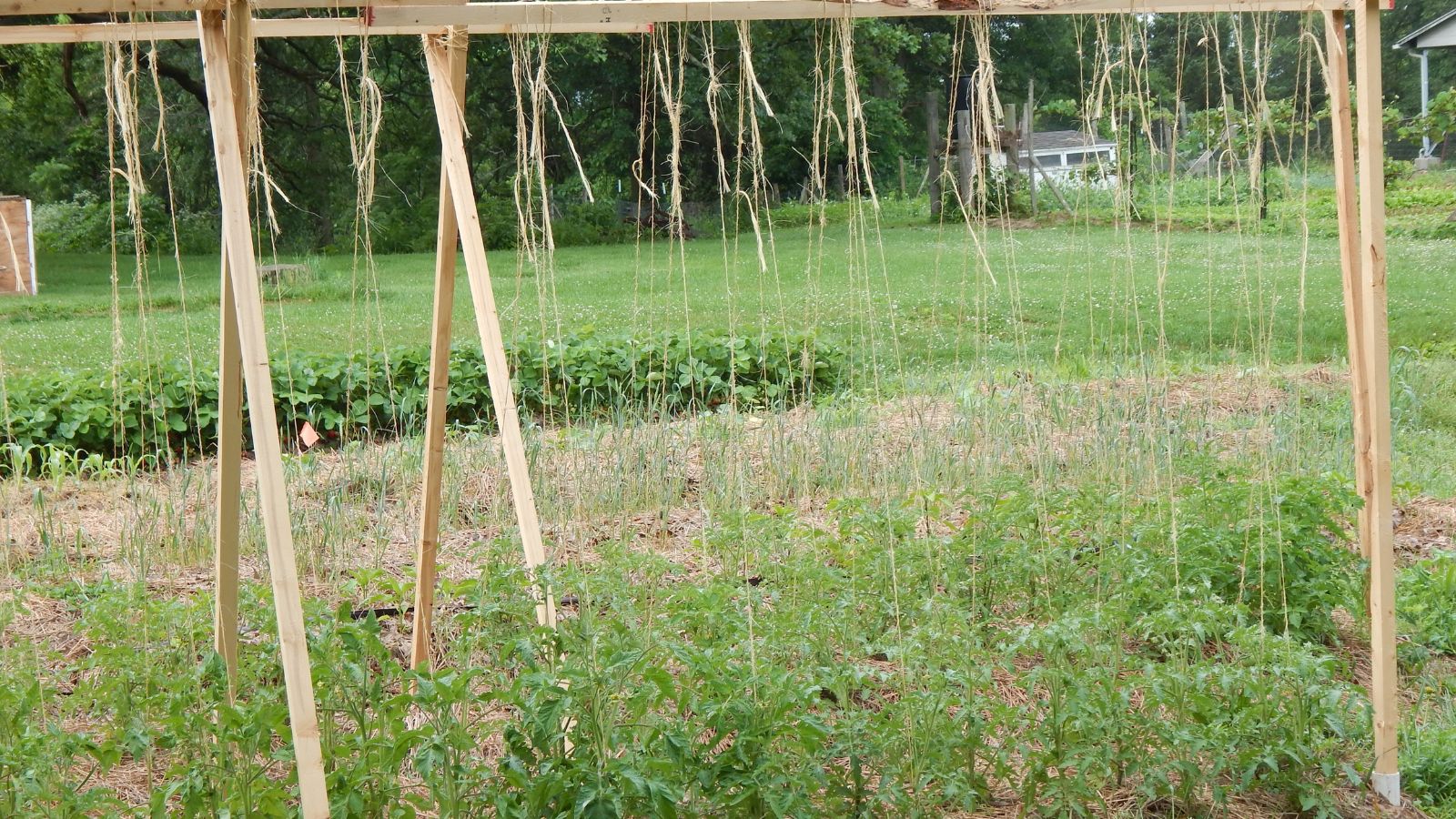
If you’ve got leftover string or twine and some old branches or scraps of lumber, you can build this trellis. It’s not elegant, but it’s definitely functional and serves its purpose well. Take a look at suggested components and how to put it together.
| Materials | Leftover twine/string, old branches or lumber, misc other possible parts |
| Difficulty | Beginner |
| Cost | $ |
DIY Bamboo and Twine Tomato Spiral

While not as polished as commercial metal tomato spirals, this bamboo tripod anchors twine in place to provide similar support. It’s simple, quick to assemble, and surprisingly effective. Just keep in mind that the twine will only last for one season, so you will need to restring it each year. You can read the instructions here.
| Materials | Bamboo poles, twine |
| Difficulty | Beginner |
| Cost | $ |
Wire-Based Supports
Wire-based tomato trellis ideas are similar to string but much sturdier.
The Raised Bed Trellis Arch
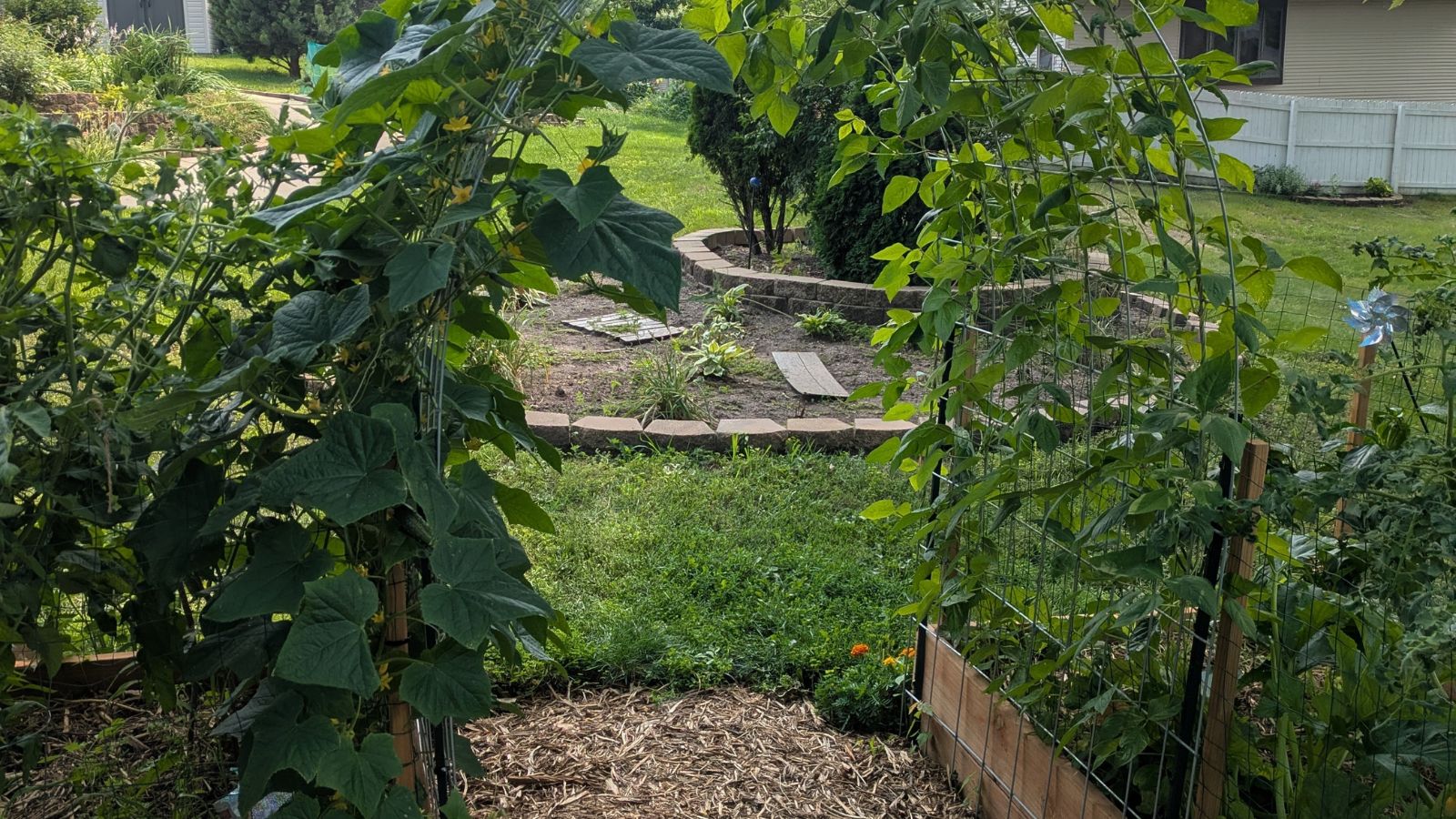
Whether you are growing tomatoes or any other climber, this setup makes it easy to work within a small footprint. Two narrow raised beds are positioned on either side of an arching trellis, giving you a sturdy structure for tomatoes, pole beans, peas, or even grapevines.
The arch creates a beautiful growing tunnel, and the best part is that you can harvest from all sides. It is a space-efficient and visually striking option for any garden. Detailed plans can be located here.
| Materials | Lumber, cattle panels (or other trellis material) |
| Difficulty | Intermediate (must be willing to construct the beds and secure the panels) |
| Cost | $$-$$$ |
The Homemade Horizontal Trellis
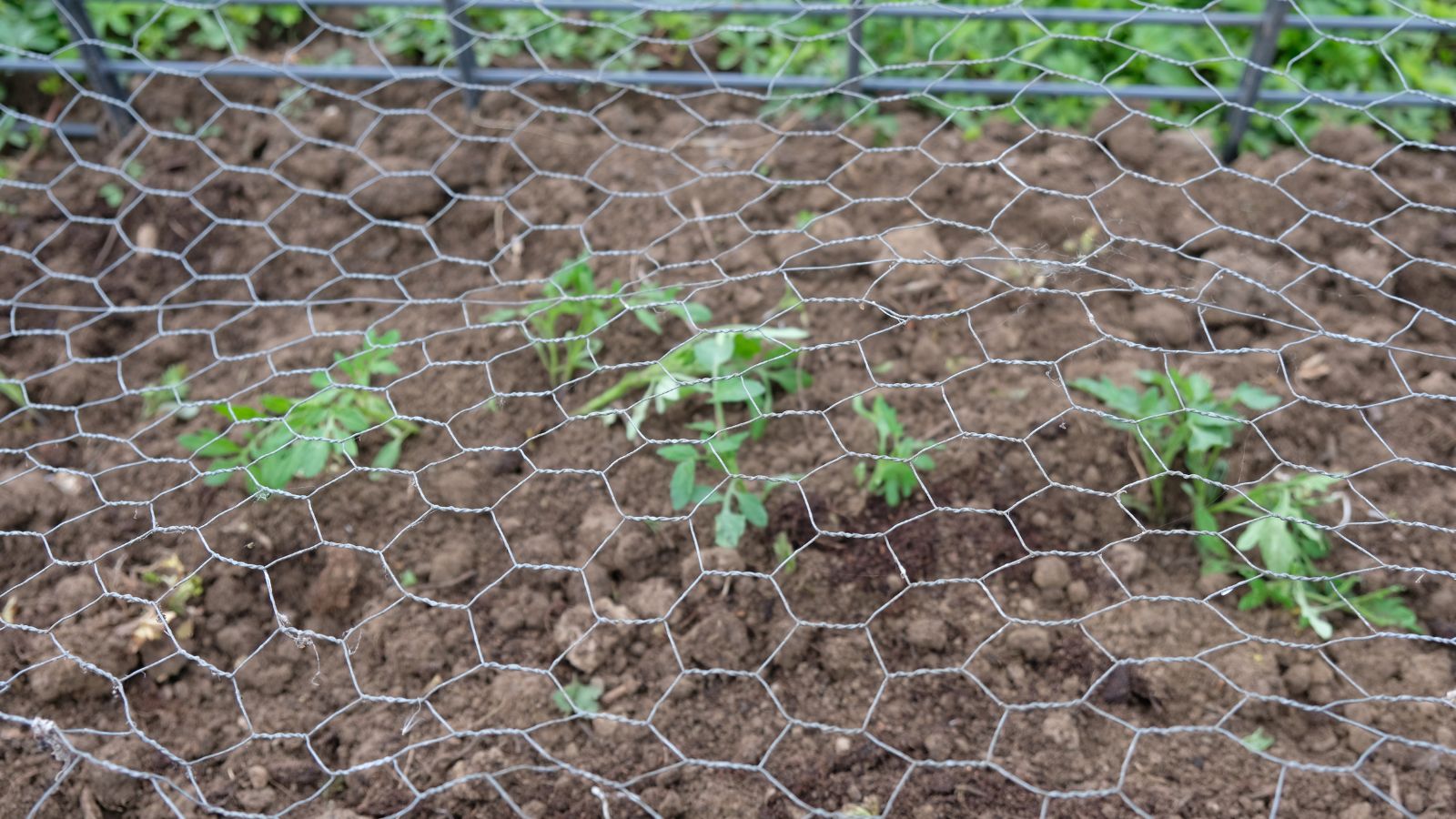
There are a lot of photos in that blog post, so it’s worth scrolling down until you find a particularly clever setup. It features two mesh panels supported by wooden corner posts. Tomatoes can grow up through the mesh for support, and they can sprawl a bit as well, giving you a flexible, low fuss trellis option. Photos are on this blog.
| Materials | Two pieces of heavy wire mesh, wooden corner supports |
| Difficulty | Beginner |
| Cost | $ |
Livestock Fencing Long Trellis

If you have old livestock fencing lying around, it makes an excellent long trellis for tomatoes. Just set it upright and tie your plants to the wire as they grow. It’s sturdy, reusable, and a great way to repurpose materials you already have on hand. Take a look at the website for this type of trellis, plus a couple we’ve already mentioned.
| Materials | Livestock fencing, metal posts |
| Difficulty | Beginner |
| Cost | $$ |
The Livestock Cage
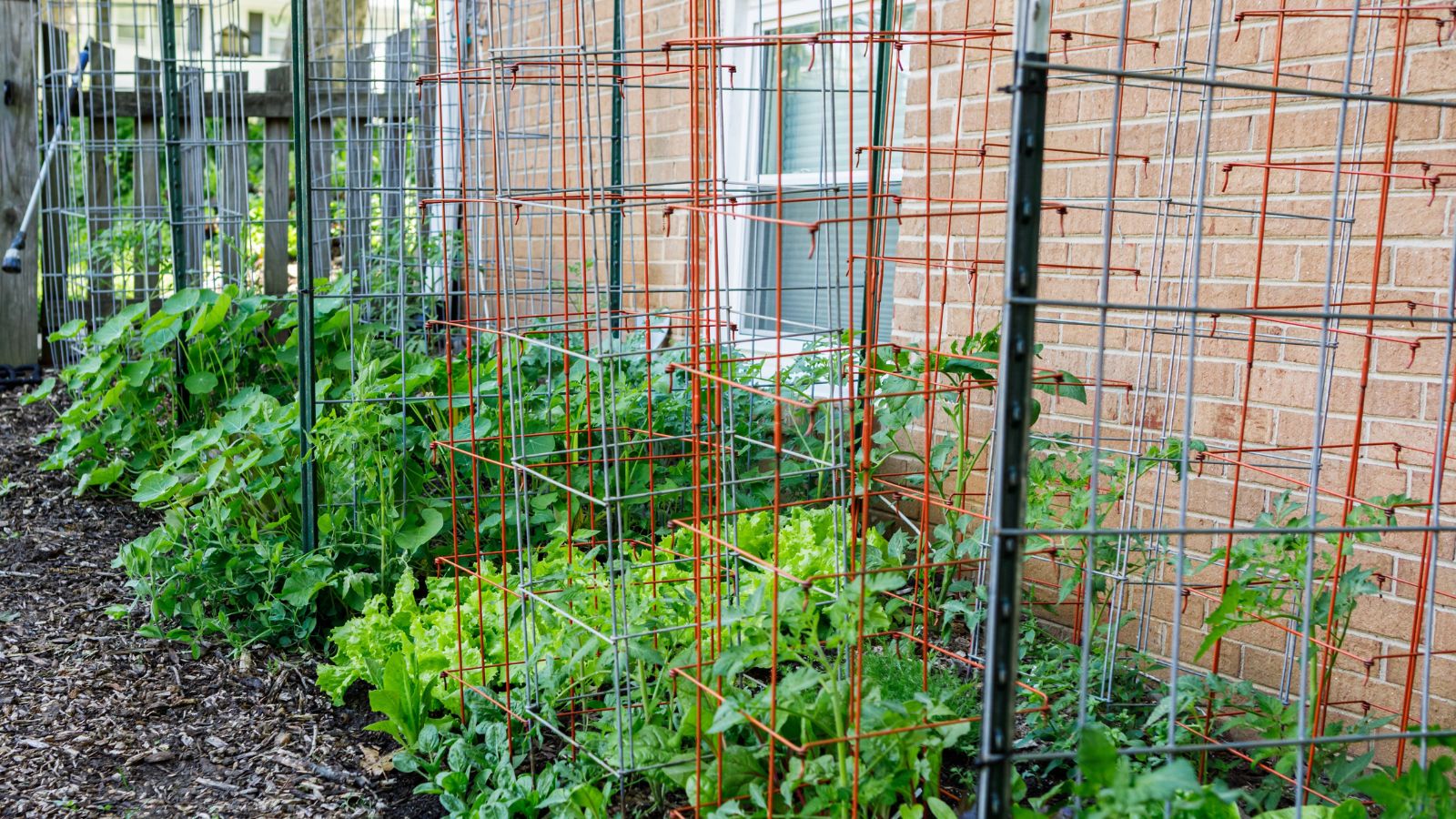
With a bit of work, you can turn that livestock fencing into individual tomato cages as well. This design creates V-shaped panels that you can either pair together to form a full cage or leave as single V’s and simply tie the tomatoes to them. They are sturdy during the season and stack neatly when it’s time to store them away. Visit the site for more on how to build this.
| Materials | Livestock fencing, heavy duty wire cutters or loppers, heavy-duty gloves |
| Difficulty | Beginner (but may require a second set of hands to bend the fencing) |
| Cost | $$ |
Concrete Mesh Tomato Cage
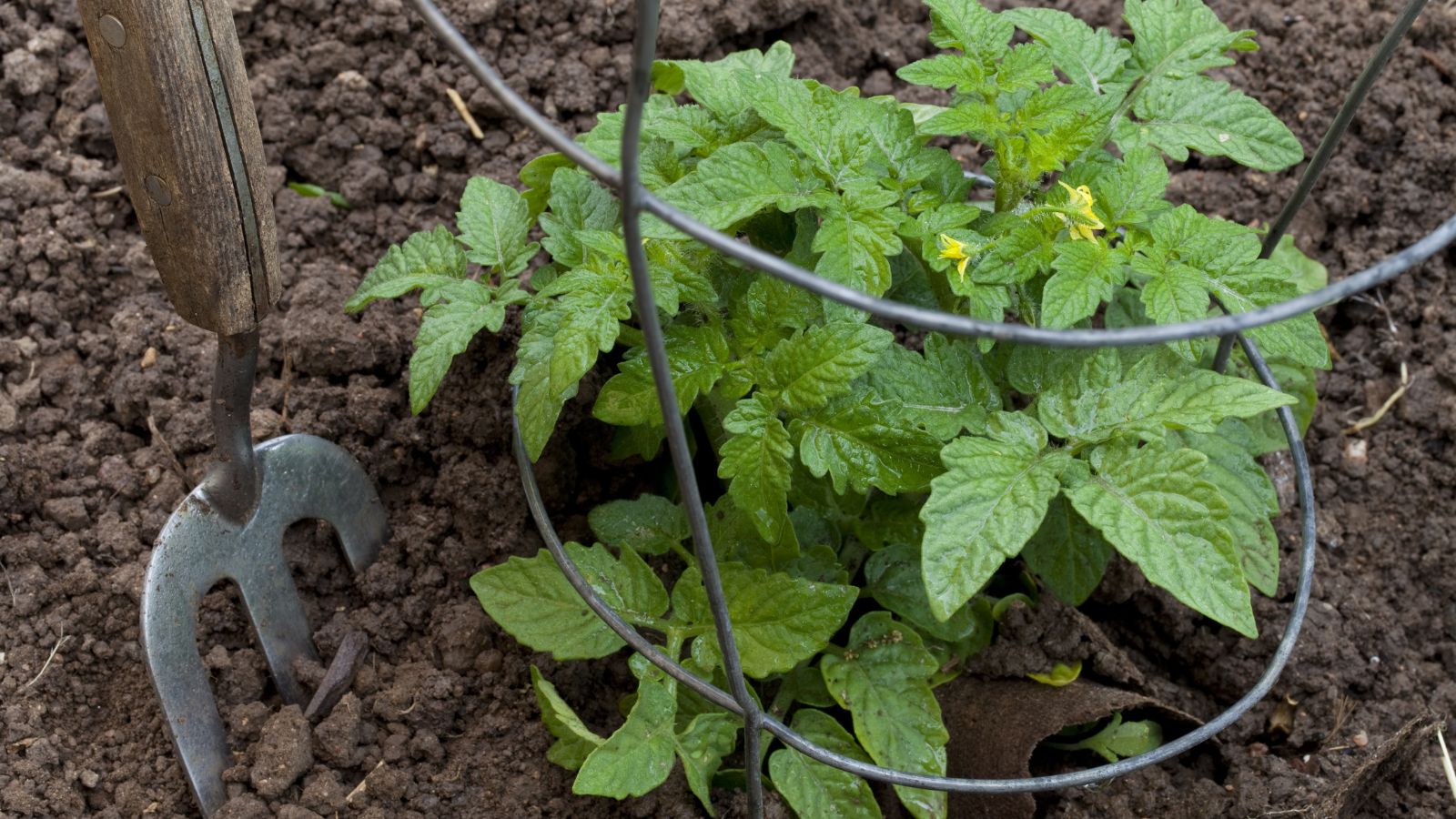
This has long been one of my favorite styles of tomato cage. Using concrete reinforcing mesh, you can form a sturdy cylinder that supports an impressive amount of fruit. One roll of concrete mesh makes multiple cages, so it’s a relatively affordable option if you need several.
You will want solid wide jaw pliers and heavy gloves when you build them, since the mesh is tough to work with. I have used these cages without staking, and the sheer weight of the tomato plants held them in place, but you can also drive a piece of rebar through the side to anchor them for extra stability. Check out how to build them!
| Materials | Roll of concrete reinforcing mesh, heavy gloves, wide-jawed pliers, heavy wire cutters |
| Difficulty | Beginner |
| Cost | $$ |
The Stake-A-Cage
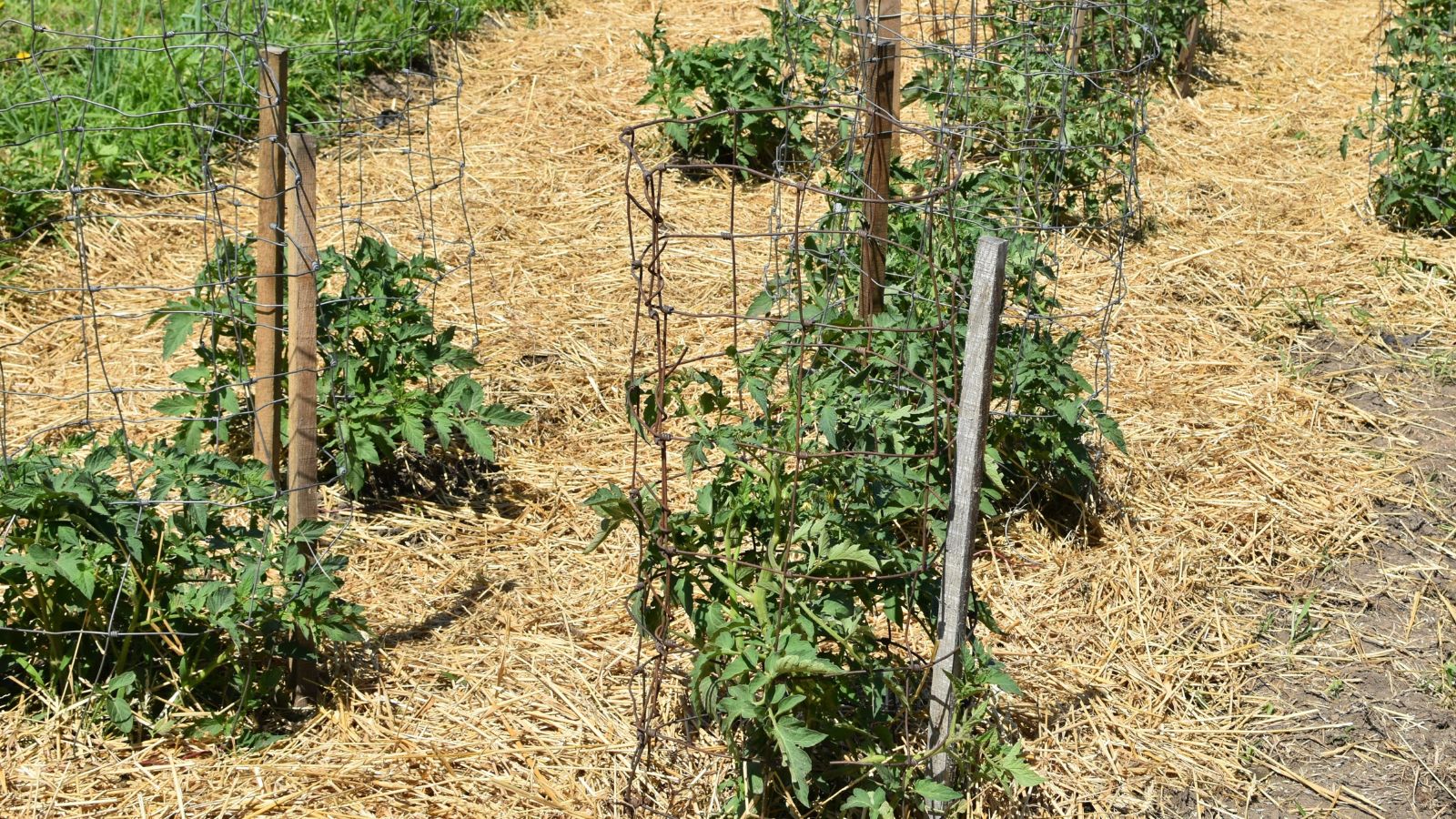
Do you have tons of tomatoes and are dreading making cages for them all? Take a look at these simple plans for an option that will help you out. The Stake-A-Cage features a heavy mesh attached to a long wooden stake. It creates a very functional option at an attractively low cost.
| Materials | Welded wire fencing, wooden stakes, wire fence nails |
| Difficulty | Beginner |
| Cost | $ |
The Tall Tomato Tower
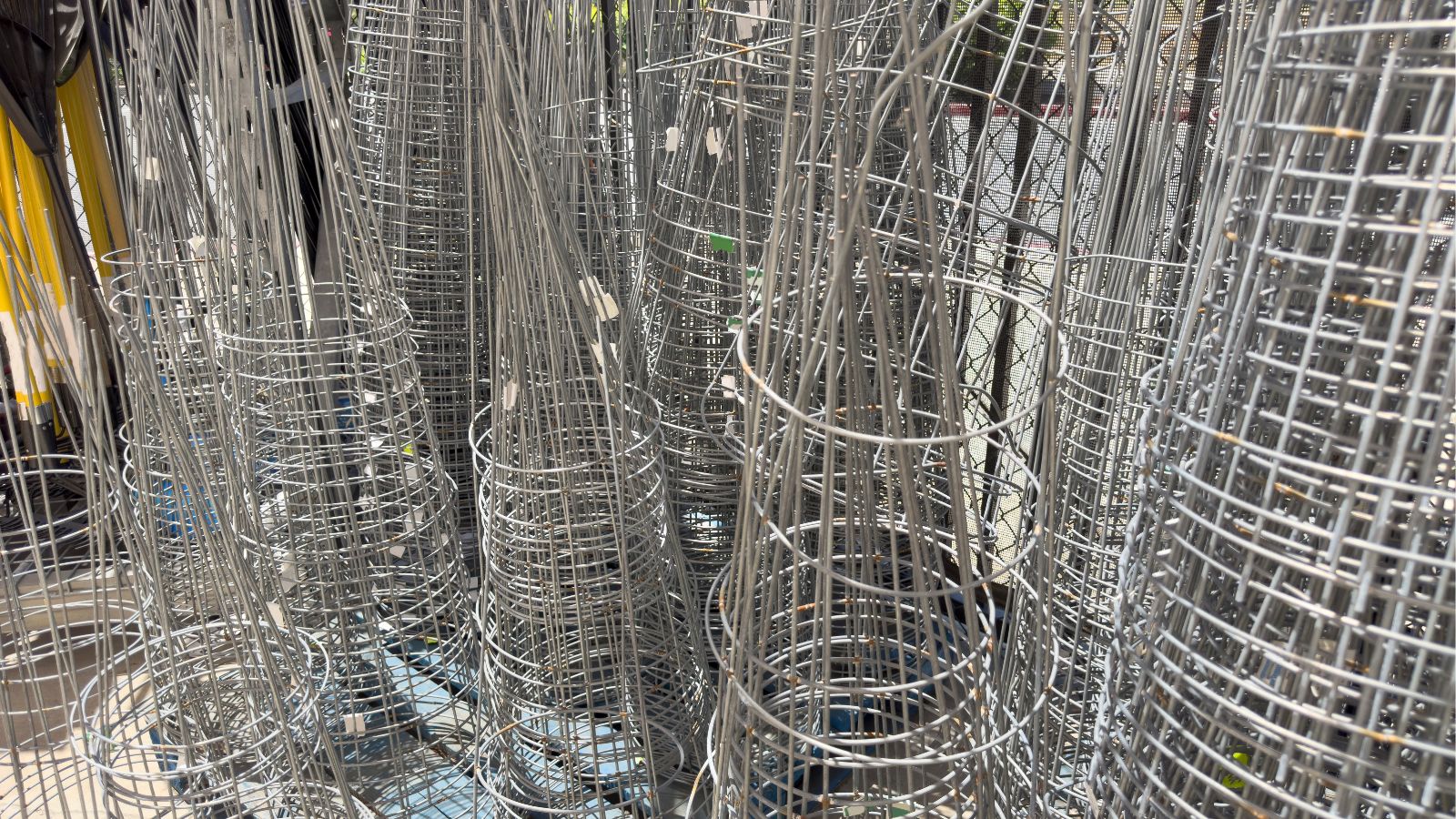
If you grow in containers, you know how tricky it can be to stake your plants properly. Most commercial tomato cages that fit inside large pots are flimsy and collapse once the plant gets heavy. This tomato trellis idea is a much sturdier option. It can extend up to ten feet tall and holds its shape throughout the season, giving container-grown tomatoes the strong, reliable support they need. You can read how to do it here.
| Materials | Galvanized metal fencing, wire, bamboo or plastic landscaping poles, heavy gloves |
| Difficulty | Beginner |
| Cost | $$ |
Cattle Panel And String Trellis
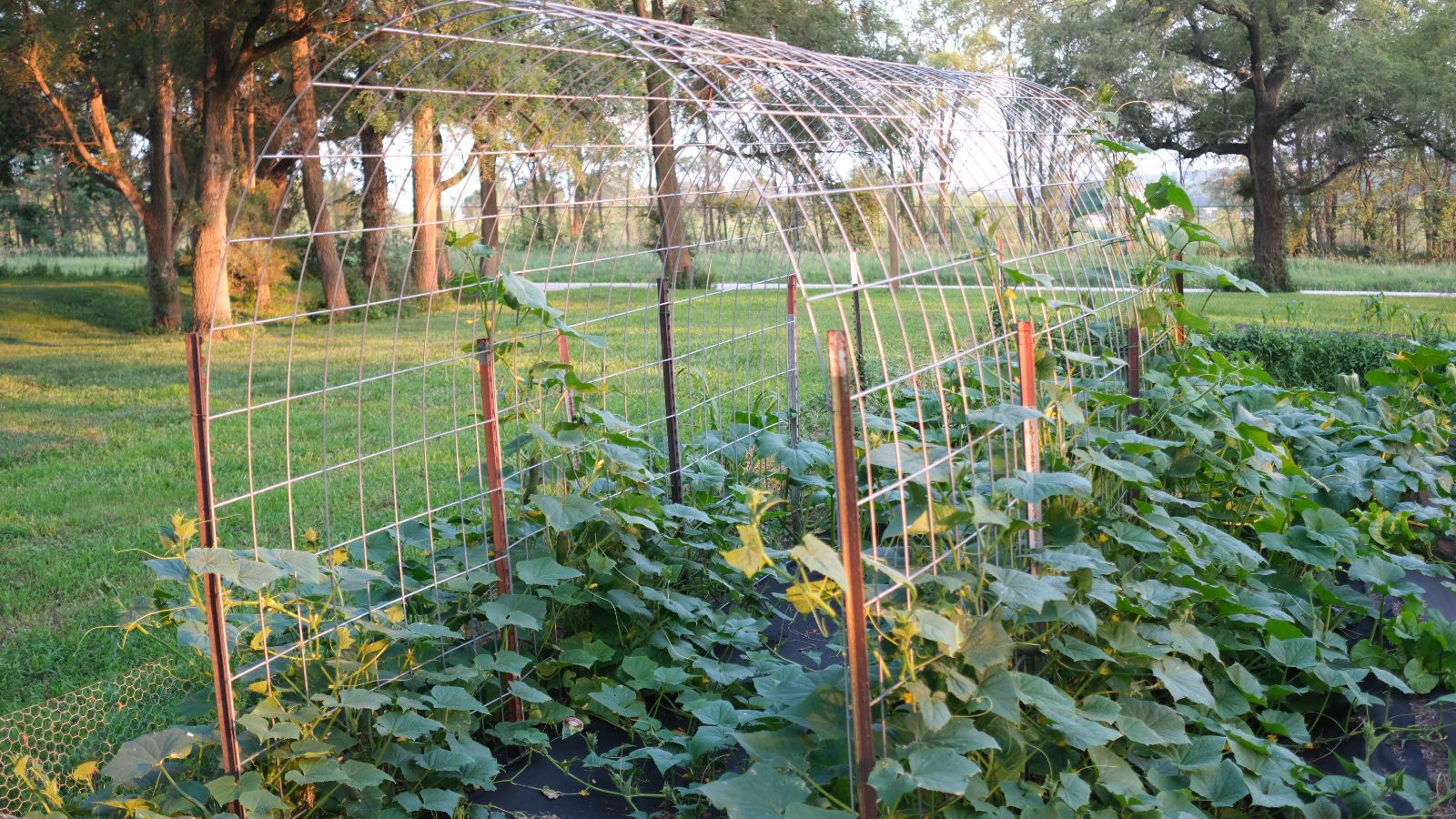
It is just as simple as the name suggests. This arched trellis is built primarily from cattle panels, with string or twine used to guide the plants as they grow up, around, and through the metal grid. It is not as decorative as some other arched designs, but it does exactly what you need it to do and provides excellent support for climbing tomatoes. See how it’s assembled for more information.
| Materials | Cattle panels, twine or string |
| Difficulty | Beginner |
| Cost | $$ |
Bent Cattle Panel Tomato Cage
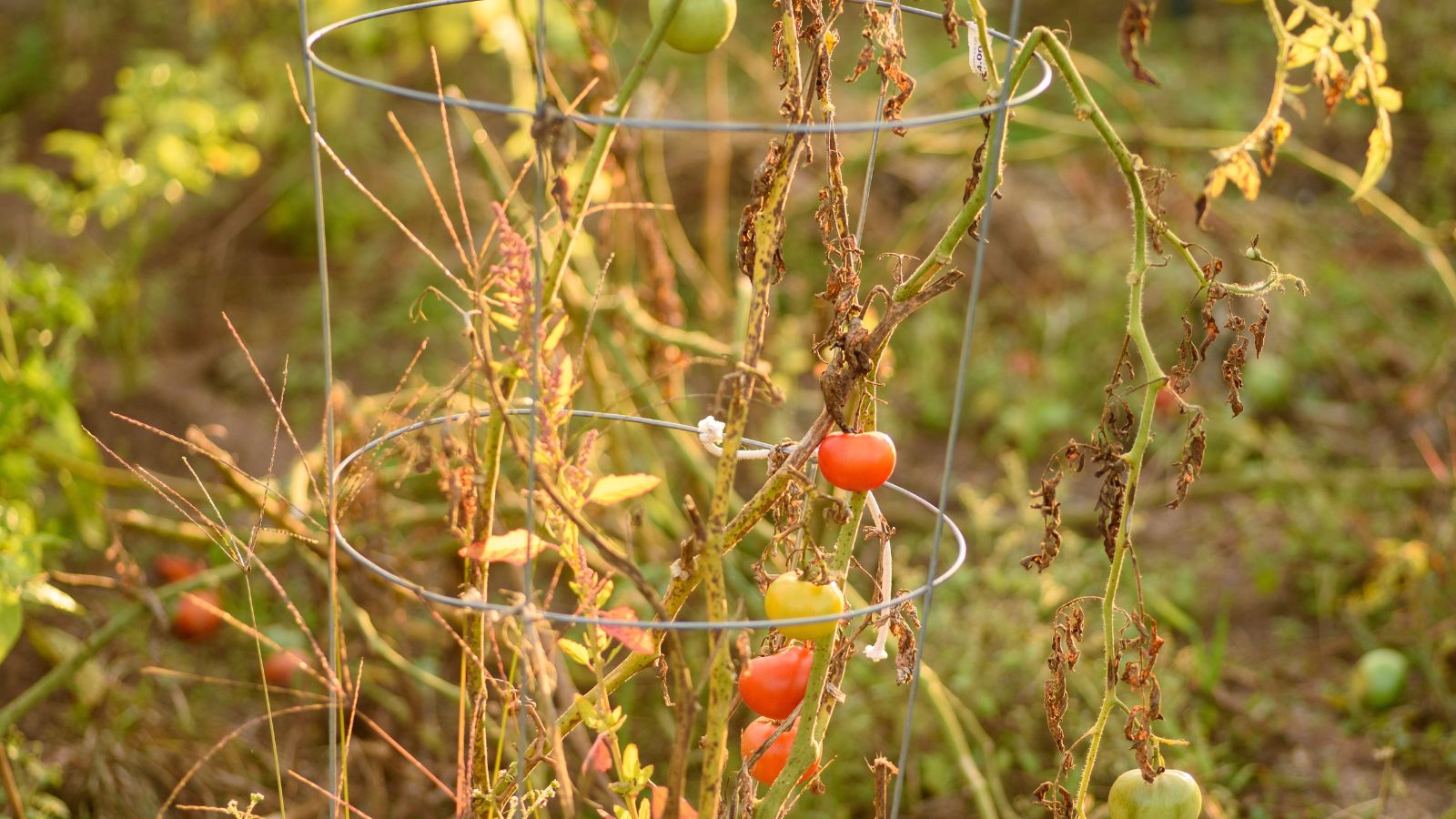
A bit stronger than concrete reinforcing mesh, this bent cattle panel will handle nearly any weight you put on it. It usually takes two people to bend and set it in place since the panel is stiff, but once assembled, this tomato trellis idea will last for many years and provide incredibly sturdy support for tomatoes or any other climbing crop. Check out the build process in this post.
| Materials | Cattle panel, bolt cutters, crescent wrench |
| Difficulty | Intermediate (could be beginner with multiple people) |
| Cost | $-$$ (depending on panel price) |
Double Hog Wire Trellis
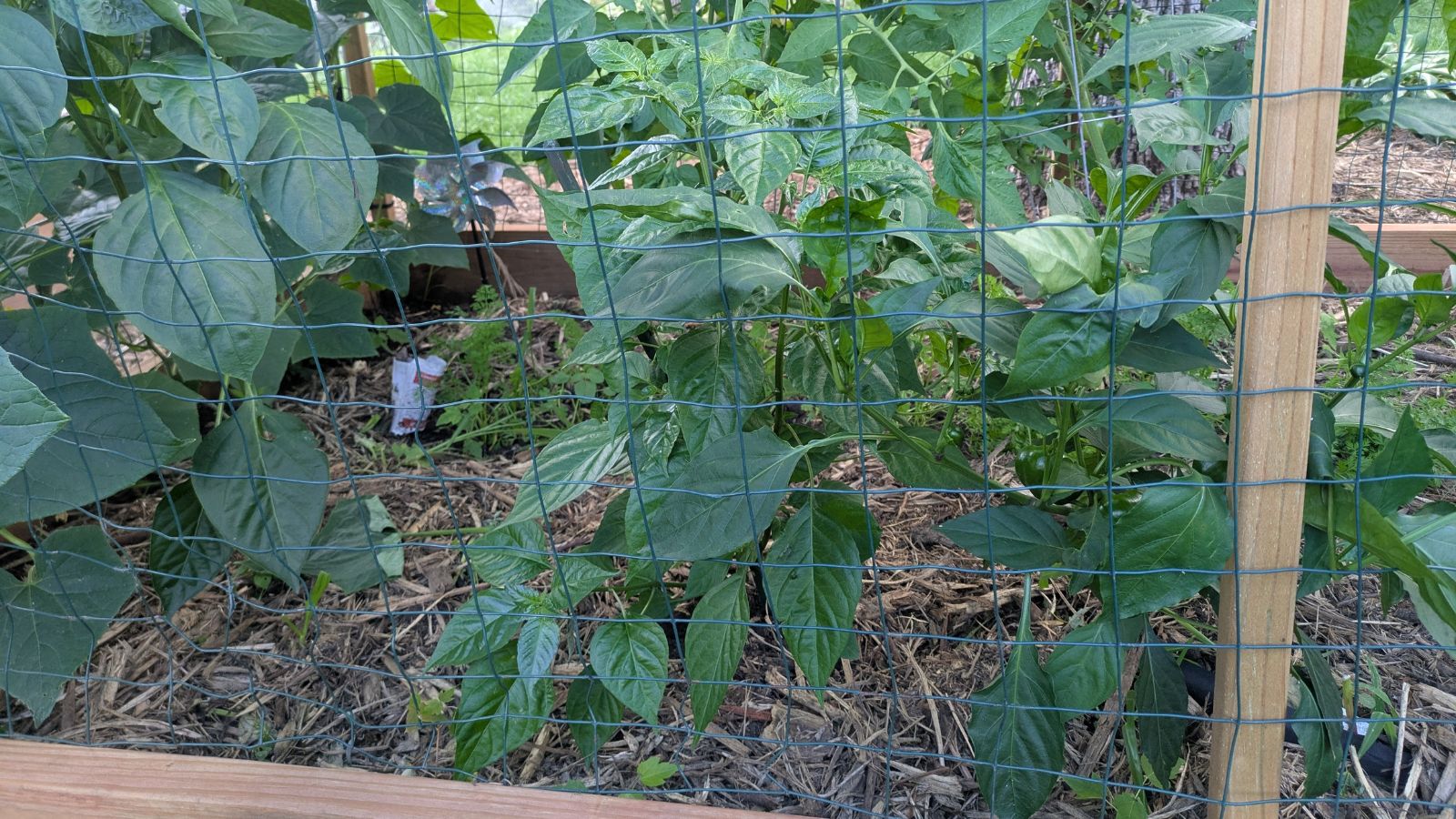
This is actually a pair of trellises constructed of hog wire and placed closely together to ensure that plants are supported well on all sides. It provides great support for a minimal cost. The photos and instructions are clear and concise.
| Materials | Hog wire panels, wooden stakes, eyebolts, heavy wire, a couple friends |
| Difficulty | Intermediate (you will need to secure the top to the roof of a greenhouse and require assistance) |
| Cost | $$ |
Japanese Tomato Ring
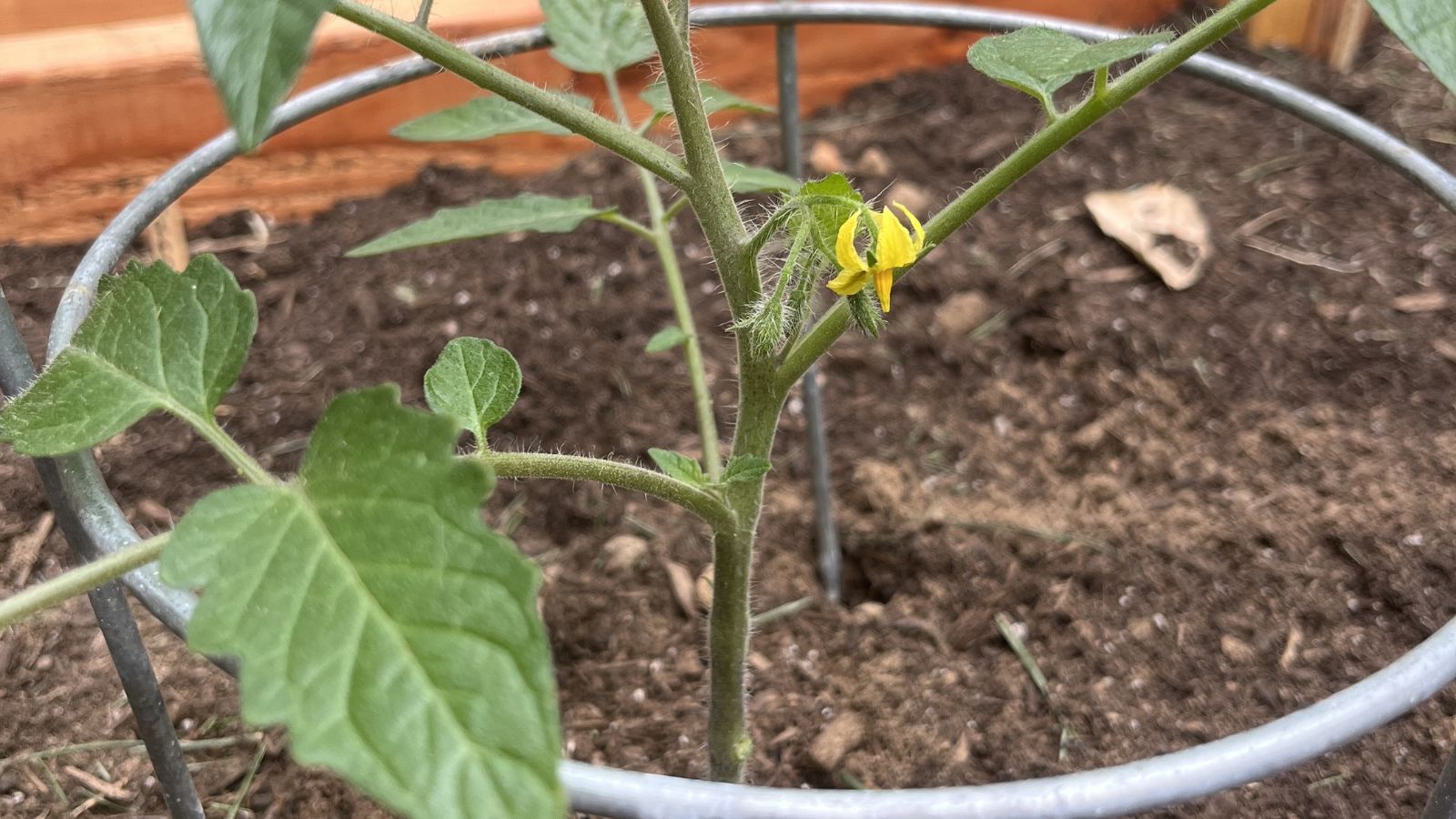
While this one is constructed similarly to some of the other cages we’ve talked about, the way you use it is completely different. After forming a ring out of mesh or fencing, you plant four tomato plants around the outside of the ring instead of placing a single plant inside. Add compost to the interior of the ring to feed the plants, and secure the vines as they grow. It’s an excellent tomato trellis idea to maximize planting space in a small garden.
| Materials | Wire mesh or fencing, compost, twine or cord or tomato clips to secure plants to mesh |
| Difficulty | Beginner |
| Cost | $-$$ |
PVC-Based Supports
PVC tomato trellis ideas are some of the most common for gardeners who love DIY.
Square Staked PVC Tomato Cage
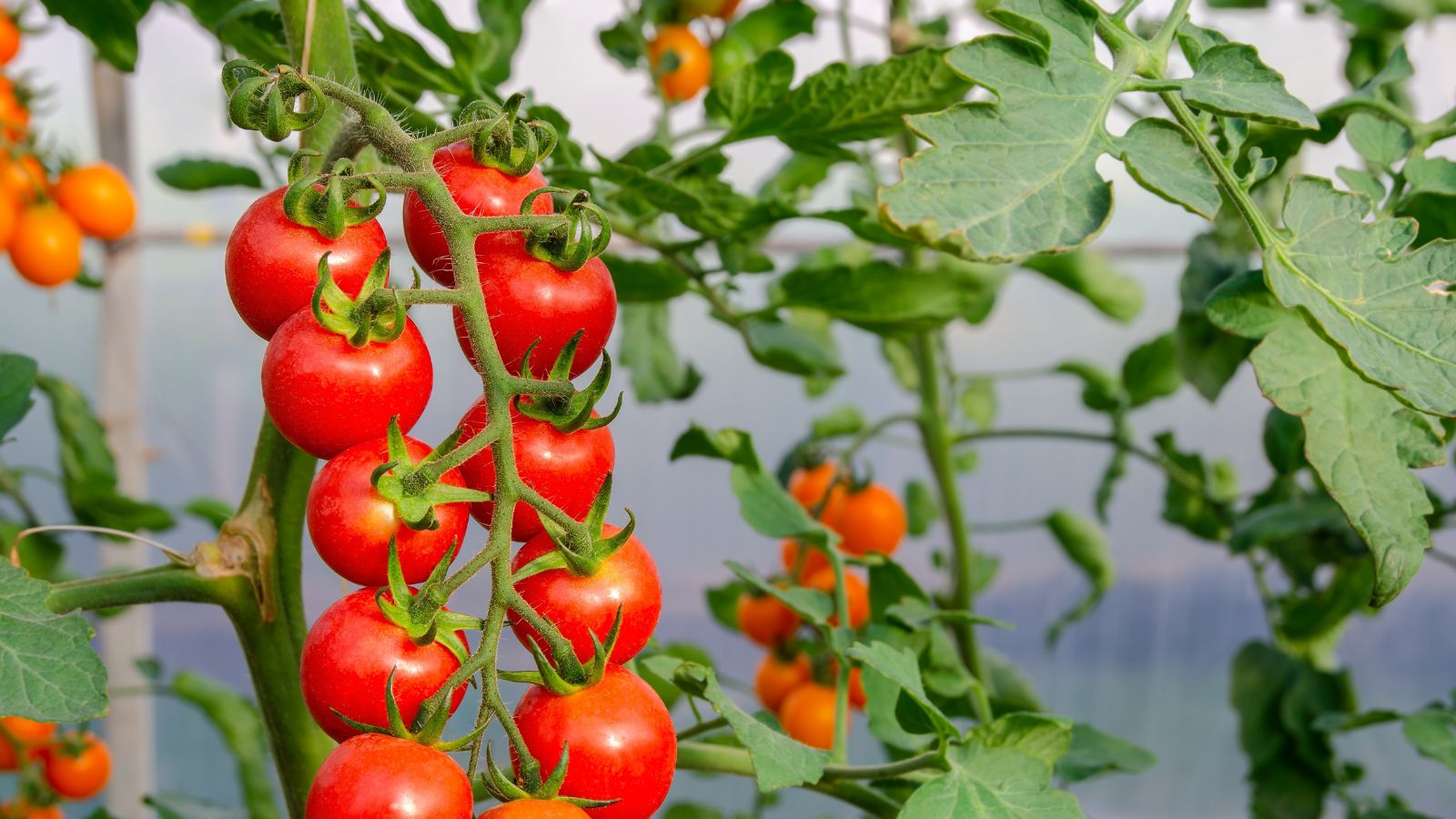
If you have leftover PVC pipe, all you need are a few connectors and a PVC cutter to build this simple tomato cage. It assembles quickly, breaks down easily for storage at the end of the season, and holds up well through months of growth. This tomato trellis idea uses a heavier, longer piece of PVC as a central stake to keep the cage anchored so it does not shift. It is an easy, efficient, and surprisingly sturdy option for supporting tomatoes. Check out the concept here.
| Materials | PVC pipe (mostly ¾”, but if you have leftover 1” that’ll work too), connectors, wire (to secure the stake to the cage) |
| Difficulty | Beginner |
| Cost | $ |
PVC and Conduit Tomato Cage
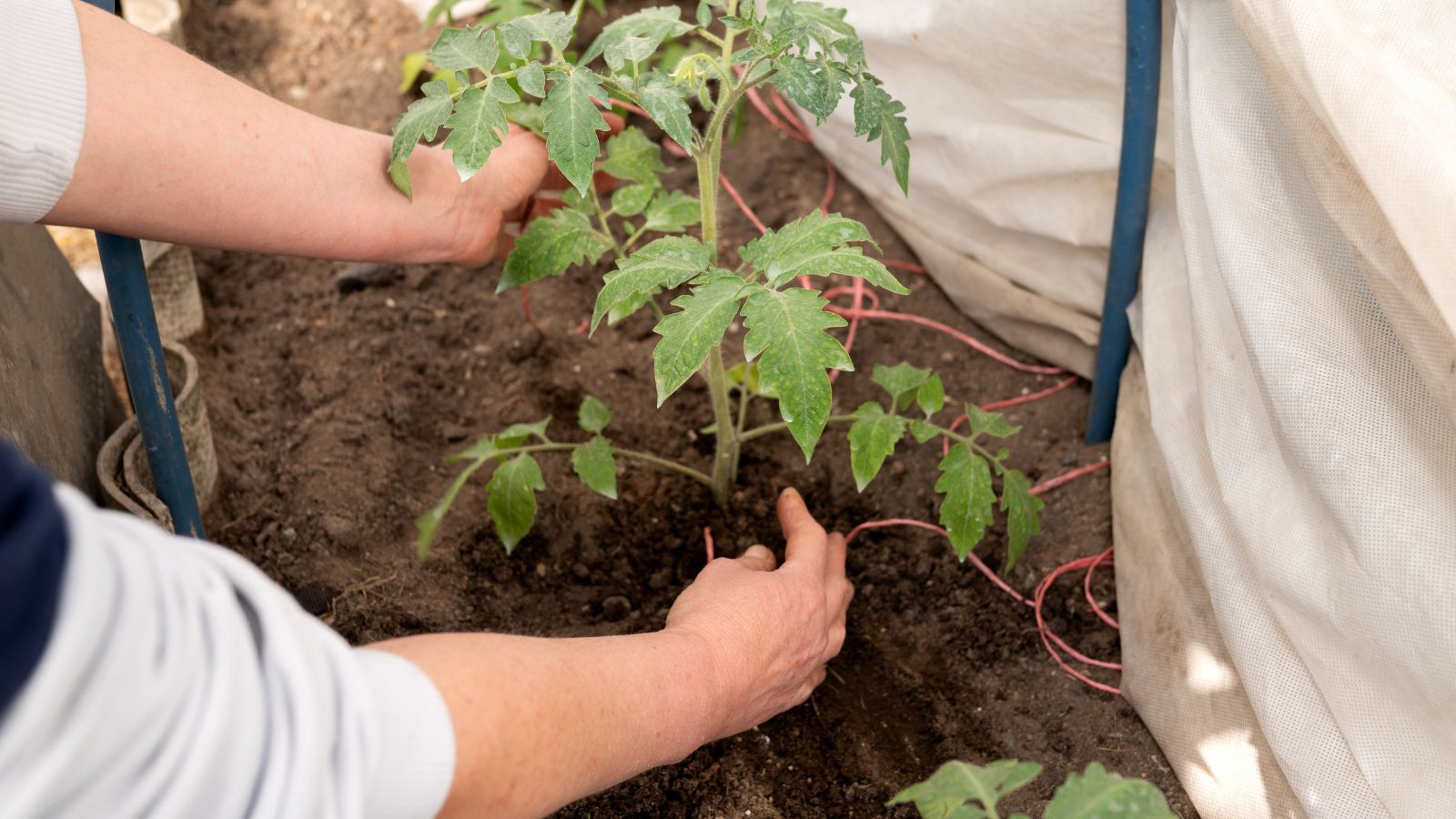
This PVC cage doesn’t need connectors, but you will need a drill and a bit of patience. Wide gauge PVC forms the corner supports, and conduit is threaded through drilled holes to create strong crossbars. It’s an inexpensive option if you already have the right drill bits, and the finished structure is very sturdy. Check out the build process!
| Materials | Heavy-gauge PVC, lighter gauge conduit, drill |
| Difficulty | Beginner to intermediate (hole placement may be tricky in the PVC) |
| Cost | $-$$ |
PVC Tomato Block
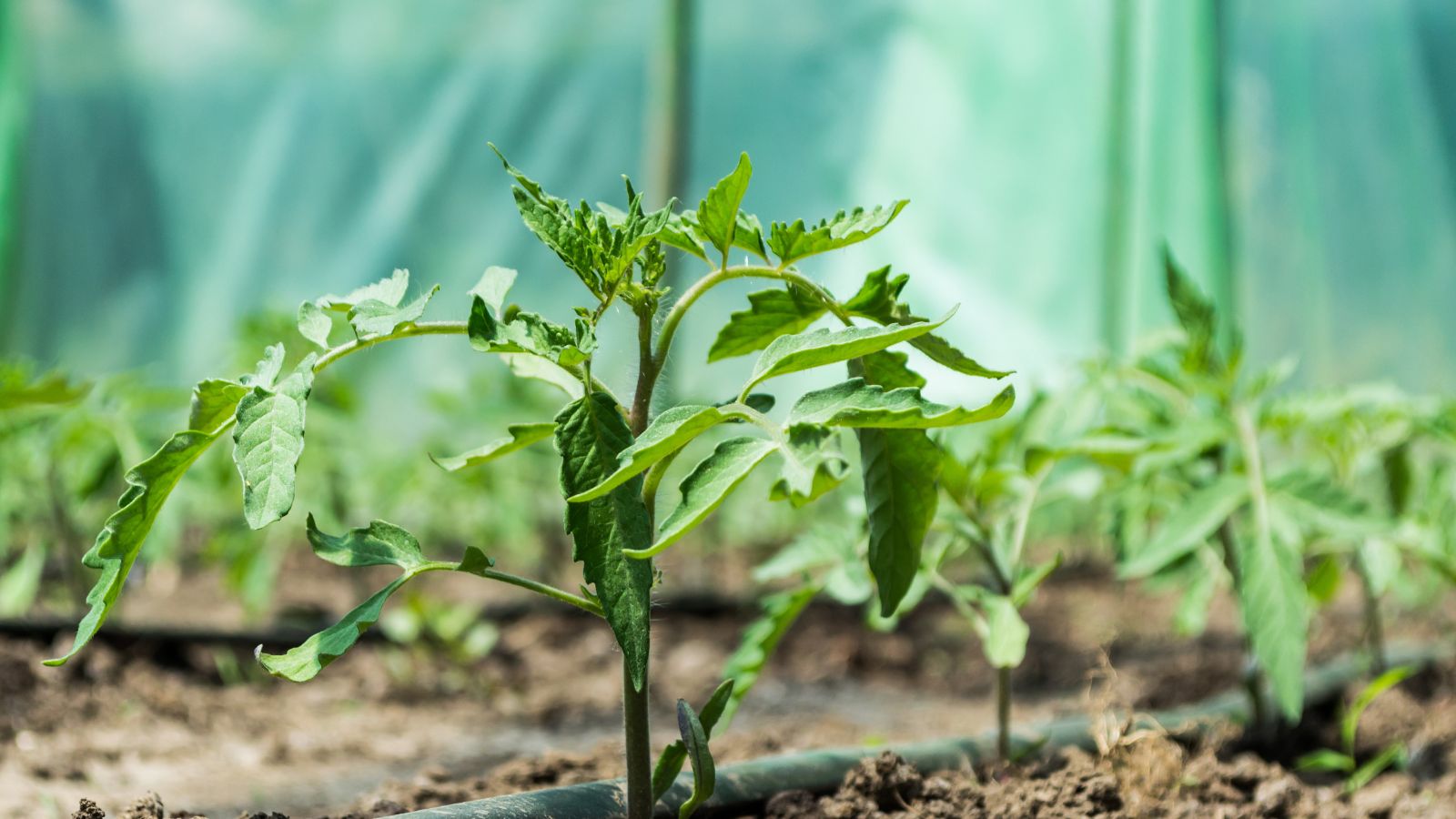
If you have a lot of tomatoes in a small space, this blocky PVC structure is a great solution. A network of interlinked pipes creates a strong cage that can support multiple plants regardless of their weight. As long as you skip the PVC glue, you can disassemble the entire setup at the end of the season and store it compactly for next year. It’s a simple yet effective build, and you can see it right here.
| Materials | PVC, PVC connectors, PVC cutter |
| Difficulty | Beginner |
| Cost | $-$$ |
PVC Tomato Cages For Self-Watering Container Gardens
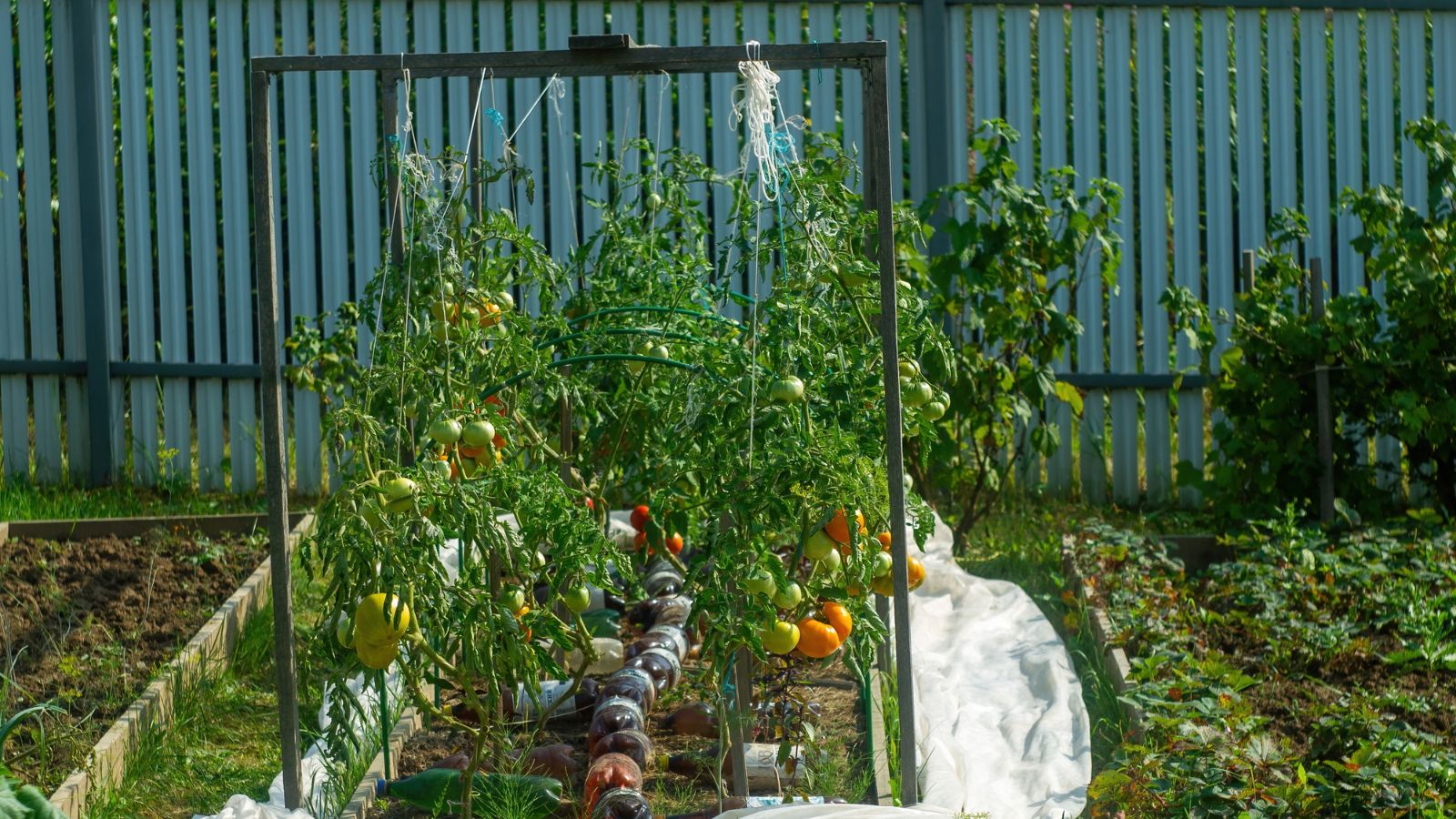
PVC is lightweight, easy to work with, and surprisingly sturdy, which makes it perfect for this container friendly tomato cage. It is designed to fit rectangular self watering containers, but you can adjust the layout to work in a standard garden bed as well.
| Materials | PVC pipe, PVC connectors, PVC cutter |
| Difficulty | Beginner |
| Cost | $-$$ |
PVC Tomato Cage For Earthbox
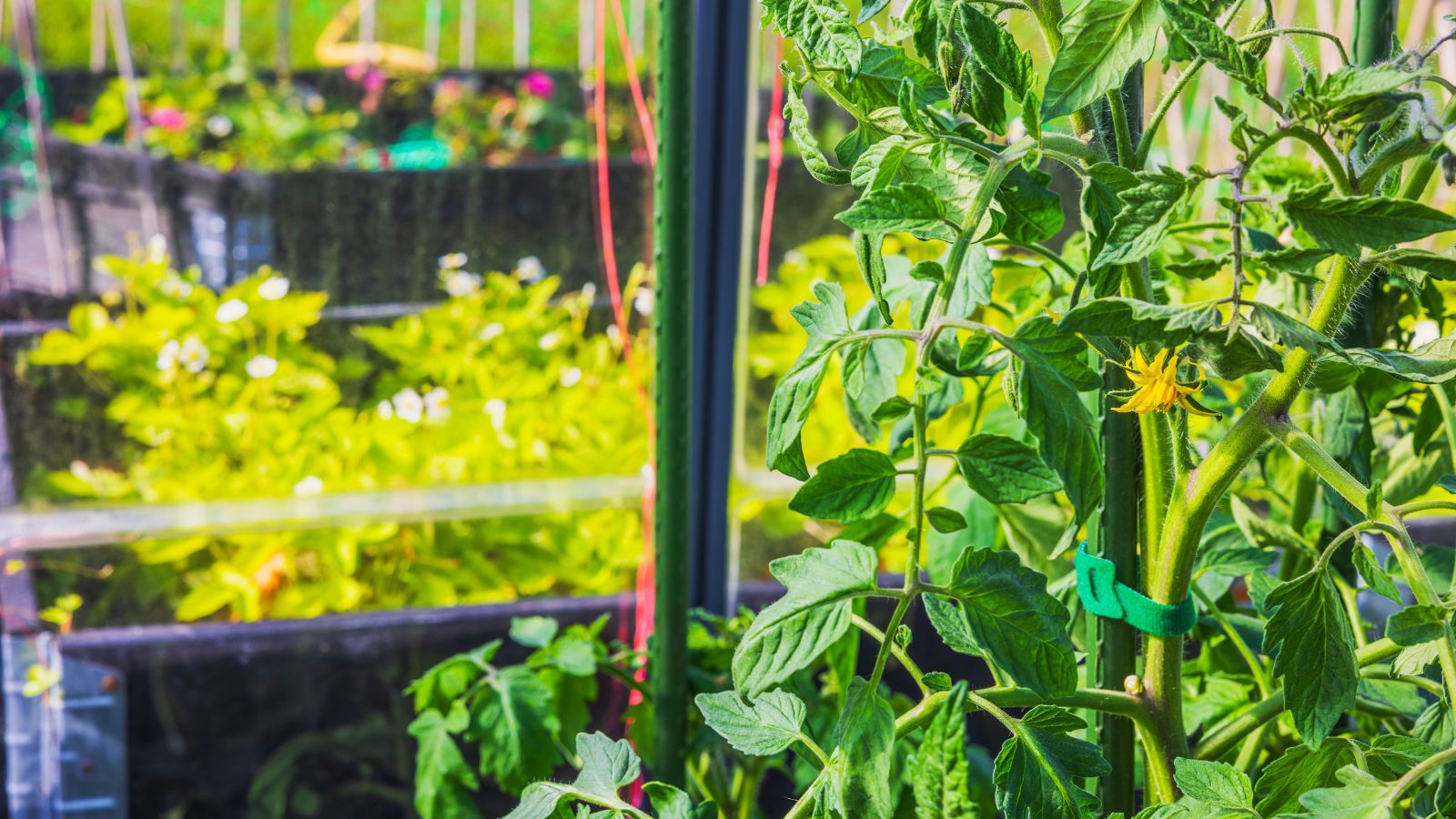
Another great container option, this design uses a simple PVC framework built specifically for an EarthBox. What makes it unique is that it relies on just one inexpensive style of PVC connector, and the side bars are positioned at different heights to support the plant as it grows. This tomato trellis ides is effective, easy to assemble, and just as easy to snap apart and store for winter. Take a look.
| Materials | PVC pipe, PVC connectors, PVC cutter |
| Difficulty | Beginner |
| Cost | $-$$ |
DIY PVC Tomato Cage
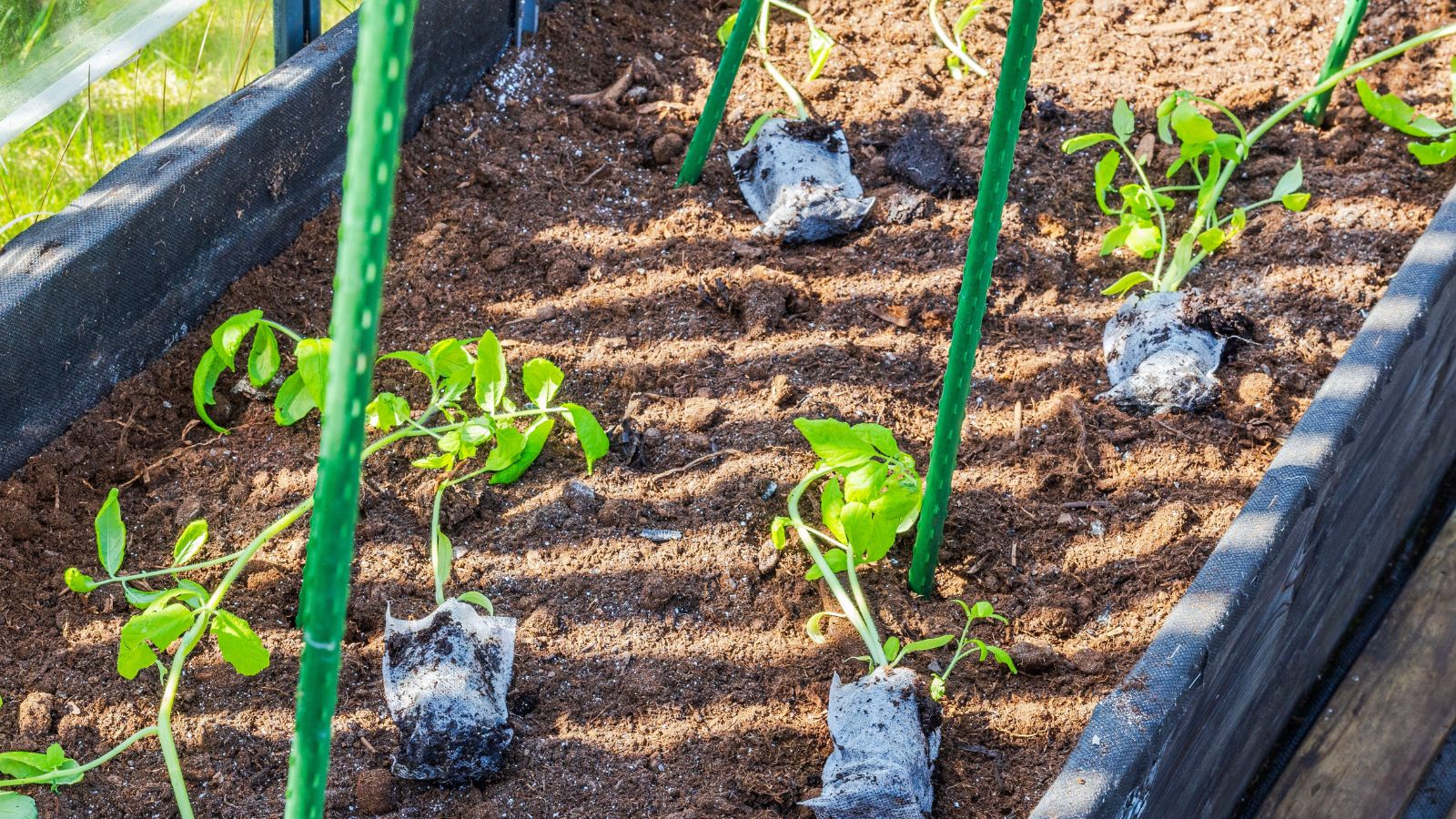
This large boxy PVC style is perfect for raised bed gardens. With a bit of added twine for extra support, it can comfortably hold multiple tomato plants. Like most PVC designs, it also breaks down easily for compact storage at the end of the season.
| Materials | PVC pipe, PVC connectors, PVC cutter |
| Difficulty | Beginner |
| Cost | $-$$ |
Wood-Based Supports
Wood-based tomato trellis ideas are a great way to make use of scrap wood around the garden.
The Wooden Tomato Cage
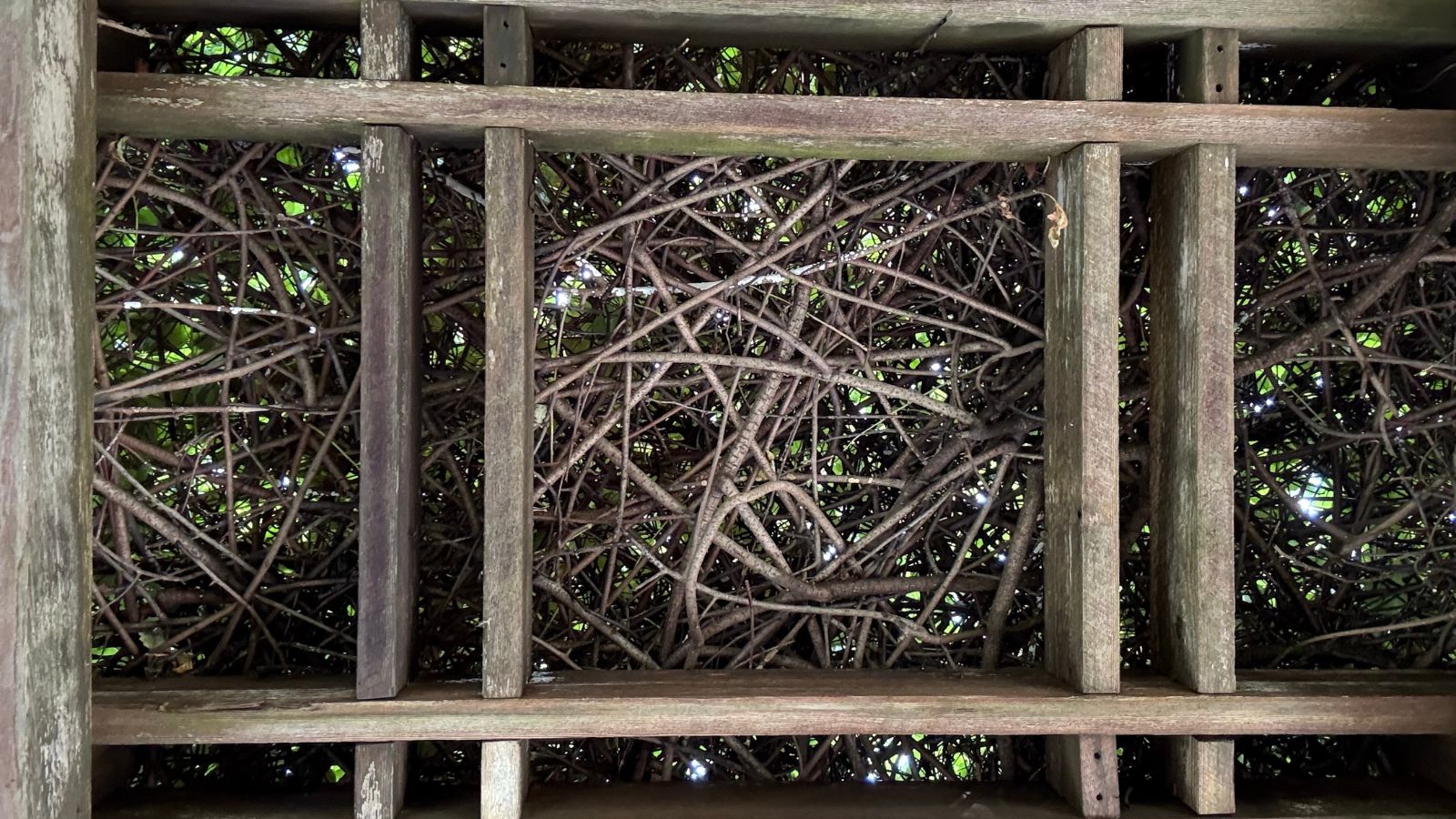
If you want something sturdy that can handle even heavy producing tomato plants, this wooden cage is an excellent choice. It is simple, effective, and can be built to whatever height or spacing you need. Once the wood is cut to length, assembly only takes a few minutes. It is functional, durable, and looks great in the garden. Complete directions for the build are available.
| Materials | Lumber, brad or nail gun, saw |
| Difficulty | Intermediate (must cut wood, use tools) |
| Cost | $-$$ |
Supported Slat Trellis Box
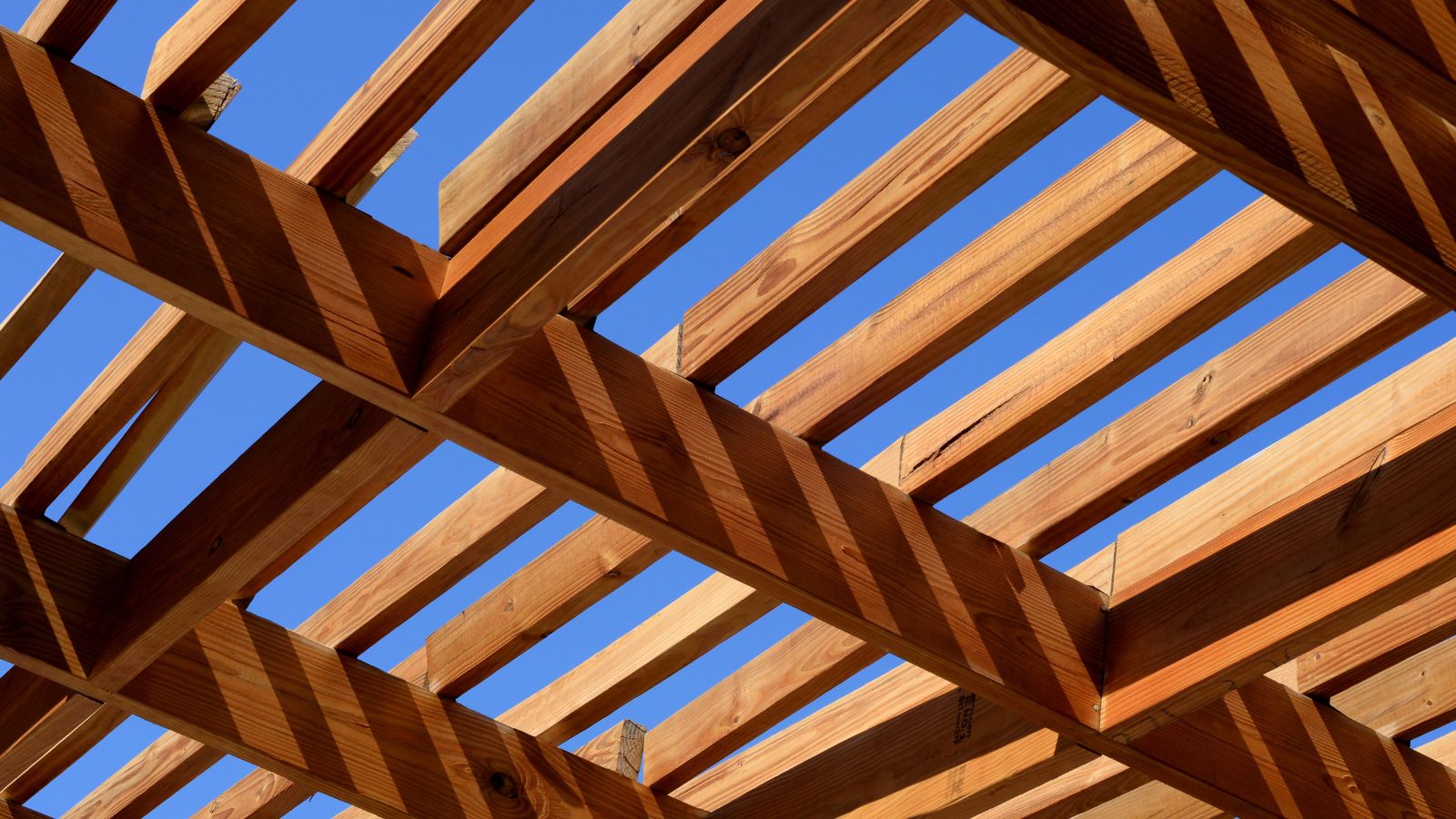
The concept is simple. Set four wooden posts into the ground and attach premade slat trellises to them. This creates a sturdy grid for your plants to grow through and gives excellent support once the fruit starts forming. It also adds a clean, attractive structure to the garden.
| Materials | Premade slat trellises, heavy wooden corner posts, screws |
| Difficulty | Intermediate (may require modifying a slat trellis to your needs) |
| Cost | $$$ |
The Garden Obelisk
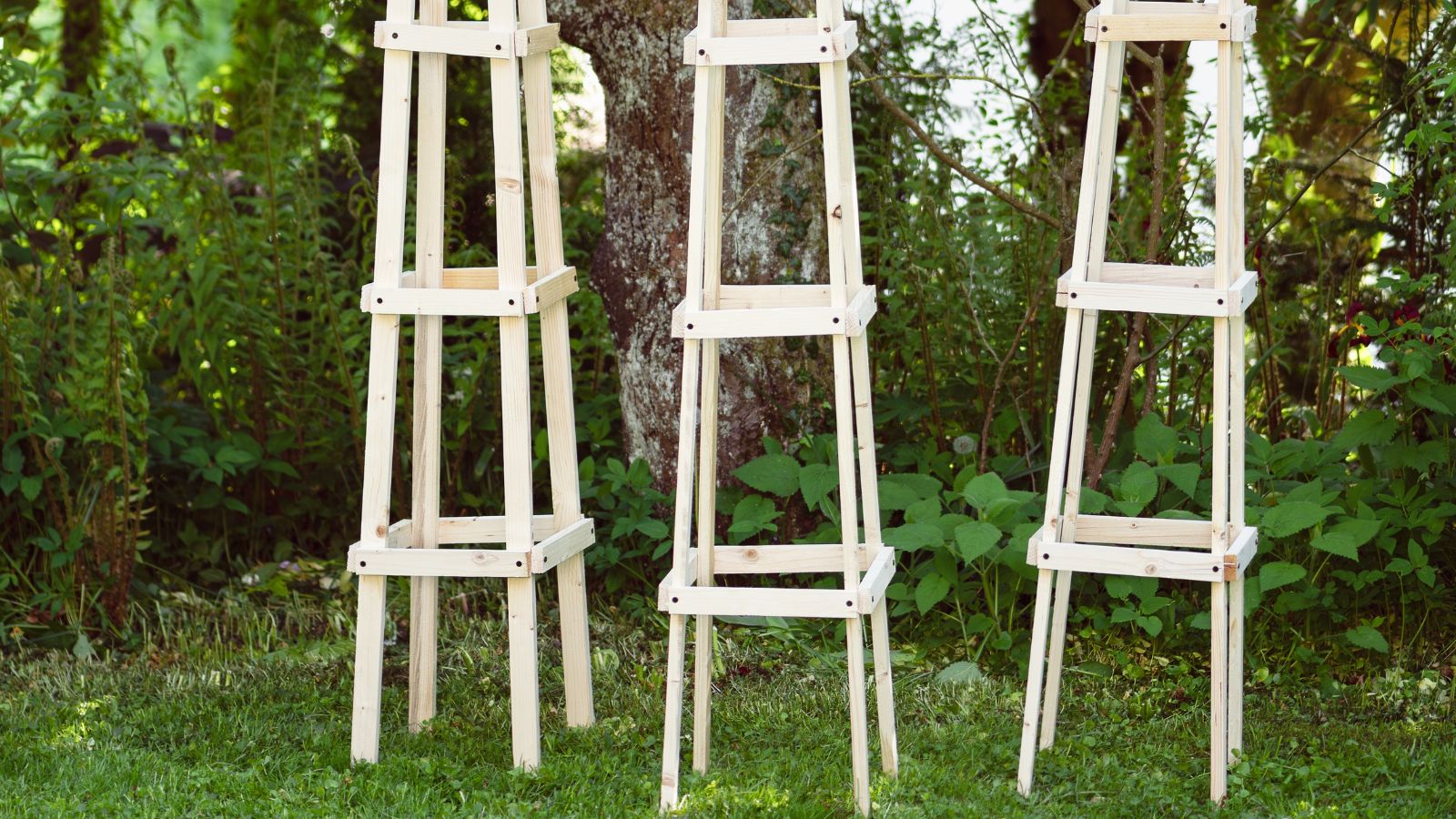
A lot of people love the angled shape of an obelisk style tomato cage, and this wooden version will last for years. The sturdy construction gives plenty of support to heavy branches while still adding a touch of style to the garden. There are full instructions with wood measurements!
| Materials | Lumber, saw, brad or nail gun |
| Difficulty | Intermediate (requires some rudimentary construction skills) |
| Cost | $$ |
The Baling-Twine Tomato Bed
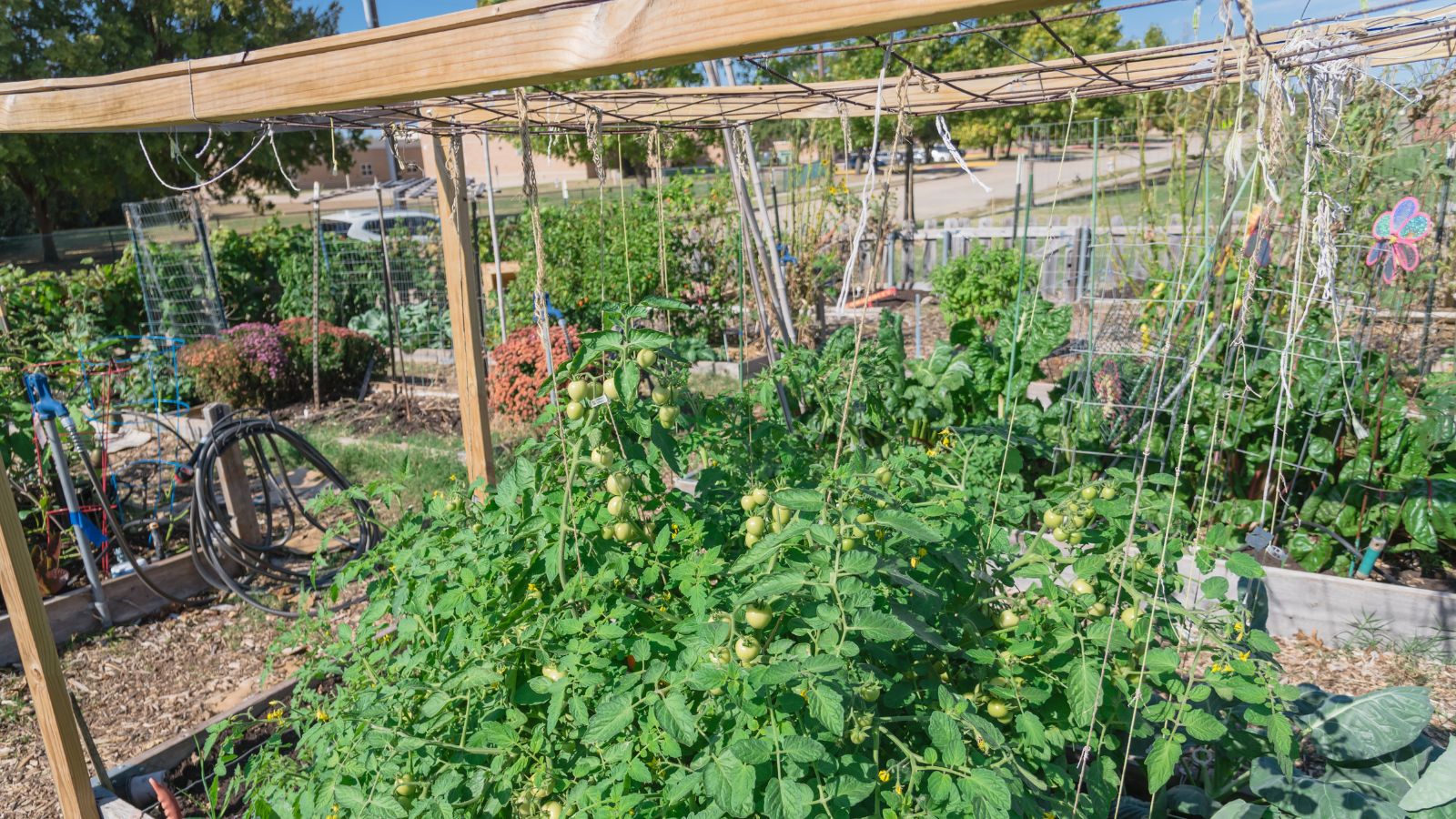
This is a great option for raised bed gardeners. Using scrap lumber, you build a simple frame over your tomato bed. After planting, tie a piece of twine to the base of each plant and secure the other end loosely to the frame. As the plant grows, shorten the twine to keep the stem supported and upright. It is an easy, low-cost way to give your tomatoes steady vertical support.
| Materials | Enough scrap lumber to build a frame, baling twine |
| Difficulty | Beginner to intermediate |
| Cost | $ |
Bamboo Tomato Cage
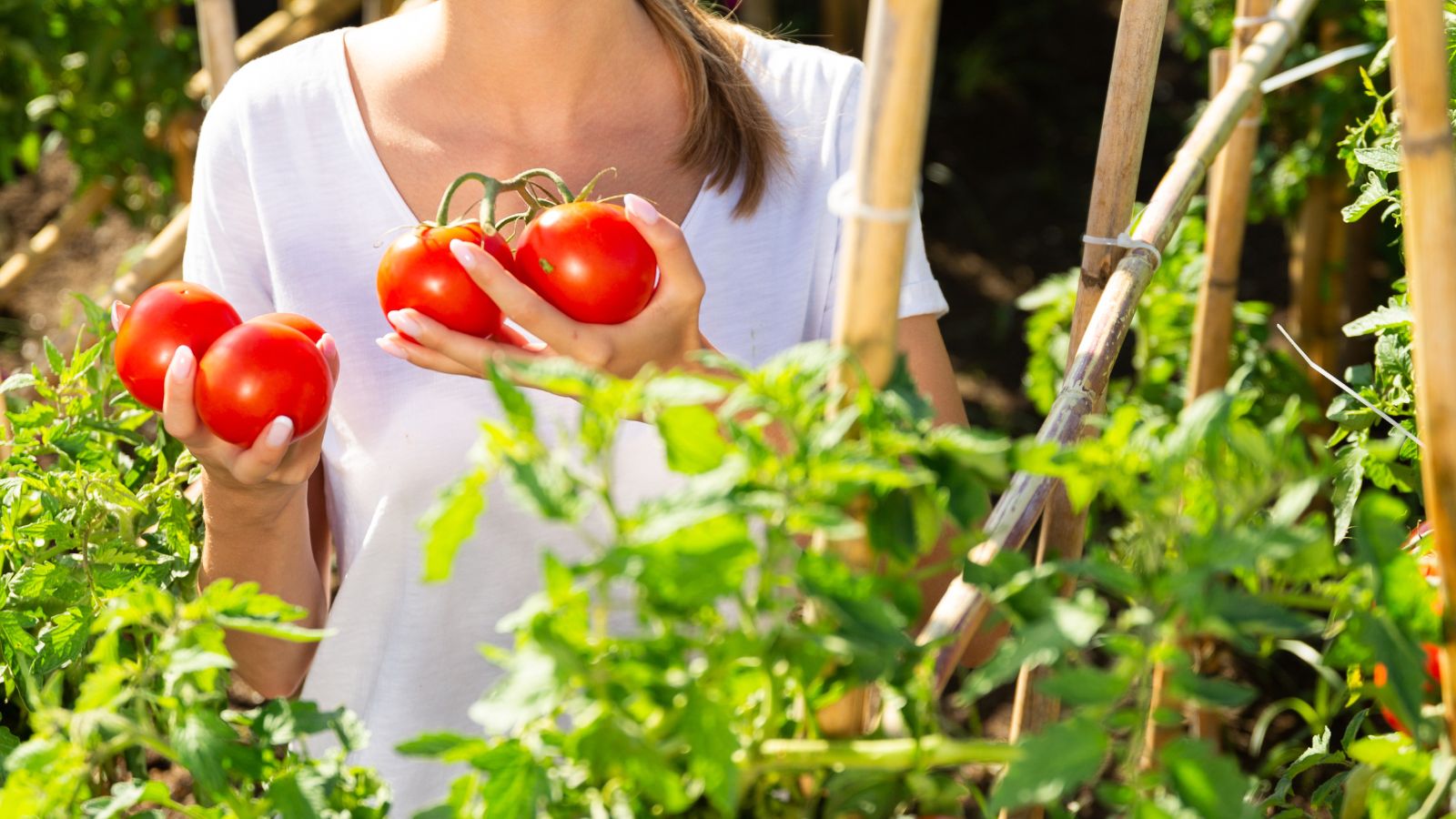
This is a great use for bamboo, whether it’s wild-grown or extra cuttings from your own stand. Bamboo holds up wonderfully under the weight of tomato plants because it is such a strong, durable material. I would personally secure the bamboo pieces together with a screw through a drilled hole, but the designer used inexpensive household materials to assemble these cages just as effectively. Check out the concept at this site.
| Materials | Bamboo of varying lengths, saw, twine or wire to secure it together |
| Difficulty | Beginner |
| Cost | $ |
Ladder-Style Folding Tomato Cage
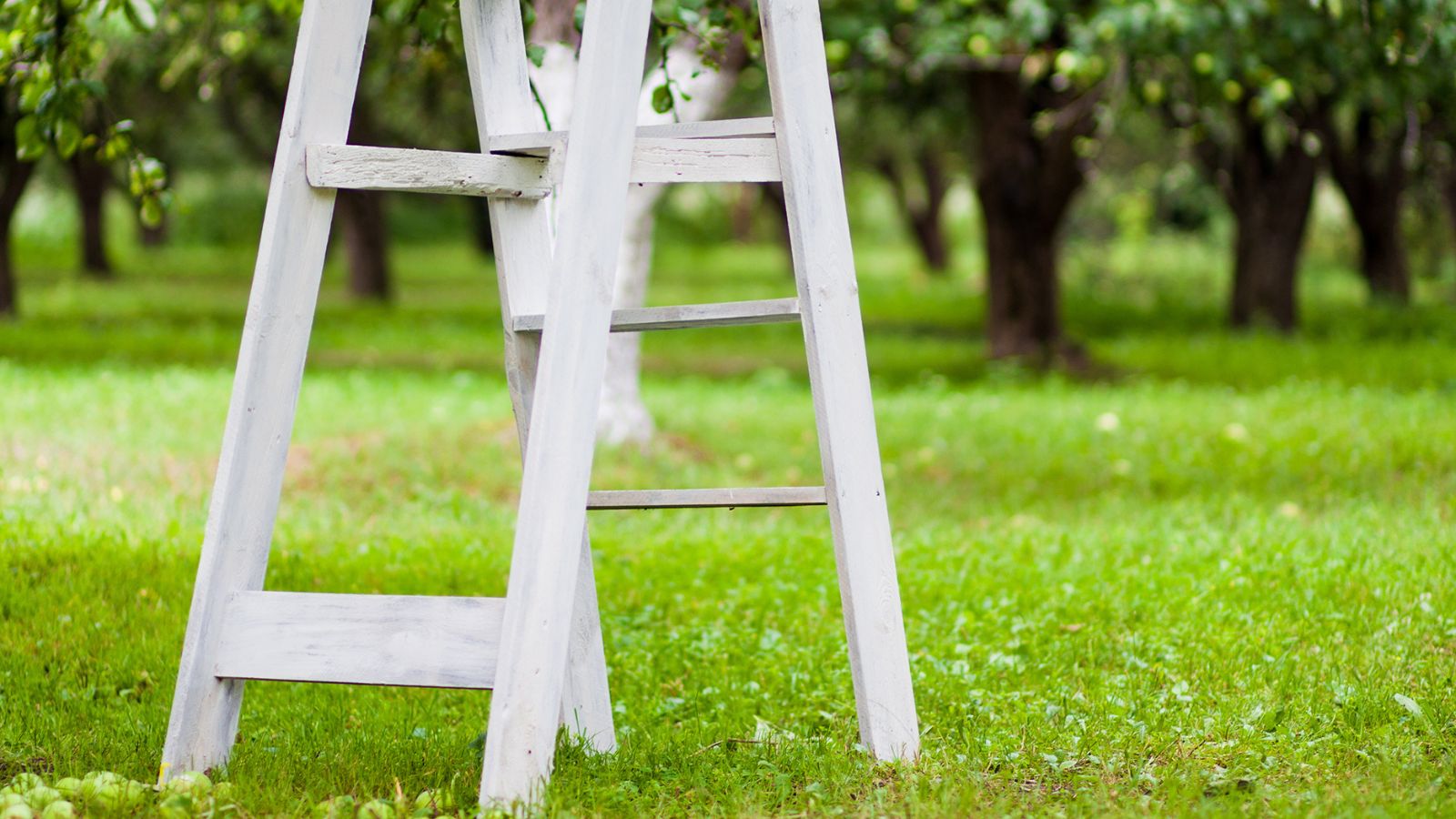
This tomato trellis idea works much like a standard ladder that opens for use. You secure it in place with a screw while your tomatoes are growing, giving the structure the stability it needs. At the end of the season, remove the screws from one side of the crossbars, fold the whole thing flat, and store it just as you would a ladder. You can see how it’s done right here.
| Materials | Scrap lumber, screws, screwdriver, saw |
| Difficulty | Intermediate (you have to cut wood) |
| Cost | $$ |
Pressure-Treated Decking Cage
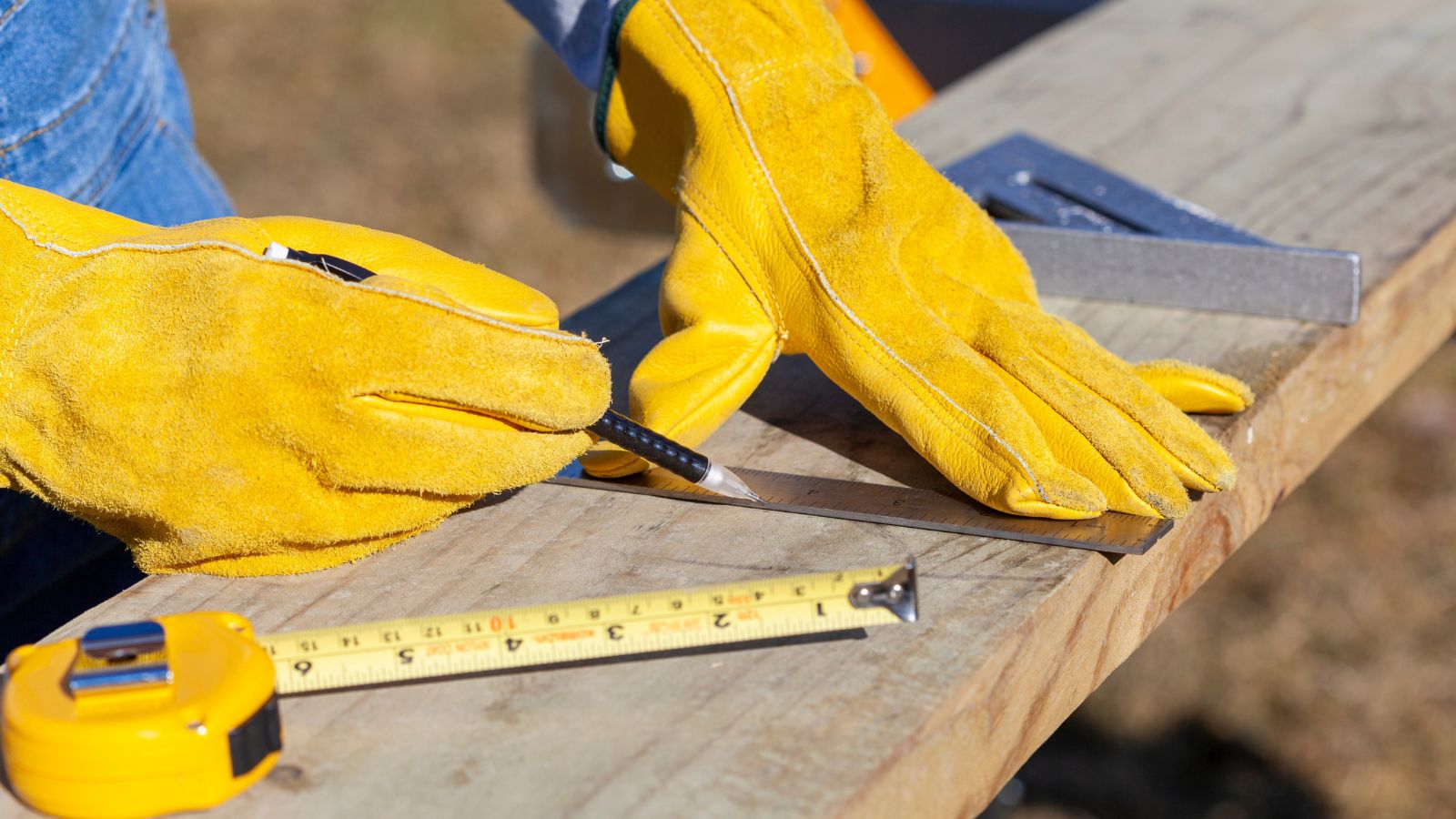
If you’ve rebuilt or repaired your deck recently and have some scrap wood left over, you can turn it into a sturdy tomato cage. Pressure-treated lumber holds up exceptionally well to moisture, so it won’t rot or weaken through the season. Its solid construction gives your tomatoes all the support they need, even when the branches are heavy with fruit.
| Materials | Scrap pressure-treated decking, nails, hammer, saw, outdoor paint |
| Difficulty | Beginner to Intermediate (you have to cut wood) |
| Cost | $$-$$$ |
Foldaway Triangle Trellis
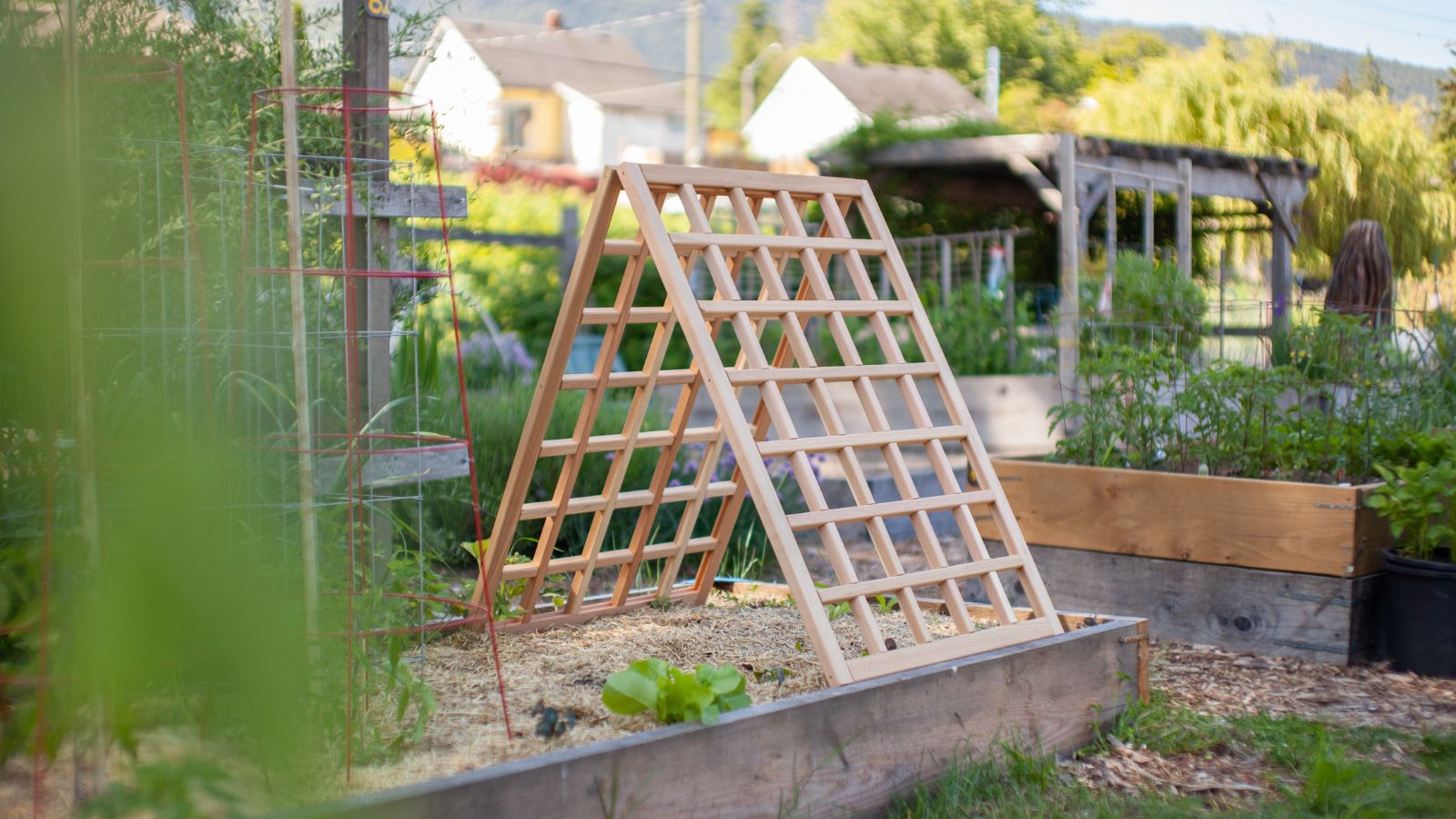
All you need for this triangular trellis is a bundle of wooden slats, which you can find at almost any home or garden center. Build an A frame joined at the top with hinges, and you will have a trellis that can be made to virtually any height. A stake or two will keep it from shifting until the tomato plants become heavy enough to hold it in place. When the season ends, it folds into a flat profile that stores easily in a shed or garage.
| Materials | Wooden slats, heavy-duty stapler and staples, a couple of hinges, saw, screwdriver |
| Difficulty | Beginner to intermediate (you have to cut wood) |
| Cost | $$ |
The Inexpensive Obelisk
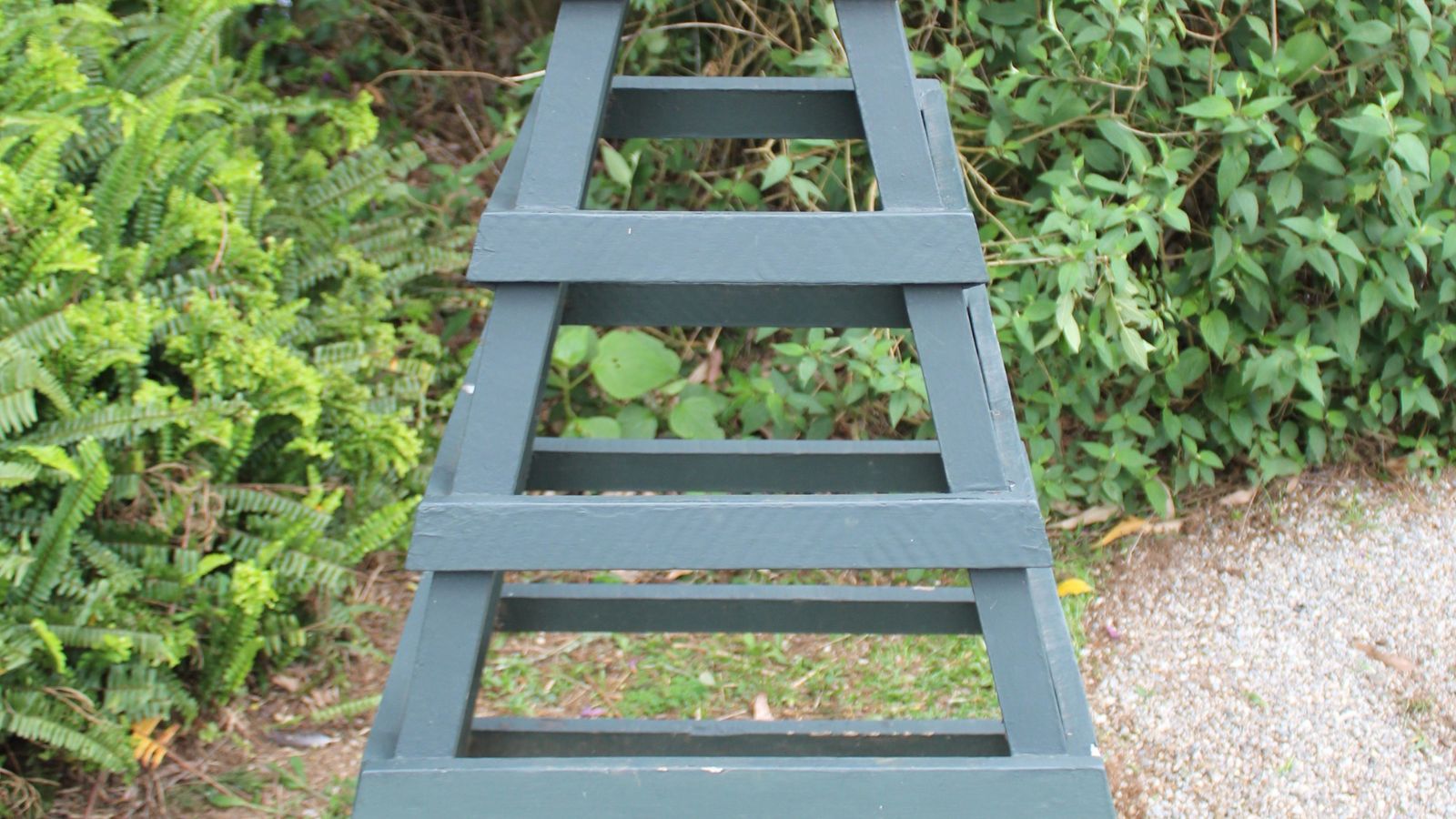
Obelisks are popular for good reason. They bring height and style to the garden, and a fresh coat of paint makes them even more eye catching. This version is especially appealing, and adding a topper like a pinwheel is a smart touch. It adds charm and can help keep birds away from your ripening tomatoes.
| Materials | Pine lumber, saw, screws and screwdriver, outdoor paint |
| Difficulty | Beginner to intermediate (wood cutting) |
| Cost | $-$$ (depending on paint cost) |
Three-Step Trellis
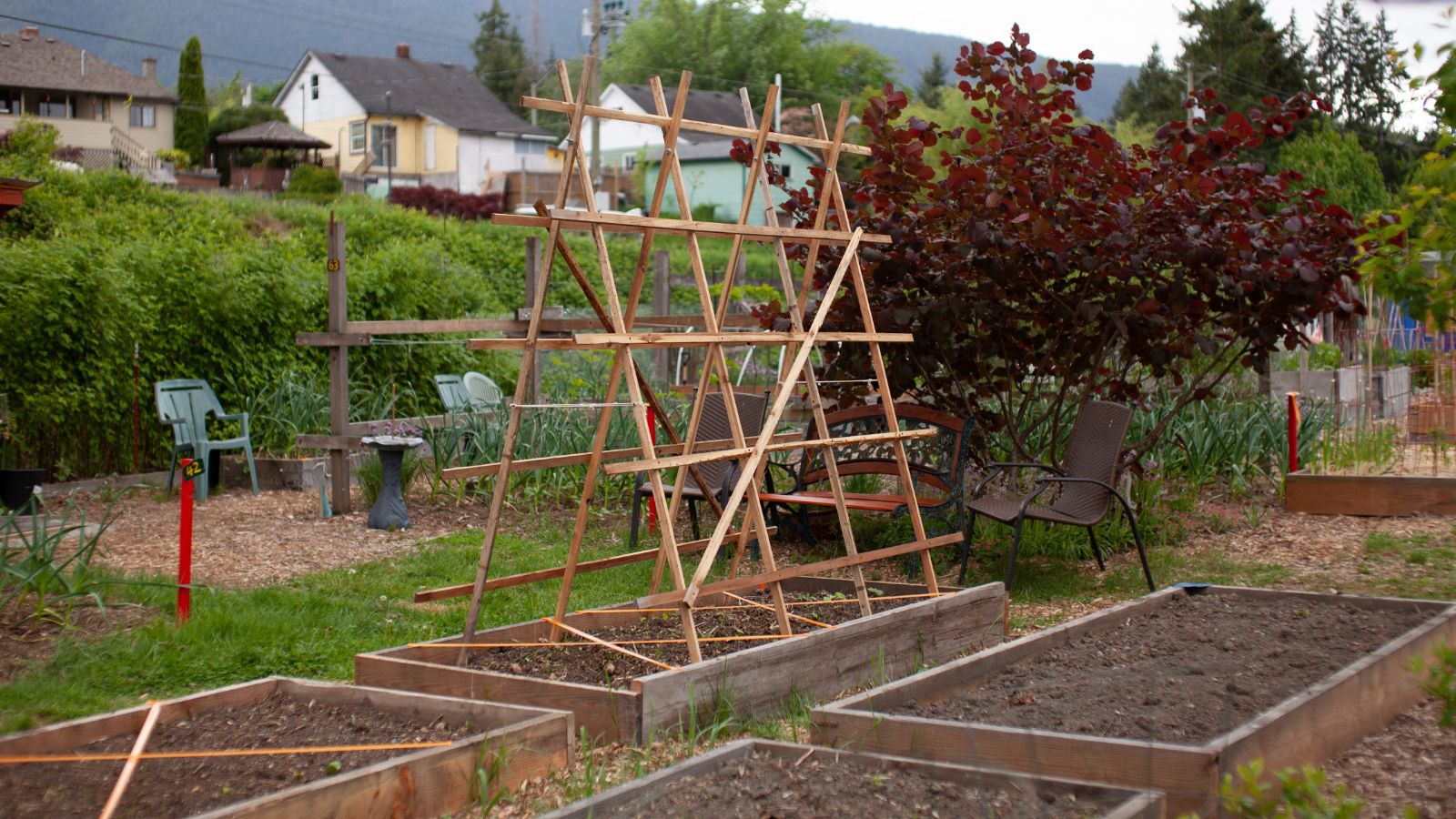
If you have old scrap lumber and some sturdy twine, you have everything you need for this trellis. Angle the bottom posts so they cross at the top, then lash on crossbeams to support an entire row of plants. It is easy to build, easy to use, and at the end of the season, you can simply cut the twine and the whole structure comes apart for quick cleanup.
| Materials | Lumber, heavy-duty twine |
| Difficulty | Beginner |
| Cost | $$ |
Arched Walkway Trellis

This is a stunning tomato trellis idea for gardeners with a bit of space to spare. By training tomato plants up and over an arch, you create a dramatic growing tunnel that allows easy harvesting from both sides. It also provides a shaded spot to escape the sun and adds a beautiful architectural element to the garden. It is absolutely worth considering if you want something both functional and eye-catching. Here’s how it all goes together.
| Materials | Lumber, UHMW plastic strips, metal T-posts, screws |
| Difficulty | Intermediate (requires cutting wood and bending plastic) |
| Cost | $$$ |
Stylish Tomato Tower
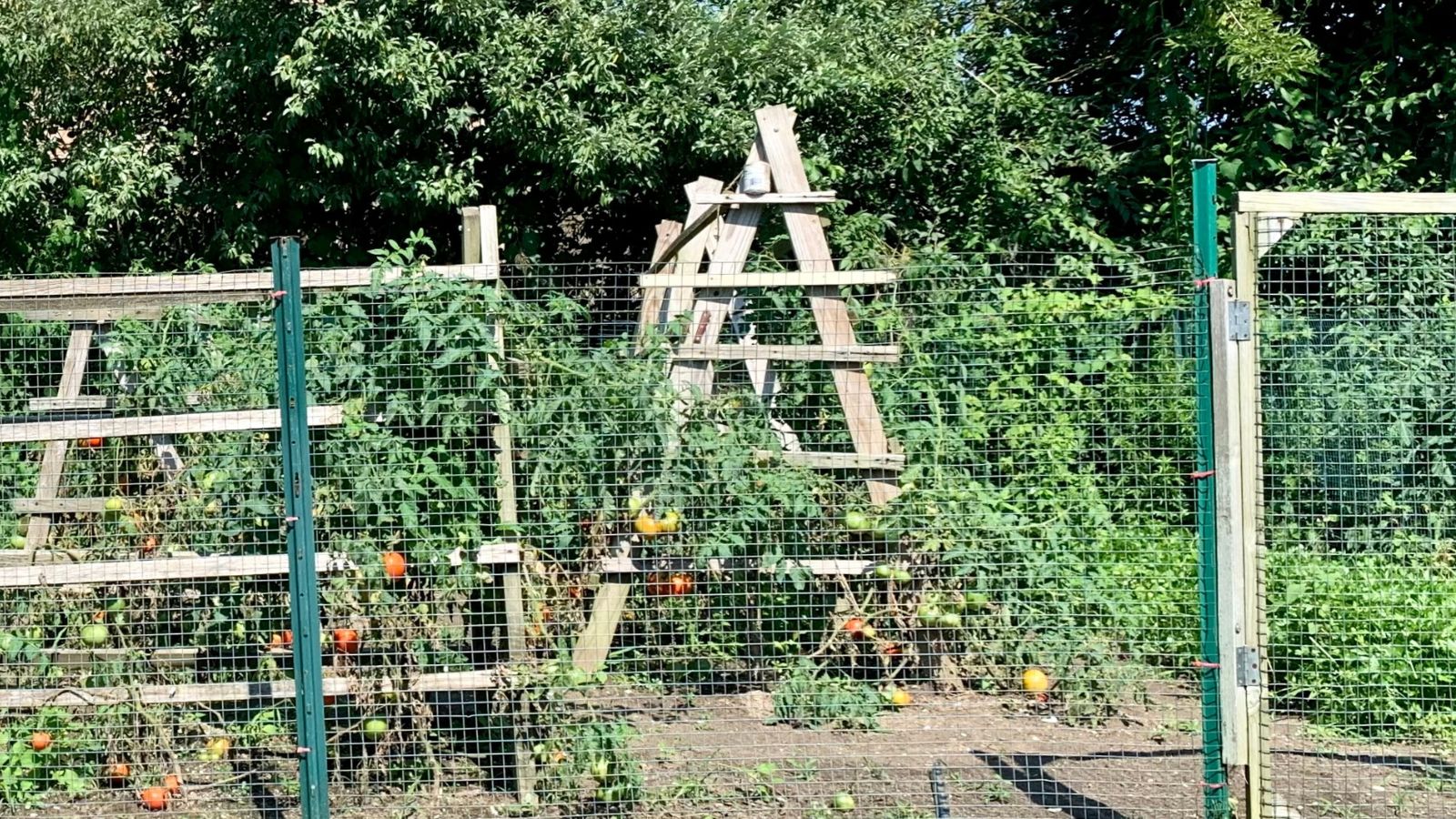
Built much like an obelisk, this tomato tower offers strong, heavy-duty support in a compact footprint. It also looks great in the garden. Cedar is recommended for its natural weather resistance, but you can just as easily use Douglas fir or pine if you give the wood a good coat of weather-resistant paint or stain.
| Materials | Lumber, screws, saw, screws, paint or stain |
| Difficulty | Intermediate (requires cutting) |
| Cost | $$-$$$ (depending on wood choice) |
Bamboo A-Frame Trellis

This trellis is made out of split bamboo, secured together with nails or screws, and is designed to work well in a raised bed or tall container setting. It’s a simple build overall.
| Materials | Bamboo poles (some split in half, some not), screws or nails, twine to secure plants |
| Difficulty | Beginner |
| Cost | $ |
Upcycled Supports
There’s no better way to stick to a garden budget than using what you have. Try one of these upcycled tomato trellis ideas.
Upcycled Trellis Styles
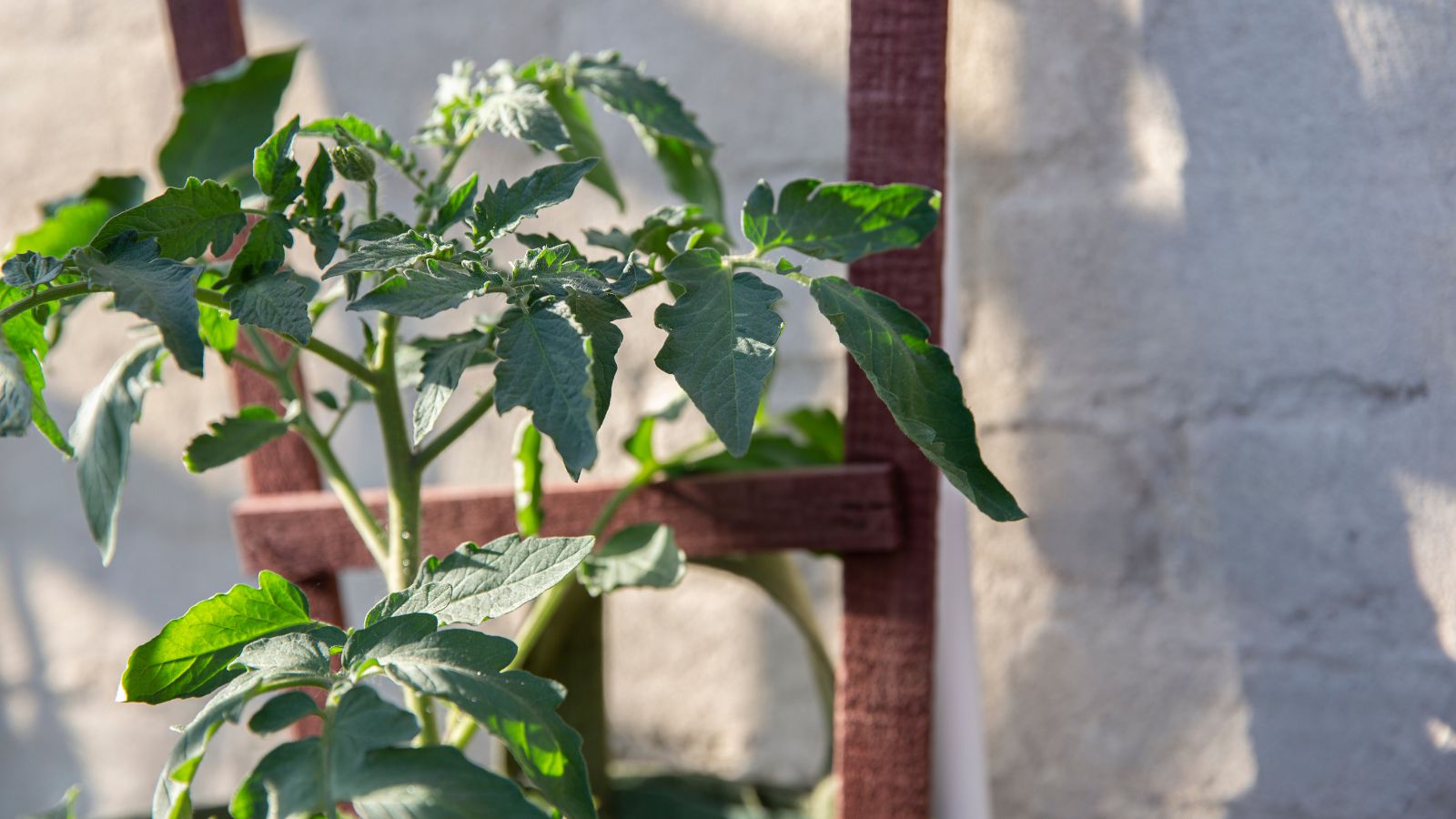
If you love all things vintage, why not bring that style into your garden? Old crib sides, broken mirror frames, bicycle wheels, chair frames, and similar pieces can be repurposed into charming trellises. They add personality and visual interest while giving your plants something to climb.
Not every piece will work for every tomato, of course. Heavy beefsteak varieties will need sturdier support than, say, an old coat rack can offer. But with the right pairing, vintage pieces can make your garden both functional and full of character.
| Materials | All stuff you can find in your house, garage, or at the local yard sale |
| Difficulty | Beginner |
| Cost | $ |
Recycled Pallet Tomato Trellis

If you have old shipping pallets lying around, or you know where to get them for free, this A frame pallet trellis is one of the most affordable tomato support options you can build. It offers plenty of stability for a full row of tomatoes and puts repurposed materials to excellent use. Read more about this pallet process!
| Materials | Old pallets, nails or screws, a saw |
| Difficulty | Beginner |
| Cost | $ |
Funky, Fun Garden Trellis
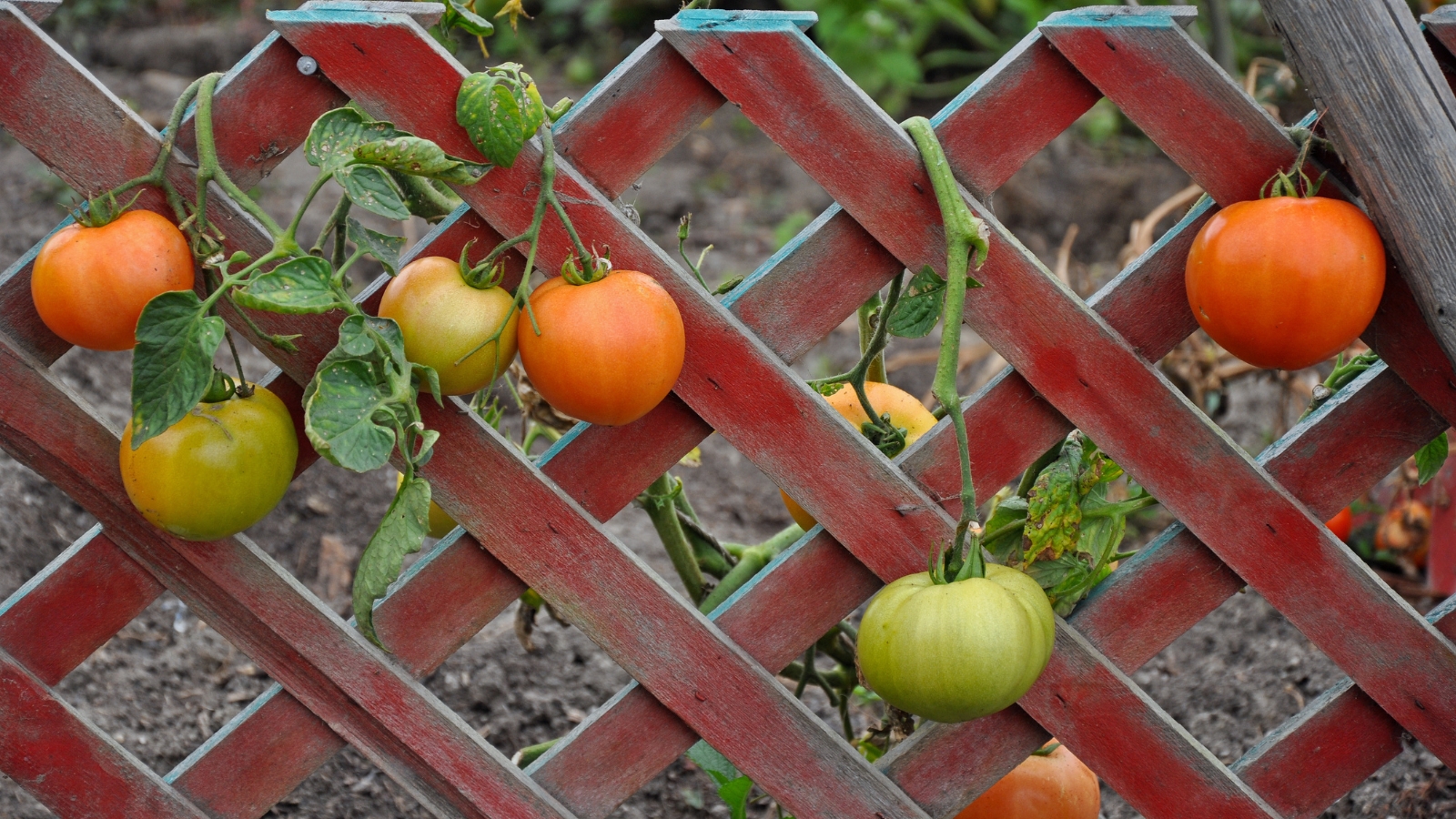
Much like the other recycled pallet trellis, this design also uses old pallets, but here the pallet frames themselves form most of the structure. It’s easier to build than taking pallets apart and reconstructing them piece by piece. Give the frames a coat of bright paint and they become both practical and eye catching additions to the garden.
| Materials | Old pallets, nails or screws, a saw |
| Difficulty | Beginner |
| Cost | $ |
Rejuvenated Tomato Cages

Are your old tomato cages getting rusty? A quick scrub with steel wool will remove the rust, and you can straighten any bent wires before giving them a fresh coat of outdoor paint. Just like that, you have colorful, sturdy cages that look as nice as the pricey ones at the garden center. Here’s how to do it!
| Materials | Old tomato cages, steel wool, cleaner and a rag, outdoor paint |
| Difficulty | Beginner |
| Cost | $ |
Double X Pallet Frame
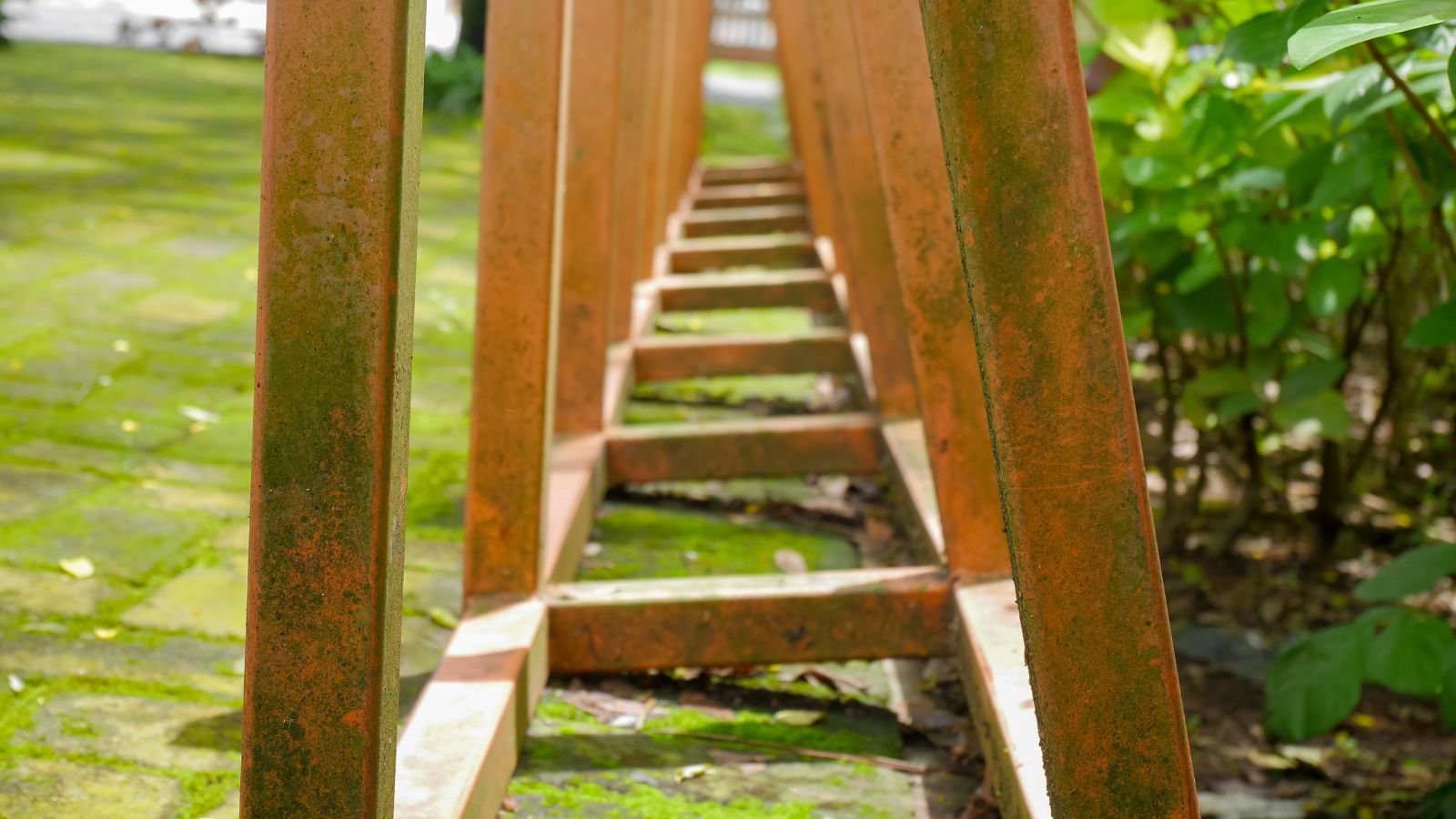
This interesting frame, shaped like a pair of X’s with crossbeams, is built almost entirely from old pallet wood. Heavy duty garden twine creates the support structure, while the solid wooden framework keeps everything upright. It is a creative project and makes a striking centerpiece in the garden. Take a look!
| Materials | Old pallets, nails or screws, heavy-duty garden twine |
| Difficulty | Beginner to intermediate (requires cutting wood) |
| Cost | $ |
Rhett Beaver’s Tomato Cage Stack
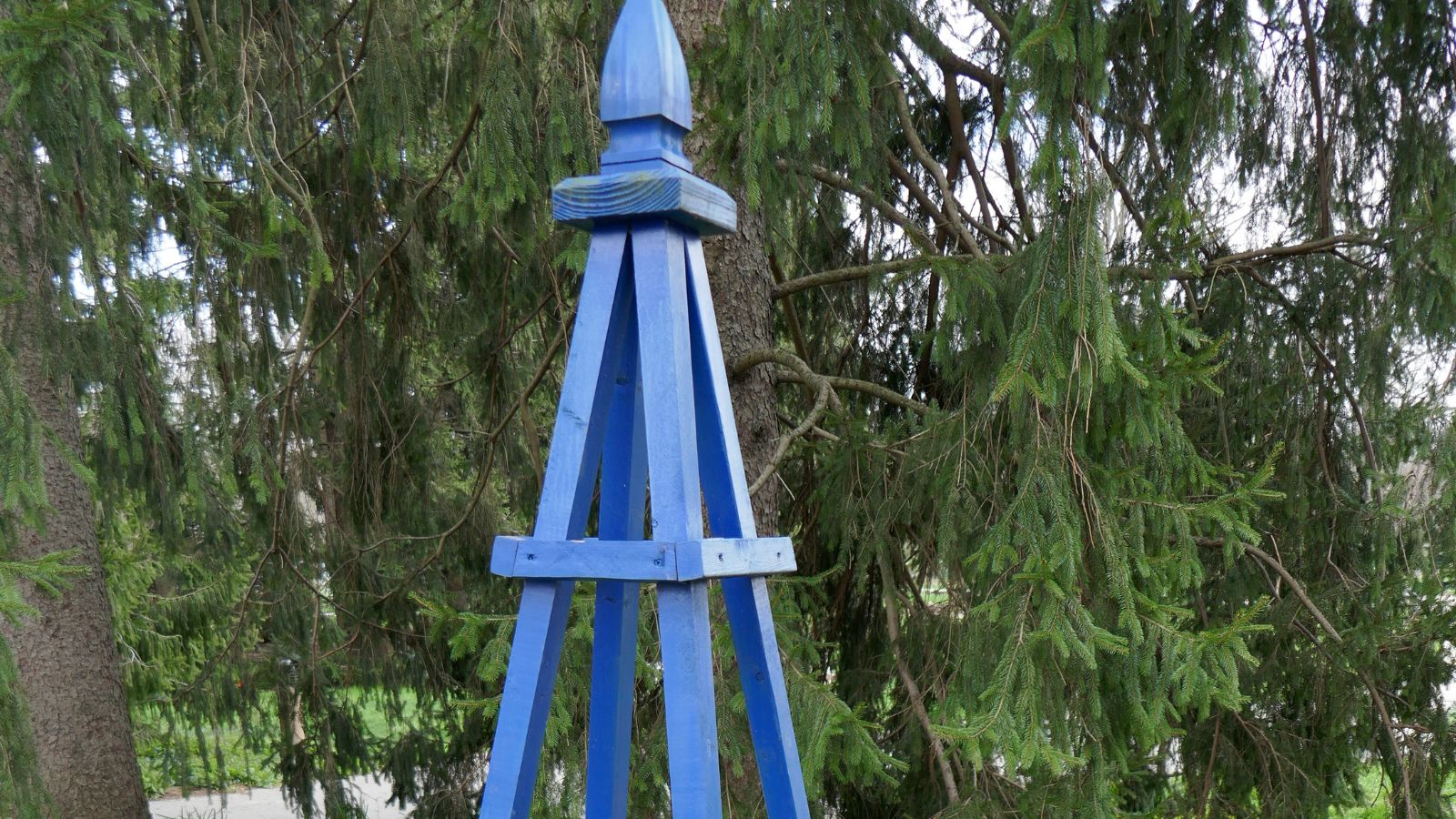
In this newspaper article, several cages are discussed, but the one that really stands out is the tomato cage stack suggested by a landscape architect. If you have a few of those older conical cages lying around and feel like experimenting, you can stack two of them together to create a strange looking but much taller support.
You’ll need to add a bit of reinforcement to keep the structure stable, but once secured, it works surprisingly well and gives indeterminate tomatoes far more space to climb than a single cage ever could. Click through for more information!
| Materials | Two old wire tomato cages, leftover wire or garden twine |
| Difficulty | Beginner |
| Cost | $ |
Other Supports
If none of these tomato trellis ideas are suitable, try one of these unique methods.
Trellis-Free Upside Down Tomato Rig
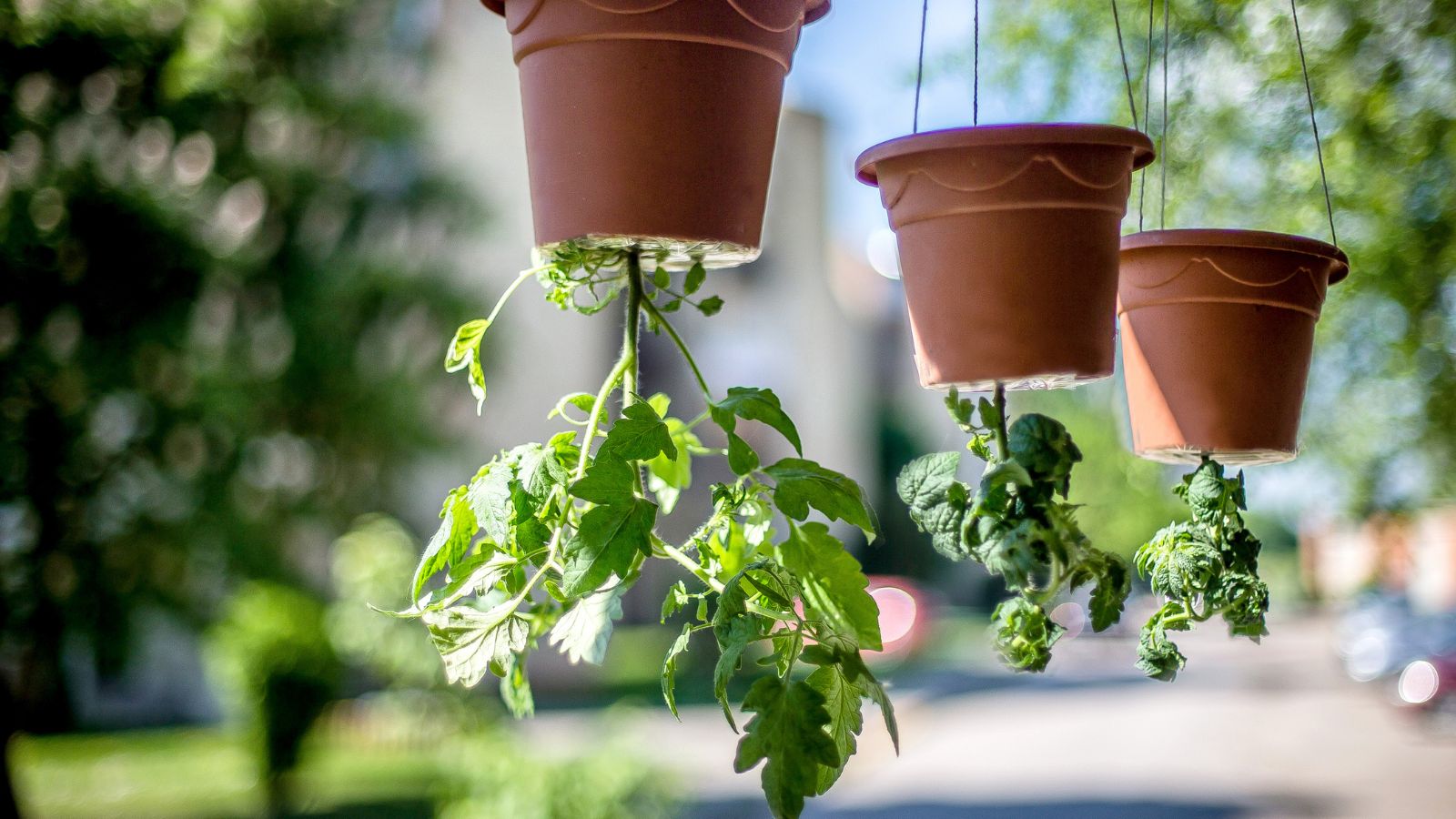
Why use a trellis when you can let gravity do the work for you? After the “Topsy Turvy” planter craze made upside-down tomato growing popular, someone figured out how to create a simple DIY version for a fraction of the price. It is an easy, budget-friendly way to grow tomatoes overhead without needing a traditional trellis at all. Here’s how!
| Materials | 5-gallon buckets, saw, place to hang the tomato |
| Difficulty | Beginner |
| Cost | $ |
Wind-Resistant Tomato Trellis

This design combines an upper support with lower staking to give tomatoes as much stability as possible in a windy area without relying on a full cage. It is an interesting technique, and it works just as well in calmer conditions, offering steady, reliable support throughout the season.
| Materials | Metal T-posts, crossbar (wood or metal), stakes, twine or old cut fabric |
| Difficulty | Beginner |
| Cost | $-$$ |
Bull Fence And Twine Tomato Cage
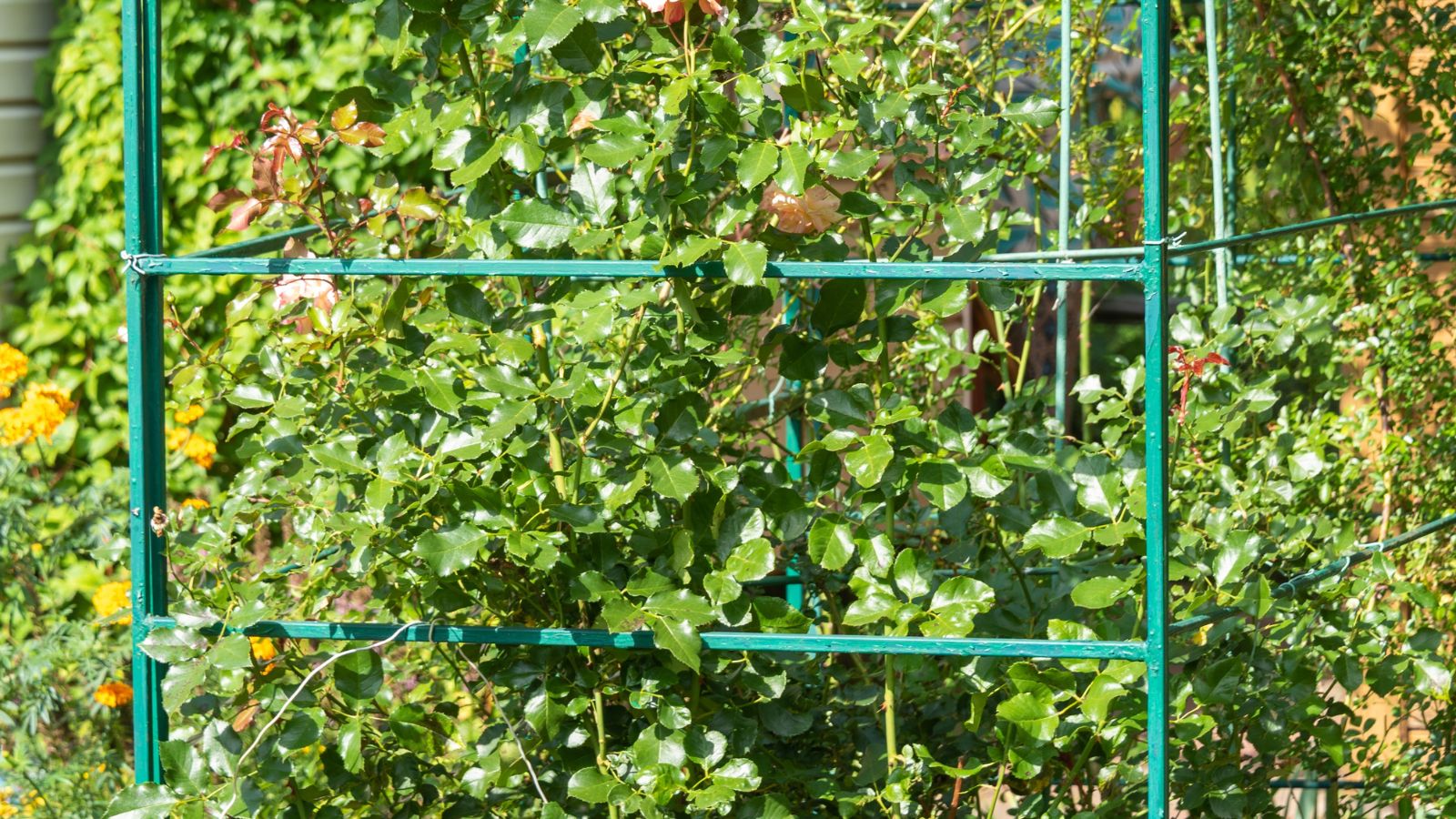
Fencing is a popular component, as you can see. In this variation, heavy-duty bull fencing is paired with a zig-zag of twine to add extra support between the two panels. This is one of the most effective fence panel setups I’ve seen, and is definitely worth reading more about.
| Materials | Bull fence panels, twine, stakes |
| Difficulty | Beginner |
| Cost | $$ |
A Triad of Trellises
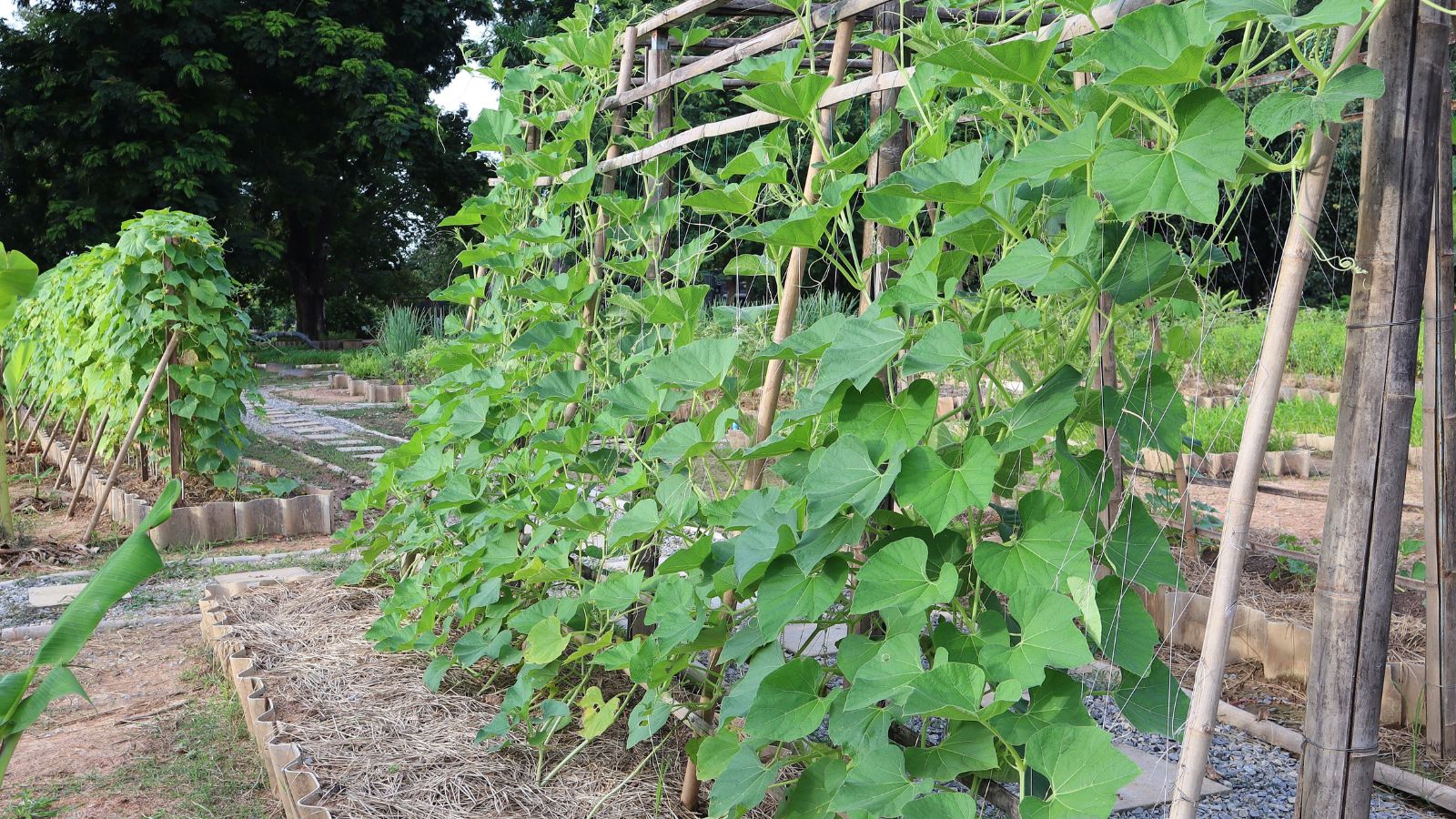
Here are three different variations of tomato supports: a wire mesh fence you can tie your plants to (great for cherry tomatoes), a shorter twine based support, and a taller twine based option. All three work well, but the tall version is especially useful since it reaches about 7 feet. Even large tomato plants rarely exceed that height, so it gives you plenty of room for upward growth. Check out this blog post for photos and more information.
| Materials | Twine, wire mesh fencing, rebar, wood, steel posts with U-hooks at the top |
| Difficulty | Beginner to intermediate (depending on which you decide to do) |
| Cost | $-$$ (depending on which you build) |
UC Master Gardener Tomato Staking Techniques
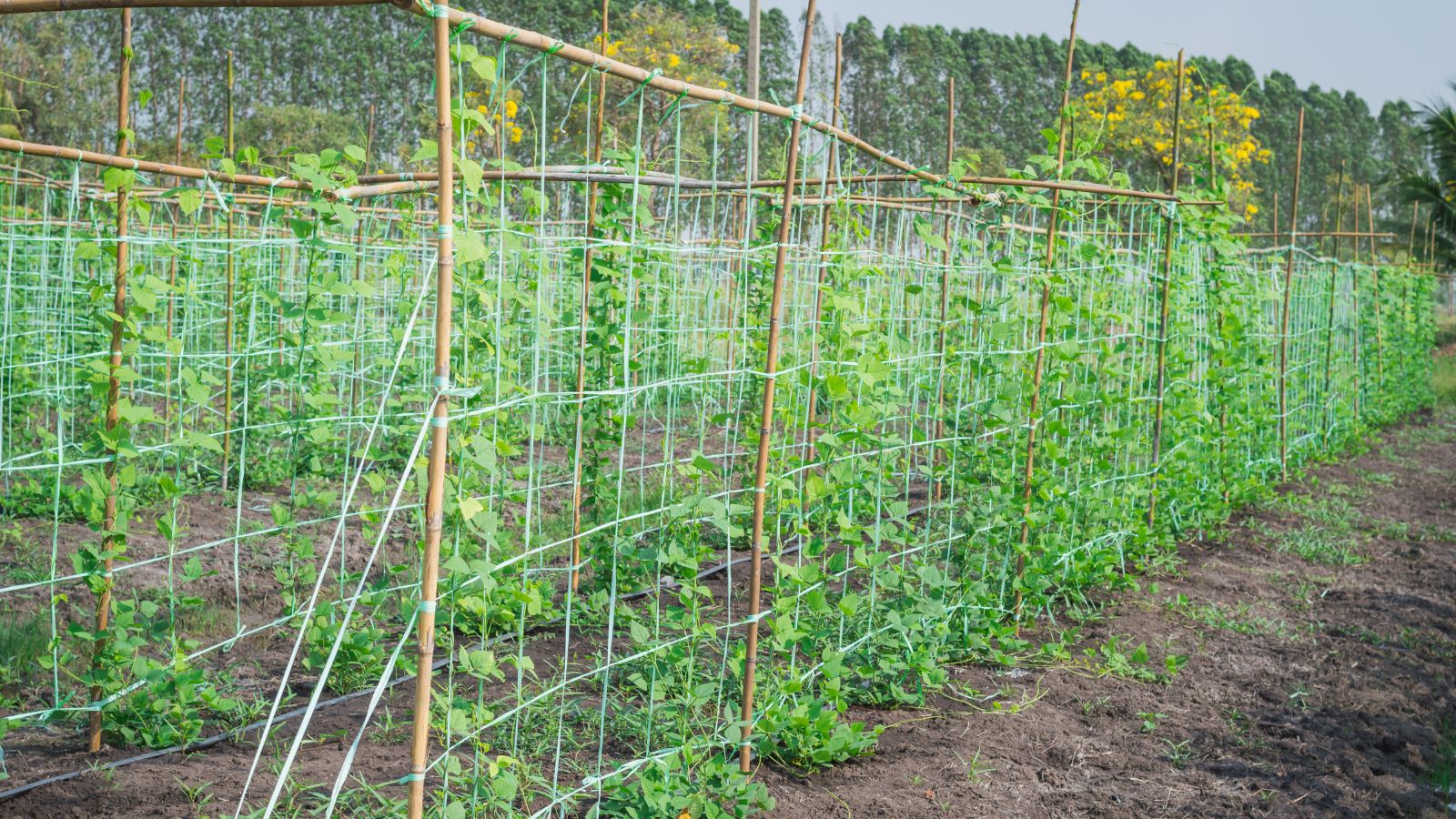
This is a good overview of different tomato staking techniques. While most of them appear in one form or another throughout this list, there are a few new ideas included here. One is the use of EMT electrical conduit to support concrete reinforcing mesh, creating a long, sturdy staking panel. They also cover “Texas Giant” cages, along with several commercial options like metal spiral rods and more standardized cage designs. It’s worth reading through the article!
| Materials | Depends on technique chosen |
| Difficulty | Beginner to intermediate |
| Cost | $-$$$ |





