Tomato Leaf Curl: What it is and How to Fix it
Many things can cause tomato leaf curl. Identifying the cause is key to stopping the issue from spreading. In this guide, learn everything you need to know to keep your tomatoes healthy and productive!

Contents
One common problem that plagues gardeners is tomato leaf curl. This symptom can be caused by several different factors, and the key is to correctly identify the issue before applying a solution.
Tomatoes are among the most commonly grown garden plants and often take pride of place in home vegetable beds. From flavorful heirlooms to prolific hybrids, there is a tomato plant suited to nearly every gardener. While nothing beats the taste of a tomato picked straight from the vine, tomatoes can also be somewhat challenging to grow.
When identifying the cause of tomato leaf curl, there are several important factors to look for. Pay attention to whether the leaves curl upward or downward, if insects are present, whether the foliage turns brown or yellow, and if there are any other unusual symptoms. These details can help pinpoint the underlying problem and guide you toward the right solution.


What Causes Tomato Leaf Curl?
Tomato leaf curl is similar to a stomach ache in humans. Some causes are harmless, while others signal more serious problems. In some cases, the issue is easy to correct, but in others it may be untreatable.
One of the best gardening practices is to inspect your plants regularly for signs of stress or damage and to take preventative action based on what you observe. The causes of tomato leaf curl can generally be grouped into three broad categories: environmental, chemical, and biological. Each of these causes is explored in more detail in the sections below.
Environmental Stress

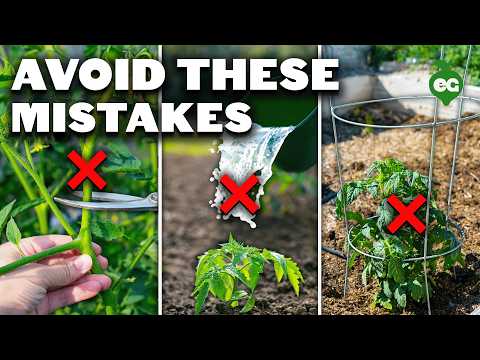
For many gardeners who purchase tomato seedlings in spring, plants may thrive for a few weeks and then suddenly develop leaf curl. This is often a form of physiological leaf curl, sometimes called leaf roll, which is triggered when weather conditions become too hot and dry or when root systems are not yet fully developed.
Physiological leaf roll typically begins at the bottom of the plant, affecting older, lower leaves first, and then progresses upward along the stem. The tomato leaves cup inward and may take on a leathery texture, but they usually remain green. With proper cultural care and reduced environmental stress, plants often recover, and fruit yield is generally not affected.
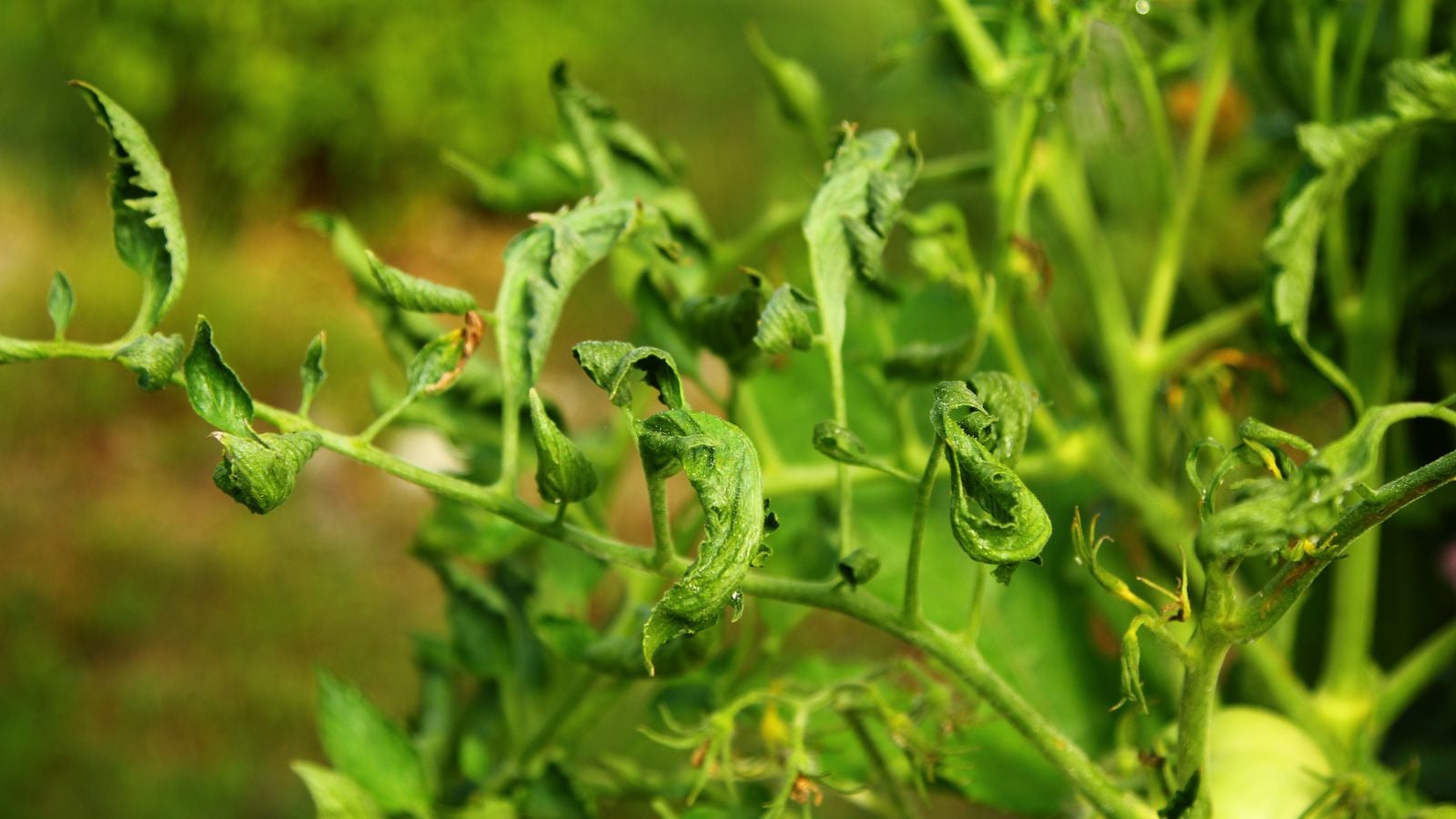
Indeterminate tomato plants can grow quite tall and are especially vulnerable to wind stress. If plants are not adequately staked or supported, strong winds can cause twisting, leaf curl, and dieback at the leaf tips. This type of damage can resemble herbicide injury, but it is often linked to recent high wind events. Monitoring local weather conditions and providing proper support can help you identify and prevent wind-related tomato leaf curl.
Gardener Error

Every plant has its own environmental needs, and it is important to consider the conditions your tomato plants are best adapted to and then replicate those conditions in your garden.
Tomatoes prefer well-draining soil. When soil becomes saturated and excess moisture surrounds the root system, air pockets are eliminated, creating favorable conditions for infection and root rot. Root rot can cause tomato leaves to roll, shift from green to brown, and droop. Use a moisture meter or your fingers to check how wet the soil is, and allow it to drain fully before watering again.
Pruning can also place stress on tomato plants. While gardeners are often encouraged to pinch off suckers, it is important to remember that leaves are responsible for producing food by converting sunlight into energy. Over-pruning, especially on young or poorly established plants, can create enough stress to stunt growth and reduce fruit production.
Herbicide Damage

Tomatoes are sensitive to chemical drift, particularly from the herbicide 2,4-D. Chemical drift occurs when agricultural or weed control sprays are carried by the wind and settle outside the intended area.
Unlike physiological leaf curl, herbicide damage often causes leaves to curl downward, appear twisted, and produce malformed fruit that is not safe to eat. Additional symptoms may include yellowing leaves and split stems.
Pay close attention to new growth on affected plants. In some cases, tomatoes can recover from herbicide exposure and still produce a reasonable harvest. However, if you notice leaf curl on new leaves, it is often best to remove the plant entirely and start over. Be sure that any manure or compost used in your garden is free from contamination, as herbicide residues can remain active in soil for several years and continue to affect future plantings.
Insects

Aphids are a large group of pests, with over 4,000 species, and they are a common problem on tomato plants. They feed by extracting sap from leaves and stems using their mouthparts. If left unmanaged, aphids can stunt plant growth and reduce fruit yield.
Damaged leaves may appear curled or puckered and often develop pale yellow spotting. Aphids are typically found on the underside of leaves and are visible to the naked eye. Look for their small bodies as well as the sticky droplets, known as honeydew, that they secrete.
Broad mites are another pest commonly found on the underside of tomato leaves. They attack a wide range of plants, including peppers and tomatoes, and prefer tender, young growth. Feeding usually begins at the growing tips and flower buds, causing new growth to turn brown and curl upward.
Like aphids, broad mites can be identified by closely inspecting damaged leaves. They may also produce fine webbing on the underside of foliage, which is another key sign of infestation.
Diseases

A less common cause of leaf curl is viral infection. Tomato mosaic virus (ToMV) and tobacco mosaic virus (TMV) can both affect tomato plants and produce very similar symptoms. Young plants may show stunted growth, with small leaves that curl upward.
These viruses are spread primarily through human activity, often transferred from one plant to another on a gardener’s hands or tools. Many disease-resistant tomato varieties have been bred to tolerate these viral strains. For example, ‘Health Kick’ and ‘Sophya’ are disease-resistant hybrid tomato varieties.
Tomato yellow leaf curl virus (TYLCV) was first identified in a greenhouse in California in 2007. Although yellow leaf curl virus had been present in other parts of the world, it was not introduced to the Americas until the 1990s. Since then, it has caused severe outbreaks, including one in Mexico during the 2005-2006 growing season that devastated tomato production.
This virus significantly stunts plant growth and greatly reduces fruit yield. Tomato yellow leaf curl virus is spread by sweet potato whiteflies and can infect a range of host plants. These whiteflies cannot tolerate cold winter temperatures, so the virus is less problematic in many growing zones across the U.S. and Canada.
Common symptoms include short, bushy plants with small leaves that curl upward, along with yellowing along the leaf veins.
How to Fix Tomato Leaf Curl

Environmental causes of leaf curling are the most common and are usually treatable. Leaf curl is often the plant’s way of communicating that something is wrong.
Assess Your Watering
Start by checking the growing conditions around your tomato plants. Use your fingers to assess soil moisture, and observe how much direct sun the plants receive throughout the day, along with how hot the outdoor temperature becomes.
Tomatoes need good drainage and consistent watering to stay healthy. Consider using a soaker hose on a timer, or hand water deeply at the base of the plant rather than sprinkling water from above. Because tomato plants are susceptible to fungal infections, keeping the leaves as dry as possible is important. Applying a generous layer of mulch around the plant can also help regulate soil moisture.
Install Shade Cloth
Although tomatoes thrive in summer, they can still become stressed by extreme heat, high dew points, and heavy rainfall. Tomato plants can even develop sunburn. Depending on the cultivar, sun damage may occur when temperatures rise above 100°F (38°C). Using a 30 percent shade cloth is an effective way to protect plants from intense sunlight, and these cloths can be reused year after year.
Secure the shade cloth to your tomato stakes and consider applying a preventative fungicide as an added layer of protection. The cloth can remain in place for the entire growing season, depending on how often temperatures exceed 100°F (38°C). Stressed plants are more vulnerable to pests, so maintaining overall plant health is one of the best ways to prevent issues with aphids and mites.
Provide Support
Tomatoes are hardy, fast-growing vining plants. When planting, anticipate that indeterminate varieties will grow quite large and require a sturdy support structure. Whether you use stakes, cages, or trellises, securing plants properly can help prevent or reduce wind damage. Prune excessive suckers and lower leaves to improve airflow, and remove any foliage showing visible aphid or broad mite infestations as part of pest control.
Remove Pests
In addition to pruning, aphids and broad mites can often be managed by spraying plants with a strong stream of water to dislodge the pests. Do this early in the morning so leaves have time to dry as temperatures rise. If infestations persist, neem oil or insecticidal soap can be used for moderate problems, while pyrethrins may be necessary for severe infestations.
When Treatment Fails

Sometimes it is simply not possible to save a tomato plant, no matter how much effort you put in. That is why it is important to keep a few backup plants on hand in case those in your garden fail. As you prune tomato plants, you can root healthy suckers in water and keep them as replacements. If the weather does not cooperate and a plant declines beyond recovery, it can be composted.
However, it is essential to identify the cause of plant failure before adding it to the compost pile. If a tomato plant is infected with a leaf curl virus or has suffered herbicide damage, it should not be composted. Viruses and chemical residues can persist in soil and may be passed on to future plants, creating ongoing problems in the garden.