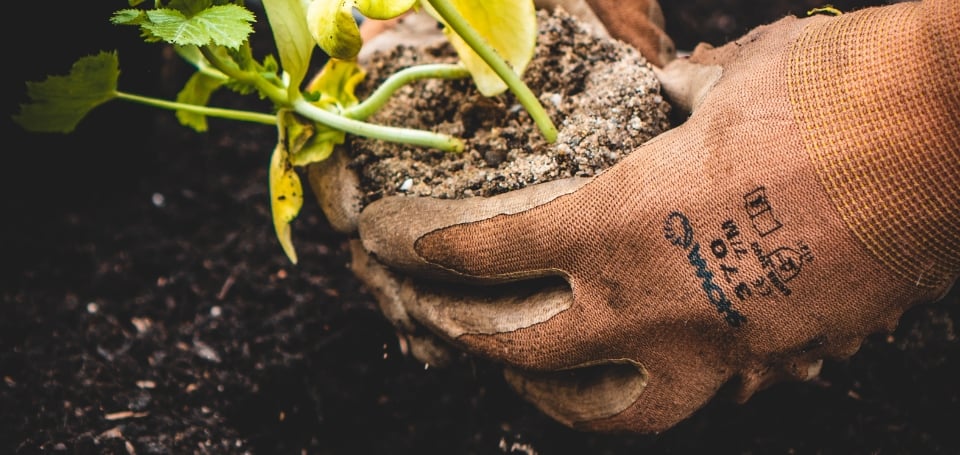
Tomato Germination: How It Works
Do you know how tomato germination works? If not, we're about to explain what you need to start tomato seeds successfully! Whether you're starting indoors or out, you'll find everything you need to get started and grow tomatoes successfully.


Contents
The tomato is a favorite crop in vegetable gardening, especially for gardeners who enjoy growing tomato plants from seed. Seeds for popular varieties are widely available from major seed distributors. Understanding tomato germination and planting is important, as growing tomatoes is both rewarding and productive.
As spring arrives, gardeners often gather to discuss tomato plant cultivation. Tomatoes can be started indoors in grow tents, greenhouses, or hydroponic systems when provided with adequate light and the correct temperature. Starting tomato seeds offers valuable hands-on experience in food production, and the flavor difference between a grocery store tomato and one grown at home is unmistakable.
Growing tomato plants from seed is an excellent way to understand the tomato plant life cycle. But what actually happens during tomato germination? Let’s take a closer look at the botanical process behind growing tomatoes from seed.


Tomato Seed Germination

Before a tomato seed becomes a seedling, it has to go through an enzymatic process called germination.
A seed begins as a dormant cell called an embryo, surrounded and protected by a seed coat and an endosperm. In the Solanoideae subgroup, which includes tomatoes and peppers, the seed coat is relatively thin. It breaks down when exposed to the correct combination of moisture and temperature.
The endosperm supplies the embryo with stored starches that support germination. A small cap covers the embryonic root, and as warmth and moisture soften the seed coat, both the root and cotyledon emerge. The cotyledon rises above the growing medium to absorb sunlight, while the root grows downward to take up water and nutrients. Tomato seeds contain one cotyledon, which becomes the first leaves of the seedling. This structure absorbs nutrients and ultraviolet light, fueling early growth in young tomato plants.
How to Germinate Tomato Seeds
There is no one particular way to germinate tomatoes. They can thrive outdoors, indoors, or even in a hydroponic system. Starting tomato seeds is a cinch!
Indoors

Start tomatoes in trays filled with potting soil. Place trays on a heating mat. Sow seeds about one eighth of an inch deep, then cover the tray or starter pots with plastic wrap to trap warmth and moisture. Keep the heating mat set between 60 to 70°F (16 to 21°C).
Seeds typically germinate within one to one and a half weeks. If germination is slow, this usually indicates insufficient heat. Increase the temperature on the heating mat if needed.
Place tomato seedlings in a sunny south-facing window in the northern hemisphere or a sunny north-facing window in the southern hemisphere. Avoid exposing seedlings to too many hours of direct sunlight. A few hours per day is sufficient when temperatures range between 50°F and 70°F (10 to 21°C). Excess heat from direct sun can scorch young plants.
Be aware that germinating seeds on a warm windowsill may result in leggy seedlings, so using a grow light is often a better option.
Grow Tents

Grow tents are an effective way to control the climate around seedlings and improve germination rates. Start seeds in containers filled with potting soil and place them inside the tent. You can also use a soilless medium such as coconut coir or a blend of vermiculite, perlite, and sand. Whatever medium you choose, make sure it is suitable for tomato seedlings.
Adjust temperature and humidity levels in the tent as needed. Transplant seedlings into larger pots once the cotyledons fall off. If the soil surface begins to look moldy, this is often a sign that humidity levels are too high and need to be reduced.
Hydroponics
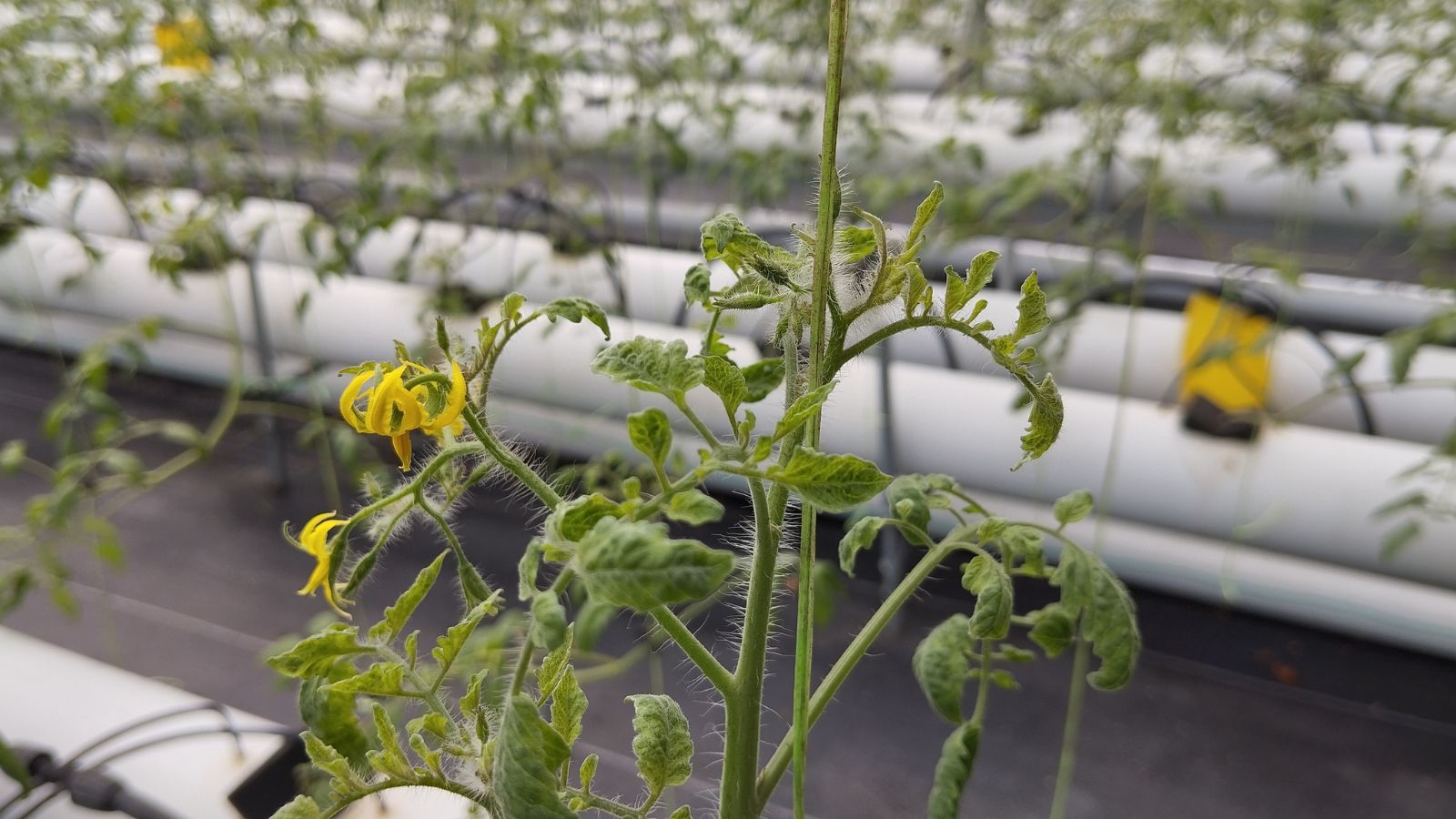
A tomato plant can also be grown in a hydroponic system. This method allows you to produce a healthy yield from each plant, conserve water, and carefully control the growing environment. However, hydroponic systems require precision. If the pH of the nutrient solution is even slightly off, the entire crop can fail.
For hydroponic growing, plant tomatoes in a soilless medium. Seedlings should then be transferred into the hydroponic system and grown in a nutrient solution with a pH of about 4.5.
Outdoors

If you live in a warm region with a long growing season, you can sow tomato seeds directly into garden soil once temperatures are suitable. This is the riskiest method of starting seeds, as they are fully exposed to the elements. Animals, insects, and heat can damage seeds quickly. Gardeners who start seeds outdoors should monitor conditions closely and proceed with caution.
Hardening Off

Seedlings that will be planted outdoors must be hardened off in their pots for a couple of weeks. To harden off tomato seedlings, place them in a partially sunny area of the garden for a couple of weeks, gradually exposing them to outdoor conditions. Check on them regularly during this period. Once hardened off, transplant the seedlings into containers or directly into the ground.
Storing and Preparing Tomato Seeds for Germination
Learning how to collect and store tomato seeds allows you to preserve your favorite varieties for many years. Using seed fermentation helps reduce the risk of disease and can improve germination and overall plant vigor.
Seed Fermentation

In tomato flesh, a gelatinous sheath surrounds and protects the seeds. If you try planting seeds directly from a tomato without removing this coating, you’ll notice they do not germinate as easily. To reduce seedborne disease and help break down the seed coating, fermentation is recommended.
Remove the seeds you wish to save with the gelatinous sheath still attached. Place the seed mass in clean water, ideally in a glass jar with a lid. Set the jar out of direct sunlight in an area with temperatures around 70°F (21°C).
Once or twice each day, stir the mixture to separate the seeds and discourage mold growth. After three days, transfer the contents to a new container at least three times the size of the original jar and add three times the amount of water. As you do this, viable seeds will sink to the bottom. Remove and discard the floating gel and debris, as the seeds at the bottom are the most viable. Rinse the remaining material through a colander or sieve.
Spread the clean tomato seeds onto a cheesecloth or paper towel to drain. Allow them to dry for at least five days in a well-ventilated area. To prevent sticking, gently move the seeds around on the cloth or paper towel each day.
Once fully dry, store tomato seeds in a cool, dry place or in the refrigerator. Properly stored seeds can remain viable for up to six years.
Vivipary
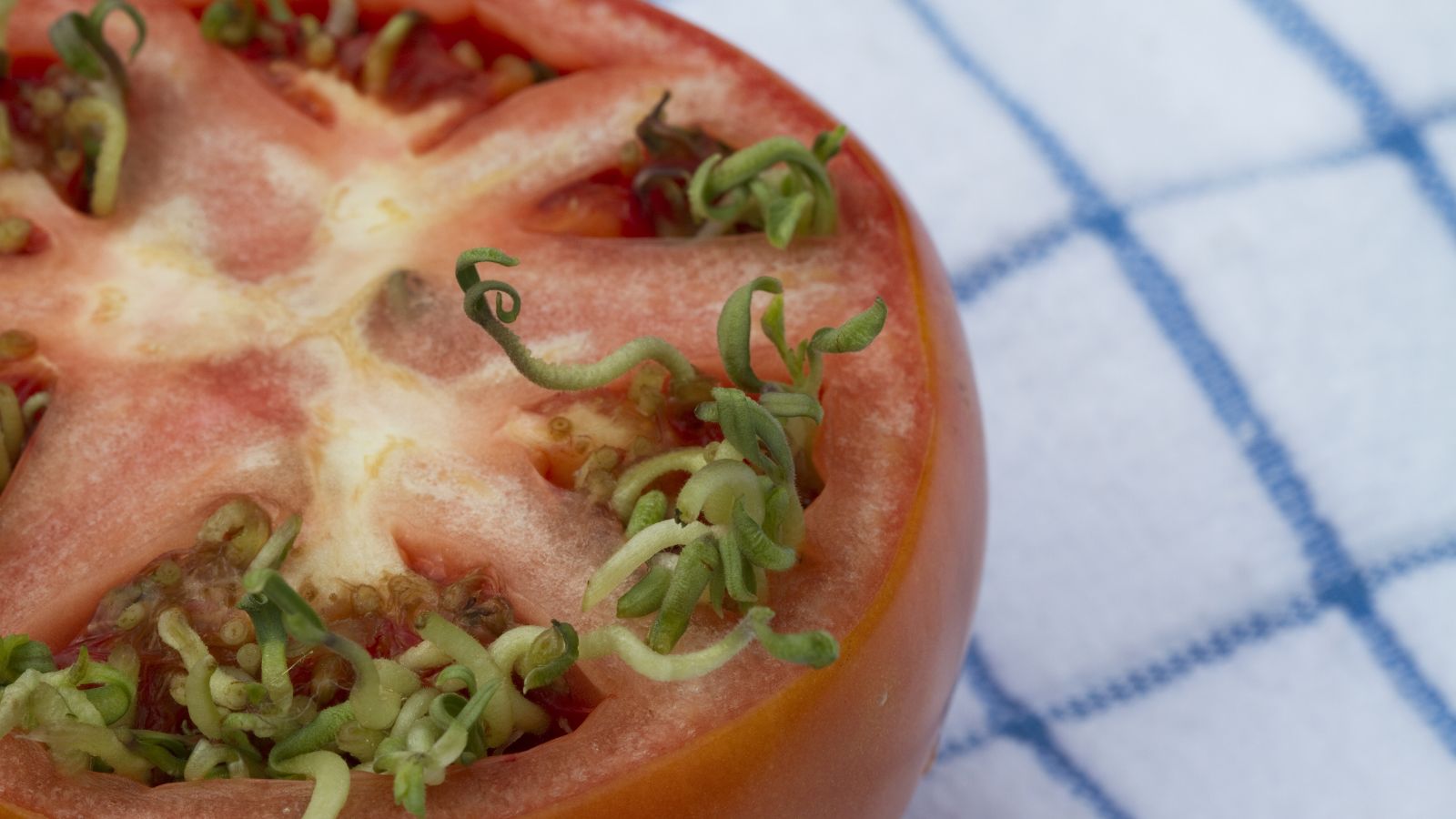
Sometimes seeds begin the germination process inside the tomato flesh. This phenomenon is called vivipary and occurs when ripe fruit remains in conditions that encourage tomato seeds to sprout. The result is a mix of dormant and germinated seeds.
Contrary to popular belief, vivipary sprouts are edible and can be planted to start tomato seedlings, as long as the tomato containing them is not moldy or damaged. However, you will generally have greater success growing tomato plants from seeds you have intentionally germinated yourself.
Testing Tomato Seeds

Use a plastic bag to test tomato seeds saved from many years ago. Place the seeds between a folded, moist paper towel and set them in a warm area out of direct sunlight. Leave the bag partially open to allow airflow. Seeds should begin to germinate within one week.
Record which seeds sprout, which need to be discarded due to mold or damage, and which do not respond. Divide the number of successful seeds by the total number started to calculate your germination rate. Transfer sprouted tomato seeds to a suitable growing medium as soon as they emerge.
Germination Conditions

Tomato seeds do not need light to germinate, but they do require consistent warmth and moisture. Temperatures around 70°F (21°C) are ideal, although a range between 50°F and 75°F (10 to 24°C) will also work. Tomato seedlings prefer well-draining sandy loam soil with a pH between 6.0 and 7.0. Use a pH tester to ensure the soil acidity is suitable for healthy growth.
If you’re using soilless media such as coconut coir, plant seeds just as you would in containers filled with soil. The same approach applies to hydroponic systems, but be sure the correct nutrient solution is used to keep the pH properly balanced. Tomato seeds must be planted at the correct depth to germinate successfully. If planted too deeply, the cotyledons may not reach the soil surface. If planted too shallowly, the roots may fail to develop properly.
Tomato plants perform best when planted at the right time, even when grown indoors or in climate-controlled environments. Planting seeds in quality soil in early April supports strong, healthy tomato growth.
Tomato seeds require steady moisture and moderate humidity. Keep the growing medium damp but not saturated. Soilless media generally need less frequent watering because they retain moisture more effectively. Check moisture levels by inserting your finger a couple of inches into the medium. If it feels dry, it’s time to water.
Germination Problems
Most germination problems stem from improper temperature, soil, or too much light. Let’s cover a few of these and how to remedy issues that can arise when starting tomato plants.
Old Seeds

The germination rate of tomato seeds decreases significantly as they age. A variety that originally had a germination rate of 90% may drop to 50% or lower over time. Most tomato seeds remain viable for up to six years. Use the testing method outlined in this article to determine the germination rate of older seeds.
Improper Conditions

If temperatures are too cool or too hot, tomato seeds may fail to grow properly. Excessive heat can cause seeds to dry out and scorch, ending their viability before germination begins. Cool conditions can prevent soil from drying between waterings, increasing the risk of seed rot. Germination also slows significantly at temperatures below 65°F (18°C). This is why a heating mat is such a useful tool for tomato seed starting, as it helps maintain the warm, consistent temperatures needed for reliable germination.
Once seeds have germinated, monitor tomato seedlings closely to ensure they do not become leggy due to insufficient light. While tomato seeds do not require light to germinate, seedlings do need adequate light once they emerge above the soil surface.
Frequently Asked Questions
What is the fastest way to germinate tomato seeds?
The fastest way to germinate a tomato seed is through the test mentioned in this article. Place tomato seeds in between a folded, damp paper towel and place them in a plastic bag. Keep the bag just slightly open to allow air to circulate, and you’ll have tomato sprouts in about a week.
Do tomato seeds germinate better in the dark?
Tomato seeds do not need light to germinate. And too much light can make your resulting seedlings spindly. Try germinating seeds in starting trays with a warming mat, or in a plastic bag with a paper towel. The plastic will help ensure there is enough moisture for seeds to grow.
Do I soak tomato seeds before planting?
You can but it’s not necessary for germination. Moist growing medium is enough!