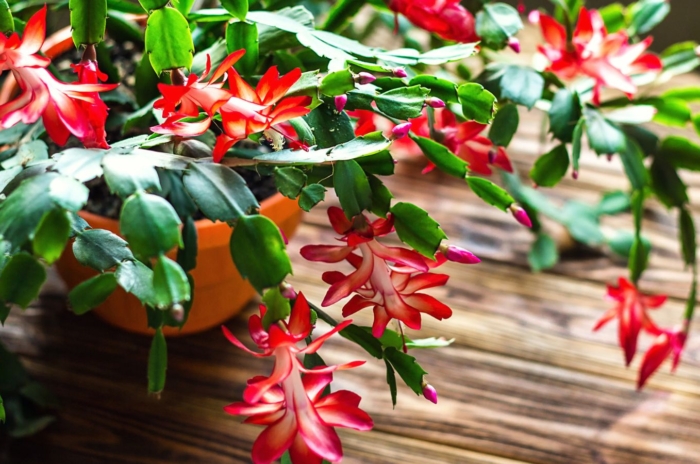
Why Your Thanksgiving Cactus Blooms Too Early (and How to Fix it)
Holiday cacti are unlike most other blooming plants. They need cold temperatures, long nights, and humidity to bloom. If the blooms appear too early, you’ll have to control the growing site in the future for a timely flowering period. Learn how to do this alongside Thanksgiving cactus grower Jerad Bryant.


Contents
Holiday cacti, including the Thanksgiving and Christmas cacti, hail from tropical regions of the world. Though they look like succulents, they’re epiphytes that grow on trees above the ground. They need high humidity, well-drained soil, and long nights to bloom.
Your Thanksgiving cactus is likely blooming too early because the days are shortening and the nights are lengthening in your region. This occurs at the end of the growing season in the U.S., as summer transitions into the fall. To prevent this, you must control the amount of darkness your cactus receives.
Fear not if your cactus is blooming too early. Enjoy the flowers, and use these controlling techniques to prevent early blooms next year. If you’d like blooms this year during Thanksgiving, purchase a new cactus in bloom; then, you’ll have two flowering specimens next Thanksgiving!
Holiday Cactus

Holiday Cactus
The Holiday Cactus, also known as the Thanksgiving Cactus, is your go-to fall and winter bloomer, delivering a burst of colorful flowers just when most plants are taking a break. It’s like holiday magic—on a stem!
Buy at Epic Gardening ShopThe Days are Shortening

Day length is the primary trigger of Thanksgiving cactus blooms. The flowering buds appear as the days shorten and nights lengthen after the summer solstice. You’ll notice them emerging when the trees begin changing their leaves from green to red, orange, and yellow.
The day length changes on its own, but you can control how much light your plant receives to discourage blooms from appearing too early. You may use blankets, dark closets, or windowless rooms to simulate artificial darkness.
In their native habitat, Thanksgiving cacti are subject to minor changes in day length because they grow near the equator. When they undergo major changes in North America, they’re likely to bloom shortly after the changes take effect.
How to Fix It

A Thanksgiving cactus needs eight weeks of long nights and short days to bloom in time. Any interruption during the dark period can set the blooms back or prevent them from occurring at all. The plant must receive two months of special treatment to bloom, with 13 hours or more of darkness nightly.
Start the treatment early in September and October for timely blooms during Thanksgiving. Determine when the holiday lands this year, then count backwards eight weeks to determine the start date. The cactus must receive uninterrupted dark periods, and shutting out all sources of light is imperative for healthy blooms.
Left on its own, this cactus will flower when the days naturally shorten in your region. Wait to use light-blocking materials, such as a blanket or lightweight tarp, or place the plant in a room where no light can reach it. If you start this process too soon, you will have a Thanksgiving cactus that blooms too early.
Temperature Swings

Alongside changing day lengths, temperature shifts also influence when the blooms appear. The cooling weather tricks the buds into opening too early. If your cactus sits next to a cold window indoors or if it’s outside in the fall, you may see it flower well before you want it to.
This is especially true in regions with short growing seasons. If cool weather arrives in August or September, you’ll see blooms appear too early to arrive in time for the Thanksgiving holiday. You’ll want to protect your cactus from the cold weather to prevent the flowers from appearing too early.
How to Fix It

Protect outdoor plants from the cold by adding mulch on top of the soil. Wrap potted plants in burlap or blankets, and cover their tops with frost cloth on cold nights. Or, set your cactus in a greenhouse or cold frame to stay warm.
Indoors, ensure your plant is far away from open windows at the end of the growing season. Chilly drafts can waft in the window and reach the succulent foliage. Use a heater to keep the room warm, and place the cactus in a spot that’s both free from drafts and well-lit with bright indirect light.
When you are ready for blooms to appear, begin exposing your cactus to nighttime temperatures around 50°F (10°C). Do so eight weeks before you’d like the flowers to bloom when you start exposing the plant to long nights.
Exposure to the Outdoors

Outdoors, your cactus is subject to cold temperatures and changing day lengths that are out of your control. These conditions will promote blooms early, well before the Thanksgiving season. If you live in a frost-free climate, they may not appear until after Thanksgiving.
Instead of leaving the plant outdoors under the elements, it’s important to bring it inside to force the blooms. Protect it from early frosts and excess rainfall. If you don’t have space for it yet, simply move it under a protective covering, like a patio, until the indoor space is ready.
If you live in USDA hardiness zones 10 to 12, you may grow this cactus outdoors year-round. Plant it in the ground in a spot with partial shade. Or, plant it in a large pot so you can easily control its growing conditions.
How to Fix It

Begin moving your cactus indoors well before the weather begins cooling at night. Once nightly temperatures reach 55°F (13°C), start moving the cactus indoors. Do so when you begin the forcing process, about eight to ten weeks before you’d like to see the cactus bloom.
Before bringing the cactus inside, wash it off thoroughly to dislodge dust, debris, and any pests. Spray the leaves with neem or horticultural oil if you suspect pests are on them. Let the oil solution dry, then move the plants inside.
You don’t want to shock the Thanksgiving cactus, as this may cause blooms to appear too early. Move it to a bright spot that matches the outdoor temperature. Choose an unheated room if it’s cool, and a warm one if it’s hot outside. Allow the plant to adapt for a week or two, then begin the forcing process shortly after.
Dry Soil

Dry soil promotes flowering in many plants. They suspect they may run out of water and rush to reproduce. Seeds grow from flowers, and the blooming period is the first step in reproduction for flowering plants.
The Thanksgiving cactus prefers consistently moist, but not soggy, soil. Water it regularly, and check the soil before watering to ensure you don’t over- or underwater the roots.
Dry soil may encourage blooming, but you don’t need to keep the soil dry for blooms to appear. They’ll open if you give this cactus cool temperatures, long nights, and ample humidity.
How to Fix It

Discourage dry soil by adding mulch on top of the soil. Mulch conserves moisture and prevents it from evaporating. Indoors, use a soilless mulch like coco coir. Avoid using compost indoors as it’ll attract flies and emit odors.
Check the soil the roots are in regularly to see if it’s wet, moist, or dry. If it’s moist or wet underneath, wait to water. If it’s dry, water well to saturate the dirt. To check the soil, use your finger to check beneath the surface. A dry stick also works well, but it’s easier to sense the moisture levels with your finger.
Outdoors, use automatic irrigation to keep the beds moist, but not soggy. It’s easy to connect a hose to a sprinkler with a timer for a quick setup. The timer will turn the water on and let it flow to the sprinkler at regular intervals for consistent watering.