How to Plant, Grow, and Care for Sweet Joe Pye Weed
Sweet Joe Pye weed and its massive domed blooms beckon the butterflies. The North American native makes a striking addition to the border or naturalized landscape and needs little tending to thrive. Gardening expert Katherine Rowe explores the merits of the handsome Eutrochium purpureum and its big show late in the season.


Contents
Sweet Joe Pye weed is a towering North American native perennial with domes of purple-pink flowers from mid-summer through early fall. A valuable pollinator resource, the adaptable wildflowers grow in challenging sites. While not a weed, they’re rugged enough to grow in areas like roadside ditches, eroded, and disturbed spots.
The easy-going natives also grow in varying soil conditions, light exposures, and across growing zones. Several in the Eutrochium genus share the common name of Joe Pye weed, though sweet Joe Pye weed (E. purpureum) is among the most drought- and shade-tolerant species. While others rely on consistent moisture to thrive, E. purpureum grows in slightly drier, shadier situations that many other perennials find difficult.
For its umbrella of rosy purple blooms, low-maintenance nature, and ecological benefits, sweet Joe Pye weed is worthy of a spot in the perennial border, woodland edge, or meadow planting.
Sweet Joe Pye Weed Overview

|
Plant Type
Herbaceous perennial
Family
Asteraceae
Genus
Eutrochium
Species
purpureum
|
Native Area
Southeast Canada, Central and Eastern U.S.
Exposure
Full sun to partial shade
Height
5-7’
Watering Requirements
Average
|
Pests and Diseases
Slugs, rust, powdery mildew
Maintenance
Low
Soil Type
Average
Hardiness Zone
4-9
|
What is Sweet Joe Pye Weed?

With its massive flowerheads on tall stems, sweet Joe Pye is ideal for the back of the border or naturalized areas, where it makes an impact in numbers. With its superlative pollen and nectar resources for beneficial insects (thanks to those landing pad blooms), it’s one we should add to native arrangements, cottage, pollinator, and rain gardens.
Dwarf cultivars of the native species have more compact habits, making it easier to fit into smaller gardens and even pots and containers.
Thanks to the late-season blooms, sweet Joe Pye weed provides resources for migrating monarchs. It’s also a host to native moth species, making it valuable at varying stages of development for pollinating insects. A favorite of bees, the wildflower is important in the production of honey.
For a show of color that carries into fall, pair E. purpureum with aster, ornamental grasses, rudbeckia, blazing star liatris, and coreopsis. Highlight the deep purple tones with the dark foliage of rose mallow, coral bells, and sedum. Or, opt for chartreuse varieties for a bright contrast.
Characteristics

Sweet Joe Pye weed is an upright, clump-forming specimen. In summer and fall, its petite tubular flowers appear in clusters, with domes that reach 12 to 18 inches across. Lightly fragrant, the beneficial insect magnets have a vanilla perfume.
Coarse, lance-shaped leaves in dark green with serrated margins whorl around the tall stems. They meet the stem with purplish leaf nodes. At maturity, the perennial may reach two to four feet wide.
After the flowers fade, dark seeds with tufted hairs extend the visual interest into winter. The achenes show in pods from August to November and provide forage for birds.
Native Area

E. purpureum is native to Southeast Canada and the Central and Eastern regions of the U.S.. Its natural habitat is moist prairies, wooded slopes and borders, streambanks, and thickets, in addition to growing along the roadside.
With hardiness across USDA zones 4 through 9, the perennials have good heat and cold tolerance in a wide range of growing situations.
Planting
Eutrochium purpureum spreads by rhizomes (underground stems) and also reseeds to expand the colony. Given the chance, it will fill a given space and may overshadow lower growers. The wildflowers are showiest and provide the most ecological value en masse, but sometimes need managing if they spread beyond their allotment.
Space the perennials two feet apart to allow for ample air circulation, mature size, and the clumping upright stems.
Transplanting

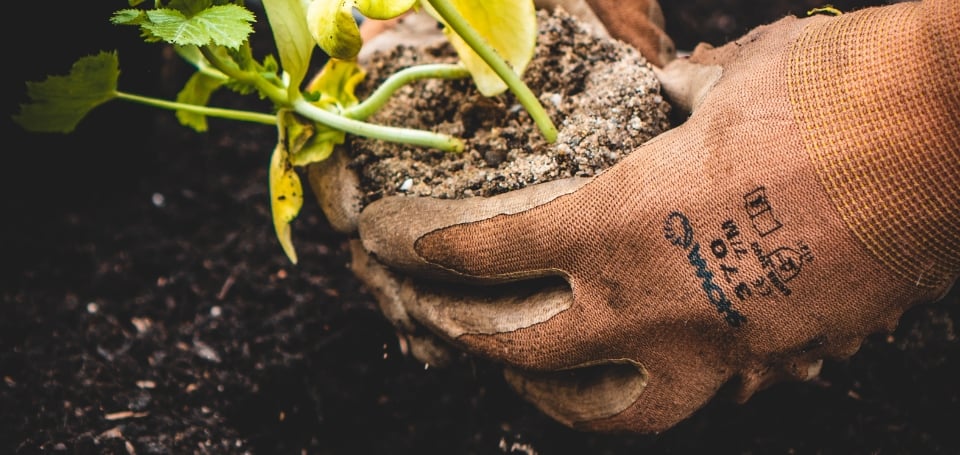
Direct sow seeds in the fall for spring germination. Transplant nursery starts after the final frost as soil and air temperatures warm. The adaptable perennials can go in the ground anytime during the active growing season, provided they have adequate moisture to establish.
How to Grow
The low-maintenance natives tolerate a range of conditions and need few extra resources. They benefit from regular moisture and full sun for the best growth and flowering, but adapt to lesser situations.
Light

Situate sweet Joe Pye weed in full sun, with six or more hours of sunlight daily. It also tolerates partial shade (about four or more hours), especially in areas with intense afternoon sun. Those in too much shade may have floppy stems that topple over.
Water

The flowering perennial shows the best vigor with regular water. Consistent moisture during the growing season is ideal for overall health and a profusion of towering blooms. But, among the genus, E. purpureum withstands average soils and drier situations better than other species.
They also withstand short, wet spells with a natural habitat along streambanks and pond margins. Avoid prolonged wet conditions, as oversaturation leads to potential fungal diseases like powdery mildew.
If allowed to dry out too much, leaves may scorch in high heat and sunny exposures.
Soil

Eutrochium thrives in humusy, well-drained conditions. They grow in lesser soil conditions, including clay.
At planting, topdress with compost, especially in poor soils like clay and sand. The organic material aids in aeration, moisture retention, drainage, and nutrition.
Temperature and Humidity

The durable wildflower tolerates heat and humidity up to zone 9, as well as cold winters in zones 4 and sometimes 3 with protection.
In humid climates, ensure proper spacing for good air circulation to prevent mildew problems. Prune surrounding plants, thin crowns, or divide the clump if conditions become damp and crowded.
Fertilizing

Aside from compost to supply nutrition and drainage in poor soils, there’s no need for additional fertilizer for sweet Joe Pye weed to flourish.
Maintenance

Cutting back stems by one-third to half after flowering can foster thick, sturdy stems and a potential rebloom as the plant doesn’t direct energy into seed production. Cut them back in July to promote hearty stems and more flowers.
To allow reseeding and forage for songbirds, leave blooms intact at season’s end. Cut them to the ground in winter or early spring before new growth emerges.
Propagation
Sweet Joe Pye propagates most easily through cuttings and divisions, followed by seeds. Seeding is easy with direct sowing, though germination is not always high. Sow more than you might need and thin seedlings if necessary when they reach a few inches tall.
Growing From Seed

Eutrochium benefits from cold stratification for the best germination. As seeds disperse naturally, they’ll experience a chill period in cool winters for emerging in spring. Direct sow in fall or winter for germination when spring conditions are suitable. They enjoy a three-month cold stratification period.
Winter sowing is another viable seed-starting method with easy seeding in protective outdoor containers that receive natural cold stratification. With exposure to garden elements, strong seedlings are ready to take off quickly with transplanting in warm weather.
Cuttings

Late spring is best for taking viable cuttings as new growth develops. To take cuttings:
- Cut a four-to six-inch piece from a healthy stem. Cut the stem at a 45-degree angle to ensure water and rooting hormone coverage.
- Remove the foliage from the bottom ⅔ of the cutting (leaving at least two leaves). Cut large leaves in half to reduce resource needs and moisture loss.
- Optional: moisten the cutting and dip the lower stem in rooting hormone, coating generously. Tap off any excess rooting powder.
- Plant the cutting in at least two inches of moist, well-draining potting mix.
- Place the pot or tray in a bright, warm location, avoiding direct sunlight.
- Water as needed, maintaining evenly moist soil.
- When the cutting resists a gentle tug, roots are in place and ready to be repotted.
- Plant the cuttings in four-inch pots and transplant them in mild conditions. New plants will be tender.
Division

The best time to divide these flowering perennials is in the fall as they enter dormancy. Dividing established plants helps restore vigor, reduce crowding and competition, and creates new plants.
To divide, loosen the soil around the crown to capture and lift the entire root system. Rinse or gently remove any soil clumps.
Separate the crown of the mother plant by working from the outside in. Use a spade or sharp blade to cut off sections that capture stems with portions of the roots intact. Install the divisions at least two feet apart in their new garden spots and ensure regular moisture as roots develop.
Popular Varieties
From statuesque to more demure, sweet Joe Pye weed cultivars are handsome from near or far. Their domed trusses shine in the late summer garden and offer an oasis for butterflies and bees. The straight species and its cultivars are highly ornamental as specimens or grouped plantings.
‘Big Umbrella’

‘Big Umbrella’ brings colossal blooms with hundreds of tiny pink flowers. The large flowerheads complement their tall stems. Each upright branch grows five to six feet high for a stunning show.
Plant ‘Big Umbrella’ in a space that can handle the bold, towering stems. It makes a lovely screen or buffer to define garden areas. Use it in tandem with other tall blooms like cutleaf coneflower, swamp sunflower, liatris, and ornamental grasses, and as a backdrop to lower-growing perennials.
‘Little Red’

This compact cultivar tops out at a manageable, but still striking, three to four feet tall. With pink to deep rose florets in large clusters, the dense selection is a prize in both formal and informal compositions. Each terminal cluster on the ends of leafy stems measures up to six inches across.
“Little Red’ is of unknown origin but shows some of the best performance among E. purpureum cultivars according to growers. Plants spread two to three feet wide, making it ideal for smaller borders.
Common Problems
Fortunately, sweet Joe Pye weed doesn’t have many pest or disease issues. Slugs may visit young seedlings in moist conditions. Rust and powdery mildew may be issues in cool, humid weather.
Pests
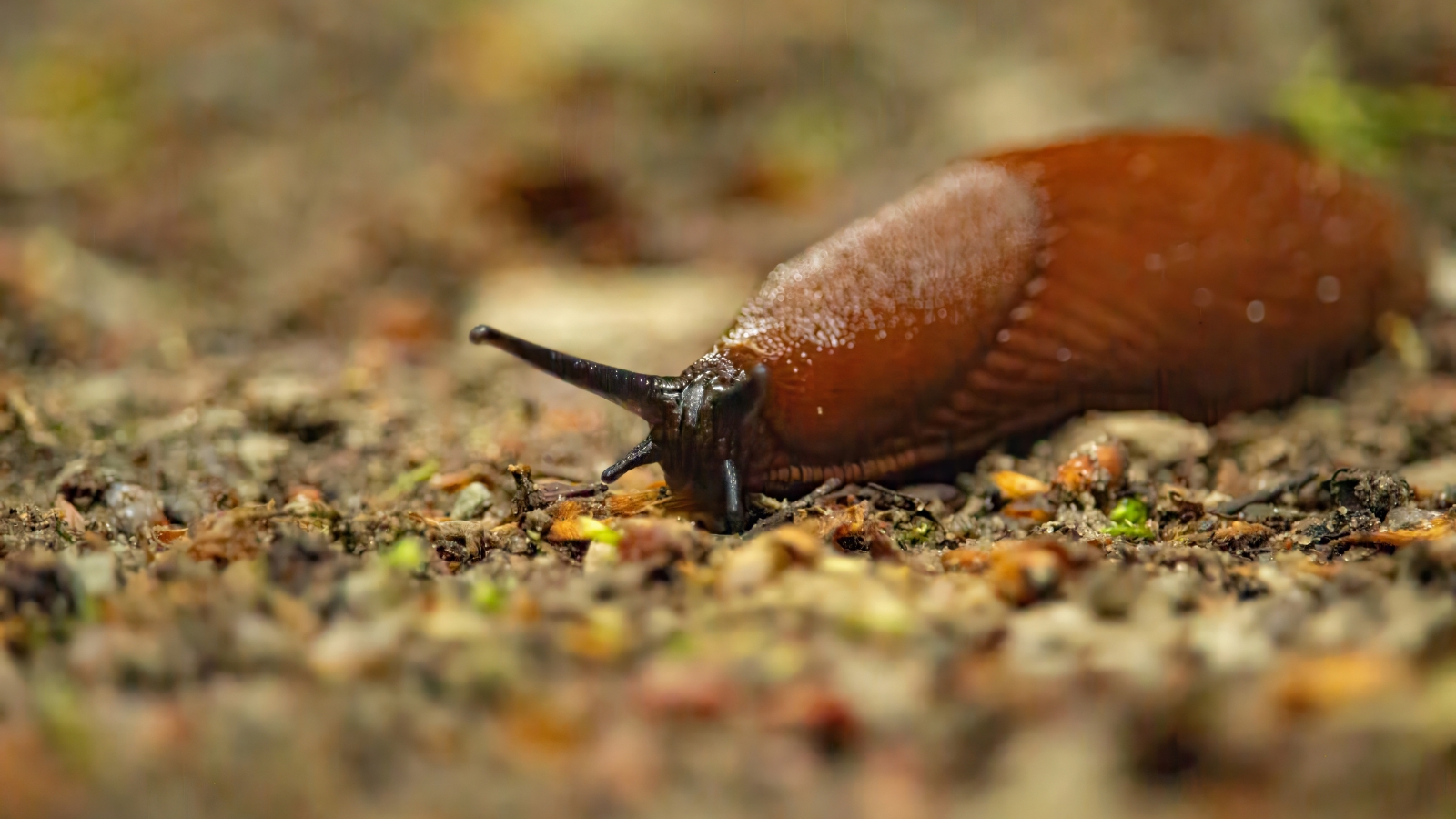
Slugs feed on soft shoots and tender new growth, especially early in the season. They’re most active in cool, damp conditions in the evening and early morning. You’ll notice irregular holes in leaves and their silvery, sluggy trail.
Hand-pick slugs and snails with scouting during their active times. In the middle of the day, they hide under leaves, mulch, and soil. Lure them with lettuce leaves or citrus rinds and collect them in the morning. If numbers increase, bait them with beer or soda traps by filling a shallow dish and placing it at soil level.
Diatomaceous earth scattered around the base of the stems contains sharp particles that harm soft-bodied creatures as they crawl. It needs reapplication after heavy rains to maintain the boundary.
With repeat visits, remove mulch from around the crown to limit protective hiding spots. Target irrigation at the root level to reduce overly damp conditions, which are an inviting habitat for the gastropods.
Diseases

Powdery mildew appears as a grayish-white dust on leaves, buds, and stems. With the pathogen Erysiphe, leaves may turn yellow, distort, and drop during severe infections. Treatable with early detection, horticultural oils like neem reduce the spread.
To prevent powdery mildew, take care not to overwater or overfertilize, which increases disease susceptibility. Space the perennials to allow ample airflow, and follow proper watering to avoid wetting the leaves unnecessarily. Remove diseased leaves and any fallen debris to prevent harboring the spores.
The fungal disease rust crops up most often in hot and humid climates. It can cause leaves to yellow, wilt, and drop early. With rust, powdery spores appear on the undersides of yellowing leaves. To prevent the spread, cut off the infected leaves and other parts. It spreads readily, so bag up and discard the infected material away from the garden.
Horticultural oils like neem and preventative fungicides can treat the issue early on, with the same preventative measures as for powdery mildew. Removal is the best option for any severely impacted specimens in decline.
Frequently Asked Questions
Where’s the best spot to plant sweet Joe Pye weed?
To enjoy a mass of the flowering perennial, plant it with plenty of room to spread. The native spreads via rhizomes and seed, and is prime for naturalized areas like woodland edges, meadows, pond edges, rain gardens, and pollinator arrangements. It has the capacity to overshadow smaller specimens if not managed, but brings architecture to the rear border. Cultivars in more compact forms are versatile across garden scales.
Is sweet Joe Pye weed the same as Joe Pye weed?
The common name Joe Pye weed refers to several species of the Eutrochium genus. E. maculatum, or spotted Joe Pye weed, is similar to its relative, sweet Joe Pye (E. purpureum). The spotted species typically has darker stems with purple tones and flatter, denser flower clusters. It relies on consistently moist soils that mirror its marshy native habitat. Sweet Joe Pye weed has domed flower clusters and green stems with purple leaf nodes. The species prefers regular moisture but tolerates drier, shadier situations.