How to Start Seeds in Toilet Paper Rolls
Winter is a great time to start seeds. Toilet paper rolls make great containers for those who want a sustainable, zero-waste option to do it. There are a few particulars to consider if you want to go this route. Thankfully, experienced gardener Sarah Jay has used this method before.


Contents
Every year, I strive to be more sustainable than I was the previous year. Using toilet paper rolls to start seeds is a great option when I want to reuse items that would otherwise be thrown away. If you haven’t tried this yet, here’s your chance!
The great thing about using toilet paper rolls to start seeds is that they’re always around. While a larger bout of seed starting requires more than a few, having one gives you at least two containers to start seeds in. You can combine these containers with other reusable items for a fully refurbished seed starting operation.
There are a few particulars involved with using toilet paper rolls for starting your plants, and we’ll discuss those at length. For now, gather a few toilet paper rolls and some seeds, and let’s get this spring season started!


Seeds That Work and What to Avoid

It’s important to consider the types and varieties you’re growing when you start seeds in toilet paper rolls. The paper is not suitable for seeds that need a lot of moisture to germinate and survive, because it is prone to mold with excess moisture.
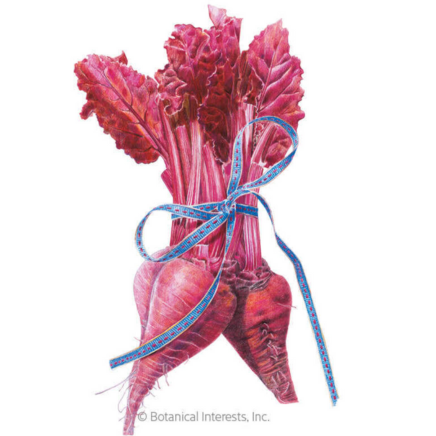
Stick to your basic seeds, like lettuces, chard, and beets. Squash, cucumber, and bean seeds are great as they are large and already primed to sprout. All these need is a little moisture to get going.
If you want to start seeds in your toilet paper rolls that require a lot of moisture to thrive after sprouting, have a plan to move them once they’re up. Avoid moving plants that are prone to transplant shock, though, as this could kill them.
Gather Materials

Once you’ve determined which seeds you want to use, it’s time to get your materials together. You don’t have to worry about the type of rolls you use when you start seeds. Toilet paper rolls of all types are fairly equal. If you’re really worried about it, use a roll from a sustainable brand.
Similarly, you don’t have to stick to toilet paper rolls. Paper towel rolls and gift wrap rolls work too. As long as the roll can be cut and folded, it’s good for starting seeds. If it’s inflexible, skip it. With your seeds and this in mind, gather the following:
- Paper towel, toilet paper, or gift wrap rolls
- Scissors
- A non-porous surface to place your starter pots (we recommend a UBT)
- Durable string or twine (optional)
- Seed starting mix
- Seeds
- Heat mat (optional)
- Grow light
Prep Your Rolls

Using your scissors, cut your rolls into four to five-inch sections. At the base of your sections, cut four one to one and a half inch slits. Then fold the sections into a spiral so the base of your starter pots is covered. You’re halfway ready to start seeds. Toilet paper rolls need just one more thing.
Fill them with seed starting mix, which is soilless or soil-based, depending on what you’re growing. If you plan to grow your seedling in its starter pot for some time after it sprouts, a soil mix will have the nutrients it needs.
Then place your filled starter pots in your tray, plate, or bowl (depending on what you have on hand). They’re ready to hold the seeds you want to grow!
Start Seeds

Now that your station for seed starting is set up, plant your seeds. Remember to plant seeds that don’t need a ton of moisture to grow and thrive in their starter pots, as this prevents mold. Plant your seeds, and use a spray bottle to moisten the soil surface.
If you are growing seeds that need light to germinate, place your tray, plate, or bowl under a grow light. For seeds that need heat to germinate, use a heat mat, and place it under your non-porous tray.
Maintaining Your Pots

If they did not need light to germinate, move sprouted seedlings under your grow light. For warm-weather plants, ensure they grow on a heat mat if they’re in a space that dips below 60°F (16°C). Continuously water them so they remain moist down to two inches.
If any of your pots take on mold, dispose of them – seeds, soil, and all. The mold can transfer to your garden or other starter pots. When you remove the molded pot, carefully check to ensure others haven’t taken on mold as well.
Transplanting

At a certain point, your seedlings are too mature to keep growing in your station. Toilet paper rolls are great for transplanting in the garden directly due to their propensity to break down over time. To transplant your seedlings, cut the folded base of the roll off, and remove any of the roll that sticks up above the soil. This can wick moisture away from seedlings as they establish roots in the garden.
If you need to up-pot your plants because the season isn’t quite suitable for the plants you want to grow, do the same thing, but gently lower the rolls into larger pots or starter pots.

Key Takeaways
When it’s time to start seeds, toilet paper rolls are an affordable and sustainable option. As you prepare to start seeds for the upcoming growing season, remember to follow these steps!
- Consider which seeds you’d like to grow, and determine which are appropriate for seed starting.
- Gather your materials and prep your toilet paper rolls. It’s as easy as cutting four to five-inch sections and cutting slits to fold bases for your starter pots.
- Start your seeds and maintain the integrity of the containers.
- When your seedlings are mature enough, transplant them into larger starter pots, containers, or directly into the garden.
- Remove the bases and any roll that remains above ground at transplant.