How to Plant, Grow, and Care for Star Anise
The star anise plant is a lovely subtropical tree that produces beautiful star-shaped flowers and pods. With the right conditions, it's not difficult to grow either. In this guide, we discuss growing techniques for the best results.

Contents
Anise offers many beneficial properties for pest control, medicine, and ornamental value, and the star anise plant is also visually appealing. If you enjoy growing plants with multiple uses across different areas, this is an excellent option to consider.
This guide focuses specifically on Illicium verum, not other star anise plants that are toxic. Japanese star anise (Illicium anisatum) and swamp star anise (Illicium parviflorum) share the same common name but are highly toxic. For clarity, this discussion applies only to Illicium verum, which does not produce white flowers.
Star anise makes a valuable addition to a tree guild, garden bed, or greenhouse and suits gardeners willing to commit long-term. Like many trees, Chinese star anise takes several years to mature and produce the distinctive seed pods used in cooking, medicine, and home care products.
Once established and fruiting, the pods yield a highly fragrant oil. Gardeners use this oil in cooking, homemade pesticides, and body care products. The following sections explain how to grow and care for star anise successfully.


Quick Care Guide

|
Scientific Name
Illicium verum
Days to Harvest
At least 2000 days
Light
Dapple sun/partial shade to full sun
Water
~1 inch per week; less in winter
|
Soil
Rich, loamy, well-draining, slightly acidic
Fertilizer
Compost, slow-release full spectrum
Pests
None
Diseases
Alternaria blight, downy mildew
|
All About Star Anise
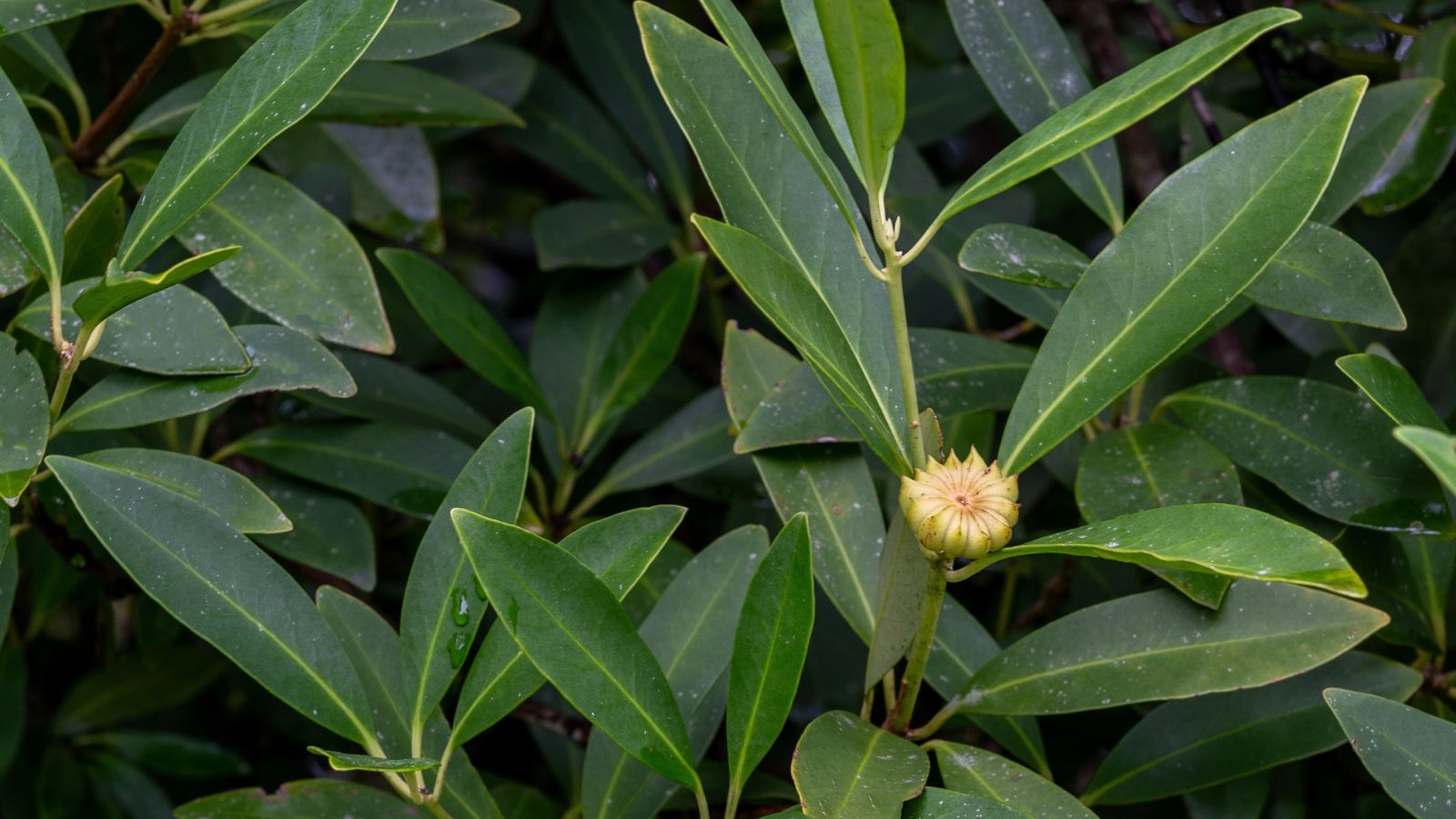
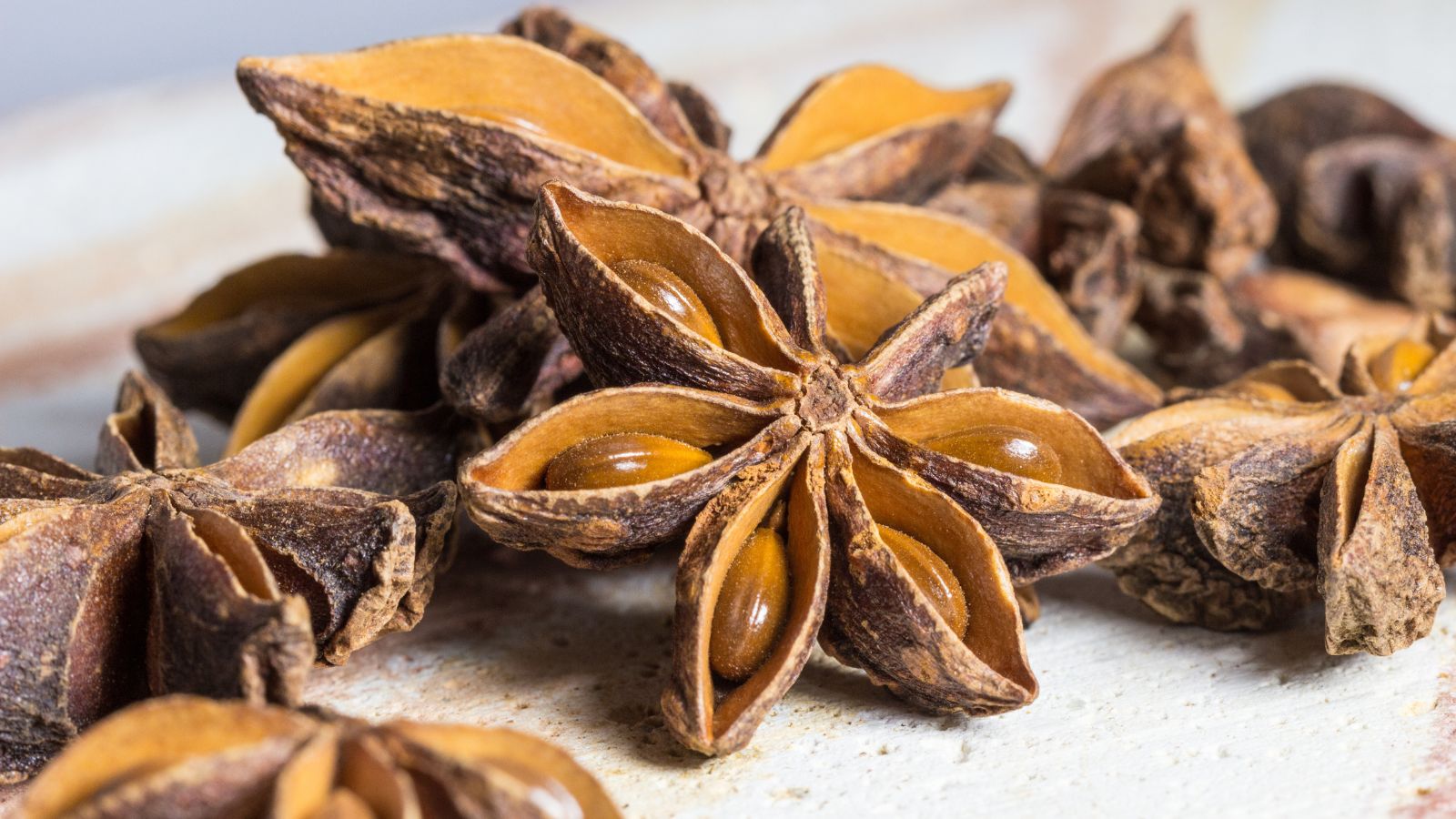
Star anise (Illicium verum) is commonly known as Chinese anise, eight-horned anise, or badian. This medium-sized evergreen tree is native to Vietnam and China. It earns the name star anise because the reddish-brown fruit pods, often mistakenly called seeds, resemble an eight-pointed star.
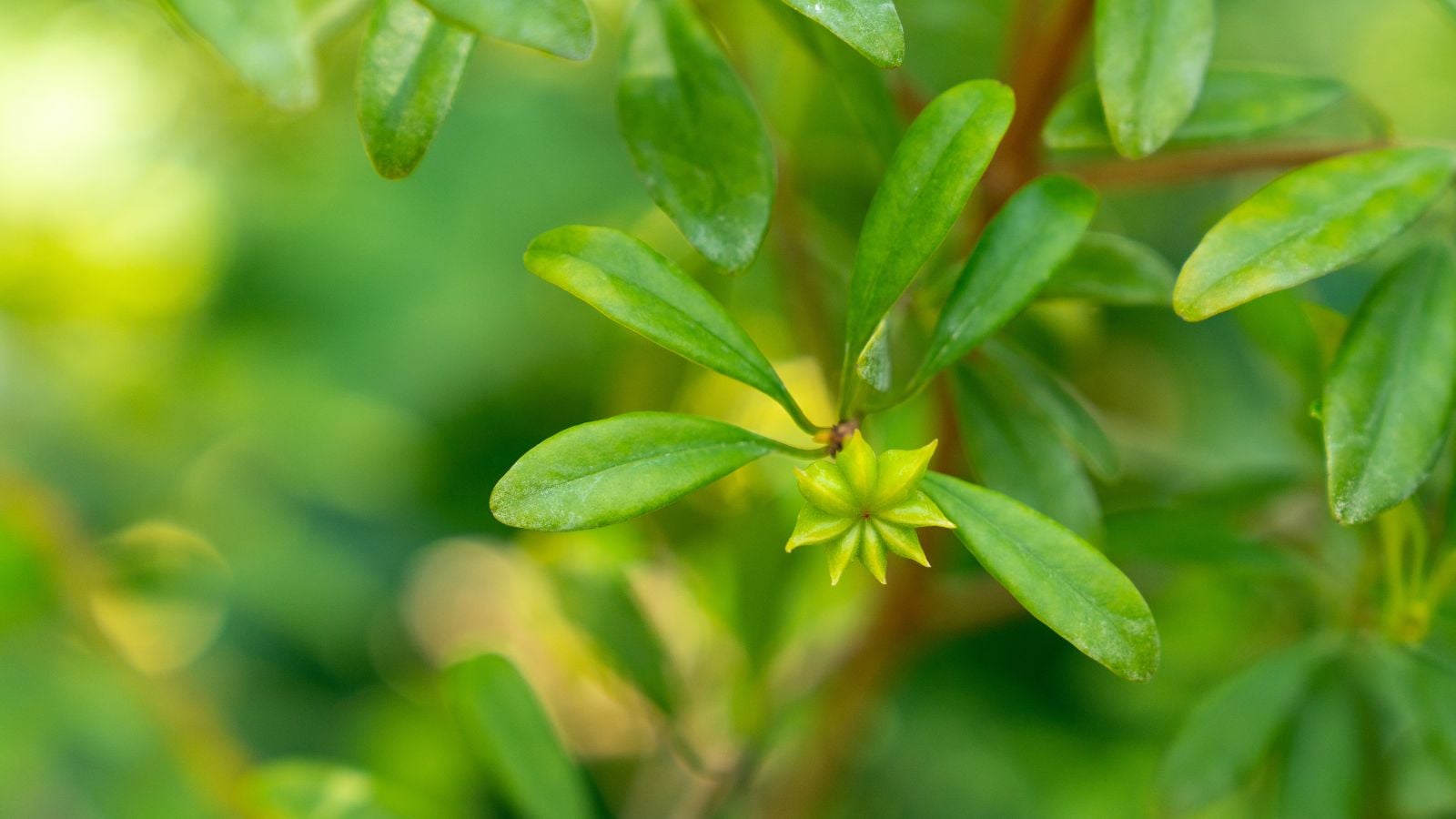
Chinese star anise is a tropical evergreen tree with large, glossy green foliage and pink to red flowers that typically bloom in the sixth year of growth. The flowers measure about 1.5 inches wide and consist of multiple whorled petals. After the flowers drop, a fruit pod develops with eight horn-like segments, each containing a seed.
At maturity, the tree can reach up to five meters tall, which helps distinguish it from other toxic anise species. Japanese star anise (Illicium anisatum) and swamp star anise (Illicium parviflorum) differ noticeably from the non-toxic tree discussed here.
Japanese star anise (Illicium anisatum) has a different pod shape than Chinese star anise, and its white flowers grow in a distinct arrangement. Swamp star anise (Illicium parviflorum) also produces white flowers and remains much smaller than Illicium verum. When purchasing a star anise tree, always check the label to confirm it lists Illicium verum and not a similar, toxic species.
In the past, a large pharmaceutical company sourced star anise fruit for a widely used flu medication, consuming nearly 90% of the world’s supply at the time. The company later switched to a bacterial source containing the same compound, but star anise fruit remains widely used today in mouthwashes, toothpaste, and body care products.
Planting
You can grow star anise from seed, but gardeners who are less familiar with growing star anise outdoors often find it easier to purchase this tropical evergreen tree from a nursery. Once you have an established tree, you can collect and sow seeds from your own star anise harvest.
When choosing a planting location for Illicium verum (star anise), select a spot with dappled shade. Plant only after the danger of frost has passed in spring. Protect the tree from strong, dry winds and excessive direct sunlight. Good drainage is essential, as star anise prefers soil that dries out slightly between waterings.
You can also grow star anise in a container, which is especially useful in regions with very cold winters. Choose a container large enough to support the tree, with drainage holes that allow the soil to dry properly between regular waterings.
How to Grow
Consider the basics before you grow star anise. Let’s cover what you need to know to begin growing star anise.
Light
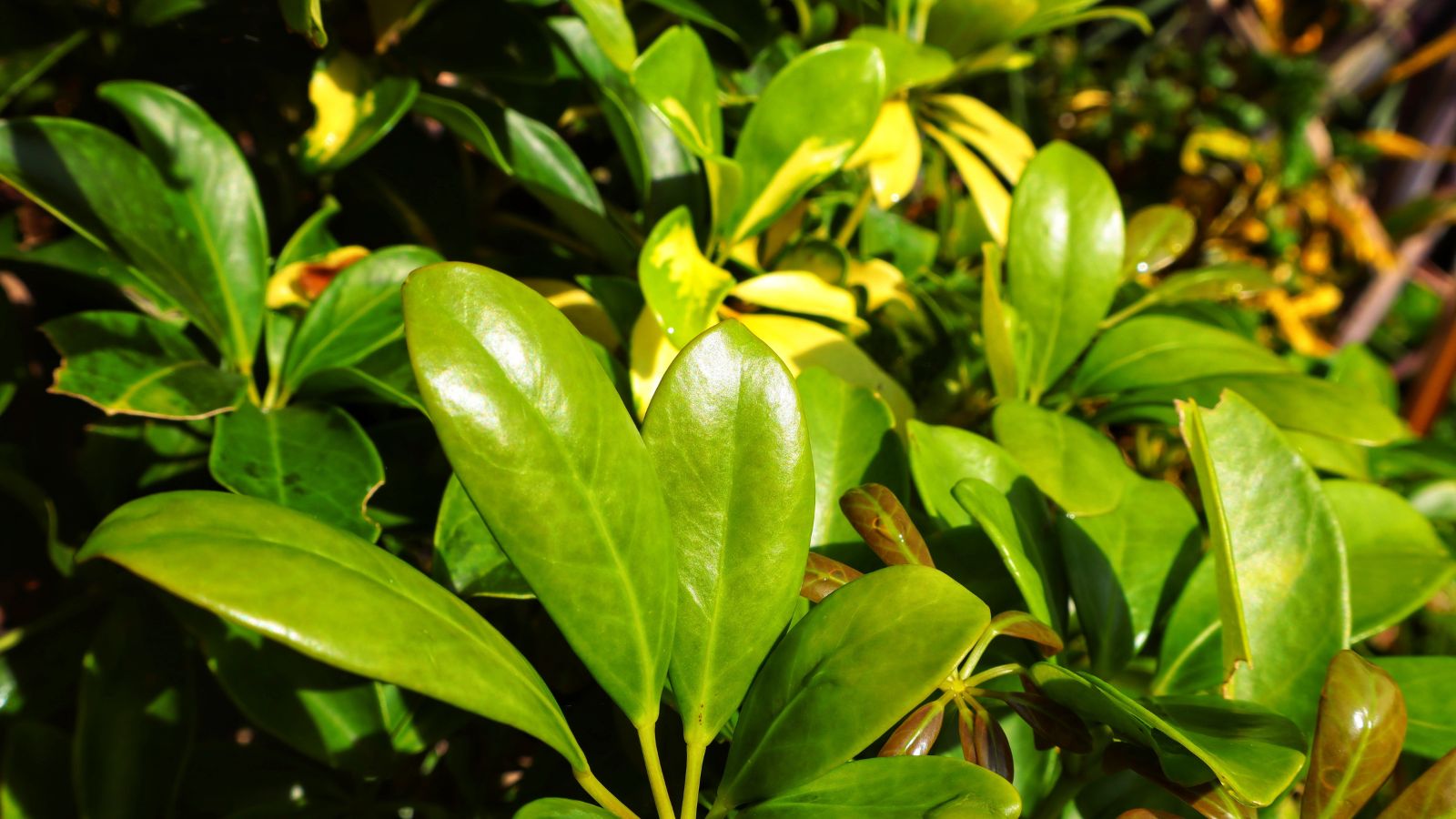
To grow a star anise plant outdoors, provide dappled shade during the afternoon. Full sun to partial shade in the morning works well. In its native habitat, star anise grows in subtropical climates beneath the upper canopy. When planted in overly sunny locations, growth often suffers. As a general guideline, aim for partial sun when growing Illicium verum.
Water

Water the soil around your star anise in the morning once the top two inches have dried out. This applies to both container-grown and in-ground plants. Keep the soil consistently moist but not wet between waterings. When growing star anise, provide at least one inch of water per week. Drip irrigation works well because it delivers water directly to the roots.
During winter, reduce watering. Cooler conditions prevent the soil from drying as quickly, and excess moisture can lead to root problems.
Soil

Growing star anise requires rich, loamy soil that drains well. Prepare containers or garden beds by incorporating a generous amount of aged manure or well-rotted compost to improve nutrient content.
Keep the soil texture loose, and aim for slightly acidic conditions, although neutral soil also works well. A pH range of 6.0 to 7.5 supports healthy growth of Illicium verum.

Temperature

Star anise trees grow best in the southern United States in zones 7 through 9. They require hot summers and very mild winters to survive. Trees need extra protection in zones 7 and 8, where temperatures can drop quickly during winter.
If temperatures fall suddenly, wrap in-ground Chinese anise trees with a tree wrap. For container-grown plants, move the container indoors or into a greenhouse where temperatures remain stable.
High heat rarely causes issues for star anise. Provide water as needed to keep the plant healthy and growing well.
Fertilizing
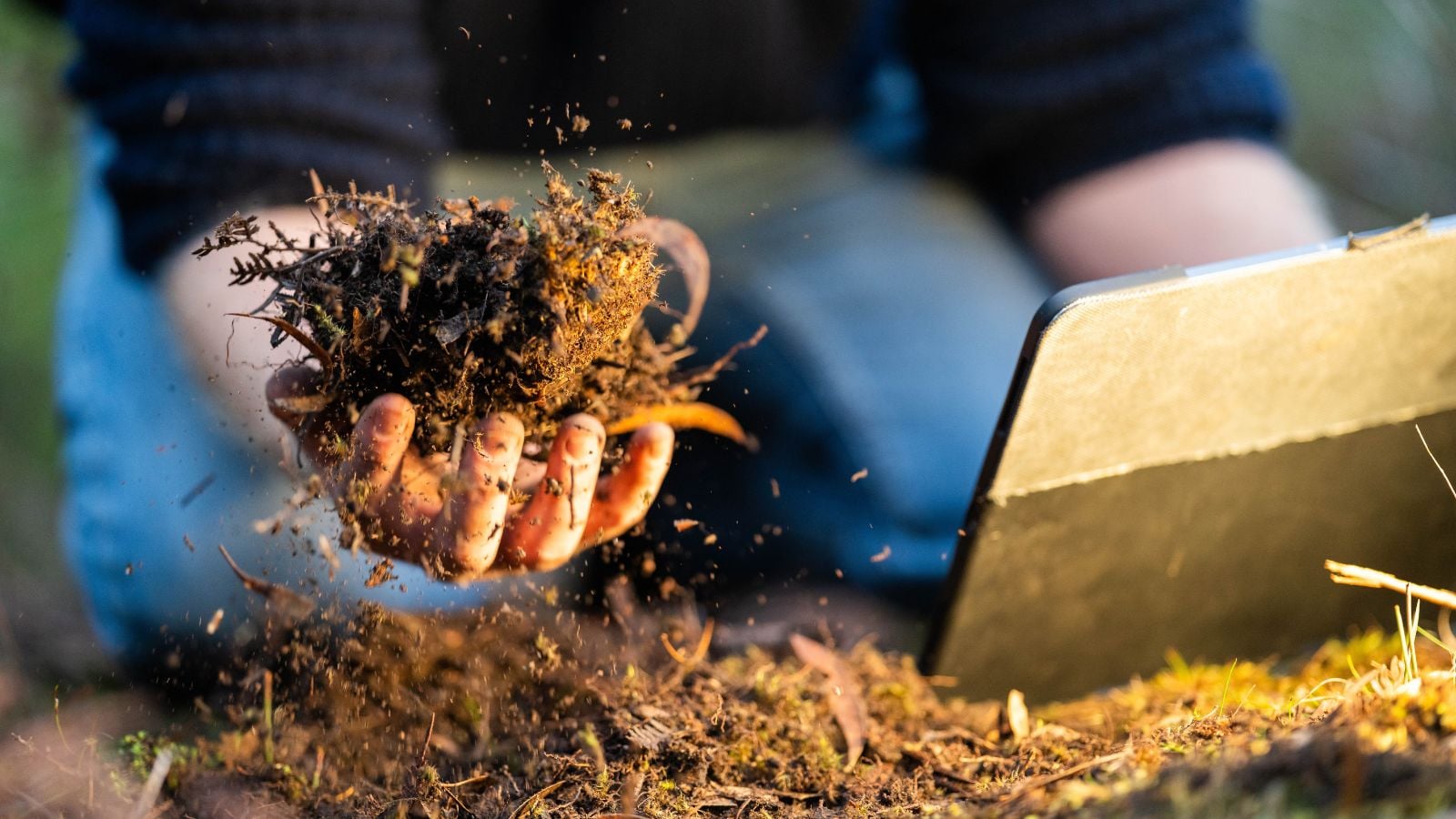
The only fertilizer star anise needs is aged manure or nutrient-rich compost applied in spring. Spread either one, or a mix of both, around the base of the tree in a one to two-inch layer, then water it in lightly. Avoid fertilizing in fall or winter, as this can damage or burn the tree.
Pruning

If you want to grow star anise as a shrub, prune the tips in winter. Remove no more than six inches per branch using sharp hand shears. Avoid electrical tools, as they can leave branches and long leaves looking torn or uneven. Prune weak branches as they appear, along with any diseased growth.
Star anise does not have special pruning requirements beyond basic maintenance. The pods do not need extra care, as gardeners harvest them while unripe, which is covered later. With light, regular pruning, the plant maintains its shape and highlights the strong ornamental value that makes star anise trees so appealing.
Propagation
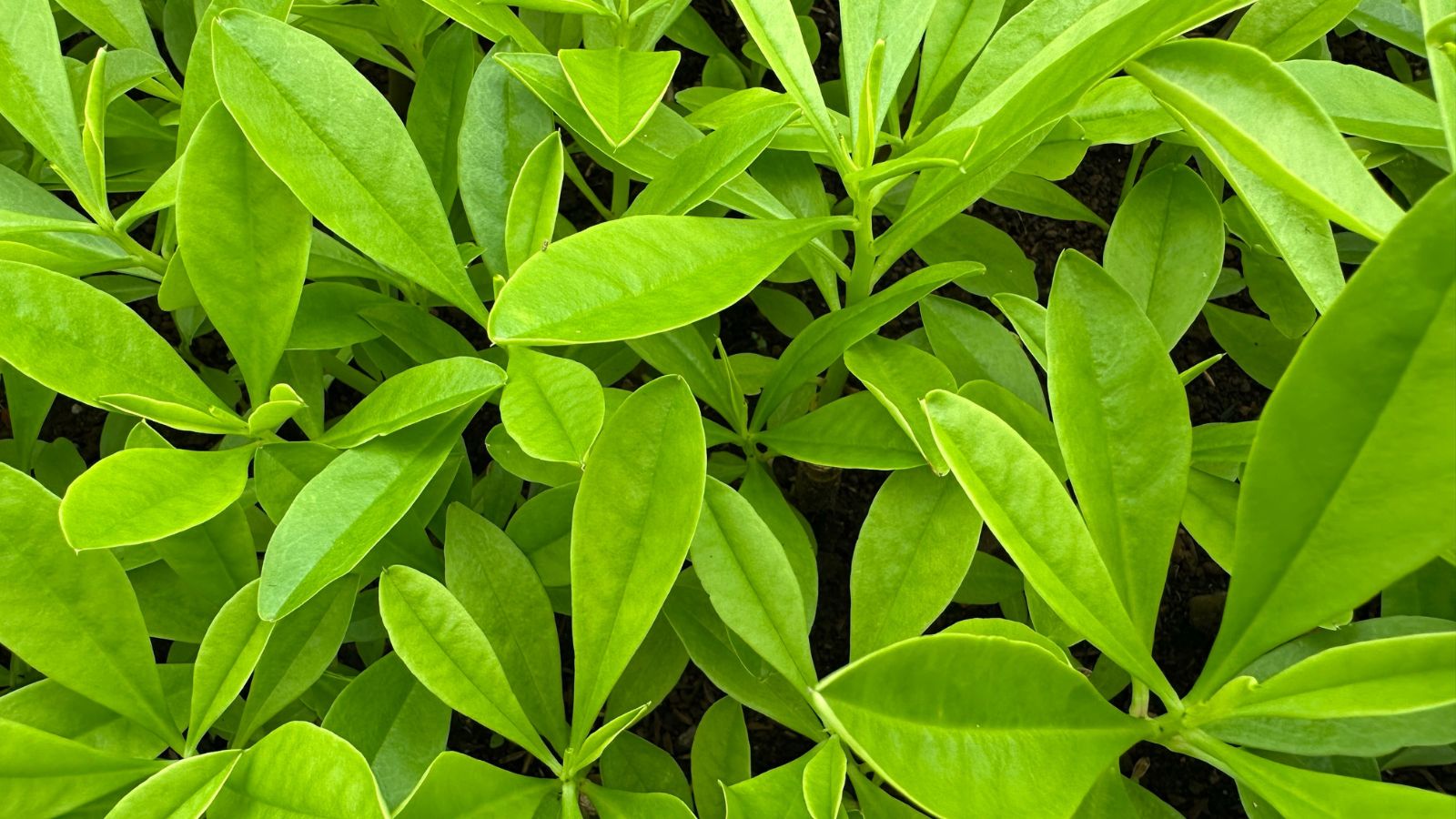
There are two ways to propagate and grow star anise from an existing plant. The first method uses cuttings. Remove a four-inch section of branch with a sharp knife and plant it in a soil mix made of perlite and sand or peat humus. Allow the cutting to root, and keep it healthy until the following spring, when you can plant it outdoors.
The second propagation method uses star anise seed. After harvesting and processing the pods, remove the seeds and test their viability by placing them in water. Seeds that sink are viable. Plant viable seeds one-half inch deep in potting mix, using one seed per pot. Keep the soil moist, and seedlings should emerge within four to eight weeks. Discard any seeds that float.
Harvesting
When you grow star anise, you are likely doing so to make star anise tea or star anise oil. If you have ever tasted star anise, you know that harvesting is one of the most rewarding parts of growing this plant.
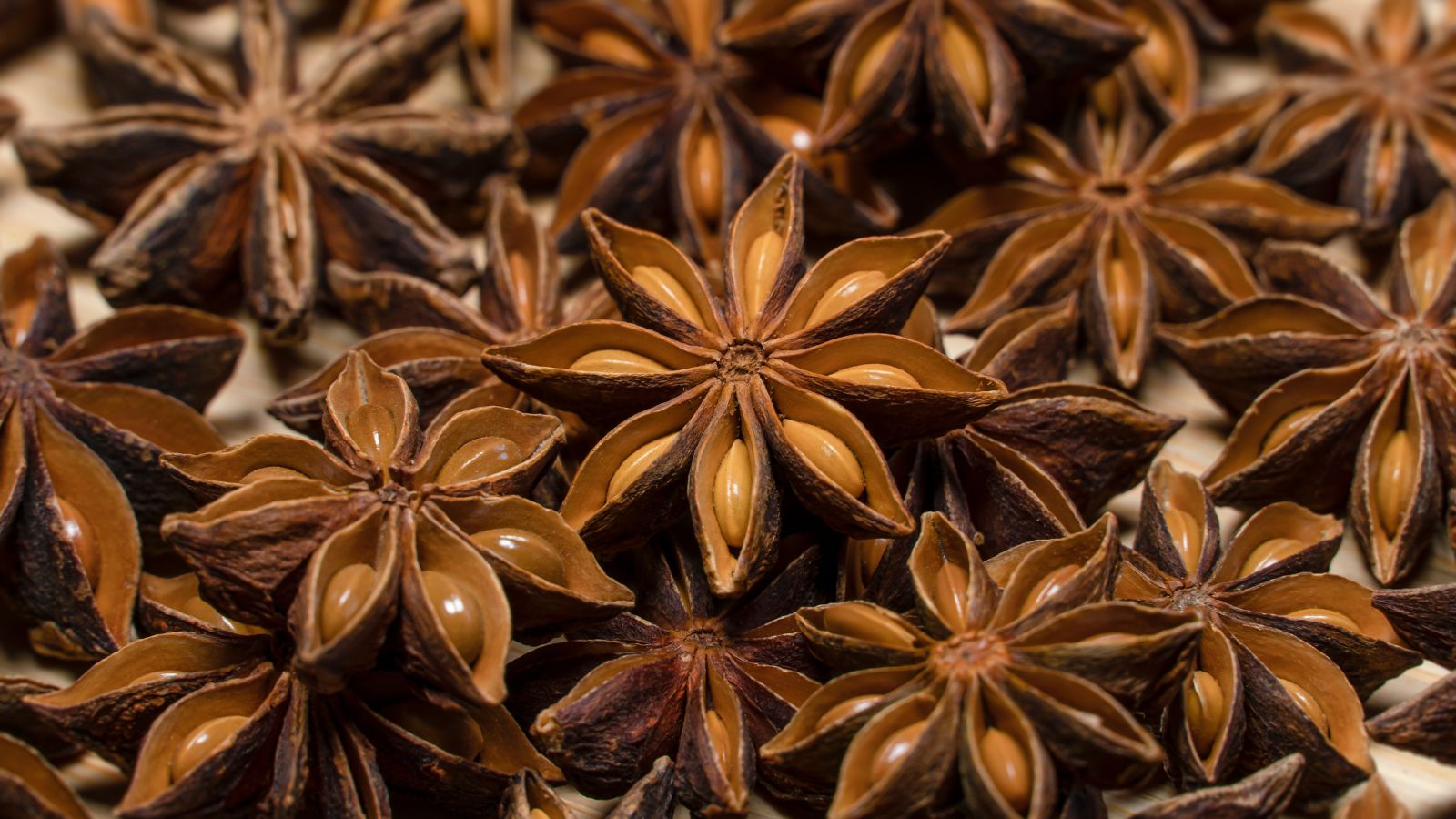
Once the pods appear and take on a rounded shape, remove them individually using garden shears and place them in the sun to dry. As the pods dry, they change from a rounded form into the familiar star shape. This transformation gives star anise its reputation for having “eight horns,” which refers to the points of the star-shaped pod. During this process, the pods also change color from green to reddish-brown.
As the pods mature, they split open, and the fruit inside becomes usable for flavoring dishes. To test readiness, remove a seed and pinch it gently. If you do not smell the distinctive black licorice aroma, the pods are not ready yet. Test again over the next few days. Once you detect that characteristic scent, the star anise is ready to use.
Storing
The flavor profile of star anise plays an essential role in Chinese cooking. If you have ever tasted star anise, the impact is unmistakable. This Chinese spice flavors dishes throughout China, many international cuisines, and Asian cooking more broadly. During winter, star anise also adds warmth and depth to hot wine.
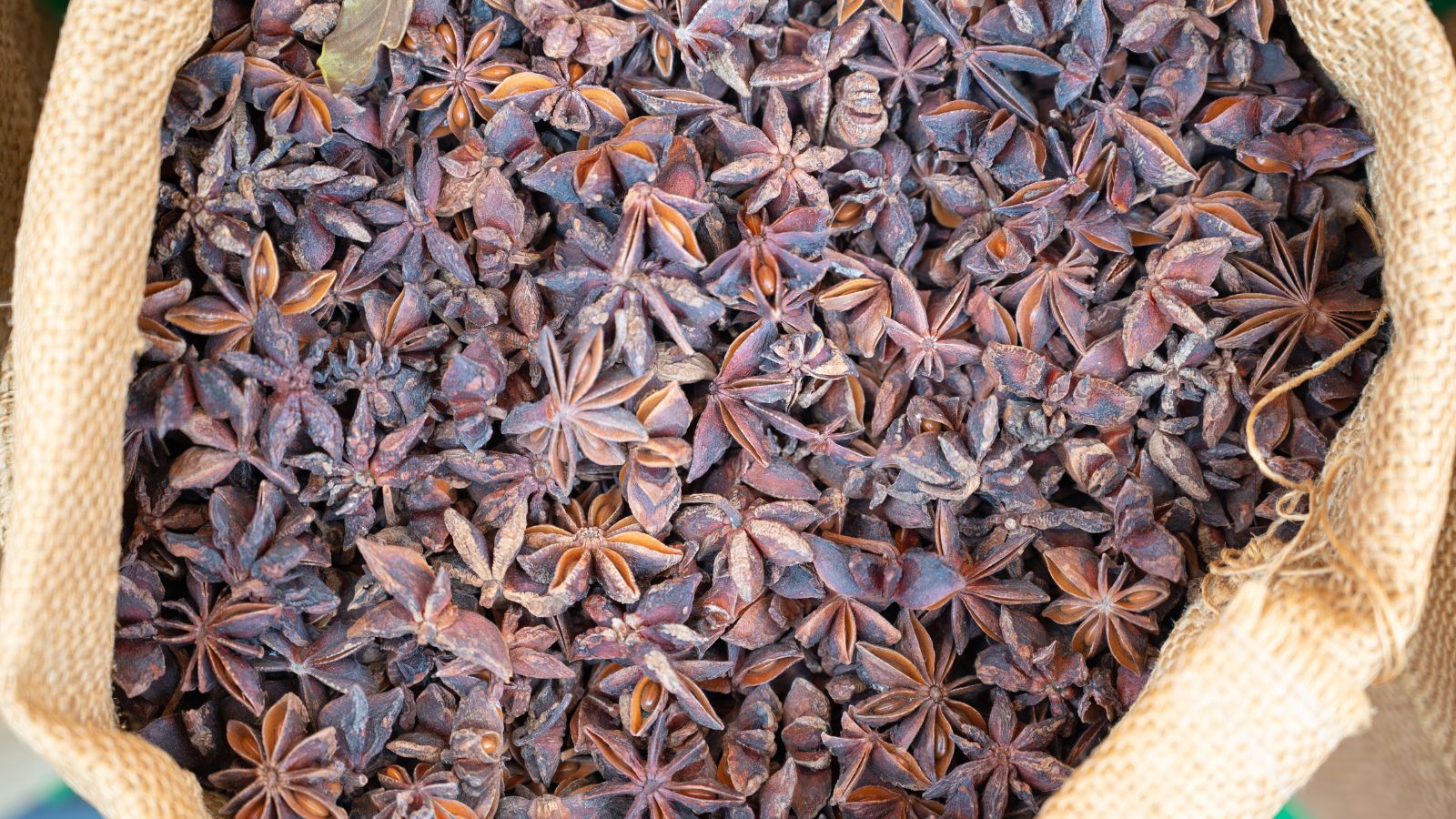
Proper storage is key once the seeds emerge from the pods. No matter how you choose to store them, always use airtight containers. If you leave the seeds inside the pods, star anise will retain quality for up to two years. When you grind the seeds, use them within one year for cooking or for their pest-repellent properties. Discard any seeds that no longer have the distinctive aroma, as they are no longer effective.
Troubleshooting
When you grow star anise, you’ll find there’s really not much to worry about in terms of difficulties. It’s a very hardy and pest-resistant plant. Here are a few things to consider.
Growing Problems
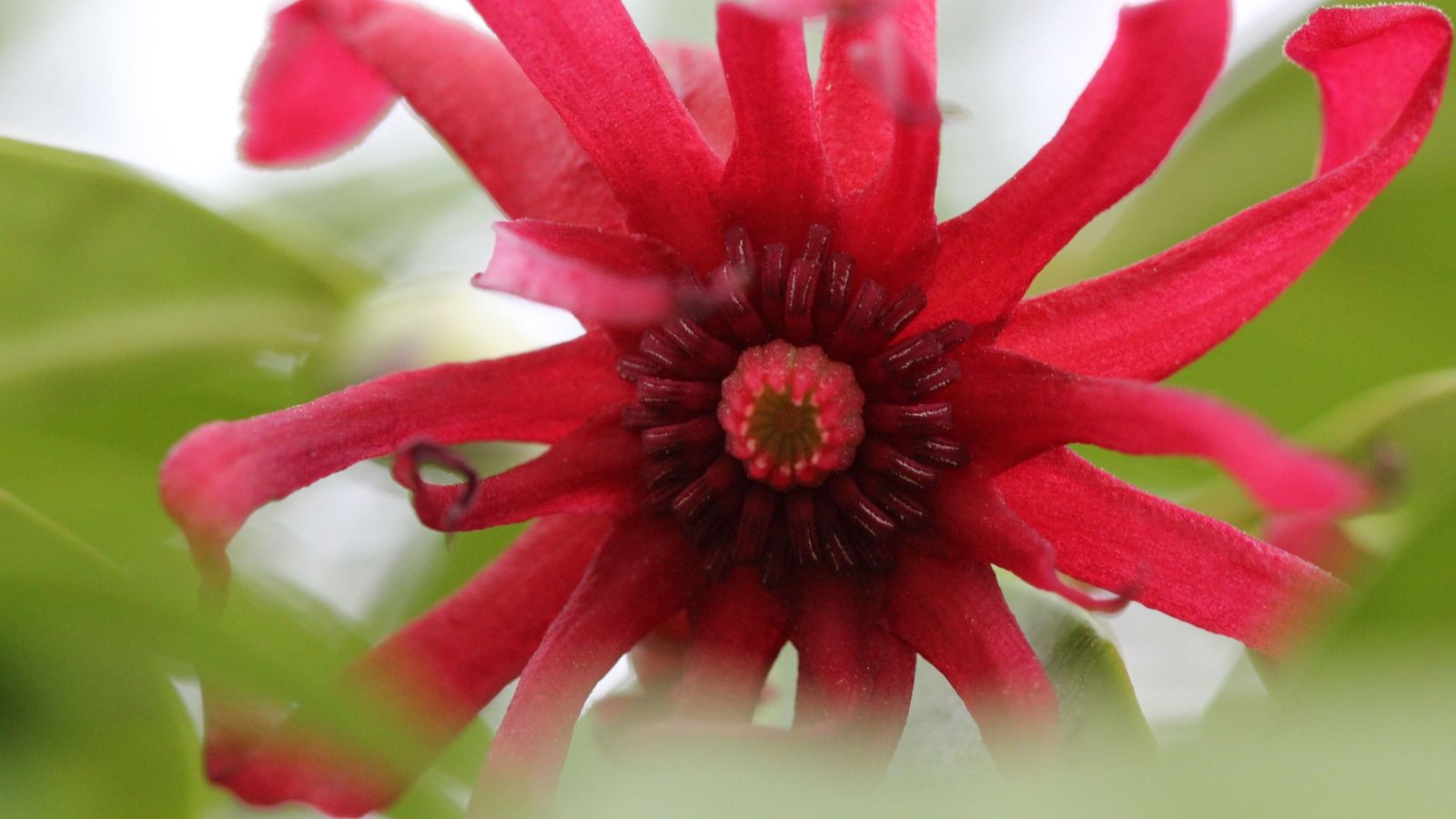
Grow star anise in a location that receives moderate light rather than intense, direct sun. Excess sunlight can scorch the leaves and stunt growth. In its native range, this tree thrives in subtropical climates under partial canopy cover.
Provide enough moisture to keep the plant healthy, but avoid overwatering. Too much water encourages mildew and other fungal issues. If you notice leaf scorch or signs of mildew, relocate container-grown plants or transplant the tree into a pot. This allows you to adjust placement and growing conditions without causing further stress or damage.
Pests & Diseases
Grow star anise and you will find very few pest issues to manage. This low-maintenance quality is one reason many gardeners choose to grow this tree.
Only two known diseases affect star anise (Illicium verum): Alternaria blight and downy mildew.
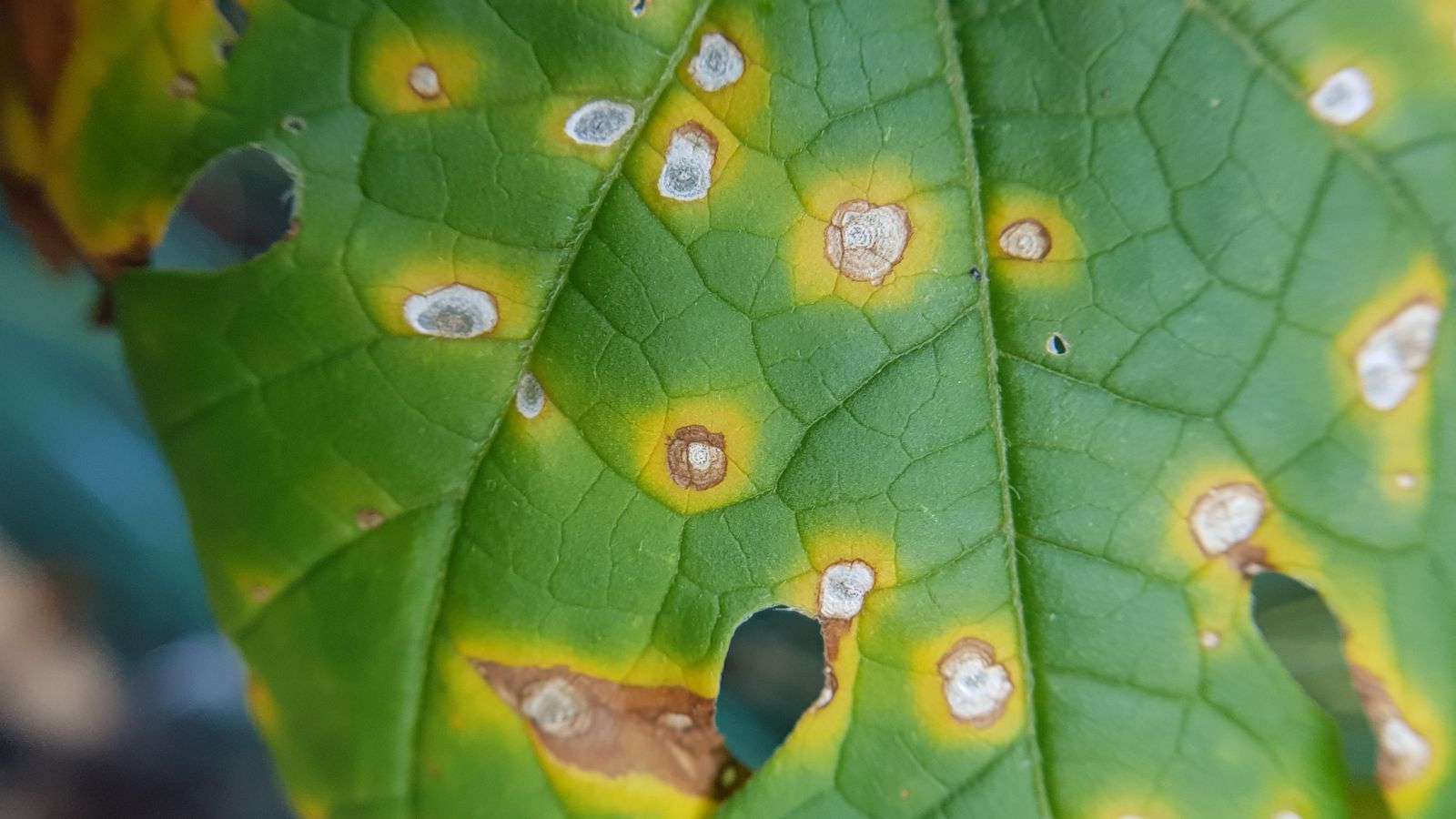
Alternaria blight most commonly affects star anise in China, but infected plants can enter home gardens through nursery stock. The disease begins as leaf spots with a pale ring and eventually causes the affected leaves to collapse. Treat Alternaria blight with weekly applications of a copper fungicide spray.
Downy mildew develops when growing conditions stay too wet for extended periods. Prevent this disease by watering at the soil level rather than overhead. Neem oil works well as a preventative treatment. At the first sign of downy mildew, apply a copper fungicide and remove any discolored or yellowing leaves and branches to slow the spread.
Frequently Asked Questions
How long does it take to grow star anise?
It can take at least 6 years for star anise to grow from seed fruit.
How does star anise grow in Australia?
Very well! It loves subtropical climates which are prevalent in areas of Australia.
Can you grow star anise in a container?
Yes! In fact, try this at first to see which area the tree is best suited to.





