How to Grow Split Leaf Philodendron in Pots and Containers
Split-leaf philodendrons are spectacular tropical plants, and they grow beautifully in containers, as long as they are large enough, that is. Join Florida gardener Melissa Strauss to learn how to grow this magnificent and massive plant in a pot or container.


Contents
Split-leaf philodendron is a striking and statuesque tropical evergreen known for its dramatic foliage. Its deeply lobed leaves can grow up to three feet long indoors with a width of two to four feet. Outdoors, a mature plant’s leaves may grow as long as five feet! The leaf stalks alone add another two to three feet, making this an impressive plant.
This species, Philodendron bipinnatifidum, is often mistaken for another popular houseplant, Monstera deliciosa. Unlike monstera, split-leaf has a clumping growth habit. Monstera, like some other philodendrons, has a vining habit. This growth habit earns the plant the nickname tree philodendron. Its woody stem becomes trunk-like as it ages.
Split-leaf philodendron is native to subtropical and tropical rainforests in South America. It will grow outdoors in zones 9-11, but in the United States, it is usually kept in a pot or container so you can relocate it in the winter.
Caring for a split-leaf philodendron in containers is most successful when you can mimic the environment it is native to. It’s not a difficult plant to grow and care for, if you know what it needs. Let’s talk about how you can grow this gorgeous plant in containers.


Step 1: Pick a Container

When it comes to containers for your split-leaf philodendron, size matters. This is one large philodendron, so it needs a spacious home. In addition to size, stability and drainage are important factors in selecting a pot.
Start with a pot that is two to four inches larger than the current root ball. A mature plant will need a pot that is about 18 to 24 inches wide. That’s a significant container! However, you don’t want to go too big too soon. An overly large container will hold too much moisture, and you can end up with root rot.
The material of containers is another important factor. Terracotta is beautiful. It ages nicely, it’s breathable, and it offers a heavy, stable foundation for this large plant. On the downside, its weight is a double-edged sword. It’s difficult to move around, so if this is an indoor-outdoor plant, it’s tough. They can also dry out too quickly indoors.
Plastic or resin is lightweight and affordable, and retains moisture well. This makes it convenient for moving in and out of the home. However, the lightness makes them less than desirable for large, top-heavy specimens.
Fiberglass is durable and typically lightweight. There are some attractive and stylish ones out there, and they are easier to move around than clay. These tend to be more expensive than plastic, though they don’t offer significantly more benefits other than aesthetics.
Stone or concrete is great for outdoor use. It’s heavy, so it’s stable enough to hold up a large, mature specimen. However, it’s the heaviest type of container, so it’s bad for any plant you need to move indoors.
Your container must have drainage holes, as split-leaf philodendron in containers hates soggy soil. If you’re using a decorative container with no holes, pot it first in a plastic container with drainage so that you can remove it to water it.
Choose a deep container with a wide base. As your split-leaf philodendron gets taller, it needs weight at the base to keep it from tipping over. A container with a rolling base is a plus if you plan on moving this one around.
Step 2: Prepare the Soil

Split-leaf philodendron in containers thrives best in soil that is similar to that on the rainforest floor. It should be loose, rich, and well aerated, while also holding some moisture. You want it to drain quickly, but not dry out too fast, or you’ll be watering often (since this is such a large plant). It also needs a slightly acidic environment.
You can simply purchase a pre-made aroid potting mix if you want to go the easy route. However, I know that many plant lovers like to mix their own. So here is a good recipe for a mix that will make your philodendron happiest in its container:
- One part peat moss or coco coir for moisture retention
- One part pumice or perlite for drainage and aeration
- One part orchid or pine bark
- A handful or two of compost or worm castings to raise the pH and nutrients
If you want something a bit simpler, you can start with two parts of high-quality potting soil. Add one part perlite and one part peat moss.

Step 3: Choose a Location

In the wild, split-leaf philodendron grows on the rainforest floor. It gets sunlight filtered through the canopy overhead, which is considered dappled sun. Indoors and in a container, this equates to what we consider bright, indirect (or filtered) light.
To achieve this type of light, you can place your plant near a sunny window. But keep it in a position where it doesn’t get direct sun, but is exposed to the light for many hours during the day. If this isn’t possible, and your plant will otherwise be in direct sunlight, you can use a sheer curtain to act as a filter.
Your split-leaf philodendron in containers will tolerate medium light, but it will lean toward the light source, and the leaves will be smaller. In direct sunlight, your leaves will grow large, but they are likely to get burned, causing yellow or brown patches.
One final consideration (and this applies to most houseplants) is that you want to rotate the container. If you leave it in one spot for too long, all the leaves will face the light source. Every few weeks, give it a quarter to half turn so that the leaves face different directions all the way around. You’ll have a more balanced and attractive plant this way.
Step 4: Water Regularly

Watering potted plants is always the trickiest part of care. This one needs balance, with soil that is consistently moist, but never soggy. Your container and soil play a significant role in this. A pot with proper drainage holes and soil that stays moist but drains quickly is imperative.
It’s difficult to give an exact amount of watering for any plant, as evaporation is influenced by the environment. More light and more heat will cause your soil to dry faster. More humidity or less light will keep it moist longer. The size of your container also influences watering. So there is no one-size-fits-all frequency of watering.
Instead of timing it, make a habit of checking your soil with a finger. Stick your finger about two inches into the soil. If the top inch or two is dry, it’s time to water. If it’s still damp, check again in a few days.
Your split-leaf philodendron won’t need the same amount of water during every season, either. In spring and summer, when it is actively growing, it will need more. In winter, it will be semi-dormant and need less water. Too much water when it’s dormant can equate to root rot.
Step 5: Manage Temperature and Humidity

Whether it’s in a container or in the ground, split-leaf philodendron prefers a similar temperature and humidity level as the tropical rainforest it’s native to. The ideal temperature range for this plant is 65 to 85°F (18-29°C). Dips below 55°F (13°C) can slow the growth and cause stress to the leaves.
Keep your container away from drafts, air vents, and heaters, as the fluctuations in temperature can cause problems. Leaf drop or yellowing are common symptoms of stress due to temperature fluctuation.
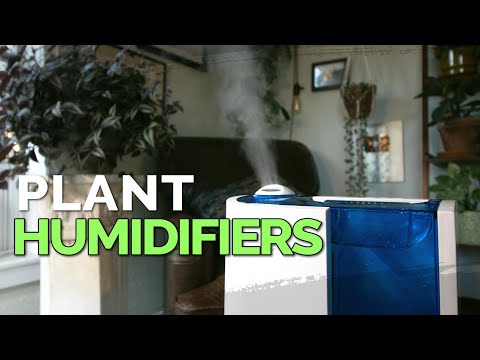
This plant loves humidity. It would be difficult to give it too much without doing damage to your home. While it will tolerate levels between 40% and 50%, it prefers more. Ideally, split-leaf likes to hang out between 60% and 80% humidity. It’s a great plant for a sunny bathroom.
Step 6: Feed

Fertilizer is a must for most tropical plants in containers. It certainly is for this one. It’s a large plant with giant leaves, and it needs to feed consistently during its growing season. However, it prefers a slow and steady method as opposed to occasionally heavy doses.
In spring through fall, feed your split-leaf philodendron in containers regularly. Once every four to six weeks is ideal. Use a balanced formula like a 10-10-10, diluted to half strength. You can also use a formula made specifically for tropicals.
As an alternative, you can use a slow-release granular fertilizer twice a year. One application in spring and one in mid-summer is just right. Use a balanced or slightly nitrogen-heavy formula for strong foliage growth. Mix it into the top inch of soil.
In late fall, you should reduce or stop fertilizing altogether. In the same way that it won’t use as much water while dormant, it won’t use many nutrients either. It’s easy for unused fertilizer to build up in your container and burn the roots.
Step 7: Prune

Growing a split-leaf philodendron in a container is a simple task for most of the year. If you pay attention to the rhythms of growth, you’ll have an easy time of it. Where pruning comes into play, you want to work on this plant just before it enters its active growth phase.
Now, throughout the year, it’s always good to remove damaged and yellowing leaves. These just drain energy that could be applied to new foliage. However, it can use some regular pruning in late winter, just before the spring growing season.
Remove any yellow or browning leaves first, always using a clean, sharp tool. If your philodendron is getting crowded and bushy, you can thin out some of the lower and inner stems to allow better air and sun penetration.
You can give it an overall shaping if you want to, trimming overgrowth or growth that is unevenly distributed. Removing aerial roots is a topic for some debate, but ultimately, you can leave them or remove them. Whatever makes you happy. They do help with moisture absorption and overall support, but they aren’t integral to survival.
Step 8: Repot as Needed

This is a moderately fast grower in warm weather, and grows more slowly in cooler temperatures. Inside the home, in a container, expect it to be moderate. Outdoors, it will grow faster. It does not like to be root-bound, as this makes it more difficult for it to take in water and nutrients (both of which it is fond of).
As it grows larger, the woody root system needs to spread out if you want the canopy to do the same. In general, you should repot this in a new, larger container every two to three years. When you notice the roots starting to circle the pot or grow through the drainage holes, it’s time.
When you repot, move up in container size by two to four inches. This is significant, but don’t go so large that you end up with moisture issues. Remember that a larger pot with a smaller plant will stay moist longer. This makes it easy to overwater.
Overall, you want to keep your split-leaf philodendron in a container large enough to accommodate its root system. However, you don’t want to end up with root rot, so don’t go overboard. Size up gradually.





