The Best Soil for Pine Cone Ginger Plants
Pine cone ginger is one of the most popular species of this spicy tuberous perennial. Like all plants, it has preferences when it comes to its environment. Join gardening expert Melissa Strauss to discuss what type of soil is best for your plant.


Contents
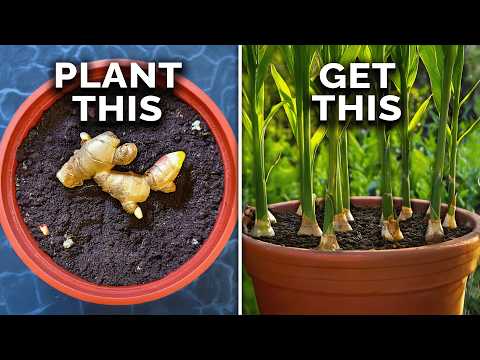
Pine cone ginger, which is also known as shampoo ginger or ‘awapuhi,’ is an attractive tropical perennial. Like other gingers, this one grows from an underground rhizome. These rhizomes or roots are the part we buy in the grocery store. From the rhizomes, large, flat, tropical foliage can grow as tall as seven feet.
The plant gets its name from the uniquely shaped red bracts, which resemble pine cones. They start out green and turn red as they mature. When gently squeezed, they release a sweetly scented liquid often used in skin and hair care. This is where it gets the nickname shampoo ginger.
While the rhizomes of this species of ginger are technically edible, they’re not the type you would ordinarily eat. They taste bitter, so they’re used more medicinally than in food preparation. Most gardeners grow it for its exemplary ornamental value.
When it comes to their needs, like most rhizomatic plants, soil is a major factor. Let’s discuss the ideal soil conditions for your pine cone ginger.


What’s the Best Soil For Pine Cone Ginger?
Like most plants that grow from rhizomes, pine cone ginger is at risk of root rot. It likes a lot of organic matter, but it needs to drain thoroughly. The ideal soil for this ginger, and most others, is rich, loamy, and well-draining. It should be consistently moist, but never wet, and slightly acidic.
Pine Cone Ginger Soil Requirements

To thoroughly understand the type of soil that is best for any plant, it’s good to consider where it grows naturally. It is adapted to this environment, so these are the conditions that make a plant happiest. Replicating your pine cone ginger’s native conditions will make it a low-maintenance and rewarding plant to grow.
Native Environment

Pine cone ginger is native to Southeast Asia and the Pacific Islands. To be more specific, it’s native to India, Malaysia, Indonesia, and Polynesia. It’s also naturalized in many subtropical and tropical regions across the world, including Hawaii. It grows in the wild in Hawaii and has cultural significance there.
Within its native and naturalized range, pine cone ginger grows in tropical rainforests and moist woodlands. It enjoys filtered or dappled sunlight through the overhead canopy and warm, humid weather throughout the year. It dies back in the fall and re-grows in the spring.
On the forest floor, it thrives in the rich, loose soil that is full of organic matter. Leaf litter from the trees provides a continuous supply of organic mulch. This earth remains consistently moist, but the high volume of organic matter keeps it loose and well-drained.
In these tropical conditions, pine cone ginger is accustomed to consistently warm temperatures. It prefers a range of 70 to 90°F (21 to 32°C). It also likes considerably high humidity, as much as 70% or higher. Regular tropical rain keeps the ground moist. In times of drought, this plant may go dormant.
Soil Needs

The best way to keep your pine cone ginger happy is to meet its needs as closely as possible. When we look at the type of soil it prefers, the overarching combination is rich, well-draining, moist, and loamy. This mimics the rainforest floor.
Pine cone ginger grows under the tree canopy, and this heavily influences the soil composition. A constant supply of leaf litter and other organic materials collects on the forest floor.
As they decay, these organic materials combine with the soil, enriching it with nutrients. That organic matter also creates a light texture that holds moisture but drains well. Additionally, organic matter lowers the pH, meaning that it makes the soil more acidic.
To create the ideal soil mixture for your pine cone ginger, we first need to determine whether you’re growing it in the ground or in a container. In zones 9 through 11, you can grow this in the ground year-round, and it will be quite happy. In zone 8, you may be able to keep it going with some extra winter protection. Otherwise, a container will be the easiest way to grow it.
Container

If you’re growing it in a container, it’s much easier to control your soil for pine cone ginger. You should start with a high-quality potting mix made for tropical plants. These are typically a combination of peat moss, coco coir, pumice, and sand.
This soil will be a bit dense for pine cone ginger, but it’s a good jumping-off point. Adding perlite or orchid bark will add the aeration it needs, and help with drainage.
If you prefer to start from scratch rather than with a pre-mixed soil, start with 40% rich loam or potting soil. Add about 30% organic matter. You can add compost, worm castings, leaf mold, or aged manure for this portion. Add 20% coarse material like sand, pumice, or perlite, and then 10% coco coir or peat moss.
In Ground

If you live in a warm climate, you may choose to grow your pine cone ginger in the ground. In most places, there is a good chance you’ll need to amend the soil. The soil on the rainforest floor is unique and especially well-structured for gingers.
First, test your soil to determine the composition and pH. The ideal soil pH for this plant is between 6.0 and 7.0, which is slightly acidic to neutral. In alkaline soil, you will run into nutrient uptake issues. Loamy soil will require the least amending, while clay or sand will require more, for opposite reasons.
Clay soil compacts easily, so your objective there will be to loosen it up and improve the drainage. Loosen the soil to a depth of 12 to 18 inches in a radius that is larger than your rhizome cluster.
Mix in generous amounts of compost or manure to add nutrients and maintain moisture. Add in some leaf mold or shredded bark to improve the structure and add a long-term nutrient source. Then mix in some coarse sand to improve the drainage.
Sandy soil doesn’t have drainage issues, but it typically has lower nutrient composition and doesn’t hold moisture well. Sand is a better place to start than clay, however, and this task will be easier.
The most important amendment for sandy soil for pine cone ginger is going to be organic matter. Adding compost adds nutrients and improves moisture retention. Aged manure makes the soil extra fertile and feeds the microbial life, improving the structure over time. Layer on two or three inches of these.
Coco coir and peat moss are excellent for creating an environment similar to the rainforest floor. They also help with moisture retention. Add a one to two-inch layer of one of these on top, and then mix all the layers together. Mix it well into the top 12 inches of your sandy soil.
Additional Care Tips

Once you create the right environment for your pine cone ginger, it’s an easy plant to care for. Whether you’re planting it in the ground or in a container, finding the right location is important. The right light can make or break this plant.
Light

On the rainforest floor, plants receive filtered or dappled light. It’s typically bright, but there is very little direct exposure. Too much direct sun will dry out and burn your leaves.
Ideally, filtered or dappled light all day is best. However, if this isn’t possible, aim for partial shade with sun in the morning. Afternoon shade will help prevent sun damage to your leaves. However, too little light will reduce flowering.
Temperature and Humidity

Your pine cone ginger prefers warm, consistent temperatures between 70 and 90°F (21 and 32°C). It will begin to go dormant when nighttime temperatures are consistently below 60°F (16°C). This is a plant that will need to come indoors in the winter in cooler climates.
It needs fairly high humidity, as well. 60% is about as low as you can go before the leaf tips start to turn brown. If you live in an arid climate, it will be difficult to grow ginger outdoors. Indoors, it works well in a bathroom or in a room with a humidifier.
Water

During the growing season, your pine cone ginger will need consistent moisture. The soil in a container dries faster than in-ground soil, so a potted plant needs water more often.
In the ground, regular rain should be sufficient once it’s established. It needs about an inch per week. In the absence of this amount of rain, make sure to water your ginger weekly to compensate. Water deeply when the top of the soil is dry.
When the plant goes dormant in the fall, reduce watering drastically. Only give it enough to keep the rhizomes from drying out completely. In a container, make sure that your pot has good drainage and water when the top of the soil is dry.
Mulch

Finally, give your plant some mulch. A layer of mulch twice a year will do the work of continuing to amend the soil. It locks in moisture, and as it breaks down, it aerates and feeds the soil. It also increases the amount of organic matter, lowering the pH.
Fertilizer

During the growing season, feed your pine cone ginger once per month with a balanced fertilizer. An organic option like fish emulsion or compost tea is a good option. Otherwise, use a balanced, slow-release formula.
When the leaves begin to enter dormancy, they will turn yellow. When this starts, stop fertilizing and don’t give any more water than you need to keep the rhizomes healthy.