7 Slow-to-Germinate Plants to Start From Seed in January
January is a good time to get started on much of the spring garden, but it’s especially good for seeds that take longer to germinate. Experienced gardener, Sarah Jay, covers seven of these slow-to-germinate plants you should start now.


Contents
Seasoned flower gardeners know a successful season starts even when it’s too cold to grow outdoors. In January, it’s a perfect time to start slow-to-germinate plants so your seedlings are ready to go when the soil and air are warm enough for transplanting.
We can’t cover every single plant that takes a long time to sprout, but we can cover at least a few of the most popular ones to grow. Whether you decide to grow these indoors in a seed starting station or in a winter sowing operation is up to you.
But make note of these, and while you’re at it, take a look at the seed packets of the other plants you want to grow this year. Make note of the ones that take longer to emerge. Here, we focus on those slow-to-germinate plants to start in January that take at least two weeks to emerge, and up to over a month.

Candy Cane Chocolate Cherry Sweet Pepper
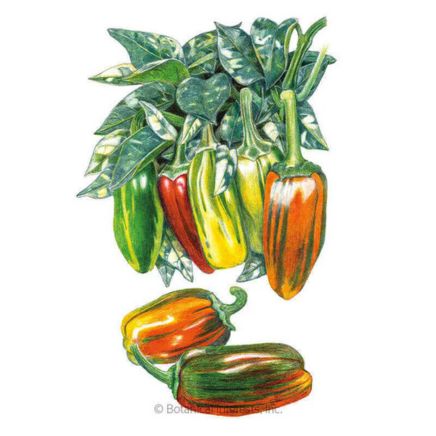
Candy Cane Chocolate Cherry Sweet Pepper Seeds


Parsley


|
botanical name Petroselinum crispum |
|---|---|

|
sun requirements Full sun |

|
height 8”-3’ |

|
hardiness zones 2-11 |
If you want to grow one of the most delicious and adaptable herbs, sow some parsley. Do it as soon as possible, and you’ll have tons to harvest in spring. Both Moss-Curled parsley and flat leaf varieties like ‘Italian Giant‘ take two to four weeks to germinate. Sow them on a heat mat, and transplant them into a larger pot when they outgrow their initial cells.
Most sources recommend sowing directly outdoors, but you can grow yours indoors in a container to be set outside as soon as the soil temperature is above 50°F (10°C). I’ve found that growing mine in a container prevents unwanted feeding.
I follow my parsley growing with some direct sowing in my garden beds. These fully-outdoor plants grow and flower, supporting swallowtail butterflies as they make their way through the garden. In this way, I can share parsley with them.
Peppers

|
|
botanical name Capsicum spp. |
|---|---|
|
|
sun requirements Full sun to partial shade |
|
|
height 1-4’ |
|
|
hardiness zones 3-11 |
While one pepper plant can yield multiple harvests throughout the year, it’s always a good practice to start them indoors in January. These seeds are not always slow to germinate, but they can take up to a month to emerge. Best-case scenario, they emerge in ten days.
If you’re a spice hound who loves a full flavor, the Scotch Bonnet is a good plant to grow. For something not as spicy, but just as flavorful, go for a Mini Red Bell Pepper. You’ll need a heat mat for growing these, and after they emerge, they require lots of direct light.
Lupine

|
|
botanical name Lupinus spp. |
|---|---|
|
|
sun requirements Full sun |
|
|
height 1-5’ |
|
|
hardiness zones 4-8 |
If you like a challenge, try growing lupines! The challenge comes from their need to be cold stratified before sowing. Most guides recommend sowing these outdoors directly in the soil where they’ll grow. If you live somewhere with cold winters, this is an easy way to ensure you have lots of flower spikes in spring.
You can start these slow-to-germinate plants in January indoors, but you’ll have to simulate the cold, moist period that helps them emerge. You need at least two and a half months in your refrigerator in a substrate. Then sow them in flats. They take up to five weeks to emerge, though you’ll notice a much better germination rate with stratification (whether simulated or outdoors).
If you live in colder areas, grow ‘Russel‘ hybrids. In the southeast, Bluebonnets are lovely. If you live outside the western portions of the US, avoid growing western lupine. It tends to invade natural areas outside its native range.
Lisianthus

|
|
botanical name Eustoma grandiflorum |
|---|---|
|
|
sun requirements Full sun |
|
|
height 1-3’ |
|
|
hardiness zones 8-10 |
Even flower growers bordering the Arctic regions are starting their lisianthus now. That’s because sowing recommendations suggest sowing 10 to 12 weeks ahead of the last frost. While most seed packet info says they’ll sprout in 10 to 15 days, it can take up to three weeks or more if conditions are chilly.
Flower farms love to grow lisianthus due to their resemblance to roses. They have a lovely fragrance, and they’re easier to care for, but they do take a long time to mature before planting out. In zones 8 through 10, sow them now to have perennial lisianthus. Otherwise, they’re annual.
Lavender

|
|
botanical name Lavandula spp. |
|---|---|
|
|
sun requirements Full sun to partial shade |
|
|
height 1-3’ |
|
|
hardiness zones 5-9 |
Among the rest of the plants on this list, lavender is the wildest of cards. In optimal conditions, seeds sprout within a couple of weeks, but they can take up to three months to do anything at all. This is why lavender gets the reputation it has for being finicky to grow from seed.
Despite some info floating out there, you do not need to cold stratify lavender seeds to get a good germination rate. You need consistent soil temperatures and lots of light from a good light source. So whether you go for cold-tolerant ‘Munstead‘ or a standard English variety, have your grow light handy.
Rosemary

|
|
botanical name Salvia rosmarinus |
|---|---|
|
|
sun requirements Full sun |
|
|
height 4-5’ |
|
|
hardiness zones 8-10 |
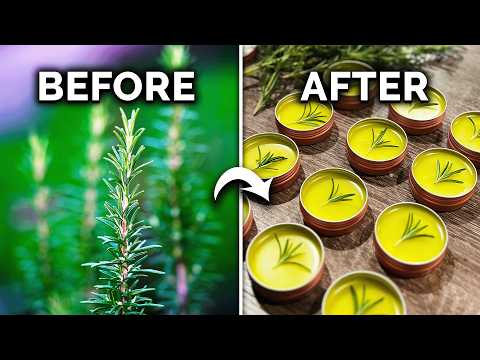
Growing rosemary is delightful. This hardy plant can take on intense heat and emerge from summer even more exuberant. But get your rosemary seeds started now if you want to plant them out before it gets too hot or cold, depending on where you live.
It takes about two to four weeks for rosemary seeds to sprout. Give them some warmth and plenty of light to get them going. Then let yours grow multiple feet over multiple years. You can begin harvesting when you have a few stems with at least a few inches each.
Milkweed

|
|
botanical name Asclepias spp. |
|---|---|
|
|
sun requirements Full sun |
|
|
height 1-4’ |
|
|
hardiness zones 3-9 |
Choose a milkweed native to your region to grow. Then, cold stratify the seeds for at least a couple of months. You can do this by sowing them outdoors right now in zones that have two months of freezing and close-to-freezing weather remaining. If you live in a frost-free zone, it’s likely your native milkweed doesn’t require cold stratification.
Growing these plants ensures monarchs have food and a place to lay their eggs. You can simulate the cold stratification requirements at home by placing your seeds in a plastic bag with substrate and leaving them in the refrigerator for two months. Then press them into flats and provide warmth and light to watch them grow.
Butterfly milkweed is the easiest to find and most widespread of the milkweed species of North America. There are tons out there, and if you consult your local Native Plant Society, they can point you to a source for native milkweed.





