How to Plant, Grow, and Care For ‘Siam Queen’ Basil
'Siam Queen' Thai basil is wonderfully aromatic and has a delightfully spicy kick. If you want basil with a little something extra, it’s an excellent addition to your herb garden. In this article, gardening expert Melissa Strauss discusses how to grow and care for this tasty herb.


Contents
Thai basil is an excellent choice if you adore sweet basil but want to experience something a bit more exotic and nuanced. It has a similar aromatic quality and sweet flavor, but an underlying peppery flavor makes it an extra-rich and dynamic herb in the kitchen.
Many Asian cuisines lean on this fragrant basil for the flavor and the way it stands up to cooking. It’s sturdy and retains its constitution well under pressure. Fresh or cooked, Thai basil is an herb that suits a wide variety of culinary delights.
Sweet Thai Basil

Sweet Thai Basil Seeds
Thai basil is a popular herb in Southeast Asian cuisine and is a flavorful garnish served with Vietnamese pho (a savory broth of noodles and meat).
Buy at Botanical Interests Shop‘Siam Queen’ Basil Overview

|
Plant Type
Herbaceous perennial
Family
Lamiaceae
Genus
Ocimum
Species
Basilicum var. thyrsiflora
|
Native Area
Southeast Asia
Exposure
Full sun
Height
1’-2’
Watering Requirements
Moderate
|
Pests & Diseases
Aphids, Japanese beetles, leafminers, slugs, bacterial leaf spot, fusarium wilt, downy mildew
Maintenance
Low to moderate
Soil Type
Rich, moist, well-drained
Hardiness Zone
3-11
|
What Is ‘Siam Queen’ Thai Basil?
Spicy, sweet, and stunning, ‘Siam Queen’ is a standout variety of Thai basil that receives accolades for its use in the culinary arts and its ornamental value in the garden. This beautiful cultivar won the title of All-America Selections in 1997 and remains popular nearly 30 years later.
It’s renowned for its excellent vigor and slow bolting nature. Pollinators go crazy for the sweet-smelling purple blossoms that provide plenty of nectar. This large, robust, and flavorful herb is wonderful in the garden and on the table.

Characteristics

‘Siam Queen’ is an improved Thai basil variety with a compact, shrubby shape and rich, anise-laced aroma and flavor. Don’t let the word compact fool you, though. This plant produces an excellent yield. It’s also slow to flower, so you can continue to harvest it for a longer period than other cultivars.
The foliage is slightly lanceolate to ovate and rich, olive green. The stems are purple, and the lightly serrated leaves echo this when they are immature. In late summer, showy, tubular purple flowers top the stems for beautiful ornamental value at the end of the season.
Thai basil is a frost-sensitive annual and a perennial in zones 10-11. ‘Siam Queen’ is highly heat tolerant and stands up well to high humidity, too. The flavor is similar to the aroma; sweet basil topped with peppery, licorice notes.
Native Area

Thai basil, as you might expect, is native to Southeast Asia. It may have originated in India or Asia, and is now popular worldwide. Because of its culinary and ornamental value, it is popular among home gardeners.
Planting
It’s easy to grow ‘Siam Queen’ Thai basil from seeds, as it’s a fast grower, but you can sometimes find starts at the local nursery in spring. It’s best to start your seeds about a month before your last frost date indoors, but you can also directly sow the seeds once the soil temperature reaches 60°F (16°C). I recommend spring planting for this warm-weather annual.
Transplanting

Transplant your seedlings or starts after the soil reaches 60°F (16°C) and the nighttime temperatures are above 50°F (10°C). While slightly lower temperatures won’t necessarily kill it, it will slow down the growth.
This basil is an excellent container variety, but if you want to plant more than one in a space, make sure to give them about 12″ in between. If you plan to succession sow, plant seeds every three weeks, in three to four plantings.
Growing From Seed

Because they are tiny and need light to germinate, we recommend sowing your seeds indoors, at least a month ahead of transplanting. You can directly sow them outdoors, but wait until the soil is at least 60°F (16°C) before you do so.
Sow your seeds in a well-draining seed starter and place them either under grow lights or in bright but indirect light. I like to moisten the soil ahead of time using a spray bottle. This helps prevent water from dislodging the tiny seeds before they germinate.
Lightly press seeds into the surface of the soil; don’t cover them, or they won’t get the light they need. Place them under grow lights or set them in a warm spot with bright but indirect light until they sprout. It takes five to ten days for basil seeds to germinate.
After they sprout, you can set your seedlings in full, direct sunlight for six to eight hours daily. Once the nighttime temperatures are consistently at 50°F (10°C) or higher, you can harden off your seedlings by gradually exposing them to the outdoors. Start with an hour and double the time outdoors every day. This will help strengthen them against the elements.
How to Grow
‘Siam Queen’ Thai basil is easy to grow with sufficient light, nutrients, and water. It grows well in containers, but is tough enough to grow directly in the ground.
Light

In general, Thai basil prefers a lot of sun exposure. In cooler climates, it will be just fine if it gets sun all day. In warmer climates, try to place it in a location that receives some respite in the afternoon to prevent leaf scorch. When the leaves are dry, they will burn easily. Six to eight hours of sun, early in the day, is optimal.
Water

This plant likes moisture. You don’t want soggy soil, but as long as you have proper drainage, you can water frequently. You don’t need to water deeply as they don’t have deep roots, but the soil should be evenly moist. Your basil will let you know if it’s dry by wilting. Once established, Thai basil tends to be more drought-tolerant than sweet basil.
Soil

When it comes to soil, your basil prefers rich soil that is high in nutrients and organic material. It should be well-draining, but also able to hold some moisture. In terms of pH, it does best in soil that is neutral to slightly alkaline. In containers, make sure you have at least six inches of soil, in terms of depth, for the roots to develop.
Temperature and Humidity

For the most part, your ‘Siam Queen’ basil will do its best growing in the range of 65-85°F (18-29°C). Below 50°F (10°C), you will see slowed growth, and if the temperature drops below 40°F (4°C), some damage may occur. It’s not a frost-tolerant plant in the least. In times of high heat, make sure you give sufficient water, as too much heat can cause stress.
Thai basil likes moderate to high humidity. It’s happy in a range of 40-70%. While it doesn’t need excessive moisture, it’s difficult to grow in arid climates. In drier areas, you could have difficulty with this plant.
Fertilizing

Nitrogen is the key nutrient your ‘Siam Queen’ basil needs the most. However, a balanced formula will work just fine. Organic fertilizers are best as they are gentler, and this is an edible plant, so chemical fertilizers aren’t ideal.
For in-ground plants, add some balanced fertilizer to the soil at planting time and then every two to three weeks. Be careful not to overdo it, or you’ll end up burning the roots. For potted plants, the schedule and type of fertilizer are the same. Indoors, fertilize less frequently—about once every six to eight weeks is sufficient, as you’ll water less often.
Maintenance

When your basil plants have three sets of true leaves, pinch off the top set to encourage branching. Once it branches, allow the two new stems to grow two sets of leaves, and again, pinch off the top set. This will give you a fuller, bushier plant in less time.
How much pruning you do will depend on whether you grow this plant for eating or ornamental value. If you’re growing it as an edible, pinch off the tops of stems often, and don’t allow it to flower. Flowering takes energy away from the foliage and, as a result, some of the flavor.
If you’re growing your ‘Siam Queen’ for ornamental value, pinch it while it’s young to attain that shrubby shape, but then stop pruning. Once it’s branched a few times, allow it to flower. Pollinators love this herb with its fragrant purple blossoms. Feel free to deadhead spent flowers to keep them coming throughout the summer and into the fall.
Propagation
You can propagate Thai basil by cuttings or division, but as easy as it is to grow from seeds, that is the most common method. Propagating from cuttings is also simple, though, and if you want to grow more plants later in the season, this is a good alternative method.
Cuttings

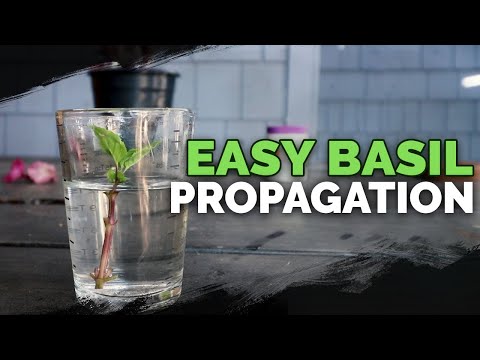
Rooted cuttings are an easy way to multiply your basil once it’s mature and has plenty of growth to spare. You can root cuttings in water fairly quickly.
Select healthy stems and make your cuts just below a leaf node. Snip off the leaves from that node and place the cutting in water. Watch for roots to emerge. This should take a few weeks.
Once your cuttings have substantial roots, you can transplant them into a well-draining soil mix. Bury the roots lightly and keep the soil moist but not soggy. Initially, your plant will thrive best in bright indirect light. Once it starts to grow, you can move it to a location with direct sunlight.
Division

You can divide a mature basil plant, but it’s usually more work than it’s worth. Since basil is an annual in most climates, you won’t have an opportunity to divide unless you’re bringing it indoors for the winter.
Potted plants are not difficult to divide, and you may want to do so when repotting. Simply shake off the soil from the roots and gently separate into sections. Make sure that each division has some roots and some top growth.
Re-pot each division in its own container with fresh soil and baby them for a while. Expect some wilting foliage, and trim those portions off to help the plant apply energy to new, healthy growth. Keep the soil moist and avoid heat stress while these new plants are establishing roots.
Common Problems
It stands to reason that with its tasty, aromatic leaves, some pests may find your ‘Siam Queen’ appealing. Additionally, there are several fungal and bacterial diseases to keep an eye out for.
Pests
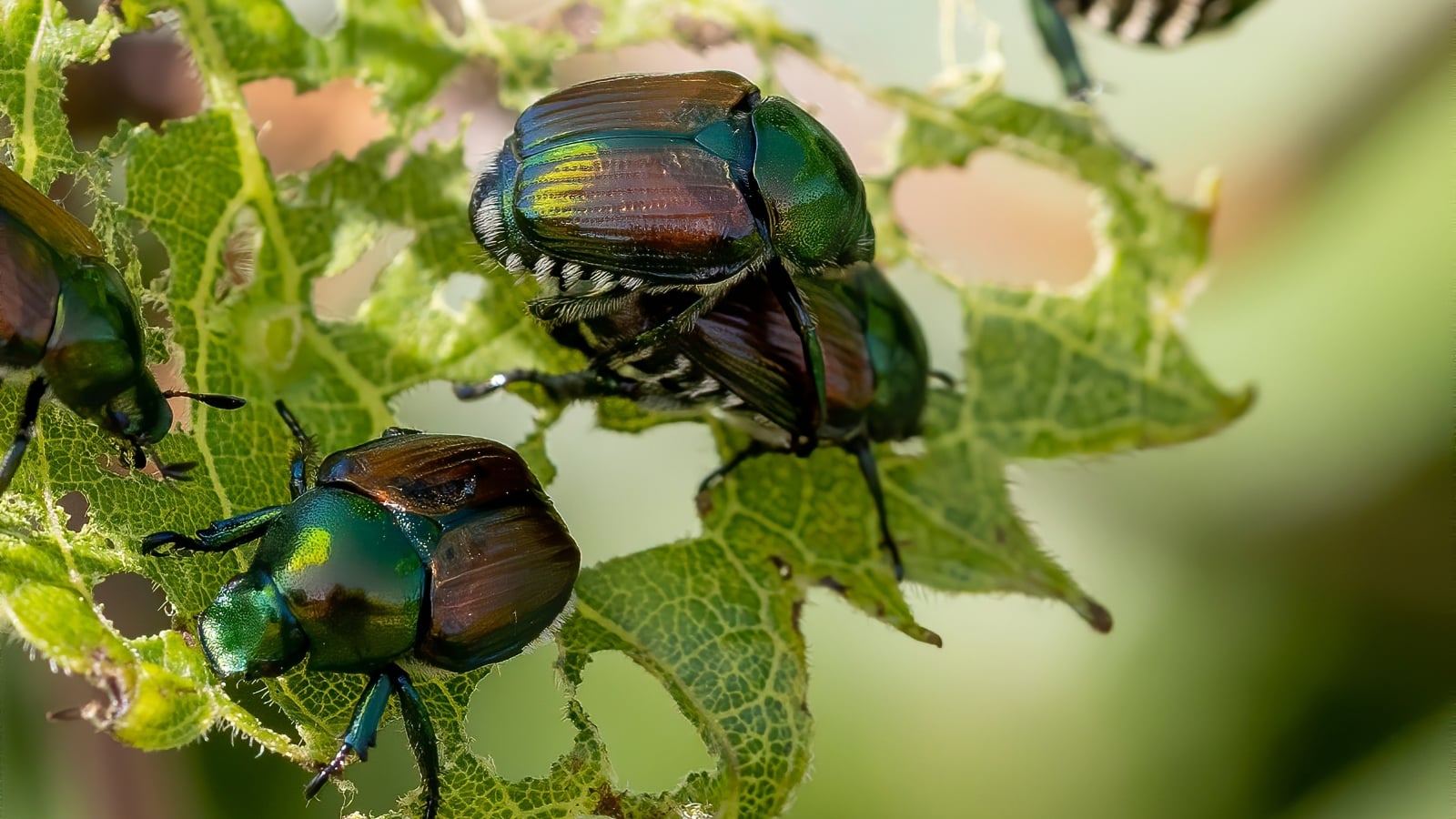
The most common pests that attack Thai basil are aphids, slugs, Japanese beetles, and leafminers. Thrips, earwigs, cutworms, and flea beetles are other potential threats to your plant. Beetles typically leave holes in your leaves, as do snails and slugs. Earwigs also leave holes, but theirs appear jagged rather than smooth.
If you notice the foliage looking sad and yellow, you could have an issue with a sap sucking insect like thrips or aphids. Thrips are harder to spot, but aphids are typically visible and like to hide under leaves where the tissue is softer.
Hand removal is usually effective for large insects. For the smaller ones, predatory insects will typically take care of them, and the plant will survive as long as it starts out healthy.
In the event of a continued infestation, apply neem oil in the late afternoon. It’s best if it dries before the pollinators return in the morning. Avoid spraying while in bloom. Diatomaceous earth is excellent for warding off slugs, snails, and flea beetles. A strong stream of water from a hose will knock aphids off the plant and eliminate them.
Diseases

Most fungal diseases result from overwatering or a lack of air circulation. They are also curable or treatable by removing the affected foliage and adjusting one’s watering habits.
Gray mold, caused by botrytis, and powdery mildew are not serious. Remove any affected foliage and spray the plant with neem oil or a copper-based fungicide. Avoid overhead watering; if the foliage is especially dense, thin it out in the interior to increase airflow.
Fusarium wilt is an exception to fungal diseases as a minor issue. This fungus is incurable and remains in the soil. This shows up as yellowing leaves, stunted growth, and brown streaks on the stems. Remove the plant entirely and dispose of it away from other plants. If it’s in a container, dispose of the soil. In the ground, avoid planting in that area for several seasons.
Bacterial leaf spot isn’t usually a significant issue. You may see small brown or black spots on the foliage and potentially yellow halos or streaks on the stems. Remove the affected foliage and avoid overhead watering.
Bacterial wilt is more serious and not curable. If your plant suddenly wilts for a reason that doesn’t appear to be environmental, it could be bacterial wilt. Remove and dispose of these plants to avoid spreading the disease.
Frequently Asked Questions
What can you plant ‘Siam Queen’ with?
Thai basil works well with other herbs in the kitchen garden. It also improves the flavor of tomatoes, so the two make excellent companions in the vegetable garden.
Is Thai basil safe for pets?
Yes, this plant is edible for people and pets alike.
Why is my basil wilting?
The most common culprit for wilted basil is dehydration, though too much sun and heat can also cause your plant to wilt.