13 Beautiful Shrubs You Can Plant in November
It’s not too late to plant shrubs in November. Join farmer Briana Yablonski to learn some shrubs you can get in the ground in late fall.


Contents
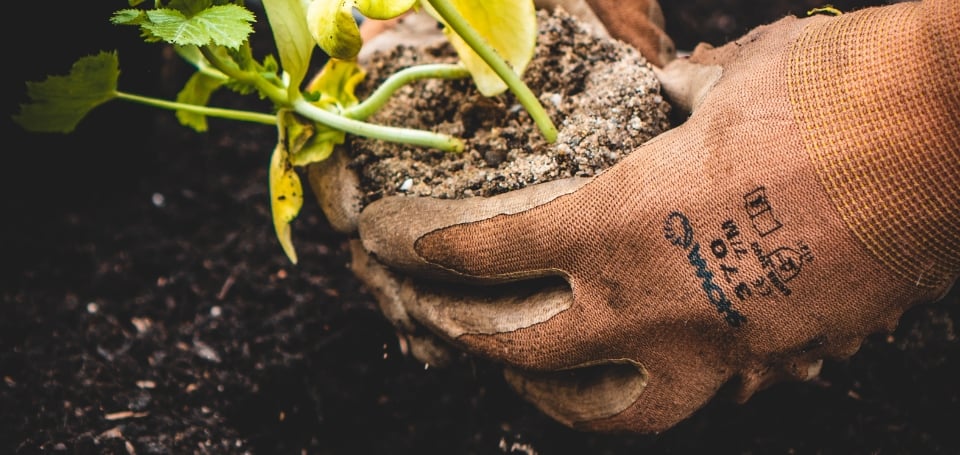
The cooler temperatures of fall make it an excellent time to plant new shrubs in November. The cool air and still-warm soil create an ideal environment for root growth, allowing the plants to settle into their new home without extreme heat or cold stress.
Aim to plant shrubs four to six weeks before your first fall frost. If you live in zones eight and above, November is an excellent time to plant shrubs. Growers in zone seven can also plant shrubs in November, as long as they provide their plants with a thick layer of mulch after planting.
I’ll cover more than a dozen shrubs to plant in November and enjoy the following year. Many of these shrubs are suitable for warmer climates, making them a good fit for November planting dates.
Winterberry


|
botanical name Ilex verticillata |
|---|---|

|
sun requirements Full sun to full shade |

|
height 3-15’ |

|
hardiness zones 3-9 |
Winter landscapes often look a bit drab, but adding a winterberry to your yard helps brighten things up. The shrub features clusters of bright red berries that last into the winter, providing a pop of color and food for wildlife. Although winterberry is a type of holly, it loses its leaves during the fall, allowing the berries to stand out.
If you want to enjoy the red fruits, be sure to plant both a male and a female plant. Only the female plants produce berries, but they require a male plant for successful pollination.
American Beautyberry

|
|
botanical name Callicarpa americana |
|---|---|
|
|
sun requirements Full sun to partial shade |
|
|
height 3-8’ |
|
|
hardiness zones 6-10 |
American beautyberry is a stunning shrub native to much of the south-central and southeast United States. The straight species is commonly used in ecological native plantings, but you can also find new cultivars that produce berries of various colors.
The plant produces multiple arching stems that grow up and then gently cascade toward the ground. Green leaves cover the stems in the warmer months, and the plants produce small pink or white flowers in the spring. Eventually, the flowers turn to small green berries that ripen to bright purple.
These native shrubs to plant in November can tolerate a variety of soil types, but they thrive in moist yet well-draining soil. It mixes well with other shrubs or native perennial herbs.
Virginia Sweetspire

|
|
botanical name Itea virginica |
|---|---|
|
|
sun requirements Partial shade |
|
|
height 3-8’ |
|
|
hardiness zones 5-9 |
Native to the southeast US, Virginia sweetspire provides beauty throughout the spring, summer, and fall. In the spring, the shrubs’ gently arching branches become covered with vibrant green leaves. Long clusters of tiny white flowers appear in the late spring or early summer, and the foliage turns shades of gold and crimson in the fall.
Virginia sweetspire can tolerate a variety of challenging conditions, including wet soil and heavy clay. Therefore, it’s a great shrub to plant in November if you’re dealing with poor soil.
Summersweet

|
|
botanical name Clethra alnifolia |
|---|---|
|
|
sun requirements Full sun to partial shade |
|
|
height 3-8’ |
|
|
hardiness zones 4-9 |
Also known as sweet pepperbush, summersweet blooms in midsummer when few other plants are in bloom. The long flower spikes are composed of hundreds of tiny white flowers that attract pollinators such as bees and butterflies. Some varieties, like ‘Ruby Spice’, have multicolored flowers.
The plants prefer acidic and moist soil and appreciate a bit of afternoon shade in warmer areas. If you live in an area that’s warm enough to plant shrubs in November, you should plant summersweet in a partially shaded area.
Buttonbush

|
|
botanical name Cephalanthus occidentalis |
|---|---|
|
|
sun requirements Full sun to partial shade |
|
|
height 6-12’ |
|
|
hardiness zones 5-10 |
An excellent shrub for moist areas, buttonbush thrives near the edges of ponds and streams as well as in low-lying, moist spots. It’s native to most of the eastern half of the United States, making it an excellent choice for native gardens, especially rain gardens.
In the summer, the plants produce small flowers that are arranged in a sphere. These blooms attract many pollinators during the summer. After pollination, the flowers produce small seeds that retain a spherical shape.
Hydrangea

|
|
botanical name Hydrangea spp. |
|---|---|
|
|
sun requirements Full sun to full shade |
|
|
height 3-15’ |
|
|
hardiness zones 4-10 |
You can choose from hundreds of varieties of hydrangeas, so you can likely find one that suits your growing area and aesthetic preferences. Natives like the oakleaf hydrangea provide food and habitat for wildlife, and other heat-tolerant cultivars can thrive in the warm weather found in zone 10.
Since there are so many different types of hydrangea, make sure to pay attention to the sun and water requirements before planting. You should also read up on pruning requirements, as some hydrangeas bloom on new wood while others bloom on old wood.
Elderberry

|
|
botanical name Sambucus spp. |
|---|---|
|
|
sun requirements Full sun to partial shade |
|
|
height 5-12’ |
|
|
hardiness zones 4-10 |
Elderberry shrubs provide value in the landscape, kitchen, and medicine cabinet. You can find numerous elderberry species native to the US, including the American elderberry (Sambucus canadensis) and blue elderberry (Sambucus caerulea).
American elderberry shrubs produce large, flat clusters of small white flowers in the early summer. By the time fall arrives, the plants are loaded with small, deep purple berries. You shouldn’t eat these berries raw, but they are great in pies, syrups, and sauces.
Nootka Rose

|
|
botanical name Rosa nutkana |
|---|---|
|
|
sun requirements Full sun to partial shade |
|
|
height 5-10’ |
|
|
hardiness zones 5-9 |
If you like roses but want to stick with one of the native shrubs to plant in November, check out the Nootka rose. This perennial is native to much of the western US, where it grows in a sprawling habit and often forms thickets.
The plants produce fragrant pink flowers in the summer and rose hips in the fall. The blooms are simple with a beautiful ring of yellow stamens.
If you want to plant a native rose but live on the East Coast, consider the Virginia rose (Rosa virginiana).
Viburnum

|
|
botanical name Viburnum spp. |
|---|---|
|
|
sun requirements Full sun to partial shade |
|
|
height 5-15’ |
|
|
hardiness zones 2-10 |
The Viburnum genus contains more than 150 species of evergreen and deciduous shrubs. The majority of these species are native to North America, where their flower clusters and fruits help support wildlife.
Most viburnum species grow well in a variety of soil types as long as the soil drains well. They grow relatively slowly and often have multiple stems growing from the same base. You can plant viburnums as stand-alone species in mixed gardens or group them together to form a hedge.
Texas Mountain Laurel

|
|
botanical name Sophora secundiflora |
|---|---|
|
|
sun requirements Full sun to partial shade |
|
|
height 5-30’ |
|
|
hardiness zones 7-10 |
This evergreen shrub features multiple trunks that grow to form shrubs or small trees. The plants have leathery green compound leaves and fragrant purple flowers that smell like artificial grapes. In the fall, the flowers turn to large seedpods.
It’s heat- and drought-tolerant, making it a good addition to gardens in Texas and other regions of the southwest US. The shrubs can’t tolerate extreme cold, so don’t try planting them in zones six or below.
Coral Honeysuckle

|
|
botanical name Lonicera sempervirens |
|---|---|
|
|
sun requirements Full sun to partial shade |
|
|
height 6-12’ |
|
|
hardiness zones 4-10 |
Honeysuckle often gets a bad rap for being an invasive species that chokes out native vegetation, but not all honeysuckles are invasive. Coral honeysuckle is a vining plant that’s native to the eastern US, where tubular flowers brighten landscapes and feed pollinators.
They can tolerate partial shade, but flower best in full sun. Providing an arbor or trellis for the vines to crawl up gives the plants structure and allows the flowers to shine.
Bottlebush

|
|
botanical name Callistemon spp. |
|---|---|
|
|
sun requirements Full sun |
|
|
height 6-12’ |
|
|
hardiness zones 9-11 |
Bottlebush plants are shrubs or small trees named for their bottlebrush-shaped flowers. Most species are native to Australia, but they also grow well in other warm and dry areas.
The plants grow at a moderate rate, adding about one foot of new growth per year. You can choose from numerous species and cultivars, including those with red, pink, and white flowers.
Juniper

|
|
botanical name Juniperus spp. |
|---|---|
|
|
sun requirements Full sun to partial shade |
|
|
height 6-25’ |
|
|
hardiness zones 4-10 |
Juniper is a type of cypress with needle-like or scale-like evergreen leaves. The female plants produce distinctive cones that can be used as a spice or aromatic.
You can find dozens of different juniper varieties, and not all are suited to the same areas. Some low-growing junipers that you can plant in November include shore juniper (Juniperus conferta) and creeping juniper (Juniperus horizontalis).