51 Shade Perennials For Full and Partially Shady Garden Spaces
Looking to add some shade perennials to your garden this season, but aren't sure which plants you want to add? There are many perennial plants that can tolerate both full and partial shade. In this article, we take a look at our favorite shade perennials for the perfect shade garden this season!


Contents
Are you looking for the best shade perennials for your garden? There are numerous perennials that will thrive in shady areas. From low lying plants, to shade loving perennial flowers, your options are practically endless! Choosing the right combination of plants can help ensure that your garden is beautiful and inviting all season long!
When choosing the right combination of shade perennials, it is important to consider the amount of shade your garden actually receives. Garden shade is typically classified as either full shade or partial shade.
- Full shade: These areas receive little to no direct sunlight. Less than 4 hours per day.
- Partial shade: Some direct sunlight but are shaded for part of the day. 4 to 6 hours per day, or dappled sunlight all day.
The type of shade in your garden will help you determine which plants will thrive. To help you along the way, we’ve hand picked a comprehensive list of our favorite shade perennials that will add beauty and interest to your garden, no matter the type of shade you have. Let’s jump in!

Pacific Beauty Blend Calendula (Pot Marigold)

Pacific Beauty Blend Calendula (Pot Marigold) Seeds

Amsonia


|
botanical name Amsonia tabernaemontana (North America) |
|---|---|

|
plant type Herbaceous perennial |

|
sun requirements Full sun to partial shade |

|
height 24-36″ |

|
hardiness zones 3-11 |
Also referred to as Bluestar, Amsonia is a perennial herbaceous plant native to North America.
These plants grow to be 2-3 feet tall and prefer full sun but will tolerate partially shaded areas. They are hardy in USDA zones three through eleven, making them a good choice for gardeners across the country.
The leaves of Amsonia are a deep green, with blue flowers appearing in spring and summer. The plant is semi-evergreen, and the clustered flowers are borne on tall stems.
Annual Vinca

|
|
botanical name Catharanthus roseus (Madagascar) |
|---|---|
|
|
plant type Perennial |
|
|
sun requirements Full sun to partial shade |
|
|
height 6-18″ |
|
|
hardiness zones 9-11 |
Despite having “annual” in the name, annual vinca is actually a perennial! It’s however grown as an annual in colder climates. Also known as the Madagascar Periwinkle, annual vinca is a shade perennial native to Madagascar. This plant grows to be 6-18 inches tall and prefers full sun to partially shaded areas. The Annual Vinca is hardy in zones nine through eleven.
The Annual Vinca has dark green leaves and produces white, pink, or mauve flowers that bloom in summer and fall. It requires moderate watering, and too much shade will result in leggy growth.
The Annual Vinca is a great addition to any garden, and its beautiful flowers are sure to add interest and color to any shady area. It’s also a surprisingly drought tolerant shade perennial, making it a little more low maintenance than other perennials.
Astilbes

|
|
botanical name Astilbe spp. (Asia, North America) |
|---|---|
|
|
plant type Perennial |
|
|
sun requirements Full sun to partial shade |
|
|
height 6-12″ |
|
|
hardiness zones 3-8 |
Valued for their long-lasting perennial flowers and lush foliage, Astilbes are a shade perennial that is native to Asia and North America. These plants grow to be up to 12 inches tall and prefer partially shaded areas or full sun.
Astilbes produce plumes of showy flowers in shades of pink, red, purple, or white. The flowers are borne on long stems and appear in late spring to early summer. The foliage is usually green, but some varieties have bronze or burgundy leaves.
After the flowers have faded, the foliage of Astilbes will remain attractive throughout the summer. These plants require little maintenance and are resistant to deer and rabbits. Astilbes can be divided in spring or fall.
Balloon Flower
|
|
botanical name Platycodon grandiflorus (Far East, Russia) |
|---|---|
|
|
plant type Herbaceous perennial |
|
|
sun requirements Full sun to partial shade |
|
|
height 12-36″ |
|
|
hardiness zones 3-8 |
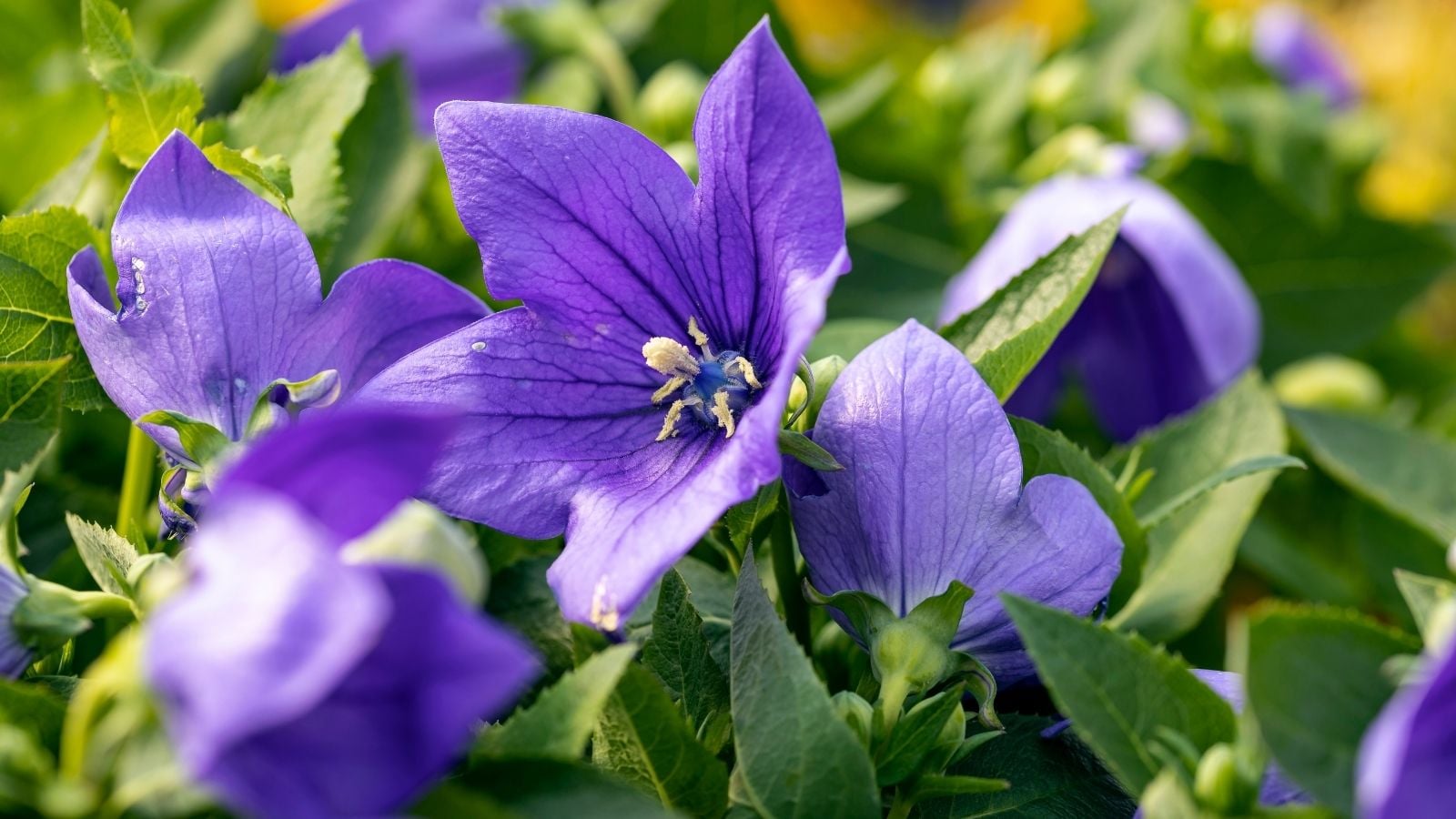
A member of the bellflower family, balloon flowers are perennial, herbaceous plants native to the Far East and Russia. These plants grow to be 2-3 feet tall and prefer full sun but will tolerate some shade. Hardy in USDA zones three through eight, they make a great addition to gardens across the country.
The leaves of balloon flowers are a deep green, and the flowers bloom in a variety of colors, including pink, purple, white, and blue. They get their name from the fact that the unopened buds resemble balloons. The flowers appear in summer and fall.
Barrenwort

|
|
botanical name Epimedium leptorrhizum (China) |
|---|---|
|
|
plant type Perennial |
|
|
sun requirements Full to partial shade |
|
|
height 12-36″ |
|
|
hardiness zones 4-8 |
Barrenwort is a shade perennial that is native to China. These plants grow to be 12-36 inches tall and prefer partially shaded areas to full shade. The plants do well in zones four through eight.
The leaves of Barrenwort are heart-shaped and come in various colors, including green, bronze, and red. The flowers are small and borne on long stalks. They come in shades of yellow, pink, and purple.
Bear’s Breeches

|
|
botanical name Acanthus mollis (Southern Europe, Mediterranean) |
|---|---|
|
|
plant type Herbaceous perennial |
|
|
sun requirements Full sun to partial shade |
|
|
height 36-48″ |
|
|
hardiness zones 6-10 |
Bear’s breeches are interesting plants with bracts that attract attention more than the flowers. These plants are native to the Mediterranean and grow to be 3-4 feet. They prefer full sun but will tolerate some shade.
This tall flowering perennial is hardy in USDA zones six through ten and have been known to thrive in winter zone 5 gardens with extra mulch for insulation.
Flowers borne on tall stalks appear in late spring and early summer. The flowers are white or pale pink and not very showy. The leaves are dark green, spiny, and borne on long stems. These plants can be invasive in some gardens.
Bergenia

|
|
botanical name Bergenia cordifolia (Europe, Asia) |
|---|---|
|
|
plant type Herbaceous perennial |
|
|
sun requirements Full to partial shade |
|
|
height 12-24″ |
|
|
hardiness zones 4-8 |
Bergenias are shade-loving garden perennials that are native to Europe and Asia. These plants grow to be 12-24 inches tall and prefer full shade to partial. These hardy plants will thrive in almost any garden and are perfect for those difficult to fill shady areas.
The big leaves of bergenia are deep green, and the flowers bloom in pink, red, or white shades. They appear in early spring and last until summer.
Bethlehem Lungwort

|
|
botanical name Pulmonaria saccharata (Europe) |
|---|---|
|
|
plant type Perennial |
|
|
sun requirements Full to partial shade |
|
|
height 12-18″ |
|
|
hardiness zones 4-8 |
Bethlehem lungwort is a perennial herb native to Europe. These plants grow to be 12-18 inches tall and prefer partial shade to full shade. They are hardy in USDA zones four through eight, and they make a great addition to any shady garden.
The leaves of Bethlehem lungwort are dark green, with silver spots appearing on the surface. Pink flowers bloom in spring, and the plant is semi-evergreen.
Bletilla

|
|
botanical name Bletilla striata (China) |
|---|---|
|
|
plant type Perennial |
|
|
sun requirements Full to partial shade |
|
|
height 8-12″ |
|
|
hardiness zones 5-9 |
Also known as Chinese Ground Orchids, Bletillas are shade perennials native to China. These plants grow to be 8-12 inches tall and prefer partial shade to full shade. Bletillas are hardy in zones five through nine.
Bletillas have dark green leaves and produce purple, white, or pink flowers that bloom in late spring or early summer. They are a beautiful addition to any garden, and their flowers are sure to attract bees and butterflies.
Bluebells

|
|
botanical name Campanula rotundifolia (Europe, North America, Asia) |
|---|---|
|
|
plant type Perennial |
|
|
sun requirements Full sun to partial shade |
|
|
height 12″ |
|
|
hardiness zones 3-6 |
Bluebells are perennial, herbaceous plants native to Europe, North America, and Asia. These plants grow to be 12 inches and prefer full sun but will tolerate partial shade. Hardy in USDA zones three through six, they make a great addition to any garden.
The flowers bloom in shades of blue and purple. They appear in summer and fall.
Bunchberries

|
|
botanical name Cornus canadensis (North America) |
|---|---|
|
|
plant type Perennial |
|
|
sun requirements Full to partial shade |
|
|
height 8″ |
|
|
hardiness zones 2 |
A member of the dogwood family, bunchberries are a shrubby shade perennial that is native to North America. These plants grow to be 8 inches and prefer partial shade or full sun. Bunchberries are hardy in zones two through eight.
Bunchberries produce white flowers with several florets that are borne in a cluster at the end of a long stem. The flowers are followed by red berries that ripen in late summer. The foliage of bunchberries is green and leathery.

Calendula

|
|
botanical name Calendula officinalis (Mediterranean) |
|---|---|
|
|
plant type Perennial, Annual |
|
|
sun requirements Full sun to partial shade |
|
|
height 12-24″ |
|
|
hardiness zones 2a-11b |
Calendulas, also known as Pot Marigolds, are annual plants native to the Mediterranean. However, in zones nine to eleven, these plants can be grown as perennials.
Calendula grows to be 24 inches tall and prefer full sun to partial shade. The flowers are brightly colored and borne in clusters on long stems.
The flowers of Calendulas can be used in salads or as a garnish. The petals can also be dried and used to make tea. The leaves are edible but have a bitter taste. It can thrive in less than ideal soil conditions, and makes a great companion plant in the vegetable garden.
Celandine Poppy

|
|
botanical name Stylophorum diphyllum (Eastern North America) |
|---|---|
|
|
plant type Herbaceous perennial |
|
|
sun requirements Full sun to partial shade |
|
|
height 18-24″ |
|
|
hardiness zones 4-9 |
A beautiful addition to any garden, the celandine poppy is a native North American wildflower that grows to be 18-24 inches tall. These plants prefer full sun but will tolerate partial shade, and they are hardy in USDA zones four through nine.
The leaves of the celandine poppy are dark green, with yellow flowers appearing in spring and summer. The flowers are borne on tall stems and attract bees and butterflies. Watch out in areas where this plant is highly invasive.
Coleus

|
|
botanical name Plectranthus scutellarioides (Southeast Asia) |
|---|---|
|
|
plant type Herbaceous perennial |
|
|
sun requirements Full to partial shade |
|
|
height 6-36″ |
|
|
hardiness zones 10-11 |
Coleus is a perennial, herbaceous plant that originates from Southeast Asia. Coleus plants grow to be anywhere from 6-36 inches tall (depending on the variety) and prefer shady conditions with some afternoon sun. They are not frost-tolerant and will not survive in USDA zones below ten.
The leaves of coleus are a mix of green and burgundy, and the beautiful flowers bloom in shades of blue and purple. They appear in summer and fall.
The plants are easy to grow and make a great addition to any garden. They are also popular as houseplants.
Columbines

|
|
botanical name Aquilegia spp. (Europe, Asia, North America) |
|---|---|
|
|
plant type Perennial |
|
|
sun requirements Full sun to partial shade |
|
|
height 12-36″ |
|
|
hardiness zones 3-8 |
Columbines are a shade perennial native to Europe, Asia, and North America. These plants grow to be 12-36 inches tall and prefer partial shade or full sun. Columbines are hardy in zones three through eight.
Columbines produce showy flowers that are borne on long stems in late spring to early summer. The flowers come in various colors, including white, pink, red, and purple. The plant and flowers are toxic to humans if ingested.
Common Bleeding Heart

|
|
botanical name Lamprocapnos spectabilis (Asia) |
|---|---|
|
|
plant type Herbaceous perennial |
|
|
sun requirements Full to partial shade |
|
|
height 6-36″ |
|
|
hardiness zones 2-9 |
Also known as the Fern-leaf Bleeding Heart, the Common Bleeding Heart is a shade perennial native to Asia. These plants grow up to 3 feet tall and prefer partial shade to full shade.
Common Bleeding Hearts are hardy in zones two through nine, which makes them a great plant for gardeners in colder climates.
Common Bleeding Hearts have fern-like leaves and produce pink, white, or red flowers that bloom in spring and summer. These flowers are borne on long, arching stems and are a favorite of bees and butterflies. They are, however, toxic to humans and pets, especially dogs, if consumed.
Corydalis

|
|
botanical name Corydalis canadensis (Northern Hemisphere, North Africa, China) |
|---|---|
|
|
plant type Perennial |
|
|
sun requirements Full shade to partial sun |
|
|
height 12-18″ |
|
|
hardiness zones 5-7 |
Corydalis is a shade perennial that is native to the northern hemisphere, North Africa, and China. These plants grow to be 12-18 inches tall and prefer shade to partial sun. Doing well in USDA zones five through seven, this hardy plant will decorate gardens in moderate climates.
The plant blooms in the spring, producing brightly colored flowers that should be deadheaded as soon as they wither to keep the foliage full and healthy.
Creeping Jenny

|
|
botanical name Lysimachia nummularia (Europe, Western Asia) |
|---|---|
|
|
plant type Perennial |
|
|
sun requirements Full sun to partial shade |
|
|
height 4-8″ |
|
|
hardiness zones 4-9 |
Creeping Jenny is a fast-growing groundcover, partial shade perennial that originates from Europe and Western Asia. This plant grows to be 4-8 inches tall and can tolerate full sun to partial shade. Creeping Jenny is hardy in zones four through nine, making it a versatile plant for gardens across the country.
The Creeping Jenny has small, round leaves that are bright green in color. This plant produces yellow flowers that bloom in summer and early fall. The Creeping Jenny is a great choice for gardeners looking to add color and interest to their shady gardens, as long as they live outside its invasive range.
Creeping Veronica

|
|
botanical name Veronica filiformis (Europe, Asia) |
|---|---|
|
|
plant type Perennial groundcover |
|
|
sun requirements Full sun to partial shade |
|
|
height 2-5″ |
|
|
hardiness zones 3-9 |
A hardy groundcover, Creeping Veronica, also known as bird’s-eye speedwell, is native to Europe and Asia. These plants grow to be 2-5 inches tall and prefer full sun to partial shade.
They are hardy in USDA zones three through nine, and they will thrive in most gardens. In fact, in many areas, this plant is highly invasive and should not be planted.
The leaves of Creeping Veronica are green and borne on long, thin stems. The flowers are blue or purple and are borne in clusters. These plants bloom in the spring and summer.
Daylily

|
|
botanical name Hemerocallis spp. (Asia, Central Europe) |
|---|---|
|
|
plant type Herbaceous perennial |
|
|
sun requirements Full sun to partial shade |
|
|
height 24-36″ |
|
|
hardiness zones 3-10 |
Daylilies are perennial, herbaceous plants that are native to Asia and Central Europe. These plants grow to be 2-3 feet tall and prefer full sun but will tolerate partial shade. These plants are popular due to their hardy nature, and they thrive in almost any climate.
The flowers of daylilies come in a wide range of colors, and they bloom in summer. The plant is semi-evergreen, and the flowers are borne on tall stems. Although edible to humans, the daylily is highly toxic to cats. Some day lilies are invasive in certain areas. Choose a species that is adapted to your region rather than an invasive one.
Epimedium

|
|
botanical name Epimedium spp. (Asia, Mediterranean) |
|---|---|
|
|
plant type Perennial groundcover |
|
|
sun requirements Full to partial shade |
|
|
height 6-12″ |
|
|
hardiness zones 5-8 |
Epimediums are perennial, herbaceous plants native to Asia and the Mediterranean. These plants grow to be 6-12 inches tall and prefer partial shade to full shade. They are hardy in USDA zones five through eight, making a great groundcover for shady areas.
The leaves of epimediums are heart-shaped, and the flowers are borne on tall stalks. The flowers come in various colors, including pink, purple, and white, blooming in spring.
Foamflower

|
|
botanical name Tiarella cordifolia (North America) |
|---|---|
|
|
plant type Perennial |
|
|
sun requirements Full to partial shade |
|
|
height 12-36″ |
|
|
hardiness zones 3-8 |
Deriving its name from the foam-like substance that coats the leaves when they are young, Foamflower is a shade perennial that is native to North America. These plants can grow to be 3 feet tall and prefer partial shade to full shade. Foamflower is hardy in zones three through eight.
It blooms in late spring to early summer, with white or pink flowers borne on long, erect stems. The flowers are followed by dark green, heart-shaped leaves. Foamflower is a beautiful addition to any shady garden. The plant needs little maintenance, but spent flowers should be removed to prevent self-seeding.
Forget-Me-Not

|
|
botanical name Myosotis sylvatica (Europe) |
|---|---|
|
|
plant type Perennial, Biennial |
|
|
sun requirements Full sun to partial shade |
|
|
height 12-24″ |
|
|
hardiness zones 3-8 |
Forget-me-nots are small, blue flowering perennials that are native to Europe. These plants grow to be 12-24 inches tall and prefer full sun to partial shade. They are not frost-tolerant and will not survive in USDA zones below three.
The leaves of forget-me-nots are a deep green, and the flowers bloom in shades of blue. They appear in early spring and last until summer.
The plants are easy to grow and make a great addition to any garden. They are also popular as house and patio plants.
Foxglove

|
|
botanical name Digitalis purpurea (Europe, Northwest Africa) |
|---|---|
|
|
plant type Perennial, Biennial in some areas |
|
|
sun requirements Full sun to partial shade |
|
|
height 36-48″ |
|
|
hardiness zones 4-10 |
Foxgloves are perennial, herbaceous plants native to Europe and Northwest Africa. These plants grow to be 3-4 feet tall and prefer full sun but will tolerate partial shade. Foxgloves will thrive in USDA zones four through ten.
The leaves of foxgloves are a deep green, and the flowers are borne on tall stalks. The flowers come in various colors, including pink, purple, and white, blooming in spring and summer. Although the plant is beautiful, it is also highly poisonous making it popular for gardeners looking for a perennial that will resist deer and other wildlife.
Fuschia

|
|
botanical name Fuchsia spp. (Central and South America) |
|---|---|
|
|
plant type Perennial shrub |
|
|
sun requirements Partial sun to full shade |
|
|
height 12-36″ |
|
|
hardiness zones 10-11 |
Fuschias are perennial, evergreen shrubs native to Central and South America. These plants grow to be 12-36 inches tall and prefer sun to partial shade. They are not frost-tolerant and will not survive in USDA zones below ten.
The leaves of fuschias are a deep green, and the flowers bloom in a variety of colors, including pink, purple, white, and red. They appear in spring and summer. The flowers attract nectar-loving birds and butterflies to the garden.
Goat’s Beard

|
|
botanical name Aruncus dioicus (North America, Europe, Asia) |
|---|---|
|
|
plant type Herbaceous perennial |
|
|
sun requirements Full sun to partial shade |
|
|
height 48-60″ |
|
|
hardiness zones 4-7 |
Deriving its name from the long, white hairs that grow on its seed heads, the goat’s beard is a perennial, herbaceous plant native to North America, Asia, and Europe. These plants grow to be 4-5 feet tall and prefer full sun but will tolerate partial shade. Hardy in USDA zones four through seven, they make a great addition to any garden.
The leaves of the goat’s beard are a deep green, and the cream-colored flowers bloom in spring and summer. If ingested, the plant is toxic to humans and animals, so care should be taken when handling it.
Green and Gold

|
|
botanical name Chrysogonum virginianum (Eastern North America) |
|---|---|
|
|
plant type Herbaceous Perennial |
|
|
sun requirements Full sun to partial shade |
|
|
height 6-12″ |
|
|
hardiness zones 5-9 |
Green and gold is a native North American wildflower that is perfect for adding color to shady areas of the garden. These plants grow to be 6-12 inches tall and prefer full sun but will tolerate partial shade. They are hardy in USDA zones five through nine, making them a good choice for gardeners across the country.
The leaves of green and gold are green, with bright yellow, daisy-like flowers appearing in spring and summer. These plants make a great addition to any garden, and they are easy to care for.
Hakonechloa

|
|
botanical name Hakonechloa macra (Japan) |
|---|---|
|
|
plant type Perennial ornamental grass |
|
|
sun requirements Full to partial shade |
|
|
height 12-24″ |
|
|
hardiness zones 5-9 |
Also known as Golden Hakone Grass, Hakonechloa is a shade perennial native to Japan. These plants grow to be about 2 feet tall and prefer partial shade to full shade. Hakonechloa is hardy in zones five through nine.
Hakonechloa has long, linear leaves that are a striking golden color. The leaves turn reddish-bronze in the fall and remain evergreen in warmer climates. Hakonechloa flowers are insignificant; the main attraction of this plant is its beautiful foliage.
This grass sheds its leaves in winter, regaining full foliage later in the spring. It’s a good plant to use as ground cover or mass plantings. Hakonechloa is also deer and rabbit resistant, making it a good choice for gardens frequented by these animals.
Hardy Begonia

|
|
botanical name Begonia grandis (China) |
|---|---|
|
|
plant type Perennial |
|
|
sun requirements Full to partial shade |
|
|
height 18-24″ |
|
|
hardiness zones 6-9 |
Hardy Begonia is a shade perennial that is native to China. These plants grow to be 18-24 inches tall and prefer partial shade to full shade. With a USDA zone range of six to nine, Hardy Begonias are good for gardeners in most climates.
Hardy Begonias produce beautiful flowers that bloom from summer to fall. The flowers are white, pink, or red and are borne on long stalks. The leaves are large and have a wavy margin. These plants do not tolerate frost and should be protected from cold weather.
Heucheras

|
|
botanical name Heuchera spp. (North America) |
|---|---|
|
|
plant type Perennial evergreen |
|
|
sun requirements Full to partial shade |
|
|
height 8-18″ |
|
|
hardiness zones 4-9 |
Heucheras are also known as Coral Bells and are a shade perennial native to North America. These plants grow to be 8-18 inches tall and prefer partial shade or full sun. Heucheras are hardy in zones four through nine. They are somewhat frost tolerant, depending on your hardiness zone.
Heucheras produce small, bell-shaped flowers that are borne on long stems in late spring to early summer. The flowers come in various colors, including white, pink, red, and purple. The foliage is usually green, but some varieties have bronze or burgundy leaves. They have many different varieties to choose from that grow across many different hardiness zones.
Hosta

|
|
botanical name Hosta spp. (Eastern Asia) |
|---|---|
|
|
plant type Herbaceous perennial |
|
|
sun requirements Full to partial shade |
|
|
height 6-48″ |
|
|
hardiness zones 3-9 |
Hosta is a genus of shade perennials that includes over 50 different species. These plants are native to Eastern Asia and grow anywhere from 6 inches to 4 feet tall, depending on the species. Hostas prefer partial shade to full shade and are hardy in zones three through nine.
Hostas are known for their large, beautiful leaves that come in various colors, including green, blue, yellow, and white. These plants produce small flowers that bloom in summer and are often hidden by the foliage.
They are a known favorite for deer and slugs, so special care should be taken to protect the young plants from these pests.
Impatiens
|
|
botanical name Impatiens spp. (Africa, New Guinea, Eurasia) |
|---|---|
|
|
plant type Tender perennial |
|
|
sun requirements Full shade |
|
|
height 6-36″ |
|
|
hardiness zones 10-11 |
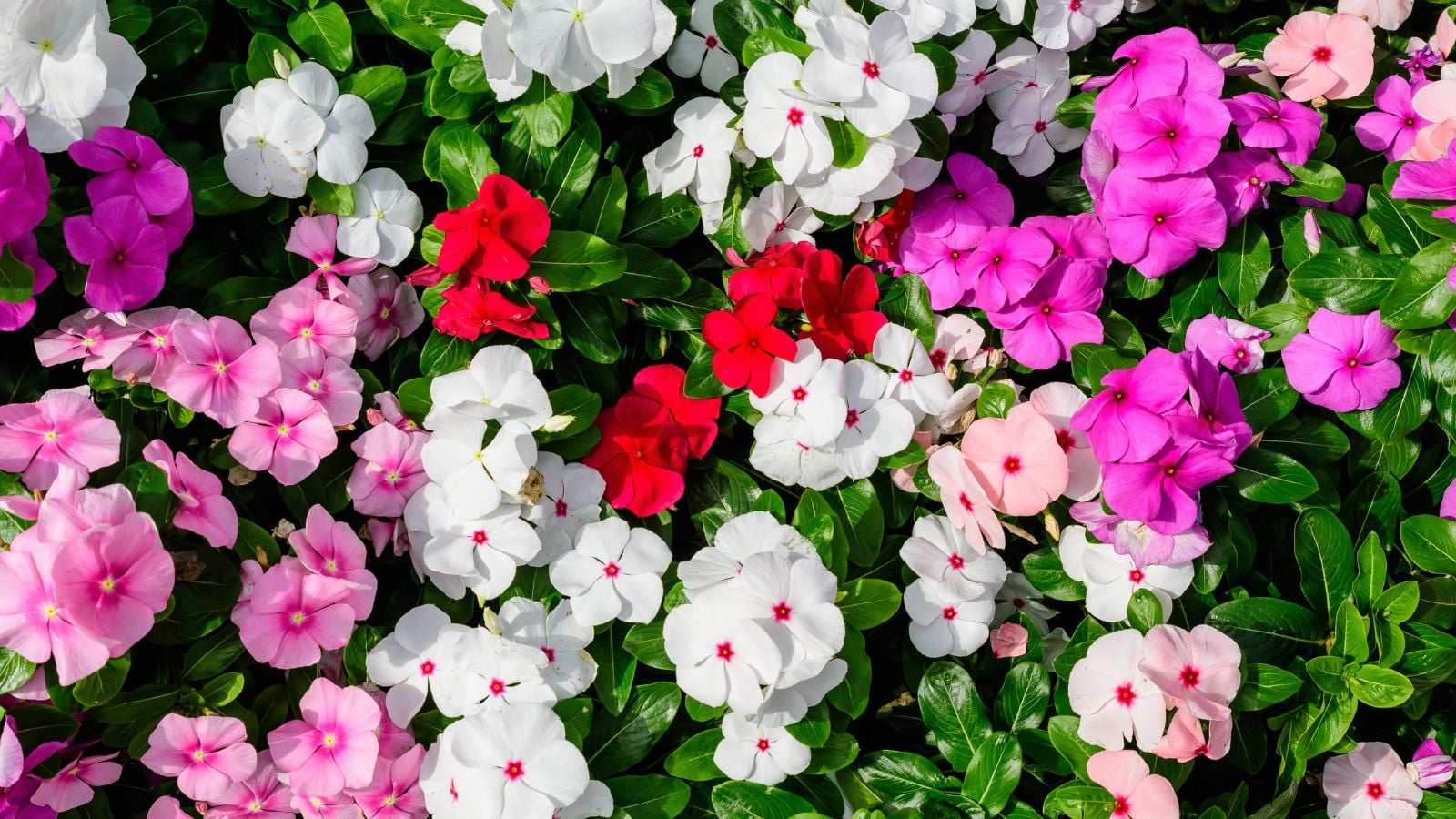
Impatiens are annual herbaceous plants native to Africa, New Guinea, and Eurasia. These plants grow to be 6-36 inches tall and prefer shady conditions. They are not frost-tolerant and will not survive in USDA zones below ten.
The leaves of impatiens are deep green, and the beautiful flowers bloom in a variety of colors, including pink, purple, white, and red. They appear in spring and summer.
The plants are easy to grow and make a great addition to any garden. They are also popular as houseplants.
Indian Pink

|
|
botanical name Spigelia marilandica (Eastern United States) |
|---|---|
|
|
plant type Perennial |
|
|
sun requirements Full sun to partial shade |
|
|
height 12-24″ |
|
|
hardiness zones 5-9 |
Indian Pinks are a shade perennial native to the eastern United States. These plants grow to be up to 2 feet tall and prefer full sun to partial shade. Indian Pinks are hardy in zones five through nine.
Indian Pinks produce beautiful flowers and are dense foliage plants. The flowers are tubular and come in pink, red, and purple shades. They are pollinated by hummingbirds. The leaves are lance-shaped and have a smooth margin.
Jacob’s Ladder

|
|
botanical name Polemonium caeruleum (Europe, Northern Asia) |
|---|---|
|
|
plant type Perennial |
|
|
sun requirements Full to partial shade |
|
|
height 12-24″ |
|
|
hardiness zones 4-9 |
Commonly known as Greek Valerian, this shade perennial is native to Europe and Northern Asia. Jacob’s Ladder grows to be up to 2 feet tall and prefers partial shade or full sun. This popular shade perennial is hardy in zones four through nine.
Jacob’s Ladder produces small, blue, white, purple, or yellow flowers that are borne on long stems in late spring to early summer. The flowers are followed by dark green, heart-shaped leaves.
Japanese Anemones

|
|
botanical name Anemone x hybrida (Japan) |
|---|---|
|
|
plant type Perennial |
|
|
sun requirements Partial shade |
|
|
height 36-60″ |
|
|
hardiness zones 4-8 |
Japanese Anemones are a shade perennial that is native to Japan. These plants grow to be 3-5 feet tall and prefer partial shade or full sun. They are hardy in zones four through eight.
Japanese Anemones produce large, white perennial flowers borne on long stems in late summer to early fall. The flowers are followed by dark green, heart-shaped leaves. Japanese Anemones require little maintenance and are resistant to deer and rabbits.

Lamb’s Ear

|
|
botanical name Stachys byzantina (Middle East) |
|---|---|
|
|
plant type Herbaceous perennial |
|
|
sun requirements Full sun to partial shade |
|
|
height 12-18″ |
|
|
hardiness zones 4a-9a |
Lamb’s ear, also referred to as wooly betony, is a perennial herbaceous plant native to the Middle East. These plants grow to be 12-18 inches tall and prefer full sun but will tolerate partial shade. They are hardy in USDA zones four through nine.
The leaves of the lamb’s ear are soft and fuzzy, resembling the ears of a lamb. The flowers are borne on tall stems and are a light purple color, blooming in summer.
Lenten Roses

|
|
botanical name Helleborus x hybridus (Europe) |
|---|---|
|
|
plant type Perennial evergreen |
|
|
sun requirements Partial shade |
|
|
height 12-18″ |
|
|
hardiness zones 4-9 |
Beautiful and long-blooming, Lenten Roses are a shade perennial that is native to Europe. They are a hellebore hybrid, and are quite popular in shade gardens. These plants grow to be 12-18 inches tall and prefer partial shade. Lenten Roses are hardy in zones four through nine.
Despite the name, Lenten Roses are not related to real roses. The flowers are borne on long stalks in late winter to early spring and come in a variety of colors, including white, pink, red, and purple. The foliage is dark green and leathery.
Leopard Plant

|
|
botanical name Ligularia dentata (China, Japan) |
|---|---|
|
|
plant type Perennial |
|
|
sun requirements Full to partial shade |
|
|
height 36-48″ |
|
|
hardiness zones 3-8 |
Leopard Plant is a shade perennial that is native to China and Japan. These plants grow to be 60 cm tall and prefer partial shade to full shade. Leopard Plant is hardy in zones three through eight.
Leopard Plants have large, heart-shaped leaves covered in spots or blotches of yellow, brown, or black. The leaves are borne on long stems and can reach up to 4 feet in length. Leopard Plants produce yellow, daisy-like flowers from late summer to early fall.
They require more than moderate watering and prefer moist, well-drained soil. Leopard Plants are also deer and rabbit resistant, making them a good choice for gardens that are frequented by these animals.
Lily of the Valley

|
|
botanical name Convallaria majalis (Europe) |
|---|---|
|
|
plant type Herbaceous perennial |
|
|
sun requirements Full to partial shade |
|
|
height 6-12″ |
|
|
hardiness zones 3-8 |
Despite the name, Lily of the Valley is not actually a member of the lily family. This shade perennial is native to Europe and grows 6-12 inches tall. Lily of the Valley prefers partial shade to full shade and is hardy in zones three through eight.
Lily of the Valley has long, narrow leaves and produces small, white flowers that bloom in spring. The flowers are often used in bouquets and arrangements, and the plant is also known for its fragrant scent. Lily of the Valley is a beautiful addition to any shady garden. However, it’s known for invading natural areas in most regions of North America. Careful where you plant it.
The plant belongs to the asparagus family and produces poisonous berries, so care should be taken when planting it around children or pets as they can easily consume the berries. Reports of glycoside and saponin contents in the plant make it poisonous to humans and animals if ingested.
Lobelias

|
|
botanical name Lobelia erinus (South Africa) |
|---|---|
|
|
plant type Tender perennial |
|
|
sun requirements Full sun to partial shade |
|
|
height 6-9″ |
|
|
hardiness zones 10-11 |
Native to South Africa, Lobelias are tender perennials that grow 6-9 inches tall. They prefer full sun to partial shade and cannot tolerate frost.
The leaves of lobelias are a deep green, and the flowers bloom in shades of blue, purple, or lilac. They appear in early spring and last until summer.
Mourning Widow Geranium
|
|
botanical name Geranium phaeum (Europe, Asia) |
|---|---|
|
|
plant type Perennial |
|
|
sun requirements Full to partial shade |
|
|
height 24-30″ |
|
|
hardiness zones 3-7 |
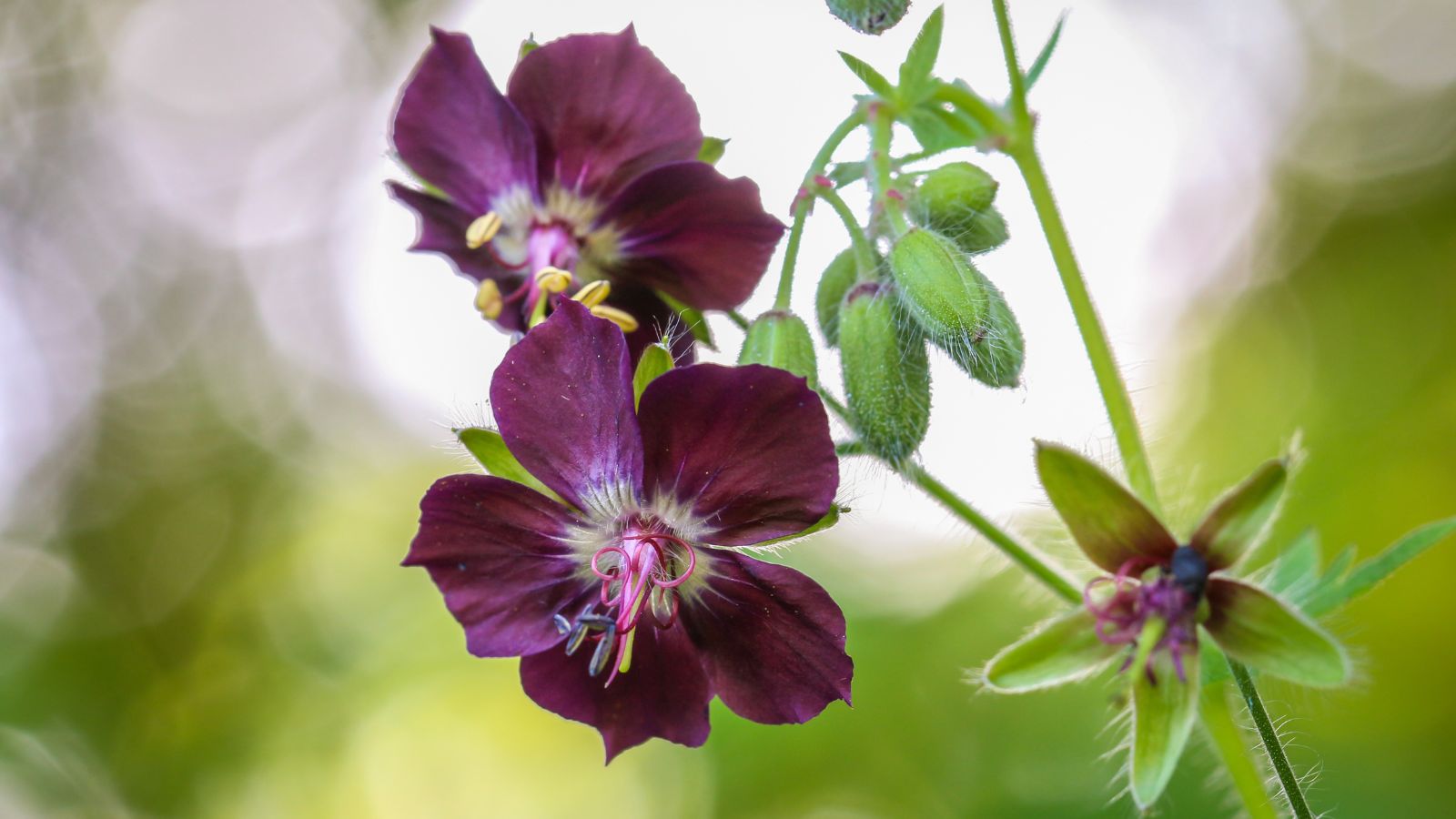
Mourning Widow Geranium is a shade perennial that is native to Eurasia. These plants grow to be 24-30 inches tall and prefer full sun to partial shade. With a wide range of climate tolerances (USDA zones three through seven), this plant is good for gardeners in most areas.
The leaves of Mourning Widow Geranium are green, sometimes with a purple tinge. The flowers are blackish-purple and borne on long stalks. These plants bloom in the spring and summer.
Oakleaf Hydrangea

|
|
botanical name Hydrangea quercifolia (Southeastern United States) |
|---|---|
|
|
plant type Perennial |
|
|
sun requirements Full to partial shade |
|
|
height 40-80″ |
|
|
hardiness zones 5 |
The Oakleaf Hydrangea is a beautiful shade perennial native to the southeastern United States. This plant grows one to two meters tall and thrives in full or partial shade. The Oakleaf Hydrangea is hardy in zones five and six.
A large plant with leaves that can grow up to almost 7 feet long, the Oakleaf Hydrangea is perfect for adding interest and texture to a shady garden. The leaves are dark green in color and turn red, purple, or bronze in the fall. This plant produces large clusters of white flowers that bloom in late spring or early summer.
Peach-Leaved Bellflower

|
|
botanical name Campanula persicifolia (Europe, Asia) |
|---|---|
|
|
plant type Herbaceous perennial |
|
|
sun requirements Full sun to partial shade |
|
|
height 24″ |
|
|
hardiness zones 3-7 |
A member of the bellflower family, peach-leaved bellflowers are perennial, herbaceous plants native to Europe and Asia. These plants grow to be 24 inches tall and prefer full sun but will tolerate partial shade. Hardy in USDA zones three through seven, they make a great addition to any garden.
The flowers bloom in a variety of colors, including blue, lilac, and white. They appear in summer and fall.
Peony

|
|
botanical name Paeonia officinalis (Asia, Europe) |
|---|---|
|
|
plant type Herbaceous perennial |
|
|
sun requirements Full sun to partial shade |
|
|
height 36-48″ |
|
|
hardiness zones 3-9 |
A favorite of gardeners for centuries, peonies are perennial plants that are native to Asia and Europe. These plants grow to be 3-4 feet tall and prefer full sun but will tolerate partial shade. Hardy in USDA zones three through nine, they make a great addition to any garden.
The leaves of peonies are a deep green, and the flowers bloom in various colors, including pink, purple, white, and red. They are loved for their fragrance, and the flowers appear in spring and summer. The plant can be mildly toxic to humans, so care should be taken when handling it.
Red Leafed Mukdenia

|
|
botanical name Mukdenia rossii ‘Karasumi’ (China) |
|---|---|
|
|
plant type Perennial |
|
|
sun requirements Partial shade |
|
|
height 8-12″ |
|
|
hardiness zones 4-9 |
Red leafed mukdenia is a perennial plant that is native to China. These plants grow to be8-12 inches tall and prefer partial shade. They thrive in USDA zone four through nine climates and are great companion plants to astilbes and ferns.
The leaves of red-leafed mukdenia are a deep green, with red-colored margins. The white flowers bloom in summer, and the plant is semi-evergreen.
Rhododendron

|
|
botanical name Rhododendron spp. (North America) |
|---|---|
|
|
plant type Perennial shrub |
|
|
sun requirements Partial sun to full shade |
|
|
height 36″-8′ |
|
|
hardiness zones 3-9 |
Meaning red tree, Rhododendrons are a family of shrubs that are native to North America. These plants are evergreen, hardy, and thrive in almost all gardens. They can grow to be 8 feett tall.
The blooms come in a wide array of colors, including pink, purple, blue, white, and red. They appear in early spring and last until summer, and the showy flowers attract birds and butterflies to the garden.
Rhododendrons are perfect for shady areas of the garden and make a beautiful addition to any landscape.
Sedum

|
|
botanical name Sedum spp. (North America) |
|---|---|
|
|
plant type Perennial succulent |
|
|
sun requirements Full sun to partial shade |
|
|
height 6-24″ |
|
|
hardiness zones 3-10 |
Sedum is a perennial, succulent plant that is native to North America. These plants grow to be 6-24 inches tall and prefer full sun but will tolerate partial shade. Hardy in USDA zones three through ten, they make a great groundcover or addition to rock gardens.
The leaves of sedum are a deep green, and the flowers bloom in a variety of colors, including pink, purple, and white. The flowers appear in spring and summer, and the plant is evergreen, requiring minimal care.
Siberian Bugloss

|
|
botanical name Brunnera macrophylla (Asia, Europe) |
|---|---|
|
|
plant type Herbaceous perennial |
|
|
sun requirements Full sun to full shade |
|
|
height 12-18″ |
|
|
hardiness zones 3-8 |
With an unforgettable bright blue-colored bloom, Siberian Bugloss is a shade perennial that is sure to add interest to any garden. These plants are native to Asia and Europe and grow 12-18 inches tall. They prefer full sun but will tolerate partial shade and full shade. They are hardy in USDA zones three through eight, thriving in different gardens across the country.
The plant blooms in spring, and the beautiful blue flowers are a favorite of bees and butterflies.
Spotted Dead-Nettles

|
|
botanical name Lamium maculatum (Europe, Asia, North Africa) |
|---|---|
|
|
plant type Perennial |
|
|
sun requirements Full to partial shade |
|
|
height 3-12″ |
|
|
hardiness zones 4-8 |
An intriguing groundcover for shady areas, Spotted Dead-nettles are a shade perennial native to Europe, Asia, and North Africa. These plants grow to be 3-12 inches tall and prefer partial shade to full shade. Spotted Dead-nettles are hardy in zones four through eight.
Spotted Dead-nettles have small, ovate leaves that are mottled with silver and green. The plants produce small, pink, mauve, or white flowers from late spring to early summer. The flowers are borne in clusters on long stems.
Spotted Dead-nettles spread quickly and can become an invasive perennial if not kept in check. They are best suited to small areas where they can be contained and make an excellent groundcover for shady gardens. Deadheading the flowers will prolong blooming, and the plants can be divided in spring or fall.
Toad Lily

|
|
botanical name Tricyrtis hirta (Asia) |
|---|---|
|
|
plant type Perennial |
|
|
sun requirements Partial sun to full shade |
|
|
height 24-36″ |
|
|
hardiness zones 4-8 |
Toad lilies are the perfect choice for gardeners looking to add an exotic touch to their shade garden. Native to Asia, these plants grow to be 2-3 feet tall and prefer partial sun to full shade. They are hardy in USDA zones 4-8.
Blooming in summer and fall, toad lilies produce flowers borne on long stalks. The flowers come in a variety of colors, including white, yellow, pink, and purple. They are often marked with spots or streaks of darker color.
Vinca Minor

|
|
botanical name Vinca minor (Europe) |
|---|---|
|
|
plant type Perennial vine |
|
|
sun requirements Full sun to partial shade |
|
|
height 3-6″ tall, with trailing vines up to 18″ long |
|
|
hardiness zones 4-9 |
Vinca minor is an evergreen, perennial vine that is native to Europe. This plant grows to be 3-6 inches tall, with trailing vines up to 18 inches long. It prefers full sun to partial shade and is not frost-tolerant.
The leaves of vinca minor are deep green, and the flowers bloom in shades of blue. They appear in early spring and last until summer.
This plant is easy to grow and makes a great addition to any garden. It is also popular as a ground cover or as a potted patio plant. Keep it out of the ground in areas where it tends to invade natural areas.
Final Thoughts
Finding the right balance of perennials to balance out shady areas of your garden can be a challenge, but it can also be quite fun! By mixing perennials with different types of flowers and foliage you can add layers to your garden that make it stand out amongst others. By adding any of the shade perennials we’ve covered here, you’ll have a beautiful looking shade garden in no time at all!





