11 Common Problems With Salvia Plants
While Salvia is known to be a fairly hardy plant, that doesn't mean they are entirely without the occasional problem. There are a few different issues that these plants can come across, so it's important to know how to prevent them, and manage them. In this article, gardening expert Natalie Leiker walks through the most common problems you'll likely encounter with your salvia this season.


Contents
Salvia is an herbaceous perennial commonly found in wildflower gardens and landscapes. Known for blooming prolifically all season long, it attracts a wide variety of beneficial insects and pollinators.
Salvia is also a remarkably tough plant. It can handle hot, dry climates and thrive in poor soil conditions. On top of that, it’s naturally resistant to deer and rabbits, making it a great low-maintenance option for many gardeners. But while salvia is easy-going, it isn’t completely invincible.
There are a few common problems you may encounter when growing salvia. These can range from overwatering or underwatering to insect attacks and transplant shock. The first step in solving any issue is identifying the cause. Once you know what you’re dealing with, you can take the proper steps to correct it.
Let’s take a closer look at some of the most common salvia problems you might run into.
Not Flowering

Salvia typically begins blooming in late spring and continues right through the fall months. If your plant isn’t flowering, the most likely reason is a lack of sunlight. Make sure it’s planted in a location that receives full sun (at least 6 to 8 hours per day). This amount of light is essential for consistent blooming.
Deadheading can also help encourage new blooms to prevent these salvia problems. Removing old, spent flowers not only keeps the plant looking neat but also stimulates additional growth and flowering.
Keep in mind that plants bloom when they are mature. If your salvia is still young, it may simply need more time before it begins to flower. While most varieties are first-year bloomers, recently transplanted or young plants might take a little longer to settle in and start blooming.
White Powdery Leaves

Powdery mildew is a common issue for herbaceous perennials, especially during rainy periods or in very humid climates. This fungal disease develops when leaves remain wet for extended periods without a chance to dry out properly.
The mildew appears as a grayish, powdery coating on the tops of leaves and can quickly spread to other parts of the plant, and even to neighboring plants. While some home remedies may help manage early signs, a fungicide application is often necessary if the mildew has spread extensively.
A closely related fungus, downy mildew, causes similar symptoms but appears on the undersides of leaves, which is how it gets its name. Downy mildew is also triggered by excess moisture and humidity. Treatments for powdery mildew are typically effective against downy mildew as well.
It’s important to treat both powdery and downy mildew as soon as possible. Left unchecked, these fungal diseases can weaken your plants and spread to others nearby. Try to let the foliage dry out between waterings, and direct water at the base of the plant rather than overhead to help prevent future outbreaks.
Wilted Leaves

Heat stress often causes salvia leaves to appear wilted. However, overwatering can lead to the same symptom, which makes it tricky to identify the true cause of these salvia problems. It may be tempting to water more if heat seems to be the problem. But it’s important to pause and assess before reaching for the hose.
Resist the urge to overwater. For most climates, watering once a day, preferably in the morning, is enough, even during the hottest weather. In some areas, your salvia may not need daily watering at all. Adjust your watering schedule based on the climate and how your plants are responding.
Underwatering can also lead to wilting, although salvia tends to be more tolerant of dry conditions than many other plants. In warmer months, if you notice wilting and the soil feels dry, it may be time to slightly increase your watering frequency.
Leggy Stems

Salvia leaves and stems can become leggy for a few different reasons. One possible cause is inconsistent watering. While salvia is quite drought-tolerant, it still benefits from a regular watering routine. Avoid letting the soil dry out for extended periods, and aim to keep your schedule consistent.
The most common cause of these salvia problems, however, is a lack of sunlight. Salvia grows best in full sun. If your plant is growing in partial shade, it may stretch out, producing long, thin stems as it reaches for more light.
To fix this, transplant your leggy salvia to a sunnier spot in the garden. It may take a couple of weeks for the plant to adjust to the new location, but future growth should be more compact and robust.
Floppy Stems

The most common reasons for these salvia problems are too much rain or insufficient sunlight. Consistent rainfall can leave the plant waterlogged, which often indicates that the root system is compacted and not receiving enough oxygen.
Excess water can also weigh down the leaves and stems, causing them to fall over. If this happens, allow the soil to dry out before watering again. You can also provide extra support by staking or caging the plants to help them stay upright while they recover.
Yellow Leaves

Yellowing leaves can be caused by both overwatering and underwatering, which can make it tricky to diagnose. So, how can you tell which one is the culprit?
When a plant is overwatered, the lower leaves often turn yellow first, and new growth may become limp or fall off entirely. In contrast, an underwatered plant will usually appear wilted, with leaves across the entire plant turning yellow or even brown.
The easiest way to determine the cause is by checking the soil. If it feels soggy, overwatering is likely. If it’s dry several inches down, your plant may simply need more water.
For in-ground salvia that appears overwatered, hold off on watering and allow the soil to dry out. If the soil remains waterlogged, you may need to amend it with organic matter like compost to improve drainage and increase oxygen around the roots.
If your salvia is underwatered, give it a deep soak immediately. After that, resume a regular watering routine, adjusting the frequency as needed based on your soil type and climate.
Not Coming Back After Winter

Salvia is perennial in zones 4-10, depending on the variety. If you are planting in one of these zones and are having trouble getting your salvia plant to overwinter, it could be because of a few things.
Variety
Some varieties are hardier than others. Note the zone on the specific variety that you purchased or grew from seed. Most varieties are hardy in many zones, but there are a few that vary.
Time of Year Planted
Planting in spring is usually ideal as this will give your plant enough time to get established before winter. The cool temperatures of spring allow the roots and plant time to adjust to being in the ground. Fall planting is possible too, just be sure to really stay consistent on watering to let the roots get established.
Location
Planting in the correct location can be a key factor in winter survival. Giving your plant the correct amount of sunlight and soil conditions will help the plant to establish new roots and get adapted to its new area. Well adapted plants will not be as susceptible to winter damage.
Transplant Shock
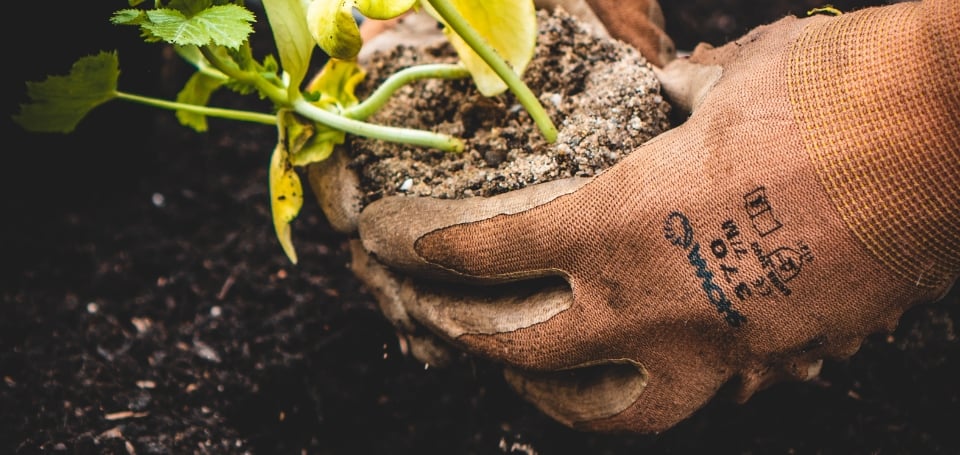
Plants should be acclimated to the climate before planting. If they were grown in a greenhouse and not hardened off accordingly, transplanting can shock the root system. While they usually bounce back from transplant shock, this can sometimes affect their ability to withstand the harsh winter months.
Gray or White Mold

We all know mold forms in damp conditions, and the same holds true in the plant world. In humid environments (or when plants remain too moist and don’t receive adequate airflow), fuzzy gray mold can start to develop. These salvia problems are most commonly found on the lower stems, but may also appear on older leaves.
It’s important to remove any affected parts of the plant as soon as possible to prevent the mold from spreading. Once you’ve removed the damaged tissue, hold off on watering for a few days to allow both the soil and foliage to dry out.
Gray mold is usually caused by a fungus, often Botrytis. If the issue persists or is widespread, a fungicide application may be necessary to control the outbreak.
Stems Turning Brown

Stems and leaves can begin to turn brown when plants are overwatered. Whether due to heavy rainfall or an inconsistent watering schedule, too much moisture can cause the stems to rot and turn mushy and brown. This damage often spreads upward, eventually affecting the leaves as well.
To prevent this, make sure the soil has a chance to dry out between waterings. Salvia prefers well-draining soil and does not tolerate soggy conditions for long.
On the other hand, a lack of water can also cause stems and leaves to turn a light brown color and become crispy. This is usually a sign of severe drought stress. Before browning begins, the plant will often wilt as an early warning.
If this happens, remove any dried or crispy foliage and resume a regular watering schedule. Adjust as needed based on your climate and soil conditions.
Brown Leaf Tips

Brown leaf tips are often a sign of inconsistent watering or transplant shock. Transplant shock occurs when a plant hasn’t been properly hardened off and struggles to adjust to new conditions. Moving young plants outdoors too soon can trigger these salvia problems, leading to browning leaves that may eventually fall off.
The good news is that most plants will recover from transplant shock with time and proper care. Salvia is a resilient plant and typically bounces back within a few weeks. Stick to a consistent watering schedule to help it get established, and you should see improvement soon.
Another possible cause of browning leaf tips is sun scorch. If a plant has been growing in a shady spot or hasn’t been gradually introduced to full sun, sudden exposure can burn the leaves. This results in browning and crisping, especially at the tips.
To prevent sun scorch, acclimate your salvia to brighter conditions gradually, especially if it’s been growing indoors or in shade.
Pests

Salvias aren’t susceptible to many bugs, but there are a few that you might see causing various salvia problems.
Aphids

These pesky little insects can sometimes be hard to spot. They’re usually tiny, round, and green, although some may appear larger and white depending on their stage in the life cycle.
They tend to gather on the undersides of leaves, where they feed on the foliage and can cause significant damage over time. It’s important to remove any severely affected parts of the plant and treat the infestation promptly.
If caught early, these insects can often be sprayed off with a strong blast from your garden hose. For more advanced infestations, trim heavily populated areas. You may need to apply an insecticide to fully eliminate them. Neem or insecticidal soap are both organic options. Apply these early in the morning before pollinators are active to prevent damage to these beneficial insects.
Japanese Beetles

While not particularly known for targeting salvia, Japanese beetles can occasionally appear, especially in June or the mid-summer months. These beetles feed on the foliage, leaving behind ragged holes and making the plant look unsightly.
It’s important to remove them by hand as soon as they’re spotted. If the infestation continues, applying a suitable insecticidal spray may be necessary to keep them under control.
Caterpillars

A few types of caterpillars are known to defoliate salvia in late summer. They often begin feeding on new growth and can strip the plant down to the stems if left unchecked.
Most caterpillars can be removed by hand, which is an effective way to prevent major damage. However, if you’d prefer to use a spray for added protection, there are several home remedies and commercial options available.