9 Root Vegetables to Plant in September for Thanksgiving Dinner
For many growing areas, a September planting of quick-developing root vegetables means we can enjoy them on the plate come Thanksgiving. They add rich, savory flavor and a high nutritional profile to cool-season cuisine. The frost-tolerant, easy-to-grow crops move easily from the garden to the kitchen. Garden expert Katherine Rowe explores top root vegetables to plant this month for a swift return on hearty yields.


Contents
Root vegetables are staples of fall and winter cuisine. They have edible portions that develop underground and store energy for the upper leafy growth, and boast a long storage life. They thrive in the fall and even sweeten with frost. The nutrient-dense crops offer fiber, carbohydrates, antioxidants, and numerous vitamins and minerals.
When you plant root vegetables in September, you can set the stage for a harvest by Thanksgiving. Depending on the climate, opt for those with a quick turnaround before soils freeze. Mild regions can enjoy those that take a bit longer to mature.
To make sure the fall harvest will be ready in time for Thanksgiving, measure the days to maturity for the crop against the first anticipated frost date. Add in a week or so as a buffer for seasonal fluctuations.
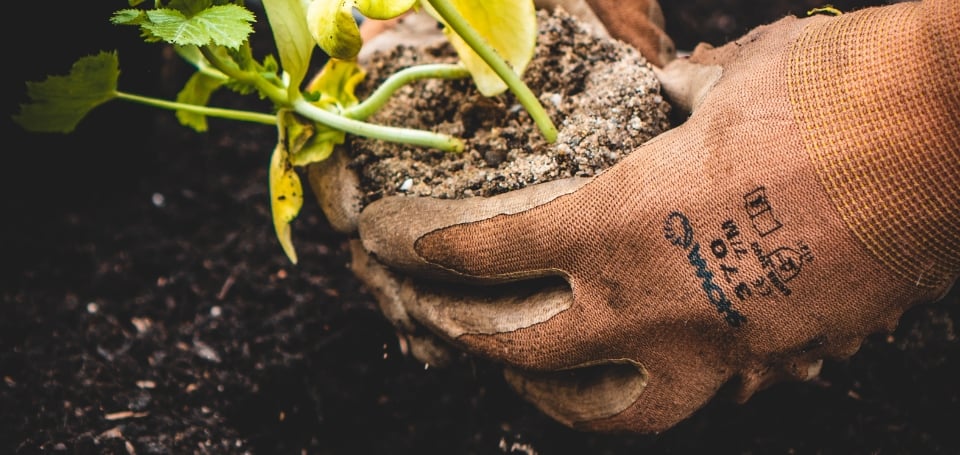
Direct sowing is best when you plant root vegetables in September, as their taproots are sensitive to transplant disturbance. Plan on crops you can harvest early as baby vegetables to beat freezing conditions.


Beet ‘Early Wonder’


|
botanical name Beta vulgaris ‘Early Wonder’ |
|---|---|

|
sun requirements Full sun to partial shade |

|
height 18” |
‘Early Wonder’ is a favorite heirloom beet variety known for its prolific and flavorful leafy tops, which many gardeners deem to have the best flavor. The 1911 classic produces early, yielding one-and-a-half to two-and-a-half-inch purple-red globes in about 40 days.
The smooth, shiny, plum-red roots are cold-hardy and frost-tolerant. Leaves are dark green with contrasting red veins and stems. Grow them all year as microgreens for nutritious sprouts.
‘Golden Boy’ is another quick root vegetable to plant in September, this one in sunny golden orange with a mild, sweet flavor that’s less earthy than its red relatives. Best harvested young, the uniform globes mature in 45 to 60 days.
Sow beets six to eight weeks before your anticipated first frost date. They grow throughout the winter in mild climates.
Carrot ‘Little Finger’

|
|
botanical name Daucus carota ‘Little Finger’ |
|---|---|
|
|
sun requirements Full sun to partial shade |
|
|
height 6-12” |
‘Little Finger’ carrots are a genuine baby carrot that matures at three to four inches long. Because of its small size, it matures slightly earlier than other varieties, in about 57 days. ‘Little Finger’ has uniform cylindrical roots with blunt ends. In rich orange, it has a tender core and a sweetness perfect for fresh eating.
Carrots grow easily in raised beds, pots, and with companion plantings. Grow other varieties and plan to harvest them early and young for a fast turnaround (carrots are usable at any stage).
Cold-climate gardeners can plan to sow until 10 to 12 weeks before fall’s first frost. Warm climates can sow the heirloom in early fall and into winter for a cool-season yield.
Radish ‘French Breakfast’

|
|
botanical name Raphanus sativus ‘French Breakfast’’ |
|---|---|
|
|
sun requirements Full sun to partial shade |
|
|
height 3-4” |
Radishes are fast-growing root vegetables to plant in September. They make easy partners with carrots. Simply plant both in the same patch and harvest the speedy radishes as the carrots continue to develop. Pulling the radishes thins the crop and aerates the soil for the carrots.
Radishes are a good source of vitamin C during the cool season. Their leafy, vitamin-rich tops are edible, too. ‘French Breakfast’ is a centuries-old heirloom with a delicate, mild flavor. The scarlet and white roots are slightly more elongated than classic round spring radishes. Enjoy them fresh on the crudité platter, saals, or as a garnish.
‘French Breakfast’ withstands warm temperatures of early fall, leading into cooler conditions. The quick-growing root vegetable to plant in September is ready in as little as 28 days.
‘Easter Egg Blend’ is a fun selection with red, white, pink, purple, and bi-color radish globes. The colorful roots are ready in as little as 30 days. ‘Cherry Belle’ is an heirloom salad radish with bright red skin and white flesh. The All-America Selections award winners are an easy gardener and chef favorite. Harvest the little belles when the roots are about one inch around.
Turnip ‘White Lady’

|
|
botanical name Brassica rapa ‘White Lady’ |
|---|---|
|
|
sun requirements Full sun to partial shade |
|
|
height 14-22” |
Turnips are historic root vegetables to plant in September that make hearty substitutes for potatoes in fall and winter dishes. Enjoy the sturdy classic varieties roasted, mashed, fried, or in stews and casseroles. For a delicate twist, look to tender salad turnips. These are faster to develop and offer a sweet delicacy for fresh eating.
‘White Lady’ is a Japanese variety of baby salad turnips with smooth, tender white skins and a sweet flavor. With early picking, the two-inch roots are ready in as little as 30 days. Enjoy them grated on a salad, in a slaw, or eat them like an apple. They’re also delicious roasted and in stir-fries.
Turnips are typically ready in 30-60 days from planting. Allow four to five weeks before frost for early varieties, and eight to ten weeks for later ones. The hardy vegetables tolerate frost and even heavy freezes. Like radishes, beets, and carrots, the leafy greens are edible and nutritious.
Bunching Onions ‘Italian Red of Florence’

|
|
botanical name Allium fistulosum ‘Italian Red of Florence’ |
|---|---|
|
|
sun requirements Full sun |
|
|
height 1-2’ |
Also called scallions, spring, and green onions, bunching onions are an easy-to-grow root vegetable that’s versatile fresh or cooked. An essential in cool-season dishes, the shoots are cold-hardy and frost-tolerant.
‘Italian Red of Florence’ is an heirloom onion with deep red for a striking contrast among fresh salads, garnishes, and antipasti. In mild climates, sow bunching onions in the fall for a cool-season yield.
‘Italian Red of Florence’ is ready in 60 days. Pick the green shoots and young bulbs early for a faster yield.
Turnip ‘Purple Top White Globe’

|
|
botanical name Brassica rapa ‘Purple Top White Globe’ |
|---|---|
|
|
sun requirements Full sun to partial shade |
|
|
height 14-22” |
‘Purple Top White Globe’ is a European heirloom and classic turnip with hearty, fibrous roots. It features showy purple shoulders above the soil and creamy white skin beneath.
The roots reach two to six inches in diameter (after about 50 days), but are ready for picking at any stage. Clip the greens at harvest to enjoy the nutritious burst, or pick up to one-third as the roots grow.
Beet ‘Robin’

|
|
botanical name Beta vulgaris ‘Robin’ |
|---|---|
|
|
sun requirements Full sun to partial shade |
|
|
height 15-17” |
‘Robin’ is a baby beet with a sweet flavor, best harvested at one to two inches in diameter. It yields bunches of small, deep red globes, beginning at 45 days. Baby beets perform well in containers, beds, and on the plate.
The uniform roots are tender and crisp, and the variety resists bolting. Enjoy ‘Robin’ roasted, canned, pickled, or for fresh eating at Thanksgiving. The baby green tops are soft and flavorful.
Carrot ‘Tonda di Parigi’

|
|
botanical name Daucus carota ‘Tonda di Parigi’ |
|---|---|
|
|
sun requirements Full sun to partial shade |
|
|
height 1-2’ |
‘Tonda di Parigi’ differs from other carrot varieties in its sweet, tender, little round roots. The 19th-century French heirlooms are Italian for ‘Round of Paris’ with unique deep orange globes.
‘Tonda di Parigi’ produces small rounds that are best at one to two inches. Not falling under any of the traditional carrot types, the variety stands on its own. The petite roots are a good fit for shallow soils and heavy compositions. They perform well in containers, small spaces, and raised beds.
In very warm climates, grow carrots in fall, winter, and spring. In cooler zones, aim to sow them 10 weeks before the first frost.
Daikon Radish ‘Miyashige White’

|
|
botanical name Raphanus sativus ‘Miyashige White’ |
|---|---|
|
|
sun requirements Full sun to partial shade |
|
|
height 8-18” |
‘Miyashige White’ daikon are Japanese heirloom winter radishes. They don’t develop as quickly as the smaller salad types on our list, but their distinct form and flavor make them worthy root vegetables to plant in September in milder climates. They spice up fresh eating as young roots and stir fries as mature, large roots with a light flavor.
The long, greenish-white tapered roots are ready to harvest at 12 to 18 inches long and two to three inches wide. ‘Miyashige White’ responds to shorter day-lengths and cool temperatures to grow. They’re ready in 50 to 60 days.
Daikon also makes a good cover crop to aerate soils in the cool season. Sow them until temperatures drop below 40°F (4°C), which is too cold for germination. Allow about 8 to 10 weeks before fall’s first frost to harvest.