How to Build a Raised Bed Hoop House
Building a raised bed hoop house can help you extend your season or prevent pests. We've created one just for the Birdies garden bed! Gardening expert Rachel Garcia explains how to put it together step-by-step.


Contents
For DIYers, this project is a perfect addition to your garden plans: a raised bed hoop house. These simple structures act as protective roofs that sit neatly on top of your raised garden bed walls.
A garden hoop house shields plants from harsh weather, pests, and temperature swings while requiring very little ongoing maintenance. They are also ideal for extending your growing season and enjoying a productive, year-round harvest.
This guide walks you through how to build a raised bed hoop house step by step, helping you create a durable setup that keeps your garden thriving.
Large Modular Metal Raised Garden Bed Kit

Large Modular Metal Raised Garden Bed Kit – 29” Extra Tall
Small Modular Metal Raised Garden Bed Kit

Small Modular Metal Raised Garden Bed Kit – 15” Tall
Small Modular Metal Raised Garden Bed Kit

Small Modular Metal Raised Garden Bed Kit – 29” Extra Tall
What Is A Hoop House?

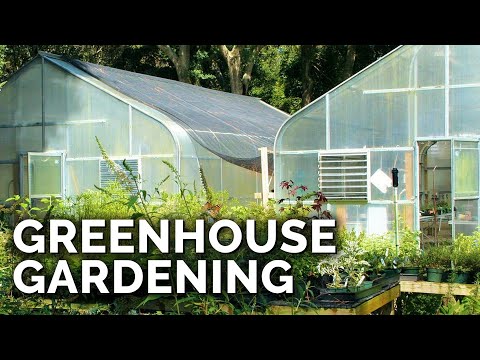
A hoop house is a type of garden bed cover defined by its curved, hoop-shaped frame. The supports are bent over the top of raised garden beds, creating a dome-like space inside. This structure holds the covering material in place, whether that is plastic, netting, or fabric.
Some hoop houses are hinged or retractable, making it easy to access your plants for watering, harvesting, or maintenance. The style and dimensions you choose should match the size and design of your raised garden bed.
In this article, we focus on a hoop house designed specifically for Birdies raised beds. If you have not chosen garden beds yet, these are an excellent option thanks to their durability and wide range of customization features.
Why Should I Use A Hoop House?

If your backyard experiences cold weather, hoop houses are a smart choice. If wandering wildlife likes to munch on your plants, hoop houses help there, too. And if you want a greenhouse effect… you already know where this is going.
These covers offer countless benefits, but the most common reason gardeners build them is to extend the growing season. Covering plants in fall protects them from frost, which is especially helpful for cool-season vegetables that would not survive much longer without protection.
When made from the right materials, hoop houses function as effective cold frames. They trap warmth so well around the roots that you may even be able to grow crops year-round in zones with mild winters.
There are many styles of raised bed covers available, but hoop houses stand out for two key reasons: they are easy and affordable. Most DIY hoop houses can be built in a single afternoon and cost less than a typical nursery haul from last spring. Their simple, tried-and-tested design holds up well in most weather conditions and requires very little ongoing maintenance.
DIY Hoop House For Your Raised Bed

We have designed a DIY hoop house that can be customized to suit any Birdies raised garden bed configuration, and there are plenty of options to choose from. This cover anchors securely beneath the soil inside the bed and features a removable top that helps keep plants warm, protected, and thriving. Now it is time to get started on this fun and easy hoop house project.
Things to Consider

Start by taking a close look at your raised garden bed. How many hoops will comfortably fit across it? Where would you like to access your plants from? Making a quick sketch of what you want the hoop house to look like on your bed can be very helpful. This design is meant to be customized to fit your raised garden beds, so feel free to adjust it to suit your space and growing needs.
In this plan, the base is set inside the bed before adding soil. Because the rectangular base rests directly on the ground, the vertical supports will stand upright on their own while you fill in the soil. Once covered, they are securely anchored, providing excellent stability and support for the hoops.
If your raised garden bed is already filled, there is no need to worry. Simply skip steps two through four when building the base. Insert the vertical support pipes directly into the soil and pack the soil tightly around them. This method still creates a strong structure, especially if you use pipes with a larger diameter for added stability.
Tools and Materials You’ll Need

- Birdies raised garden bed (available at the Epic Gardening Shop)
- Soil and shovel
- Measuring tape
- PVC pipe cutter
- 1/2 inch to 3/4 inch PVC pipe (amount depends on bed measurements)
- 4 socket fittings
- 2+ tee fittings
- 4+ couplings
- 1+ cross fittings (optional)
- Cover material (plastic, netting, fabric, etc.)
- Heavy-duty scissors
- Duct tape
- Several small clamps
- PVC pipe demount clip (optional)
The Base

Start by measuring the interior of your raised garden bed. The size will determine how much PVC for the hoop house you will need.
- Cut the half-inch PVC pipe into two pieces, each the width of the bed interior. Attach one side of a socket to the ends, making sure the open side of each socket points upward.
- Lay out the PVC for the lengthwise sides and cut it into sections wherever a hoop will be supported. The number of sections depends on the length of the bed and how much elbow room you want when growing your plants. For a sturdy structure, keep the hoops spaced about two feet apart.
- Connect the lengthwise pieces using tee fittings, with the open side facing up. Attach the ends of these sections to the sockets on the widthwise pipes. You should now have a rectangular base that fits neatly inside the raised garden bed.
- Next, prepare the vertical supports. Cut lengths of PVC that extend one to two inches above soil level. Any shorter and they may become buried. You will need one vertical piece for every fitting on the rectangular base.
- Insert each vertical support into a fitting, then top each one with a coupling to prepare for the hoops.
The Hoops

Start with the top bar.
- Cut PVC pieces to match the length of the sides of the base. You only need one full set. Set these pieces aside for later.
- Next, cut the PVC pieces for the arched hoops. You will need to estimate the height you want, since the pipes will be bent into an arc once installed. Cut one piece for each side of every hoop.
- Assemble these pieces into individual hoops, but do not bend them yet. Use tee fittings for the end hoops, and cross fittings for the center hoops to allow the top bar to connect securely.
Putting it All Together

- Set the base inside your empty raised garden bed. If the base is slightly too large, trim the length of the pipes until it fits comfortably.
- Fill the bed with your soil of choice. This step is difficult to change later, so take time to consider the soil needs of the plants that will be growing there.
- Now for the fun part. Take one PVC hoop section and insert one end into its corresponding base support. Gently bend the pipe into an arch and fit the other end into the opposite coupling. Repeat this process with the remaining PVC hoops.
- Once the hoops are in place, grab the top bar pieces and fit one between each hoop, connecting them securely.
- Check that every piece is firmly seated so there are no surprises if the wind picks up.
- At this point, you should have a sturdy PVC hoop house frame. The final step is adding your cover material.
- Cut two pieces of cover material that are slightly larger than the end hoops. Plastic is the most popular choice. Use duct tape to secure one piece around each end hoop, making sure the sides are fully enclosed.
- Next, cut a larger piece of cover material that is slightly longer than the full length of the PVC hoop house. It should be wide enough to cover the entire structure. Drape it over the frame, smooth it out, and clamp it in place.
- Trim the excess material so it meets the soil neatly without hanging past the ends of the raised garden bed.
Congrats! You now have a fully functioning hoop house. To access your plants, simply remove the clamp on one side, lift the covering, and secure it out of the way.
If you decide later in the season to remove the top entirely, disconnect the hoop sections from the base fittings. You may need to use a demount clip to make this easier. In the meantime, plant some seeds, settle them in, and enjoy watching your garden grow under its new protective cover.