Raised Bed Greenhouse Gardens: Tips & Tricks
Sometimes you need a little protection for your raised bed. A raised bed greenhouse may be the solution you're seeking. We'll share your options and what to consider with each one.

Contents
Greenhouses have long signaled a committed gardener. They extend the growing season and make better use of the year. Traditional greenhouses, however, often require a large footprint and a serious budget. A raised bed greenhouse offers a smarter alternative.
By building a greenhouse directly over an above-ground bed, you can extend your growing season, improve crop health, and save valuable garden space at the same time.
Raised bed greenhouses make an excellent DIY project, but they require thoughtful planning. Before building, evaluate your garden’s needs, including placement, materials, and seasonal timing. From there, you can choose from several design options that work best with your existing raised beds. While the process may feel overwhelming at first, the right approach makes it both manageable and rewarding.


Why a Raised Bed Greenhouse?

Before getting into the technical details, it helps to cover some greenhouse basics. Raised bed greenhouses differ from traditional greenhouses because they do not regulate temperature or humidity.
Instead of relying on artificial heat, these structures warm the soil by trapping heat from sunlight. Plants inside stay slightly warmer, but you cannot precisely control temperatures or raise soil warmth enough to grow plants outside your gardening zone. Another key difference is size. Greenhouses designed for above-ground beds are smaller and often portable.
This modest temperature boost becomes especially useful at the beginning and end of the growing season, such as when winter starts to settle in. Under normal conditions, garden plants respond to cooling temperatures by completing their life cycle or entering dormancy. By slightly increasing temperatures and extending the season, you can gain a few extra weeks or even months of active growth.
In addition to harvesting later, raised bed greenhouses allow you to plant earlier in the season, which brings you closer to year-round gardening. Depending on the crop, you can plant as much as one to two months earlier in spring. Frost-tolerant plants, such as spinach, perform particularly well when planted in late winter in above-ground beds.
To decide how early to plant, use a thermometer to monitor the temperature inside your raised bed greenhouse and compare it to the recommended planting temperature listed on the seed packet.
During spring and summer, raised bed greenhouses also protect plants from pests and harsh weather. They work well for hardening off young plants and for giving extra care to herbs and vegetables. In winter, when ground soil becomes too cold for active growth, a raised bed greenhouse helps protect the roots of temperature-sensitive plants resting in dormancy.
Raised Bed Greenhouse vs. Raised Bed Greenhouse Cover

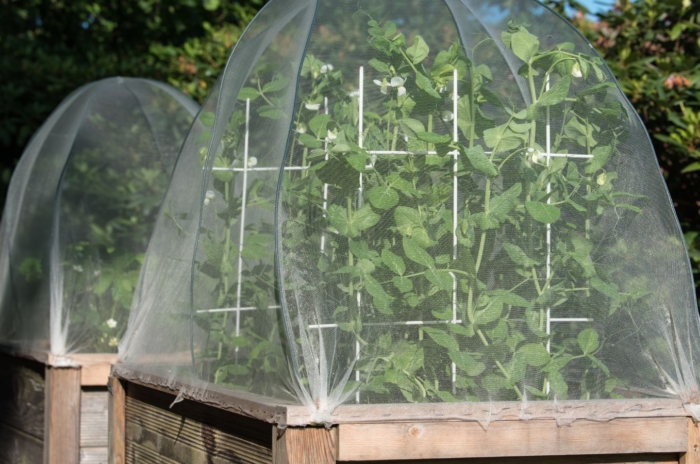
If you already use raised garden beds, you have probably experimented with raised bed covers. Covers play a valuable role in the garden, but they do not always support the soil and plants in the same way a greenhouse does. The main difference comes down to materials.
Most raised bed covers use breathable fabrics, mesh, or even chicken wire. These materials keep pests out but allow heat to escape, so they do little to warm the soil. Covers made from solid materials, such as thick plastic or glass, trap heat and maintain warmer growing conditions. Once a cover does that, it functions as a greenhouse.
In simple terms, a greenhouse built for a raised bed is the most efficient form of raised bed cover because it both protects plants and retains heat, keeping the soil productive for longer.
Things to Consider

A greenhouse adds real value to raised bed gardening, but it is not a cure-all. It comes with a few limitations and tradeoffs that are important to understand before building one.
The biggest limitation is plant selection. A raised bed greenhouse will not let you grow anything you want. It only raises soil temperature and humidity slightly, and those gains depend entirely on your local climate. Plants that cannot grow in ground level or raised beds in your zone will not suddenly thrive under a simple greenhouse cover. Warm climate crops still require a fully temperature and humidity-controlled greenhouse system.
Airflow is another key consideration. A solid greenhouse structure restricts ventilation. Even though it is not airtight, you still need intentional airflow to prevent bacterial and fungal problems. During heat waves, open the greenhouse to prevent soil and root temperatures from climbing too high, especially in warmer regions.
Finally, greenhouse structures block access to pollinators. If you plan to grow fruiting crops, open the greenhouse when plants begin flowering so pollinators can reach them.
Types of Raised Bed Greenhouses
Greenhouse designs for raised garden beds vary widely, but most fall into two main structures: hoop houses or cold frames. Each option has its own advantages and limitations, and both work well for extending the growing season into near year-round gardening.
They also offer plenty of flexibility, leaving lots of room for creative designs that suit your space and growing goals.
Hoop Houses

Hoop houses are usually the more affordable and temporary option. They use rounded frames, often made from PVC hoops, to support a solid greenhouse cover, typically thick plastic. Hoop houses work well as a simple DIY project and go up and come down easily. Because of this temporary nature, gardeners usually install them only when needed. Most hoop houses do not include hinges or built-in access points for ventilation.
Hoop house frames need to use materials that bend easily into shape. Thin PVC pipe remains the most popular choice because it is flexible and easy to work with. Other options include thick wire, pre-made PVC hoop house kits, or even hula hoops. The covering material must also be flexible, clear, and durable. Gardeners usually secure covers with galvanized pipe straps or anchor them directly into the soil.
You can assemble PVC hoop houses in several ways on raised garden beds. The simplest method involves pushing the ends of the hoops directly into the soil and draping the cover over the top. For wooden raised beds, you can attach hoops to the outside of the bed using galvanized pipe straps. If you want a more permanent structure, assemble the PVC hoop frame inside the raised bed before filling it with soil.
Cold Frames

A cold frame is the more refined option for a raised bed greenhouse and usually requires woodworking skills or a larger budget. These structures attach directly to above-ground beds, often with hinges, which makes them a permanent part of the garden. Gardeners use cold frames year-round, and hinged lids make it easy to open them for watering, harvesting, or ventilation. They also tend to look more polished, with a clean, box-style design.
Most cold frames consist of a wooden structure topped with high-quality plastic or glass. Many gardeners build them using repurposed windows from home renovation projects, which keeps costs down while adding character to the garden.
Raised Beds In Greenhouses

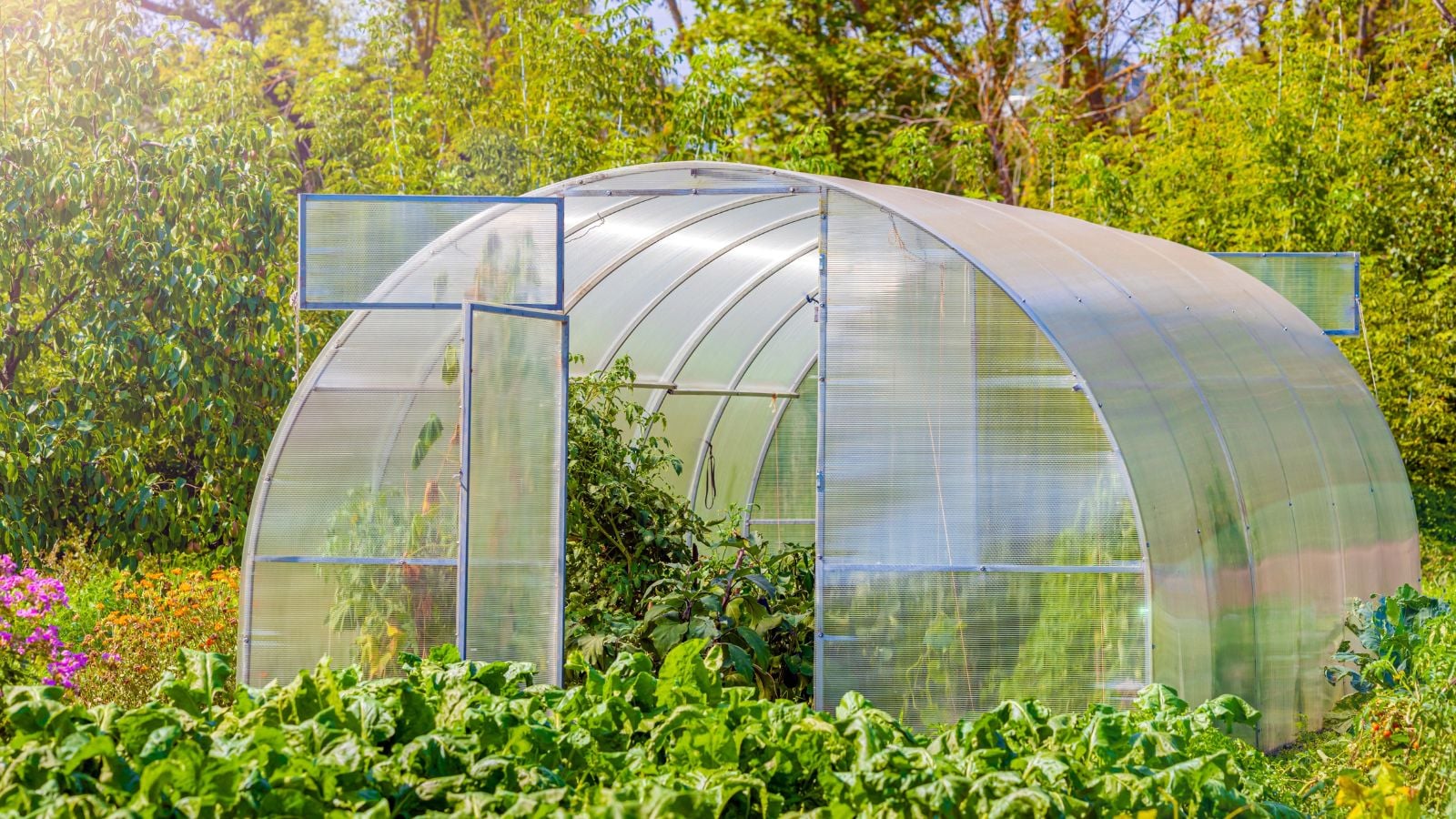
We have covered modular greenhouse options for raised garden beds. Another approach places above-ground beds inside a larger greenhouse structure. This might be a spacious hoop house used for row crops or a permanent glass and metal greenhouse designed to house raised beds.
A sealed and well-managed greenhouse removes most weather-related challenges. Climate control reduces exposure to frost, heat extremes, wind, and heavy rain. Pests and diseases also occur less frequently because the structure limits contact with the outside environment.
That said, pests can still become an issue indoors. When they do appear, control can be more difficult because all plants share the same enclosed space.
Cost also becomes a major consideration. High-quality greenhouses require careful design, professional installation, and a larger financial investment. Visual design matters as well, since the structure and beds will become a focal point of the garden.
Proper drainage and ventilation are essential. Poor drainage can encourage water-borne diseases, so plan for runoff to exit the greenhouse or install a porous natural floor that allows excess water to move away freely. Adequate airflow prevents humidity buildup and supports plant health.
Access to a garden hose or built in irrigation system inside the greenhouse is also critical. When designed correctly and maintained well, this setup allows year-round gardening without the risk of freezing or overheating plants.
Other Options

You do not need to follow a pre-made greenhouse plan for above-ground beds. It is your garden, so feel free to get creative. You can combine ideas to design a custom greenhouse that fits your raised garden bed, or repurpose items such as clear storage containers or even an unused aquarium.
Some gardeners take a different approach and build above-ground beds inside a large, existing greenhouse. This setup saves space and makes vegetable plants easier to access. Raised bed kits like Birdies Raised Beds work especially well inside greenhouses because they assemble easily and create a clean, uniform layout.
Building a Quick, Temporary Greenhouse

Time is money, or in this case vegetables, so it helps to save both by building a quick greenhouse that is easy to add to raised beds. This raised bed greenhouse uses a simple wooden box frame that you can build in just a few hours. The lightweight design makes it easy to place on or remove from raised beds as needed. It works well with raised bed kits as well as DIY raised beds.
This greenhouse design sits flat across the top of the raised garden bed, so it suits shorter or immature plants best. You can increase the height by adding legs or using thicker beams. For an angled greenhouse that allows rain to run off, use a thicker beam on one side and cut the two perpendicular beams at an angle.
Let’s start by gathering some materials. Here’s what you’ll need:
- 5 wood boards or posts (cedar, spruce, or whatever’s free in your garage)
- Your choice of greenhouse plastic
- Tape measure
- Wood glue
- Nails (or a related fastener)
- Hammer
- Metal brackets (optional)
- Staple gun
Now, just follow these steps to create your DIY greenhouse for your raised garden bed:
- Measure the length and width of your raised beds from the outer edges.
- From those measurements, cut the wood boards to recreate the perimeter of the raised garden bed. Remember to plan ahead for how you’ll join the boards. For example, if you create a simple butt joint, the overlapping board will add a few extra inches of length to the second board.
- Cut the fifth board to fit across the center of the frame. If your raised bed is extra long, you may want to add two or more of the short pieces to act as stabilizing boards across the frame.
- Use wood glue to piece everything together. For extra durability, drive nails through the ends as well. You can also attach metal brackets to the inside of each corner (cheap shelf brackets work great for this!)
- Set the frame aside and grab your greenhouse plastic. Measure and cut enough material to line the entire frame.
- Use a staple gun to secure the greenhouse plastic to the frame. It should be stretched taut, but not so tight that it’ll tear.
- All that’s left to do is test it out! Just set your new greenhouse frame on top of the raised bed and see how your plants respond. You can make modifications to the frame as needed, such as elevating it or adding hinges. For now though, you have a good system for keeping the soil, plants, and roots in your raised beds warm.
Frequently Asked Questions
Can you put raised beds in a greenhouse?
Absolutely! Putting raised garden beds inside your greenhouse will give you more gardening space, improve drainage, and make it easier to access the plants than if they were on the ground.
How deep should greenhouse raised beds be?
If you’ll only be able to access the raised bed from one side, make it as deep as you can comfortably reach the soil (usually 2-3 feet). This also depends on the size of vegetables, herbs, or flowers you’ll be planting.
Are raised garden beds warmer?
Yes, the soil gets warmer because it’s absorbing sunlight from the sides as well as the top (ground-level soil only heats from above). However, that also means that the raised beds will just as soon get colder in the winter weather – hence the greenhouse!
Can I turn a raised bed into a greenhouse?
You can build a structure to fit on top of the bed, which acts as a kind of greenhouse.
How do I keep my raised bed warm in the winter?
You can cover it with leaves, or a greenhouse cover that has greenhouse plastic or frost cloth over it. This could be the entire bed or just part of one.
What can I grow in a raised bed greenhouse?
So many plants can grow under a greenhouse over a raised bed. Try growing your winter crops here!
How deep do greenhouse beds need to be?
They should be at least 8 to 12 inches deep.
Does a homemade greenhouse need ventilation?
Yes! That’s one of the most important things you need in a greenhouse. For PVC hoops and similar DIY structures, you can vent the bed via small holes.