Raised Bed Covers: The Best Ways to Protect Plants
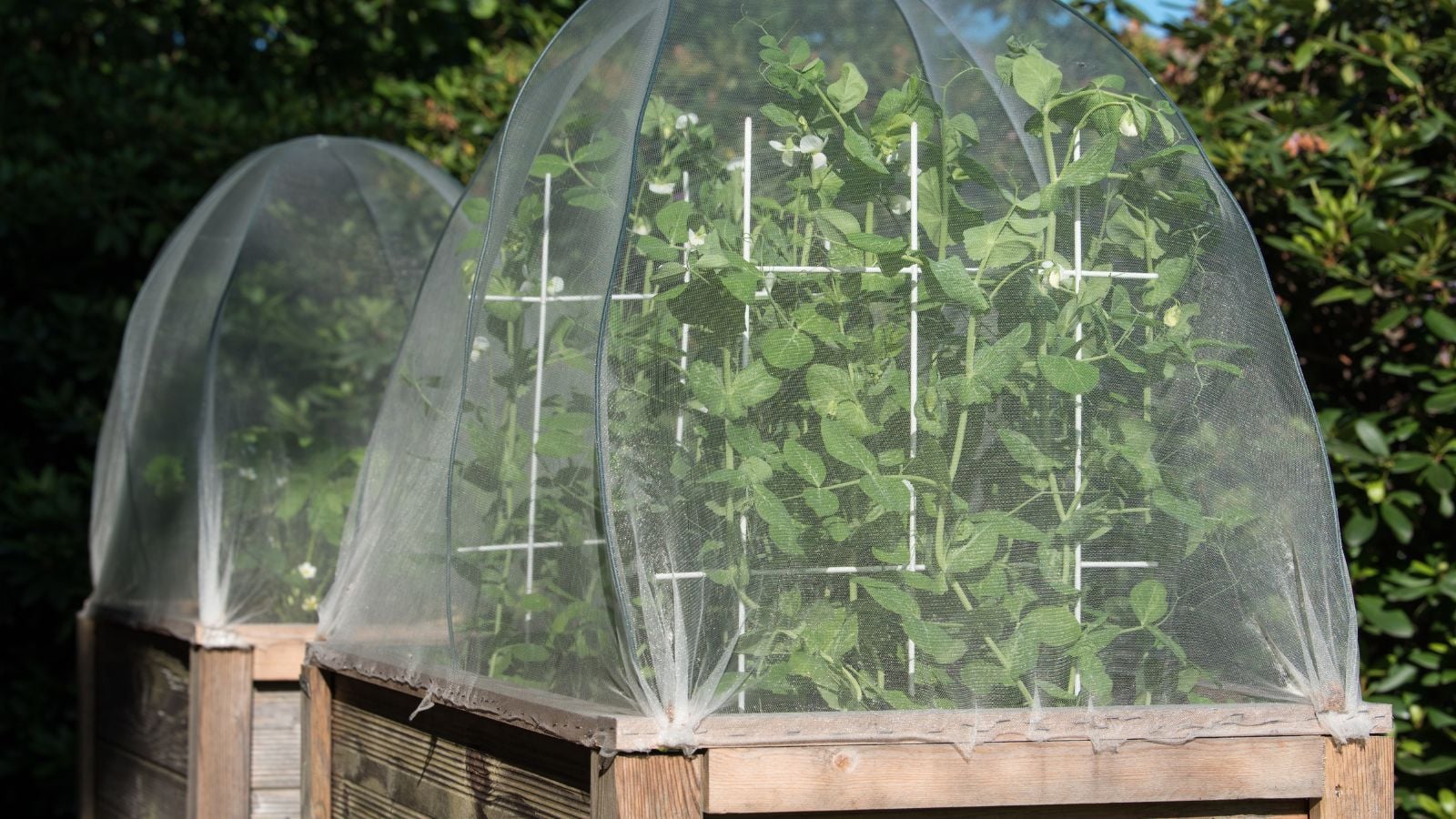
Raised bed covers can protect your plants from the elements, from pests or animals, and more. We'll explain all you need to know about them!

Contents
As gardeners, we tend to be very protective of our plants, and for good reason. They need a lot of protection. Taking plant species out of their native habitats gave us the joy of gardening, but it also introduced a whole new set of challenges.
Our gardens are exposed to pests, disease, heavy rain, wind, heat, and frost. It is enough to make any flower wilt. That is why it is worth talking about what may be one of the most valuable additions to your garden: raised bed covers.
Pop-up, shading, hinged, tent-style, and structured options are just a few of the many raised garden bed covers available. With so many choices, it can feel overwhelming to know which one is right for your space. In this article, we will help you determine exactly which type of raised bed cover your garden needs and how it can protect your plants throughout the growing season.
Medium Modular Metal Raised Garden Bed Kit – 15” Tall
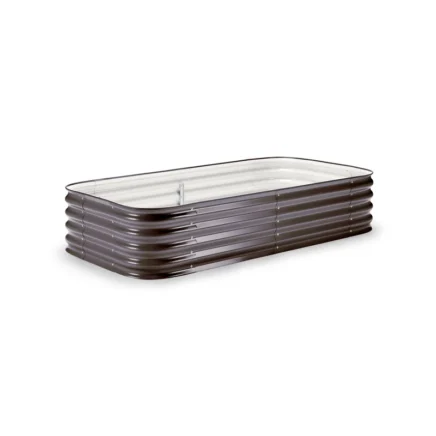
Medium Modular Metal Raised Garden Bed Kit – 15” Tall


What is a Raised Bed Cover?
A raised bed cover is exactly what it sounds like, something used to cover and protect your garden bed. These covers secure in, on, or around the bed and shield the vegetation from the elements. Each raised garden bed cover includes a frame that connects to the bed itself or the ground and supports the protective material. Both the frame and covering materials vary widely, each offering different benefits, limitations, and ideal uses.
Many gardeners choose to build their own raised bed covers. Here are a few of the most common types you will see in home gardens.
Hoop Houses

These structures, made from PVC and sheet plastic or floating row cover, protect millions of plants every year. They are easy to assemble and just as easy to take apart when needed.
Box Frame Covers
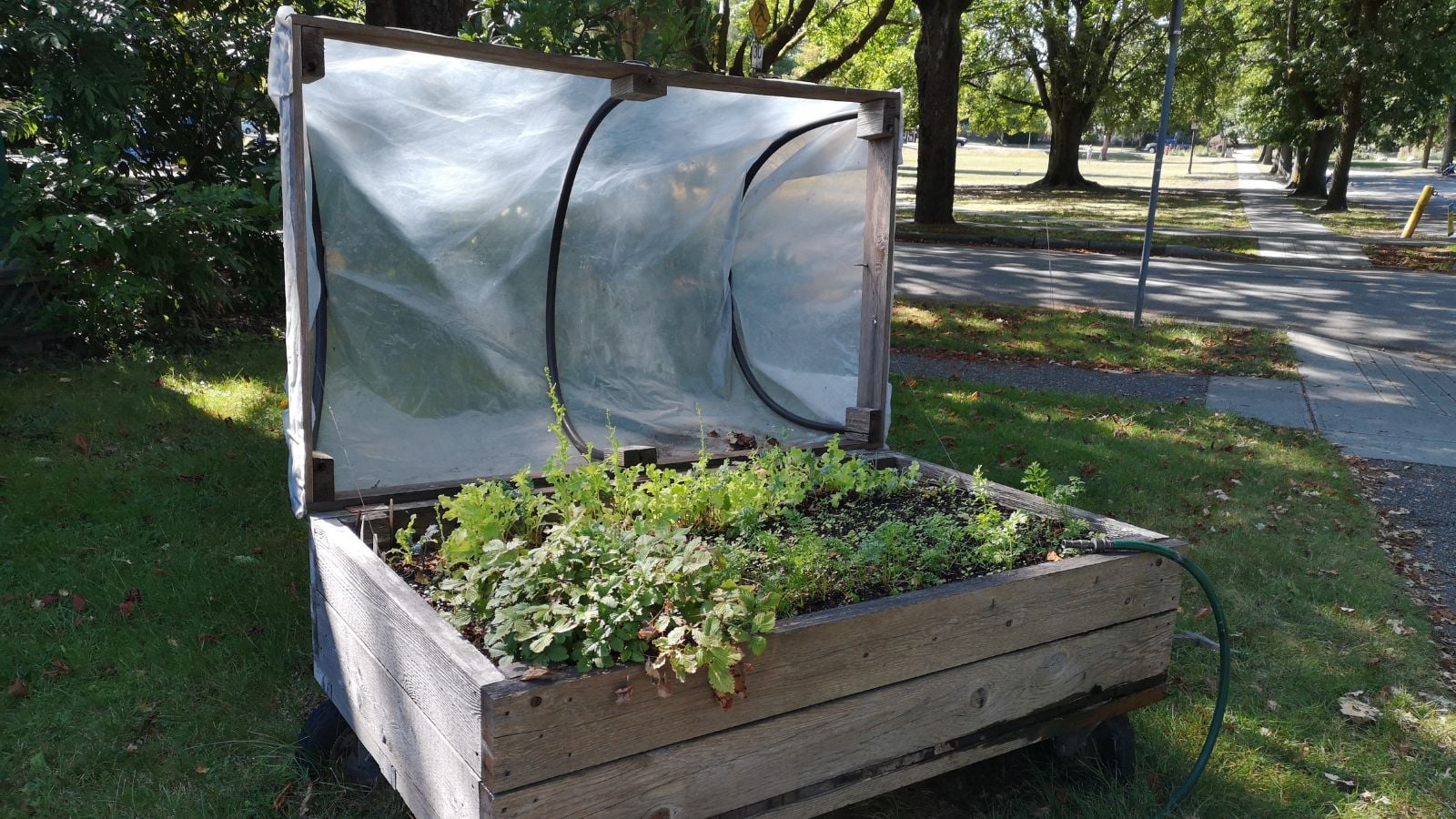
A box frame can provide the rigid structure needed to keep snow off plants or shield them from wind and other harsh conditions. These frames are usually left intact after construction and may remain around the plant with or without a cover attached.
Retractable
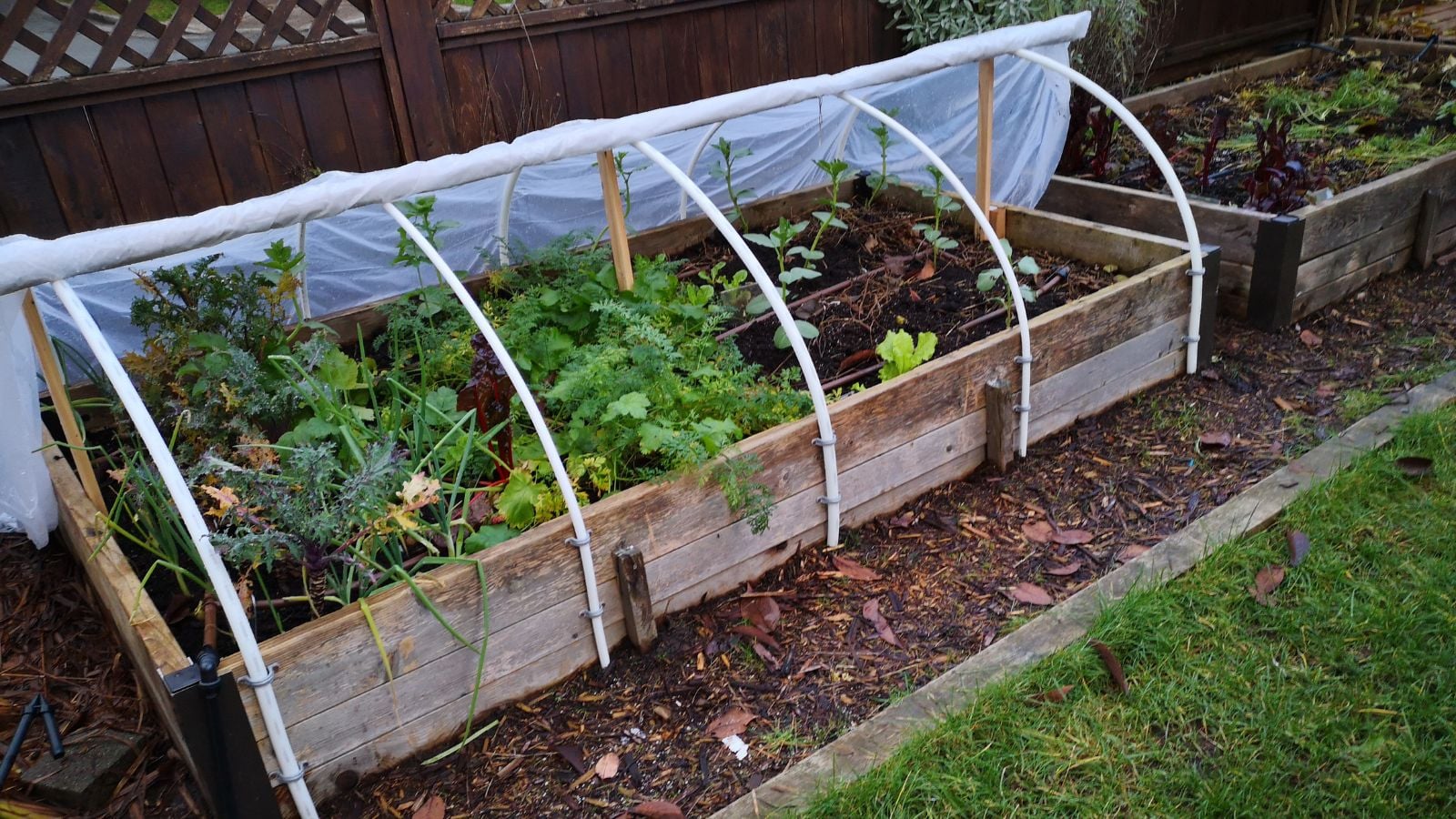
These attach to the end of the bed and pull out to cover it entirely. Usually, these are a variation of a hoop house, although other versions do exist.
These attach to one end of the bed and pull out to cover it completely. In most cases, they are a variation of a hoop house, although other designs are available.
Mini Greenhouse

A sturdy structure that attaches directly to raised beds and features a door or hinge for easy access to the plants. Cold frames usually use a heavier cover material than miniature greenhouses, making them especially effective for cold-weather protection.
Plant Tents

Essentially a clear tent for plants, often complete with zippers for easy access. These covers fit just inside or around raised garden beds and provide simple, effective protection from the elements.
Pop-up or Fixed Cloches
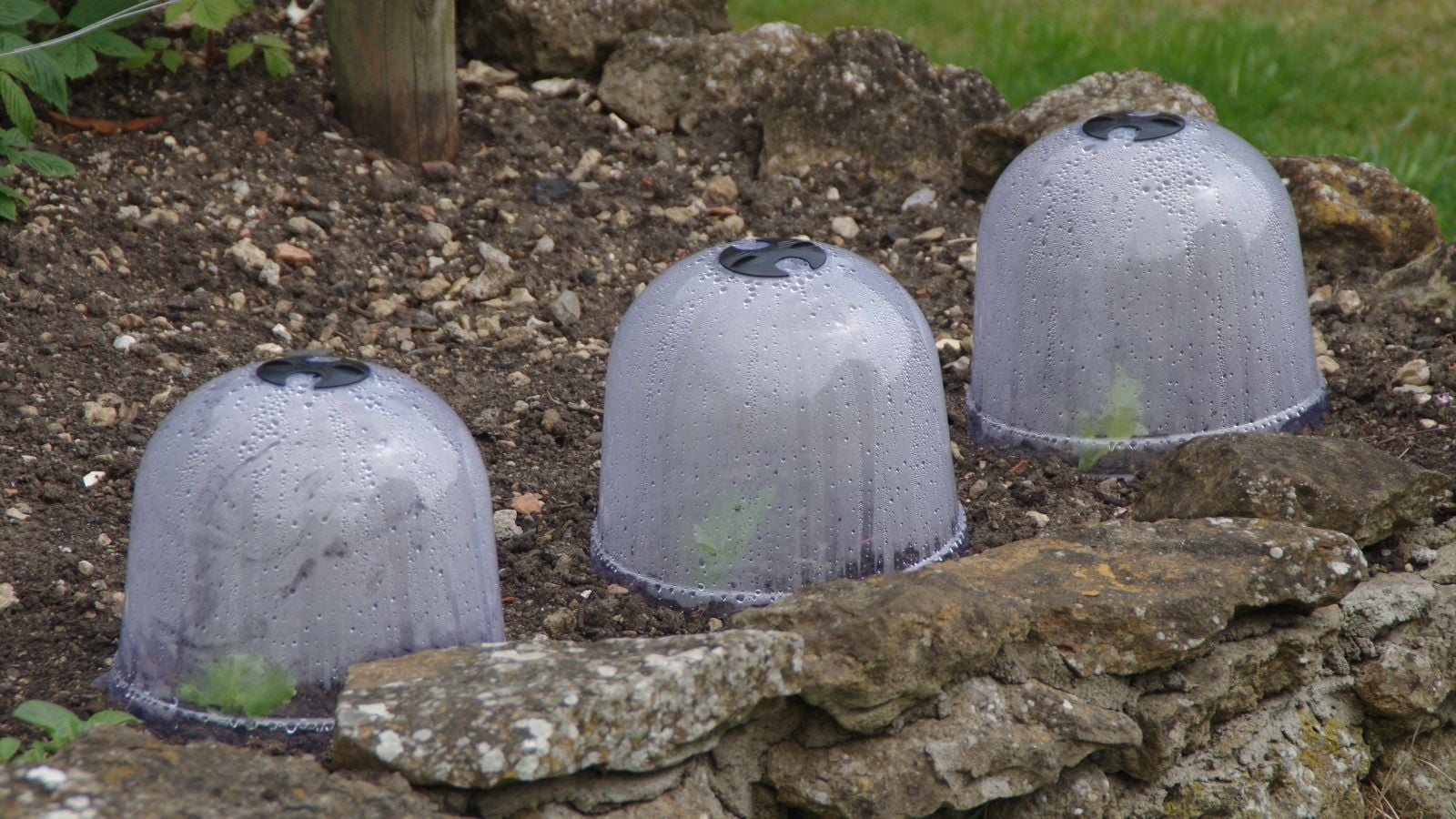
Bell-shaped, individual covers that are useful for gardening in raised beds or directly in the ground.
Choosing a Cover
As you can see from these options, it is important to consider the structure of your raised garden bed before choosing a cover. You would not want to invest in a greenhouse-style cover only to find that it does not match the shape or size of your bed.
Before shopping for materials or premade covers, take note of your raised bed measurements and the material it is made from, and decide what you want the cover to accomplish. If you only need light shade on a hot day or a structure to support floating row cover, it does not need to be as heavy-duty as a cover designed to protect plants from severe weather.
How Does a Raised Bed Cover Help?
As we mentioned, a raised garden bed cover is meant to keep your precious plants safe and sound. However, some protect against certain dangers better than others. We highly recommend that you think about what you’re saving your backyard from and then choose your coverings from there.
Protection From The Elements

Greenery loves rain and sun, but too much of either can do more harm than good. High heat and direct sunlight are damaging to many garden plants, especially edible crops. Shade cloth is designed with this in mind. It is a woven fabric, usually made of plastic or filament, that reduces light intensity without blocking sunlight completely. When used as part of a raised garden bed cover, shade cloth is typically stretched across the top so plants are shaded only during the hottest part of the day.
On the other end of the spectrum, cold temperatures and frost can cause just as much damage, if not more. This is where solid plastic covers are most useful. Clear polyethylene sheets trap heat and help maintain warmer conditions around plants. Because of their versatility, they are commonly used in both small and large greenhouses. Cold frames are another effective option and tend to be more durable for keeping raised garden beds warm and frost-free.
Heavy rain and strong wind usually require a more durable type of sheeting. However, even the best cover will not perform well without a sturdy, secure structure. Covers that simply sit on top of or around a raised bed can easily blow away. If you live in an area with frequent high winds, it is essential to attach the cover securely to the bed or ensure it has enough weight to stay in place.
Rain and wind are often accompanied by hail. While it can be entertaining to watch, hail can be extremely damaging to plants. Fine netting works surprisingly well in these conditions. Plastic sheets or glass are often less effective, as they can crack or shatter during severe hailstorms.
Protection From Animals
We love our pets, but they can certainly wreak havoc in the garden. Most raised bed covers will help keep pets out, although sturdier options are always better. A dedicated garden bed fence is a good addition to discourage curious dogs from exploring where they should not.
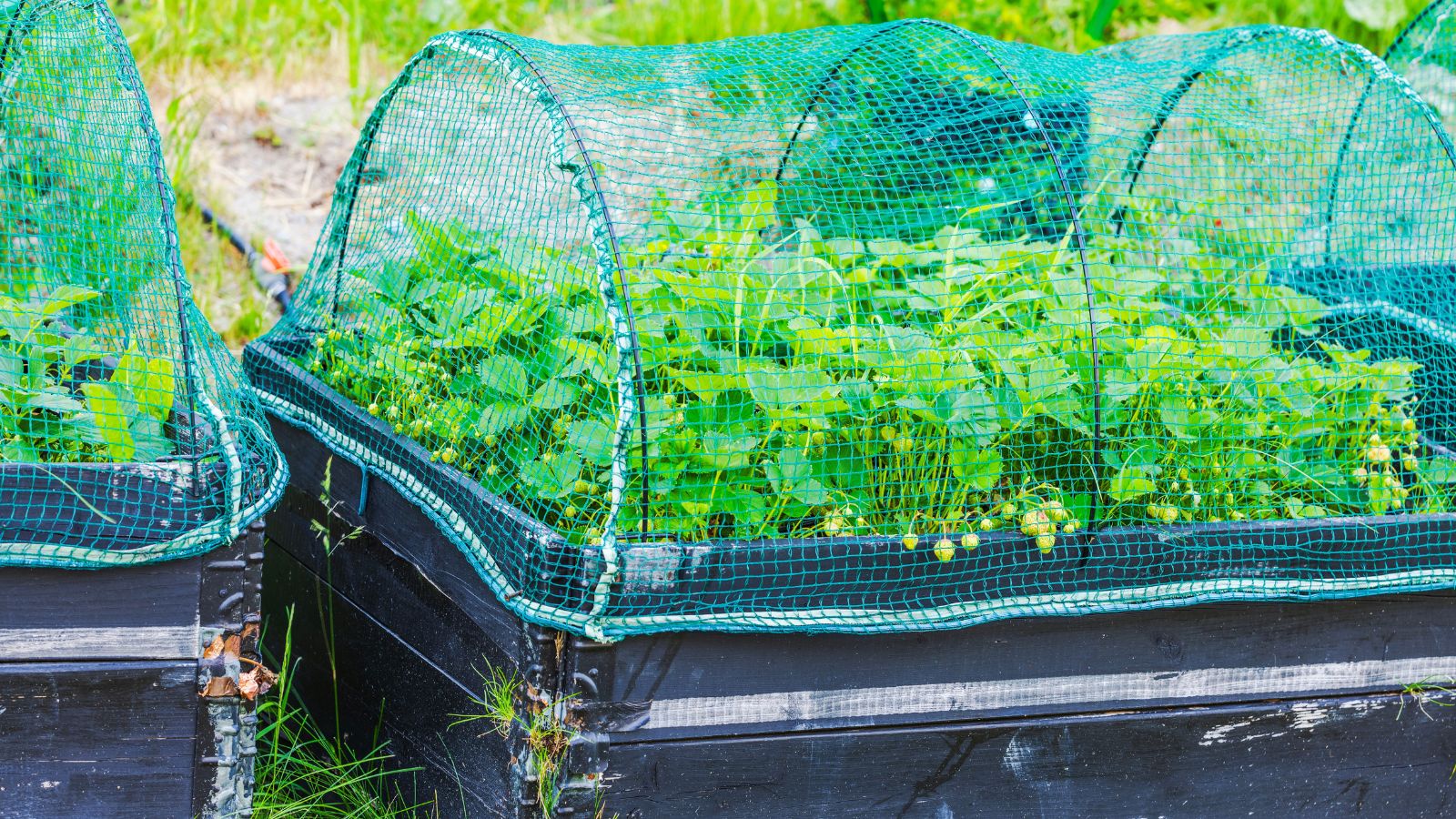
Dogs and cats are not the only animals that may visit your garden. Birds and other wildlife may see your vegetable bed as the perfect lunch spot. Bird netting or chicken wire will usually keep them out. If you choose bird netting, be sure to pull it taut so birds do not become tangled.
Larger wildlife, such as deer, often requires a more substantial barrier. In these cases, choose a strong structure with a solid or mesh cover that cannot be easily torn. Cattle panels are an excellent option, as they are designed to contain large, strong animals. Made from welded wire formed into a grid, they also work well as a sturdy base for raised bed coverings.
While protecting your plants is important, wildlife still needs access to food. If you live in an area with wild herbivores, consider leaving one bed uncovered as a designated feeding area to reduce pressure on the rest of your garden.
Protection From Pests And Diseases

No matter what or where you grow, flying insects will always be present. That is why floating row covers are such a popular choice. They are lightweight, portable, and very effective at preventing pests from laying eggs or feeding on plants. Floating row covers made from solid sheeting or tightly knit fabric offer the best protection against these insects.
For crawling pests, you need a cover that is secured directly to the ground or the raised bed so nothing can slip underneath. Laying fine mesh along the base of the bed or firmly anchoring your floating row cover at the soil surface is an effective way to block these pests.
Solid sheeting can also help prevent the spread of airborne fungal spores. Creating a full roof with this material protects plants from excess rain by directing water off to the sides, which helps reduce the risk of overwatering.
Keep in mind that excluding insects also means blocking pollinators. If you want your plants to flower and produce, you will need to remove or open the covers during bloom time.
What Don’t Garden Coverings Protect Against?

Sadly, not every garden problem can be solved with a single cover. No matter the setup, raised bed covers will not protect plants from pre-existing soilborne diseases, underground pests, or extreme temperatures, not to mention rare events like tornadoes or hurricanes. Depending on the material you choose, a cover may also trap humidity, which can be beneficial or problematic depending on the plants you are growing.
Types Of Garden Bed Cover Frames
A protective cover is only as good as its frame, and there are plenty to choose from! Here are the top three frame materials out there.
Wood

It does not get more basic than wood, a hammer, and nails. This tried and tested material is ideal for cold frames and mobile greenhouses because it easily accommodates hinges. Wooden frames are rigid enough to withstand harsh weather and can last for many years.
This is one of the more expensive options, especially for gardeners who purchase a pre-made frame rather than building one themselves, since not everyone has carpentry skills. These frames are also often large, heavy, and awkward to move from one raised garden bed to another.
PVC

PVC pipe is a gift to the DIYer. It is almost like adult tinkertoys, since it comes in many fittings and can be used to build a wide range of shapes. You can create rounded hoop houses, square frames, and even angled roofs. PVC is lightweight, easy to work with, and can be taken apart when not in use. It is also very affordable.
Because it is so lightweight, PVC pipe does not stand up well to strong winds unless it is properly secured. That can be tricky, since you cannot simply drive a nail through the pipe. You will need a fastening method that works with both the PVC and the raised bed material. This type of frame also offers fewer options for access points, as it cannot be easily hinged.
Metal

Metal frames are often the most durable option. They are sturdy like wood but will not rot, soften in heat, or suffer insect damage. However, metal frames tend to be more expensive and are harder to build yourself. Metal is also usually heavy and can heat up quickly in the afternoon sun.
Types Of Garden Coverings
Now that you have chosen your frame, there are plenty of cover materials to consider. Keeping the material best suited to your situation in mind, take a look at some of the most common raised bed covers and the materials they are made from.
Mesh

You can find mesh with a range of hole sizes. Choose a large-hole mesh if your goal is to keep out animals, as it will not interfere much with airflow or light. For smaller animals, such as birds, a small-hole mesh is a better option.
Mesh can be made from a variety of materials, but gardeners most often use polyethylene or polypropylene. These materials are inexpensive, lightweight, and UV resistant, making them well suited for use as raised bed covers.
Fabric

Shade cloth is a popular choice for protecting your garden. Made from polyester, it is either knitted or woven. Knitted shade cloth is more lightweight, durable, and better suited for gardening applications. Woven shade cloth is heavier and can fray or unravel when cut. Both types allow for airflow and ventilation, unlike solid materials that trap heat.
Plants need a full spectrum of light for photosynthesis. However, extremes on the light spectrum, especially infrared light, can significantly hinder vegetative growth. The goal of shade cloth is to block harmful rays while still allowing enough light through for healthy growth. For this reason, shade cloth is sold in different filtering levels. For example, seventy percent shade cloth blocks out seventy percent of the sun’s rays. Options typically range from as low as five percent to as high as ninety percent.
Woven fabric is also commonly used for floating row covers. These materials range from very lightweight to heavy duty. Heavier fabrics can provide cold protection and are often used as frost blankets to shield plants from low temperatures.
Plastic

This category includes a wide range of strong, waterproof coverings. These can be divided into rigid and flexible materials. On the rigid side are plastic panels, which are usually made from durable polycarbonate and come in smooth or corrugated styles.
Flexible options, such as plastic sheets, are easy to work with and fit most raised bed structures. One popular choice is translucent tarps, which are woven tarps layered with clear plastic. All of these materials are available in a range of thicknesses and opacity levels to suit different garden needs.
Metal
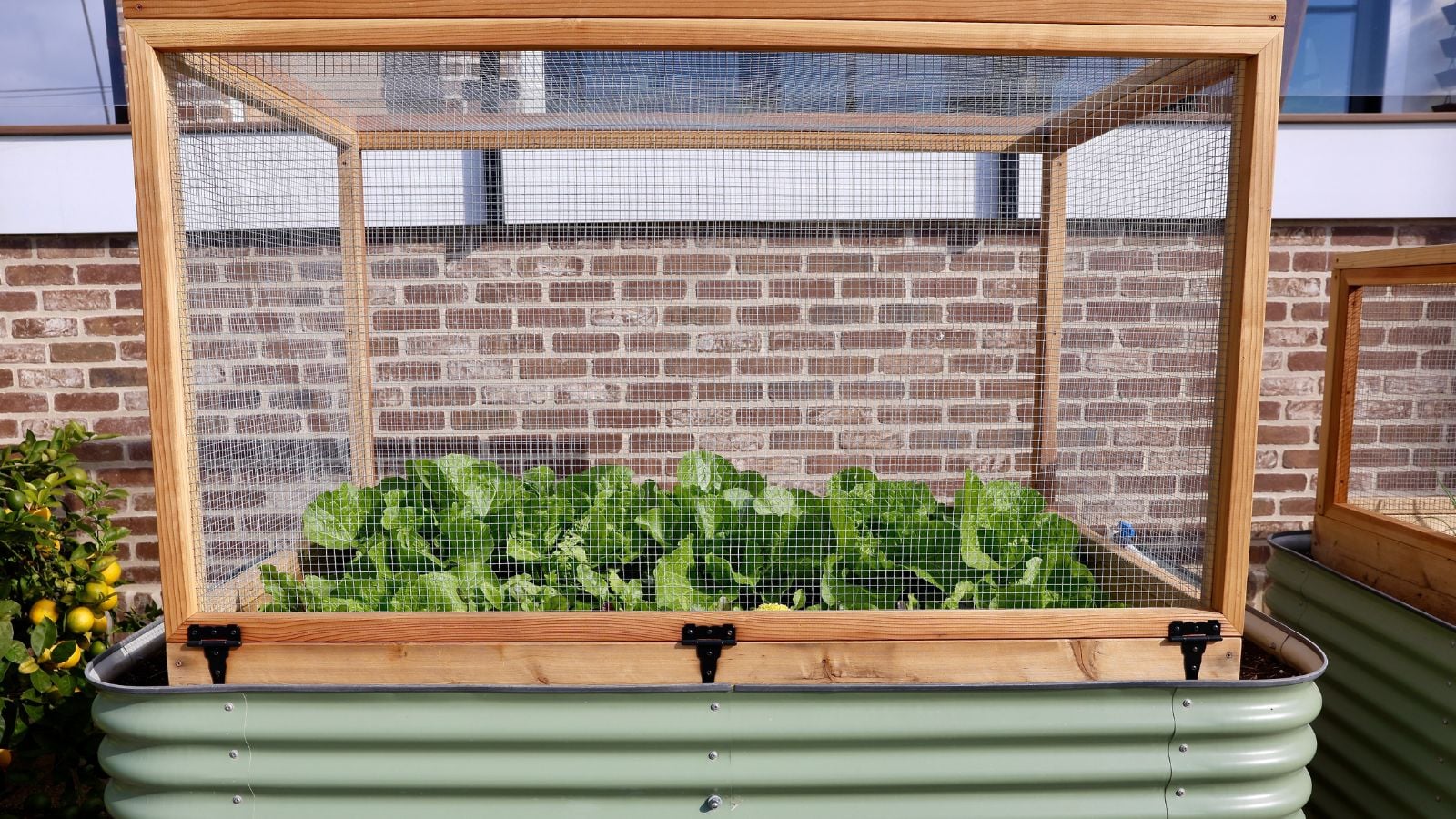
Chicken wire and other fencing materials fall into this category. Metal does its job well and lasts for a long time. For a DIY raised bed cover, chicken wire and hardware cloth are both solid options. Hardware cloth is not actually a cloth, but a roll of flexible, gridded wire. It is much easier to cut, store, and work with than chicken wire, without sacrificing durability or performance.





