Purple Waffle Plant: Lively And Lush Air Cleaner
Unusually-shaped leaves and stunning colors are a hallmark of the purple waffle plant. Learn how to care for yours with our in-depth guide!

Contents
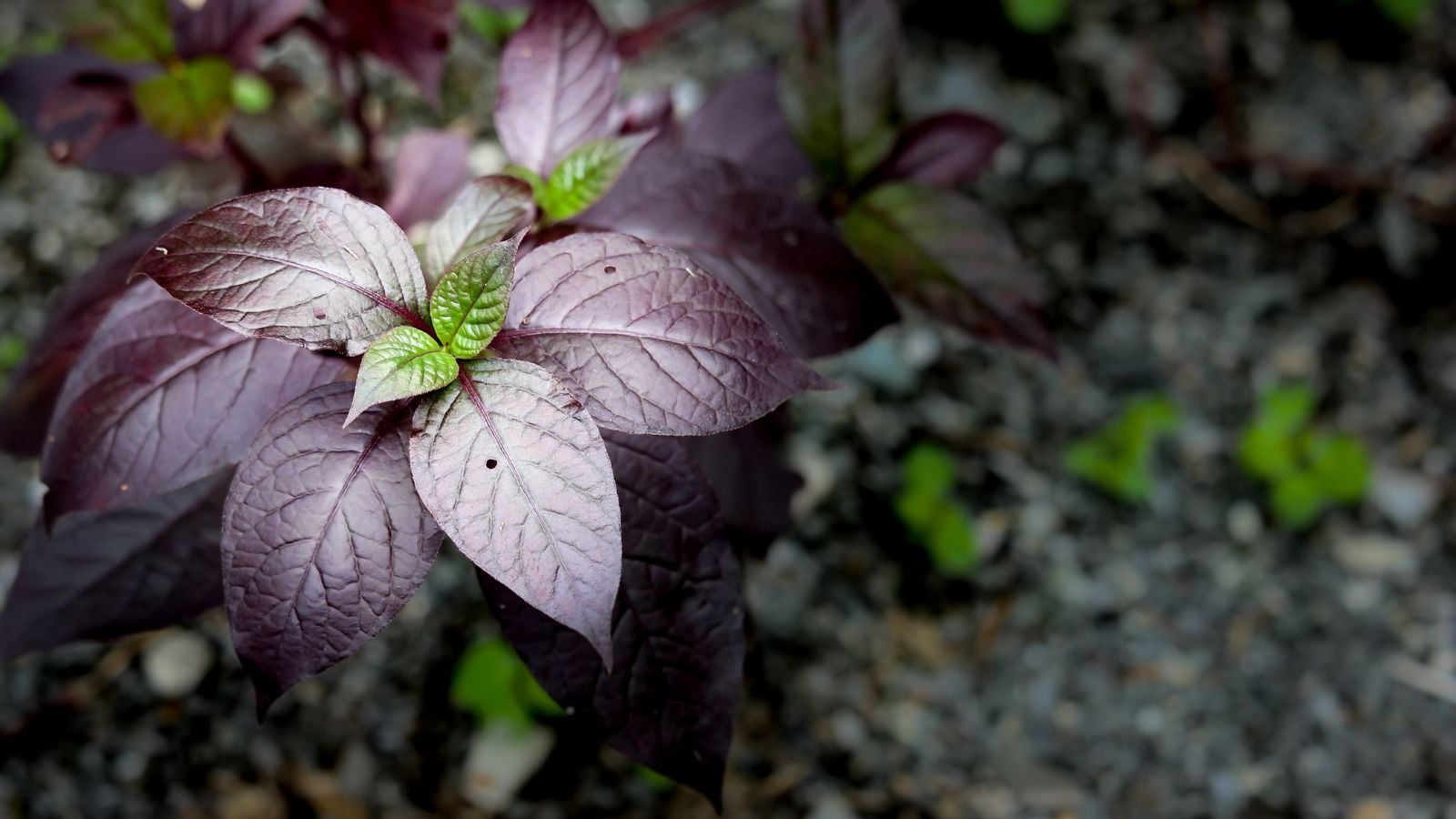
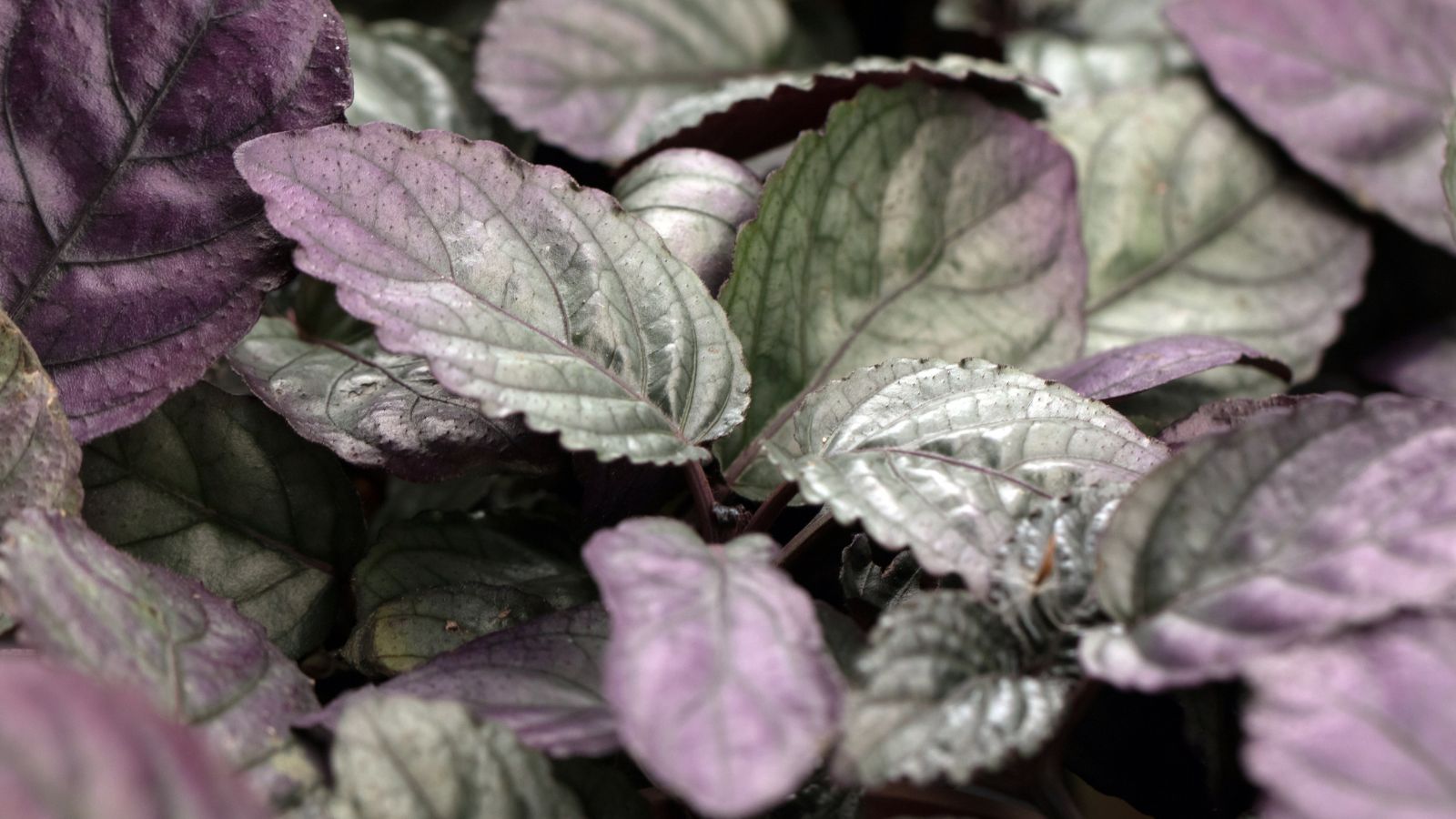
The purple waffle plant stands out from other houseplants due to its unique leaves. Puckered and rippling, they develop in a way to increase the surface area over each leaf surface. The underside of each waffle plant leaf is a vibrant purple color. As a shaded groundcover plant, it can make for a multicolored mat of dense foliage.
That increased surface area has another benefit. Strobilanthes alternata is known to be an air-cleanser. The waffle plant removes volatile organic compounds from the air surrounding it. What a great reason to consider growing it indoors as well!
Today we’ll be exploring this lush green and purple jungle-dweller that is the waffle plant. It doesn’t take much effort to provide these lovely plants with everything they need!
Quick Care Guide

|
Scientific Name
Strobilanthes alternata
Common Name(s)
Purple waffle plant, red ivy, cemetery plant, metal leaf, waffle plant
Family
Acanthaceae
Height & Spread
6-8″ tall, 12-24″ wide (or long if draped in hanging pot)
|
Light
Bright indirect light, shaded from direct sun
Soil
Rich, humus-filled, well-draining
Water
Keep consistently moist at all times, don’t over-water
Pests/Diseases
Occasional whiteflies/scale. Root rot & mildews possible.
|
All About Purple Waffle Plant
Herbaceous and perennial in its natural jungle locale, the purple waffle plant grows to 6″ in height. It forms long stems that can take root or cascade over the sides of hanging pots. Originating in Java, the waffle plant has become popular internationally as a houseplant.
In zones 10-11, it can be grown as an understory plant or ground cover in shady areas. It’s become naturalized in the Pacific islands, as well as in parts of northern Queensland. The southernmost tip of Florida can also grow a waffle plant outdoors with ease.
For the rest of us, we keep our purple waffles indoors where we can get the most of their air cleaning capabilities. Compounds such as benzene, octane, and toluene are absorbed from the air, making it safer for us. And who doesn’t want better air?
Speaking of air: the waffle plant is into warm jungle air, but it’s not a fan of the ocean. If you live near the ocean, try to keep it indoors and away from salt-laden air, as it’s sensitive to the salt.
As a hanging plant, the waffle plant shines. Its long stems will grow to drape beautifully down the sides of your pot. But you don’t have to relegate it to only being hung up. The waffle plant can look incredible swaying down a bookshelf or as a centerpiece on a table. Really, they’re quite versatile indoors.
Did I mention that the waffle plant flowers? The flowers tend to be tubular in shape and are a bright white color. They’re fairly small and delicate, but they’re pretty if infrequent!
Other names for the waffle plant include red ivy, cemetery plant, or metal-leaf. It also has the synonym of Strobilanthes alternata.
Types of Waffle Plant
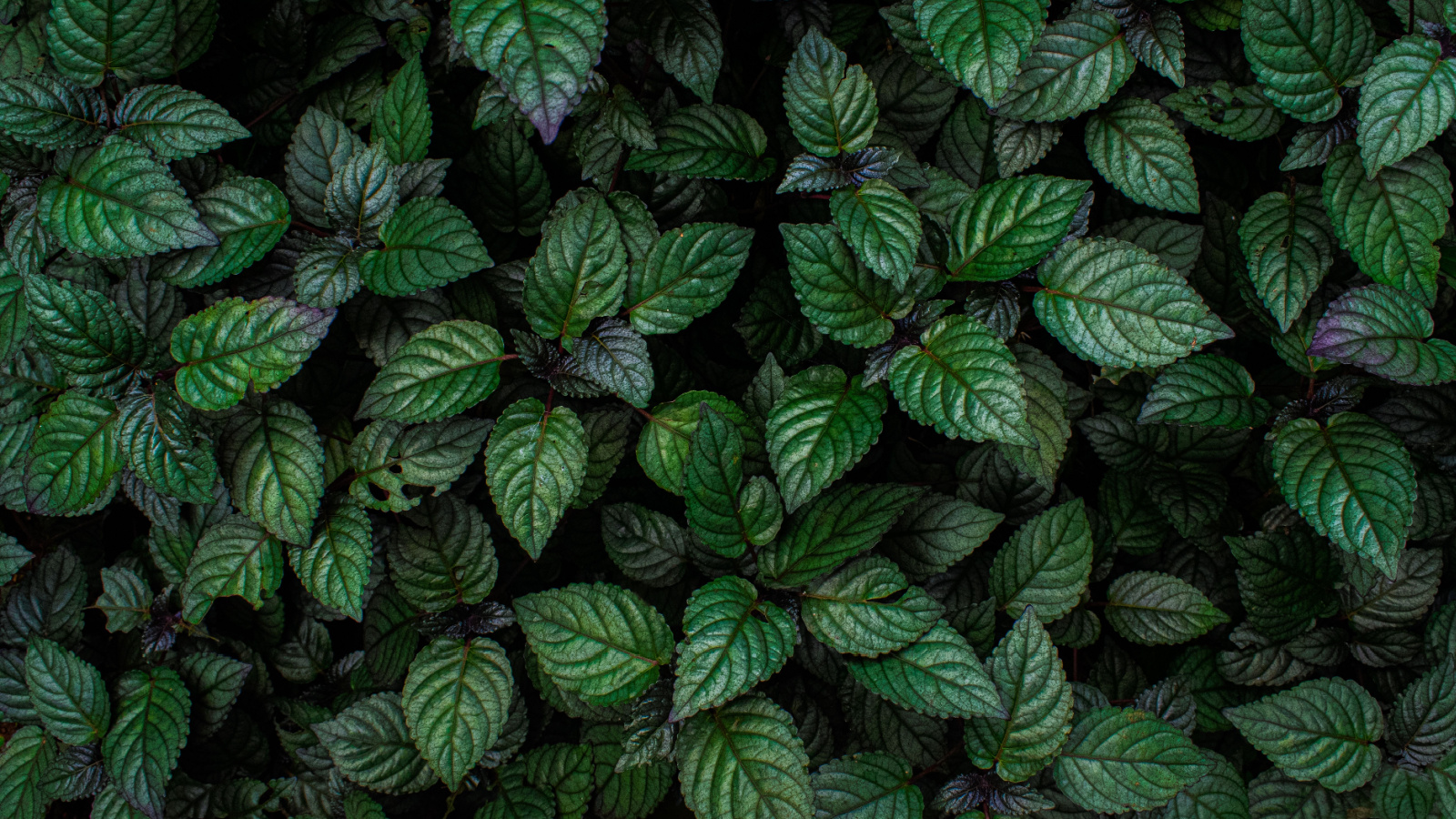
There’s more than one cultivar of Strobilanthes alternata available out there. While the main purple waffle plant is widely available, these other cultivars are more rare. Often, they’re only grown and sold by the company who developed and patented them.
The base purple waffle plant has those green-topped, purple-bottomed leaves. Reddish-purple stems extend outward from the center of the plant.
In a variety such as ‘Belgian Waffle’ plant, the green upper part of the leaves is edged with a cream color. That edging may extend partway into the leaf’s center, creating a mottled pattern. Hints of purple peer out from beneath the leaves.
The ‘Snow White’ waffle plant, by contrast, is a variety which is dappled with vivid white and pink over the upper surfaces. Its light magenta-purple undersides and green tops create a stunning visual effect.
These brighter variations on the waffle plant can be paired with the original. This makes for an amazing array in a large planter, for instance. As they grow and intertwine, different spots of color will be revealed.
Waffle Plant Care
So what are the best conditions for your waffle plants, no matter the cultivar? Let’s explore that!
Light & Temperature
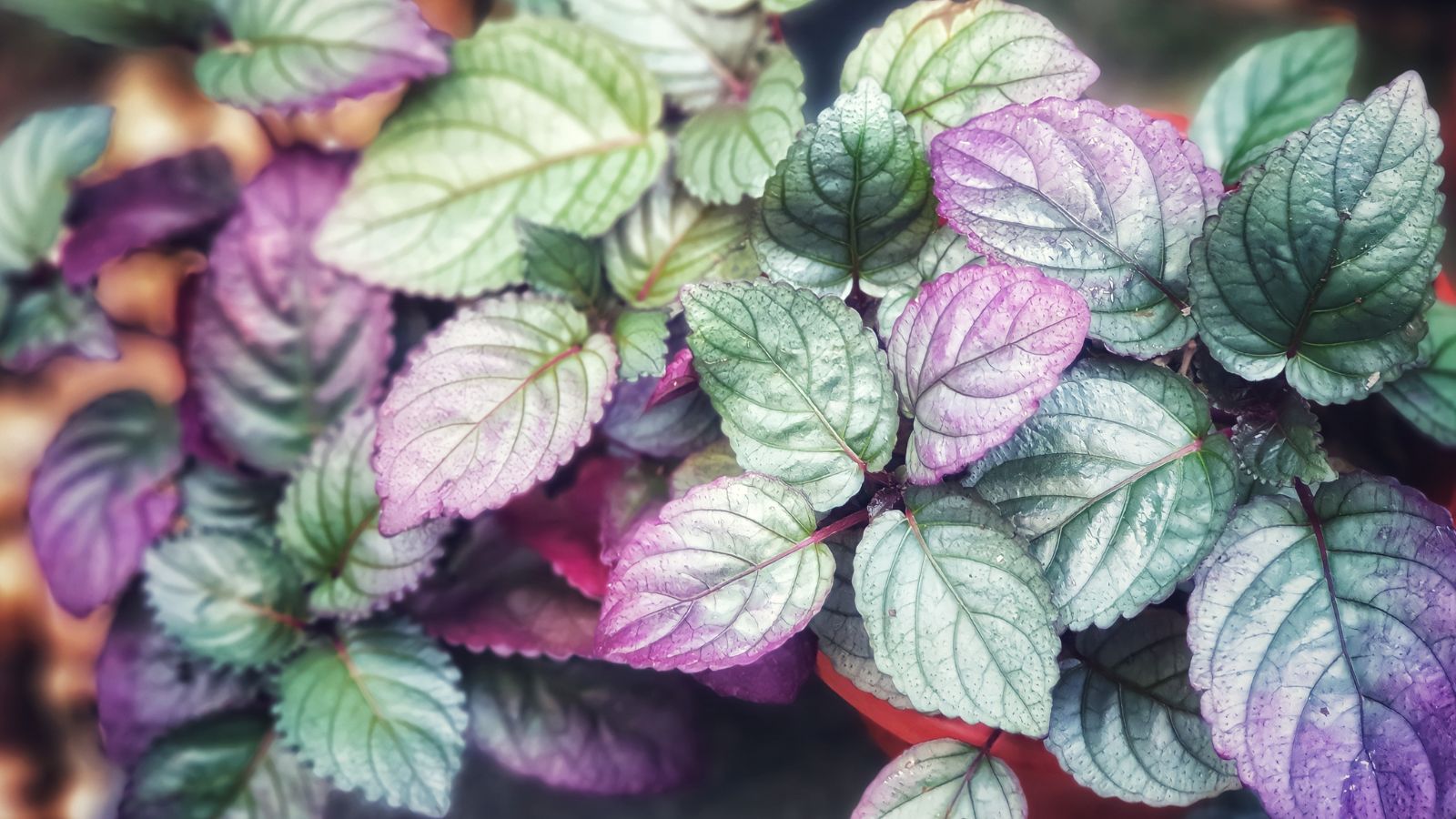
These lovely tropicals like lots of light… but not direct sunlight.
Providing lots of bright, indirect light will keep the waffle plant colors vibrant. They’ll want at least six hours of light per day. But be careful to watch the color of your waffle plants. If they start to look washed out, they may be receiving too much light.
As far as temperature is concerned, tropical conditions are perfect for the waffle plant. Keep the thermometer set between 65 to 80°F (18-27°C) indoors, and your waffle plant will be satisfied. Avoid placing it in a drafty location where it can get too cold or hot.
Waffle plants are frost-sensitive. If you’re growing yours outdoors, make sure it’s brought indoors or protected from cold.
Water & Humidity

Red ivy plants like to be consistently moist. Do you know what a kitchen sponge feels like when it’s been wrung out? That’s a good level of moisture to maintain.
Having said that, they also don’t like to be in soggy conditions. Avoid standing water, whether in the pot or a saucer below it. Too much water may make its roots vulnerable to root rot.
Occasional misting of your waffle plant in the morning is a good choice. Alternately, place a pebble tray underneath your waffle plant to raise the humidity. As a tropical plant, lots of humidity is preferred.
Soil

Aim for a pH range from 6.1-6.5 for the waffle plant, which is on the acidic end of neutral. You can go down to 5.8 on the acidic side, but try to not go above 6.9 on the alkaline end. A good pH test kit will help you gauge your soil’s status. Remember that containers for your waffle plant should have adequate drainage holes.
Preferred purple waffle plant soil is humus-rich, crammed with lots of organic material. A standard potting soil works. It should be rich and remain moist, but drain off excess liquid well. A slightly peaty soil blend can work too. Avoid hard clay soils, as the roots have difficult in those.
Fertilizer

Fertilization should occur during the spring and summer. Skip it in the fall and winter months when the plant is growing less rapidly.
Adding compost around the base of your waffle plant can replace fertilizing. This mimics the rich soil of their jungle home, which is filled with decaying leaves.
If you don’t have compost at hand, you can use a slow-release granular fertilizer or diluted liquid to support your metal leaf plant.
Slow-release fertilizers should be fairly low-potency, around a 5-5-5 range. If you go higher on any nutrient, make it nitrogen to spur growth. Apply these to your waffle plants per the manufacturer’s directions.
Liquid fertilizers should be diluted and very light. Aim for a 5-3-3 or 5-4-3 level, and fertilize no more than once per month. If you dilute it by half again, you can fertilize every two weeks to ensure consistent feeding.
Avoid overfertilizing waffle plants. If your waffle plant is becoming spindly and has lots of thin stems with little growth, you may be feeding too heavily.
Waffle Plant Propagation
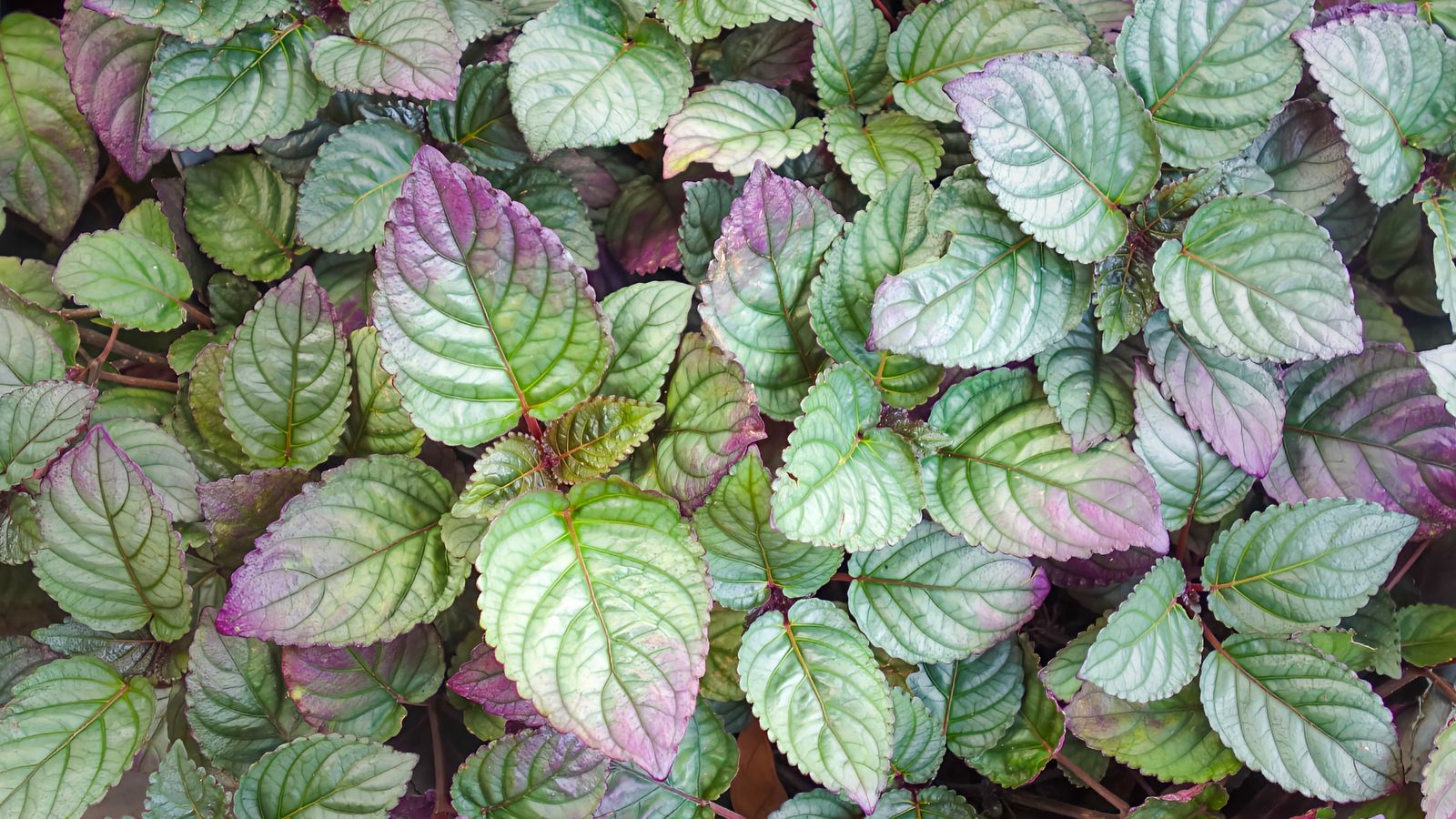
Waffle plants are fairly fast growers. They will readily self-propagate by rooting at stem nodes. But if you’d like to start some and propagate purple waffle plants yourself, stem cuttings or air layering are your best bets.
For stem cuttings, examine a healthy stem of your waffle plant and find the nodes along the stem. You will want to take your cutting just below one of those nodes, as the node is where it will root from. Tuck the node end into a pot of your humus-rich soil and keep it moist.
Air layering for the waffle plant can be as simple as finding a stem node and burying it in your potting soil. It will develop roots over time. Once it has, cut it free from its parent plant and move to a new pot.
Pruning Waffle Plants
Heightwise, there is little need to prune the waffle plant. It tends to grow no larger than about six inches tall, perhaps as high as eight inches.
But stems can become greatly elongated. While this looks good in a hanging pot, you may want to keep them at a particular length for visual appeal. If so, use a sterile pair of pruning shears to snip off excess. You can always use the excess for starting new cuttings!
To encourage bushier growth, you can pinch off stem tips just above a leaf or stem node. This will slow the stem’s growth and redirect the waffle plant to growing leaves.
Troubleshooting
Most of the difficulties with waffle plants are easy to fix. Let’s discuss those now!
Growing Problems & Diseases

The primary cause of problems with waffle plants is overwatering. If your waffle plant is sitting in a saucer, make sure you empty out any drained water, and remember containers should have decent sized drainage holes.
Never leave your waffle plant in standing water. Over-wet soil provides a perfect home for pythium and other root rot fungi. Remember to use indirect light (rather than direct sun) to regulate your soil dampness.
Your waffle plant also can’t tolerate dry conditions. Remember, waffle plants are jungle-dwellers, used to moist soil and occasional humidity. Ensure your soil is always as moist as a wrung-out sponge. Misting your waffle plant in the morning is a good way to increase humidity. It also likes being placed on top of a pebble tray for added humidity, but be sure the base of the pot isn’t underwater.
Too much fertilizer can cause sudden leggy growth instead of the waffle plant bushing out. If your waffle plant starts a growth spurt, skip the next fertilizing session. Reduce your future fertilizing dose by half, or just slow the frequency.
If you do mist your waffle plants, be sure to do it early in the day so the plant’s leaves can dry by nightfall. While it’s uncommon, powdery mildew or downy mildew can appear on your waffle plant if its leaves are wet for too long.
Those of us who live near a beach should keep waffle plants indoors. While it might like the temperatures and humidity outside, salty air can cause problems for your waffle plant.
Pests

Healthy purple waffle plants are able to resist most pests. On rare occasion, whiteflies or scale insects may become an issue. If these appear, you may be able to blast them loose with a hard spray of water. If not, applying horticultural oil or an insecticidal soap can dislodge them from the metal leaf plant. Trim severely damaged leaves or stems to remove them.
Frequently Asked Questions
How would I know when the soil has sufficient moisture when growing waffle plant?
Press your finger lightly into the soil. Does it feel about as moist as a wrung-out sponge? If so, you’ve got the right water level. If it’s drier than that, it’s time to water. If it feels too damp, you’re likely overwatering.
When is the best time to propagate the purple waffle plant?
Propagation is best done in the spring and summer months when the plant is actively growing. Fall and winter is when your waffle plant is resting and preparing for the next year’s growth.
How often should I fertilize waffle plants?
If you’re adding a layer of compost over your soil, you may not need to. Otherwise, it depends on the type of fertilizer you’re using. Take a look at the “fertilizing” section above for more detail!
Are purple waffle plants rare?
While the main purple waffle is widely available, these other cultivars are more rare. Often, they’re only grown and sold by the company who developed and patented them.
Is purple waffle plant toxic?
It is not! Therefore, it’s a great plant for those with kids and pets, and it’s perfect in both indoor and outdoor settings.
How fast do purple waffle plant grow?
This red flame ivy plant is a slow-grower, so you shouldn’t have to up pot it often if you have a potted purple waffle plant.
Is purple waffle plant easy to care for?
Definitely. Red flame ivy is a pretty easy going plant in practically every setting.
Do waffle plants like to be misted?
A daily misting with distilled water will keep your purple waffle plant in the humidity range it likes.





