97 Purple Flowers: Complete List With Names And Pictures
Thinking of adding some purple flowers to your garden, but aren't sure which ones to add? There are many different purple flowers you can plant in your garden, which is good news! There are annuals, perennials, and somewhere in between depending on your location or hardiness zone. In this massive guide, we look at our favorite purple flowers you can plant this season, with names and pictures of each!


Contents
Purple flowers can add plenty of contrasting color to a garden. When shades of red, white, pink, and orange dominate, adding a splash of purple is an effective trick that makes your entire display pop.
That doesn’t mean you shouldn’t have a healthy display of many different species of flowers and assorted colors. But some shades of purple are dramatic and can really enhance the look of your flower garden.
So the next question becomes, do you plant purple annual flowers or perennial flowers? This list contains both, but we also have a dedicated list of purple perennial flowers if you aren’t interested in replanting new flowers each year.
With that being said, a big list like this one has its benefits! The following massive list has 97 purple flowers to help you get the purple, indigo, violet, and lilac blasts of color that you need in your garden, container, or window box. Let’s dig in!


Allium Ornamental


|
botanical name Allium spp. |
|---|---|

|
plant type Perennial |

|
sun requirements Full sun to partial shade |

|
hardiness zones 3-9 |
The Allium genus includes some familiar names like garlic, chives, and onions. There are also alliums, often hybrids, that are grown for their puffy, globular blossoms and long, single stalks. They’re often up to three feet tall, with their large flowers adding their purple hue and some lift to your garden. They hold their blooms for quite a while, and even when they fade, they are easy to spot.
Alpine Betony

|
|
botanical name Betonica officinalis |
|---|---|
|
|
plant type Perennial |
|
|
sun requirements Full sun to partial shade |
|
|
hardiness zones 4-8 |
The Alpine betony comes from the mint family. The leaves are green and leather, and the flowers are spiked and tubular. These drought-tolerant flowers have long stems that shoot upward out of the leaves, terminating in a bright purple (or sometimes pink) flower. They attract plenty of pollinators. Animals like rabbits and deer tend to avoid them, so they are good for planting as a defensive border.
Anemone

|
|
botanical name Anemone coronaria |
|---|---|
|
|
plant type Perennial |
|
|
sun requirements Partial to full shade |
|
|
hardiness zones 7-10 |
Anemones have thick, velvety leaves, usually clustered in groups of three. A trio of leaves gives rise to a dainty, thin stem with a single, small purple flower at the end. Spring blooms roughly coincide with the first warm rains after the cold winter.
When left undisturbed, these flowers thrive in the wild, and they seed and resprout each season. They’re relatively easy to grow, drought-tolerant, and also come in other colors, like blue, pink, white, and various shades of purple.
Anise Hyssop

|
|
botanical name Agastache foeniculum |
|---|---|
|
|
plant type Perennial |
|
|
sun requirements Full sun to partial shade |
|
|
hardiness zones 3-9 |
If you’ve ever cooked with anise, you might guess that this flower has a faint licorice scent, and you would be right. The flowers are conical, and one plant has a great number of them, attracting butterflies, bumblebees, hummingbirds, and other pollinators in droves. Their flowers range from pale purple to deep indigo, and they thrive in gardens, containers, raised beds, and meadows.
Annual Honesty

|
|
botanical name Lunaria annua |
|---|---|
|
|
plant type Perennial |
|
|
sun requirements Full sun to partial shade |
|
|
hardiness zones 5-9 |
The annual honesty flower is also known as the silver dollar. This plant can grow fairly tall, and its flowers are papery and abundant, making it an easy cut for a floral arrangement. Fragrant purple flowers appear in late spring, and globular moon-shaped fruits appear later in the middle part of summer.
The only potential downside to this flower is that it tends to quickly propagate once it’s sufficiently established in your garden. When left unchecked, it easily verges on becoming a nuisance.
Aster

|
|
botanical name Aster spp. |
|---|---|
|
|
plant type Perennial |
|
|
sun requirements Full sun to partial shade |
|
|
hardiness zones 3-10 |
The aster is a daisy-like perennial that is quite attractive to butterflies. The blooms become abundant late in the season, from near the end of summer to early autumn, adding some color as some other plants start to fade. Their late blooms give rise to a nickname, Michaelmas daisies, as their flowers appear near the holiday of the same name in late September.
They have star-shaped flower heads, and depending on the specific cultivar, some asters can grow very tall.
Balloon Flower

|
|
botanical name Platycodon grandifloras |
|---|---|
|
|
plant type Perennial |
|
|
sun requirements Full sun to partial shade |
|
|
hardiness zones 3-8 |
The balloon flower is named for its distinctive buds that resemble swollen balloons. As balloon flowers develop, the buds burst into star-shaped purple flowers. The plants grow in wide clumps and bloom in summer from about June to August in North America.
There are many different cultivars, each with a distinct color. ‘Fuji’ is the most common, but they’re rarely purple. But for purple flowers, try to look for ‘Double Blue,’ ‘Astra Double Blue,’ and ‘Apoyama’ cultivars.
Bee Orchid

|
|
botanical name Ophrys apifera |
|---|---|
|
|
plant type Perennial |
|
|
sun requirements Partial shade |
|
|
hardiness zones 6-9 |
The bee orchid has one of the most distinctive blooms in the plant world. Each purple flower has four petals. Three of them are triangular, purple, and flowery. The plump fourth petal orients downward, and it strongly resembles a bumblebee, with its head buried in the center of the flower. This unique type of orchid requires neutral soil that is both well-draining and continuously damp, so rocky outcrops and containers are the best.
Bear’s Breeches

|
|
botanical name Acanthus mollis |
|---|---|
|
|
plant type Perennial |
|
|
sun requirements Full sun to partial shade |
|
|
hardiness zones 7-10 |
Bear’s breeches are also known as oyster plants, sea dock, and bearsfoot. The leaves are showy and variegated, with shades of red. The flowers are tall, spiky, and tubular.
They have two lips that curl outward, and the blooms range from dark purple to paler shades that are almost white. These plants are tolerant of a variety of garden settings, but keep them bordered, as you would with bamboo. Otherwise, their roots will spread far and wide.
Bell Flowers

|
|
botanical name Campanula spp. |
|---|---|
|
|
plant type Perennial |
|
|
sun requirements Full sun to partial shade |
|
|
hardiness zones 3-9 |
Bell flowers are named for their distinctive rounded, bell-like shape. There are more than 300 varieties with origins from around the world. So, there are some alpine varieties that are quite small and much taller varieties that thrive in tough woodlands.
One of their most appealing features for gardeners is that these low-maintenance plants have blooms that arrive in late spring and stick around through the entire summer. And since there are so many varieties, it’s highly likely you can find one that works well in your garden.
Bell Heather

|
|
botanical name Erica cinerea |
|---|---|
|
|
plant type Perennial |
|
|
sun requirements Full sun |
|
|
hardiness zones 5-8 |
Erica cinerea is a specific variety of heather that’s unique for its purple flowers. Other species of heather usually have rose-colored flowers. The purple blooms come on strong in late spring and persist through early fall, each perched atop a single, twig-like stem with multiple spiky prominences. Rarely, a plant may develop white flowers.
Also known as twisted heath, bell heather has been used as a remedy for various ailments, like arthritis, sore throat, muscle aches, gout, and coughs, since the Middle Ages.
Bittersweet Nightshade

|
|
botanical name Solanum dulcamara |
|---|---|
|
|
plant type Perennial |
|
|
sun requirements Full sun to partial shade |
|
|
hardiness zones 4-8 |
Though not as toxic as its cousin deadly nightshade, bittersweet nightshade is poisonous to pets, people, and livestock. The leaves are deep, dark green, arranged in a tri-pattern. This plant might be viney, or woodier and shrub-like, and you may see it along the edge of fields or even along the roadside.
The flowers are bright purple or lavender and have a yellow cone in the middle. Their berries are attractive to birds, especially when they’re ripe, mature, and bright red.
Black Adder Giant Hyssop

|
|
botanical name Agastache ‘Black Adder’ |
|---|---|
|
|
plant type Perennial |
|
|
sun requirements Full sun to partial shade |
|
|
hardiness zones 6-9 |
The ‘Black Adder’ giant hyssop is a hybrid formed from A. rugosa and A. foeniculum. They have spiky, dense flowers that are quite plump. The flowers themselves are fairly tall and are mostly purple with hints of white and red. They do not do well in tightly compacted, poor-draining soil. Pollinators flock to these colorful purple flowers.
Blackcurrant Swirl Moonflower

|
|
botanical name Datura metel |
|---|---|
|
|
plant type Perennial |
|
|
sun requirements Full sun to partial shade |
|
|
hardiness zones 8-11 |
This shrub-like plant has enormous blooms that show off in the evening hours. This particular variety of Datura sports trumpet-shaped flowers that are a deep shade of purple and often tipped with white highlights.
For millennia, these poisonous plants have been used for everything from medicines, weapons, and as spiritual aids. They have hallucinogenic properties, but they are also a splashy addition to your garden. Do not consume any part of this plant.
Blazing Stars

|
|
botanical name Liatris spp. |
|---|---|
|
|
plant type Perennial |
|
|
sun requirements Full sun to partial shade |
|
|
hardiness zones 3-9 |
There are many varieties of blazing stars, but they all prefer moist soil and meadow-like spaces. They have grassy foliage, and some varieties have purple flowers growing on top of their tall stalks.
The blooms are tubular, spiked, and have between seven and twenty petals of rays arranged in spikes that can be a foot long. The best varieties for purple flowers include ‘Floristan Violet’ and ‘Kobold’.
Blue False Indigo

|
|
botanical name Baptisia australis |
|---|---|
|
|
plant type Perennial |
|
|
sun requirements Full sun to partial shade |
|
|
hardiness zones 3-10 |
Blue false indigo is a member of the pea family. It has deep violet, blue, or purple flowers. They’re shrub-like legumes with woody stems, and they play host to several species of butterflies as well as honeybees. Their stalks each produce a fairly large flower, and they’re reasonably drought tolerant. The more sun they get, the larger they tend to be.
Their name derives from Native Americans who used the plant as a dye, similar to indigo.
Blue-Eyed Grass

|
|
botanical name Sisyrinchium spp. |
|---|---|
|
|
plant type Perennial |
|
|
sun requirements Full sun to partial shade |
|
|
hardiness zones 2-9 |
Blue-eyed grass is a part of the Iris family. These plants thrive in open meadows and widely-spaced forests. Before they bloom, their blady, slender stems appear almost grass-like, and the plants tend to grow in clumps. Then, in early spring, their small, purple flowers bloom. These blooms are almost always purple, ranging from dark indigo to light lilac or lavender hues.
They perform well in wild gardens, as they need no fertilization or extra watering.
Bougainvillea

|
|
botanical name Bougainvillea glabra |
|---|---|
|
|
plant type Perennial |
|
|
sun requirements Full sun |
|
|
hardiness zones 9-11 |
The glabra species of bougainvillea is the variety that’s most reliably purple. The flowers themselves might not always be purple, but the leaves often are, though some variation is to be expected. Bouganvillea of all varieties are attractive to pollinators, and most of them like to arch, climb, and cascade over fences and walls.
They require little maintenance once established, grow quite quickly, and have protective thorns along the stems.
Browallia

|
|
botanical name Browallia speciosa |
|---|---|
|
|
plant type Annual |
|
|
sun requirements Full sun to partial shade |
|
|
hardiness zones 9-11 |
Browallia is also known as bush violet, and it’s often grown as a warm-weather annual. In colder climates, it’s grown as an annual. They are woody-stemmed members of the nightshade family. Their flowers are tubular, with five distinct lobes of purple flowers. Sometimes, the flowers tend closer to blue hues, but a white center and purplish flowers are most typical.
Calla Lily

|
|
botanical name Zantedeschia spp. |
|---|---|
|
|
plant type Perennial |
|
|
sun requirements Full sun to partial shade |
|
|
hardiness zones 7-10 |
This genus has eight species of flowering plants. Though none are real lilies and they don’t bloom in the traditional sense, they produce false flowers that resemble a lily. These colorful pseudanthia are funnel-shaped and start to appear on the plant in mid-summer, persisting until late fall.
Calla lillies are also known as the Arum lily. This purple flowering plant is native to Southern Africa and also comes in other shades, too.
Camas Lily

|
|
botanical name Camassia spp. |
|---|---|
|
|
plant type Perennial |
|
|
sun requirements Full sun |
|
|
hardiness zones 4-8 |
The Camas lily blooms to show off purple, blue, or white flowers, depending on the cultivar. Also known as wild hyacinth and Indian lily, these plants have been used as a food source by indigenous cultures for millennia. Look for Camassia leichtlinii and Camassia quamash, as they’re known for purple flowers with various hues.
Candytuft

|
|
botanical name Iberis umbellata |
|---|---|
|
|
plant type Perennial |
|
|
sun requirements Full sun |
|
|
hardiness zones 7-11 |
The candytuft’s purple flowers sit close to the ground, blooming in late spring. They spread easily from year to year, so they are ideal as a weed-choking ground cover. They’re also excellent for attracting pollinators to your garden. The leaves are quite dense and dark green, offering a bit of contrast to other plants in your garden.
Not every cultivar is purple, so try to avoid white and red varieties if you desire purple flowers in your space.
Canterbury Bells

|
|
botanical name Campanula medium |
|---|---|
|
|
plant type Annual |
|
|
sun requirements Full sun to partial shade |
|
|
hardiness zones 3-9 |
These flowers are bell-shaped, though not every cultivar is purple. Keep an eye out for varieties like ‘Bells of Holland’, ‘Dwarf Bella Mix’, and ‘Double Melton Mix’, which tend to have purple flowers more than some other varieties of Campanula medium.
When planting, consider placement in the second or third row of the garden, where they can show off their height without blocking your view of smaller plants.
Carnation

|
|
botanical name Dianthus caryophyllus |
|---|---|
|
|
plant type Perennial |
|
|
sun requirements Full sun to partial shade |
|
|
hardiness zones 6-9 |
Carnations come in many cultivars, but many of them, including the original, tend to be purple-hued. Each flower has between 7 and 20 ruffled petals or rays, which can often grow quite large and appear saucer-like. While some flowers may be entirely one color, others are variegated, making these flowers a favorite for boutonnieres, bouquets, and corsages.
Catmint

|
|
botanical name Nepeta cataria |
|---|---|
|
|
plant type Perennial |
|
|
sun requirements Full sun to partial shade |
|
|
hardiness zones 3-9 |
There are about 250 distinct species of Nepeta. Most are perennials, and the original cultivar has bright purple flowers. Other cultivars may have other shades of purple like lilac or violet, and there are other colors available, too.
You’ve probably heard of the Nepeta cataria variety, referred to as catmint. That’s one of a few species that attracts frenzied felines.
Cattleya Orchids

|
|
botanical name Cattleya spp. |
|---|---|
|
|
plant type Perennial |
|
|
sun requirements Bright, indirect light |
|
|
hardiness zones 10-12 |
These orchids tend to prefer moist soil, humid air, and a generally warm environment. They can be a bit fickle, so don’t let the roots sit in poorly draining soil, and make sure they’re not under or over-exposed to the sun. Cattleya orchids may do well in outdoor gardens in warmer, humid parts of the world, but in most parts of the world, orchids are better as indoor plants.
When healthy, they will produce fairly large flowers, and if you have the right cultivar, they will be purple and lavender, with some variegation in the pattern. Even some pink and red varieties may appear partially purple.
Cheeses (Common Mallow)

|
|
botanical name Malva sylvestris |
|---|---|
|
|
plant type Perennial |
|
|
sun requirements Full sun to partial shade |
|
|
hardiness zones 3-9 |
Known as common mallow or wild mallow, this flowering plant was once entirely wild. Now, it’s a common addition to gardens, particularly in Europe. You may also see its creeping shoots, velvety, deep green leaves, and bright purple flowers from along roadsides, growing up and down steep embankments and even in meadows and fields.
From June to October in the Northern Hemisphere, its blooms are tremendously abundant, and they’re often pink to purple in color. It performs well in a variety of soils, so it’s relatively easy to maintain in a garden, especially when watered consistently.
China Aster

|
|
botanical name Callistephus chinensis |
|---|---|
|
|
plant type Annual |
|
|
sun requirements Full sun to partial shade |
|
|
hardiness zones 2-11 |
The China aster has amazingly puffy, often globular blooms, made up of many daisy-like petals. Some varieties are thick with hundreds of petals, and others are more sparse, but many have purple flowers that are between three and five inches in diameter.
From early summer to mid-fall, these showy bloomers are ideal for container planting, large gardens, or even wild gardens. All they really need to thrive is ample food and water, so you should be sure to fertilize and moisten the soil regularly.
Clematis

|
|
botanical name Clematis spp. |
|---|---|
|
|
plant type Perennial |
|
|
sun requirements Full sun |
|
|
hardiness zones 4-9 |
There are more than 300 varieties of Clematis, a viney, woody climbing plant that may have purple blooms. The six-petaled flowers are star-shaped, with a white center, and blooms may appear in nearly solid colors or variegated patterns.
They may have white, pink, or red flowers, and purple shades vary from dark inky purple to much lighter shades like lilac, lavender, or violet. Clematis grows quickly, and can easily take over an entire area if left unchecked to grow. Grow a variety native to your region to avoid this.
Columbine

|
|
botanical name Aquilegia ‘Earlybird Purple Blue’ |
|---|---|
|
|
plant type Perennial |
|
|
sun requirements Full sun to partial shade |
|
|
hardiness zones 3-9 |
All of the 70 or so types of Aquilegia have five fairly long petals surrounding five sepals. Their appearance influences their name, as Aquilegia comes from the Latin word for eagle and the petals are reminiscent of an elegantly curved eagle’s talon. The common name columbine derives from the Latin for dove, as the blossoms look a bit like five doves in a circle.
Perhaps unsurprisingly, these purple flowers are particularly attractive to birds.
Common Comfrey

|
|
botanical name Symphytum officinale |
|---|---|
|
|
plant type Perennial |
|
|
sun requirements Full sun to partial shade |
|
|
hardiness zones 4-9 |
Common comfrey loves damp soil and grows easily. So, some people consider it a weed. It has many varieties, many of which have purple flowers. They’re wildflowers, so they’re quite easy to maintain and easily propagate. They have distinctive curved, drooping clusters of flowers.
Its roots penetrate the ground quite extensively, extracting lots of nutrients and minerals. Accordingly, some organic gardeners use the leaves for fertilizer.
Coneflower

|
|
botanical name Echinacea purpurea |
|---|---|
|
|
plant type Perennial |
|
|
sun requirements Full sun to partial shade |
|
|
hardiness zones 3-9 |
The coneflower has a distinctive shape that resembles a hybrid between a daisy and the shuttlecock used to play badminton. They have a bright pink to a purple set of petals, surrounding a cone-like orange center that brings pollinators from far and wide.
They grow well in mixed, manicured gardens or even wild in open meadows. These lovely perennials love full sun, so keep that in mind when finding the perfect place to plant them in your garden.
Corydalis

|
|
botanical name Corydalis ‘Blackberry Wine’ |
|---|---|
|
|
plant type Perennial |
|
|
sun requirements Full sun to partial shade |
|
|
hardiness zones 5-9 |
There are hundreds of species of Corydalis, and some can be yellow, green, blue, or pink. But species like Corydalis buschi, Corydalis cava, Corydalis scouleri, Corydalis linstowiana, and Corydalis pauciflora are known for having purple flowers. One outstanding variety is ‘Blackberry Wine’.
Many species are eaten by butterfly larvae, so they tend to attract pollinators to your garden area. These flowers may have medicinal properties, though there are also some varieties like Corydalis caseana that are poisonous to livestock.
Crocus

|
|
botanical name Crocus vernus |
|---|---|
|
|
plant type Perennial |
|
|
sun requirements Full sun to partial shade |
|
|
hardiness zones 3-8 |
Crocus grows from bulbs, and they are one of the first blooms of spring. By late March or early April, even if there’s still a bit of snow on the ground, you’ll see these ground-hugging flowers emerging and opening for a sunny day. They sometimes stay closed on rainy, cloudy days, and they close throughout the night.
These purple flowers can be quite fragrant, and they tend to attract plenty of bees.
Cup-and-Saucer Vine

|
|
botanical name Cobaea scandens |
|---|---|
|
|
plant type Perennial |
|
|
sun requirements Full sun to partial shade |
|
|
hardiness zones 9-11 |
Cup-and-saucer vines can reach impressive heights and widths due to their naturally long vines that can also grow quite quickly. The purple flowers are cup-shaped, with ruffled, curved edges. They also have a ruff around the base of each flower, resembling a saucer that the flower’s cup rests on, hence the name.
Cyclamen

|
|
botanical name Cyclamen persicum |
|---|---|
|
|
plant type Perennial |
|
|
sun requirements Partial shade |
|
|
hardiness zones 9-11 |
This variety of Cyclamen tends to have dark magenta, purple, light pink, and white flowers. They grow easily in rich soil, forming clumps of heart-shaped, variegated leaves with patterns of varying shades of green. The flowers bloom in autumn and continue into the winter, showing off tall, breezy petals that stand almost vertically.
Dahlia

|
|
botanical name Dahlia spp. |
|---|---|
|
|
plant type Perennial |
|
|
sun requirements Full sun |
|
|
hardiness zones 8-11 |
Dahlias are a popular flower amongst many gardeners. Their hardy nature and love of sun is not lost on many. They can withstand a little neglect, and certain varieties can grow quite tall in the right environments. They do need consistent watering, so they tend to grow better in more moist climates, but soil should be well-draining.
Dahlias have surged in popularity over the course of the last 10 years. They grow perennially in zones 8-11 but can be grown as annuals in colder climates. They come in many different colors, and produce some of the most beautiful blooms on this list.
Dendrobium

|
|
botanical name Dendrobium spp. |
|---|---|
|
|
plant type Perennial |
|
|
sun requirements Partial shade |
|
|
hardiness zones 9-12 |
There are more than 1,800 varieties of Dendrobium, a flowering orchid that tends to grow on other plants. Their roots cling to rocks, plant stems, and tree bark, helping the plant spread throughout a garden. Some varieties have purple flowers, always springing out of deep-green leaves. They grow well in well-drained containers or rocky tropical gardens.
Dwarf Iris

|
|
botanical name Iris reticulata |
|---|---|
|
|
plant type Perennial |
|
|
sun requirements Full sun to partial shade |
|
|
hardiness zones 5-9 |
Unlike their full-size Iris cousins, dwarf iris never grows over about six inches in height. They have floppy, ribbed petals that are somewhat blade-shaped. They have very fragrant, sweet blossoms that appear early in the spring. The flowers enjoy lots of water when they bloom but tend to need less and less as the season goes on.
Dwarf Rhododendron

|
|
botanical name Rhododendron impeditum |
|---|---|
|
|
plant type Shrub |
|
|
sun requirements Full sun to partial shade |
|
|
hardiness zones 4-8 |
This species of rhododendron is woody and slow-growing. The leather leaves are an interesting addition to any garden, and the plant’s tendency to grow just wide as it is tall makes it appealing for use as ground cover. Then, in the spring, their bright purple flowers emerge, carpeting the plants with many small blooms.
European Periwinkles

|
|
botanical name Vinca spp. |
|---|---|
|
|
plant type Perennial |
|
|
sun requirements Full sun to partial shade |
|
|
hardiness zones 4-9 |
Plants in the Vinca genus have trailing branches that can root wherever they touch the soil. So, they tend to spread very aggressively. The European periwinkle is also known as creeping myrtle and has dark green leaves and blooms with five petals arrayed around a bright pentagonal center.
Evening Primroses

|
|
botanical name Onagraceae Family |
|---|---|
|
|
plant type Perennial |
|
|
sun requirements Full sun to partial shade |
|
|
hardiness zones 3-9 |
The evening primrose opens in the evening, showing off blooms that can be purple, white, pink, or red. Common primrose is often yellow and is an entirely different family of plants. So, be careful when shopping and look for purple versions of the evening primrose. The papery flowers have a distinctive stigma, with four branches in a cross shape.
Purplurlanz Astilbe

|
|
botanical name Astilbe chinensis var. taquetti ‘Purpurlanz’ |
|---|---|
|
|
plant type Perennial |
|
|
sun requirements Full sun to partial shade |
|
|
hardiness zones 3-9 |
There are 18 types of Astilbe, most of which require above-average soil moisture, making them a good choice for gardens in wet areas of a backyard or near a pond. The flowers come in plumes of cone-shaped featheriness. Astilbe stems almost always grow vertically, with fern-like deep green leaves around their base. They can add a lot of height to a garden.
Choose vareties like Astilbe chinensis var. taquetti ‘Purpurlanz’ for purple flowers.
Foxglove

|
|
botanical name Digitalis purpurea |
|---|---|
|
|
plant type Perennial |
|
|
sun requirements Full sun to partial shade |
|
|
hardiness zones 4-9 |
Foxglove blooms are quite distinctive but also short-lived. Even before the blooms appear, the green foliage and long, spiky stems are eye-catching. Once they bloom, trumpet-shaped flowers hang off the side of the plant in large clusters. The inside of the blossoms has color patterns that can vary from the exterior of the flower. The name Digitalis may refer to the fact that its flowers are thimble-like, fitting perfectly on a finger.
Fuchsia

|
|
botanical name Fuchsia spp. |
|---|---|
|
|
plant type Perennial |
|
|
sun requirements Full sun to partial shade |
|
|
hardiness zones 6-11 |
Most fuchsia is originally from tropical locations, so they like fairly wet, warm gardens. They are shrub-like, with slender branches and large, heavy flowers that hang downward, their weight forcing the branches to droop. The flowers have two types of petals, with a quartet of long, thin, outer petals and another set of tighter, broader interior petals. The inner petals are often purple.
Garden Cosmos

|
|
botanical name Cosmos bipinnatus |
|---|---|
|
|
plant type Annual |
|
|
sun requirements Full sun |
|
|
hardiness zones 2-11 |
Garden cosmos are also known as Mexican aster, and by any name are members of the daisy family. The flower blossoms are between two and four inches wide, with ribbed, tear-drop-shaped petals and a bright yellow center. They often maintain and produce blooms for months and are prized as ornamental plants in gardens and for bouquets. Sometimes, though considered annuals, they will resow on their own.
Geraldton Waxflower

|
|
botanical name Chamelaucium uncinatum ‘Purple Pride’ |
|---|---|
|
|
plant type Shrub |
|
|
sun requirements Full sun |
|
|
hardiness zones 9-11 |
This evergreen shrub produces purple flowers and is often referred to as ‘Purple Pride.’ It blooms in late winter, and its small flowers tend to stick around through early spring. It doesn’t require much water, and it will survive in freezing winters, as long as the temperature never drops below about 25°F (-4°C).
Gladiolus

|
|
botanical name Gladiolus spp. |
|---|---|
|
|
plant type Annual |
|
|
sun requirements Full sun |
|
|
hardiness zones 7-10 |
Gladiolus are fast-growing and can be quite tall, making them a great purple flower choice for small gardens where there is limited horizontal space. The flowers have sword-like petals, leading to their nickname, the sword lily. Vegetable gardeners add gladioli to their gardens to attract pollinators, as the blossoms are quite boldly colored and often purple.
Globe Artichoke

|
|
botanical name Cynara cardunculus |
|---|---|
|
|
plant type Perennial |
|
|
sun requirements Full sun |
|
|
hardiness zones 7-10 |
The globe artichoke has purple flowers, but it’s quite attention-grabbing even before it blooms. Young leaves are silvery and become greenish-gray as they grow, with 3-foot lengths being common. Tall flower stalks develop from nodes on the stem, and eventually, the enormous spiky flowers emerge.
Globe artichoke flowers have edible hearts. So, they are harvested before they open. If they are allowed to bloom, they put on quite a display, as huge, purple flowers emerge with hundreds of spiky petals.
Globe Thistles

|
|
botanical name Echinops ritro |
|---|---|
|
|
plant type Perennial |
|
|
sun requirements Full sun |
|
|
hardiness zones 3-9 |
Globe thistles grow well in shallow, rocky soil and are also tolerant of relatively dry conditions. Their flower heads are perched on the end of long, skinny stems. The flowers are spiky globes with dark blue to purple centers and many prickly whitish spines. They are quite attractive to both the human eyes and certain butterflies.
They can add excellent lift to your garden, and even after their purple flowers begin to fade, the seed heads add an interesting visual element.
Gloxinia

|
|
botanical name Sinningia speciosa |
|---|---|
|
|
plant type Perennial |
|
|
sun requirements Partial to full shade |
|
|
hardiness zones 11-12 |
Gloxinia has exceptionally showy flowers and is often kept as a houseplant. They aren’t very tolerant of the cold, but container plants can be brought outside in warmer months. These are high-maintenance plants, but they’re also reliable seasonal bloomers that may even bloom twice in a year.
Florists’ gloxinia is a term for hybrid varieties that grow these trumpet-shaped flowers in shades of pastel colors, including different hues of purple. These hybrids also have extra-large flowers, with deep cups that have a pattern of varying colors, often fringed with white.
Hardy Geranium

|
|
botanical name Geranium bohemicum |
|---|---|
|
|
plant type Perennial |
|
|
sun requirements Full sun to partial shade |
|
|
hardiness zones 8-11 |
Hardy geraniums are one variety of the 400 or so species of flowering evergreen Geranium. They bloom throughout the summer months, featuring five-petaled flowers that are papery, symmetrical, and delicate. They can have red or pink flowers, but dark purple flowers are common.
Heliotrope

|
|
botanical name Heliotropium spp. |
|---|---|
|
|
plant type Perennial |
|
|
sun requirements Full sun to partial shade |
|
|
hardiness zones 3-10 |
Heliotrope flowers appear in thick clusters and are often shades of purple or violet. They can also be mauve or white. Their leaves are verdant and soft, and the first blossoms appear in the summer after some of the spring bloomers have already slowed down.
The small flowers are clumped so tightly that they appear almost as one, and they hold on into the fall. If you have curious pets or kids, you may want to skip adding heliotrope to your garden, as the plant is highly toxic for humans, dogs, and cats.
Hellebore

|
|
botanical name Helleborus spp. |
|---|---|
|
|
plant type Perennial |
|
|
sun requirements Partial shade |
|
|
hardiness zones 5-8 |
Hellebores thrive in locations that are well-shaded in summer and much sunnier in the winter. As such, the area under a deciduous tree that loses its sun-blocking rays in the fall is ideal. They bloom very early in the spring or sometimes even in late winter.
Naturally, hellebores come in many colors, but they have been hybridized and can be bought in specific colors, including purple. For instance, the ‘Phillip Ballard’ hellebore has dark blue, purple, and almost black flowers.
Hollyhock

|
|
botanical name Alcea rosea |
|---|---|
|
|
plant type Annual |
|
|
sun requirements Full sun |
|
|
hardiness zones 2-10 |
Hollyhock can grow quite tall, and even the shortest mature plants can be pretty tall. If you plant them from seed, you’ll have to be patient. They won’t bloom the first year, as they are harvesting and storing energy.
The next year, the stored energy will release in the form of dozens of colorful blooms up and down the tall stalks growing from their base of foliage. They spread and self-sow by dropping their seed at the end of each bloom, repeating the process. They do quite well with a bit of support, and some varieties like ‘The Watchman’ are raspberry to purple in color, while others can be pink, rose, red, or even almost black.
Honeywort

|
|
botanical name Cerinthe major |
|---|---|
|
|
plant type Perennial |
|
|
sun requirements Full sun to partial shade |
|
|
hardiness zones 2-11 |
Honeywort flowers are almost always deep purple, though the shade can vary a bit. The buds grow heavier and heavier as they develop and bloom, eventually getting so heavy that they hang toward the ground. The strong stems remain upright, and the nodding blooms often last from spring through the summer months.
Sometimes, the central flower is wrapped in colorful outer petals or bracts.
Hummelo Betony

|
|
botanical name Stachys officinalis ‘Hummelo’ |
|---|---|
|
|
plant type Perennial |
|
|
sun requirements Full sun |
|
|
hardiness zones 4-8 |
Hummelo is a specific variety of Stachys monieri. Low-growing textured leaves grow in clumps and give rise to long, slender stems. The foliage has a lot of texture, and the tall spiky stems develop conical, spiked, purple flowers in mid-summer. There is some debate about the correct scientific name for this species of betony.
Hyacinth

|
|
botanical name Hyacinthus orientalis |
|---|---|
|
|
plant type Perennial |
|
|
sun requirements Full sun to partial shade |
|
|
hardiness zones 3-9 |
Hyacinth bulbs require a long period of cool weather each year, or they won’t bloom. So, if you don’t get about thirteen weeks of weather with temperatures between 35°F and 48°F, you will have to plant hyacinth in containers, making sure to bring them inside into a cold garage or even a refrigerator for the summertime.
They have narrow leaves and thick clusters of blue to purple flowers that explode in color each spring, as long as they have sufficiently cold weather. There are more than 2,000 hyacinth cultivars, including ‘Purple Sensation,’ which is bright purple.
Hydrangea

|
|
botanical name Hydrangea macrophylla |
|---|---|
|
|
plant type Perennial |
|
|
sun requirements Full sun to partial shade |
|
|
hardiness zones 4-9 |
Hydrangeas are woody shrubs that have large, ruffled puffy flowers. The exact color of a hydrangea’s flowers depends on the pH of the soil it’s grown in and the exact species you have grown. Typically, the blooms are anywhere from white to pink, red, blue, and purple. Making the soil more acidic or base changes the color from year to year.
They can thrive either indoors or out, depending on the specific variety. The leaves are large and textured. Each flower is a puffy globe made of many small petals. Hydrangeas need pruning each year, or their woody stems can become a bit messy.
Italian Aster

|
|
botanical name Aster amellus |
|---|---|
|
|
plant type Perennial |
|
|
sun requirements Full sun |
|
|
hardiness zones 5-8 |
Italian aster has small flowers that have a bright orange center and many slender purple petals. They look almost like a cross between echinacea and a white-petaled daisy, and they’re really easy to grow in most home gardens.
Like many other flowering plants, deadheading the spent blooms will increase the likelihood of successive blooms. This relatively small and maintenance-free plant can easily spread, leaving your garden covered in purple flowers. That easy spread is also a potential downside if left unchecked.
Iris Pumila

|
|
botanical name Iris pumila |
|---|---|
|
|
plant type Perennial |
|
|
sun requirements Full sun to partial shade |
|
|
hardiness zones 3-9 |
The pygmy iris, as Iris pumila is commonly known, has blades of green foliage and deep purple flowers with a typically light and lacy texture. White and purple flowers are the most common, though some varieties may have blue, white, cream, or varied color patterns. They are perhaps a natural hybrid of Iris pseudopumila and Iris attica.
Lavender

|
|
botanical name Lavandula spp. |
|---|---|
|
|
plant type Perennial |
|
|
sun requirements Full sun |
|
|
hardiness zones 5-9 |
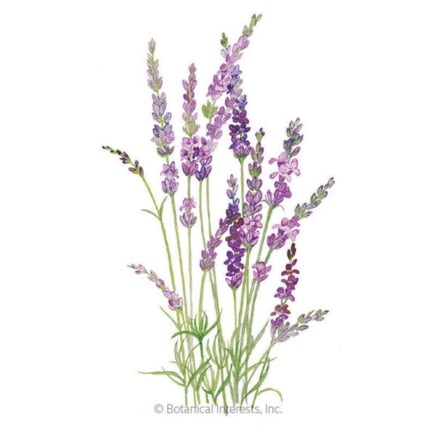
Lavender is hard to miss in a garden. It’s one of the most famous purple flowers, but there are many different types of lavender, with over 50 varieties of related flowers. They have a distinctive sweet smell, and some varieties are used for creating perfume and aromatherapy oils.
Growing lavender is quite easy, and the ground-hugging foliage spreads readily, making it easy to propagate to other gardens. These flowers are perched on top of long stalks and appear in multi-level tufts of petals.
Leather Flower

|
|
botanical name Clematis pitcheri |
|---|---|
|
|
plant type Perennial |
|
|
sun requirements Full sun to partial shade |
|
|
hardiness zones 5-9 |
The pale leather flower is a type of Clematis. It has long viny tendrils and delicate stems that can reach quite extensive lengths when left undisturbed. But, the stems are also fairly prone to snapping when handled or subjected to strong winds, so strong support from a trellis or arbor helps prevent breakage.
The bell-shaped, one-inch flowers tend to hang in a nod, with colors ranging from pale, almost white purple to much darker hues.
Lilac

|
|
botanical name Syringa vulgaris |
|---|---|
|
|
plant type Perennial |
|
|
sun requirements Full sun |
|
|
hardiness zones 3-7 |
The common lilac has between 400 and 800 cultivars. They’re typically deciduous shrubs, but S. reticulata, known as the Japanese lilac tree, is a much larger species. The color of common lilac flowers changes a bit with each different cultivar. Many are shades of purple, and some have multiple colors on the same plant.
Lilac flowers are arranged along long, branching racemes, which are also called panicles. They have a distinctive, strong fragrance that adds an extra dimension to any garden.
Lily of the Incas

|
|
botanical name Alstroemeria spp. |
|---|---|
|
|
plant type Perennial |
|
|
sun requirements Full sun to partial shade |
|
|
hardiness zones 7-10 |
The lily of the Incas isn’t a true lily. But, they similarly feature extremely colorful blossoms that emerge from tubers. There are quite a few different varieties of lilies of the Incas, and not every plant has purple buds. Keep an eye out for the ‘Annica’ and ‘Azula’ varieties for purple flowers.
When the conditions are warm and wet enough, these plants will even bloom year-round. Just keep in mind that they are quite thirsty, requiring up to 12 inches of water per week.
Lily of the Nile

|
|
botanical name Agapanthus praecox ssp. orientalis |
|---|---|
|
|
plant type Perennial |
|
|
sun requirements Full sun to partial shade |
|
|
hardiness zones 8-11 |
Lily of the Nile requires fairly warm conditions, so they won’t grow in areas that see hard winters. They have long stems topped with airy flower heads, formed into puffs of many tiny flowers with curved petals. They are fragile, so the blooms don’t last long, but they’re quite vibrant.
The flower clusters can range from bright shades of purple to blue or white. Their slender stems make them excellent for cutting and placing into tall vases.
Lily Turf

|
|
botanical name Liriope muscari |
|---|---|
|
|
plant type Perennial |
|
|
sun requirements Full sun to full shade |
|
|
hardiness zones 5-10 |
Liriope leaves remain verdantly green all year long, so even when they’re not blooming, they add a splash of color to the landscape of your garden. These tough, short plants have strong root networks and can help with erosion control. The grass-like leaves are blade-like, tinged with yellow, and may have stripes.
The flowers range from white to purple and blue, with varying shades in between being common. The sturdy stems develop dense, tight spikes of miniature, bell-shaped flowers, and blooms can occur from spring to fall, depending on the variety.
Lungwort

|
|
botanical name Pulmonaria officinalis |
|---|---|
|
|
plant type Perennial |
|
|
sun requirements Full sun to partial shade |
|
|
hardiness zones 4-8 |
Lungwort is a relatively short woodland plant that has dainty, small, often purple flowers at the end of slender, woody stems. The plant’s dappled leaves loosely resemble the shape of human lungs, hence the name. The deep bell of the flowers is almost funnel-shaped.
Both the flowers and leaves can have variegated patterns that add to their dramatic presentation. Since they’re usually quite short, they’re commonly used along garden borders.
Lupine

|
|
botanical name Lupinus spp. |
|---|---|
|
|
plant type Perennial |
|
|
sun requirements Full sun to partial shade |
|
|
hardiness zones 4-8 |
Lupine grows wild, thriving in wide-open, breezy meadows. There are many hundreds of species that bloom in various colors, including every shade of purple. The lupine name derives from the Latin word for wolf, owing to a belief that these plants used up much of the nutrients in their soil, almost like a predator.
The tall, conical spire of this wildflower grows quickly, and there are annual and perennial varieties to choose from. Many have purple flowers.
Meadow Sage

|
|
botanical name Salvia nemorosa |
|---|---|
|
|
plant type Perennial |
|
|
sun requirements Full sun |
|
|
hardiness zones 3-9 |
This species of Salvia often has purple flowers on top of its spiky racemes. They grow in clumps, and trimming the stems below spent blooms can encourage a second, late-season bloom. They are very attractive to bees and butterflies during their showy blooms. There are many cultivars, so you should make sure to purchase one with your preferred color.
Melastoma

|
|
botanical name Melastoma malabathricum |
|---|---|
|
|
plant type Perennial |
|
|
sun requirements Full sun to partial shade |
|
|
hardiness zones 9-11 |
The Melastoma genus is typically found in tropical environments. They occur wildly as shrubs and viny plants, with blossoms ranging from pink, fuschia, and purple. The blooming flowers are quite large, with five petals and a papery texture.
There is some variation between species within the genus, but most varieties of melastoma require warm and very moist conditions. So, be prepared to water this plant with up to 23 inches of water per week. They can grow quite quickly and become invasive when left unchecked. They are outlawed in Florida and Massachusetts for this reason.
Mistflower

|
|
botanical name Conoclinium coelestinum |
|---|---|
|
|
plant type Perennial |
|
|
sun requirements Full sun to partial shade |
|
|
hardiness zones 5-10 |
Mistflower blooms late in the summer season, or sometimes even when the weather turns cooler in autumn. It bears a strong resemblance to the Ageratum annual and is sometimes referred to as hardy Ageratum. But, it’s a true perennial spreading easily through seed, and it has fluffy purple flowers.
It grows well even in wet areas and can become weedy. The spreading roots can be problematic in a tightly controlled garden, but these plants excel in wildflower gardens.
Moonflower

|
|
botanical name Ipomoea muricata |
|---|---|
|
|
plant type Annual |
|
|
sun requirements Full sun to partial shade |
|
|
hardiness zones 10-11 |
Moonflower blooms open at night, showing off their lacy, purple to white, five-sided flowers. The blossoms are almost squared-off, with no ruffles and flat edges. In warmer areas, these vines can become quite vigorous and grow as perennials. They can also do well as annuals in colder climates but won’t climb as high or far.
They don’t do too well competing for territory, but when given space and heat, these tropical morning glories can get quite long. They are also pretty adept in growing in almost any type of soil, as long as it’s well-drained. These are considered high risk species in Florida.
Morning Glory

|
|
botanical name Ipomoea purpurea |
|---|---|
|
|
plant type Annual |
|
|
sun requirements Full sun |
|
|
hardiness zones 2-11 |
Morning glory plants are strong climbers, so many gardeners use them along walls, fences, or arbors. They bloom in early summer through fall, with wide, funnel-shaped purple flowers, and are suitable for growing in containers if you think they’ll overwhelm your garden.
The flowers can also be bright pink, red, and white, but purple is a common color. They also attract pollinators like hummingbirds and butterflies.
Moss Verbena

|
|
botanical name Verbena aristigera |
|---|---|
|
|
plant type Perennial |
|
|
sun requirements Full sun |
|
|
hardiness zones 8-10 |
Wider than it is tall, moss verbena products showy blooms of star-shaped flowers in springtime. Then, the purple, lilac, and violet flowers return as the weather cools. They prefer soil with good drainage but are low maintenance. They thrive in a variety of landscape conditions or in containers.
Mountain Cornflower

|
|
botanical name Centaurea montana |
|---|---|
|
|
plant type Perennial |
|
|
sun requirements Full sun |
|
|
hardiness zones 3-8 |
The mountain cornflower is also known as the perennial cornflower or bachelor’s button. They are clump-forming plants with sword-shaped leaves, and they’re closely related to the annual cornflower plant.
The buds look like small pineapples that open to reveal blue to purple leaves, with darker purple centers. There are some cultivars that have inky purple petals. This plant can do well in a garden or in a container, and it’s not uncommon for potted specimens to last more than fifteen years.
Pansy

|
|
botanical name Viola tricolor |
|---|---|
|
|
plant type Annual |
|
|
sun requirements Full sun to partial shade |
|
|
hardiness zones 2-9 |
The pansy goes by many common aliases. Whether you call them come-and-cuddle-me, heart’s delight, or wild pansies, these four- or five-petaled flowers often appear in hues of purple. They are easy to grow, and each relatively short-lived flower has petals of three colors (hence tricolor). This plant is also quite short and reseeds freely, making them an easy addition to areas below other taller plants.
Pasque Flower

|
|
botanical name Pulsatilla vulgaris |
|---|---|
|
|
plant type Perennial |
|
|
sun requirements Full sun to partial shade |
|
|
hardiness zones 3-9 |
The name ‘pasque’ derives from the word Pasch, a term meaning Easter and Passover. The bloom of Pulsatilla flowers roughly coincides with those spring holidays, so the name is quite apropos. There are more than forty species of pulsatilla, some of which have purple flowers. All Pulsatilla have fairly large, solitary, cup-shaped flowers with bright yellow centers.
Passion Flowers

|
|
botanical name Passiflora spp. |
|---|---|
|
|
plant type Perennial |
|
|
sun requirements Full sun to partial shade |
|
|
hardiness zones 5-9 |
Passion flowers (sometimes written as passionflowers) have been used as medicines by indigenous peoples in the Americas for millennia, and in the 1500s, Spanish explorers brought them back to Europe. It is now used in Western culture as a dietary supplement and treatment for various ailments.
This plant’s long vines are fairly sturdy, but they can get quite long, which makes them more easily damaged by strong winds. Look for Passiflora incarnata, as it has purple flowers that you can add to your garden. The fruits are a tasty bonus!
Peony

|
|
botanical name Paeonia spp. |
|---|---|
|
|
plant type Perennial |
|
|
sun requirements Full sun to partial shade |
|
|
hardiness zones 3-8 |
Peonies usually bloom in mid to late spring. Their flowers have up to twenty petals, or sometimes as few as seven, and the blossoms are often quite large. They have a deep cup surrounded by its petals and are quite fragrant.
Some peonies have beautiful purple flowers. There are also some varieties of peonies that grow like shrubs, and others called tree peonies that are much larger.
Petunia

|
|
botanical name Petunia spp. |
|---|---|
|
|
plant type Annual |
|
|
sun requirements Full sun to partial shade |
|
|
hardiness zones 10-11 |
Petunias have many hybrid varieties and may have flowers of almost any color, except brown and black. Some types have variegated colors, while others are solid. The flowers are trumpet-shaped and fragrant, and once they start blooming in mid-spring to late summer, they keep flowering until the frost sets in.
Pigeon Berry

|
|
botanical name Duranta erecta |
|---|---|
|
|
plant type Perennial |
|
|
sun requirements Full sun to partial shade |
|
|
hardiness zones 10-11 |
These broadleaf, showy evergreens have tube-shaped flowers that are often violet or purple. They can also be blue or white. Sometimes, the edges of darkly colored, smallish flowers have white borders, adding an interesting frill to their appearance. It is potentially lethal if eaten.
Pincushion Flower

|
|
botanical name Scabiosa atropurpurea |
|---|---|
|
|
plant type Annual |
|
|
sun requirements Full sun |
|
|
hardiness zones 4-11 |
Pincushion flowers have long, thin stems, topped by small flowers with small, needle-like projections, resembling pinheads. The many lacy petals are delicate, but these plants are pretty low-maintenance, especially for annuals.
In ideal conditions, they may survive winters and become perennial. Purple and lavender flowers are common, and Scabiosa tends to attract hummingbirds and butterflies.
Prairie Gentian (Lisianthus)

|
|
botanical name Eustoma grandiflorum |
|---|---|
|
|
plant type Perennial |
|
|
sun requirements Full sun to partial shade |
|
|
hardiness zones 8-10 |
This lisianthus variety blooms in spring and has papery, deep purple flowers. These five-petaled flowers are similar to roses in shape, and they can be up to two inches wide. Of all purple flowers, these are among the most vivid. They’re tolerant of sporadic watering and work well in cutting gardens or among other flowers in a garden bed. They’re also known as Lisianthus.
Purple Flash

|
|
botanical name Capsicum annuum ‘Purple Flash’ |
|---|---|
|
|
plant type Annual |
|
|
sun requirements Full sun |
|
|
hardiness zones 9-11 |
Purple flash is a variety of hot pepper plants, often grown as ornamentals. The small, round peppers develop as the leaves turn from white or green to bright purple, then dark purple, and sometimes black. They do well as houseplants or in an outdoor garden setting, but they prefer warm temperatures (over 74°F).
Rose of Sharon

|
|
botanical name Hibiscus syriacus |
|---|---|
|
|
plant type Shrub |
|
|
sun requirements Full sun to partial shade |
|
|
hardiness zones 5-9 |
This variety of hibiscus may have purple flowers, though their exact coloring varies by type. The flowers have five slightly ruffled petals with a prominent tubular stamen. They are popular with pollinators, are easy to grow, tolerant of less-than-ideal conditions, and may grow up to two feet per year. Typically, they need occasional pruning to limit growth and shape the plant.
Check with your local extension office before planting this one. It is invasive in parts of North America.
Russian Sage

|
|
botanical name Salvia yangii |
|---|---|
|
|
plant type Perennial |
|
|
sun requirements Full sun |
|
|
hardiness zones 5-9 |
Unlike most plants, Russian sage prefers dry conditions once established in a garden. In addition to drought tolerance, these plants are also pretty tough.
They have tall, spiky purple flowers that can become so heavy that the stems end up tipping over. Therefore, many gardeners plant a bunch of Russian sage in close proximity, so they can help support each other, standing up tall, similar to a field of colorful wheat.
Small Scabious

|
|
botanical name Scabiosa columbaria |
|---|---|
|
|
plant type Perennial |
|
|
sun requirements Full sun |
|
|
hardiness zones 5-9 |
This species of Scabiosa produces pale purple flowers from its branched leaves. The flowers appear in summer, and blooms may occur well into the fall. However, once bloomed, the flowers typically don’t last very long.
Sea Holly

|
|
botanical name Eryngium planum |
|---|---|
|
|
plant type Perennial |
|
|
sun requirements Full sun |
|
|
hardiness zones 5-9 |
Sea holly produces small, cotton swab-like flowers. They form in puffy clusters of three flowers at the end of pretty short stems. One plant can have quite a few purple flowers that start to appear in the middle of the summer, and these plants are pretty tough, adapting well to difficult gardening spots that won’t work for other flowers.
Sea Thistle

|
|
botanical name Cirsium japonicum |
|---|---|
|
|
plant type Perennial |
|
|
sun requirements Full sun |
|
|
hardiness zones 5-9 |
Sea thistle is completely intolerant of shady conditions. When planted in a well-maintained, sunny garden, it produces a small cluster of leaves from its tuberous roots. Then, in late summer, it blooms with cup-shaped flowers, topped with spiky purple stamen. Sea thistles are sometimes considered a weed, depending on your geographic location.
Spike Speedwell

|
|
botanical name Veronica spicata |
|---|---|
|
|
plant type Perennial |
|
|
sun requirements Full sun |
|
|
hardiness zones 3-9 |
Spike speedwell produces tall, spiky, purple blooms in the late spring. They thrive in sunny gardens with well-drained soil, but they’re pretty tolerant of less-than-ideal conditions and tend to grow easily. After the first bloom ends, cut back the stem to force a fall bloom. Keep an eye out for cultivars with names like ‘Purpleicious’ for dark purple flowers.
Sweet Pea

|
|
botanical name Lathyrus odoratus |
|---|---|
|
|
plant type Annual |
|
|
sun requirements Full sun to partial shade |
|
|
hardiness zones 2-10 |
Sweet peas have fairly small flowers that can be in a number of colors, including purple. Look out for cultivars that have a lilac or other purplish hue. The flowers can be quite fragrant, typically growing on the end of stringy vines. Normally, they’re easy to maintain and should be planted in early spring.
Sweet Rocket

|
|
botanical name Hesperis matronalis |
|---|---|
|
|
plant type Perennial |
|
|
sun requirements Full sun to partial shade |
|
|
hardiness zones 3-8 |
Sweet rocket has a strong evening fragrance, and some cultivars have purple flowers. It’s often included with wildflower seed mixes, though it’s not a true wildflower. When they bloom in spring, sweet rocket plants form large colorful clusters of flowers. The rough leaves are edible.
Tropical Hibiscus

|
|
botanical name Hibiscus rosa-sinensis |
|---|---|
|
|
plant type Shrub |
|
|
sun requirements Full sun to partial shade |
|
|
hardiness zones 9-11 |
Tropical hibiscus plants produce flowers nearly constantly. But, their large, ruffled blossoms only stick around for one day before they fall off or float away on the wind. They have prominent stamens, and the blooms are more abundant when the plant gets ample sunshine and doesn’t tolerate cool temperatures.
Keep an eye out for the ‘Magic Moment’ variety, as it may have purple flowers. And ensure you’re not planting an invasive species in the ground. This one is classified as such in parts of North America.
Wolf’s Bane (Monkshood)

|
|
botanical name Aconitum |
|---|---|
|
|
plant type Perennial |
|
|
sun requirements Full sun to partial shade |
|
|
hardiness zones 3-7 |
Wolfsbane is another name for the poisonous plant called monkshood. They grow well in areas with cooler summers, like mountainous areas, moist woods, and forests in the northern hemisphere. The top-most sepals of the florets develop into a distinctive shape that many say resembles the hood of a monk.
Yesterday, Today Tomorrow

|
|
botanical name Brunfelsia pauciflora |
|---|---|
|
|
plant type Perennial |
|
|
sun requirements Full sun to partial shade |
|
|
hardiness zones 9-11 |
This member of the nightshade family grows as a shrub and goes by a few other names, including kiss-me-quick. The fragrant blooms come on heavy in the spring and fall, but they may produce flowers any time conditions become favorite. The flowers start as deep purple, and as they fade, they progress to light purple, lavender, and then white.
Zinnia

|
|
botanical name Zinnia elegans |
|---|---|
|
|
plant type Annual |
|
|
sun requirements Full sun |
|
|
hardiness zones 2-11 |
Zinnias are generally easy to grow and reward gardeners with vividly colored pom-pom flowers when they bloom. Purple and lavender flowers are common, and you can purchase zinnia in a variety of colors. They have a long blooming season, and they also hang around for quite a while, attracting hummingbirds, bees, and butterflies.





