How to Plant, Grow, and Care For PowWow® ‘Wild Berry’ Coneflowers
Coneflowers are a beautiful addition to the garden and are excellent for attracting wildlife. Add some PowWow 'Wild Berry' coneflowers to your garden for an extra bright pop of purple that lasts all summer! Gardening expert Melissa Strauss goes over how to grow and care for this fun hybrid.


Contents
Coneflowers, or Echinacea, are sturdy and beautiful perennials with daisy-like flowers. Their spiky cones provide an ample supply of nectar for pollinators, and their seed heads make excellent food for overwintering birds and other small animals.
Their attractive flowers, paired with their long blooming season and pollinator appeal, make these a staple for many gardeners. While the most common color for these flowers is purple, some cultivars bloom in shades of yellow, pink, white, and orange.
PowWow® ‘Wild Berry’ Coneflower Overview

|
Plant Type
Perennial
Family
Asteraceae
Genus
Echinacea
Species
purpurea
|
Native Area
North America
Exposure
Full sun
Height
16”-20”
Watering Requirements
Low to moderate
|
Pests & Diseases
Aphids, Japanese beetles, caterpillars, root weevils, grasshoppers, leafhoppers, powdery mildew, root rot, leaf spot, and aster yellows
Maintenance
Low
Soil Type
Sandy, loamy, well-drained
Hardiness Zone
4-9
|
What Is PowWow® ‘Wild Berry’ Coneflower?
PowWow® ‘Wild Berry’ is a hybrid coneflower known for its extra intense color, compact size, and reliable blooming habit. Developed by PanAm Seed Co., this variety is a hybrid, but it’s bred from the Echinacea purpurea species. It’s still considered a hybrid, as it has been bred for specific traits, such as vivid color and vigorous growth.
Characteristics

PowWow® ‘Wild Berry’ is a flowering perennial with vibrant magenta flowers that are brighter and more saturated than those of its parent species, Echinacea purpurea. The flowers are three to four inches across and begin blooming in early summer in most climates, but they may start to bloom earlier in warm climates.
The lovely purple petals surround a spiky cone at the center. The cone of this cultivar is bold, coppery-orange. It’s shorter than most standard varieties, reaching a height of around 20 inches, making it a great border option. It also works well in containers.
The foliage is standard for the genus. Lance-shaped leaves are deep green with a rough texture. The leaves are evenly spaced along strong, slender stems. They make fabulous cut flowers. When it comes to attracting pollinators, these will do the job splendidly.
Native Area

Echinacea purpurea, the parent species, is native to most of the Eastern and Central United States, and north into Canada. It grows in meadows, prairies, and open wooded areas. It’s a versatile and adaptable plant that can grow in most soil types and climates.
Planting
Because this variety is compact, it makes a great container plant. It’s also lovely in borders or mixed beds, and in pollinator gardens. You can plant seedlings in spring or fall. Wait until after the last frost in spring, or plant at least six weeks before the first frost in fall.
Transplanting

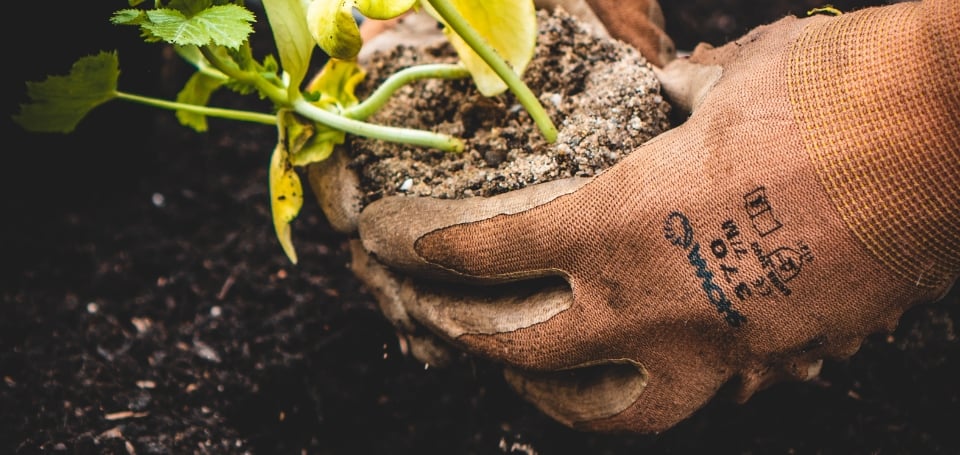
Choose a location with full sun and well-drained soil. If the soil needs improved drainage or additional nutrients, amend it in advance with compost. Loosen the soil about 12 inches down to help encourage root growth.
Water your plants the day before planting. This will reduce shock and enable it to adapt more quickly to its new surroundings. Dig a hole as deep and wide as the root ball and position it in the hole. Backfill around it and tamp down to remove air pockets.
Water your newly planted coneflower thoroughly. Keep the soil moist, but not soggy, for the next few weeks to help the plant become established in its new home. Mulch over the top to help retain moisture and insulate the roots.
Growing From Seed

Since this is a hybrid, there is no guarantee that the seeds will breed true to the parent plant from which they originated. However, you can easily grow coneflowers from seeds. They require a period of cold to germinate, so if you’re going to direct sow them, do so in late fall or early winter.
If you opt to start your seeds indoors and plant seedlings in the spring, make sure to stratify your seeds first. They need about 30-60 days of moist, cold stratification.
When you’re ready to get started, fill your seed trays or pots with loose, well-draining seed starting mix. Sow your seeds about 1/4″ deep and cover lightly with soil. Keep them warm and moist, in bright but indirect light, until they germinate. This can take 10-21 days. Wait until they have two to three sets of true leaves before transplanting them into the ground.

How to Grow
PowWow® ‘Wild Berry’ coneflowers are not challenging to grow. The plants are adaptable and flexible in their environment and care requirements. These are one of the easiest perennials for gardeners of all levels, even beginners shouldn’t have trouble with them.
Light

Coneflowers require full sun to bloom their best. This means at least six, but ideally 8 hours of sun daily. Sunlight encourages flowering, and it intensifies the color of the blooms. Color is the main selling point of PowWow® ‘Wild Berry’, so be sure to maximize its effect by planting it in a sunny location.
Ample sunlight also helps prevent fungal diseases, such as powdery mildew, that can interfere with photosynthesis. It also keeps the plant’s stems strong and sturdy.
Water

When first planted, coneflowers will require some supplemental watering. For newly planted coneflowers, water two to three times per week to keep the soil consistently moist, but not soggy. Overwatering can cause root rot.
Once established, coneflowers are drought-tolerant. You shouldn’t have to water established plants as long as you’re getting regular rainfall in the amount of about one inch per week. In times of prolonged drought, water occasionally.
Soil

Coneflowers are adaptable to various soil types, although clay soil can be challenging due to its tendency to compact easily. Drainage is the most crucial factor in keeping the roots happy and rot-free.
They will grow well in soil that is sandy, gravelly, and loamy, as long as it is moderately fertile. For poor soil, amend with compost before planting and then top-dress annually in the spring to maintain a healthy soil environment.
Temperature and Humidity

Coneflowers are perennial in zones 3-9, which means that they are highly cold-tolerant. They can survive winter temperatures as low as -35°F (-37°C). They are also heat-tolerant and typically are happy in temperatures as high as 90°F (32°C). Hotter than that, and you might see them wilt a bit. In zones 8 and 9, you may want to provide them with some afternoon shade.
When it comes to moisture in the air, coneflowers prefer moderate humidity, but they don’t mind dry air either. Moderate humidity is ideal for healthy growth, but high humidity can make plants more susceptible to fungal issues, such as powdery mildew and leaf spot.
Fertilizing

Fertilizing is not imperative for coneflowers. You can apply a balanced fertilizer once in the spring, as their growing season begins. After that, you won’t need to worry about it. In fact, over-fertilizing can lead to weak stems. Top-dressing your plants with compost annually will provide them with all the necessary nutrients.
Maintenance

While you may want to cut back your coneflowers in the fall to avoid the look of dead stems and leaves in the garden, it’s best for wildlife to leave them intact.
Birds will feed on the dried seed heads over the winter. Just mulch around them to insulate the roots and leave the rest until spring. In the spring, cut back all the dead foliage to make way for the new growth.
Deadheading your plants through the growing season will keep them flowering more prolifically. If you want to leave the seed heads for birds or harvest seeds in the fall, leave some flowers intact as the season comes to a close.

Propagation
It’s easy to grow coneflowers from seeds, but as I mentioned, PowWow® ‘Wild Berry’ is a hybrid, and there is no guarantee that the seeds will breed true to form. That doesn’t mean you shouldn’t try it, only that the new plants may not have all the same characteristics. If you want a clone of the plant you have, the best ways to propagate are by division and root cuttings.
Note that it is illegal to sell propagules from this cultivar as it is trademarked.
Root Cuttings

The best time to propagate from root cuttings is in late winter, when the plants are dormant. Dig up the plant and take cuts of two to three-inch sections of roots. Each section should have a part of the plant’s crown attached to it.
Plant your root cuttings in trays or pots filled with a loose seed-starting or potting mix, and keep them cool and in bright but indirect sunlight. Once growth appears, move them to a location with more sun exposure and transplant them after the risk of frost has passed.
Division

If you want to propagate by division, do so in early fall or early spring. This is when the divisions will have ample time to get acclimated before the temperature extremes of summer and winter.
Dig up the entire clump of roots and use a sharp knife to separate the clump into sections with roots and shoots. Replant them at the same depth and water well. Treat each one like a new plant and keep the soil moist for several weeks until they establish new roots.
Common Problems
Under ideal conditions, PowWow® ‘Wild Berry’ coneflowers have few enemies. They are low-maintenance and resilient. However, if the conditions are less than perfect, certain pests and diseases can pose a problem.
Pests

The most common pests you’ll encounter with your coneflowers are aphids, Japanese beetles, spider mites, and caterpillars. Aphids and spider mites feed on the sap of your plants and leave behind sticky excrement that can be a host for sooty mold, which interferes with photosynthesis. Use strong streams of water from a hose to knock them off the plant. Water appropriately to prevent the dryness that spider mites enjoy.
Japanese beetles and caterpillars will feed on the foliage, leaving holes and sometimes skeletonizing leaves. You can use traps for beetles or pick them off by hand if they become a significant issue. Caterpillars are typically not severe, and hand picking is the best way to get rid of them, as well.
Diseases

Most disease issues that coneflowers face are fungal, often resulting from poor watering habits. Avoid overhead watering and ensure your plants have adequate ventilation by avoiding overcrowding. You can treat diseases like leaf spot and powdery mildew by removing damaged leaves. If necessary, follow up with neem oil or copper-based fungicides.
The exception to this is a disease called aster yellows. This causes twisted growth and deformed, green flowers. There is no cure for this condition, so if you notice it, remove the plant and dispose of it properly. Don’t compost it.
Frequently Asked Questions
What can you plant coneflowers with?
Coneflowers pair well with other plants that are waterwise and like a lot of sun exposure. Milkweed, bee balm, yarrow, and black-eyed Susans are all great choices.
Are coneflowers safe for pets?
Yes, coneflowers are not toxic to people or pets.
How do you overwinter coneflowers?
Mulch around the base and leave the seed heads to provide food for wildlife, or cut to the ground and mulch over.