How to Prevent and Treat Powdery Mildew on Bee Balm
Bee balm is beautiful, but it’s also super susceptible to powdery mildew. Some varieties are more sensitive than others, and you’ll notice white, fuzzy growth all over their leaves. Join seasoned grower Jerad Bryant and learn how to prevent and treat powdery mildew on bee balm.


Contents
Powdery mildew (PM) is no fun to deal with! It returns to the garden at the end of summer when high humidity levels lead to its rapid growth. Though it seems like a big problem, it’ll go away when the plant enters dormancy in the winter.
In the meantime, there are some easy ways to both prevent and treat powdery mildew on bee balm during the growing season. The fungal condition likes humidity, warm temperatures, and dense foliage. Preventing these conditions will effectively control the disease.
Planting resistant varieties will thwart the mildew before it spreads. We’ll cover which bee balms to plant and which ones to avoid, as well as prevention and treatment tactics. First, learn how to thwart the disease this year. Then, discover tactics to prevent it from returning next year.


Treat Powdery Mildew
PM is a fungal condition that spreads from overwintering leaves. Its spores waft in the air, and they land on bee balm leaves during the growing season. Prevention is best, yet these tactics work well to stop powdery mildew on bee balm from spreading.
Remove Infected Parts
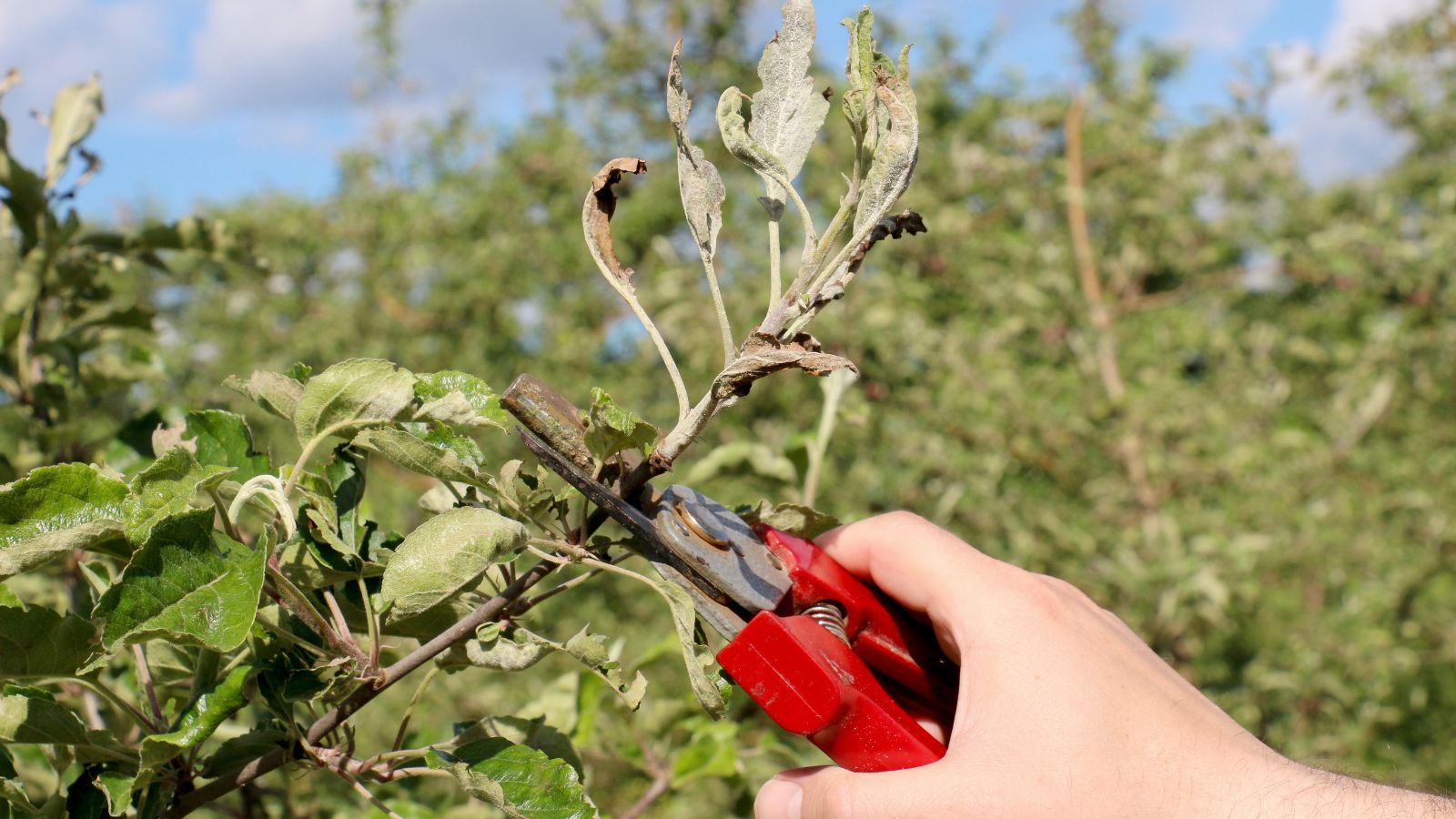
Fungicides don’t kill powdery patches. They merely prevent them from spreading and forming spores. If a patch grows large enough, it’s best to remove the leaves or stems to stop the spread.
PM spreads from the leaves to the stems, and vice versa. You’ll notice powdery spots forming along the perennials in late summer and early fall.
Remove the most-infected leaves with pruners or snips. Also, snip any stems that have the mildew on them. Hot compost the clippings in a pile that reaches at least 140°F (60°C), or bury them a foot deep and far away from the living bee balms.
Apply Horticultural Oil
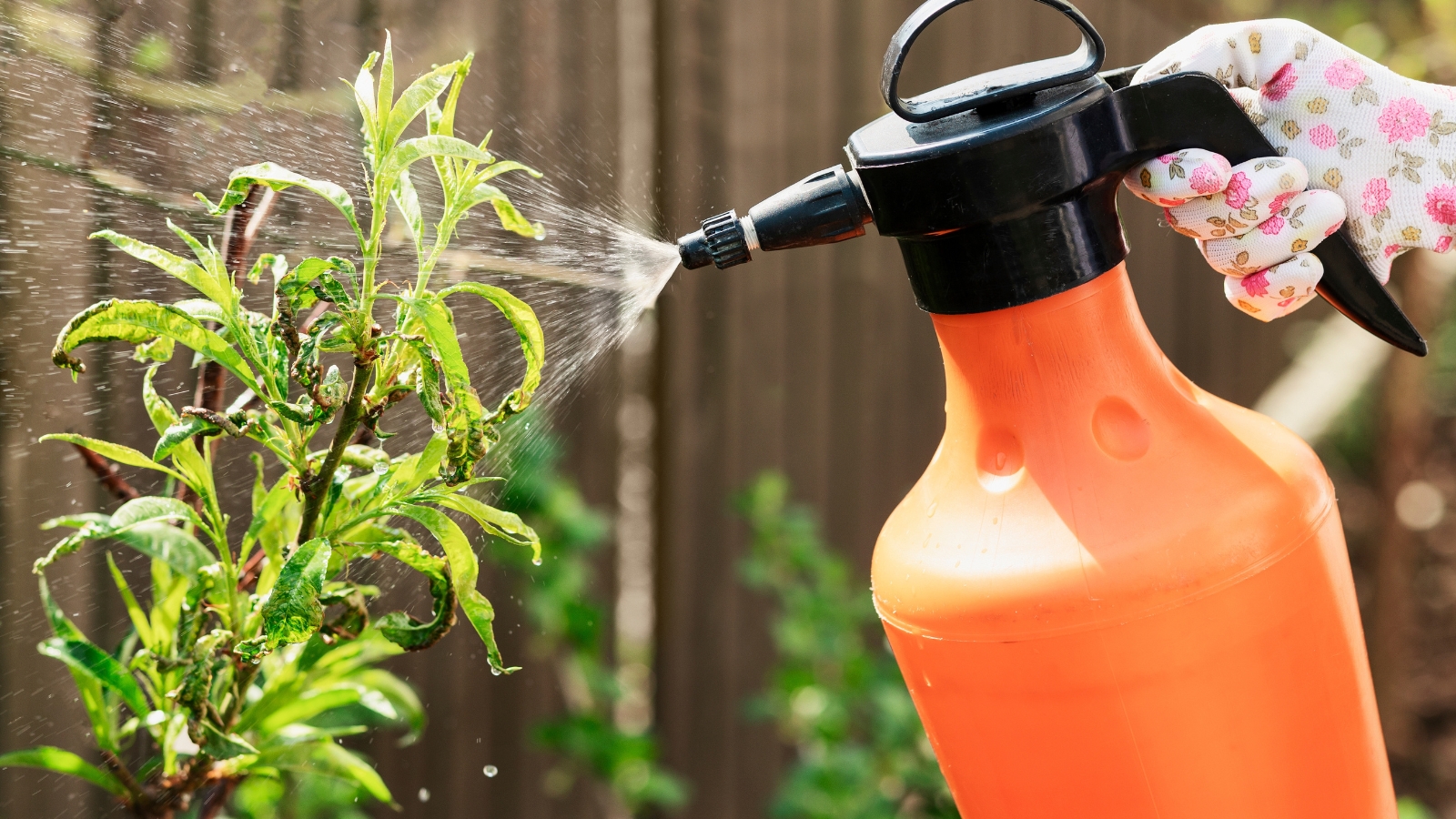
Often, it’s best to remove the leaves and let powdery mildew on bee balm form small infections. Horticultural oils can harm bees and pollinators when they’re sprayed during the day, and they are toxic to fish in yards near bodies of water.
If you do decide to use a treatment, try an organic horticultural oil that’s approved for home garden use. Find a pre-made spray, or purchase a concentrated solution that you mix with water. The concentrated options are often cheaper than the pre-made ones.
When spraying, cover the plant wherever the powdery spots are visible. Spray the undersides of the leaves, and cover the stems. Try not to spray the blooms to avoid harming pollinators, and spray in the early morning or afternoon when pollinating insects are less active.
Make a Baking Soda Solution

Baking soda is another treatment solution that works well and is easy to source. Mix one and a half tablespoons of baking soda with a gallon of water, and spray the leaves weekly.
Again, spray in the morning or afternoon when pollinating insects are less active. Cover all of the leaves and stems, then let the solution dry.
This treatment will prevent the powdery spots from spreading. It won’t kill the mildew, but it’ll only stop spores from forming.
Prevent Powdery Mildew
The best way to battle powdery mildew on bee balm plants is to prevent it from occurring in the first place. Proper prevention tactics keep the condition under control, as PM thrives in areas where infected leaves are left to overwinter.
Grow Resistant Varieties

Start by growing a PM-resistant or PM-tolerant bee balm variety. Many cultivars are available, and most are varieties of two species, Monarda didyma and M. fistulosa. Hybrids also exist between the two species.
When choosing a variety, look to its tag. It should say “resistant to powdery mildew” on the label. If it doesn’t, it may suffer from the condition in the home garden.
Especially avoid the cultivars ‘Croftway Pink’ and ‘Beauty of Cobham.’ These two are commonly available, though they performed the worst in the trials from the Chicago Botanic Garden. Researchers tested 41 different bee balms for their resistance to PM and found these two varieties to be some of the worst performers.
Try ‘Jacob Cline’ if you like scarlet blooms. The variety is resistant to PM. Or, go for ‘Marshall’s Delight.’ Its pink flowers stand out in the home garden amongst other perennials and shrubs.
Use Proper Spacing

Proper spacing is key to preventing cramped conditions from occurring. The closer the leaves are to each other, the more humidity there will be in the area. High humidity leads to fungal infections, and the crowded conditions are perfect for the disease’s rapid spread.
Space your bee balms two or more feet apart in the garden. The clumps tend to spread each year, and you may have to divide them to keep them at a reasonable size. Dividing is a great way to propagate and control your perennials—it’s a two-in-one solution!
Thin Stems

Alongside division and proper spacing, frequent thinning prevents dense foliage from growing. After a bloom fades, simply snip the stem at its base to remove it. This frequent thinning will work like deadheading to promote more blooms, and it’ll keep the growing site open and well-ventilated.
At the end of the growing season, leave a few stems standing with seeds. These are good for feeding songbirds and small critters that are hungry in autumn. Then, when they’re seedless, prune them off and hot compost them.
Provide Full Sun

Shady gardens are more humid than their sunny counterparts, as they allow water to evaporate slowly. The slow evaporation creates a humid area that’s conducive to PM growth and spread.
Though many bee balms thrive in either full sun or partial shade, it’s best to plant them in full sun to avoid powdery mildew outbreaks on bee balm. The more sun your plants receive, the less likely they are to have fuzzy mildew growth on their leaves.
Add Mulch

PM and mulch are enemies! The fungus overwinters in crop debris, and irrigation can splash the spores up into the air. A good layer of mulch prevents splashback from the soil, which helps stop the spread of the spores.
Adding mulch also helps by keeping your bee balms happy and healthy. The healthier they are, the more resistant they will be towards PM.
Use compost as mulch, and add a layer two to three inches thick on top of the plants’ roots. If you can’t find compost, try using leaf mold, fallen leaves, or straw.
Clean Up

Cleaning up crop debris at the end of the growing season works to prevent powdery mildew on bee balm from overwintering. It resides on dead leaves and stems. If you leave them lying around, they’ll act as spore factories next year.
To clean up, move all infected debris to a hot compost pile. Ensure the pile gets hot enough to kill diseases. Or, bury the infected debris a foot or deeper underground.
If there were no powdery spots on the leaves, you do not need to clean up. Simply leave the debris as mulch to protect the plants’ roots during the winter.
Key Takeaways
- Treat PM outbreaks this year, then use prevention tactics to thwart future infections.
- PM needs overwintering crop debris to survive the cold weather. Clean up infected foliage before winter arrives.
- Two treatment options work well for bee balm: horticultural oil and baking soda. Use safe spraying guidelines to avoid harming pollinators.
- The best thing to do is to plant a PM-resistant variety. Give it proper spacing, full sun, and plenty of mulch.
Frequently Asked Questions
Can bee balm get powdery mildew?
Yes! This plant is susceptible to PM.
How is it best to stop powdery mildew on bee balm?
Treatment will not kill infections, but it will prevent them from spreading. Remove infected leaves, add mulch to the soil, and thin the powdery stems.
What causes powdery mildew on bee balm?
Spores spread through the air and land on the leaves. The disease needs humidity and warm temperatures to thrive, which is why it’s common in late summer and early autumn.