Contents
One of the most pervasive and annoying diseases that occurs on vegetable crops is powdery mildew. Though an infection isn’t uncommon in gardens, it’s important to understand the mechanisms behind this disease, and control it quickly to prevent its spread.
With so many susceptible plants, it’s likely you’ve come into contact with the fungus on leaf surfaces a time or two before. If you haven’t, it’s good you’re here! A plant infected with powdery mildew isn’t immediately at risk, but you’ll need to act appropriately to remedy the issue as soon as possible.
So, let’s talk about powdery mildew, identify its symptoms, and discuss how to control and cure powdery mildew in your garden.

Good Products At Amazon For Treating Powdery Mildew:
What Is Powdery Mildew?
When people refer to “powdery mildew”, they mean many different types of fungus-related plant diseases. Powdery mildew is actually caused by fungal pathogens in multiple genera: Erysiphe, Microsphaera, Phyllactinia, Podosphaera, Sphaerotheca, and Uncinula.
Regardless of the specific type of fungus that afflicts your plants, they all act in a similar way. They thrive in dry, temperate to warm climates on plants that experience relative high humidity. The fungus spreads over vegetation and prevents photosynthesis.
This affects the plant’s ability to utilize nutrients. Without catching powdery mildew early, the damage may be too far along to stop, and you will have to remove the plant from your garden completely.
Powdery Mildew vs Downy Mildew
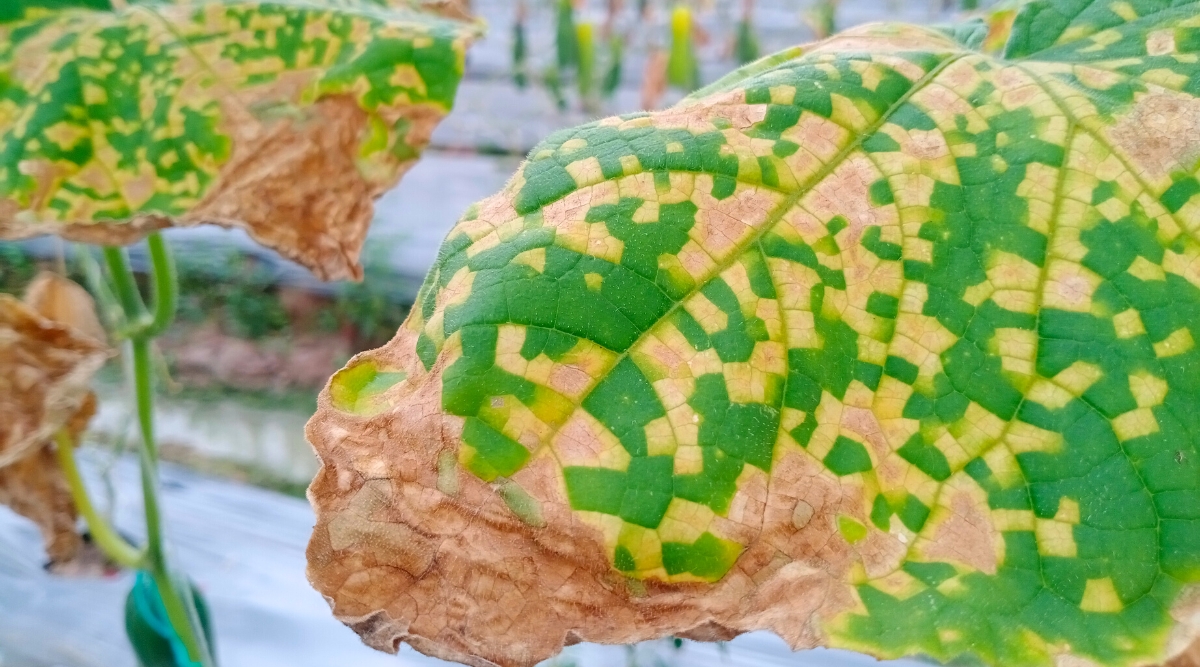
It’s easy to confuse powdery mildew with a similar disease, downy mildew. To tell which type of mildew you have, examine where it appears on the plant. Downy mildew colonizes the underside of plant leaves and the spore colony below connects to masses on the tops of leaves.
Powdery mildew grows anywhere, seemingly indiscriminately. Downy mildew also lacks the powder-like appearance. These distinctions are important because knowing is half the battle.
If you’re wondering which of these two common and similar diseases you’re dealing with, snip off a leave and take it to your local county extension office. They should be able to assist you with determining which plant pathology is present.
Identification

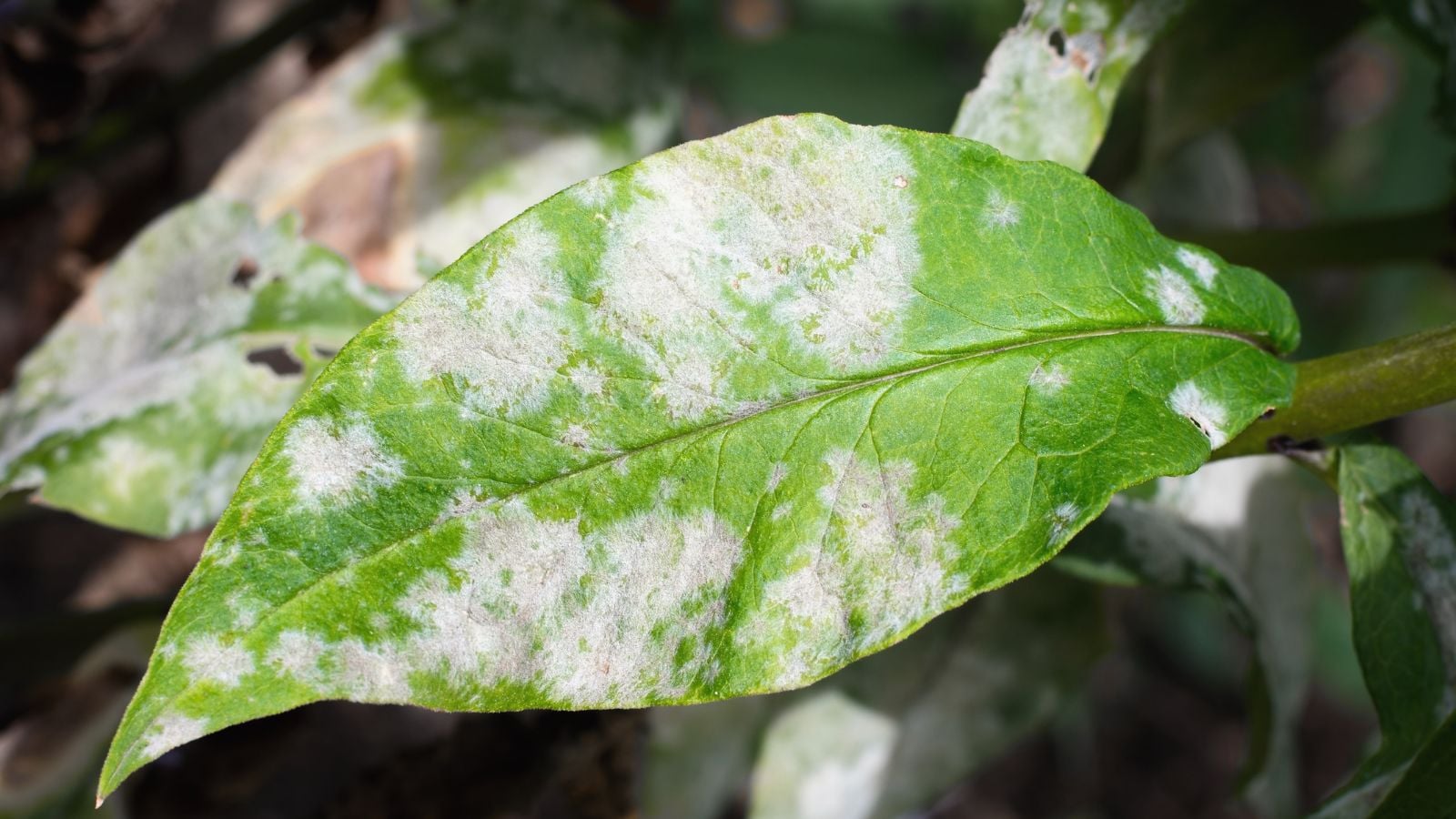
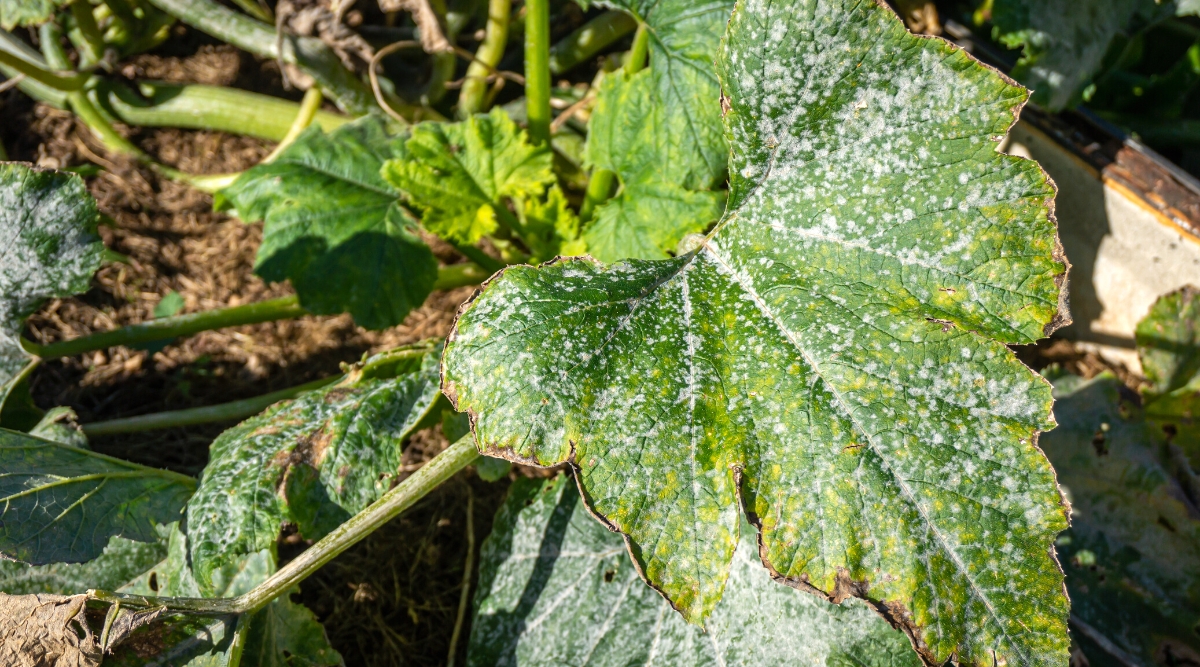
The most obvious sign of this disease is the distinct powdery, white dust that covers a plant’s leaves. These start out small, but grow in size as the disease progresses. They usually begin on the leaf surface of plants susceptible to powdery mildew.
If the infected leaves are left on the plant, the spores that make up the dusty mildew will spread to plant stems. Look for the characteristic cloudy masses of powdery mildew spores that don’t limit themselves to the leaf surfaces.
Life Cycle
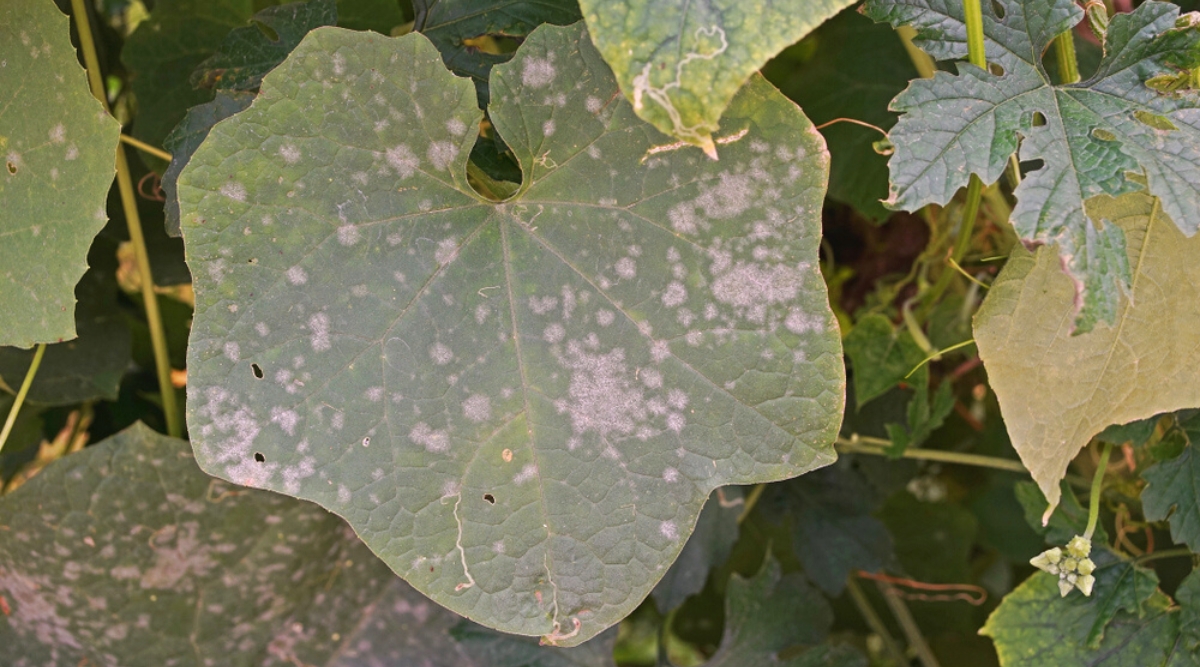
The life cycle of this disease begins when powdery mildew fungi are wind-swept onto a plant or splash up from the soil via raindrops or irrigation. As the disease progresses, the small white spots form a root-like structure that enters the plant’s leaves and saps them of nutrition. Leaves then become starved and turn yellow.
If the disease continues, leaves turn brown and die. Dying leaves also open your plant up to sun damage, a malformation of buds and fruit, as well as the potential of failing to fruit altogether. The dead leaves become plant debris that cause even more powdery mildew spread. One of the best ways to prevent powdery mildew is to keep the garden free of plant debris.
Evolution of Powdery Mildew
Powdery mildew fungi have been known to build resistance to fungicides, particularly because treatment applications occur multiple times in a season. Resistances can build in as little time as a few years.
That’s why it’s most important to use an integrated technique that includes organic, cultural, and fungicidal treatments. Using the same kind of fungicide year after year on the same fungus will promote resistance-building and effectively wipe out one of the tools you have to combat this disease.
Symptoms
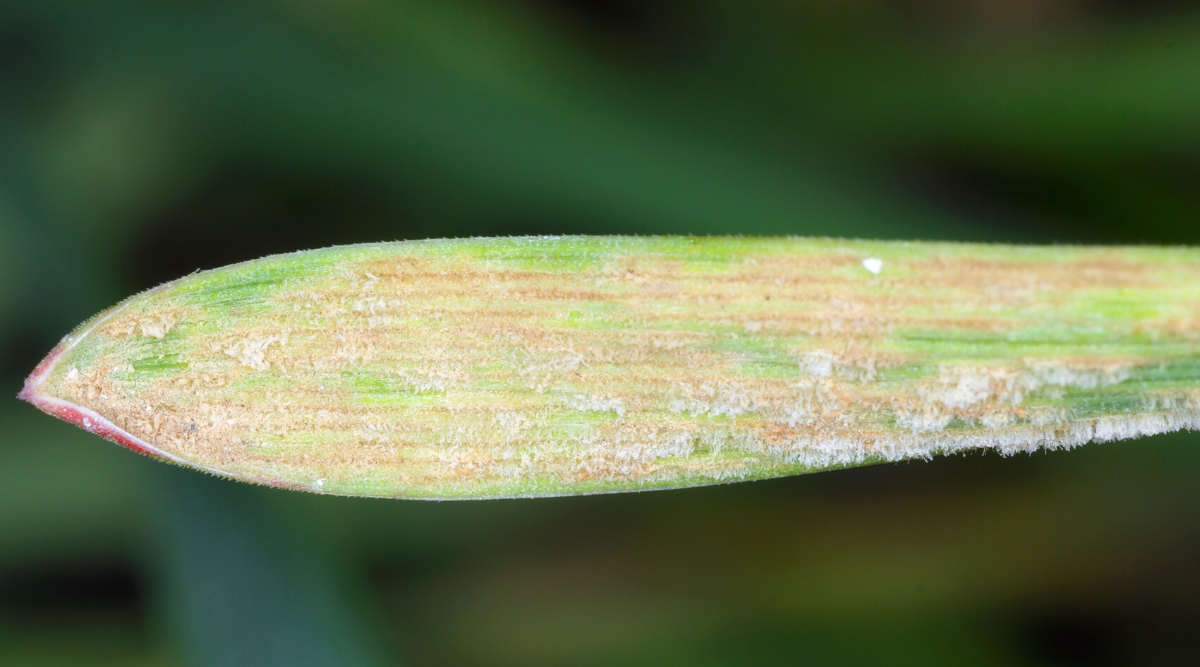
We’ve touched on these somewhat up to this point. But let’s take a closer look at powdery mildew symptoms in early and late stages.
Early Detection

A powder mildew growth usually occurs on a small area of a plant at first. These are the fungi spores that love moderate temperatures. If the powdery mildew occurs in a hidden spot on healthy plants, these spores can spread to cover the entire leaf surface, and to the stems.
As the progression continues and powdery mildew thrives, it develops small root-like structures called mycelia. This is the basis of the fungal organism, which helps it travel across plant parts.
Later Progression
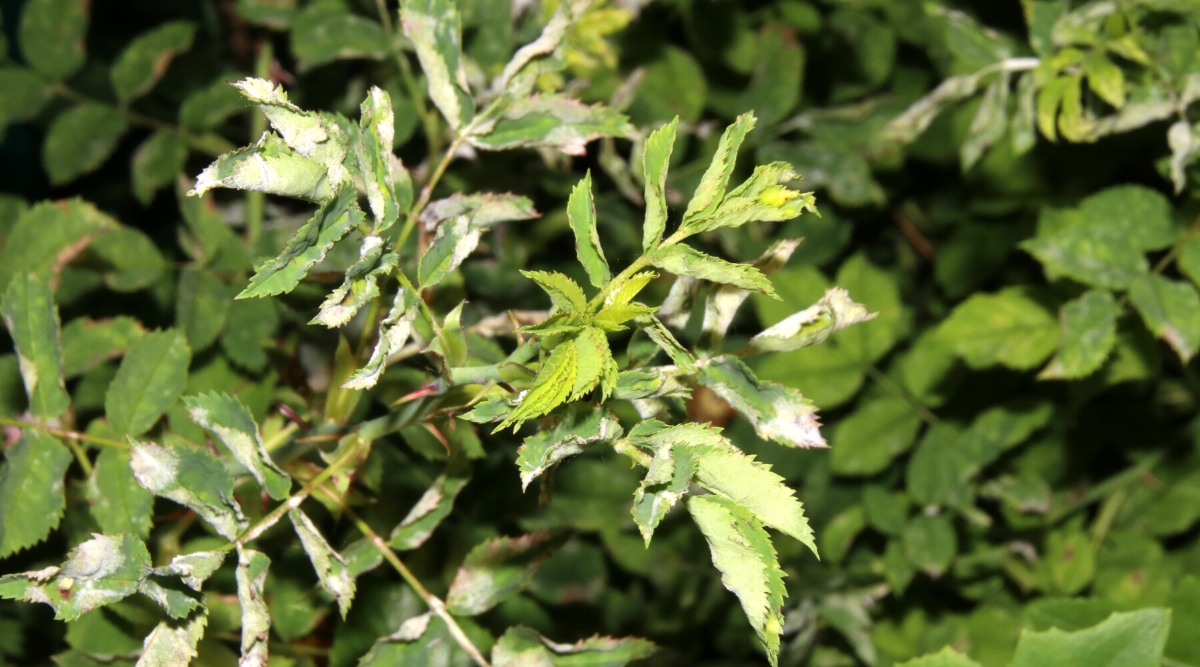
As the powdery mildew fungi grow, they take over infected plants, preventing proper nutrient and water absorption, and stunting their succulent growth. At this point the plant’s immune system is compromised and other fungal diseases can take hold.
As a result of a rampant infection, plant leaves brown and shrivel. Sometimes they fall off the plant. Fruit yield is greatly reduced, especially in plants that experience symptoms of fruiting bodies.
Crops Affected
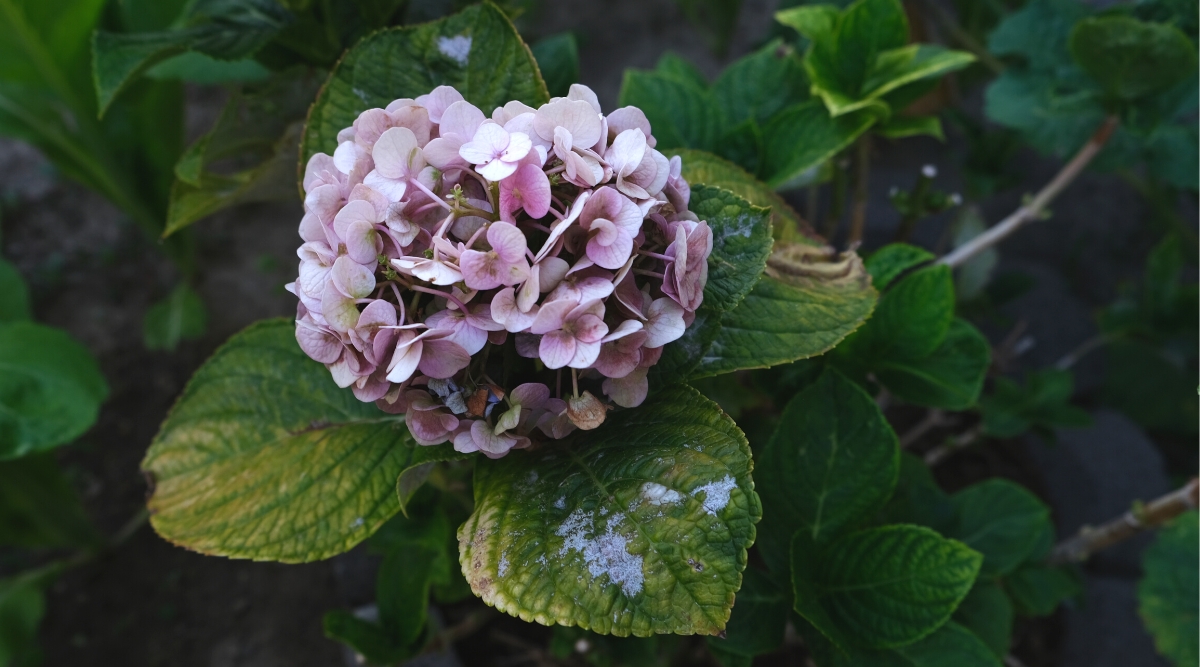
Now let’s cover the fungal parasites that cause powdery mildew, and discuss which plants most typically host them. While these are different species each with a different host plant, your methods for controlling powdery mildew on infected plants is the same.
- Sunflower (Golovinomyces cichoracearum, Poposphaera xanthii, and Leviellula Taurica): sunflower presents on lower leaves first as splotches of white sparsely arranged; they then develop black spots within and leaves die off
- Wheat (Blumeria graminis f. sp. tritici): wheat displays white powdery mildew on the bottom leaves first, in the form of small pustules that look like streaking; these overtake leaves, killing them in the process
- Barley (Blumeria graminis f. sp. hordei): very similar to wheat’s symptoms, but pustules are more stippled
- Legumes (Microsphaera diffusa): the white spots on plants in the legume family look like talcum powder at the start, and eventually take over shriveling and browning leaves
- Grape (Erysiphe necator): effects foliage, fruit, canes, and flowers of grapevines; greenish-white patches on the undersides of grape leaves indicate initial stages
- Onions (Leveillula taurica): begins as whitish lesions that spread and grow mycelia; these sporulate and spread, killing off onion leaves
- Apples and pears (Podosphaera leucotricha): for apple plants, affected leaves are usually new terminal growth progressing to a russet; pear plants contract powdery mildews on fruit, which become black and rotted
- Gourds and melons (P. xanthii, Erysiphe cichoracearum, Podosphaera fusca, and P. xanthii): zucchini powdery mildew begins as white patches near the centers of leaves; cucumber powdery mildew is much the same, but fruit may be affected as well; squash powdery mildew is the same, with more likelihood for fruit infection
- Lilacs (Microsphaera syringae): widespread cloudy patches on the tops of leaves are the first signs in lilac plants
- Strawberries (Podosphaera aphanis): starts with curling leaves, and then spreads to undersides of leaves and eventually fruit
- Tree leaves (Sawadaea tulasnei): mostly affects the undersides of mature tree leaves; cloudy white dusty looking spores can spread from the tops of leaves to the bottoms in some cases
- Arabidopsis (Golovinomyces orontii): hydrangea powdery mildew begins with powdery leaf undersides, and eventually yellowing of leaf surfaces, then finally leaves brown and curl
- Cannabis (Podosphaera macularis): begins as a flour-like white dusting on the upper leaf surface, and leaves yellow, dry out, and fall off; disfigurement of buds is also common
- Roses (Sphaerotheca pannosa var. rosae): powdery mildew on roses begins as white spots on rose leaves and upper shoots; eventually turns to purplish discoloration
- Tomatoes (Oidium neolycopersici): begins looking like little dusty circles or spots on leaves, then light yellow and green circles appear in the affected area; rarely spreads to fruit
7 Ways To Control Powdery Mildew
Powdery mildew control is pretty simple. The best line of defense will include fungicides, cultural practices, and prevention. These three ways to control powdery mildew are most effective when integrated.
Sodium Bicarbonate

Sodium bicarbonate is a powdery compound that has uses in food. You may know it as baking soda. If you’d like to know how to treat plant fungus with baking soda, use it in a solution as a treatment for powdery mildew problems on garden plants.
Dilute 3 tablespoons of baking soda in 1 gallon of water, and spray it on affected plants. However, do not overuse baking soda in the garden. It can accumulate in soil, and eventually burn leaves. A little bit of treatment that involves baking soda will work to disrupt the cell walls of powdery fungi.
Sulfur

Sulfur dust and sulfur spray are two types of sulfur fungicide that have been used to prevent and eliminate molds on plants. Use them for powdery mildew and a variety of other plant diseases. You’ll find these at your local garden center or plant nursery. Potassium bicarbonate fungicide is another effective treatment.
Combine 1 tablespoon with 1 gallon of water and spray affected plants. The advantage of using potassium bicarbonate is that the compound is effective against powdery mildew that is already established. Much like using baking soda sprays, overuse can cause problems. Use sparingly.
Fungicides and Soaps
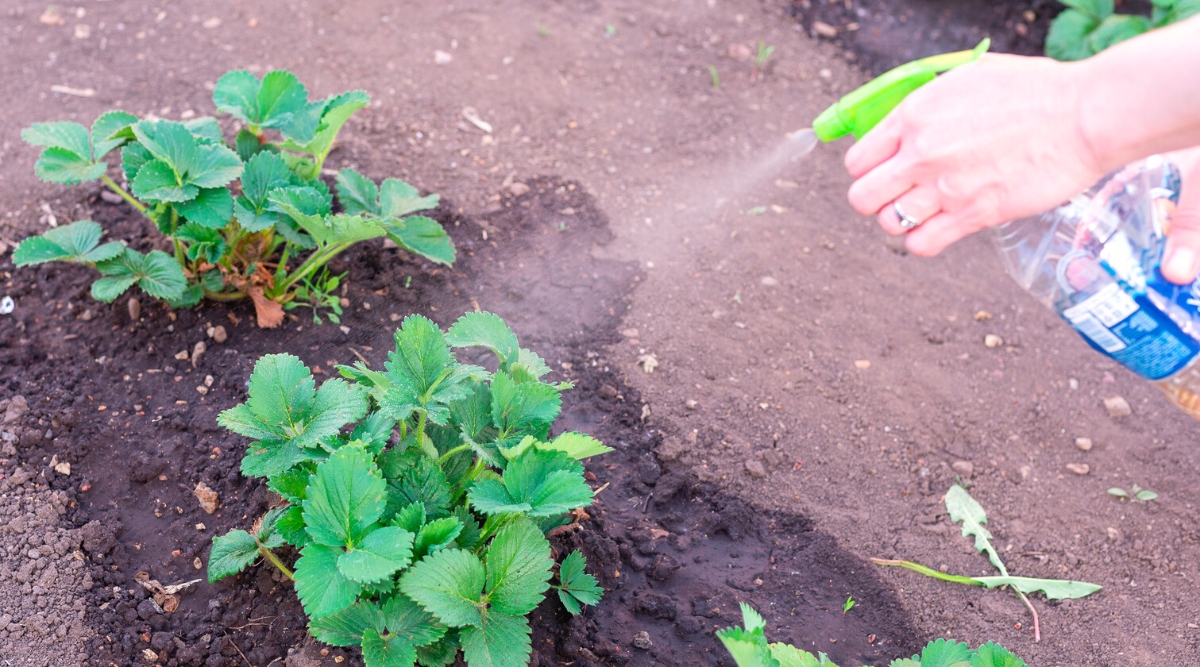
Some fungicides include both sulfur and lime, which is thought to be even more effective against powdery mildew. However, these compounds can burn delicate plant tissue, so use them only as directed and space applications a sufficient amount of time apart to avoid harming the plants.
Similar to this, insecticidal soap may be slated for occasional use on fungus-infected plants. However, it can burn leaves and cause problems if overused.
Milk Sprays

Milk spray has been recommended for powdery mildew for generations, but only now is the science behind it being investigated. Recently, studies confirm that milk is consistently effective in treating powdery mildew. Use a solution of 1 part milk and 2 parts water, and apply weekly to prevent and treat infections.
Tested evidence suggests higher fat milks are better at reducing the incidence of powdery mildew. However, if you live somewhere with hot summers, you may want to avoid using milk treatments, as the smell of spoiled milk may deter you from wanting to enter the garden at all.
Bacillus Subtilis

Find a fungicide with the active ingredient, Bacillus subtilis, and spray this on your affected plants. These bacteria sprays contain compounds that disrupt the proliferation of spores produced by powdery mildews.
Combine this with other methods and you’re on your way to a powdery mildew cure. You can often find copper fungicides that have Bacillus subtilis included in their formulation. These are great options for those who need more intensive strategies for combatting PM.
Neem Oil
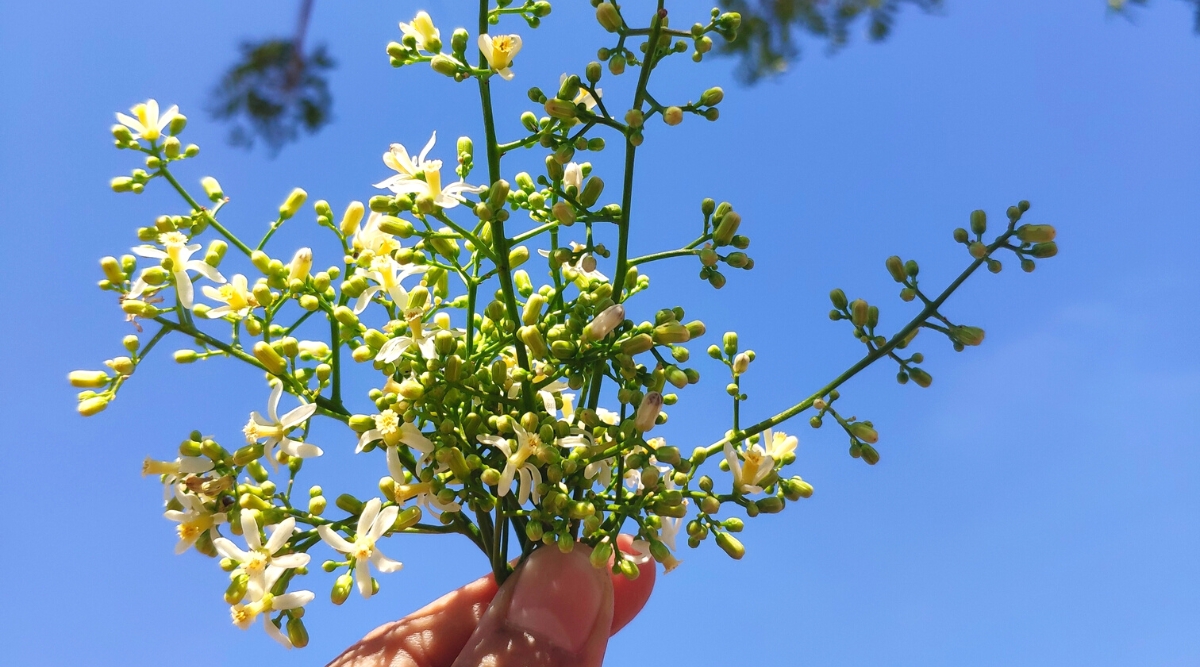
This oil is an extract made from the fruit and seeds of the neem tree, which is native to India. It has been used as an insecticide and anti-fungal for thousands of years, and it is still useful today as an organic compound to eliminate garden pests. It’s used to remove powdery mildew by reducing the spores’ ability to reproduce.
However, neem oil may be more effective as a preventative than as a treatment when the problem has already occurred. It does have a double purpose in your garden, as it fights insect pests while protecting your crops against mildew. Horticultural oil spray is also effective in the same way, but neem is safer for beneficial insects when sprayed properly.
Selective Pruning
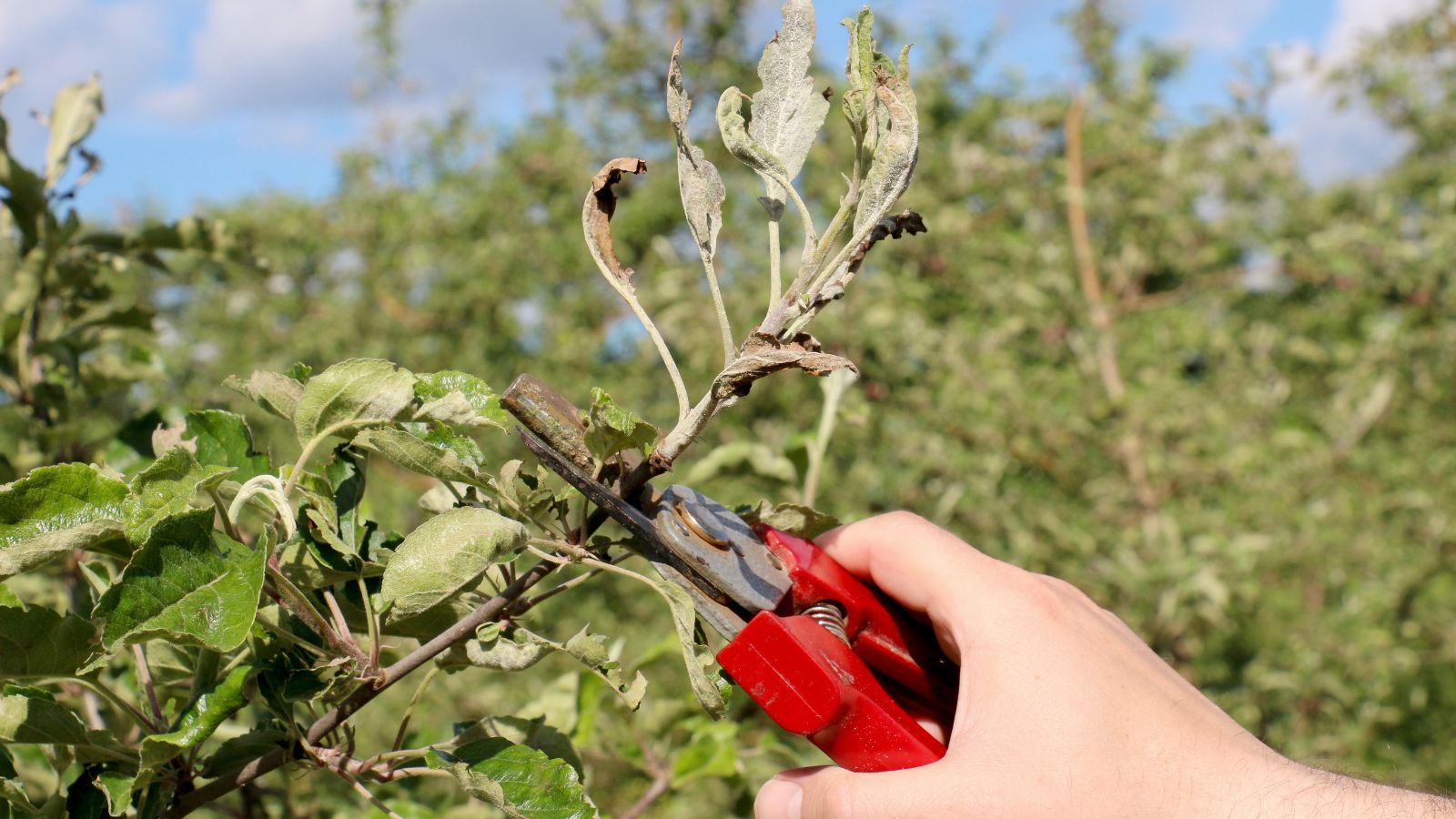
Selective pruning of not only infected leaves, but the entire plant is another preventative measure that has great benefit. By removing leaves that have an existing infection, you remove an area where sporulation takes place.
Removing a few leaves here and there on plants without fungal growth promotes good air circulation, and helps reduce relative humidity in dry seasons where powdery mildew on plants is more possible. So remember, when it comes to continuous protection increase air circulation to reduce spore production.
Treatments to Avoid
There are lots of chemical control treatments for powdery mildew. There are some that are often recommended, but should not be used at all.
Liquid Soaps
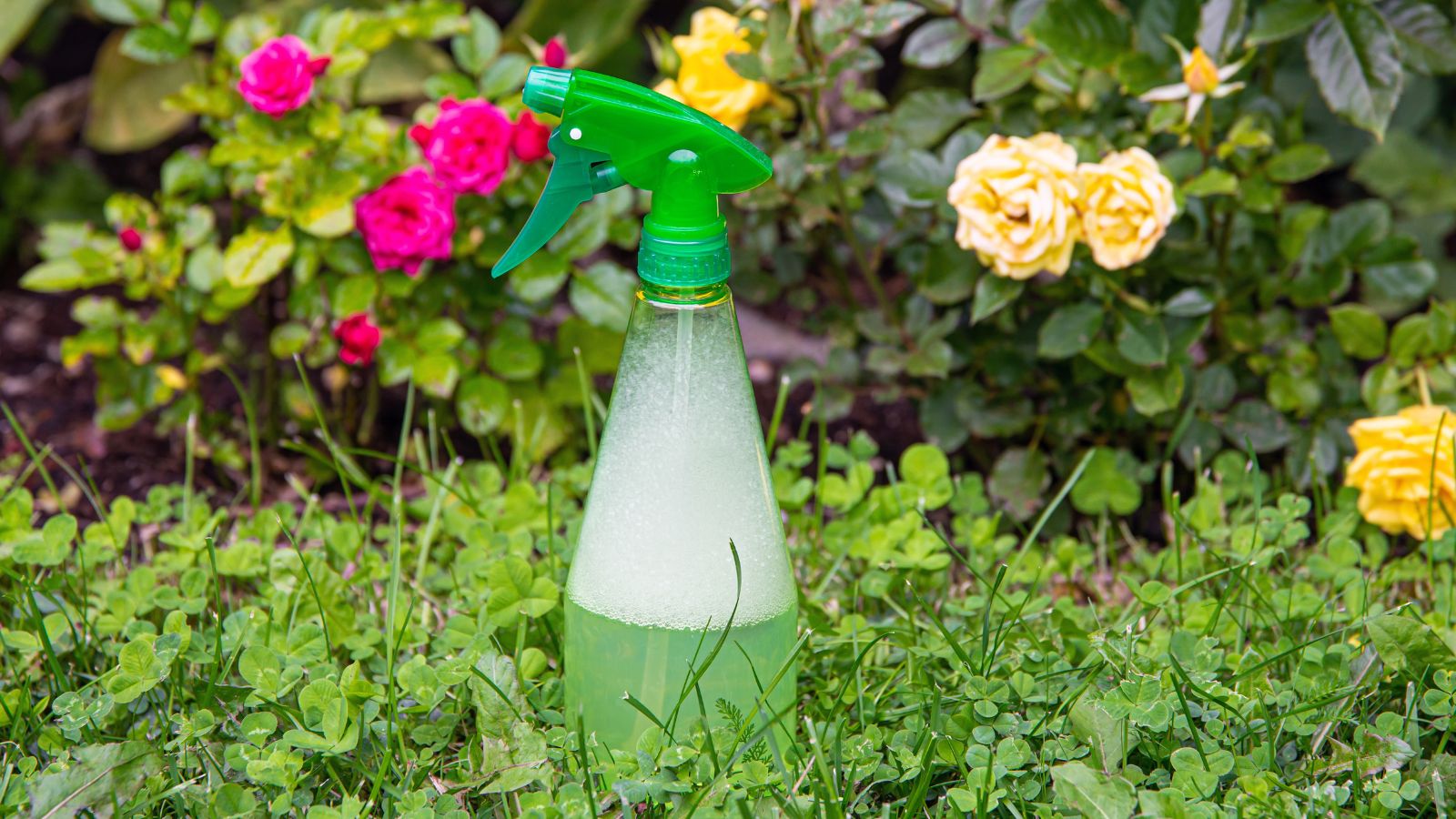
Many suggest recipes for powdery mildew sprays that include liquid soap. Avoid using liquid soap altogether. Most of these soaps contain surfactants that might work on powdery mildew, but will negatively affect plant cells, and beneficial insects as well.
You’re better off using neem oil, or even milk for powdery mildew. Planting resistant varieties will eliminate the need to treat at all.
Spraying Leaves With Water

Another common treatment that is often suggested is to wet foliage affected with the disease. While this works at first, it can knock the spores into the soil where they wait to infect another susceptible plant.
It’s difficult to tell whether or not the spores remain in soil until peak PM season. That means you could carry out this treatment and not know there’s a problem until the next year. Blasting your plant’s leaves with water is a better option for certain populations of pests.
Prevention
As we consistently mention, your best offense is a good defense. Use prevention methods upon planting susceptible crops, and you limit the ability of this disease to proliferate. Alternatively, don’t plant susceptible species! We’ll touch on that shortly.
Proper Watering

Watering properly is a great preventative measure that helps you control powdery mildew. Not only are drought-stressed plants more likely to host powdery growth, high relative humidity is a known vector for an infected plant. Overhead watering is a no go. Water at the base of the plant, rather than above, and do so in the morning to allow adequate amounts of drying.
Plant Resistant Varieties

Plant resistant varieties that will limit the amount of powdery mildew hanging out in your garden during the growing season. This is one the best cultural controls you can enact. It will prevent any extra buildup of powdery mildew in soil, and also prevents this white plant fungus from spreading to other plants.
Provide Air Circulation
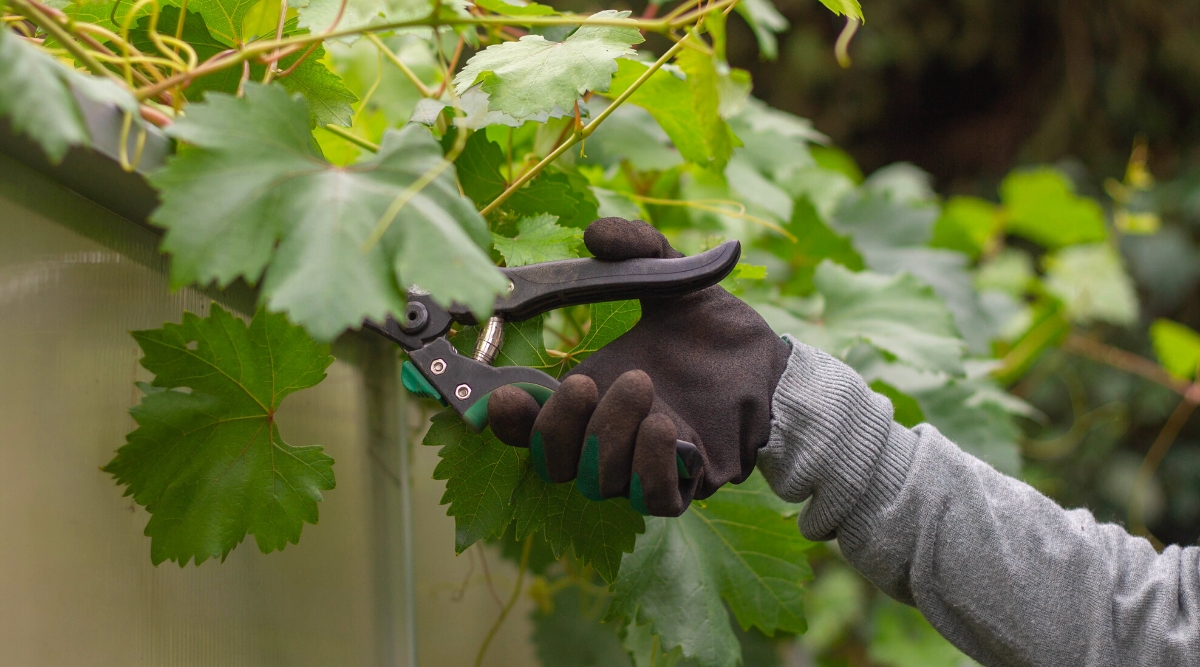
If you want to know how to get rid of powdery mildew, prevent conditions in which the disease thrives. Remember to provide good air circulation through proper plant spacing. Low relative humidity (rather than high humidity) keeps even a host plant safe. If you live in dry climates, water during the day in the morning to prevent the conditions in which the fungus proliferates.
Remove Plants As Needed

If powdery mildews have gotten out of control, and there are heavily infected plants in your garden, remove them. Do not compost an infected plant (even healthy parts, which may have small amounts of spores present), as this will allow the continuation of the disease. Instead, destroy the plants, keeping them away from other unaffected ones.
Fertilize Properly

Another important thing: apply slow release fertilizer sparingly. Too much fertilizer is yet another vector for stressing out your plant, and leaving it more susceptible to the disease.
Not only does too much high nitrogen fertilizer create a situation where more leaves are produced, it dampens your ability to keep air circulating among leaves, and between plants. This makes powdery mildews more likely.
Final Thoughts
Since PM is so common, chances are you will contend with it at some point in your garden. If you see the masses of powdery substance building up on your plants, act quickly to deter the disease’s spread.
Use the prevention methods here if you know you live in a humid and warm climate. The best thing you can do for your garden is plant those resistant varieties. If you love growing something with a susceptibility, you’re now fully-equipped to handle any PM issues that arise.