Pole Beans: Everything To Know About Growing Vertical
Pole beans are an incredibly versatile and easy veggie to grow in the garden, so learn how to cultivate them in our complete grow guide.

Contents
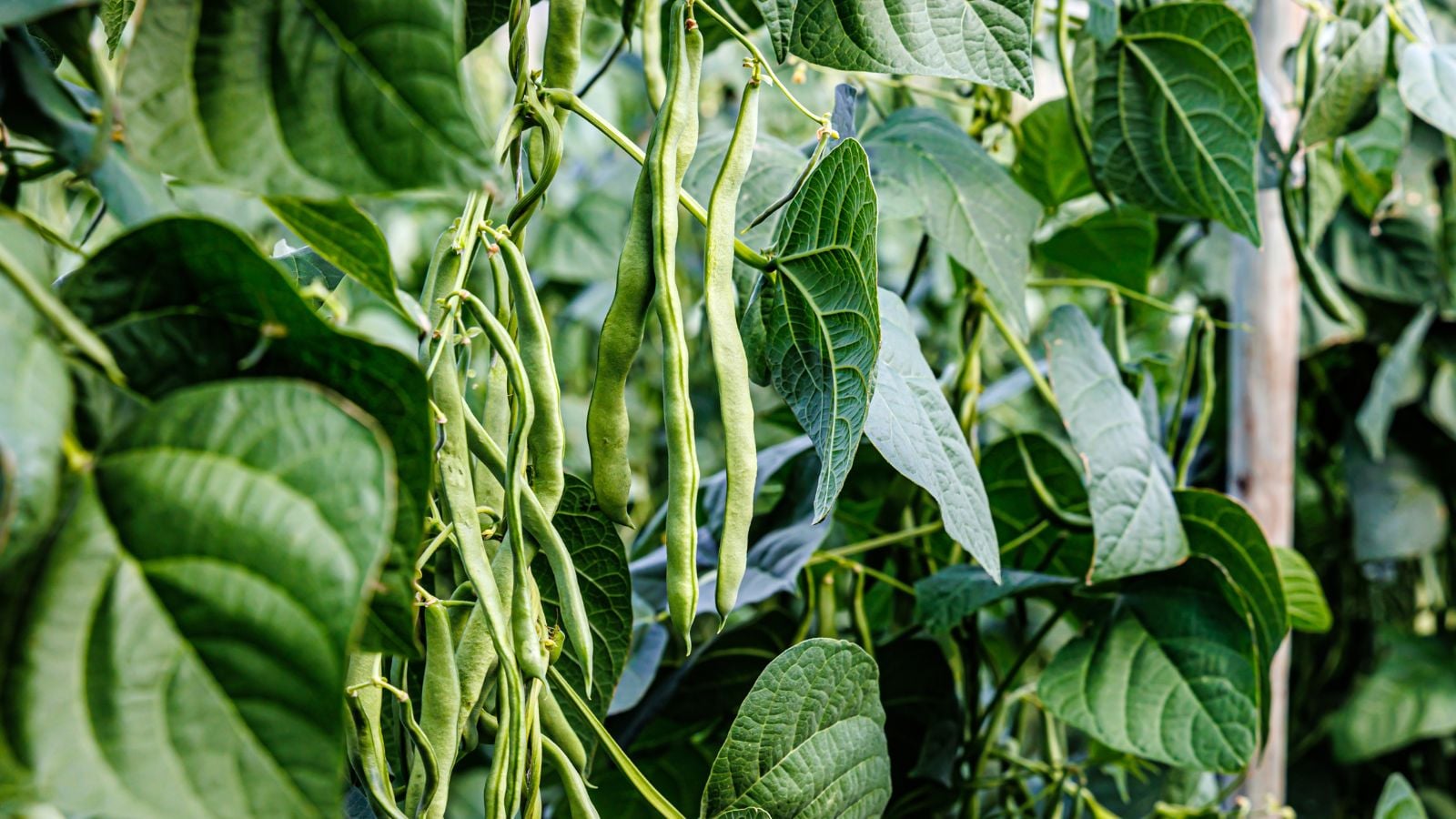
Learning how to grow beans and having a hard time deciding whether to stay close to the ground with bush beans or go vertical with a pole bean variety? Pole beans have growth characteristics that provide space-saving beauty and visual interest in home gardens. Vining varieties, runner beans, and snap beans make going vertical an exciting element in any garden.
Common beans are divided into two main groups: pole and bush beans. Bush varieties form 8 to 20 inch bushes, whereas pole varieties form 7 to 10 foot vines.
Deftly named, these climbing beans require physical support. With so many pole bean trellis options, they’re an excellent choice for gardeners with limited or unique spaces. Vertical vines can produce two to three times more than bush beans in the same amount of space!
Pole beans are more than just showy foliage with beautiful flowers, delicious pods, and plump beans. They are high in vitamins A, C, and K, folic acid, and fiber, and growing pole beans is easy to do just about anywhere.


Quick Care Guide

|
Scientific Name
Phaseolus vulgaris
Days to Harvest
60-75 days
Light
Full sun
Water
Prefers consistent moisture, about 1 inch per week
|
Soil
Well-drained soil
Fertilizer
Low nitrogen, example: 5-10-10
Pests
Mexican bean beetles, aphids, leafhoppers, two-spotted spider mites
Diseases
Bacterial blights, bean common mosaic virus, white mold
|
Recommended Pole Bean Varieties
The main categories of beans include dry beans (seeds harvested at full maturity when dry), snap beans (tender pods that snap at harvest time, before their seeds develop), and shell or shelled beans (tender seeds harvested at maturity).
Pole Beans

Both pole and bush beans are part of the same family, and the main difference is the support they need. In order to be successful, pole beans need trellises to guide the vines upward. Dozens of gorgeous varieties are available – broad, flat, straight, curved, lavender-pink, variegated striped, fresh-eating, dry-preserving – the list goes on.
- Kentucky Wonder: 65 days. Heirloom, brown seeded bean; pods can be eaten fresh or dried for shell beans.
- Blue Lake: 60 days. 6″ dark green pods with white seeds.
- Blauhilde: 65 days. 10″ purple pods form from rose-purple flowers.
- Musica: 67 days. 8″flat, bright green pods with white seeds; eaten fresh.
- Speckled Calico: 84 days. Cream colored beans with irregular red stripes; use fresh or dry.
- Gold Nectar: 70 days. 9″semi-flat, straight yellow pods.
Runner and Half Runner Beans

Although runner beans (Phaseolus coccineus) are a different breed from pole beans (Phaseolus vulgaris) they are both excellent climbers. I imagine runner beans “running” up toward the top of a trellis!
Half runner beans are snap beans (Phaseolus vulgaris) and, as the name implies, half-runners have the combined growing habits of bush and pole beans. Instead of growing 7-10 feet high, half-runners grow about 5 feet tall, making trellising, vine maintenance, and harvesting a little easier.
- Scarlet Emperor: 65 days. Scarlet blossoms produce black and mauve speckled seeds; mostly used as shell beans.
- Painted Lady Improved: 68 days. Red and pink bi-colored blossoms produce black and tan speckled seeds; mostly used dry.
- Hidatsa Red Indian Half-runner: 85 days. Rose-red beans for dry use.
- Mountaineer White Half-runner: 57 days. Slender green pods with white seeds; eaten fresh.
Planting Pole Beans

How to grow pole beans? The large size of pole bean seeds makes planting easy and thinning sprouts isn’t necessary. They’re a great garden space maximizer and there are just a few rules to follow when planning and planting pole beans.
Pole bean seeds are somewhat sensitive to colder temperatures so it is best to wait to plant until soil temperatures reach at least 60°F (16°C). Cooler soil temperatures just mean that germination will take longer but it isn’t harmful to plant in cool soil. At an ideal 70 to 80°F (21-27°C) soil temperature, germination will take about 8 to 10 days.
All bean seeds should be directly sown in the garden, as they do not tolerate transplanting well. When you’re growing pole beans, most pole bean varieties will be ready for their first harvest between 60 and 70 days after planting. After the first pick, be ready for multiple harvests throughout the season!
Because they’re such amazing growers and require tall trellising, it is important to situate your trellis where it will not shade nearby plants that need full sun. A good rule of thumb is to plant trellises and tall growing plants near the north side of the garden. It is also best to install your trellis before seeding in order to avoid damaging the plant roots later.
Planting methods depend on the type of trellis that you choose for your space. If using a teepee or single-pole support, plant seeds one inch deep in mounded soil with four to six seeds at the base of each pole. If you are instead using a flat, more linear trellis, plant seeds one inch deep and three inches apart in a row along the bottom of the trellis.
If planting in rows, sow the seeds 6 inches apart in rows that are 24 to 36 inches apart.
Caring for Pole Beans
As long as your beans have the support of a sturdy trellis, there is very little to do until harvest time. Pole bean flowers bloom in a variety of colors and their prolific blossoms are breathtaking.
Light and Temperature

You can try growing pole beans in partial shade but you will likely experience a smaller yield. Full sun is ideal for healthy plants and higher productivity.
They prefer temperatures that are at least 60°F (16°C). Below that they can take damage. Some cultivars are sensitive to heat. If you live in an area with very hot summers, choose heat-tolerant varieties.
Water and Humidity

Being shallow-rooted, they require at least one inch of water per week. Providing plants with consistent moisture is key, especially during flowering and fruiting phases of growing pole beans. Beans in general are sensitive to moisture and can be prone to blights and molds, so it is important to avoid soaking the leaves when watering.
If you happen to be growing your pole beans inside a greenhouse, try not to do so with ambient humidity above 60%. It’s at this level and above that pole beans are more susceptible to water and air borne diseases.
Soil

Growing pole beans requires well-drained soil with a pH of 6.0 to 6.8. Sandy loam is best, and clay soils will reduce the amount of pods your plant produces. Mulching the plants with a fine mulch like compost or shredded leaves will help retain soil moisture and inhibit weed growth.
Fertilizing Pole Beans

Beans are classified as “light feeders,” which means that fertilizing at planting time should be sufficient for your plants’ nutritional needs. Aged manure is an excellent fertilizer to incorporate into the soil before planting.
Spread the manure across the planting area at a depth of about three inches and work it into the soil. Once you grow pole beans to about four inches tall, side-dress the plants with more aged manure.
Beans are also nitrogen fixers, which means that they absorb nitrogen from the air and release it into the soil. Because of this, it is important to avoid treating your bean plants with commercial fertilizers that contain large ratios of nitrogen.
If you are using a prepared fertilizer, look for one that has a low nitrogen to phosphorus and potassium ratio like 5-10-10. Applying nitrogen fertilizer and combining that with the nitrogen fixed by beans will cause too much leaf and stem growth and may prevent bean growth and production.
Pruning and Training Pole Beans

Growing pole beans requires strong support and there are lots of trellising options out there for managing your vines. Many garden centers sell pre-made trellises, but creating your own out of recycled odds and ends can be really fun.
Some ideas for trellis materials include:
- Bamboo canes
- Branches and sticks from trees
- Wire fencing
- Steel rebar
- Netting
- String
- Wire
From these materials, you can build arches, walls, fences, or round structures with multiple legs for the climbing vines. You could also use existing structures like tall fences and poles for a cost-saving and beautifying addition to your space.
The vines will climb and wind their way around any structure, so don’t worry about needing to train them upward.
More natural options include using growing corn stalks or giant sunflowers as supports. Corn and squash are the traditional “sisters” to beans and all three can be grown together. Plant a few bean seeds at the base of a corn plant when it is about a foot high, and the cornstalk will support the bean vines while the squash shades the ground and keeps weeds at bay.
Harvesting and Storing
Now that you know how to get to the point where you can harvest, let’s discuss the process and how to store your beans.
Harvesting Pole Beans

Harvest times depend on whether you plan to eat the shelled beans or snap bean pods fresh, or will preserve the beans for dry use.
For snap beans, harvest the pods when they are young and before seeds begin to bulge inside the pods. Wait a little longer for fresh shell beans; harvest them when the pods begin to dry but the seeds are still plump and glossy. For dry beans, wait to harvest until the leaves have turned brown or fallen to the ground. Do a test bite on a couple of the seeds, if they barely dent, they are ready. The pods should be completely dry.
Storing Pole Beans

Fresh shelled or snap beans can be blanched and frozen, canned, or pickled to preserve them for winter eating. Completely dried beans should be stored away from heat and light in sealed containers like mason jars.
Troubleshooting
Pole beans can be hit by diseases caused by bacterium, fungi, or viruses and several common pests can also ruin your harvest.
Growing Problems

If you plant your beans in an area with little sun or in soil that is too heavy, you will see reduced yields. Remember to prep the soil with lots of organic matter and grit to support bean growth and drain away water as needed.
Pests
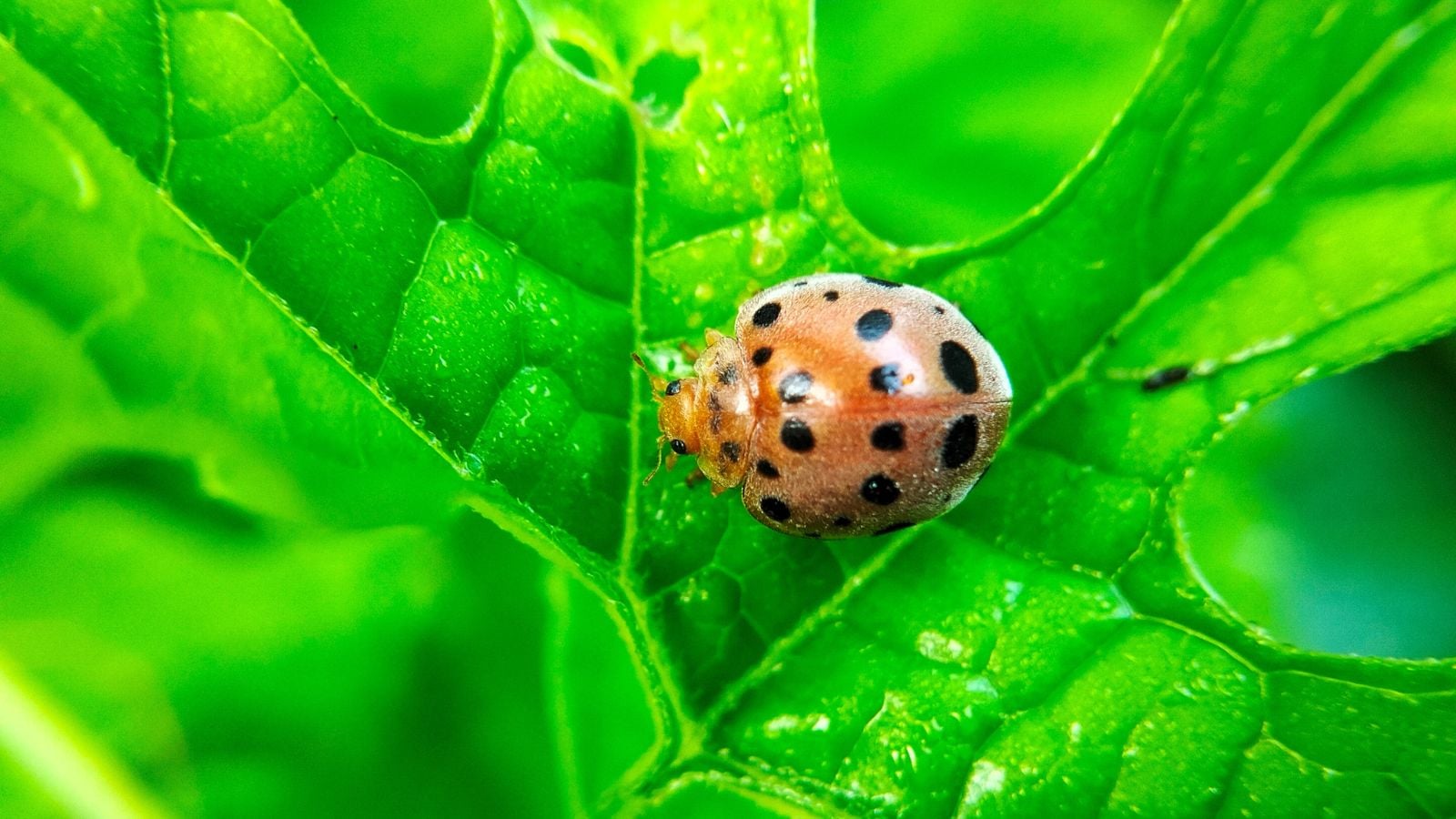
As soon as warm weather arrives, Mexican bean beetles emerge from their winter slumber to feed on bean plants. Larvae and adult beetles snack on the leaves, leaving them looking lacey and skeletonized. Handpicking can control them, but if you have a serious infestation, you may need to use a neem oil spray or sprinkle plants with diatomaceous earth.
Aphids and spider mites pierce individual plant cells and feed on plant juices. To identify damage by these pests, look for curling, yellowing, or misshapen leaves. The undersides of leaves and plant stems are particularly appealing to aphids and spider mites. Neem oil is effective for controlling these pests. For a preventive option, try interplanting sweet alyssum with your beans. Sweet alyssum flowers attract aphid-loving predators!
Leafhoppers also feed by puncturing bean leaves and sucking out plant juices. A neem oil spray or sprinkling plants with diatomaceous earth will keep these pests in check.
Diseases

Bacterial blights can develop when leaf surfaces are constantly wet or damp. Encourage airflow around your bean plants by reducing overcrowding. Water close to the ground and avoid spraying the foliage.
Bean common mosaic virus is identified by discolored leaves in mosaic patterns of light and/or dark green. This virus is spread by aphids and leafhoppers. Sadly, once your bean plants are infected, there is no treatment available. Inspect your bean leaves regularly and treat for aphids and leafhoppers as soon as possible.
White mold is caused by a fungus and looks like typical white, fluffy mold. Cool, wet weather encourages this disease. Commercial fungicides could be used but there aren’t many organic options. For prevention, encourage airflow among your plants to reduce moisture on the leaves and the soil surface.
Frequently Asked Questions
What are the best pole beans to grow?
Some of the most popular pole beans include Blue Lake, Kentucky Blue, and Scarlet Runner.
How do you start pole bean seeds?
They don’t like being started inside and then transplanted to the garden. Direct sow beans in the garden when the soil has warmed to at least 60°F (16°C).
In what temperature do pole beans grow best?
Pole bean germination takes approximately 8 to 10 days when the soil temperature is adequately warm. Ideal soil temperature is 70 to 80°F (21-27°C). Pole beans grow best when the daytime air temperature is at least 60°F (16°C).
How long does it take for pole beans to produce?
Most pole beans mature in 65 to 75 days.
Are pole beans the same as green beans?
Pole beans are a category that green beans might be a part of. They may also be bush beans. It depends on the cultivar.
What are pole beans used for?
They are used in food! Eat them fresh, canned, or freeze them for later. You can also plant dry beans in the next bean-growing season.
Which is better pole beans or bush beans?
It depends on the climate in which you live and the type you grow. If you tend to have cooler summers, pole beans are better suited to the region. Bush beans are great for areas with hot summers. There are various pole bean cultivars from Asia that tend to do well in hot summers.
What to use for pole beans?
There are so many ways to support your bean crop. Bamboo stakes, sticks, a trellis, a metal pole, or even tomato cages are perfect for helping your beans climb.