What to Plant in Your GreenStalk Planter This Fall
Got an empty GreenStalk? Fill it with plants! It’s not too late to get a second harvest at the end of the season. Whether you like fragrant herbs, beautiful flowers, or productive vegetables, there are many options here for you. Join container gardener Jerad Bryant and learn what you can plant in your GreenStalk planter this fall.


Contents
The end of the growing season is a unique time. Summer crops are finishing their last rounds of production, and approaching cold weather threatens frost-tender annuals. The fall season is a great time to decide which crops to plant that’ll survive the approaching frosts and rain.
Frost-tolerant plants are the best, although some quick growers work well too. Think leafy greens, small roots, and quick bloomers. Growers with mild, frost-free winters may plant most cool-loving crops now for harvesting through winter and early spring.
GreenStalk planters have pockets of soil for the plant roots. They’re large enough to support the plants on this list, from carrots to mint to pansies. Choose a few of these to plant in your GreenStalk in fall for a mixture of colors and textures.


Vegetables
Save money at the grocery store by choosing the vegetables you eat most at home to plant in your GreenStalk in fall. Leafy vegetables, like arugula and lettuce, are perfect for your GreenStalk planter. Also consider small root crops with quick turnaround times, like radishes and carrots.
Arugula

Arugula comes in two forms: perennial and annual. Annual arugula is the common green in gardens and farms, as it has a taste that some growers consider superior to perennial arugula. Plant in your GreenStalk in fall for leafy harvests through the season.
Perennial arugula survives the winter in USDA hardiness zones 5 through 9, and occasionally in zone 10. It’s a great plant to sow now if you want spicy, nutty greens with a flavorful punch. Because it’s perennial, this arugula will die back during the winter and reemerge in the spring.
Both arugulas grow flowers and seeds when they finish producing leaves. For repeat harvests, sow seeds successively until a month before your first frost date. In mild climate regions, you may sow arugula in your GreenStalk throughout the winter.
Lettuce

Lettuce, like arugula, is a leafy green vegetable that’s superb in cold weather. Some varieties are better for the fall than others, as there is a wide range of lettuce types available. Opt for cold-loving cultivars to plant in your GreenStalk in fall.
Consider growing a gorgeous lettuce like ‘Marvel of Four Seasons.’ This butterhead variety has green leaves that turn maroon-red at the tips. The kiss of frost enhances the colors, making them as ornamental as they are edible.
Lettuce tends to die out after harsh frosts. It isn’t as hardy as kale, for example. It’s great for fall growing, and it withers away when winter cold arrives. Succession plant lettuce seeds up until the first frost for steady harvests.
Kale

Kale is another leafy green, though it’s considerably more cold-hardy than lettuce and arugula. It’s a cole crop, meaning it’s a species of Brassica related to cabbage, kohlrabi, and broccoli. Kale often overwinters in GreenStalks, providing delicious leaves for harvesting through the chilly seasons.
Which type of kale to plant depends on the colors you like and the flavors you appreciate. Kale comes in all colors, shapes, and sizes. Go for the classic ‘Dinosaur’ kale if you want to make avocado salad and fresh preparations. It has crinkly leaves that resemble dinosaur skin scales.
Otherwise, plant funky-looking kale in your GreenStalk. ‘Redbor’ has frilly, lacy foliage with red and purple colors, while ‘Dwarf Blue Curled’ is similarly shaped but blue-green in color.
Radish

Not all root crops work well in GreenStalk planters, but radishes do! They’re small root vegetables that grow more quickly than beets, parsnips, and turnips. In the fall, you have two types of radishes to choose from: winter or spring radishes.
Spring radishes are quick-growing; they perform well so long as the weather is cool and mild. Plant in your GreenStalk in fall up until a month before the first average frost date for your region. ‘Cherry Belle’ is the classic round and red type, though ‘German Giant’ is another great contender for the fall garden.
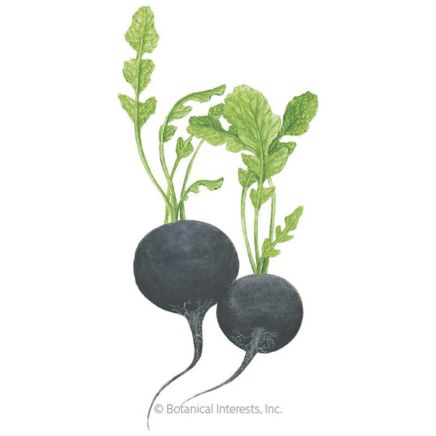
Winter radishes, like ‘Round Black Spanish,’ prefer cooling weather and shortening day lengths to mature. They may survive the winter and grow sweeter after light frosts. Continue sowing their seeds until temperatures drop below 60°F (16°C).
Carrot

Carrots, similarly to radishes, are quick-growing root crops. Not all function well in GreenStalk planters; the best types are those with dwarf habits. Or, you may plant full-sized carrot varieties and harvest them when they’re young.
‘Mokum’ is my favorite carrot to plant in a GreenStalk in fall. This variety is ready when the root reaches between six and eight inches long. Baby carrots are options, too! Go for ‘Tonda di Parigi.’ It features round little balls instead of long, tapered carrots.
No matter the variety you’re growing, ensure the seeds stay moist while they’re sprouting. Thin the seedlings when they sprout so that a single plant remains every two inches.
Herbs
Veggies aren’t the only things you can grow in GreenStalk planters! Herbs are ideal, as they need less care and maintenance than vegetables to thrive. Plant quick-growing annuals and winter-hardy perennials that’ll survive cold weather.
Cilantro

Cilantro is essential for tacos, salsas, and salads! It’s an integral part of Latino cuisine. I tend to think of cilantro as a summer crop because of its use in the summer; however, it’s more of a cool-season crop.
Cilantro prefers cool, moist conditions. Hot temperatures and droughts cause the plants to bolt, pushing them to produce flowers and seeds instead of leaves.
For the best results, fill every empty pocket of your GreenStalk with cilantro seeds. Harvest the leaves when they sprout, then cut down the plants and sow more seeds for future harvests.
Mint

Mint is a perennial herb that grows best with consistent moisture in fall and spring. It’ll grow during the summer, but it often becomes raggedy and overgrown. Autumn finds mint plants growing with lush leaves on compact stems.
It’s preferable to plant mint in your GreenStalk in fall than in the ground. Mint stems sprout roots at will, and a single plant will overrun your garden with growth. Keep mint in check by using planters or containers.
Get mint going and sow seeds now, or chop back your existing plants for a flush of growth this fall. Mint regrows rapidly and readily after chopping, and the autumn season is an ideal time to rejuvenate it.
There are many mints to choose from. Grow bergamot mint for orange flavor, peppermint for a cooling taste, and spearmint for an all-purpose mint that works well in desserts, teas, and salads.
Parsley

Parsley regrows in my garden. I never sow it; it resprouts from seeds it sows itself. In a GreenStalk, parsley outperforms other herbs, and it may resow itself. The flowers attract pollinators, and the leaves are essential in tabbouleh, Italian dishes, and pasta sauces.
Do a few things to get parsley to reseed. Start by sowing seeds in the top planters of the GreenStalk. Let the stems hang over the edges, and avoid chopping their flowers and seed heads. After the seeds form, they’ll fall to the lower planters where they’ll likely germinate in spring.
Which parsley works best in your garden depends on your preferences. I like the frilly, curly ‘Moss Curled’ parsley. It’s incredibly cold-tolerant, and it may survive the winter in your region.
Fennel

Fennel is a leafy crop that produces swollen bulb-like structures. The plant functions both as a vegetable and an herb. It grows lacy leaves with licorice-like flavor, and the bulbous stems taste great roasted or sautéed.
Fennel is rare in the home garden, though it shouldn’t be. It grows rapidly with little care or maintenance. Plant in your GreenStalk in fall in regions with mild climates for a fall through winter bulb harvest.
If you live in a cold winter climate, plant seeds now to grow the frilly foliage. The seedlings won’t produce bulbs before winter, but they’ll grow leaves that are perfect for garnishing meals.
Take care not to plant any other crops in the GreenStalk pocket where your fennel sits. Fennel has allelopathic effects, meaning it prevents nearby crops from growing. Keep it separate from your herbs and veggies so everything grows well.
Watercress

Watercress is pungent and spicy, like arugula. It’s a necessary ingredient in salads, sandwiches, and herbal infusions. The tender leaves are slightly crunchy and flavorful.
Grow watercress in your GreenStalk this fall for ample harvests in the cool season. When fall frosts threaten the plants, start sowing seeds indoors! Watercress grows well as a container plant indoors during the winter.
Watercress prefers consistent moisture and partial shade to perform well. Grow it on the shaded side of your GreenStalk, and rotate the planter as needed to give your plants sufficient sunlight.
Flowers
GreenStalks aren’t just for crops. You can use them as ornamental towers in your flower garden. Fill them with cool-loving annuals and frost-hardy perennials for endless blooms this fall.
Viola

Violas are frost-tolerant perennial wildflowers. Some are native to the U.S., and a few are well-loved cultivars for home gardens. All are charming flowers to plant in your GreenStalk in fall.
Try ‘Johnny-Jump-Up,’ a classic European heirloom. This viola displays dual-color flowers with purple upper petals and yellow lower ones. For a royal purple color, try ‘King Henry’ violas.
No matter which viola you choose, ensure the roots have ample protection to survive the winter. Add mulch, like compost, on top of the soil to conserve heat and moisture in the planter.
Pansy

Pansies are viola hybrids with giant blooms compared to their parents. They’re more annual than perennial in nature, and they tend to die out after a few seasons. They excel in fall, winter, and spring despite rainy, chilly, and frosty conditions.
Breeders release new pansies annually, and you can find them available at garden centers and plant nurseries. Discover a new hybrid to try, or go with the classic varieties.
Can’t decide on a single variety? Try a mix! The ‘Swiss Giants Blend’ contains pansies in red, yellow, white, purple, and pink.
Ornamental Kale

Ornamental kale is similar to normal kale, except it forms lovely rosettes of foliage that are incredibly ornamental. You’ll see landscapers for apartments, offices, and commercial buildings install ornamental kale for the fall through spring seasons.
Ornamental kale also goes by ornamental cabbage, depending on the cultivar in question. Frilly-leafed types go by kale, while flat ones go by cabbage. Both are edible, though growers tend to use them as ornamental plants because of their colorful displays.
Grow ornamental kale the same way you would normal kale. Plant in your GreenStalk in fall before the first frost date, or find starts at a local store or nursery.
Calendula

Calendula, or pot marigold, is surprisingly frost-tolerant. The plant seems like it wouldn’t be, though it is. It features flowers with edible petals in orange, yellow, and peach. Plant seeds from midsummer onwards for continuous fall blooms in your GreenStalk planter.
Calendula needs moist soil and plenty of sunshine to grow. Ensure its roots don’t dry out in the planter, and water regularly as needed. Deadheading the spent blooms will encourage more flowers to form.
A few types of calendula are available. Try the new stunner ‘Zeolights.’ It features orange-bronze petals that unfurl to a light pink. A single flower has many rows of petals, creating an exceptional floral display for your planter.
Sweet Pea

Sweet pea rounds out our list in style. It’s an annual blooming vine with soft, delicate flowers. In a GreenStalk, sweet pea shoots cascade out of the planter in a lush display of green leaves and rich blooms.
Many sweet pea cultivars exist for you to choose from. Mammoth types have large blooms. Personally, I think the large cultivars are a bit gaudy. Try the understated ‘Little Sweetheart,’ instead. It has a bushy habit with short stems that sprout dozens of small blossoms.





