Pitangatuba: How to Plant, Grow, and Care for Star Cherry
Whether you call it star cherry, pitanga, Surinam cherry, or pitangatuba, this tropical treat is worth growing. If you want to plant your own star cherry in your garden this year, follow this in-depth guide to learn how to grow your own!

Contents
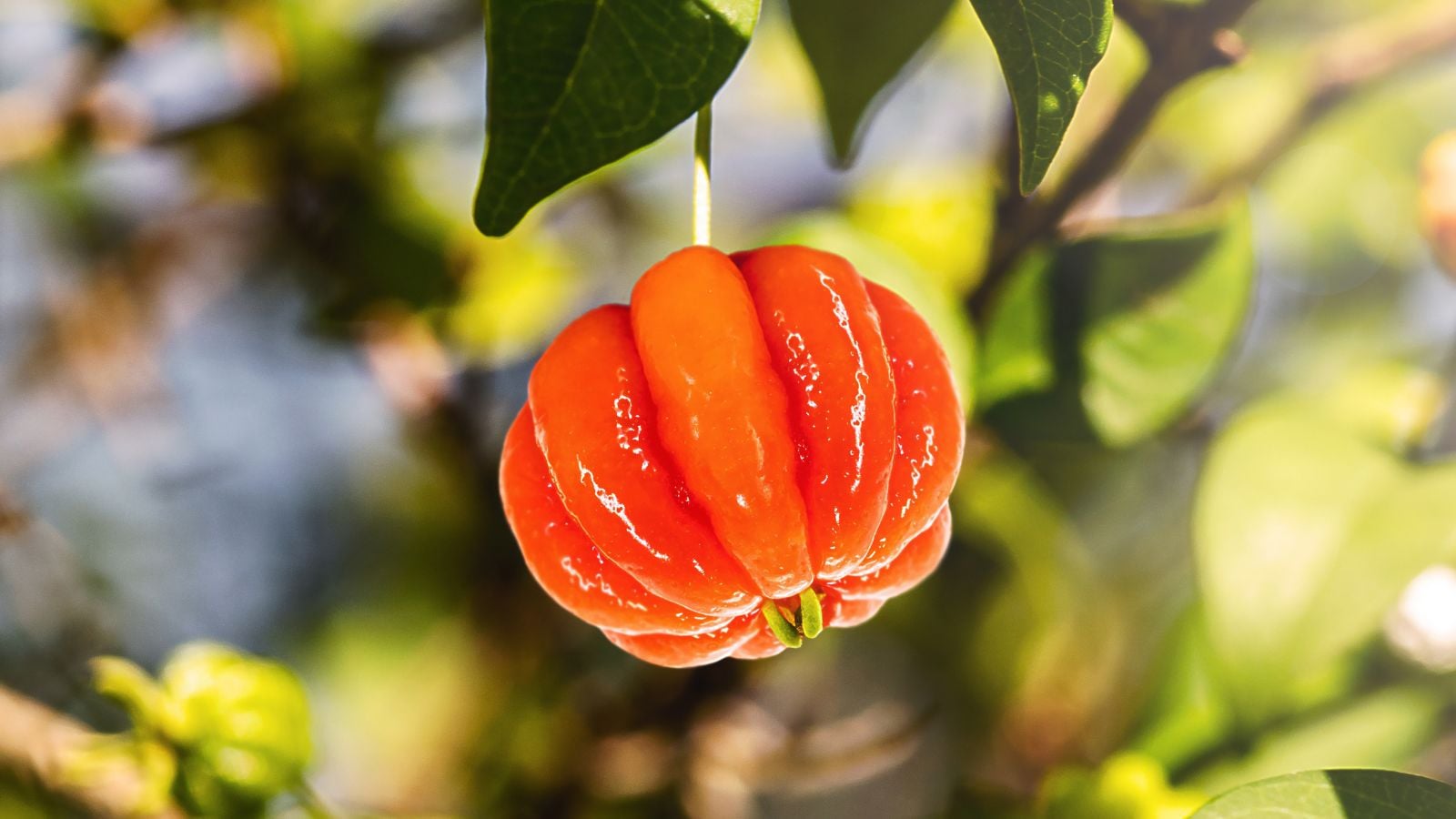
The Brazilian native pitangatuba (Eugenia selloi) is a must-have, low-maintenance evergreen shrub that produces juicy, delicious fruit. Commonly referred to as star cherry, the yellow fruit resembles star fruit and has a pit in the middle like a typical cherry.
The acidic fruit offers a balance of sweet and sour, with hints of tropical flavors such as mango, passion fruit, and pineapple. Star cherry thrives in heat and requires mild winters. Fortunately, it can be brought indoors for protection during winter, making it possible to grow in a wide range of climates.
Pitangatuba can be grown as either a shrub or a small tree. It makes a beautiful addition to the edible landscape thanks to its manageable size, attractive dark green foliage, strong disease and pest resistance, and highly flavorful fruit. It grows well in full or partial sun and can be planted in containers or directly in the ground.
Depending on climate, pitangatuba fruits for most of the year, with heavier harvests in spring and summer. The fruit is extremely delicate and spoils quickly after ripening, which makes sourcing high-quality fruit nearly impossible. For this reason, it is best enjoyed fresh off the plant or used in juices, smoothies, jams, jellies, and ice cream.
This underrecognized plant is both versatile and easy to grow, although it can be difficult to find locally. A small number of online retailers offer plants or seeds that can be shipped directly to your home.
Urban Worm Company Worm Castings

Now approved for organic use!
Add life back to your soil with Urban Worm Castings! These castings have a balanced fungal:bacterial ratio and if you can keep them out of UV light, their quality will persist for 6 months or more.
Recent analysis shows high humic content and nitrogen cycling microbes.
Buy at Epic Gardening ShopQuick Care Guide

|
Scientific Name
Eugenia selloi (Eugenia neonitida)
Days to Harvest
3-4 weeks from flowering
Light
Full sun to partial sun
Water
Moderate to high
|
Soil
Well draining, high organic content
Fertilizer
2-3 times per year using a balanced fertilizer
Pests
Scale and caterpillars
Diseases
Root rot and leaf spot
|
All About Pitangatuba
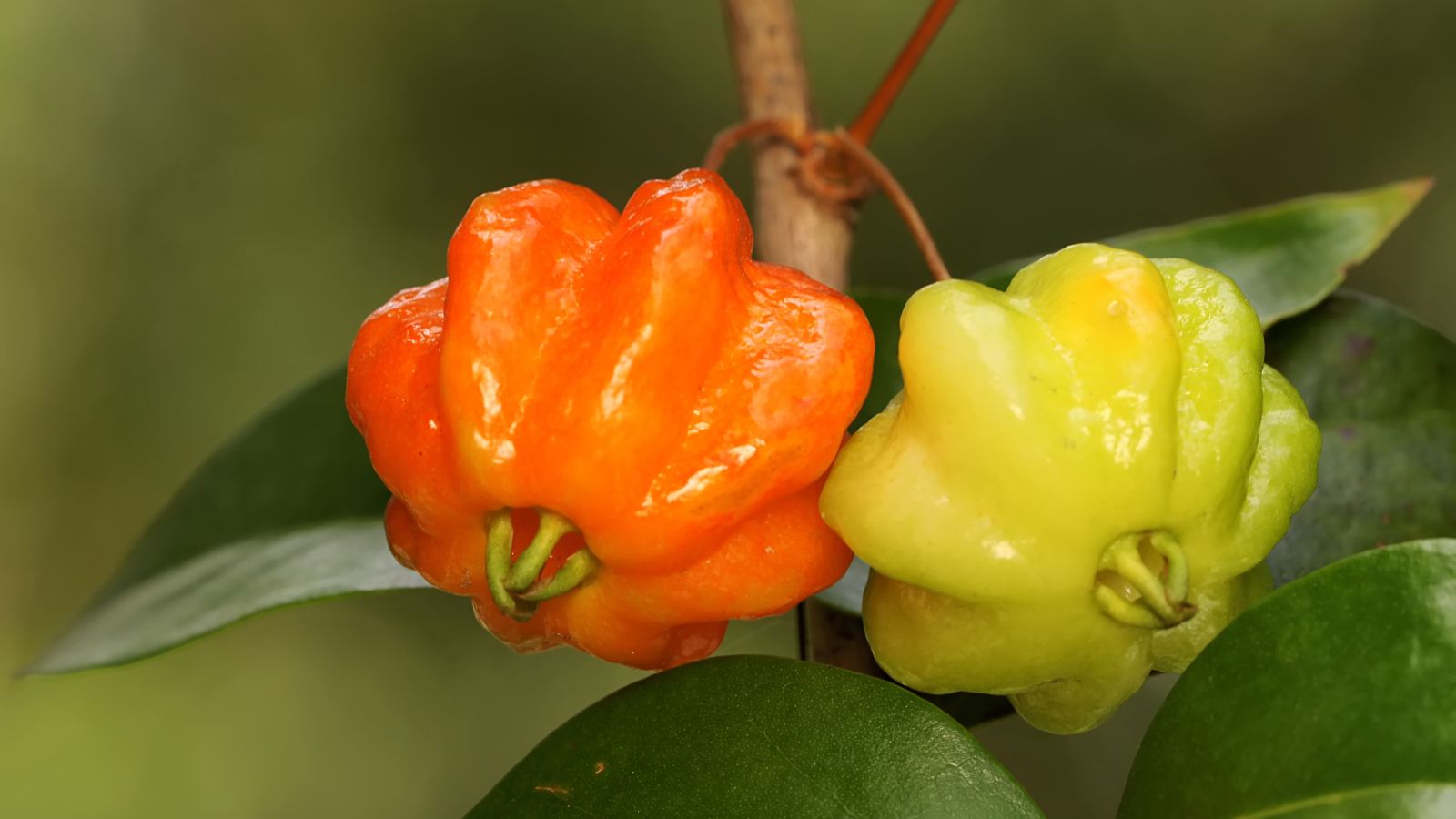
Eugenia selloi (originally Eugenia neonitida) is commonly referred to as pitangatuba, pitang, or star cherry. It is almost identical to, and often confused with, Eugenia uniflora, the Surinam cherry. The fruit of Eugenia uniflora is slightly smaller than star cherry and turns red when fully ripe. Both species are native to Brazil. The Eugenia genus belongs to the Myrtaceae, or myrtle family, along with guava, allspice, and eucalyptus.
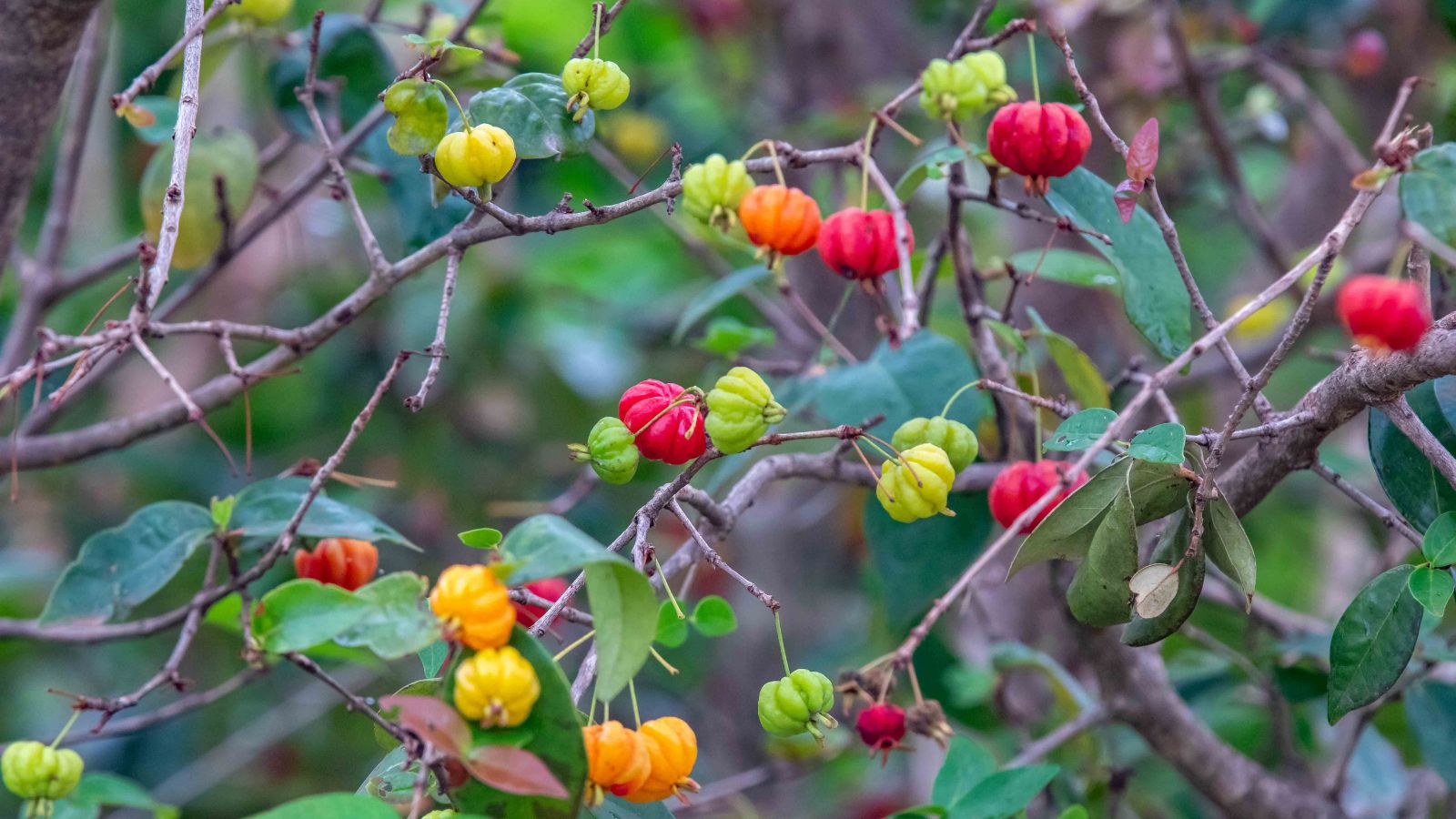
Eugenia selloi is grown as an evergreen bush or small tree. The dark green leaves are glossy, opposite, and oval with pointed tips. Pitangatuba can grow up to nine feet tall but typically stays between four to six feet in height. The flowers are white with four petals, and the fruit develops green before ripening to a bright yellow.
The fruit is about the size of a small apricot, with an exterior similar to star fruit but with less defined ridges. Star cherries have thick, juicy, edible flesh surrounding one or two large seeds. The fruit is fairly acidic but becomes sweeter as it ripens.
Star cherries are not grown commercially because they are extremely delicate and spoil within a couple of days. For this reason, established cultivars do not exist. Plants are commonly grown from seed, resulting in variation in growth habit, fruit size, and flavor. Genetics play a significant role in fruit production, and some shrubs produce abundant flowers but set relatively little fruit.
Eugenia selloi flowers and fruits sporadically throughout the year, depending on climate. Spring and summer are the main flowering seasons, with fruit taking three to four weeks to ripen. Star cherry is self-fertile but produces more fruit when cross-pollinated. Plants typically begin fruiting two to three years after being grown from seed.
Planting
Star cherries can be planted in a large pot or directly in the ground. Good drainage is essential for growing a healthy plant. If drainage is poor, amend the soil with organic matter and consider planting in a raised bed, on a mound, or in a container. Shrubs are most often grown from seed, although grafting is possible when replicating specific characteristics.
The best time to plant is in spring when temperatures are mild. Star cherries are sensitive to cold, so choose a warm, sunny location. In regions where summers are excessively hot, planting in filtered light or partial shade can help prevent stress.
Always acclimate pitangatubas over two weeks before planting them in full sun to avoid leaf scorch. Mature pitangatubas require at least a 15-gallon pot. When planting in the ground, dig a hole twice the size of the root ball. Backfill with soil, then top with mulch to preserve moisture and help regulate soil temperature.
How to Grow
Pitangatubas are extremely easy to care for. They will continue to grow with minimal effort. Follow the guide below to grow a healthy, high-yielding plant.
Light
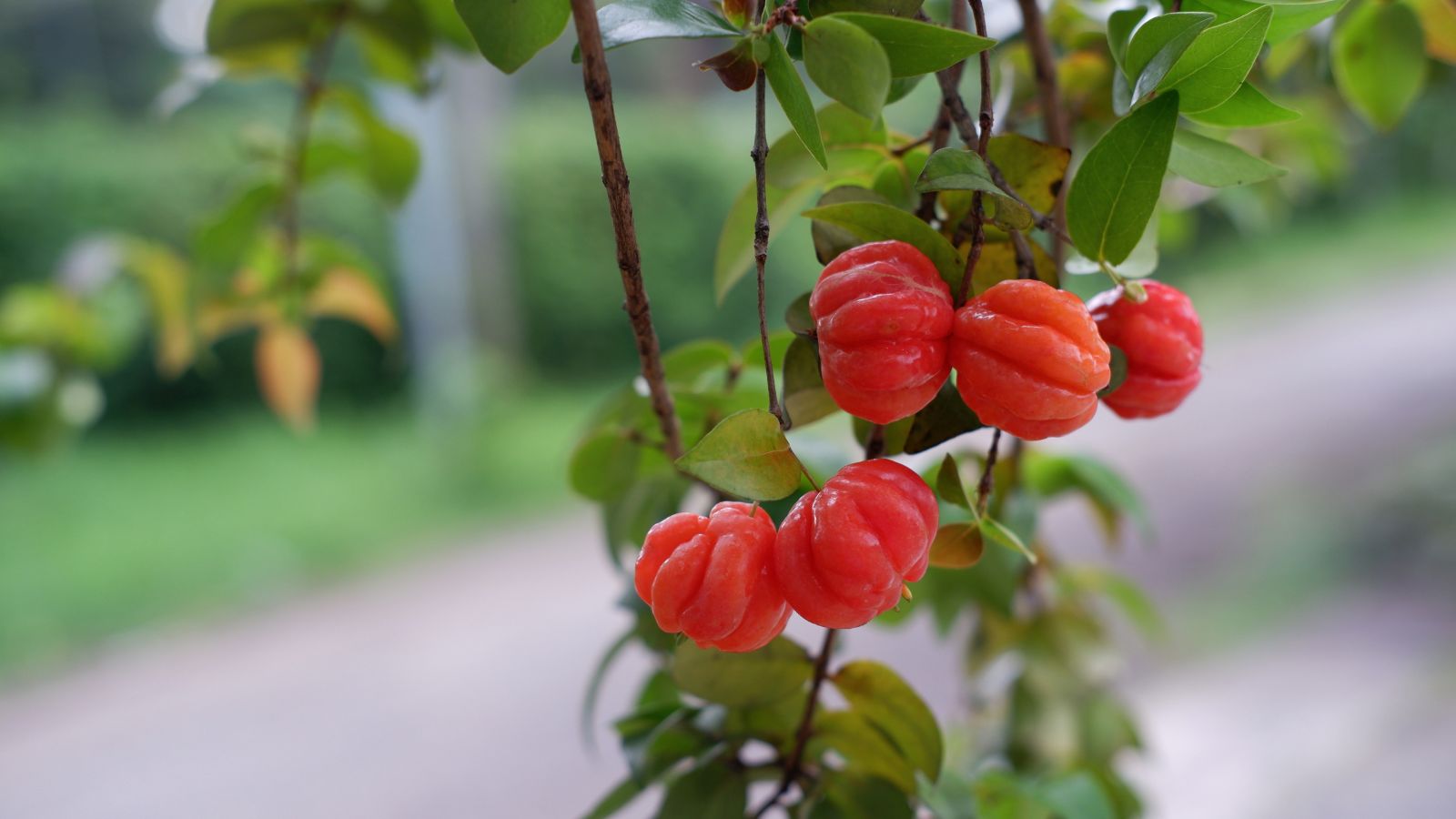
Star cherry grows well in full or partial sun, receiving at least six hours of sunlight per day. Afternoon shade or filtered sun is ideal in warmer regions that consistently reach above 85°F (29°C) during summer.
Water

Keep the soil consistently moist but not overly wet. Allowing the soil to dry out too much can damage the roots. Provide extra water during flowering and fruiting, without keeping the soil constantly saturated. Monitor moisture levels during winter and the rainy season, and reduce irrigation as needed.
Drip irrigation and soaker hoses are ideal for in-ground plants to prevent runoff. Container-grown plants can be irrigated using drip systems or watered manually with a hose.
Soil

Star cherries need well-draining soil to thrive. They can survive in nutrient-poor soil, but growth rate and fruit production will be affected. For optimal growth, maintain a soil pH between 6.1 and 7.5 and incorporate plenty of organic matter.
Temperature

Star cherries can be grown in USDA zones 10 through 11. They will survive down to zone 4 if brought indoors during winter. They are sensitive to cold temperatures and can experience cold damage when temperatures drop slightly below freezing. However, they thrive in summer heat.
While plants perform best with some shade when temperatures rise above 85°F (29°C), it is not strictly required.
Fertilizing

Fertilize twice a year in spring and summer using a balanced fertilizer such as 10-10-10. Always follow the fertilizer label for application rates and instructions.
Pruning

Prune bushes or trees in winter to shape the plant and remove dead twigs and branches. When growing pitangatuba as a small tree, prune off lower branches to expose a single central trunk. Then, prune to maintain three to five main branches, selecting strong branches that do not overlap.
Pitangatuba is not deciduous, so do not wait for a bare shrub before pruning. Plants are naturally compact, so pruning should remain minimal. Old fruit typically drops on its own, but gently shaking the plant can help dislodge fruit that remains attached.
Propagation
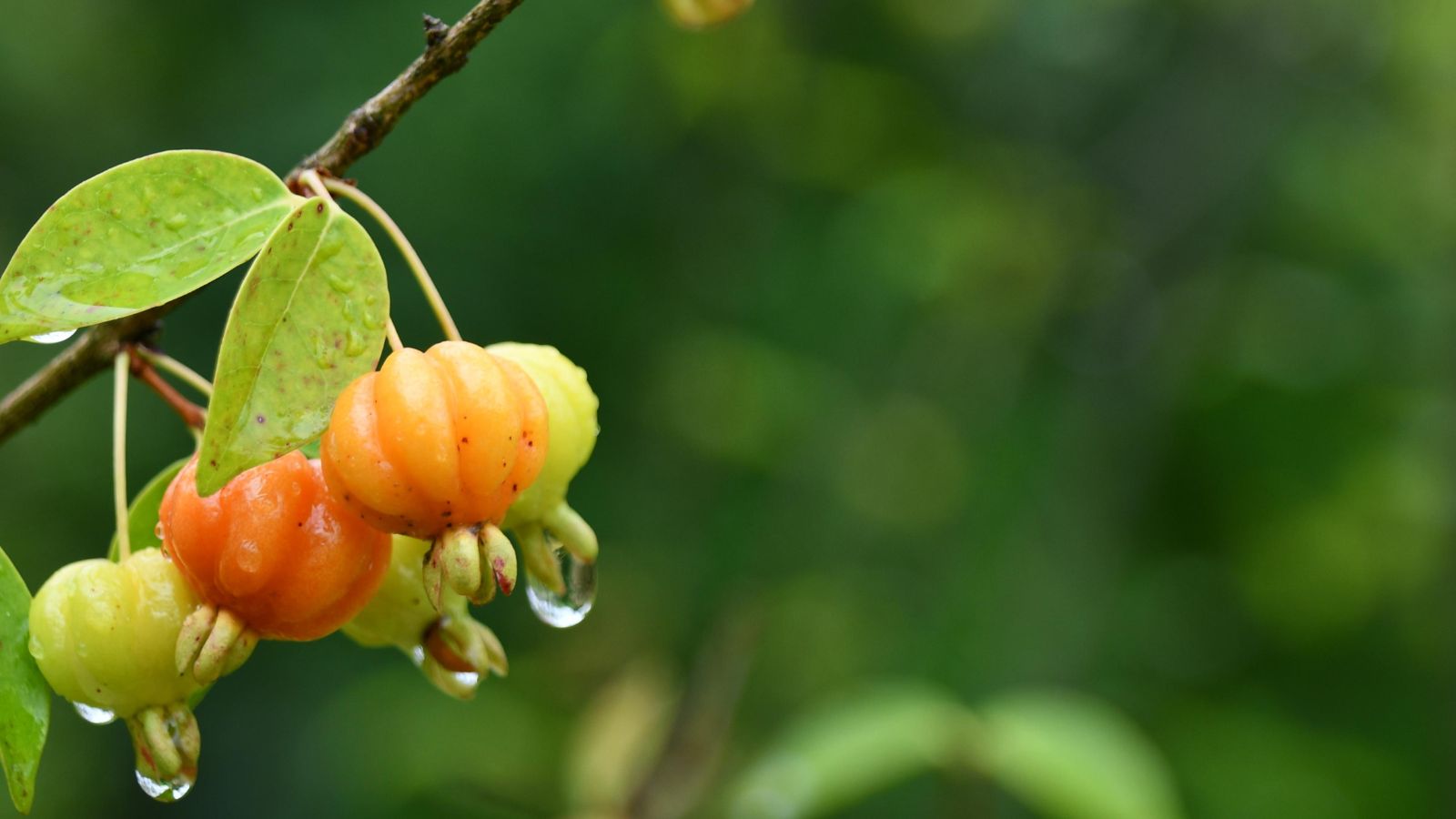
The most common propagation method is by seed. Finding viable seeds can be challenging because they do not dry well and cannot tolerate cold storage. For best results, plant seeds within 10 days of removing them from the fruit. Seeds are slow to germinate and may take around four weeks.
Grafting is an option for replicating specific traits. Because established cultivars do not exist, there is significant variability in plant growth and fruit characteristics. Older plants can be topworked using a cleft grafting technique, which is especially useful when a plant produces little fruit or has poor fruit quality. Young seedlings can also be grafted.
Harvesting
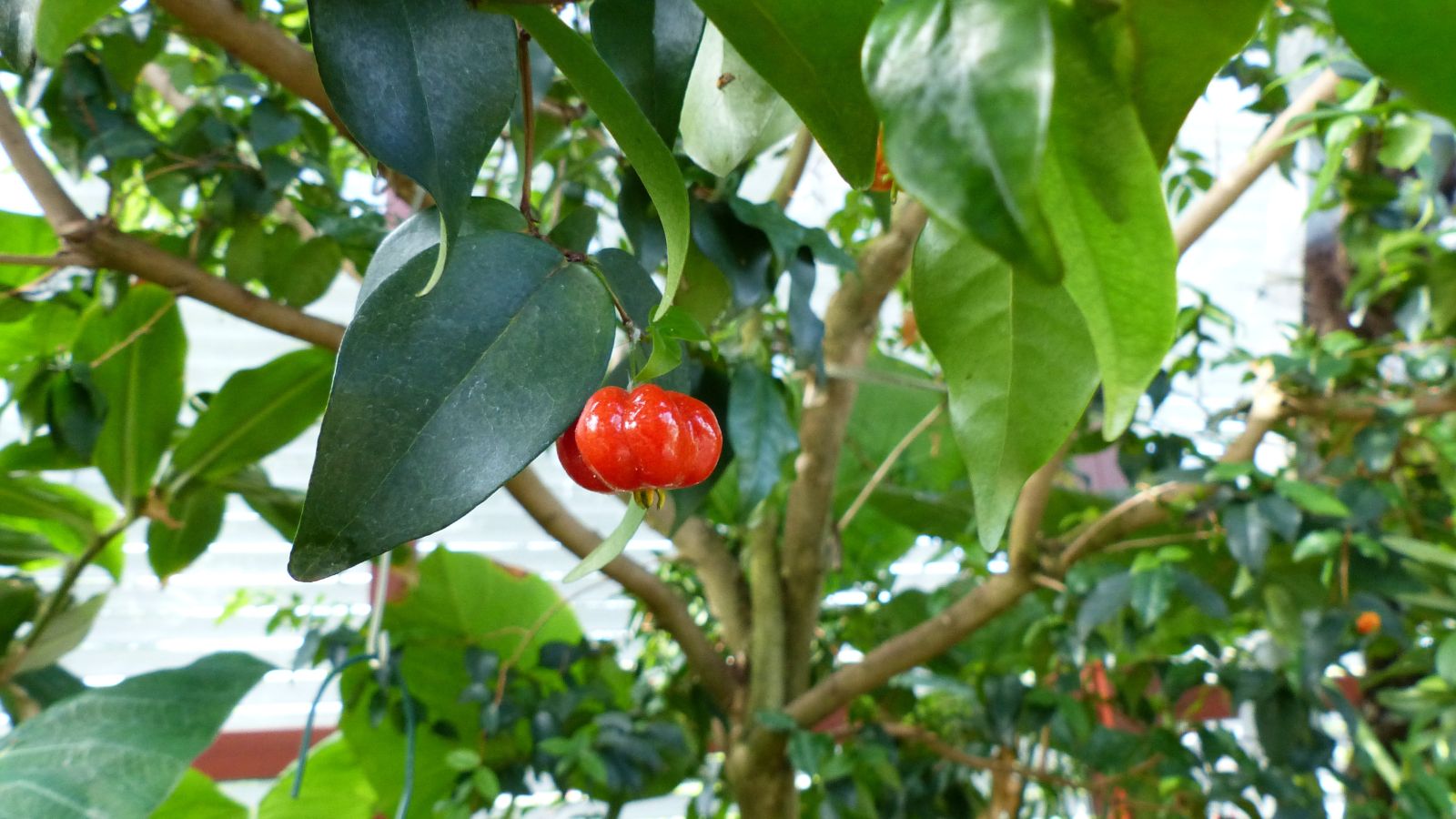
Star cherries are extremely easy to harvest. Although they do not store well when fresh, there are several ways to preserve the fruit so it does not go to waste.
Fruit is ready to harvest when it turns bright yellow or yellow-orange, or in the case of Eugenia uniflora, when it turns fully red. Star cherries detach easily when ripe, so there is no need to pull or tug the fruit. If force is required, the fruit is not ready to be harvested.
Avoid collecting fruit that has fallen on the ground, as it is often damaged and may be contaminated. Gently wash harvested fruit before eating.
Storing
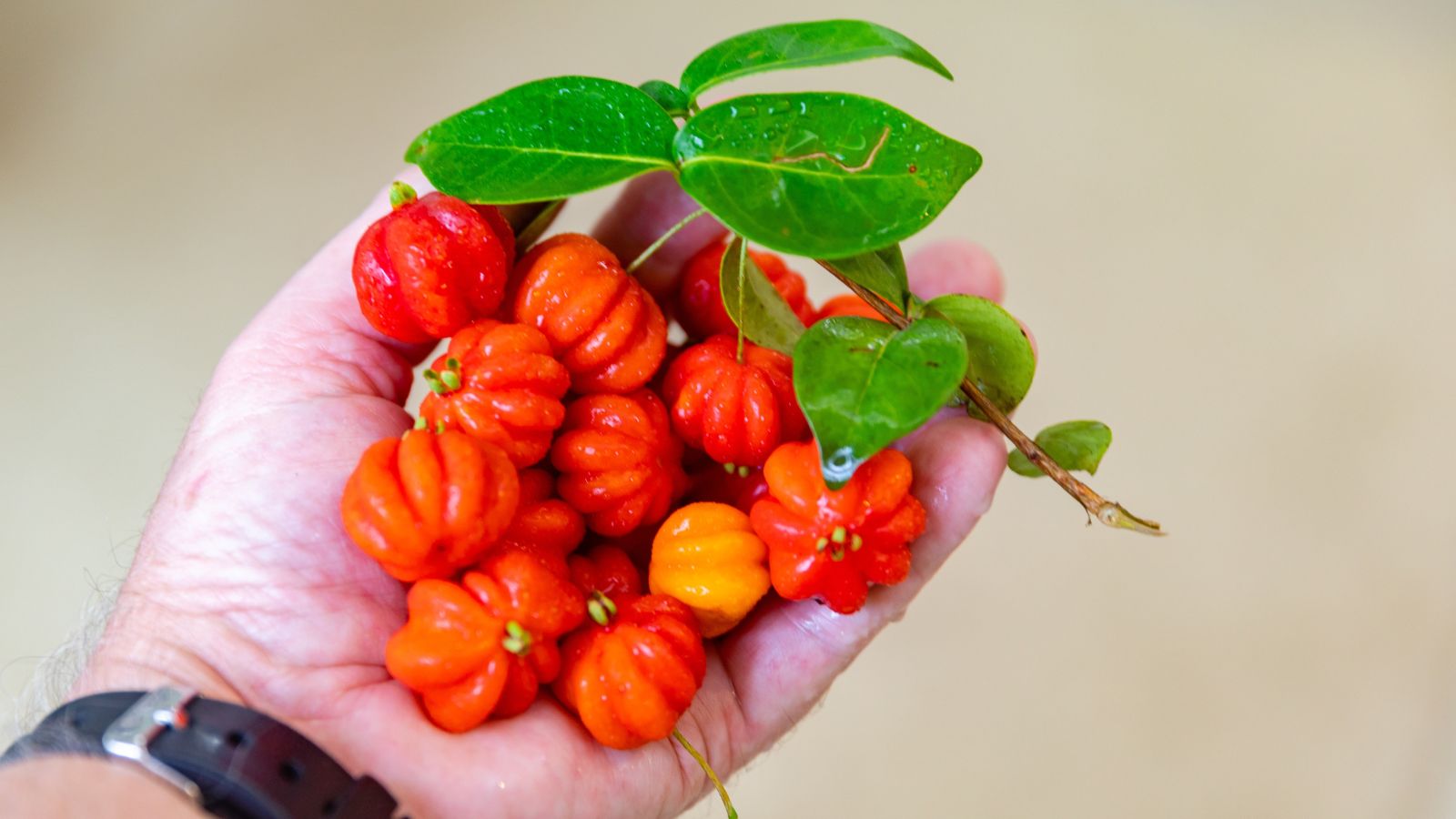
Star cherries typically last only about a day, or a few days at most under ideal conditions. They should be eaten or used as soon as possible after picking. For longer-term storage, the fruit can be frozen or preserved as jam or jelly. The pits should be removed before freezing or preserving.
Troubleshooting
Pitangatuba shrubs are very easy to care for and have few issues with diseases or pests. Although growing problems are rare, there are a few potential issues you may encounter.
Growing Problems
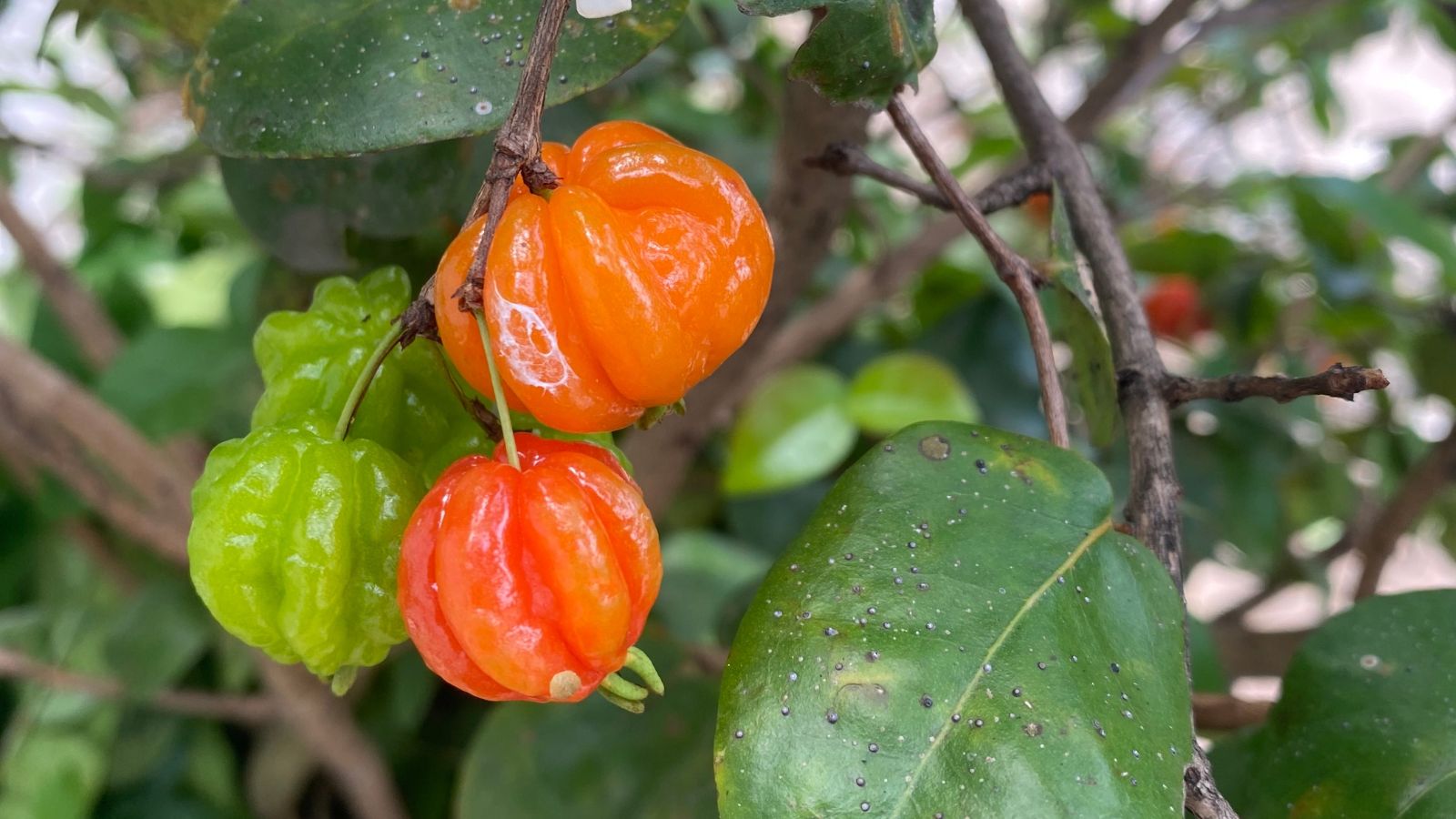
Some shrubs produce abundant flowers but yield very little fruit. This is most often due to plant genetics. When growing star cherry from seed, the plant’s characteristics are unknown until it reaches maturity. The shrub may be a poor fruit producer, or the fruit flavor may be less desirable.
Topworking or grafting a higher-quality pitangatuba onto an underperforming plant is an effective way to improve fruit quality and yield without starting over.
Poor drainage or overwatering can stunt growth and lead to an overall unhealthy plant. Affected shrubs may drop leaves and produce less fruit. Improving soil drainage or reducing watering typically resolves this issue.

Pests

Soft and armored scales can be found on the twigs and branches of trees and shrubs. There are several scale species in a range of colors, including yellow, brown, and black. Damage typically does not come directly from the insects themselves.
Instead, scales excrete large amounts of honeydew, which encourages the growth of sooty mold. Sooty mold coats the foliage, inhibiting photosynthesis and often leading to leaf drop. Scales are usually kept in check by natural predators and parasites. If treatment is required, horticultural oil sprays are effective.
Caterpillars may also be found on the leaves, causing chew marks as well as distorted or rolled foliage. This type of damage generally does not have a significant impact on pitangatuba. Caterpillars can be removed by hand or treated with organic pesticides such as Bacillus thuringiensis (Bt) or spinosad. Chemical treatment is rarely necessary.
Diseases

Root rot diseases are uncommon but can occur when plants are overwatered or grown in poorly draining soil. Symptoms include light green to yellow foliage and leaf drop. Treatment is not necessary. Prevent root rot by avoiding overwatering and planting in a location that does not flood or remain saturated.
Leaf spot issues may occur during the rainy season. Damage is typically minimal and does not require treatment. Affected foliage can be removed through light pruning if desired.
Frequently Asked Questions
What do star cherries taste like?
Star cherries have a unique tropical tart flavor. The taste is often compared to mango, pineapple, and passion fruit.
Are Surinam cherries poisonous to dogs?
Surinam cherries are not poisonous to dogs, but the seeds may cause diarrhea in dogs when given whole fruits.