How to Plant, Grow, and Care for Pink Lemonade Trees
Variegated pink lemon trees are a unique addition to any home garden. Although they require a little more sunlight than regular lemon trees, they aren't difficult to care for, making them great for beginners. Follow this in-depth care guide to learn how to grow them!

Contents
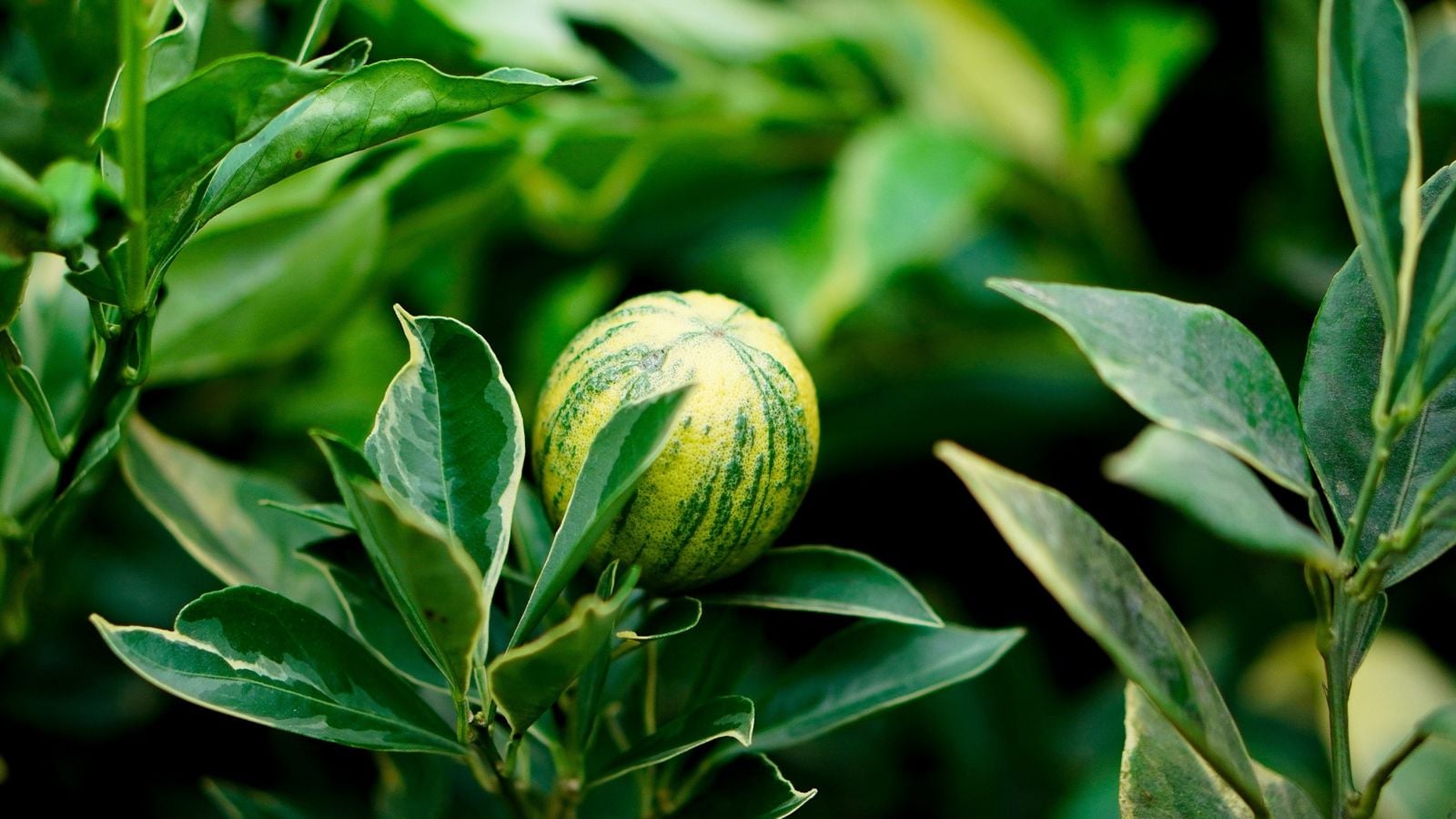
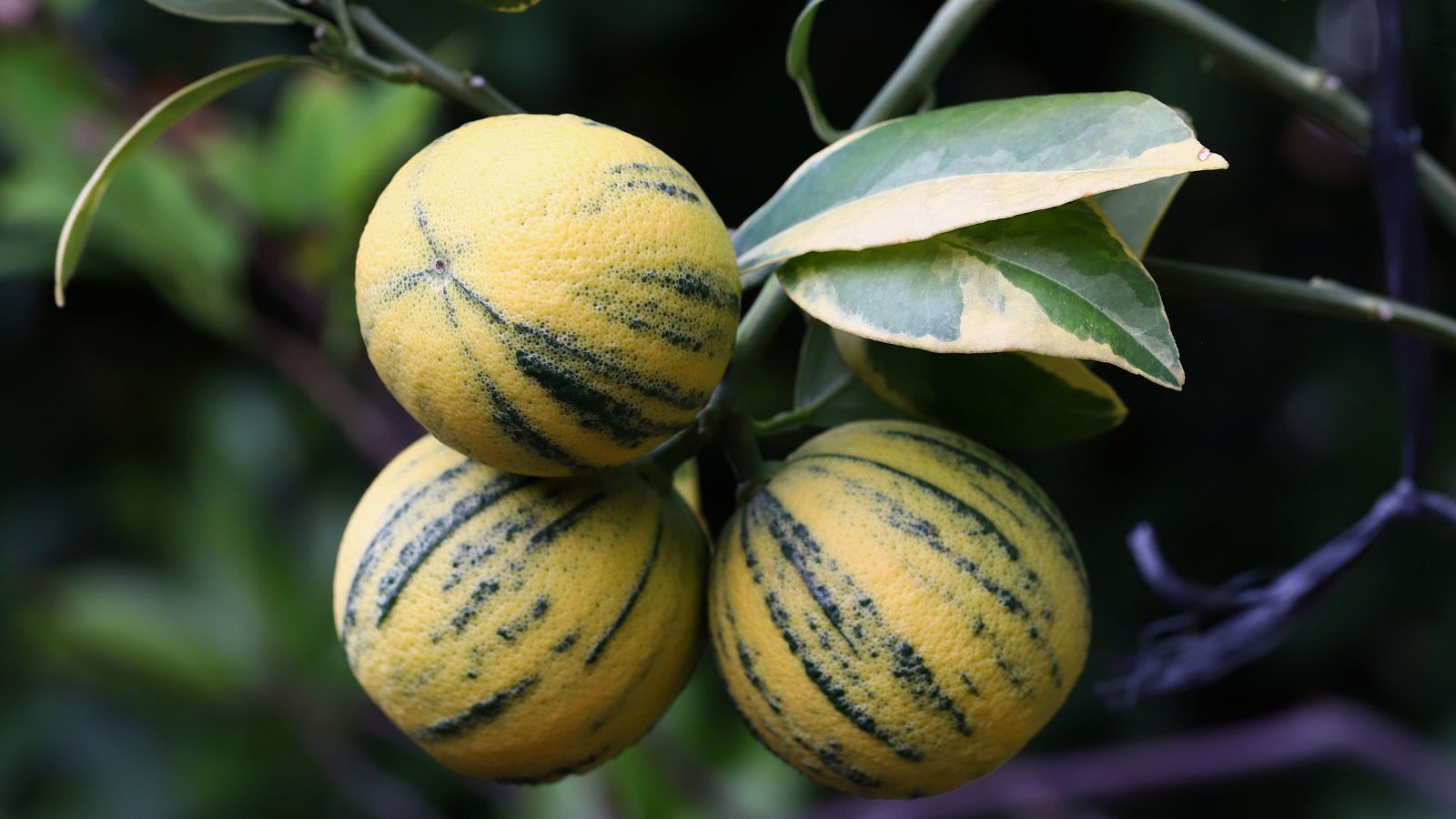
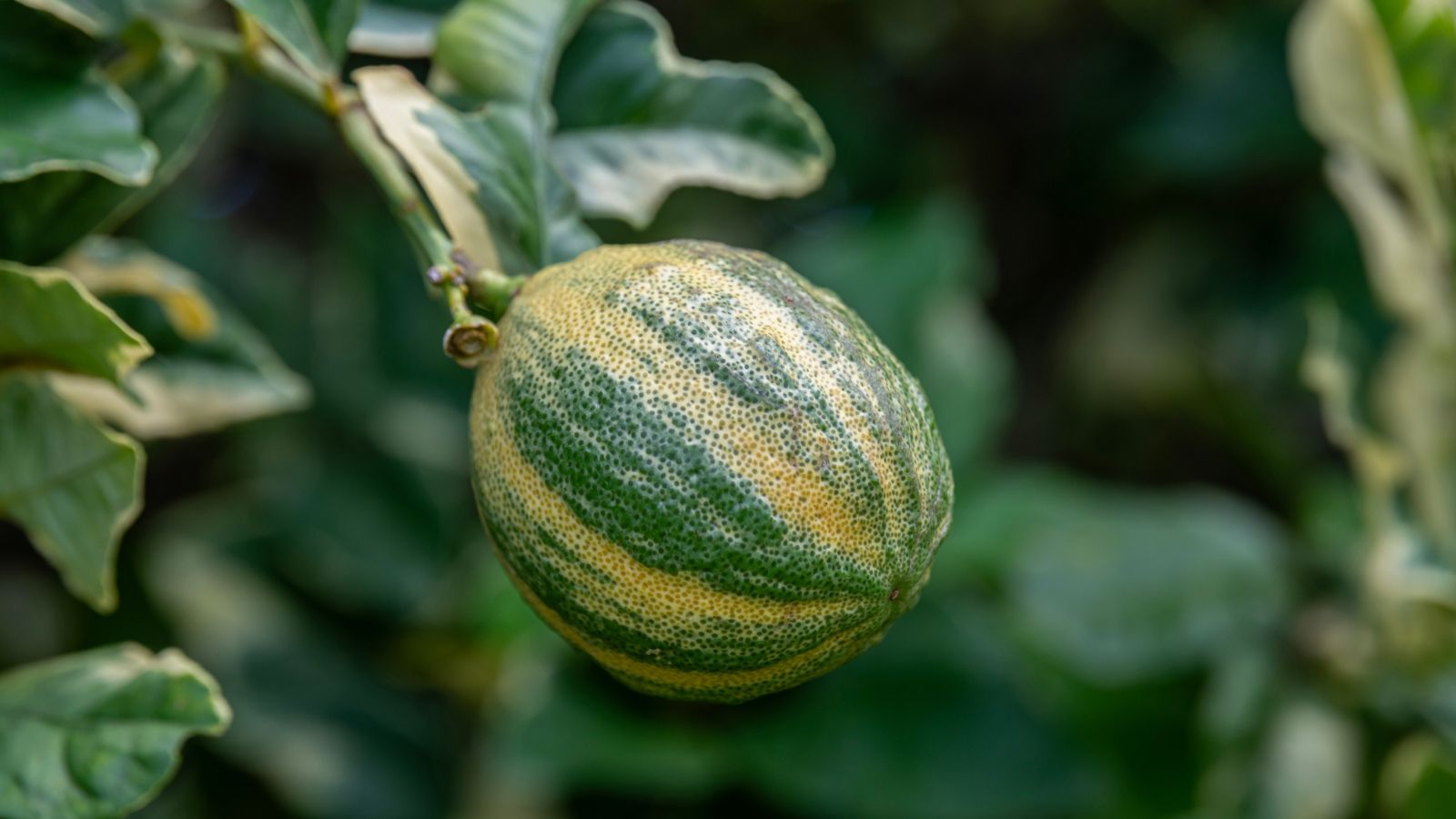
A pink lemonade tree is a standout addition to the edible landscape. Its variegated foliage makes it a striking ornamental plant, with the added bonus of producing lemons with pink flesh and a striped peel. The rind is green and yellow when immature and gradually shifts to shades of pink and yellow as the fruit fully ripens.
The pink lemonade tree is a Eureka-type lemon, so its flavor is similar to the standard Eureka lemons commonly found in grocery stores. Do not let the name mislead you.
Variegated pink lemons are not the ingredient that gives pink lemonade its color. Traditional pink lemonade gets its sweetness and color from added ingredients, but these lemons still make excellent lemonade. They can be used just like regular lemons, while offering a visually interesting twist that works beautifully in cocktails, desserts, and decorative displays.
A pink lemonade tree does not produce as heavily as a conventional Eureka lemon tree. However, with proper care, it will still yield enough fruit for a single household. Whether planted in a large garden or grown on a small patio, the pink lemonade tree adds visual interest while providing a unique and enjoyable harvest.


Quick Care Guide

|
Scientific Name
Citrus limon
Days to Harvest
4-9 months
Light
Full sun to partial shade
Water
Moderate; water weekly
|
Soil
Well-draining
Fertilizer
Citrus formulation
Pests
Mites, thrips, scales, aphids, lepidopterans, Asian citrus psyllid
Diseases
Phytophthora root rot, Anthracnose, Botrytis, Huanglongbing (HLB)
|
All About Pink Lemonade Trees
The pink lemonade tree is a Eureka-type lemon under the species Citrus limon. It is also commonly referred to as variegated pink Eureka lemon or variegated pink lemon. The variegated foliage makes this tree especially appealing to home gardeners, and the fruit has unique characteristics, including a striped peel and pink flesh.
The species Citrus limon originates from Southeast Asia, although many cultivars have been developed over time. The original Eureka lemon was grown from seed sourced in Italy and later planted in California. The variegated pink lemon tree originated as a natural mutation on a standard Eureka lemon tree in a home garden in Burbank, California. Budwood from this mutated sport was collected and propagated as a new cultivar.
Characteristics
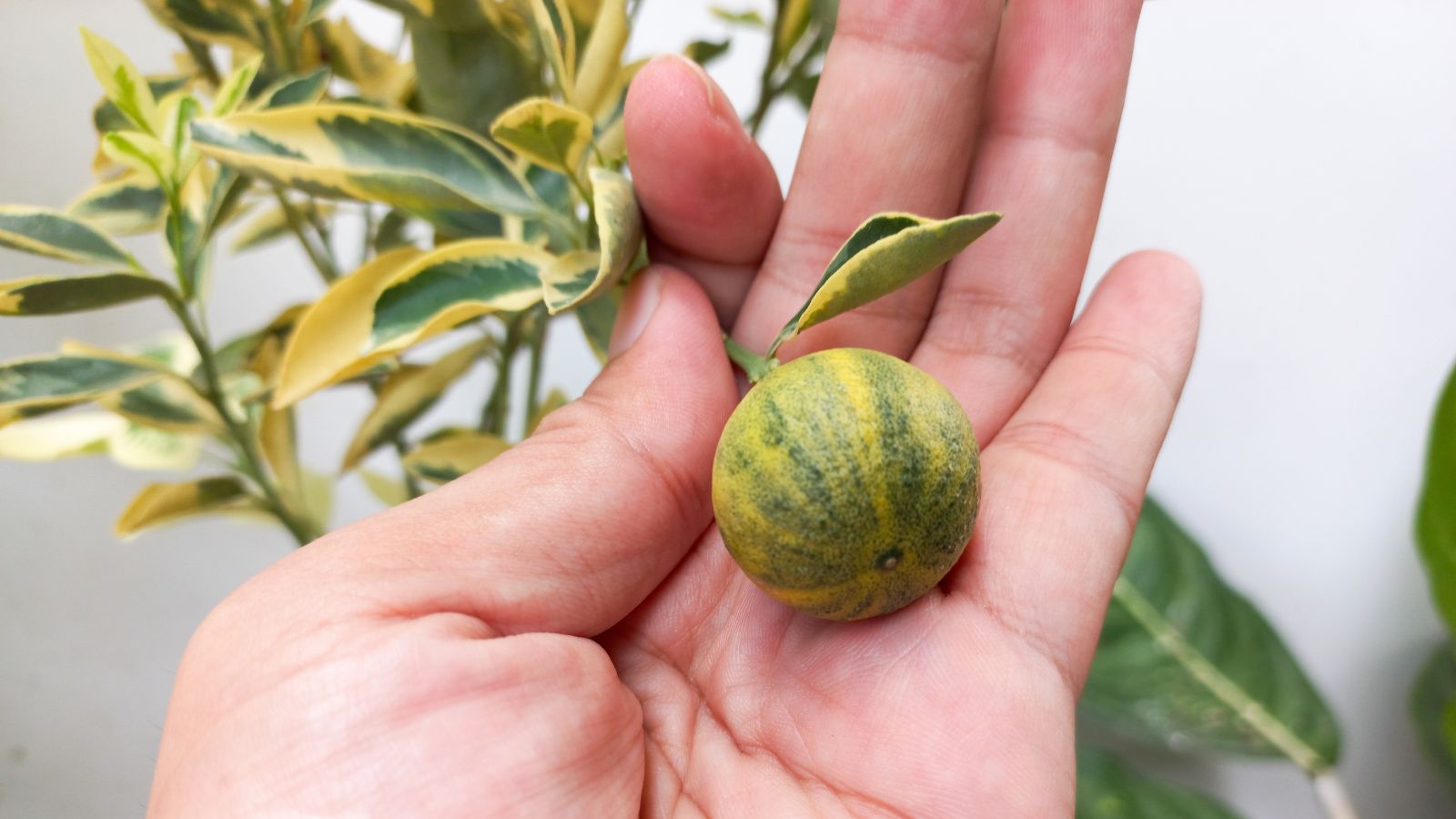
Pink lemonade tree leaves are alternate, elliptic, and variegated in shades of green and white. Flower buds emerge magenta and fade to pale pink as they open. Flowers and fruit are produced in clusters. The fruit itself is variegated green and yellow when immature, with coloring that may shift to pink and yellow as it ripens. The lemons are similar in size and shape to standard Eureka lemons, although the peel tends to be slightly rougher and more textured.
Pink lemonade trees are typically sold grafted onto dwarf or semi-dwarf rootstock, resulting in a mature height of six to 15 feet. Trees usually flower in spring, with fruit ready for harvest from fall through late winter. In climates with suitable temperatures, variegated lemon trees can produce year-round, so flowering and harvest timing will vary by growing zone.
The pink lemonade tree is self-fertile, meaning only one tree is needed to produce fruit. Keep in mind that variegated plants have reduced chlorophyll levels, which limits their ability to photosynthesize efficiently. As a result, these trees grow more slowly than non-variegated lemons and require brighter light conditions to thrive.

Planting
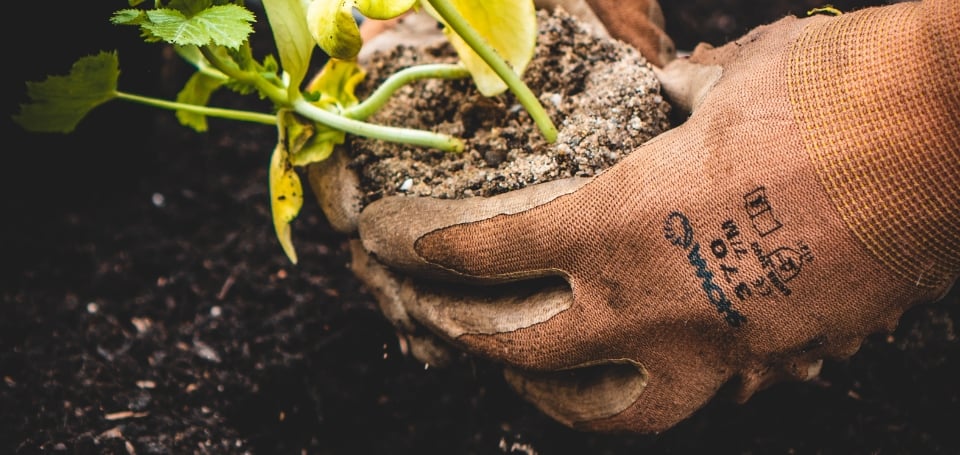
The best time to plant is from April through August. Saplings can be planted in the ground or in a large container. Avoid planting when temperatures exceed 100°F (38°C). Choose a sunny location with good drainage.
This species should always be planted as a grafted tree, as rootstocks provide disease resistance and, in some cases, improved cold tolerance. When planting grafted trees, do not bury the graft union. Leave at least four to five inches of the rootstock above the soil line whenever possible.
Purchase trees from a reputable nursery that follows local citrus regulations. Citrus-producing states such as California, Texas, Arizona, and Florida may have restrictions on the movement of young citrus trees. Check with your local agricultural extension office for up-to-date information on regulations in your area.
How to Grow
Growing pink lemonade trees is extremely easy. Follow the care guide below to have a problem-free growing experience.
Light
Although the pink lemonade tree can tolerate partial sun, it grows more vigorously in full sunlight. Because the tree is variegated, it requires more light than a non-variegated tree due to its reduced ability to photosynthesize efficiently. Provide a minimum of six to eight hours of direct sunlight each day for best growth and fruit production.
Water

Irrigate in-ground plants once a week during dry periods until the soil is moist but not soggy. Use soaker hoses or drip irrigation to avoid wetting the trunk and causing excessive runoff. There is no need to continue watering during wet periods. Monitor soil moisture regularly and water only as needed.
Variegated lemon trees grown in containers require more frequent watering, especially during summer. Water thoroughly until the soil is fully saturated, then allow it to dry until slightly moist before the next irrigation. Expect to water one to three times per week. Irrigation can be done using drip systems or by hand with a hose. When watering manually, take care to avoid wetting the trunk.
Soil

Eureka lemons can grow in many soil types as long as drainage is good. Loamy soil is ideal because it retains the right balance of moisture and nutrients. Maintain a soil pH between 5.5 and 6.5 to prevent micronutrient deficiencies or toxicities.
Variegated lemon trees can survive in less-than-ideal soil, but poor conditions will affect growth rate and fruit quality. If the planting site has poor soil structure or drainage, amend it with organic matter and consider planting in a raised bed to improve overall soil performance.
Temperature

Eureka lemons are not very cold-tolerant. The variegated pink lemon is hardy to USDA zones 9 to 10. Ideal winter temperatures range from 45 to 55°F (7 to 10°C), while ideal summer temperatures are 85 to 95°F (29 to 35°C). These trees can be grown in colder zones if they are moved indoors during freezing conditions.
Trees should not be exposed to freezing temperatures for extended periods, as this can cause serious damage or death. They are more tolerant of high temperatures above 100°F (38°C), although prolonged heat can lead to sunscald or sunburn on foliage and fruit. Frost fabric and shade cloth can be used to protect trees during periods of extreme cold or heat. Stress, including heat stress, may also cause fruit to drop prematurely.
Fertilizing

Fertilize from spring through summer, and avoid fertilizing in fall or winter. Feeding too late in the season can trigger new growth that is more vulnerable to cold damage. Use a fertilizer formulated specifically for citrus, as these blends are designed to meet the tree’s nutritional needs. Many options are available in slow-release or continuous-feed forms. Always follow label instructions for application rates and frequency.
If a citrus-specific fertilizer is not available, a 12-6-6 formulation can be used as a substitute. Choose blends that also include micronutrients such as magnesium, zinc, iron, and copper to support healthy growth and fruit production.
Pruning

Prune lemon trees during spring and summer, avoiding periods when flowers or fruit are present. Lemons do not require old wood to produce fruit, and flower buds are easy to spot. Removing flower buds will reduce fruit production for the season. Because lemons are evergreen, they retain their leaves year-round. Pruning is primarily done to remove dead or diseased branches, control size, remove suckers, and open up the canopy for better airflow and light penetration.
Suckers are shoots that grow from the rootstock and are easy to identify because they are not variegated. These shoots will not produce quality fruit and instead divert energy from the rest of the tree. Remove suckers by cutting them flush with the main trunk.
To open the canopy, remove overlapping branches or those growing at narrow angles from the main trunk. When pruning dead or diseased wood, cut several inches below the affected area to ensure all damaged tissue is removed. Old fruit should also be removed by hand if it does not drop naturally, as this helps prevent disease and preserves the tree’s energy for new growth and flowering.
Propagation
Before propagating citrus, check for local restrictions on citrus propagation. In some areas, it is illegal to propagate citrus material that does not originate from a clean stock program. If propagation is permitted in your region, there are several reliable methods available, including grafting, rooted cuttings, and air layering.
Grafting is the most dependable method for producing a strong, disease-resistant lemon tree. Several rootstocks are compatible with Eureka lemons, including C35, Trifoliate, and Flying Dragon. Rootstocks are typically grown from seed but can also be purchased as liners. Once the rootstock reaches sufficient thickness, it can be grafted. Chip budding is the most commonly used grafting technique for citrus.
Rooted cuttings are another option for propagating citrus trees. Cuttings should have two to five leaves or nodes. Use a rooting hormone and maintain high humidity until a healthy root system develops. These plants are not recommended for in-ground planting, as they are more susceptible to root diseases and are less cold-tolerant than grafted trees.
Air layering produces a similar result to rooted cuttings but starts with a larger plant. Select a small branch no longer than one foot. Remove about one inch of bark from the branch, then cover the exposed area with a moist substrate such as peat moss or coconut coir. Wrap it tightly in plastic to retain moisture and monitor for root development.
Once roots have formed, the branch can be cut from the parent tree and transplanted. Like rooted cuttings, air-layered plants are more vulnerable to root diseases and less cold-tolerant than grafted trees, making them unsuitable for planting directly in the ground.
Harvesting
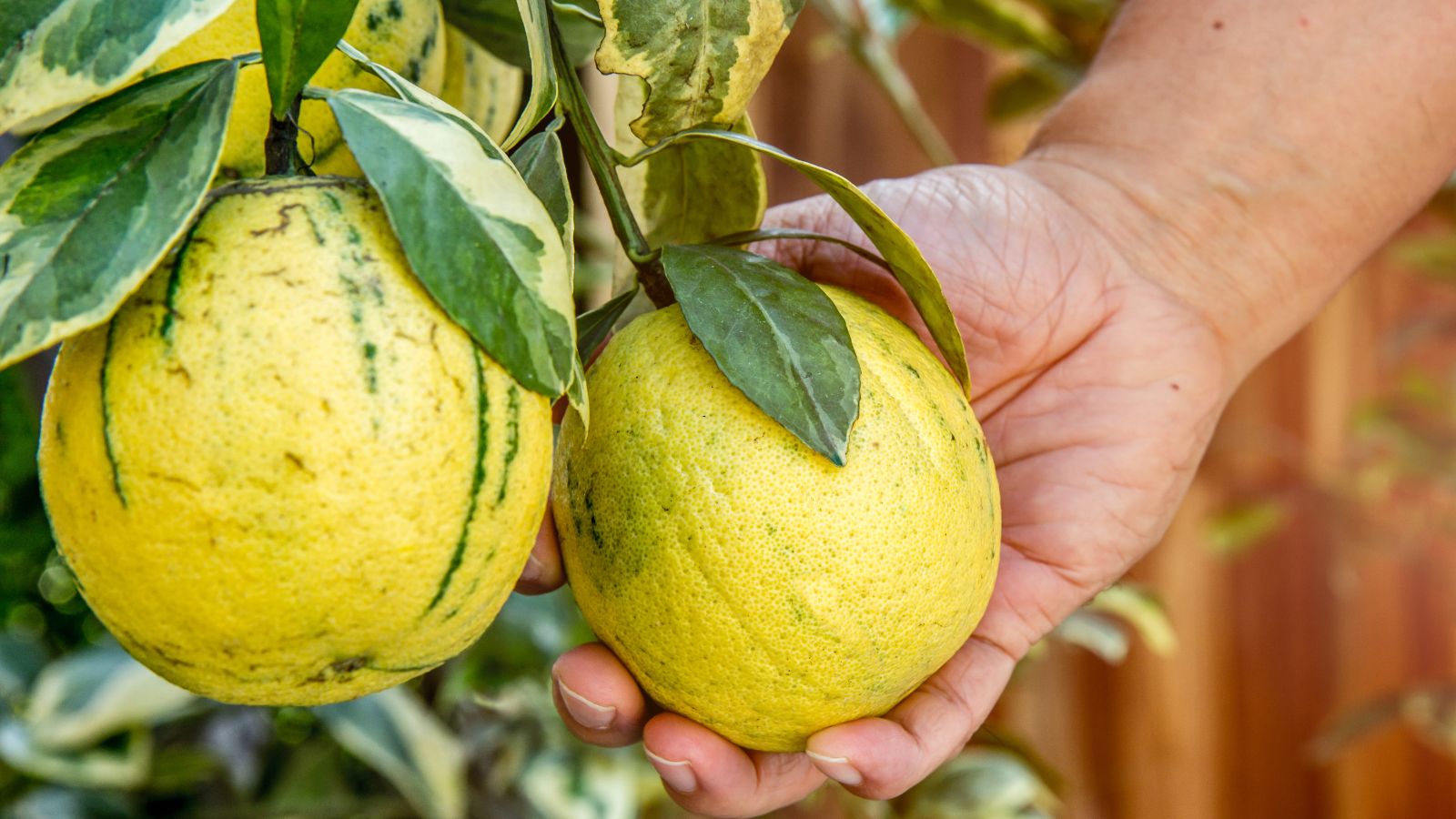
Harvest timing for lemons is fairly flexible. Lemons picked earlier tend to have higher acid levels than fruit left to ripen longer on the tree.
Color is the best indicator of readiness. When the peel turns bright yellow and the variegation begins to fade slightly, the fruit is ready to harvest. Lemons can remain on the tree longer until the peel starts to turn pink. At this stage, the fruit will be noticeably sweeter and less acidic.
To harvest, twist the lemons upward at a slight angle to break them free from the tree. Pruners can also be used to cut fruit cleanly from the branches. After harvesting, wash lemons thoroughly with soap and water.
Storing
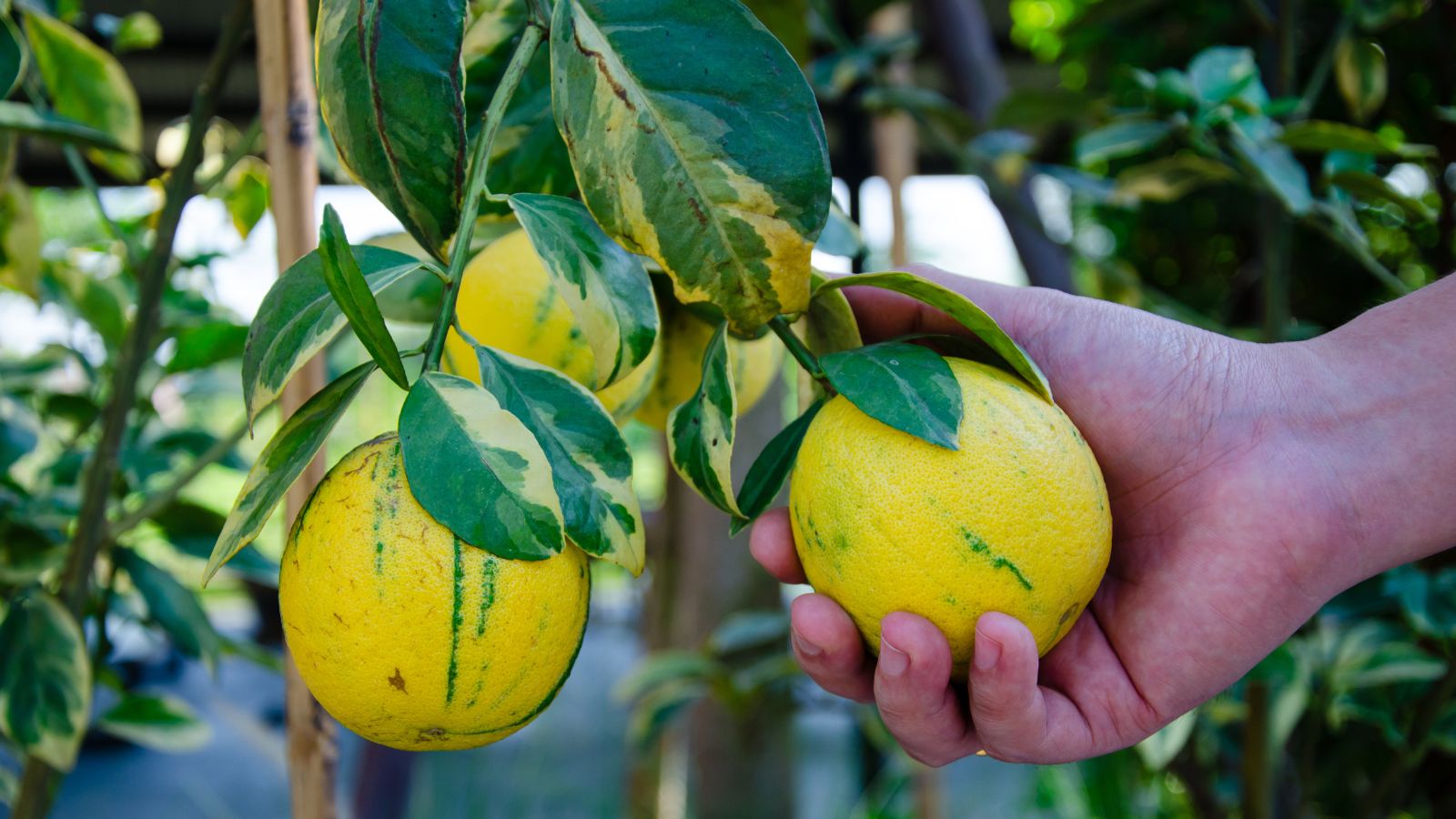
Lemons can be kept for about one week at room temperature and two to three weeks in the refrigerator. Keep in mind that store-bought produce is often coated in wax to reduce moisture loss and extend shelf life. Homegrown lemons do not have this protective coating, so they tend to lose moisture more quickly and will not store as long.
For long-term storage, lemons can be frozen or dehydrated. Whole lemons can be frozen and later used for zest. If juice is preferred, it can be extracted and frozen for extended storage. Freezing lemon juice in ice cube trays is especially convenient when only small amounts are needed at a time. Dehydrated lemon slices are excellent for desserts, cocktails, and teas, and they also work beautifully as decorative elements for the home.
Troubleshooting
You may run into some problems when growing your pink lemonade tree. Below are some common issues and ways to resolve them.
Growing Problems
Variegated pink Eureka trees are often planted for ornamental purposes with little consideration for fruit production. These decorative trees are commonly placed near homes or patios, where they may not receive enough sunlight to produce fruit.
While the tree will continue to grow in partial sun, it may produce very little fruit or none at all. If the goal is fruit production, it is essential to select a sunny location that receives at least six to eight hours of direct sunlight each day.
Another important consideration when growing variegated lemon trees is frost. Lemons are far less frost-tolerant than many other citrus types, so protecting trees when freezing temperatures are forecast is critical to prevent damage.
Pests

Mites are small arachnids that feed on lemon tree foliage. Several mite species affect citrus, with the most common causing stippled damage on leaves. Heavy infestations can lead to leaf drop.
Mites are more likely to attack stressed or weakened trees, so maintaining overall plant health is the best defense. If populations become excessive, horticultural oils or insecticidal soaps can be used to reduce infestations.
Thrips are small yellow to orange insects that feed on the leaves and flowers of Eureka lemon trees. Their feeding causes leaf curling, scarring, and blemishes on young fruit. Encouraging beneficial insects is the most effective long-term strategy for managing thrips.
Soft and armored scale insects may appear on twigs and branches. These pests vary in color, ranging from yellow and brown to black. Scale populations are often kept in check by natural predators and parasites. When intervention is necessary, horticultural oil sprays are effective.
Aphids are small, soft-bodied insects that feed on sap from tender plant tissue. They appear in a range of colors, including yellow, orange, green, and black. Natural predators usually keep aphid populations under control, but outbreaks can still occur. Remove heavily infested leaves by hand and spray foliage with water to dislodge insects. Horticultural oils and insecticidal soaps are also effective treatments.
Asian citrus psyllid is a small, mottled brown insect roughly the same size as an aphid. Nymphs are yellow to green and lie flat along leaves and twigs. While psyllids inject toxins during feeding that can damage young foliage, their primary threat is their role as a vector for Huanglongbing, also known as citrus greening disease.
Management and response depend heavily on local regulations. Check regional guidelines and contact your agricultural extension service if you suspect psyllid activity.
Diseases

Phytophthora is one of the most common root diseases affecting citrus and causes an overall decline in tree health. Foliage often appears paler than normal, and in advanced stages, “gumming,” or sap oozing from the trunk, may occur. Trunks can also develop a water-soaked appearance.
Phytophthora is best prevented through proper irrigation practices and planting in well-drained soil. Some rootstocks are resistant or more tolerant of this disease. Planting the graft union too close to the soil greatly increases the risk of infection. Beneficial microbes and mycorrhizal products can help boost overall plant health and disease resistance.
Anthracnose and Botrytis are foliar diseases that thrive in wet conditions. Symptoms include twig dieback, leaf drop, and fruit decay. Anthracnose is identified by dark spores on leaves and twigs, while Botrytis spores appear lighter gray. Both diseases are best managed through good cultural practices. Pruning to improve airflow is essential, as is removing dead or diseased twigs and old fruit.
Huanglongbing (HLB), also known as citrus greening disease, is one of the most destructive diseases affecting citrus and has no cure. Symptoms include yellow mottled leaves, sudden decline or death in young saplings, small or misshapen fruit, and fruit that remains green or discolored at maturity.
The disease is spread by the Asian citrus psyllid and can also be transmitted through grafting with infected plant material. Once a tree is infected, it must be removed.
Frequently Asked Questions
How big does a pink lemon tree get?
A variegated pink lemon tree grows between 6-15 feet when mature. The height depends on the rootstock used.
Do pink lemons taste different?
Pink lemons taste just like eureka lemons. The main difference is they become less acidic and sweeter as they age compared to the average eureka lemon.
Is pink lemonade made from pink lemons?
Pink lemonade is not made from pink lemons. Pink lemonade is regular lemonade with the addition of dye or flavoring with red fruits such as strawberry or raspberry to give it a pink hue and sweet flavor.