13 Perennials We’re Planting in Early Fall
September is a perfect time for planting perennials in most climates. Join gardening expert Melissa Strauss to find out why, and take a look at some gorgeous perennials we are planting this month!


Contents
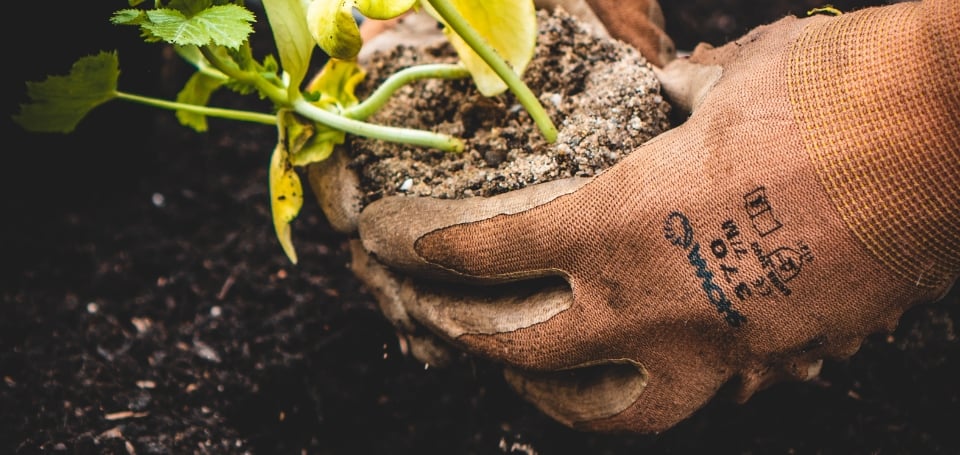
Early fall is one of the best times for planting perennials. This is because the conditions are nearly perfect for helping new plants settle in. The soil is still warm from summer, and the air is beginning to cool off. Warm soil paired with cooler air encourages strong and rapid root growth while reducing transplant stress.
In spring, plants must focus on both root development and top growth at the same time. Fall planting allows perennials to channel their energy mainly into building a healthy root system. Once spring returns, plants with established roots in place are ready to burst into action.
Another reason September is ideal is that nature lends a helping hand. Fall typically brings more regular rainfall. This reduces the need for constant watering. Weed competition is also less intense than in summer. Ideal conditions and less competition spur your newly planted perennials into rapid root development.
Plant perennials in early fall at least 6–8 weeks before the first hard frost. This gives them enough time to establish roots without the stress of cold weather to contend with. This head start is a great help in the spring garden. It means perennials typically bloom earlier, grow stronger, and require less maintenance the following year.
Here are some wonderful perennials you should definitely plant in early fall.


Shasta Daisy


|
botanical name Leucanthemum x superbum |
|---|---|

|
sun requirements Full sun |

|
height 6”-3’ |

|
hardiness zones 5-9 |
Planting Shasta daisies in September is an excellent choice. Early fall offers ideal conditions for helping this perennial settle in before winter. By planting now, Shasta daisies can establish a strong root system. When spring arrives, they’ll be well-prepared to put on vigorous growth.
When planting, choose a site with full sun and well-drained soil, since Shasta daisies dislike soggy roots. Adding a light mulch layer can help protect the roots and retain moisture. In colder climates, mulch also offers winter protection. In early summer, Shasta daisies produce their cheery, white blooms.
Coneflower

|
|
botanical name Echinacea purpurea |
|---|---|
|
|
sun requirements Full sun |
|
|
height 2’-5’ |
|
|
hardiness zones 3-9 |
It’s a smart move to plant these perennials in early fall. These hardy plants establish quickly in early fall conditions, given that they receive the required cold period for germination. They root quickly in warm, moist soil, while the cooling air prevents heat stress. They will establish those roots before the ground freezes and grow vigorously in the spring.
Coneflowers are beneficial to wildlife. They make a great addition to the pollinator patch, and overwintering birds and small animals feed on their seed heads. They self-sow, though not aggressively. Fall-planted coneflowers will perform better in their first season than spring-planted ones. If you miss the boat in September, broadcast your seeds in fall to provide them with a natural stratification period.
Coreopsis

|
|
botanical name Coreopsis spp. |
|---|---|
|
|
sun requirements Full sun |
|
|
height 1’-8’ |
|
|
hardiness zones 4-9 |
Planting this perennial in early fall is a great choice. This cheerful perennial establishes quickly in the cooler weather of early fall. By transplanting now, coreopsis will settle in before winter. In warm climates, it is evergreen and will look nice through the winter.
In a cooler climate, direct sowing seeds will ensure they sprout the following spring, ready to produce their signature daisy-like blooms. Coreopsis flowers abundantly from early to mid-summer. It is drought-tolerant once established and dislikes soggy conditions. Give it a light layer of mulch to help regulate soil temperature and protect young roots over winter. Or direct sow seeds to give them a period of stratification.
Bee Balm

|
|
botanical name Monarda spp. |
|---|---|
|
|
sun requirements Full sun |
|
|
height 15”-6’ |
|
|
hardiness zones 3-10 |
Bee balm is another great pollinator-supporting perennial you can plant in early fall. The conditions will help your plant set down strong roots so that it can focus on top growth in the spring. In early summer, you’ll get cheerful flowers in shades of red, pink, purple, or white.
Bee balm can run into issues with powdery mildew. Make sure that it gets plenty of sunlight, as well as ample ventilation. It’s named for bees, but that’s not the only wildlife this plant will bring to the yard. Hummingbirds and butterflies love it as well.
Hosta

|
|
botanical name Hosta spp. |
|---|---|
|
|
sun requirements Partial shade |
|
|
height 4”-4’ |
|
|
hardiness zones 3-9 |
Hostas like some shade, and the cooling September air makes them feel right at home. Paired with the cozy, warm soil and extra moisture of early fall, it’s a perfect time to plant these perennials. It gives your hostas plenty of time to settle in and adjust to their new surroundings before winter.
Timing your hosta planting for the fall often results in fuller, more lush foliage in the spring. Make sure to water them regularly while they are establishing roots. Add mulch to insulate the roots and protect them over the winter.
Coral Bells

|
|
botanical name Heuchera spp. |
|---|---|
|
|
sun requirements Partial shade |
|
|
height 6”-16” |
|
|
hardiness zones 4-9 |
Coral bells are hardy perennials that thrive in partially shaded areas where other plants may struggle to bloom. Plant this perennial in early fall and it will have ample time to set down roots without heat stress slowing it down. This solid foundation leads to lush vegetation in the spring.
Coral bells do bloom, and they’re lovely flowers. However, it’s predominantly their foliage that most gardeners appreciate. Their colorful foliage is frost-tolerant and will last through the winter in milder climates. Even in cooler ones, the pretty leaves will remain well into the colder months.
Sedum

|
|
botanical name Sedum spp. |
|---|---|
|
|
sun requirements Full sun |
|
|
height 3”-3’ |
|
|
hardiness zones 3-9 |
Sedum is another great perennial to plant in early fall; some are even fall bloomers. ‘Autumn Joy’ is a particularly prolific fall bloomer that is great for supporting pollinators. Many other upright varieties also bloom this time of year, adding color to the fall garden.
Sedums are succulents, so make sure to give them a spot with well-draining soil. They do prefer light, consistent moisture while establishing roots, but then they are drought-tolerant. This long-lived perennial will bring color to the fall garden for years to come.
Daylily

|
|
botanical name Hemerocallis spp. |
|---|---|
|
|
sun requirements Full sun to partial shade |
|
|
height 1’-5’ |
|
|
hardiness zones 3-9 |
Planting daylilies in early fall is an excellent idea. Fall provides the perfect conditions for them to establish. By getting daylilies in the ground in September, they have several weeks to settle in before winter dormancy. This head start means they’ll come back vigorous in spring. They’ll often produce earlier and stronger blooms the following summer than daylilies planted in spring.
Daylilies prefer fertile, well-drained soil, but they are generally adaptable once established. Keep the soil evenly moist while they are establishing those roots. A layer of mulch will keep these cozy through the winter for an early spring start. Choose a type that doesn’t have an invasive classification in your region.
Aster

|
|
botanical name Symphyotrichum spp. |
|---|---|
|
|
sun requirements Full sun |
|
|
height 1’-6’ |
|
|
hardiness zones 3-9 |
Asters are one of the best fall pollinator plants in the garden. Transplanting them in early fall isn’t just good for establishing roots quickly. It also provides an ample nectar and pollen source for bees and butterflies going into the winter. It also adds instant color to the fall garden.
There are different types of asters that are native to different regions in North America. Those that are native to your region will be the most low-maintenance. Plant these perennials in early fall for an easygoing, carefree garden that is ecologically friendly.
Goldenrod

|
|
botanical name Solidago spp. |
|---|---|
|
|
sun requirements Full sun |
|
|
height 6”-8’ |
|
|
hardiness zones 3-9 |
Goldenrod is another fall-blooming native that is great for planting in early fall. The brilliant yellow flower clusters are a beacon for pollinators in the late summer and early fall garden. Transplant them now to enjoy those blooms in the first year. The plants will settle in before winter and come back stronger in the spring.
Choose a species of goldenrod that grows native to your region for an easy-care, high-payoff perennial. This plant does self-seed freely, so if you want to restrain it, deadhead before the flowers go to seed. Bumblebees are especially fond of this golden glory.

Toad Lily

|
|
botanical name Tricyrtis spp. |
|---|---|
|
|
sun requirements Parital to full shade |
|
|
height 1’-3’ |
|
|
hardiness zones 4-9 |
Planting toad lilies in early fall is a wonderful way to add late-season elegance to the garden. These perennials prefer shade, and their exotic, orchid-like blooms appear in September and October. They light up the shaded places just as many other flowers are fading.
Toad lilies prefer full to partial shade. They also need rich, moist, but well-drained soil. They are native to woodland habitats, so try to mimic those conditions for the best results with these perennials. They tend to have shallow roots, so mulching for the winter is an absolute must for toad lilies.
Lamb’s Ear

|
|
botanical name Stachys byzantina |
|---|---|
|
|
sun requirements Full sun to partial shade |
|
|
height 6”-18” |
|
|
hardiness zones 4-9 |
Lamb’s ear is a hardy ground cover that establishes best in cool, moist conditions. That makes early fall a perfect time to plant these perennials in most climates. The warm soil will encourage fast root growth. The cool, rainy weather will keep the foliage happy and healthy in the meantime.
Lamb’s ear is content in partial shade, especially in the warmer zones. It likes poor, sandy soil and dislikes overly wet conditions. Once established, it is resilient and drought-tolerant. It forms a mat that is great for keeping weeds away.
Blanket Flower

|
|
botanical name Gaillardia spp. |
|---|---|
|
|
sun requirements Full sun |
|
|
height 1’-4’ |
|
|
hardiness zones 3-10 |
Blanket flower is a great, summer-blooming native that is wonderful for pollinator gardens and meadow landscapes. In warmer climates, this one may continue to bloom for a while, typically, until the first frost. The foliage is frost-tolerant and will stick around over the winter in some areas.
Give your blanket flower plenty of sun, good drainage, and space to spread out. This perennial gets its name from its ability to spread and form a colorful ‘blanket.’ A light mulching over the winter is a good idea, but keep it light. Too much moisture can equal root rot for this drought-tolerant plant.