13 Perennials Deer Absolutely Hate
No perennial is completely deer-proof, but those with primary qualities they find distasteful are the first line of defense against extensive damage. Garden expert Katherine Rowe explores top-rated perennials on the unpalatable, deer-unapproved scale.


Contents
Deer are garden visitors for many of us and make quick work of devouring new growth, tender buds, and blooms. No plant is deer-proof when faced with the hungry ungulates, especially during times of lean natural food sources. The best line of natural defense is to grow a diversity of unpalatable selections throughout the garden. Perennials play an important role as high-performing, deer-deterring workhorses.
Perennials deer hate include those with tailored plant defenses that deter foraging predators. Aromatic, herby foliage, textural leaves and stems (fuzzy, rough, prickly, spiny), and internal toxins make deer-resistant options for susceptible areas.
Our list of perennials that deer hate includes those seldom or rarely damaged. They’re also highly ornamental, vigorous, and low-maintenance plants. If they’re taste-tested, they likely recover quickly from the browse. While unpleasing to nibbling mammals, their attributes support birds, pollinators, and beneficial insects.
Anise Hyssop Seeds

- Fragrant leaves with minty, anise-like flavor
- Attractive lavender-blue flower spikes
- Culinary and tea uses from leaves and flowers
- Drought-tolerant perennial in zones 4–8
- Loved by hummingbirds, bees, and butterflies
Hellebore


|
botanical name Helleborus orientalis |
|---|---|

|
sun requirements Partial to full shade |

|
height 18” |

|
hardiness zones 4-9 |
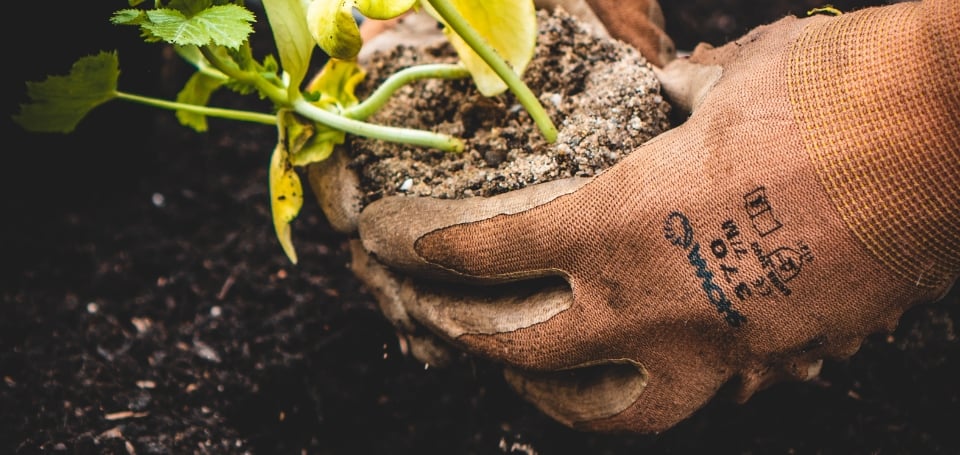
Hellebores charm the late winter garden with nodding, cupped blooms atop handsome palmate foliage. The leathery, toothed leaves are distasteful to deer. What’s more, the stems, roots, and leaves contain toxic alkaloids.
The genus name, from Greek, refers to the plant’s toxicity: helein means “injures” while bora is “food.” Hellebores are poisonous if ingested by humans and animals.
While inedible, hellebores are a feast for the eyes. In addition to their unique blooms, their dark green foliage is attractive throughout the growing season (and year-round in mild climates). They boast a long bloom time when little else is flowering, with single or double flowers in rich hues.
The cold-hardy bloomers thrive in a woodland setting and colonize slowly as a groundcover. Hellebores rely on winter sun to flower and for lush, full leaves. Situate them under a deciduous canopy that allows winter light when branches are bare and provides leafy, cooling shade protection during the summer.
Daffodil

|
|
botanical name Narcissus spp. |
|---|---|
|
|
sun requirements Full sun to partial shade |
|
|
height 8-18” |
|
|
hardiness zones 3-9 |
Spring-flowering bulbs make for an easy fall planting that brings big rewards in late winter and early spring. They need no tending as they await warming spring temperatures to grow. Eye-catching in a mass or even in a pot, bulbs are worthy of an installation.
While deer flock to tulips, they avoid daffodils, which are among the showiest and easiest perennial bulbs to grow. Daffodils contain lycorine and other toxic alkaloids, making them perennials that deer hate to eat. Their bitter taste indicates unappealing compounds.
Narcissus brings trumpet blooms and cups in yellow, white, peachy orange, and pink. Plant early, mid, and late-season varieties for staggered blooming and weeks of enjoyment.
Daffodils are low-maintenance. After blooming, let leaves persist until they turn yellow and die back in warming temperatures. The leaves continue photosynthesizing while green for bulbs to store as much energy as possible for the next growing season.
Catmint

|
|
botanical name Nepeta spp. |
|---|---|
|
|
sun requirements Full sun |
|
|
height 1-3’ |
|
|
hardiness zones 3-8 |
Catmint is a durable perennial with a haze of lavender blooms in early summer. The softly mounding, gray-green foliage is aromatic and slightly fuzzy, making it unappealing to nibbling mammals. The essential oils also repel other garden pests, like aphids and squash bugs, while drawing pollinators and beneficial insects.
Nepeta bridges the ornamental and herbal landscape with leaves and blooms edible to humans and attractive to felines. Catmint flowers best with regular moisture throughout the growing season, but it tolerates dry spells. Deadhead spent flower spikes or shear plants after the initial bloom flush to promote additional blooms.
‘Walker’s Low’ is a Royal Horticultural Society Award of Garden Merit recipient for its performance in hot, humid, and coastal conditions. Its profusion of lavender-blue flowers in early summer lasts most of the season.
‘Cat’s Pajamas’ is a dwarf variety that blooms a few weeks earlier, extending the season. Violet-blue flowers cover the entire length of foot-long stems. Rose-purple calyxes offer lasting color even after the blooms fade.
Bleeding Heart

|
|
botanical name Dicentra spp. |
|---|---|
|
|
sun requirements Partial to full shade |
|
|
height 9-18” |
|
|
hardiness zones 3-8 |
Bleeding heart brings woodland wildflower and pollinator appeal with pendulous flowers on graceful stems. The puffy, heart-shaped blooms appear in white, pale pink, and fuchsia in late spring.
Dicentra contains several isoquinolin alkaloids that result in toxicity with ingestion or repeated sap contact, making it a perennial deer hate to eat.
The delicate beauties are lovely with other spring-blooming perennials and foliage specimens like columbine, heuchera, astilbe, hosta, and ferns. They enter summer dormancy as temperatures rise, so obscure fading foliage with other leafy perennials to take their place.
Look to Dicentra eximia for a North American wild bleeding heart with dangling pink hearts. The cut foliage is ferny and feathery and withstands drier conditions once established.
Christmas Ferns

|
|
botanical name Polystichum acrostichoides |
|---|---|
|
|
sun requirements Partial to full shade |
|
|
height 1-3’ |
|
|
hardiness zones 3-9 |
Ferns fill the understory as a soft, lush groundcover, and with textured fronds, fuzzy stems, and natural toxins, many of these perennials are ones deer hate. Christmas ferns bring an easy fountain of green fronds all year. Their arching fronds enliven the winter landscape with a verdant splash.
Native to North America, Christmas ferns are hardy and adaptable, with ecological value across shady spaces. They provide wildlife shelter and help stabilize soil, especially on slopes.
Others not favored by deer include royal, Japanese painted, and autumn ferns. The fronded foliage is a deterrent while adding structural appeal to the ground layer.
Allium

|
|
botanical name Allium spp. |
|---|---|
|
|
sun requirements Full sun |
|
|
height 6-60” |
|
|
hardiness zones 4-9 |
Ornamental alliums are glorious in the garden and remain that way because of their strong, pungent scent and taste that deer hate. Many flowering onions are bulbous, while some are clumping perennials that spread through rhizomes. Both are ideal for fall planting for a spring and summer show.
Giant ornamental onions are favorite bulbs that produce towering rounds at three to five feet tall, depending on the variety. Others are more compact and fit smaller spaces and pots with a profusion of little globes.
‘Globemaster’ is a giant ornamental allium with spheres of purple florets that measure 10 inches across. Stout stems hold the impressive globes upright. After flowering, the petals dry and turn papery tan for lasting interest into summer.
‘Powder Puff’ features the highly ornamental spheres on a more compact, cold-hardy form. Deep purple, tennis-ball-sized blooms emerge in late spring and early summer. ‘Millennium’ is a top-performing herbaceous perennial allium with mid-to-late summer flowers.
Pollinators and other insects flock to the rounded florets. Alliums do best in well-drained soil and with extra winter mulch in lower hardiness zones.
Russian Sage

|
|
botanical name Salvia yangii |
|---|---|
|
|
sun requirements Full sun |
|
|
height 2-4’ |
|
|
hardiness zones 5-9 |
Russian sage is a durable perennial that shines in summer with silvery leaves and sprays of blue-purple tubular blooms. The foliage has fine hairs and is aromatic, making this a perennial deer hate (and pests, too).
Russian sage thrives in hot, dry conditions, blooms reliably, and performs across climates. The Perennial Plant Association’s Perennial Plant of the Year award-winner tolerates poor soils (with good drainage), pollution, and coastal exposures..
In areas with high humidity or heavy seasonal rain, look for disease-resistant varieties like ‘Denim in Lace’ and ‘Crazy Blue’ so fungal problems don’t arise. ‘Blue Spires’ is compact with dense blooms and is an Award of Garden Merit recipient.
Mistflower

|
|
botanical name Conoclinium coelestinum |
|---|---|
|
|
sun requirements Full sun to partial shade |
|
|
height 18-36” |
|
|
hardiness zones 5-10 |
Mistflower is an Eastern U.S. native with soft tufts of purple-blue flowers. The feathery clusters on tall, upright stems create a soft haze and fuzzy appeal. Leaves are aromatic and fuzzy, too, with hairs and coarsely-toothed margins that make them unpalatable to feasting predators.
The sky-blue clusters show from July through October, providing late-season color and pollinator resources. Mistflower is somewhat drought-tolerant but performs best in moist, well-drained soil.
It can spread aggressively by seed and rhizomes. Divide the colony to keep it in check, and deadhead after flowering to prevent unwanted volunteers. Or, give it room to spread in a naturalized planting. The pollinator favorite is nectar-rich, and seeds support birds.
Globe Thistle

|
|
botanical name Echinops bannaticus |
|---|---|
|
|
sun requirements Full sun to partial shade |
|
|
height 3-4’ |
|
|
hardiness zones 3-8 |
Globe thistle produces unique blooms in stiffly structured, purple-blue rounds. Each tidy one-and-a-half-inch globe adds texture and contrast to the border and in fresh and dried florals. Tiny florets comprise each round and attract bees, moths, and butterflies. The dissected silvery-green foliage is prickly, making the whole plant structure unfavorable to deer.
Echinops blooms from mid-summer through fall. It does best in lean soils but adapts to various types, as long as they’re well-draining. Deadhead spent blooms to promote faster reflowering and to prevent any unwanted reseeding.
Agastache

|
|
botanical name Agastache spp. |
|---|---|
|
|
sun requirements Full sun |
|
|
height 2-4’ |
|
|
hardiness zones 5-9 |
Agastache, or hummingbird mint, is a gardener’s favorite with aromatic leaves and purple-blue bloom spikes. The tubular flowers rise above mounding gray-green foliage and supply nectar for bees, butterflies, and hummingbirds.
Agastache foeniculum (anise hyssop) is native to northern North America. The herb blooms profusely in summer through frost, and the edible blooms and leaves make a flavorful herbal tea. Deer disagree, and both the tropical leaves and essential oils deter them.
Agastache grows across soil types with good drainage. Anise hyssop grows easily from seed and self-sows.
Lavender

|
|
botanical name Lavandula spp. |
|---|---|
|
|
sun requirements Full sun |
|
|
height 3’ |
|
|
hardiness zones 5-9 |
We love the rejuvenating fragrance of lavender, but the intense oils and slightly velvety foliage make it a perennial deer hate. The Mediterranean herb with aromatic superpowers has many uses and is versatile in garden spaces, from pots to borders to edible landscapes.
Lavender is evergreen and occurs naturally in regions with arid, warm summers and cool, wet winters. In cold climates, look for hardier varieties like L. angustifolia ‘Munstead’ with early flowers and a compact habit. Or, grow the herb in a container to overwinter in a sheltered spot. In humid climates, choose varieties with good fungal disease resistance like ‘Phenomenal.’
Lavender prefers a sun-drenched spot with fast-draining soils that dry slightly between waterings. Established perennials are drought-tolerant. Harvest the purple blooms in spring and again later in summer for optimal fragrance and to promote further flowering.
Helenium

|
|
botanical name Helenium autumnale |
|---|---|
|
|
sun requirements Full sun |
|
|
height 2-5’ |
|
|
hardiness zones 3-8 |
Helenium is a North American native wildflower with bright yellow ray petals that swirl around a prominent central disc. The prolific blooms extend into fall and provide a late-season pollen and nectar source.
Commonly called sneezeweed, helenium was once a snuff used as a cold remedy (and not an allergy-inducing weed). The bitter plant parts make it detestable to mammals, and it’s toxic if ingested in large quantities. The natural compound sesquiterpene lactone is especially prevalent in the Asteraceae family, which is why deer hate these perennials and similar ones.
Helenium tolerates poor soils but grows best in organically rich ones with regular moisture during the growing season.
Iris

|
|
botanical name Iris spp. |
|---|---|
|
|
sun requirements Full sun |
|
|
height 1-2’ |
|
|
hardiness zones 5-9 |
With nearly 300 species and thousands of cultivars, iris is a blooming perennial with myriad colors, forms, and sizes. Popular types include bearded iris, crested iris, Siberian iris, Japanese iris, and sweet iris. With fibrous rhizomes and tough, stiff, strappy leaves, deer generally hate these perennials.
Irises grow best in organic soils with consistent moisture, though they tolerate moist or dry conditions depending on type. Irises divide easily in late summer to reduce crowding and to expand the collection.