41 Perennial Vegetables to Grow by Hardiness Zone
Are you going to add some perennial vegetables to your garden this growing season? Most perennials can be grown relatively easily, and can be a great project for gardeners both novice and advanced. In this article, we look at 41 of our favorite perennial vegetables, and organize them by the hardiness zone that they will grow the quickest in.

Contents
Sustainability has become a major focus in recent years, and growing your own food remains one of the most effective ways to build a more sustainable household. Perennial vegetables appeal from a sustainability perspective, depending on your climate. Many perennial vegetables live for several years, which also makes them an economical choice for home gardeners.
Vegetables do not perform equally across all climates. A plant that grows effortlessly in one hardiness zone may fail to sprout in another. Understanding which vegetables are likely to thrive in your zone plays a key role in long-term sustainability. Even so, gardeners can extend production beyond standard growing seasons, even in regions with short windows.
Before diving in, it is important to note that several plants commonly classified as perennial vegetables behave invasively in certain regions. When choosing what to grow, avoid plants known to spread aggressively in your local environment, or grow invasive species in containers where you can easily keep them under control.
In this article, we take a look at a number of different perennial vegetables you can grow in your garden. You’ll learn about each one of them, and the hardiness zone they will perform best in. Let’s jump in!


What are Hardiness Zones?

Hardiness zones define different climate regions across the continent. These zones are based on factors such as temperature, humidity, elevation, and seasonal patterns. The USDA provides a tool that allows you to find your hardiness zone by zip code and strongly recommends using it when planning your garden.
There are 13 hardiness zones in the United States. While these zones generally follow a north to south pattern, some regions fall outside typical longitudinal expectations. Hardiness zones apply specifically to perennial planting, not annuals, since perennials return year after year. Most annual vegetables can grow in any zone with proper care, but gardeners must reseed them, either manually or through natural self-seeding, and replant them each year.
How Strictly do I Have to Follow Hardiness Zones?

Planting outside the recommended hardiness zone often leads to atypical results. When the zone difference is minor, plants may grow smaller than expected or bloom later than usual.
With larger zone differences, plants may fail to grow altogether or may not bloom until very late in the growing season, leaving insufficient time for vegetables to mature. For this reason, matching vegetables to their appropriate hardiness zones remains one of the most reliable strategies for creating a sustainable garden.
That said, some flexibility exists. If you are unsure, consult local gardening experts. Their experience with regional variations can help you decide how far you can safely push beyond standard zone recommendations.
Why Choose Perennials?

Perennials make an excellent choice for sustainable gardening because you plant them once and care for them season after season. When grown in the correct zone, perennial vegetables return each year for the duration of their life cycle.
Perennials tend to be hardier than annuals, which helps them withstand unexpected temperature extremes, drought, animals, and insect pressure. They also eliminate the need for starting plants from seed every year.
These plants support soil health by encouraging organic matter buildup, fostering beneficial insect activity, and maintaining good soil structure and porosity. Many perennial vegetables also produce attractive flowers, allowing them to function as both productive crops and ornamental features in the garden.
Perennial Vegetables by Zone
Since it’s easiest to grow the right vegetables for your zone, here is a breakdown of each one and what’s most suitable.
Zones 1 and 2

Zone 1 is the northernmost area of the United States, primarily located in Alaska. It is one of the most challenging regions for growing perennials due to frigid temperatures and the risk of drought. Because the growing season is very short, start vegetable seeds indoors and transplant them into the ground once they have established roots.
If you want to grow vegetables in this zone, indoor container growing works best. You can control the climate more effectively by converting a room in your home into a greenhouse. Outdoor structures with sufficient insulation and heat retention can also help. These methods may extend the growing season by one or two months.
Zone 2 is only slightly less harsh than Zone 1, and as a result, there are still very few perennial vegetables recommended for this region.
Perennial Vegetables for Zones 1 and 2

Unfortunately, these zones are not well-suited to perennial vegetable growth. Once again, planting indoors remains the best option for gardening in Zone 2. However, short-season greens, rhubarb, sunchokes, and a few other hardy plants can survive in this region.
Zone 3

Zone 3 is the first hardiness zone within the continental United States. This region includes parts of the Northeastern U.S. and the upper Midwest. Zone 3 does not support a wide range of plants, but it is not as restrictive as Zones 1 and 2.
Plants grown in Zone 3 experience the second shortest growing season in the continental U.S. The average last frost date falls around May 15, with the first frost typically arriving by September 15, which leaves a relatively short window for plant growth and maturation.
Perennial Vegetables for Zone 3

- Rhubarb
- Sorrel
- Asparagus
- Chives
- Jerusalem artichoke/Sunchoke
- Horseradish
- Walking Onion
- Lovage
Zone 4

Zone 4 remains quite cold and sits just south of Zone 3. It typically includes parts of the mid to upper Midwest and extends west into Montana and Wyoming. Conditions in Zone 4 can still be harsh and unforgiving for plant growth.
Average frost dates range from April 24 to May 12 in spring and from September 21 to October 7 in fall. The climate is roughly 10°F (5.6°C) warmer than Zone 3. While the growing window is not dramatically longer than in Zone 3, Zone 4 generally offers more reliable conditions and improved potential for successful crops.
Perennial Vegetables for Zone 4

- Angelica
- Horseradish
- Dandelion
- Black Salsify
- English Sorrel
- Turkish Rocket
- Lovage
- Wild leeks
- Arrowhead
- Common Camas
- Sunchoke
- Walking Onion
Zone 5

Zone 5 is 10°F warmer than Zone 4, which gives it a longer growing season. It sits in the mid-range of U.S. hardiness zones by longitude.
With an average last frost date between April 7 and April 30 and a first frost date ranging from October 13 to October 21, Zone 5 offers a longer growing season than Zone 3.
Perennial Vegetables for Zone 5

Zone 6

Zone 6 is 10°F warmer than Zone 5 and typically has frost dates between April 1 and April 21, with the first frost occurring between October 17 and October 31. Despite this, the growing season can be unpredictable due to significant regional variation within Zone 6.
With a medium to long growing season, Zone 6 supports a wide range of vegetable crops and offers excellent growing potential for home gardeners.
Perennial Vegetables for Zone 6

- Chicory
- Chinese yam
- French sorrel
- Garlic chives
- Giant Solomon’s seal
- Ramps
- Rhubarb
- Sunchoke
- Turkish rocket
- Watercress
- Broccoli
- Kale
- Leek
- Shallot
- Walking onion
Zone 7

Zone 7 spans a broad belt across the continental United States. With average temperatures 10°F (5.6°C) warmer than Zone 6, it offers an even longer growing season.
The average last frost date falls between March 22 and April 3, while the first frost typically arrives between October 29 and November 15. Zones 6 and 7 share many planting recommendations due to their similar growing conditions.
Perennial Vegetables for Zone 7

If you garden in Zone 7, you can grow the same vegetables as in Zone 6 with similar success. This zone also allows you to add several additional vegetables and fruits to your planting list, with a higher likelihood of strong, reliable harvests.
Zone 8

Zone 8 is scattered across the continental United States rather than grouped together like some other zones. The average last frost date falls between March 13 to 28, and the first frost typically occurs between October 17 to 31.
Perennial Vegetables for Zone 8

Zone 8 can also grow all vegetables found in zones 6 and 7, as well as:
- Artichoke
- Broccoli
- Kale
- Cardoon
- Leek
- Onion
- Shallot
- Tree collards
- Capsicum
- Spinach
- Sweet potato
- Cabbage
- Collards
- Chicory
Zone 9

Zone 9 is often considered a year-round planting zone. While some plants struggle in extreme heat, many others thrive in these conditions. Average temperatures in Zone 9 rarely drop below 20°F (-7°C) and remain warm for most of the year.
Some Zone 9 regions include desert climates where water availability is limited. In these areas, choose drought-tolerant species rather than plants that require consistently moist soil.
Perennial Vegetables for Zone 9

- Watercress
- Egyptian walking onions
- Wild leek
- Kale
- Artichokes
- Chinese artichoke
- Capers
- Chayote
- French sorrel
- Garlic
- Daylilies
- American lotus
- Giant butterbur
Zone 10-13

Zones 10 to 13 experience far fewer frost events than other hardiness zones. Hawaii falls within these zones, where frost does not occur. Many of these regions remain temperate throughout the year, although some areas experience very high temperatures during summer.
Perennial Vegetables for Zones 10-13

- Sissoo
- Spinach
- Edible hibiscus
- Chaya
- Katuk
- Moringa
- Taro
- Sweet potato
- Cassava
- Yacon
- Ginger
- Pigeon pea
- Winged bean
- Lima bean
- Sesbania
- Green papaya
- Plantain
- Hawaiian chili pepper
41 Perennial Vegetables
While hardiness zone is important, it doesn’t mean all vegetables you grow will be perennial. Choose from this list of perennial vegetables to simplify your harvests.
Rhubarb

Rhubarb is one of the hardiest perennial vegetables and grows in almost any region. Once established, it requires very little maintenance. In Zones 6 to 10, plant it where it receives protection from hot afternoon sun to prevent stress.
At maturity, rhubarb reaches about three feet in length and produces edible stalks throughout much of summer. Gardeners most commonly use rhubarb in pies due to its naturally tart, bitter flavor.
Avoid planting rhubarb in overly damp areas, as consistently wet soil increases the risk of root rot.
Sorrel

Sorrel is a lemony-flavored plant that adds a bright, robust taste to a wide range of dishes. You can eat it fresh in salads or use it as an herb to season meals.
Sorrel is easy to care for and requires little maintenance beyond about one inch of water per week. It grows best when planted approximately six inches apart in a well-drained garden bed.
Keep the bed weeded regularly so competing plants do not choke the sorrel or limit its growth.
Asparagus

Asparagus stalks need to be planted directly in the ground, which can make them more challenging to grow in colder zones. Planting cannot begin until after the last frost has passed.
Asparagus also struggles to compete with weeds, so it performs best in a large, clean bed with consistent weed control. Many different asparagus types exist, and some offer greater tolerance to specific climates, so choose varieties carefully.
Harvesting asparagus requires patience. In the first year, harvest only a small portion of the plant. Increase harvest amounts gradually in subsequent years to give the plant time to recover, establish strong roots, and grow more vigorously.
Chives

Chives are a member of the onion family and produce attractive flowers. They tolerate cold well and can be planted early in spring.
Many animals avoid chives, so they are unlikely to be disturbed. Harvest them before the flowers fully bloom, as allowing them to set seed can lead to chives spreading aggressively the following season.
Chives transplant easily, which makes them a particularly hardy and forgiving perennial plant.
Jerusalem Artichoke/Sunchoke

The sunchoke is a tuber that resembles a potato but tastes more like water chestnuts. Plants grow to approximately five to 10 feet tall.
Sunchokes are hardy and spread readily if left unmanaged, but root barriers keep them well contained. They prefer loose, well-drained soil but grow successfully anywhere with strong sun exposure.
Once established, sunchokes tolerate drought well, although they still benefit from regular watering for best growth.
Horseradish
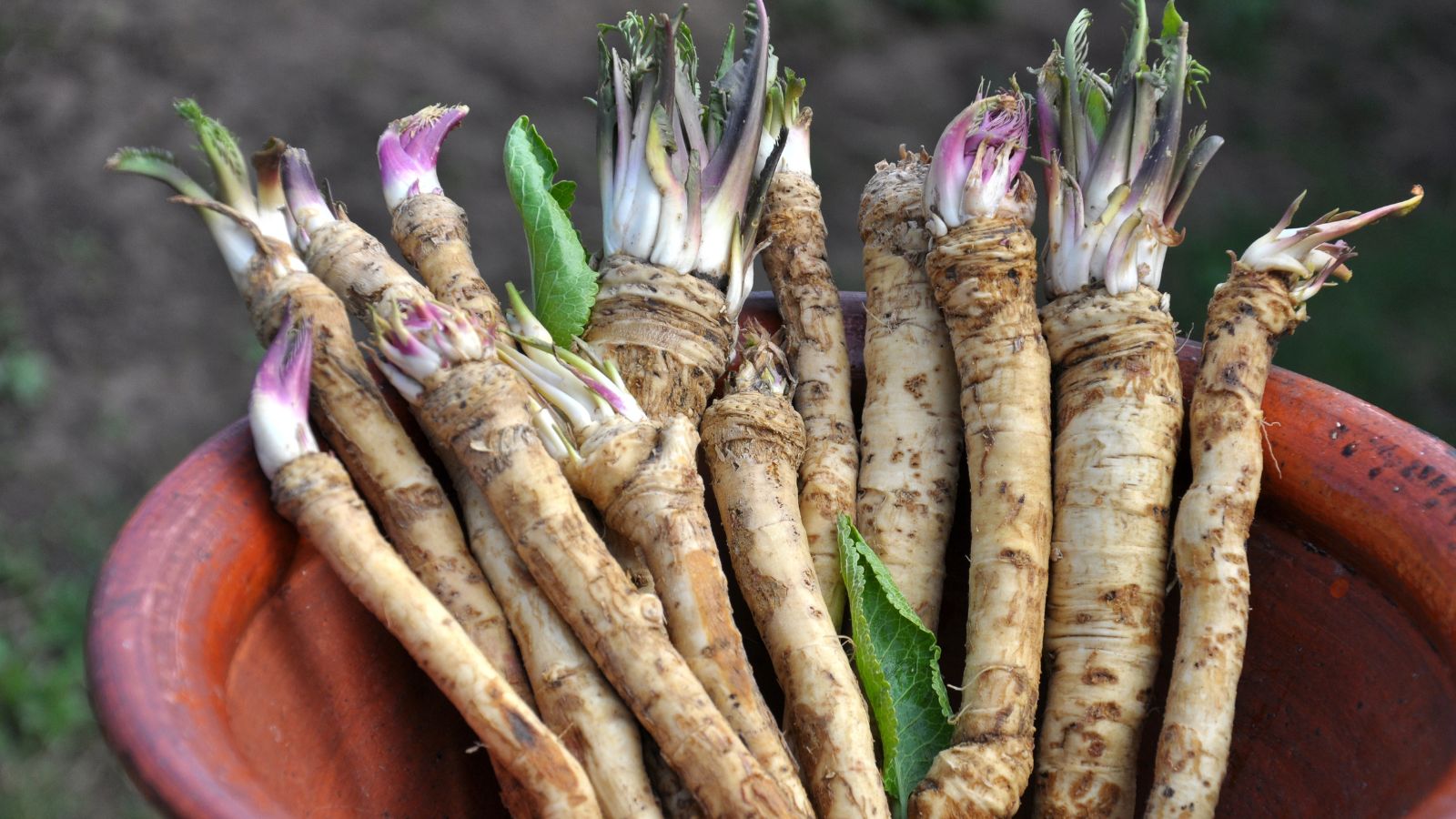
Horseradish is commonly grown for its pungent root. It requires well-prepared, consistently moist soil to support root growth and spread. If left unmanaged, the plant can quickly take over a garden, so using barriers helps keep it contained.
One or two plants can supply enough horseradish for an entire family. Propagating new plants is simple. Cut approximately 12 inches from a healthy root and replant it.
Horseradish grows well in full sun or partial shade.
Walking Onion
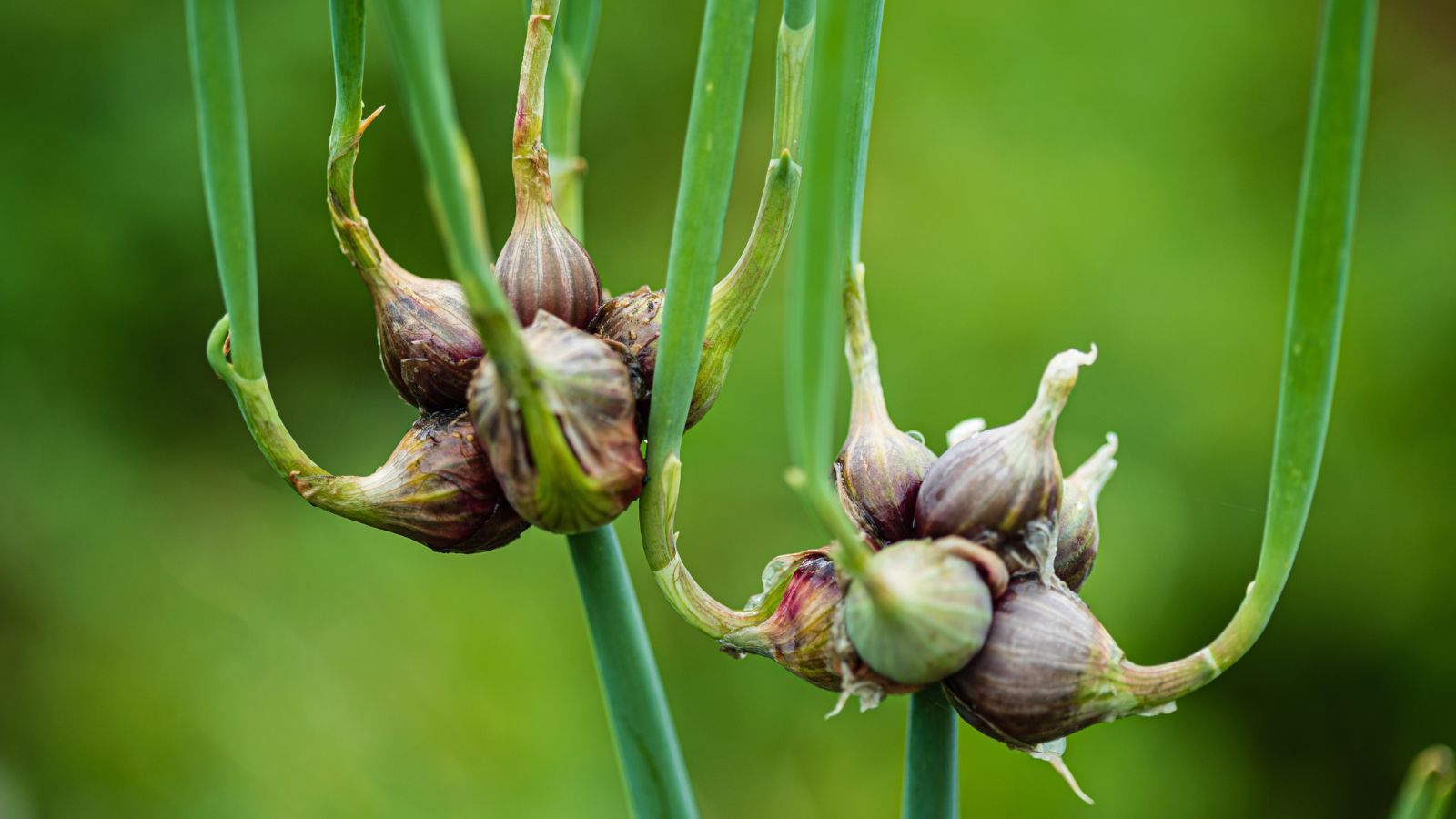
Also known as Egyptian onions, these plants produce onions at the top of the stem rather than underground. Egyptian walking onions have a flavor similar to shallots.
Walking onions do not produce a harvest in the first year, so plant early and plan ahead. Bury them about two inches deep and space plants six to 10 inches apart. They grow best in well-drained soil with adequate sunlight.
Lovage
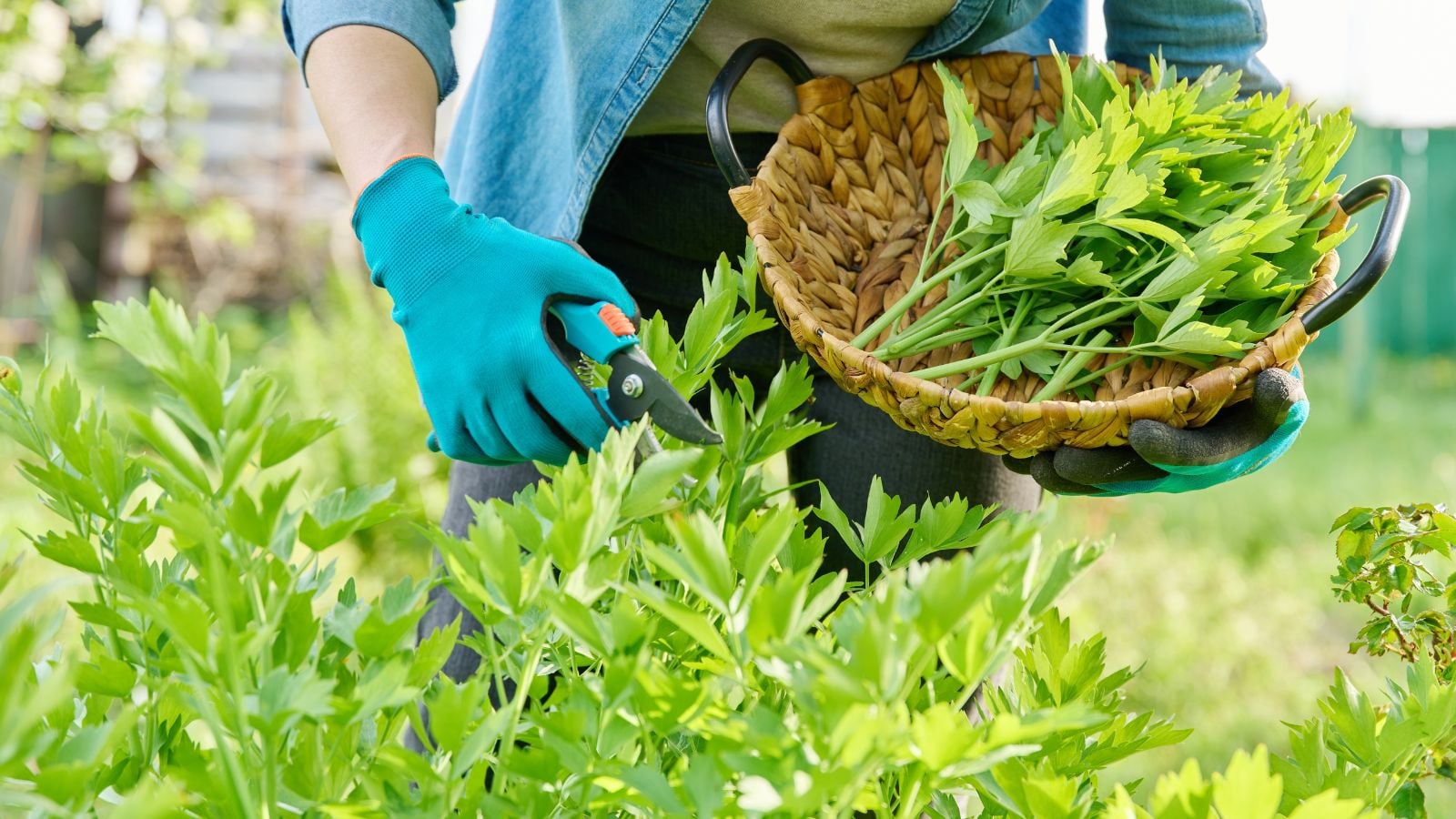
Lovage (Levisticum officinale) is an often overlooked perennial that offers a flavor similar to a blend of citrus and celery. It grows reliably without aggressively spreading through the garden.
Lovage provides nutritional benefits, including vitamin C, B-complex vitamins, and quercetin, a naturally occurring anti-inflammatory compound.
Mature plants reach up to 6 feet tall and require about 32 inches of spacing between each plant. Their large size and architectural form make them an attractive garden feature. Lovage prefers cooler climates and does not perform well in prolonged heat.
Angelica

Technically an herb, angelica belongs to the carrot and parsley families. Gardeners often use it to flavor liquors and teas.
During its first year, angelica produces modest growth. By the second year, plants can spread two to four feet wide and reach up to six feet tall.
Angelica is a short-lived perennial, which means it needs replanting every two years to maintain a steady supply.
Dandelion

Dandelions grow so prolifically that they require very little cultivation. They are hardy across nearly all zones, and once established, they readily reseed themselves each year.
If you plan to use the blossoms, harvest them when they are bright yellow and partially open, removing them from the stems. You can harvest the roots at any time. Roasted dandelion roots can be dried, ground, and added to food or drinks.
Black Salsify

Salsify is a challenging root vegetable to grow because it needs planting in spring and harvesting about 120 to 150 days later, ideally during cooler weather. It grows best in full sun and rich, well-prepared soil. Plant black salsify 12 to 18 inches deep.
Black salsify experiences few pest or disease issues and performs best when the soil remains evenly moist throughout the growing season.
Turkish Rocket
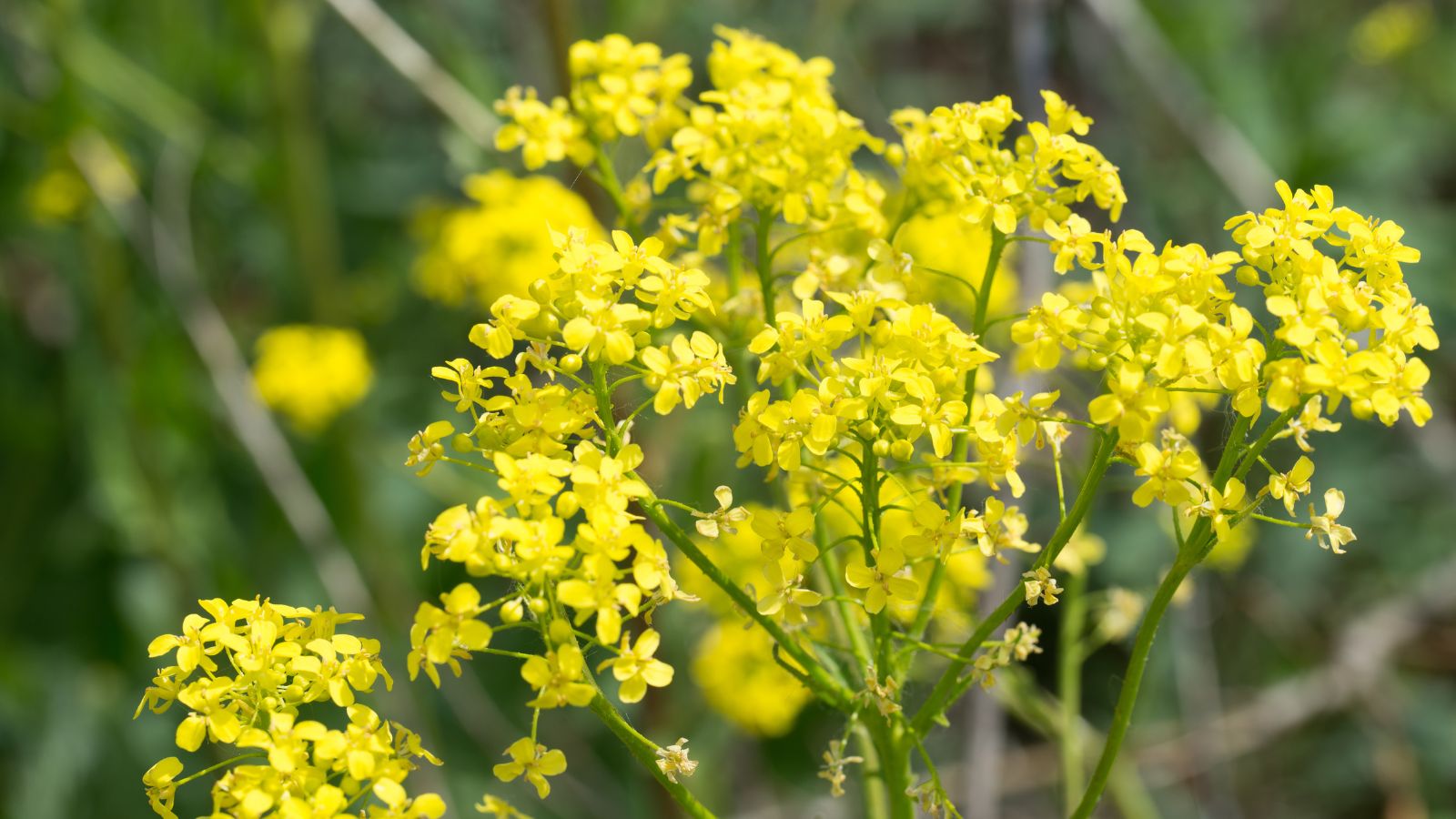
Turkish rocket is drought-resistant, hardy, and nearly all parts of the plant are edible at some point during the year. It produces blooms that resemble broccoli, which are also the most flavorful part of the plant.
This is a smaller vegetable, with plants reaching only four to six inches tall. Turkish rocket grows best in full sun but also performs well in partial shade. Soil quality has little impact on its ability to thrive, making it a reliable option for a wide range of growing conditions.
Wild Leeks
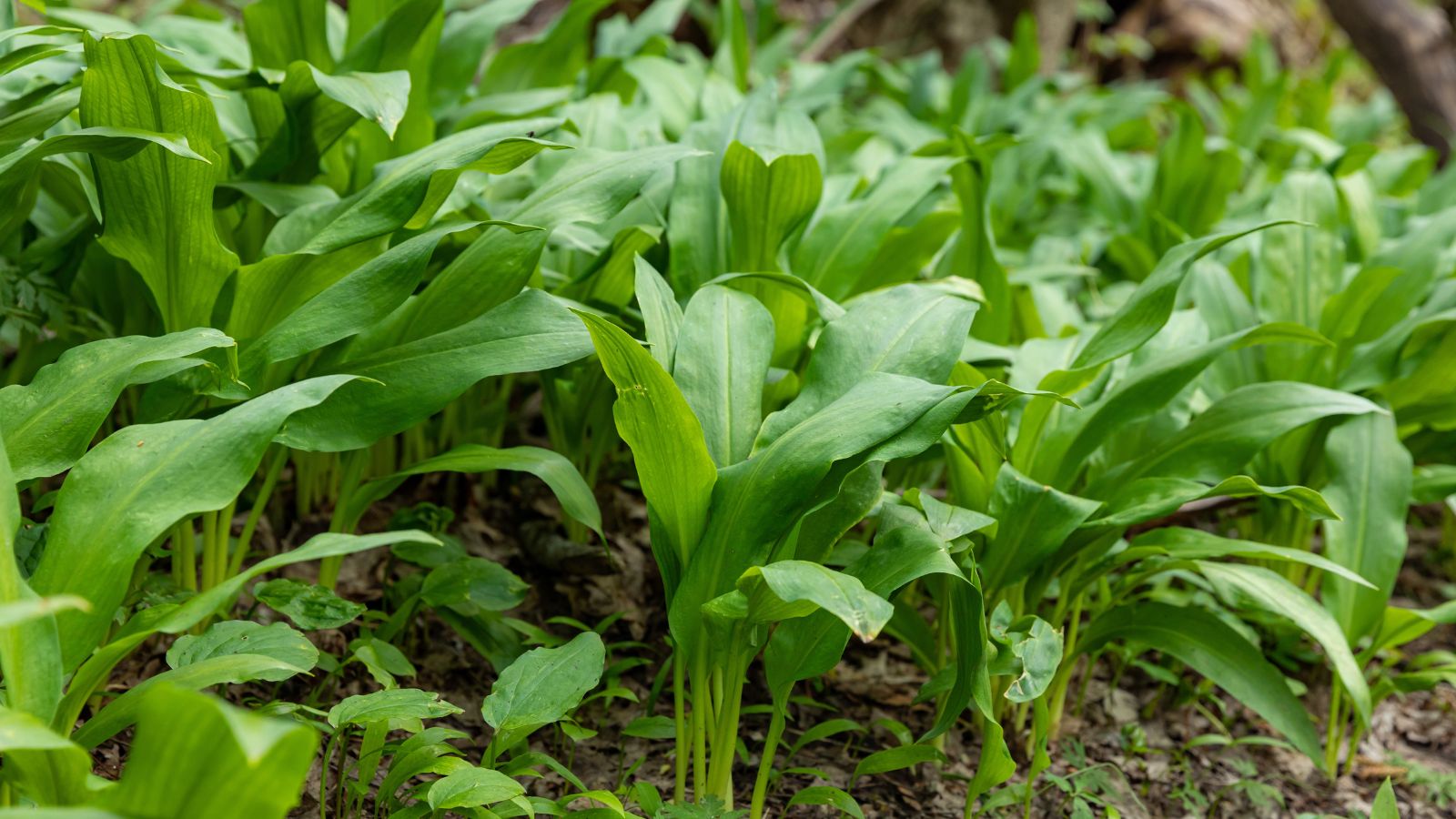
Wild leeks require nutrient-rich, well-maintained soil to grow successfully. They prefer shaded locations with consistently damp soil and do not tolerate drought conditions.
These plants can be challenging to grow because they need a period of cold after germination begins. As a result, wild leeks may take anywhere from a few months to more than a year to produce an edible harvest, depending on when you plant them during their first growing season.
Arrowhead
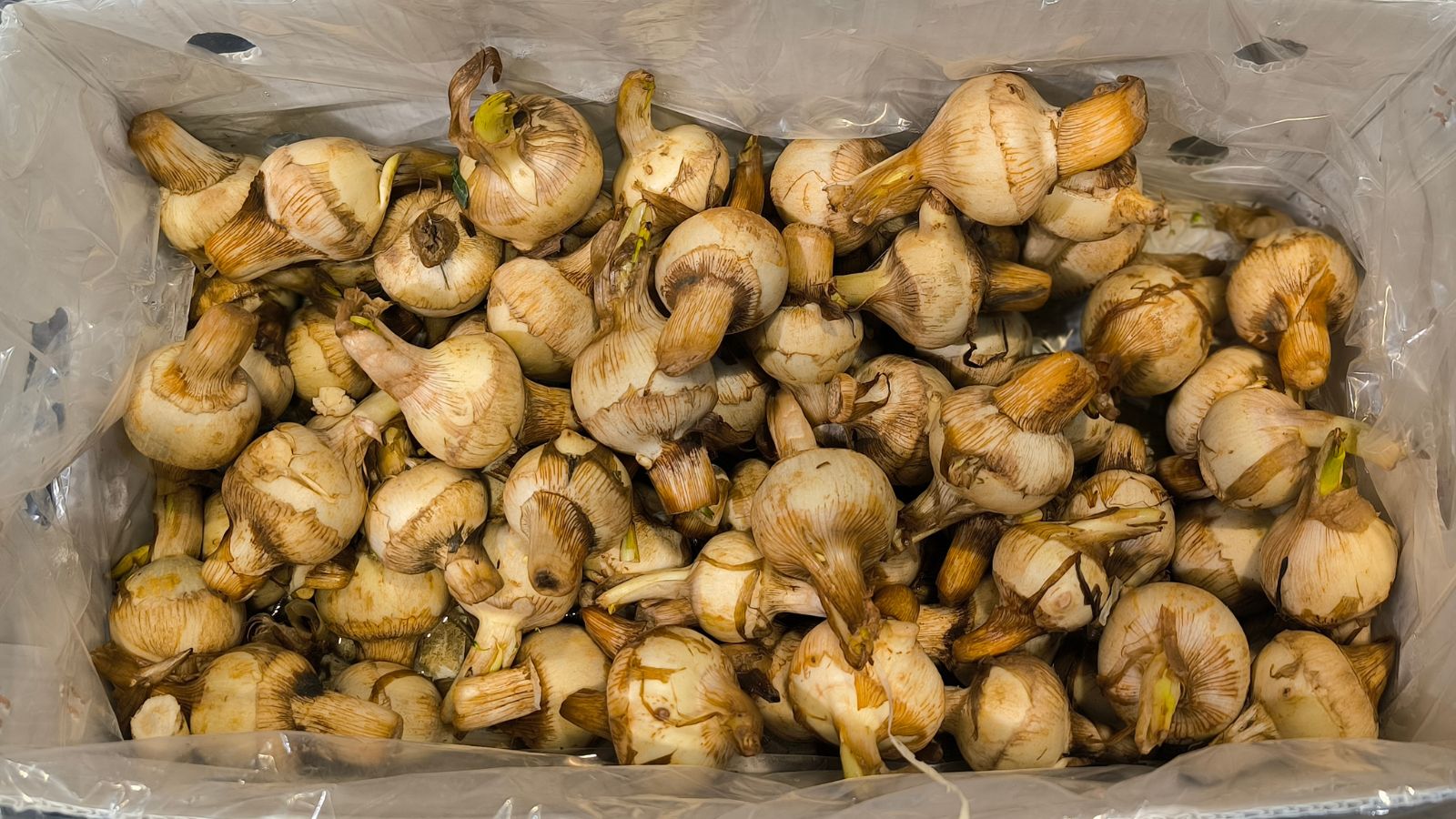
Arrowhead is a wild plant often grown indoors as a houseplant, but it also has value as an edible plant. Both the tubers and leaves are edible when roasted. The plant grows to about four inches tall and can be harvested in fall or early spring.
Arrowhead is a starchy plant that performs best in evenly moist soil.
Common Camas

Another popular plant among Indigenous peoples in North America, the common camas is a beautifully flowering species with bulbs that people traditionally boil into a sweet delicacy.
This plant grows at high altitudes and tolerates a wide range of temperatures, which makes it a hardy and reliable food source.
Chicory
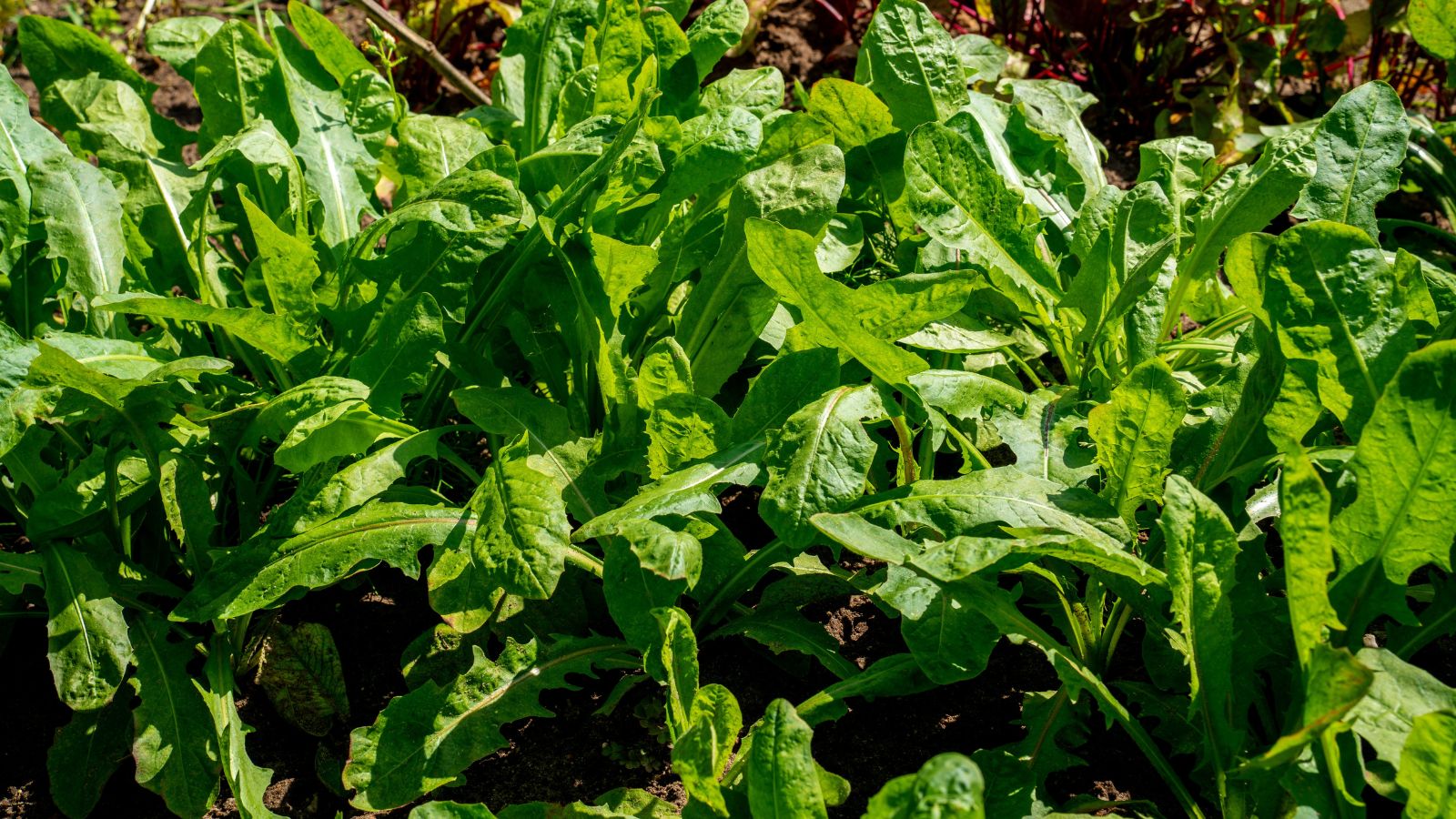
Chicory matures in 75 to 85 days and can be planted later in the season for a fall harvest. Like many other vegetables, it grows best in a bed cleared of weeds. Mulch helps retain moisture in the soil, allowing chicory to thrive.
Chicory grows in a similar way to lettuce and other leafy greens. It prefers planting before the last frost and performs best in well-drained soil. Sow seeds about one quarter inch deep and thin seedlings to space plants six to 12 inches apart, with roughly two feet between rows to allow room for growth.
Chinese Yam
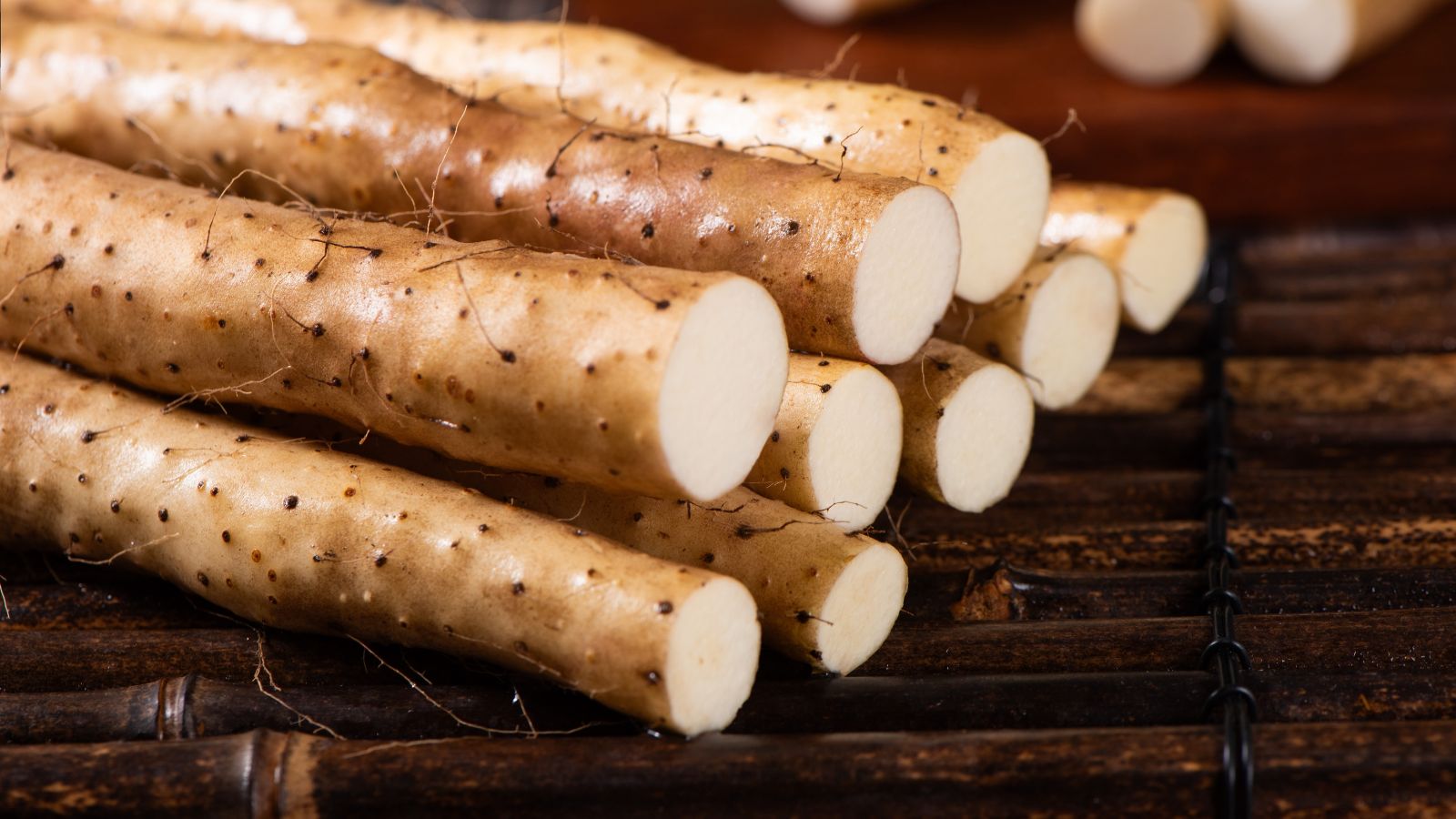
Chinese yam is a versatile tuber that resembles a potato. You can plant it and leave it in the ground to harvest late into winter, rather than harvesting in fall like many other crops. This growth habit makes it a reliable option for later food availability and long-term sustainability.
The plant takes about one year to fully mature and produce a harvest, but older plants tend to yield higher-quality tubers. It prefers full sun but also grows well in partial shade. Traditionally grown in China, Chinese yam adapts well to other regions, including Northern California.
Giant Solomon’s Seal
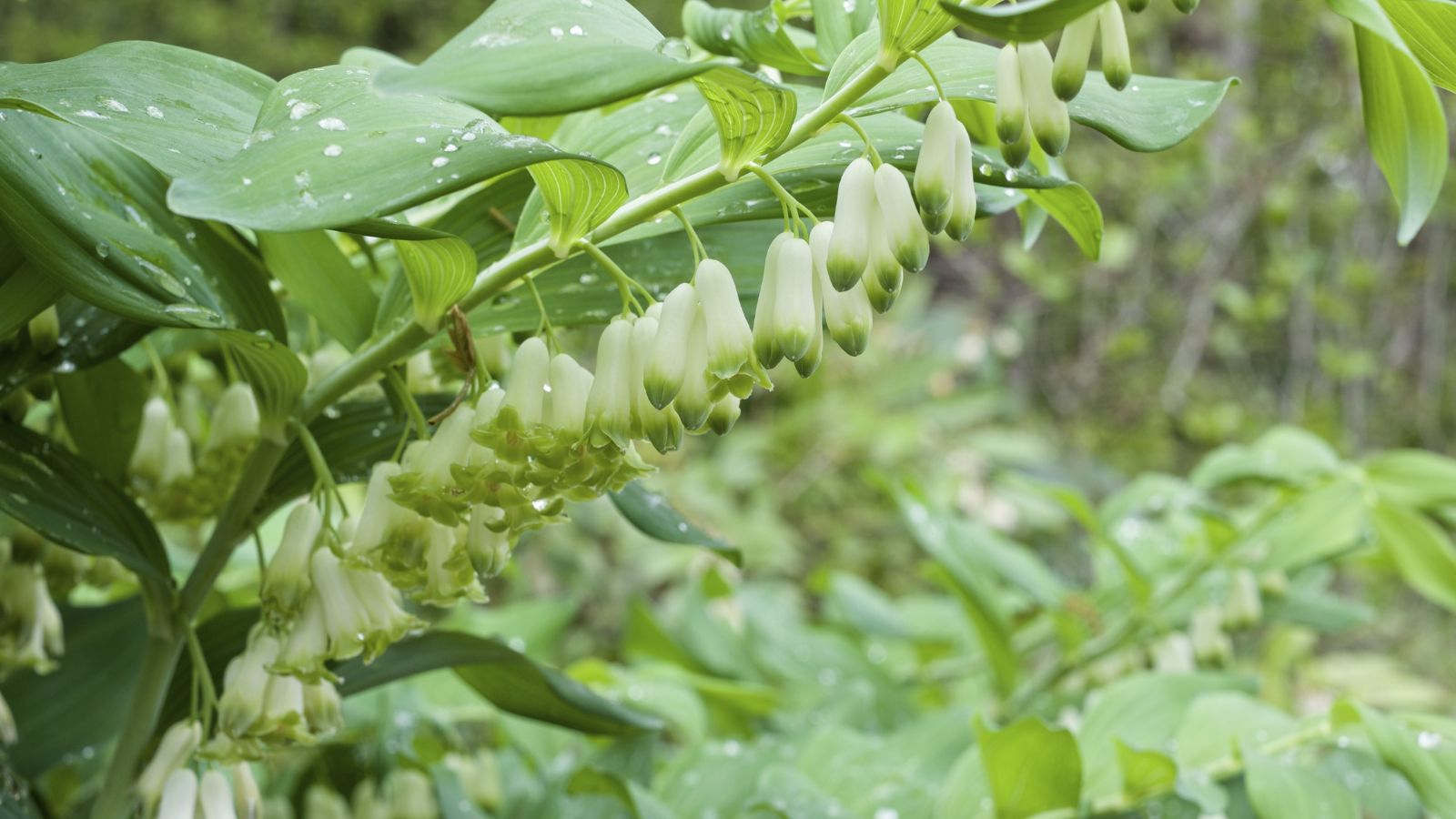
Giant Solomon’s seal is another plant valued primarily for medicinal use, but it is also edible and hardy. It grows between one and three feet tall and spreads to about one and a half feet wide. Its natural deer resistance makes it a practical and attractive addition to the garden.
Watercress

Watercress adds a peppery bite to salads and grows well both indoors year-round and outdoors in the garden. Harvest it before the flowers bloom, as flowering negatively affects flavor.
Watercress needs full sun and consistently wet soil to thrive. Because of these moist conditions, it tends to attract insects and snails, which means it requires more regular maintenance than many other vegetables.
Broccoli
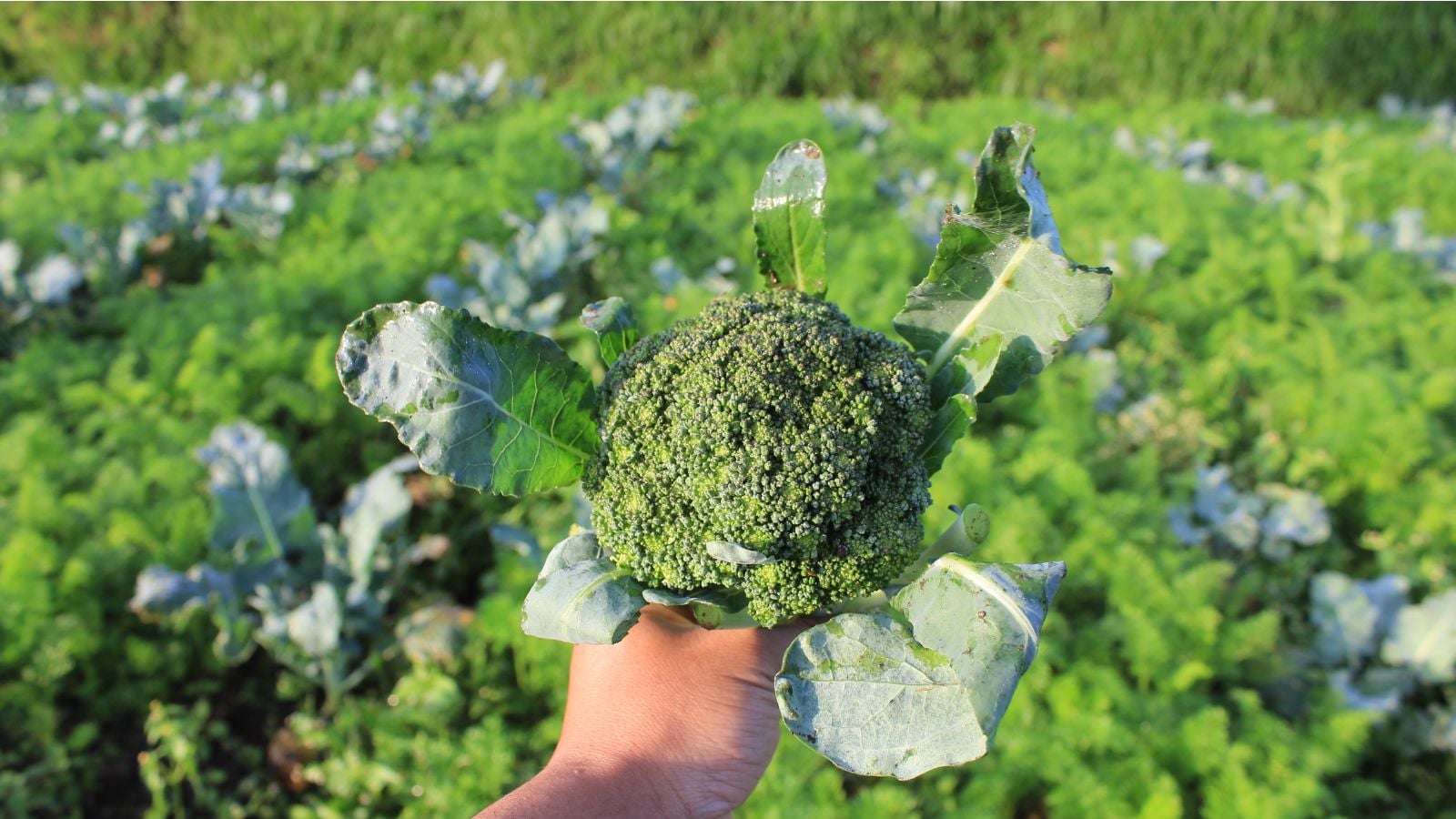
Broccoli is a cool-season vegetable, so plant it several weeks before the last frost in spring if you want a mid-summer harvest. Space plants 12 to 24 inches apart to give them enough room to grow.
The edible portion of broccoli is the flowering head before the flowers open. Heads typically reach about four to seven inches in size. Once the flowers bloom, the plant is no longer suitable for harvest.
Kale

Kale is one of the most nutrient-rich vegetables available. Just a few plants can provide a steady weekly harvest to feed your family throughout summer. The plants are ready to harvest after about 30 days, when the leaves reach roughly the size of your hand.
Kale tolerates cold conditions well, and you can continue harvesting even after the first snowfall.
Leek

Leeks are related to onions but grow much larger. They prefer cooler conditions and develop better flavor when they mature before the last frost.
Leeks are biennial rather than fully perennial, so gardeners need to replant them every couple of years. However, you can regrow new plants from kitchen scraps, which makes them a reliable and ongoing food source.
Shallot

Shallots are another member of the onion family and grow quickly, providing a reliable and ongoing food supply. They perform best in warmer climates, Zone 5 or warmer, although you can also grow them in Zone 4 later in the season.
They require drier soil conditions to prevent the bulbs from rotting. If the plants begin to flower, remove the flower stalks so the plant can direct its energy toward bulb development.
Cardoon
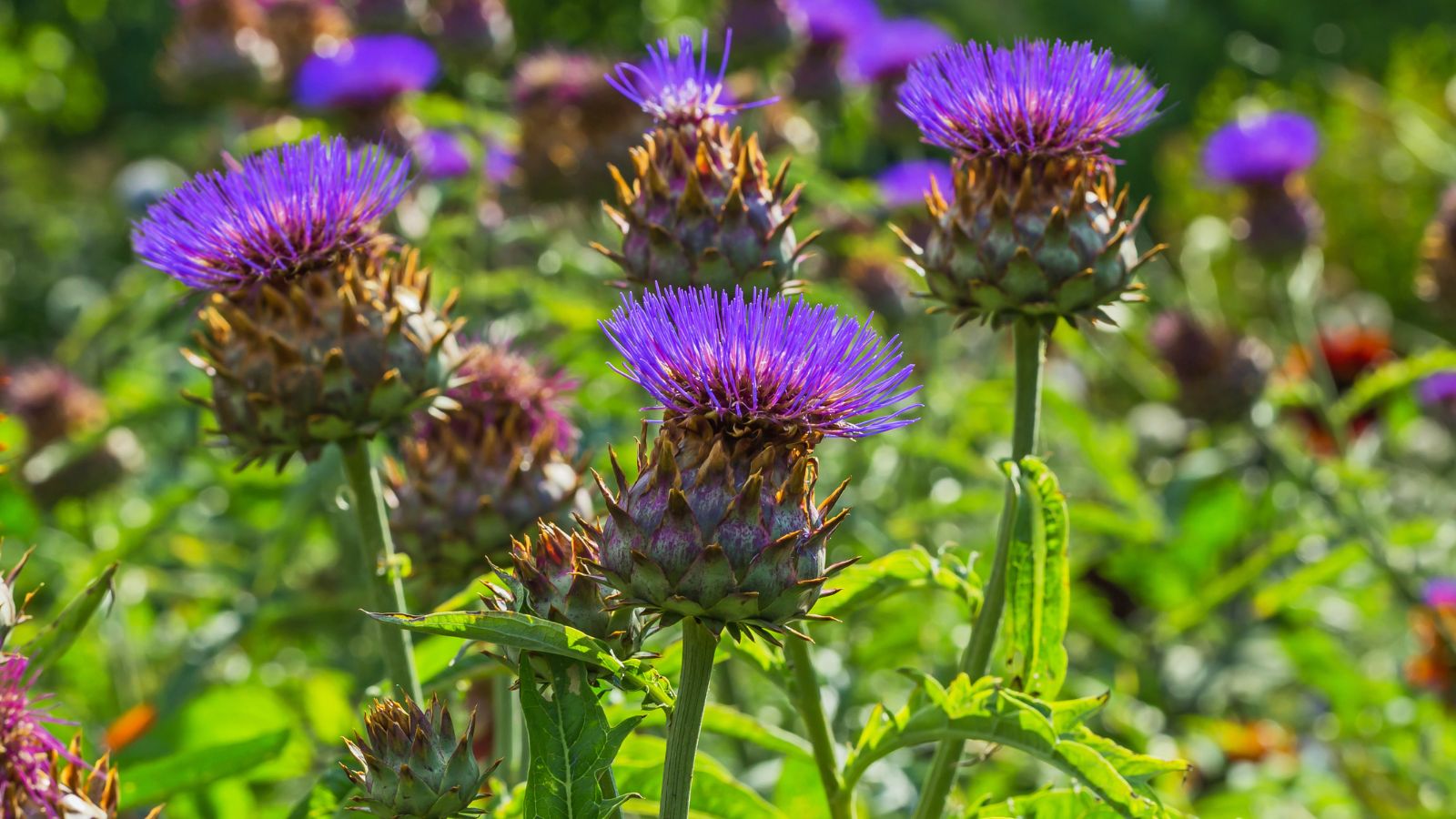
Cardoon is a celery-like plant with stalks that are blanched and eaten in a similar way to celery, although it belongs to the same family as artichokes.
The plant grows up to four feet tall and about two feet wide. Cardoons need regular watering, but the soil should dry out between waterings to reduce the risk of fungal growth. You can freeze or can the stalks for year-round use.
Capsicum

Plants in the Capsicum genus can grow as perennial vegetables in tropical zones. These plants include sweet peppers, cayenne pepper, and paprika. They grow best in full sun in cooler zones and benefit from some shade in hotter areas to protect them from intense midday heat.
Taller pepper plants need support, as the developing fruit can weigh down the stems. When temperatures become too hot or too cold, plants often drop their flowers. In zones with mild spring and fall conditions, growers can enjoy two pepper harvest seasons each year.
Spinach

Spinach grows best in cooler temperatures, making it ideal for spring and fall harvests. It tolerates light frost and prefers soil rich in organic matter. Spinach performs best in full sun with at least eight hours of direct sunlight each day.
Spinach also requires consistent moisture. A drip irrigation system can help maintain even watering, but it is not essential as long as you monitor soil moisture carefully and prevent it from drying out.
Spinach faces relatively few pest and disease issues, which makes it an easy and low-maintenance crop to grow.
Sweet Potato

Sweet potatoes are susceptible to frost, which makes them difficult to grow in cooler zones. They are easy to grow and relatively low maintenance, but they require more than 90 days to mature.
Plant sweet potatoes six inches deep and space them 12 inches apart to give them adequate room to grow. Keep the soil moderately moist until about one week before harvest, then allow it to dry slightly. Sweet potatoes perform better in soil that is slightly too dry rather than overly wet.
Cabbage

Cabbage grows best in spring or fall and produces the highest-quality harvests in cool but not extreme temperatures. It needs nutrient-rich, well-drained soil with plenty of organic matter. Adding compost improves soil structure and helps cabbage develop into a stronger, more productive vegetable.
Cabbage can take anywhere from 80 to 180 days to reach harvest, so advance planning is essential. It performs best when temperatures remain moderate through the summer months.
Collards

Collard greens are a popular perennial vegetable in the southern United States. Gardeners often harvest them in fall or early winter. Collards tolerate both frost and heat, which makes them a versatile option across many zones.
They prefer moist, fertile soil and need about three feet of space between plants to grow well.
Chinese Artichoke
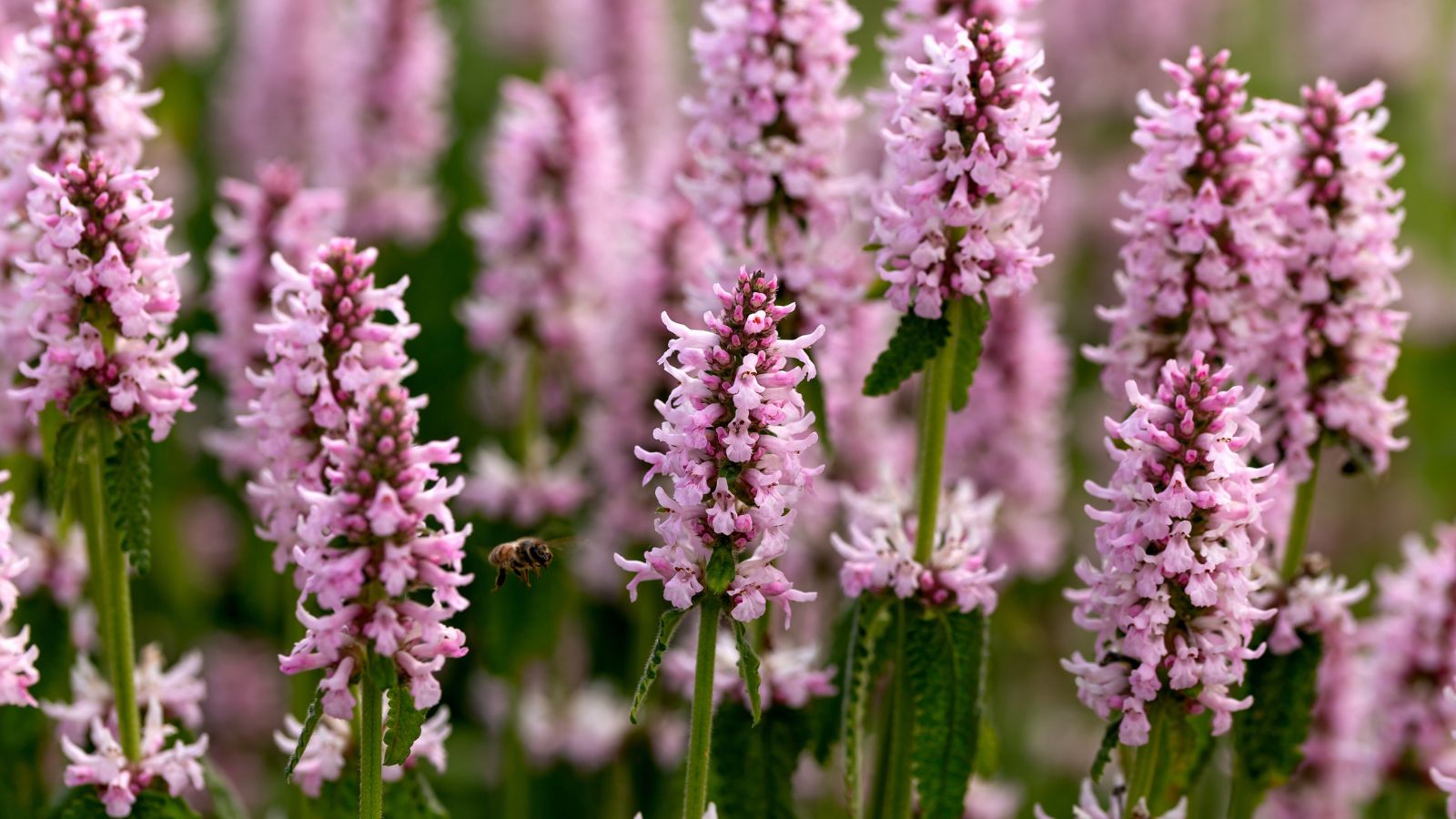
Chinese artichokes (Stachys affinis) belong to the mint family and, like mint, can spread aggressively if left unmanaged. They produce flavorful tubers but do not store well, which makes them a more challenging vegetable to maintain.
Chinese artichoke tubers can be eaten raw or added to salads, soups, and other dishes. They take five to seven months to mature and are ready for harvest once the plant goes dormant, typically in fall or winter.
Capers
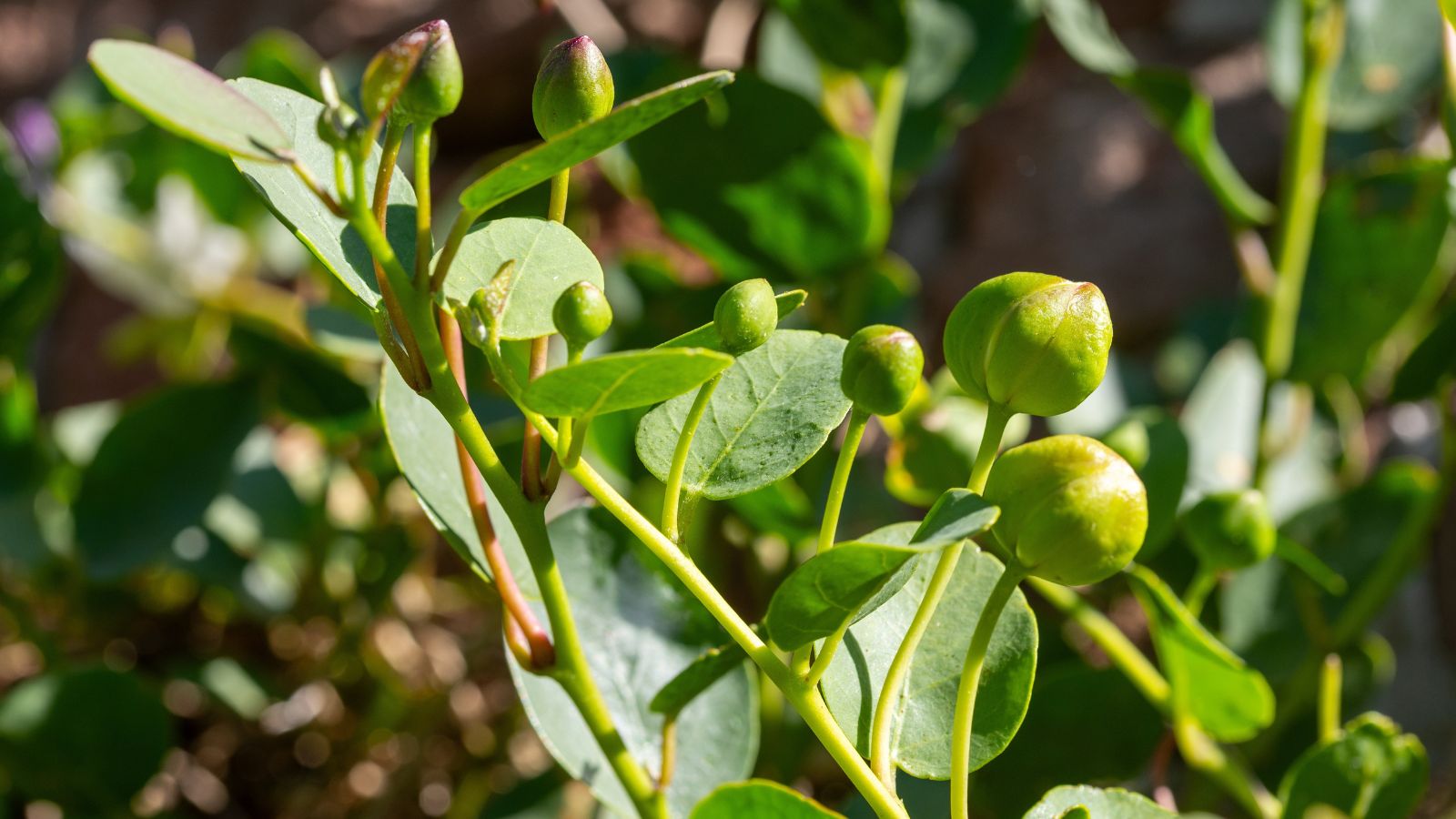
Capers are unopened flower buds harvested from bushes that grow about three to five feet tall. They have a strong, pungent flavor and are typically used to season dishes or add a sharp burst of flavor rather than eaten on their own. Their taste is often compared to a mix of pepper and mustard.
Caper bushes need consistent sunlight and dry air to thrive. They tolerate extreme heat well and can withstand temperatures up to 105°F (41°C). Like olives, capers suit Mediterranean-style climates and can be harvested at different stages, with bud size influencing flavor intensity.
Chayote

Chayote is a vine that produces a squash-like fruit with a nutty flavor. In some areas of the U.S., it is also called mirliton. The vines can grow up to 50 feet long and perform best in full sun. They will grow in partial shade but produce less fruit.
Chayote prefers loose, well-drained soil with consistent moisture. Adding compost improves soil structure and provides the organic nutrients this plant needs for strong growth.
Daylilies

Daylilies are not only ornamental flowers. In China and Japan, people grow them as vegetables, and they perform just as well in the United States. In some regions, certain species behave invasively and should not be planted directly in the ground.
You can harvest the flower stems and steam them like asparagus or add them raw to salads.
American Lotus

The American lotus has edible seeds and can also be eaten as a mature plant. Young leaves resemble spinach and can be cooked or eaten raw in salads. The roots are edible as well and are similar to tubers and potatoes.
The American lotus does not offer a wide range of nutrients, but it serves as an excellent source of carbohydrates.
Giant Butterbur
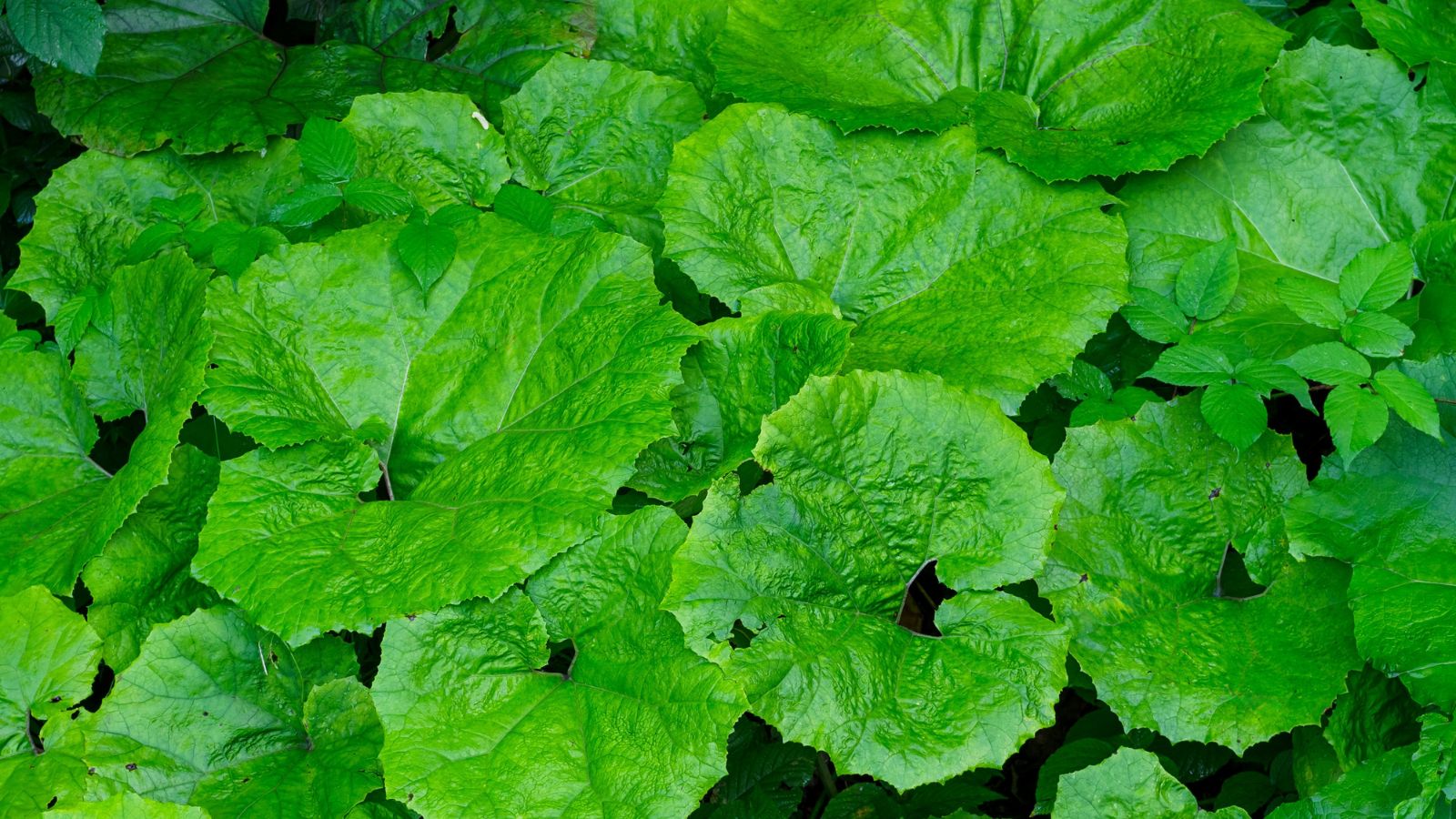
Giant butterbur grows best in mostly shaded conditions with moderate, consistent moisture. Gardeners harvest the young shoots and chop them for stir frying as a relish or frying in tempura.
This plant contains antioxidant compounds and has a long history of use as a health-supporting food.
Japanese Ginger
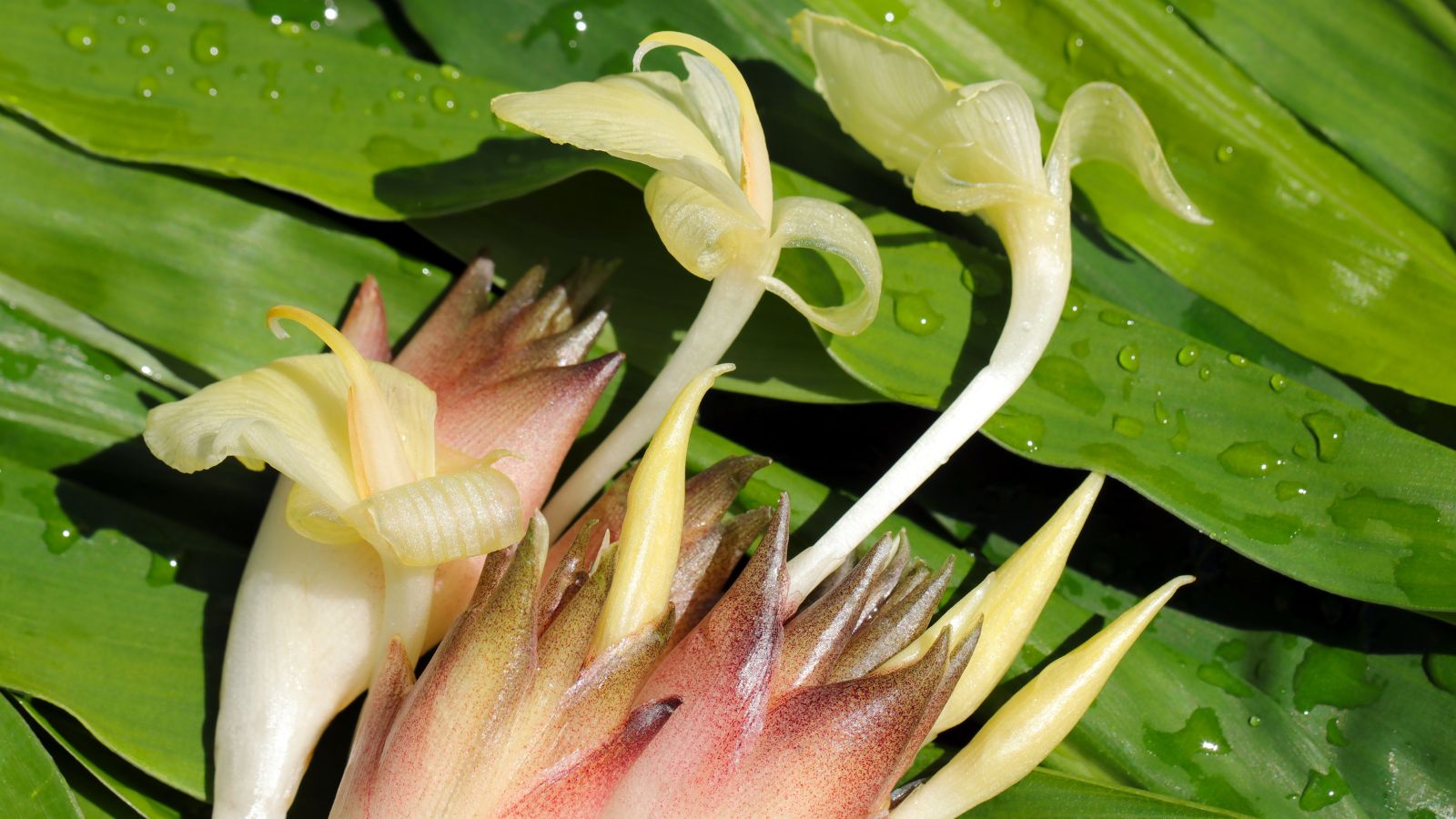
Japanese ginger grows best in rich, well-drained soil and prefers partial shade throughout the day.
Japanese ginger is not a true ginger root. Its flavor falls somewhere between ginger and onion, which gives it a distinctive, aromatic taste. It works well as a garnish or ingredient in dishes that typically use green onions or shallots.
Cassava

Cassava, also known as yuca, is a starchy root crop high in carbohydrates. Harvesting can take up to 18 months. It performs best in dry climates and requires heat to thrive.
In cooler regions, you can grow cassava indoors, but it produces the best results in hot, desert-like conditions. The root serves as the edible portion of the plant, which is why it needs a long growing period. Cassava must be properly processed before consumption to remove naturally occurring toxic compounds.
Yacon
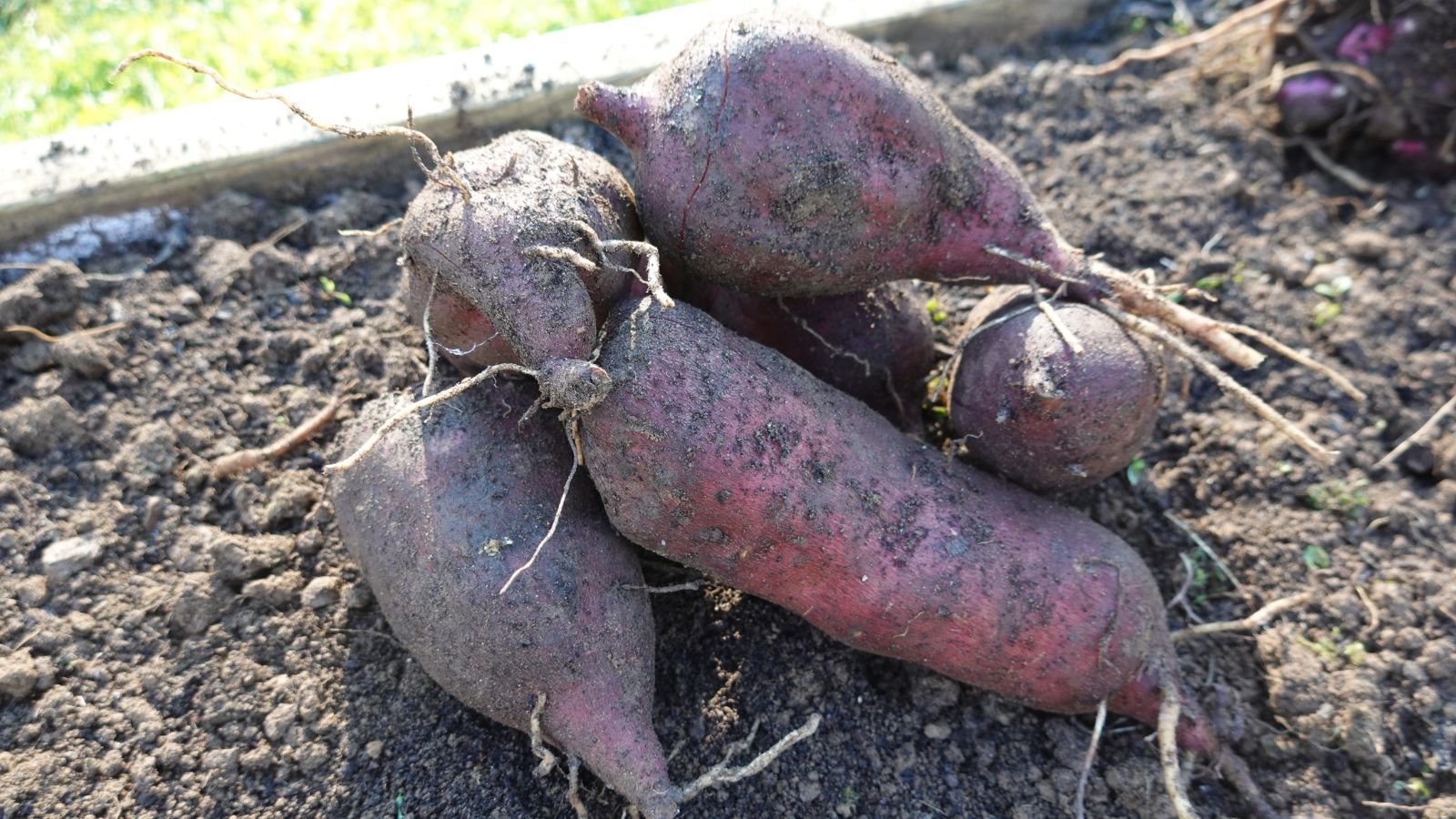
Yacon resembles a sunflower above ground, but its roots are more similar to potatoes. Yacon has a unique characteristic that is uncommon in other plants. Unlike most sweet foods, yacon gets its sweetness from inulin rather than sugar.
The human body cannot metabolize inulin, which makes yacon a suitable option for people with diabetes or those limiting carbohydrate intake. The plants grow slowly but require minimal care in the garden. When it is time to harvest, allow the roots to dry before storage or use.
Lima Bean

Lima beans are highly nutritious and hardy perennial vegetables. They require warm soil above 65°F (18°C) to grow successfully. Space rows about two feet apart, with plants positioned two to four inches apart within each row.
The plants take about 70 days to produce a harvest and yield generously. You can store fresh lima beans in the refrigerator for up to two weeks or freeze them for longer storage, which makes them a versatile crop.
Sesbania
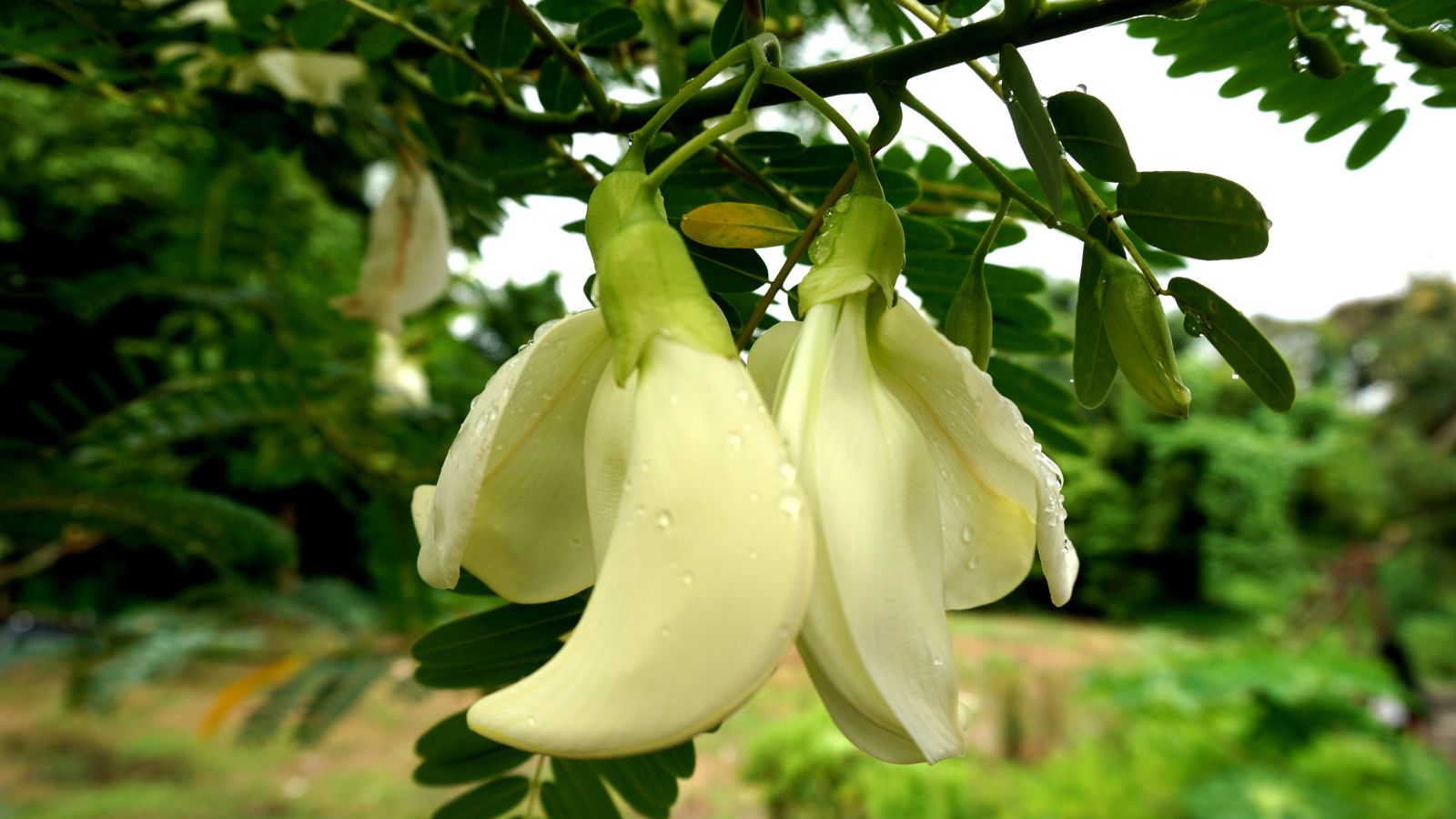
Sesbania is a heat-tolerant plant valued for its edible pods, which you can prepare in a similar way to green beans. You can sauté them with other vegetables or add them to soups.
The plant grows quickly from seed and remains relatively easy to care for unless conditions become extremely harsh.
Hawaiian Chili Pepper
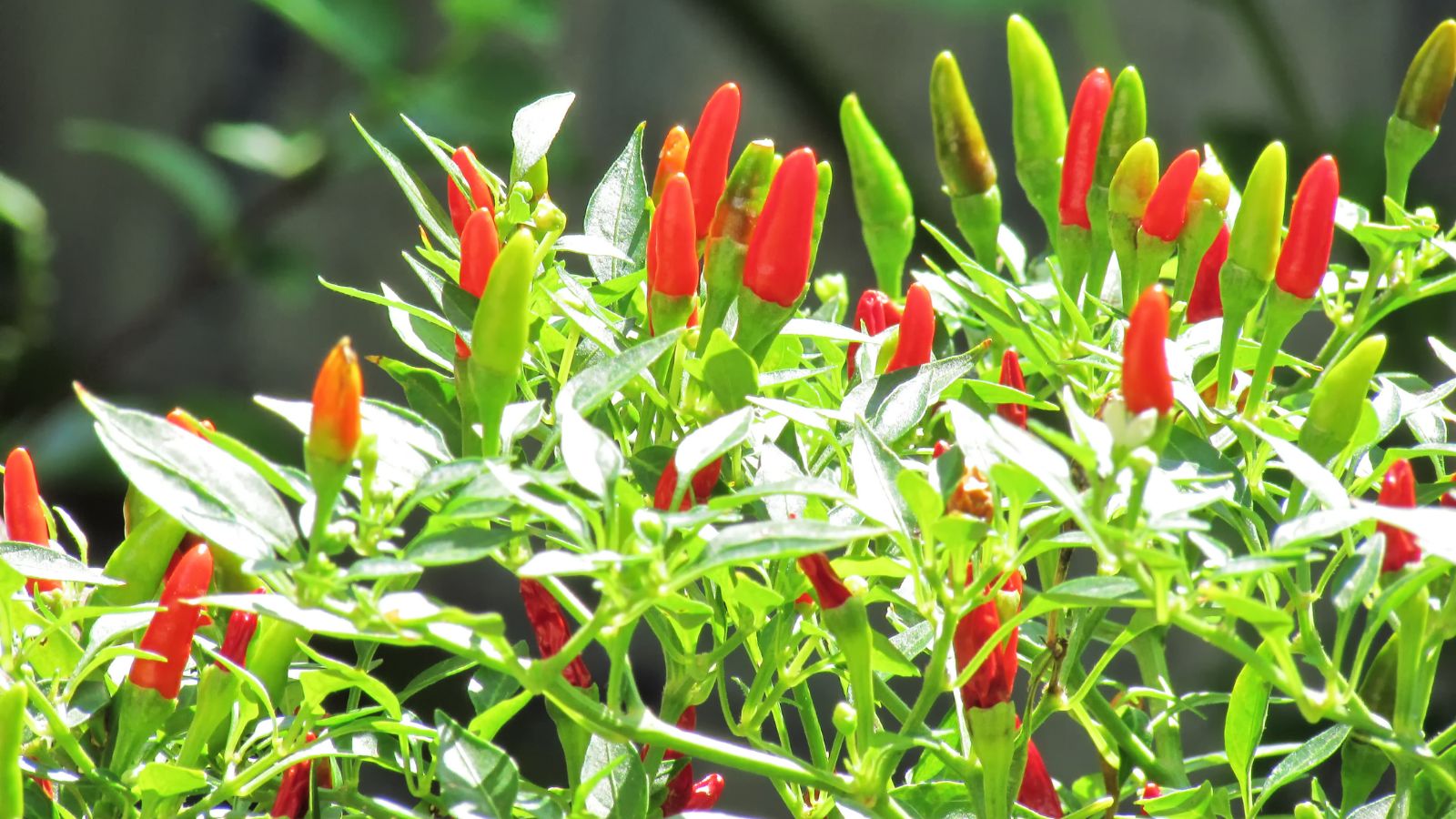
Hawaiian chili peppers belong to the Capsicum genus, like other sweet peppers, but they tolerate the high heat and humidity typical of Zones 10 to 13.
These small, spicy peppers grow year-round in warm soil. When the plant reaches about one foot tall, trim it back to encourage thicker, bushier growth. These plants need at least eight hours of direct sunlight each day. The more sun they receive, the higher the yield.
Hawaiian chili peppers prefer moist soil and need regular watering during the hottest months to support consistent growth.
Key Takeaways
No matter which hardiness zone you live in, a range of perennial vegetables can grow successfully. Many of these plants are beginner-friendly and easy to maintain. Depending on how much time and effort you want to invest, several of these vegetables can thrive in gardens of all sizes and styles.