35 Recommended Salvia Varieties for the Low-Maintenance Perennial Garden
Sages are all the rage, and for good reason! They’re superb members of the Mint family, growing well in gardens throughout the country. Find the best one for your yard here, as native plant gardener Jerad Bryant shares 35 of the hardiest varieties.


Contents
The Salvia genus is incredibly diverse! It includes herbs like garden sage and rosemary, floral powerhouses like autumn sage, and hardy shrubs such as Coahuila and Cleveland sages. There are dozens of options for gardens, no matter how desolate they appear!
The hardiest Salvia varieties are often herbaceous perennials; they die back in the fall and conserve energy in their roots throughout the winter. Then, in spring, they emerge with new shoots that bloom spikes of showy blossoms! They’re some of the showiest perennials for the yard.
Many of these perennial Salvia species and varieties are native to North America, as they prefer the desert-like conditions of the West and Southwest. Others are native to Mexico on dry or mountainous lands. Some like it moist, while others prefer a dry culture.
Find a variety that prefers growing in the conditions of your yard. Use native species or consider hybrids that thrive in garden settings. This creates a low-maintenance site you won’t have to worry about during the growing season.


Anise-Scented Sage


|
common name Anise-Scented Sage |
|---|---|

|
botanical name Salvia guaranitica |

|
sun requirements Full sun to partial shade |

|
height 4-5’ |

|
hardiness zones 7-10 |
This candidate is perfect for warm climates where its blue-violet flowers can shine under the summer sun. The perennial anise-scented Salvia variety is known for its aromatic foliage and flowers. Crush or rub them to take in the aroma.
A few varieties offer quite the selection for home gardeners. Try ‘Black and Blue’ for striking deep blue blossoms that sprout from dark purple sheaths called “calyxes.” The large cultivar ‘Costa Rica Blue’ may reach over six feet tall! It has blue blossoms similar to ‘Black and Blue’ with purple calyxes.
Autumn Sage

|
|
common name Autumn Sage |
|---|---|
|
|
botanical name Salvia greggii |
|
|
sun requirements Full sun to partial shade |
|
|
height 1-4’ |
|
|
hardiness zones 6-9 |
This species is growing in popularity every year! Autumn sage is a woody shrub that’s evergreen or deciduous depending on how cold it gets during the winter.
This plant is native to parts of Texas and Mexico, though it performs well in other areas like the West Coast and the Pacific Northwest. It often grows back in the spring after dying back in winter.
Many different cultivars offer an immense variety of flower colors. Opt for pink, white, or red types that match your garden’s style. ‘Alba’ is my favorite; it has brilliant white blossoms that shine under the moon or the sun.
Beach Sage

|
|
common name Beach Sage |
|---|---|
|
|
botanical name Salvia aurea |
|
|
sun requirements Full sun |
|
|
height 4-8’ |
|
|
hardiness zones 8-11 |
Newcomers to your backyard may ask you about beach sage’s blooms. They look brown and withered when they emerge! They’re not dead, and their dull color contrasts beautifully with the gray-green foliage that sprouts on the stems.
Native to South Africa, this Salvia species excels in sandy, coastal areas with high humidity levels. Though the plants appreciate moisture, they’re incredibly drought-tolerant after getting established in an area. Grow them in gardens where winter temperatures stay above 20°F (-7°C).
Black Sage

|
|
common name Black Sage |
|---|---|
|
|
botanical name Salvia mellifera |
|
|
sun requirements Full sun to partial shade |
|
|
height 3-6’ |
|
|
hardiness zones 8-11 |
Drought-tolerant black sage originates from California. It’s a woody evergreen shrub that prefers growing in warm regions without harsh winter frosts. Use it in a little tended area of your yard with other sun-loving species like cacti and sedum.
This species is an ideal pollinator attractant; its whitish-lavender blossoms lure butterflies and bees with nectar and pollen.
Buchanan Sage

|
|
common name Buchanan Sage |
|---|---|
|
|
botanical name Salvia buchananii |
|
|
sun requirements Full sun to partial shade |
|
|
height 3-4’ |
|
|
hardiness zones 9-11 |
The Buchanan species hails from Mexico. It’s a shrubby perennial Salvia variety that retains its foliage in warm zones. It’s rare in the wild but common in gardens, as it has a long history of cultivation in the U.K.
Though they don’t set seeds well, this perennial’s flowers are showy! They’re a deep magenta color, sprouting all along a tall stem. Pair this plant with other showy Salvia varieties for a colorful display.
Canary Island Sage

|
|
common name Canary Island Sage |
|---|---|
|
|
botanical name Salvia canariensis |
|
|
sun requirements Full sun |
|
|
height 6-8’ |
|
|
hardiness zones 8-11 |
Canary Island sage is one hardy specimen! It survives light frosts to 25°F (-4°C), and it’s incredibly drought tolerant. It’s endemic to the Canary Islands, where it attracts bees, birds, and butterflies.
The blooms are the main reason to grow this species. They’re large and showy, with pink-purple blossoms and maroon calyxes. Use them as cut flowers in arrangements, or leave them in the garden to feed local insects.
Chia Sage

|
|
common name Chia Sage |
|---|---|
|
|
botanical name Salvia gesneriiflora |
|
|
sun requirements Full sun |
|
|
height 4-8’ |
|
|
hardiness zones 8-11 |
Soft, fuzzy leaves adorn these shrubs. They’re also aromatic, emitting a lovely fragrance that some may find too strong! From fall through spring, expect drooping bright orange-red flowers on footlong stems.
Though gorgeous, this variety does best with some protection. It’s prone to breakage from wind and intense rains. In zone 8, this Salvia variety will act like a perennial instead of a shrub. Cover the roots in the winter with mulch and wait for new shoots to emerge in spring.
Chiapas Sage

|
|
common name Chiapas Sage |
|---|---|
|
|
botanical name Salvia chiapensis |
|
|
sun requirements Full sun to partial shade |
|
|
height 2-4’ |
|
|
hardiness zones 8-11 |
Chiapas sage receives its name from the region it hails from; it originates in Chiapas, Mexico in cloudy forests full of moisture. Plants are short and dense under direct sun and long and elegant in the shade. Unlike other Salvia plants, this species thrives in the shade where summers are hot.
The more shade the plants receive the less water they need, making them great candidates for dry shade. Ensure they have consistent moisture while they establish themselves, then occasionally thereafter.
Chiapas sage’s hot pink blooms are attractive and vibrant. They contrast well with the green foliage, creating a pleasing effect in pollinator and cottage gardens.
Cleveland Sage

|
|
common name Cleveland Sage |
|---|---|
|
|
botanical name Salvia clevelandii |
|
|
sun requirements Full sun |
|
|
height 3-5’ |
|
|
hardiness zones 9-11 |
This plant rocks the best of both worlds—it’s an amazing garden plant and it thrives in the wild! You’ll see it growing around Southern and Baja California in dry areas with good drainage. It has brilliant blue flowers in early summer as the heat ramps up.
Cleveland types grow into well-rounded shapes with evergreen foliage throughout. The leaves are aromatic and edible, making delicious teas and fragrant potpourris. Use this shrub to line borders and beds or as a focal point in a drought-tolerant garden.
Coahuila Sage

|
|
common name Coahuila Sage |
|---|---|
|
|
botanical name Salvia coahuilensis |
|
|
sun requirements Full sun |
|
|
height 2-3’ |
|
|
hardiness zones 8-11 |
A shrubby perennial, Coahuila sage adorns itself in lush, lanceolate leaves that have a rich green sheen. Off the shrub sprout tall spires of dark violet blooms. They start in early summer and continue until the first frost.
This species may enter dormancy during cold winters. In late winter, cut the shrubs to eight inches above the ground to encourage regrowth in spring.
Darcy Sage

|
|
common name Darcy Sage |
|---|---|
|
|
botanical name Salvia darcyi |
|
|
sun requirements Full sun to partial shade |
|
|
height 3-4’ |
|
|
hardiness zones 6-11 |
Darcy sage is native to northeastern Mexico and spreads by rhizomes beneath the soil surface. Find this cultivar throughout dry landscapes in the region. The stands erupt into bloom with fiery, scarlet-red blossoms on long, flimsy stalks.
A true perennial, this species enters winter dormancy and resides underground in the cool months. Keep the soil on the dry side during dormancy to prevent the roots from rotting. You’ll see new shoots as days lengthen and warm from late winter through spring.
Desert Sage

|
|
common name Desert Sage |
|---|---|
|
|
botanical name Salvia dorrii |
|
|
sun requirements Full sun |
|
|
height 1-3’ |
|
|
hardiness zones 5-9 |
Desert sage thrives in the desert! It’s an evergreen shrub native to Washington and Idaho, and south through California and Arizona. Because of its wide range, this species works well in a variety of climates.
To thrive, this species needs well-drained soil and hot, dry weather. Sandy, silty sites are best, though you can also grow this plant in a container if your garden has poorly drained soil.
This shrub sprouts flowers differently from most other Salvia varieties; they form blue blossoms that emerge from dark blue calyxes. The showy, tough shrub is perfect for rock, desert, and wild plantings.
Dolomite Sage

|
|
common name Dolomite Sage |
|---|---|
|
|
botanical name Salvia dolomitica |
|
|
sun requirements Full sun to partial shade |
|
|
height 3-5’ |
|
|
hardiness zones 8-11 |
Dolomite sage originates from mountains in South Africa. It prefers alpine conditions with infrequent moisture, plenty of sunlight, and harsh weather. A shrub type, this plant prefers growing in regions without significant winter frosts.
Its blossoms appear in summer. The flowers form pairs on stems with purple blossoms and creamy white streaks. The leaves are equally showy, with prominent veins and a gray-green hue that helps them withstand harsh, mountainous conditions.
Eyelash Sage

|
|
common name Eyelash Sage |
|---|---|
|
|
botanical name Salvia blepharophylla |
|
|
sun requirements Full sun to partial shade |
|
|
height 1-2’ |
|
|
hardiness zones 7-11 |
The perennial eyelash Salvia variety acts like a groundcover, spreading over bare sites with creeping rhizomes underground. They root and form new shoots, creating dense stands with aromatic foliage and bright red blooms.
The eyelash species flowers over a longer period than most other varieties—you’ll see blooms year-round in warm regions! Colder climate gardeners will see fewer blooms in fall as the plants enter dormancy, though they can expect new buds the following spring.
Forsythia Sage

|
|
common name Forsythia Sage |
|---|---|
|
|
botanical name Salvia madrensis |
|
|
sun requirements Partial shade |
|
|
height 5-7’ |
|
|
hardiness zones 7-11 |
The Forsythia genus contains many different deciduous shrubs that explode into bloom with bright yellow, fragrant blossoms from late winter through early spring. The forsythia sage resembles these shrubs because it sprouts golden yellow flowers, though they appear in autumn rather than spring.
The golden blooms make excellent cut flowers in bouquets, lasting a few days or weeks in a vase with water. The leaves are uniquely heart-shaped and are smaller higher up on the plant than further down below. They also blend well in bouquets and floral arrangements.
Germander Sage

|
|
common name Germander Sage |
|---|---|
|
|
botanical name Salvia chamaedryoides |
|
|
sun requirements Full sun |
|
|
height 1-2’ |
|
|
hardiness zones 7-10 |
Germander sage is aptly named because it resembles germander, known scientifically as Teucrium chamaedrys. The leaves and flowers are similar in shape, though germander sage sprouts true-blue blossoms while germander sprouts pinkish ones.
This perennial Salvia variety takes well to deadheading and regular moisture, making it perfect for garden beds or borders. It’ll spread through underground runners, so divide the plants after they outgrow their space to keep them thriving.
Garden Sage

|
|
common name Garden Sage |
|---|---|
|
|
botanical name Salvia officinalis |
|
|
sun requirements Full sun to partial shade |
|
|
height 1-3’ |
|
|
hardiness zones 4-8 |
This may be the most popular one on the list! The garden variety of Salvia is a lovely shrub that may act as a perennial in the coldest regions. It forms aromatic, edible leaves that many chefs and cooks use to flavor meats, veggies, and bread.
Though most growers cultivate this type for its leaves, the shrub also opens up violet flowers in spring that attract bees and pollinators. Use them to garnish salads, charcuterie boards, and similar fresh dishes, or leave them in the yard to lure pollinators.
Guatemalan Leaf Sage

|
|
common name Guatemalan Leaf Sage |
|---|---|
|
|
botanical name Salvia cacaliifolia |
|
|
sun requirements Full sun to partial shade |
|
|
height 2-4’ |
|
|
hardiness zones 8-11 |
A rare Salvia species, this perennial variety sprouts trailing stems that root when they touch the ground. It’s an excellent choice for walls, hillsides, or borders where it can splay out and cascade down.
Dark blue flowers emerge from the stems in midsummer through winter in mild climates and through the fall in cold ones. Unlike other varieties, Guatemalan leaf sage prefers partial shade. The plant survives in full sun, though its blooms will be more brilliant and prolific in the shade.
Holway Sage

|
|
common name Holway Sage |
|---|---|
|
|
botanical name Salvia holwayi |
|
|
sun requirements Full sun to partial shade |
|
|
height 4-5’ |
|
|
hardiness zones 9-11 |
Native to Guatemala and Mexico, this perennial Salvia variety prefers growing with more moisture than other types. The holway species works well under trees, in shady gardens, and among other species like hellebores and hostas.
Attractive and lush, you’ll see triangular leaves sprouting off of long, trailing stems. They sprout brilliant red blossoms starting in autumn and ending in early spring. The blooms emerge from flowering stems that reach up to eight inches long, making them perfect for bouquets.
Hummingbird Sage

|
|
common name Hummingbird Sage |
|---|---|
|
|
botanical name Salvia spathacea |
|
|
sun requirements Full sun to partial shade |
|
|
height 1-2’ |
|
|
hardiness zones 8-11 |
This Salvia is a boon for hummingbirds and gardeners! It’s a low-growing species with aromatic foliage and dense flowering stems. The blossoms are a deep magenta, and the calyxes and bracts are a complimentary green-maroon color.
This perennial Salvia and its varieties prefer moist, rich garden soil and shady sites with a few hours of direct sunlight. Try ‘Kawatre’ for color-changing blooms that shift from pink to orange and red. It’s also hardier than the species, lasting through frigid winter temperatures to 10°F (-12°C).
Jamé Sage

|
|
common name Jamé Sage |
|---|---|
|
|
botanical name Salvia x jamensis |
|
|
sun requirements Full sun |
|
|
height 1-3’ |
|
|
hardiness zones 6-9 |
Many cultivars are mislabeled as autumn sages when they’re Jamé sages! You can tell the difference by the flower colors; any plants labeled Salvia greggii with orange, orange-red, or yellow blooms are Salvia x jamensis.
You can also find cultivars with white, purple, and salmon. Some have bicolor petals in contrasting shades. Try ‘Coral’ for orange-reddish blossoms. Opt for ‘Moonlight’ if you prefer a softer yellow. ‘San Isidro Moon’ is especially showy with pink-throated blossoms that shift to white on the petal ends.
Mexican Bush Sage

|
|
common name Mexican Bush Sage |
|---|---|
|
|
botanical name Salvia leucantha |
|
|
sun requirements Full sun to partial shade |
|
|
height 3-4’ |
|
|
hardiness zones 7-10 |
Mexican bush sage tolerates drought well, making it an ideal option for exposed sites. It sprouts soft, lush leaves with a velvety coating of fuzz and long spikes of purple-white blossoms with contrasting petals.
This species will need water once every two to three weeks during the growing season. It benefits from cutting back to reinvigorate itself with new growth. Do so in spring before new growth occurs, and again in midsummer in mild climates with long growing seasons.
Pineapple Sage

|
|
common name Pineapple Sage |
|---|---|
|
|
botanical name Salvia elegans |
|
|
sun requirements Full sun to partial shade |
|
|
height 3-5’ |
|
|
hardiness zones 8-10 |
Like garden types, pineapple sage grows in many gardens because we gardeners like eating the foliage! This perennial Salvia variety has a savory pineapple-like flavor that seeps well into teas, desserts, and cocktails. At the end of summer, the plant erupts into bloom with scarlet blossoms on eight-inch-long flowering stems.
This variety is moderately frost tolerant and often dies during harsh winters in zones 8 and 9. Take cuttings in the fall and overwinter them, or protect your shrub with plenty of mulch in autumn before the first frost arrives.
Platinum Sage

|
|
common name Platinum Sage |
|---|---|
|
|
botanical name Salvia canescens var. daghestanica |
|
|
sun requirements Full sun |
|
|
height 6-12” |
|
|
hardiness zones 5-8 |
Platinum sage is the perfect perennial Salvia variety for cold gardens. It originates from parts of Asia where it thrives with well-drained soil and plenty of sunlight during the growing season. It’s incredibly frost tolerant, growing well down to zone 5!
This variety is perfect for edges, borders, and rock gardens. Though it’s low-growing, its flowers reach a foot above the foliage on long stems. Grow it alongside other drought-tolerant plants like lavender, gayfeather, and varieties of Lewisia.
Prairie Sage

|
|
common name Prairie Sage |
|---|---|
|
|
botanical name Salvia azurea |
|
|
sun requirements Full sun to partial shade |
|
|
height 3-5’ |
|
|
hardiness zones 5-9 |
Prairie sage has a few names! You’ll sometimes find it labeled as a pitcher or blue sage. Its flowers are bluer than most other varieties. The lower petals have white spotting on them, and they’re incredibly ornamental.
This U.S. native shrub has leaning stems up to five feet long. Let them ramble and lean, or support them with stakes to maintain their upright positions.
Roseleaf Sage

|
|
common name Roseleaf Sage |
|---|---|
|
|
botanical name Salvia involucrata |
|
|
sun requirements Full sun to partial shade |
|
|
height 5-6’ |
|
|
hardiness zones 7-11 |
Oval leaves with small serrations and violet undersides adorn roseleaf salvias. These shrubby perennials originate from eastern Mexico, where they enjoy long, warm summers with plenty of sunshine. They appreciate some shade in the afternoon during the hottest hours.
The blooms are just as showy as the leaves! They appear from summer through fall on tall reaching stems, and their petals are pinkish-red with large lips. Opt for the cultivar ‘Boutin’ if you prefer a low-growing plant; it stays under four feet.
Rosemary

|
|
common name Rosemary |
|---|---|
|
|
botanical name Salvia rosmarinus |
|
|
sun requirements Full sun |
|
|
height 4-5’ |
|
|
hardiness zones 8-10 |
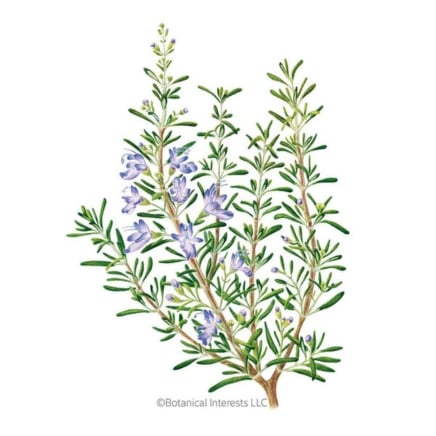
Another culinary species, rosemary is a woody shrub with stiff, needle-like foliage. Violet flowers sprout along the stems in fall, winter, and spring! Both the flowers and leaves are edible, adding a savory and herbal flavor to mashed potatoes, roasts, and sautés.
Rosemary appreciates a dry culture. It grows best in well-drained soil and six to eight hours of direct sunlight. Though frost tolerant, this shrub needs relatively dry soil throughout the winter; wet soil will cause root rot.
Salvia ‘Bee’s Bliss’

|
|
common name Salvia ‘Bee’s Bliss’ |
|---|---|
|
|
botanical name Salvia x ‘Bee’s Bliss’ |
|
|
sun requirements Full sun |
|
|
height 1-2’ |
|
|
hardiness zones 8-11 |
So far we’ve mentioned Salvia species, though a few varieties deserve to make the cut! ‘Bee’s Bliss’ is one of them. It’s a lovely sage that grows well as a ground cover in warm, dry soils. ‘Bee’s Bliss’ is a perennial hybrid variety of Salvia leucophylla and S. sonomensis.
This ground cover has soft, grayish leaves and rooting stems. Clusters of purple blossoms emerge in whorls from the short stems. Plant it in rock gardens or near rocky walls; it’ll spill over the rocks’ edges!
Salvia ‘Dara’s Choice’

|
|
common name Salvia ‘Dara’s Choice’ |
|---|---|
|
|
botanical name Salvia x ‘Dara’s Choice’ |
|
|
sun requirements Full sun |
|
|
height 2-3’ |
|
|
hardiness zones 8-11 |
‘Dara’s Choice’ is similar to ‘Bee’s Bliss,’ though it grows taller and has bigger floral spikes than the other hybrid. This variety is a hybrid of S. sonomensis and S. mellifera, and it comes from native shrubs that thrive in Southern California.
‘Dara’s Choice’ prefers free-draining, sandy soil and warm temperatures. It’ll sprout whorls of purple blossoms along footlong stems.
Salvia ‘Hot Lips’

|
|
common name Salvia ‘Hot Lips’ |
|---|---|
|
|
botanical name Salvia microphylla ‘Hot Lips’ |
|
|
sun requirements Full sun |
|
|
height 2-4’ |
|
|
hardiness zones 8-10 |
‘Hot Lips’ is a popular plant, and for good reason! Its multicolored white and red blossoms and aromatic leaves are spectacular in the summer. Blooming from spring until frost, ‘Hot Lips’ is one of the best cultivars for warm, temperate climates.
Like most heat-loving sages, ‘Hot Lips’ prefers infrequent watering. Let the dirt around the roots dry before adding more moisture, and plant the cultivar in well-draining soil.
Salvia ‘Indigo Spires’

|
|
common name Salvia ‘Indigo Spires’ |
|---|---|
|
|
botanical name Salvia ‘Indigo Spires’ |
|
|
sun requirements Full sun to partial shade |
|
|
height 3-4’ |
|
|
hardiness zones 7-11 |
‘Indigo Spires’ is a sprawling, shrubby variety with fuzzy oval leaves and purple-blue blossoms on long spires. You’ll see blooms year-round in mild climates and from summer through late fall in cold regions.
This cultivar is adaptable and grows well in typical garden conditions. Prune rank, overgrown branches to limit growth, as the stems may reach up to seven feet tall.
Texas Violet

|
|
common name Texas Violet |
|---|---|
|
|
botanical name Salvia farinacea |
|
|
sun requirements Full sun |
|
|
height 3-4’ |
|
|
hardiness zones 8-10 |
Texas violets are native to New Mexico, Texas, and parts of Mexico. They’re annual in cold zones, though they last a few years as perennials in warm climates. Let the plants reseed, and you’ll have backup seedlings if the main plant dies during winter.
Many Texas violet varieties exist, offering the ultimate selection. Choose ‘Cirrus’ for white blooms on low-growing stems. Or, try ‘Blue Victory’ for purple-blue blossoms that shine during summer days.
Turkish Sage

|
|
common name Turkish Sage |
|---|---|
|
|
botanical name Salvia recognita |
|
|
sun requirements Full sun to partial shade |
|
|
height 1-3’ |
|
|
hardiness zones 6-9 |
Turkish sage is a tough, hardy perennial native to Turkey. It’s perfect for gardens in cold climates where other hardy sages struggle to grow. It also reseeds freely, sprouting seedlings that act as backups for the main plant.
Grow this perennial for its beautiful, elongated blooms and long, aromatic leaves. The blossoms are light pink, while the calyxes are dark purple, creating an elegant contrast in the ornamental beds, borders, and tree wells.
White Sage

|
|
common name White Sage |
|---|---|
|
|
botanical name Salvia apiana |
|
|
sun requirements Full sun |
|
|
height 3-5’ |
|
|
hardiness zones 7-10 |
White sage is the famous plant of rituals, potpourris, and gift shops. Scientists worry about the future of this plant, as its populations are in decline because of overharvesting. Find some ethically sourced seeds, and grow the shrub in your yard to help bolster the species!
This desert plant is native to Southern and Baja California. It appreciates well-draining soil and a dry culture. In spring, purplish-white flowers sprout off whitish stems. They attract pollinators and smell lovely!
Whorled Clary

|
|
common name Whorled Clary |
|---|---|
|
|
botanical name Salvia verticillata |
|
|
sun requirements Full sun |
|
|
height 1-3’ |
|
|
hardiness zones 5-8 |
Whorled clary, or lilac sage, is a clump-forming perennial that thrives in cold climates. It originates from chilly regions of Asia and Europe and is well-equipped to handle the winters in the U.S.
The blossoming stems of whorled clary are especially showy. The calyxes are dark purple and hold violet-blue blossoms that emerge from summer through fall. Deadhead the blooms to promote a continuous flowering period throughout the growing season.