9 Perennial Crops You Can Plant in November
Perennial crops gift you endless harvests annually. You’ll only have to sow their seeds once, making them a good garden investment. Some perennials love cool temperatures or need a head start on the growing season. Discover these nine you should plant in November alongside seasoned gardener Jerad Bryant.


Contents
Perennial crops are must-haves in a backyard garden. Sowing seeds indoors, transplanting starts, and cultivating seedlings requires time, work, and effort. These perennial species grow for many years after planting, meaning you’ll only have to sow their seeds once or every few seasons for short-lived ones.
We’ll start seeds indoors, sow them outdoors, and transplant starts during November. Depending on your climate, November can be frosty, mild, or dry and warm. Different ecoregions have different seasons throughout the year. Fear not, as there are options here for any gardener, no matter the local weather.
Some of these frost-tender crops thrive in containers, meaning you can bring them indoors to survive the winter. Using a mix of plant care and seed-starting strategies, we’ll turn your bare planters into ones bursting with free food. Join me on a tour of North American gardens to learn more about these delicious, hardy, and nutritious perennial plants.
‘Duke’ Blueberries

If you want to enjoy the delicious crunch of a blueberry first in the season, ‘Duke’ is the variety to choose. This bush not only produces berries that ripen early, but produces prolifically, giving you more blueberries than you’ll know what to do with.

Artichoke


|
common name Artichoke |
|---|---|

|
botanical name Cynara cardunculus var. scolymus |

|
sun requirements Full sun to partial shade |

|
height 3-5’ |

|
hardiness zones 7-10 |
Artichokes are frost-tolerant perennials from Mediterranean regions that love getting a head start on the growing season. They form immature flower buds with edible parts, from the petals to the heart. Although perennial in USDA hardiness zones 7 through 10, some varieties perform well as annuals in colder regions.
There are a few scenarios for planting artichokes during November. If you live in a mild climate, set out dormant roots or seeds in November for a crop the following fall. Some species need two seasons of growing before you can harvest them. If you can’t wait two years or live outside hardiness zones 7 to 10, try ‘Green Globe Improved’ or ‘Imperial Star.’ They produce edible flower buds in their first year and perform well in cold zones.
The other scenario is for cold-climate gardeners. You’ll want to sow seeds indoors in pots 8 to 12 weeks before your last spring frost date. If your last frost is in February or March, November is a good time to start thinking about sowing seeds. Let them sprout leaves indoors, then transplant your seedlings into the garden a month before the last frost.
Asparagus

|
|
common name Asparagus |
|---|---|
|
|
botanical name Asparagus officinalis |
|
|
sun requirements Full sun |
|
|
height 3-5’ |
|
|
hardiness zones 2-9 |
Asparagus sends up finger-like shoots in early spring that form lacy leaves resembling ferns. We eat the immature shoots as they rapidly grow up from the ground. They’re tender, crunchy, and delicious when they first sprout.
Plant asparagus crowns around November if you live in a mild winter climate. The roots will latch onto the moist soil and grow strong, creating a thick root mass before spring. Place them so they lie six to eight inches below ground level, then gradually add soil back to their trench as the shoots lengthen. Leave the growing tips exposed so they can access sunlight.
Gardeners with cold winter climates should sow seeds or crowns in early spring, rather than in November. Your plants will reach a mature size in their first year and are ready for harvesting in their second year. They’ll need water when their soil dries, six to eight hours of direct sunlight, and fertile but well-draining soil.
Garlic

|
|
common name Garlic |
|---|---|
|
|
botanical name Allium sativum |
|
|
sun requirements Full sun |
|
|
height 1-2’ |
|
|
hardiness zones 4-9 |
Garlic is the crop to plant during November! It’ll use the cold weather to divide itself into multiple sections, which swell into individual cloves from spring through summer. Get your cloves in the ground now, and they’ll create a bountiful harvest the next growing season.
If you live in regions in zones 9 and above, you can also grow garlic with some additional techniques. This crop requires freezing winter temperatures to divide and swell properly. Simply place your cloves in your refrigerator to simulate these conditions. Do so one and a half to two months before planting, then sow cloves outdoors two to three inches deep during your cool season.
If you plant cloves in the fall, they’ll be ready to harvest from July through August. Pick hardneck garlic out of the ground once the tops fall over, and use a pitchfork to lift softneck varieties out of the soil. Hang them to dry and cure, then store them in your pantry for six to twelve months; softneck varieties keep longer than hardneck ones, although hardneck types are easier to peel and are usually tastier than their relatives.
Goji Berry

|
|
common name Goji Berry |
|---|---|
|
|
botanical name Lycium spp. |
|
|
sun requirements Full sun |
|
|
height 3-12’ |
|
|
hardiness zones 4-9 |
Goji berries are gaining popularity worldwide—they’re red superfruits that grow off vining shrubs native to China. Transplant them a month before your first frost in autumn so they acclimate throughout winter. Their berries are tasty snacks fresh or dried, and they have proven benefits like helping eye health as we age.
Goji berries sprout off two similar but distinct species of Lycium. Use Lycium barbarum if you live in zones 4 through 6 since Lycium chinense is marginally hardy below zone 6. Both types grow purple flowers that pollinators frequent. They’ll swell into green, orange, then red berries. Pick them when they’re bright red, like tomatoes.
Some gardeners may not like the flavor of the fresh berries; they’re a tad less sweet than dried ones. If you prefer dry goji berries, pick them and let them dry on a countertop. Once they’re wrinkly and lack moisture, store them in an airtight container in a cool, dark location.
Pawpaw

|
|
common name Pawpaw |
|---|---|
|
|
botanical name Asimina triloba |
|
|
sun requirements Full sun to full shade |
|
|
height 15-30’ |
|
|
hardiness zones 5-9 |
Pawpaws are the largest fruits from any native plant species in the U.S.! They sprout off understory trees that thrive in forests throughout central and eastern states. It naturally thrives below taller trees, soaking up moisture from fertile, wet soils.
Plant deciduous fruiting trees like pawpaws during fall and early winter so they acclimate underground during the dormant season. Their roots sit in warm conditions because the soil insulates and protects them. By spring, your dormant trees will have a healthy base to sprout fresh leaves, flowers, and fruits.
Pawpaws taste best fresh, as their texture declines a week or two after harvesting. You may also process the fruit into jams, jellies, or syrups for year-round enjoyment. For optimal fruit production, plant two pawpaws close to each other; their flowers need pollen from a separate specimen to form fruit.
Blueberry

|
|
common name Blueberry |
|---|---|
|
|
botanical name Vaccinium spp. |
|
|
sun requirements Full sun to partial shade |
|
|
height 2-12’ |
|
|
hardiness zones 3-10 |
Like pawpaws, blueberries appreciate proper transplanting during cool weather. They lack leaves in November, but their roots grow if temperatures are mild or warm underground. Plant them in fall or early winter, and they’ll produce dozens of berries in summer.
If your climate receives frequent, heavy frosts in this month, you’ll want to plant in early fall or spring. Hard frosts can harm sensitive transplants as they establish themselves. Add a thick layer of mulch or compost atop the roots to protect them against freezing temperatures.
Some blueberry varieties are easier to grow in cold or hot regions than your typical species. Try ‘Duke’ in zones 4 through 7 or ‘Bluecrop’ in zones 4 through 8, and cultivars of the southern highbush species for zones 7 to 10. Zone 3 gardeners can choose from cultivars of the lowbush species, as they’re exceptionally winter hardy.
Rhubarb
|
|
common name Rhubarb |
|---|---|
|
|
botanical name Rheum rhabarbarum |
|
|
sun requirements Full sun to partial shade |
|
|
height 2-5’ |
|
|
hardiness zones 3-8 |
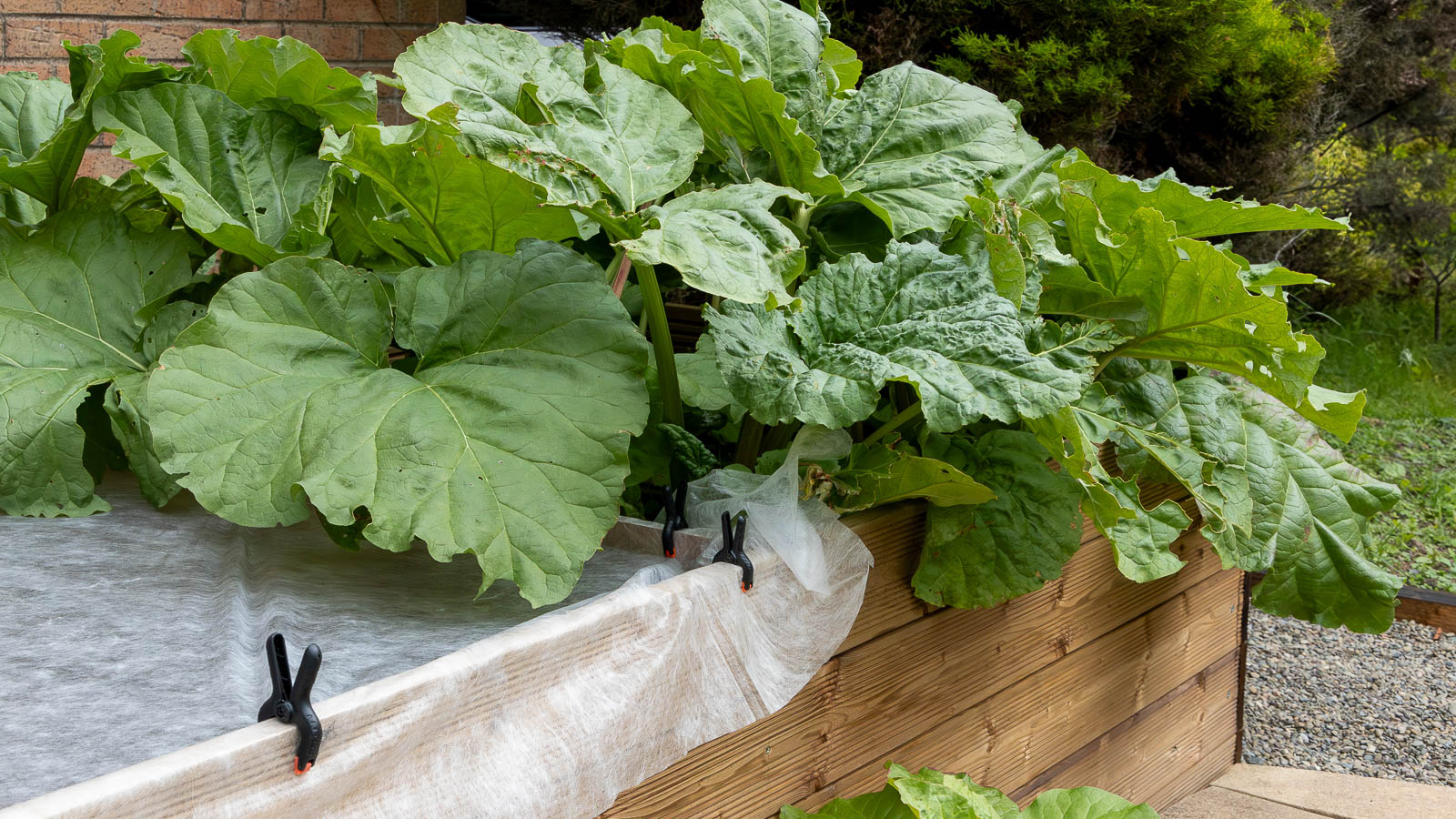
Rhubarb is a unique vegetable crop—part of it is poisonous! Don’t let this stop you from growing it though, since the stems are tasty, sweet, and tart. The only inedible parts are the roots and leaves; they’re better for compost piles than recipes. Use the red stems in pies, sauces, or jams.
Rhubarb loves cool weather and enters dormancy from late fall through winter. Plant divisions with one or two buds from late winter through early spring; they’ll sprout shoots as the weather warms and days lengthen. You may also grow rhubarb in a large container, although it’ll need dividing after three to five years of healthy growth.
Garden rhubarb varieties offer better flavor, texture, and growth habits than species types. Try ‘Macdonald’ or ‘Crimson Cherry’ for red stalks, and ‘Victoria’ if you prefer stalks of a lighter green.
Sorrel

|
|
common name Sorrel |
|---|---|
|
|
botanical name Rumex spp. |
|
|
sun requirements Full sun |
|
|
height 1-3’ |
|
|
hardiness zones 3-8 |
Sorrel is a cold-hardy perennial crop with plenty of leafy greens, perfect for planting in November! It’s great for gardeners looking to add more greens into their diet, as it sprouts new leaves in relatively cold weather. Three types of sorrel exist for easy growing: common sorrel, French sorrel, and bloody dock.
Use common sorrel if you live in a cold winter climate, as it thrives despite recurring frosts. It can reach three feet tall and sprouts six-inch-long leaves perfect for fresh eating. Start seedlings indoors in November, then transplant mature ones under the chill of early winter. You can also sow seeds outdoors so they germinate in early spring.
French sorrel and bloody dock are better for regions from zones 4 through 8, as they tolerate occasional droughts and warmer temperatures better than their relative common sorrel. Use their leaves in salads, or cook them like spinach in dishes that call for greens.
Tree Kale

|
|
common name Tree Kale |
|---|---|
|
|
botanical name Brassica oleracea var. viridis |
|
|
sun requirements Full sun |
|
|
height 3-4’ |
|
|
hardiness zones 5-8 |
Tree kale, perpetual kale, and tree collard are all names for perennial kale. It’s ideal for gardeners who don’t want to sow seeds annually! This type grows for a few years without flowering, producing only the crunchy, edible leaves for easy harvesting. It survives winters down to zone 5, tolerating freezing temperatures to 20°F (-7°C).
This cultivar also goes by the name Daubenton kale after the French biologist Louis Jean-Marie Daubenton; he found it growing near his home and wrote highly about its growing habits and taste. Nowadays, there are multiple cultivars with unique traits. Try ‘Richmond’s Pride’ for purple stems and light green-purple leaves, or ‘Panache’ for variegated leaves.
Plant tree kale starts from August through December, giving the young plants three to four weeks of cool but frost-free weather. They’ll grow hardy underground with ample roots, then start pushing new leafy growth in spring. Give your specimens regular water, full sun, and well-draining but fertile soil. They’ll thrive for years to come!





