Peach Trees vs. Apple Trees: Which Should You Plant?
Are you a stonefruit fan? Maybe you prefer the classic crisp bite of an apple instead? When it comes to peaches and apples, there are a few differences, but many similarities, in these popular edible trees. Gardening expert Madison Moulton compares peaches and apples, allowing you to choose which one is right for your garden.

Contents
There is nothing quite like enjoying a ripe, juicy peach or apple straight from a tree you have cared for through the seasons. A single tree of each can produce more fruit than a family can eat, making them a worthwhile and rewarding investment.
Apples and peaches also share many similarities beyond their flavor and usefulness in the kitchen. As fruit trees, their planting requirements and general uses are quite similar. However, important differences exist in their growth habits, care needs, and botanical characteristics. This will help you decide whether you prefer peach trees vs. apple trees.
Both trees are well worth the modest effort required to maintain them properly. With the right care, apples and peaches can deliver reliable fruit production and abundant harvests year after year.


Peach Trees vs. Apple Trees

Botanically, apples and peaches differ significantly. They originate from nearby regions, with apples coming from Central Asia and peaches from China, but the similarities largely end there.
Apples, Malus domestica, belong to the rose family, Rosaceae, along with pears and quinces. They are classified as fleshy fruits called pomes. The edible portion is the thick outer layer that surrounds a central core containing the seeds.
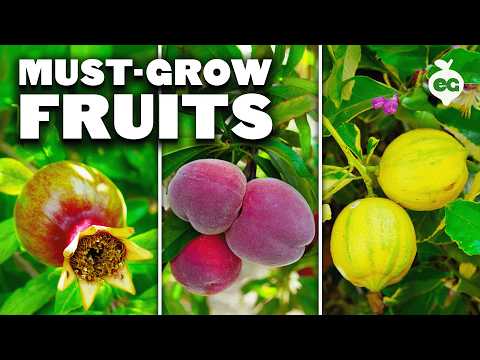
Peaches belong to the genus Prunus and fall into the stone fruit category. This group includes fruits with fuzzy skins, such as peaches (Prunus persica), and smooth-skinned fruits like nectarines, plums, apricots, and cherries. The juicy, edible flesh develops around a hard, woody pit that protects the seed at the center.
Peaches are further divided into two types: clingstone and freestone. These terms describe whether the flesh clings tightly to the pit or separates easily.
Within these broad categories are many hybrids bred for specific growing characteristics. Cultivars ripen at different points throughout the season, providing harvests from mid-summer through mid-spring and allowing gardeners to choose varieties suited to a wide range of soils and climates.
Appearance

Peaches grow into medium-sized trees, with size depending on the cultivar. They can reach at least 25 feet tall and wide, but with proper pruning they can be maintained at 10 to 12 feet in both height and width. Regular pruning is essential for good fruit production.
Plant peach trees at least 15 to 20 feet apart. Growth habits vary by cultivar, but as a general guide, peach trees grow about 25 inches per year, which is relatively fast. They typically begin producing good fruit within three to four years. Peak production occurs at around ten years, with yields gradually declining after about 15 years.
Apples, by comparison, grow between 10 and 30 feet tall and nearly as wide, although dwarf varieties reach only seven to 10 feet in height and are well suited to containers. Like peaches, apple trees benefit from annual pruning. With proper pruning, most apple trees can be kept at 10 to 12 feet tall.
Standard-sized apple trees take longer to produce fruit than peaches, usually six to 10 years. However, they remain productive for much longer and have a life expectancy of 35 to 45 years. Some apple trees live far longer, with certain specimens exceeding 100 years. One of the oldest known apple trees, planted in 1826 in Vancouver, Washington, survived for 194 years.
Pollination

Peaches are self-fertile, so it is possible to obtain a fruit crop from just one tree. Insects pollinate the flowers, but because peaches bloom early, insect activity can be limited. In these cases, hand pollination with a soft brush can help improve fruit set.
Almost all apples will not set a good crop using their own pollen. They produce consistently when pollinated by compatible cultivars, so it is best to grow two different varieties at the same time.
For good cross-pollination, select cultivars from the same flowering group when possible. Apples from adjacent groups that flower at similar times also make effective pollinators. Apple trees growing in nearby gardens can serve as cross-pollinators if they are close enough.
Growing Conditions

Both peaches and apples include varieties suited to a wide range of growing conditions. Peach cultivars grow well in USDA zones 4 through 9, although they perform best in zones 6 through 8. Apple varieties are available for USDA zones 3 through 8.
Plant trees, especially bare-root trees, on the same day you purchase them to reduce transplant stress. Prepare the planting area in advance by removing weeds and working compost into the soil. This preparation allows you to plant immediately once you bring the tree home.
Select a young, healthy tree with no visible damage, dead patches, or signs of disease, and make sure it has a strong, well-developed root system.
Climate

The best way to choose any fruit tree is to consult your local nursery. They stock varieties that perform well in your specific area, which helps ensure long-term success.
Both peaches and apples require a period of low temperatures to flower and produce fruit, known as chill hours. The required number of hours varies by cultivar, but peach trees generally need fewer chill hours than apples because they prefer warmer climates.
Plant peach and apple trees while they are dormant, in late winter or early spring, after the ground has thawed.
Sunlight

Sunlight plays an important role in fruit production, and both peaches and apples perform best in full sun throughout the day. Morning sun is especially important because it helps dry dew from the fruit, reducing the risk of disease. This matters more for peaches than apples, as the fine hairs on peach skins hold moisture more readily than the smooth skin of apples.
Avoid planting in windy locations, or provide a windbreak to protect trees from strong gusts. Fruit trees need shelter to prevent flowers from being blown off, which can significantly reduce fruit set and overall harvest.
Soil

Good drainage is essential for growing healthy fruit trees. Standing water leads to disease and root rot and is unsuitable for apples or peaches.
In general, fruit trees struggle in heavy clay soil. For both apples and peaches, the ideal soil pH is slightly acidic, between 6 and 6.5. Moderately fertile soil works well, but always improve planting sites with generous amounts of compost before planting.
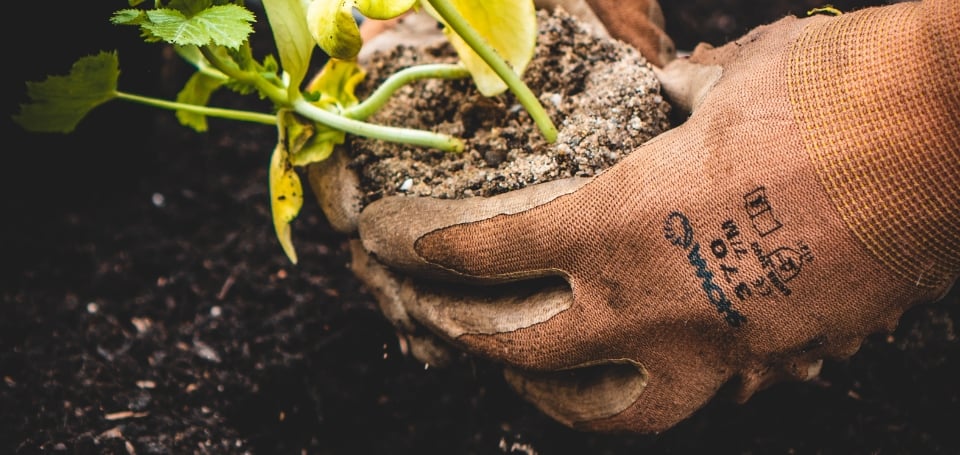
Dig a hole at least three inches wider and deeper than the root system. Place bare-root trees on a small mound of soil, then backfill carefully. Young trees may require staking, and it is best to install stakes at planting time so they do not disturb root growth later. Make sure the graft union, where the grafted tree meets the rootstock, sits at least two inches above the soil line.
Water

Water is essential for producing large fruit and maintaining healthy trees. For both peach and apple trees, rainfall usually supplies most water needs once trees mature. During the early growth stages, however, regular watering helps establish strong, deep root systems.
Control weeds around trees to prevent competition for water and nutrients. Apply organic mulch around the base of each tree to retain moisture and suppress weeds. Refresh mulch as needed, and keep it pulled back from the trunk, as mulch in direct contact with the bark can cause rot.
Maintenance

Young trees need pruning to develop a strong framework. You can carry out light pruning at any time of year to maintain shape and remove damaged or dead branches. Perform heavier pruning for apples and peaches during the dormant winter season. Most fruit forms on wood produced the previous year, and this fruiting wood renews itself annually.
The open center pruning method works best. Instead of a single central leader, train the tree to have three to five main limbs emerging from the trunk. This structure allows adequate light to reach all parts of the tree, encouraging fruit production throughout the canopy rather than only on the outer branches that receive the most light.
Once trees begin producing fruit, thinning may also be necessary. Remove misshapen or damaged fruit so the tree is not overburdened. This allows the tree to direct its energy into developing larger, healthier fruit.
Feeding

Apples and peaches have different fertilizer requirements. Apples need only one feeding per year, applied in fall after all the leaves have dropped. Peaches need feeding twice per year, once in early spring and again in late spring or early summer. Use a 10:10:10 fertilizer for both, but monitor growth and fruit production closely, as additional nutrients such as boron or calcium may be needed.
For young apple and peach trees, apply fertilizer in a circle at least 18 inches away from the trunk. This placement encourages roots to grow outward. Increase the feeding area each year, keeping in mind that roots can extend outward up to one and a half times the diameter of the tree canopy. Feeder roots sit within the top foot of soil, so focus on spreading fertilizer wide rather than deep. Extend feeding annually, moving it a foot farther from the trunk and beyond the drip line as the tree matures.
Harvesting

Harvest timing depends on the cultivar you plant and the climate you live in. In general, peaches ripen between June and August, while apples are ready from August to October.
Correct timing matters when picking fruit. Peaches are ready to harvest when the skin color shifts from green to fully yellow. Ripe fruit should release easily from the tree with a gentle twist. Fruit on the outer canopy and upper branches ripens first. Handle peaches carefully, as they bruise easily.
Apples are ready when they develop full color and detach easily from the branch with a slight twist. Avoid pulling or tugging, as ripe apples should come away cleanly on their own.
Uses
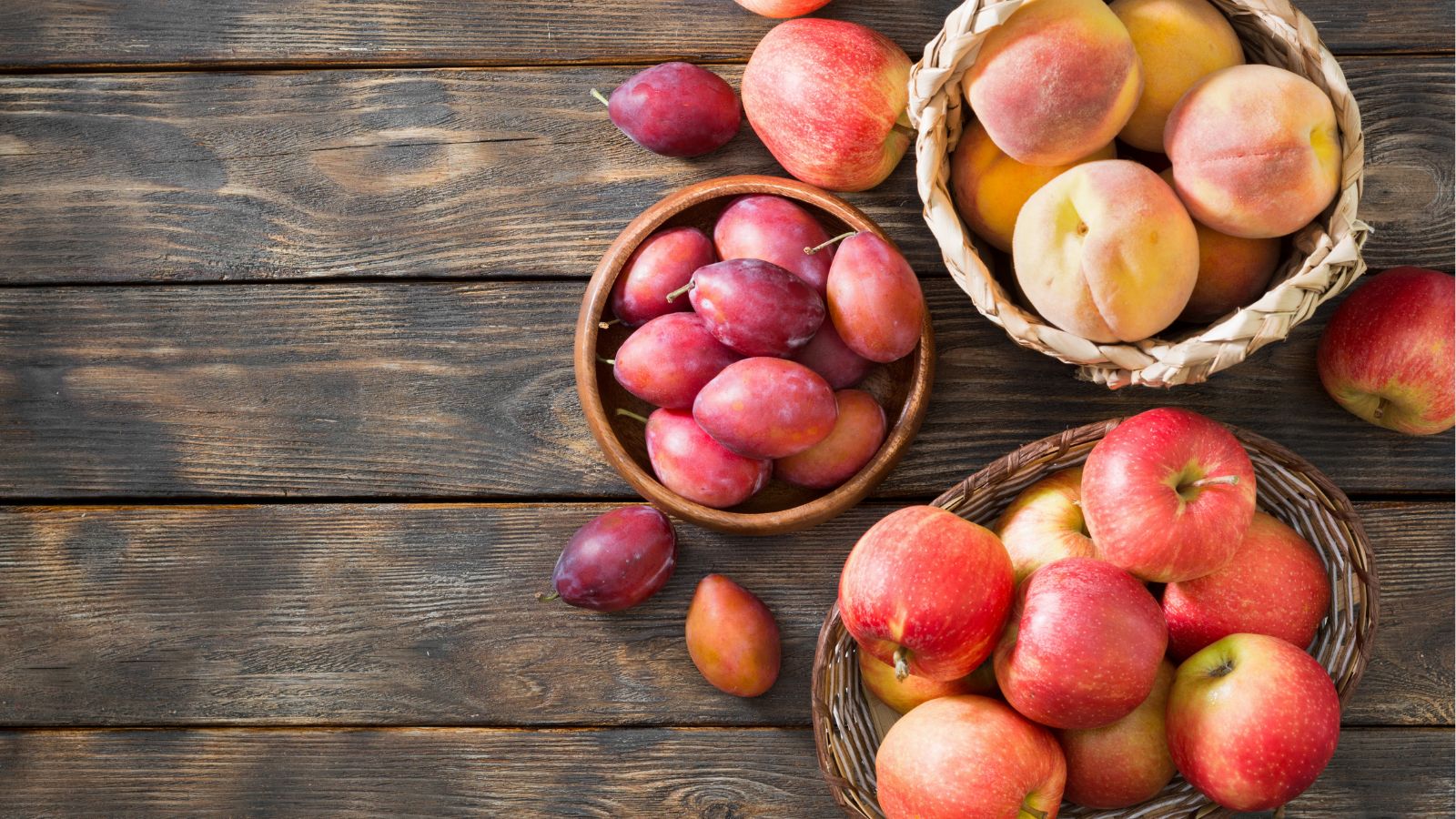
Peaches are a versatile fruit that can be eaten fresh, added to fruit salads, baked with brandy and ice cream, preserved for out-of-season enjoyment, or turned into a classic peach cobbler.
Apples are just as adaptable. They form the base of apple butter and applesauce, bake beautifully into traditional apple tarts, or work perfectly as a quick, portable snack packed with vitamins.
Key Takeaways
There is nothing quite like eating fresh fruit picked at the optimal time from your own well cared for fruit tree. The flavor is far superior to refrigerated, store bought fruit. Aside from a few differences in climate requirements and care, apples and peaches are both easy to grow. Plant one or two apple trees alongside a peach tree and enjoy reliable harvests year after year.