
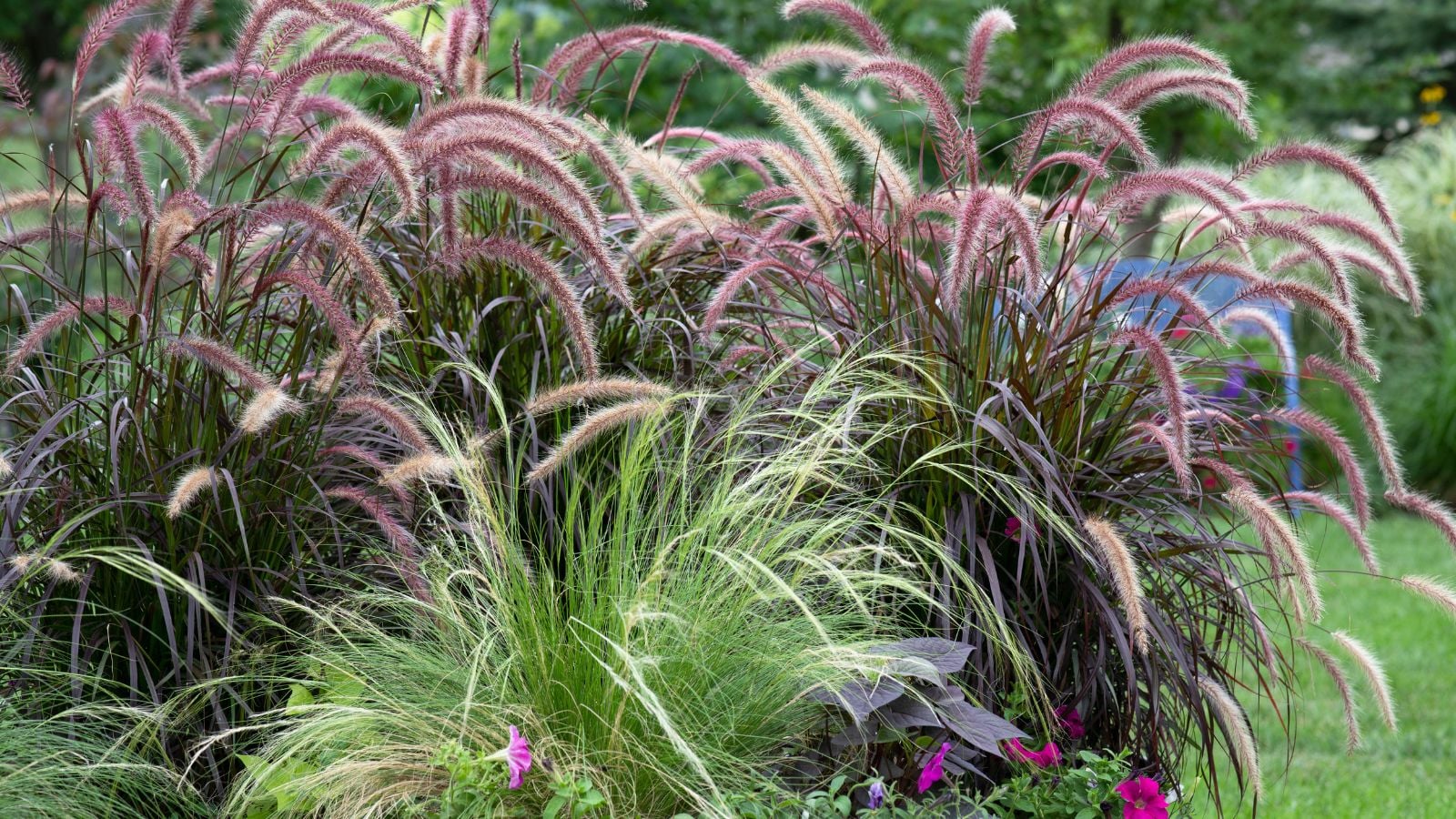
Contents
I’ll admit, when I first started gardening the idea of growing ornamental grasses made no sense to me.
“If you can’t eat it, who cares?” I thought. Well, I’ve changed my ways!
Ornamental grasses add an extra layer of beauty and depth to your garden and landscaping, and are surprisingly easy to grow.
In this article, we’ll look at over 27 of the most popular types of ornamental grasses with brief growing instructions for each of them. Then, we’ll dive into how to grow ornamental grasses in general.
By the end, you should be a grass expert! Bet you never thought you’d be able to say that!
Feel free to skip around with the table of contents, or just scroll on down! And note that many of the grasses on this list are highly invasive in select environments. Make sure you’re not in one of these areas before selecting and planting your grass.


CobraHead Original Weeder & Cultivator

CobraHead Original Weeder & Cultivator
Types of Ornamental Grasses
Grasses come in all shapes, sizes, and colors, so browse through this list to see which catch your eye. I’ve included links to purchase some of these grasses, as they can be hard to find at local nurseries sometimes.
Feather Reed Grass


|
botanical name Calamagrostis x acutiflora |
|---|---|

|
sun requirements Full sun |

|
height 3-5′ tall |

|
hardiness zones 4-9 |
Appearance: Normally feather reed grass starts out as green and eventually transforms into a dark purple and pink blade with golden flowers.
Growing Conditions: This plant is incredibly low maintenance and needs little special care. It grows best in rich soils, but can also thrive in heavy clay soils as well. It generally will bloom substantially in the spring, but continues to produce year round.
Fountain Grass

|
|
botanical name Cenchrus spp. |
|---|---|
|
|
sun requirements Full sun |
|
|
height 12″-3′ tall |
|
|
hardiness zones 5-9 |
Appearance: It has a lovely arching shape, as well as beautiful, bright flowers. The color is dependent upon the species or variety in question.
Growing Conditions: This plant does well in most conditions, but a little extra fertilizer will help it to truly flourish. It also doesn’t need to be watered regularly unless there is an intense drought occurring.
Little Bluestem

|
|
botanical name Schizachyrium scoparium |
|---|---|
|
|
sun requirements Full sun |
|
|
height 18-48″ tall |
|
|
hardiness zones 3-9 |
Appearance: A tufted plant that generally grows in dense clumps with a turkey foot inflorescence.
Growing Conditions: Little Bluestem can do well in almost any condition, as it requires little water and can also survive harsh winters. However, the one type of soil that it will not thrive in is wetlands.
Switchgrass

|
|
botanical name Panicum virgatum |
|---|---|
|
|
sun requirements Full sun |
|
|
height 3-7′ tall |
|
|
hardiness zones 5-9 |
Appearance: Has feathery fringe and flowers that transform into a dark purple.
Growing Conditions: Switchgrass requires a lot of sunshine and relatively dry soil. It thrives in warmer conditions and oftentimes starts growing alongside roads if enough water is present.
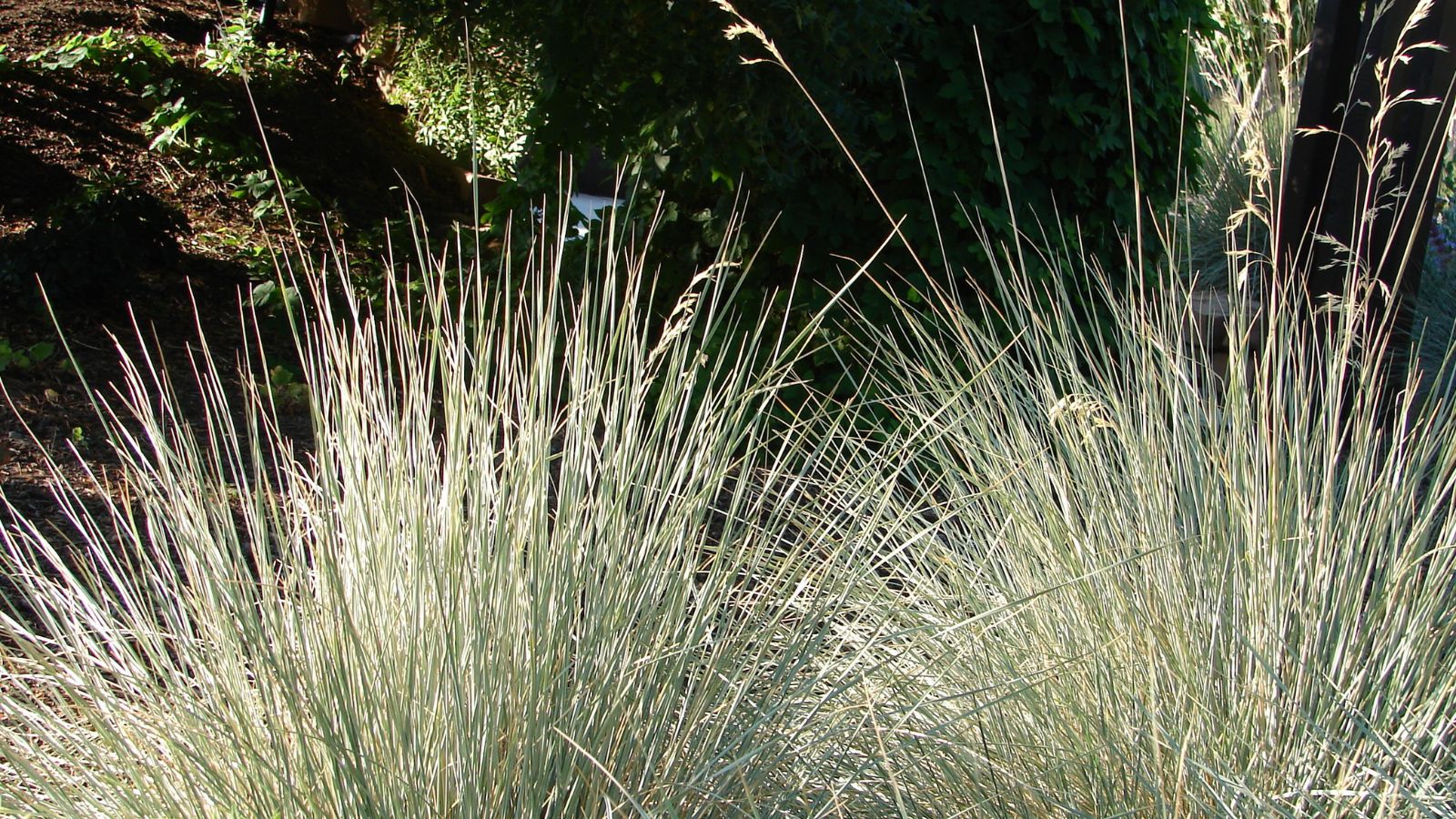
Blue Oat Grass
|
|
botanical name Helictotrichon sempervirens |
|---|---|
|
|
sun requirements Full sun |
|
|
height 2-3′ tall |
|
|
hardiness zones 4-9 |
Appearance: Brown flowers strewn with beautiful blue and silver blades.
Growing Conditions: Blue Oat Grass needs regular water and sun. It also most commonly blooms during the summer.
Purple Millet

|
|
botanical name Cenchrus americanus |
|---|---|
|
|
sun requirements Full sun |
|
|
height 3-6′ tall |
|
|
hardiness zones 10-11 |
Appearance: A beautiful purple plant with dense red and burgundy foliage.
Growing Conditions: This plant needs both warm air and warm soil in order to truly thrive.
Cordgrass
|
|
botanical name Sporobolus alterniflorus |
|---|---|
|
|
sun requirements Full sun |
|
|
height 3-5′ tall |
|
|
hardiness zones 4-11 |
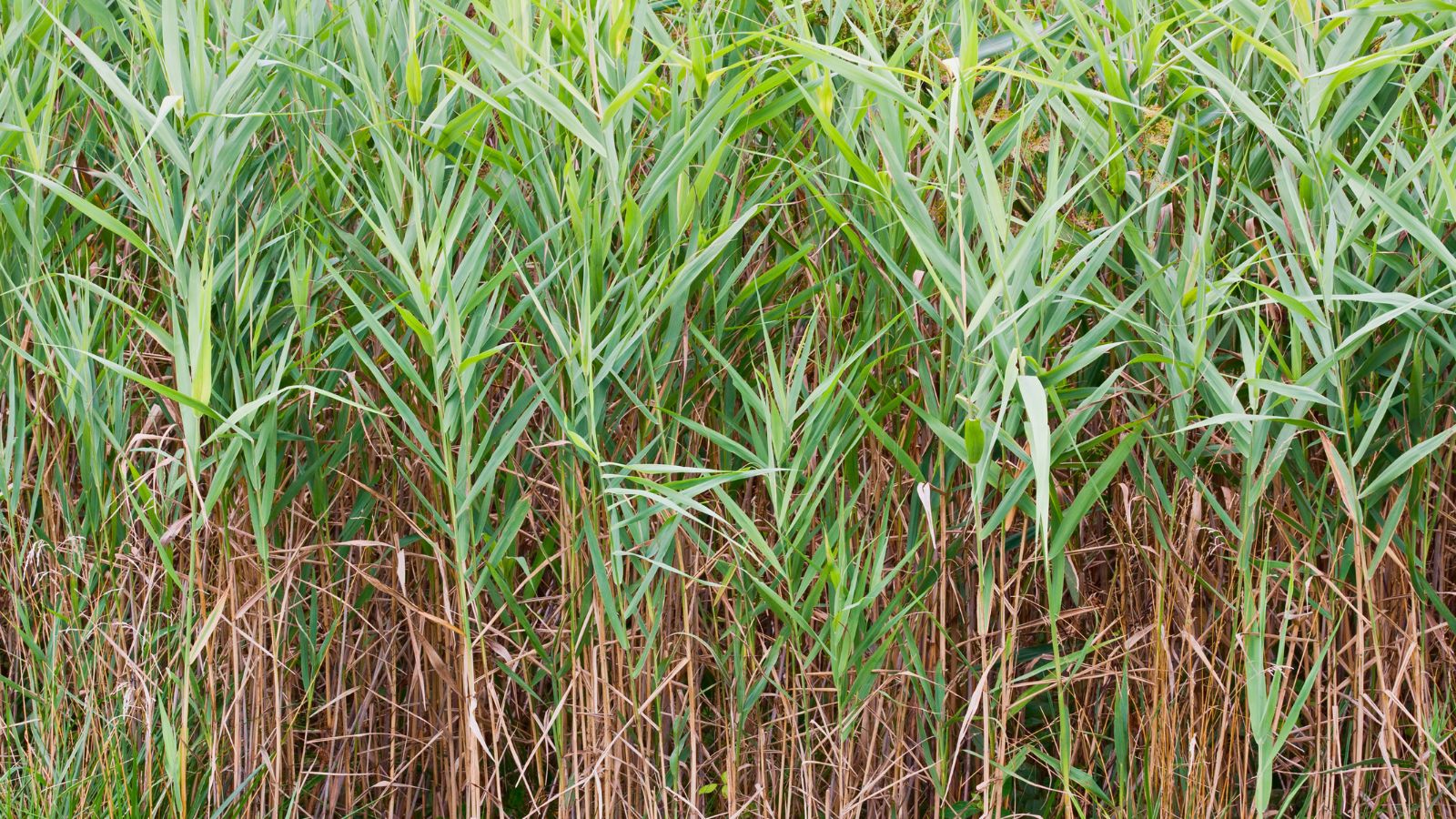
Appearance: A dark green color with yellow flower spikes that turn brown in winter.
Growing Conditions: Cordgrass does best in wetlands, particularly salty marshes.
Japanese Forest Grass

|
|
botanical name Hakonechloa macra ‘Aureola’ |
|---|---|
|
|
sun requirements Full sun |
|
|
height 18″ tall |
|
|
hardiness zones 4-9 |
Appearance: Bright yellow stems with thin green stripes.
Growing Conditions: This grass does best in rich soil that is well drained. It also needs frequent watering as well as a good mixture of sun and shade.
Maiden Grass

|
|
botanical name Miscanthus sinensis ‘Gracillimus’ |
|---|---|
|
|
sun requirements Full sun |
|
|
height 6-8′ tall |
|
|
hardiness zones 4-9 |
Appearance: Silver blades that turn into a lovely bronze color in the winter.
Growing Conditions: Maiden Grass requires lots of sun, only occasional watering, and well drained soil.
Fiber Optic Grass

|
|
botanical name Isolepis cernua |
|---|---|
|
|
sun requirements Full sun |
|
|
height 10-20″ |
|
|
hardiness zones 8-11 |
Appearance: A bright green coloring with small flowers at the tips.
Growing Conditions: This is an adaptable grass that requires a moderate amount of sun and average soil.
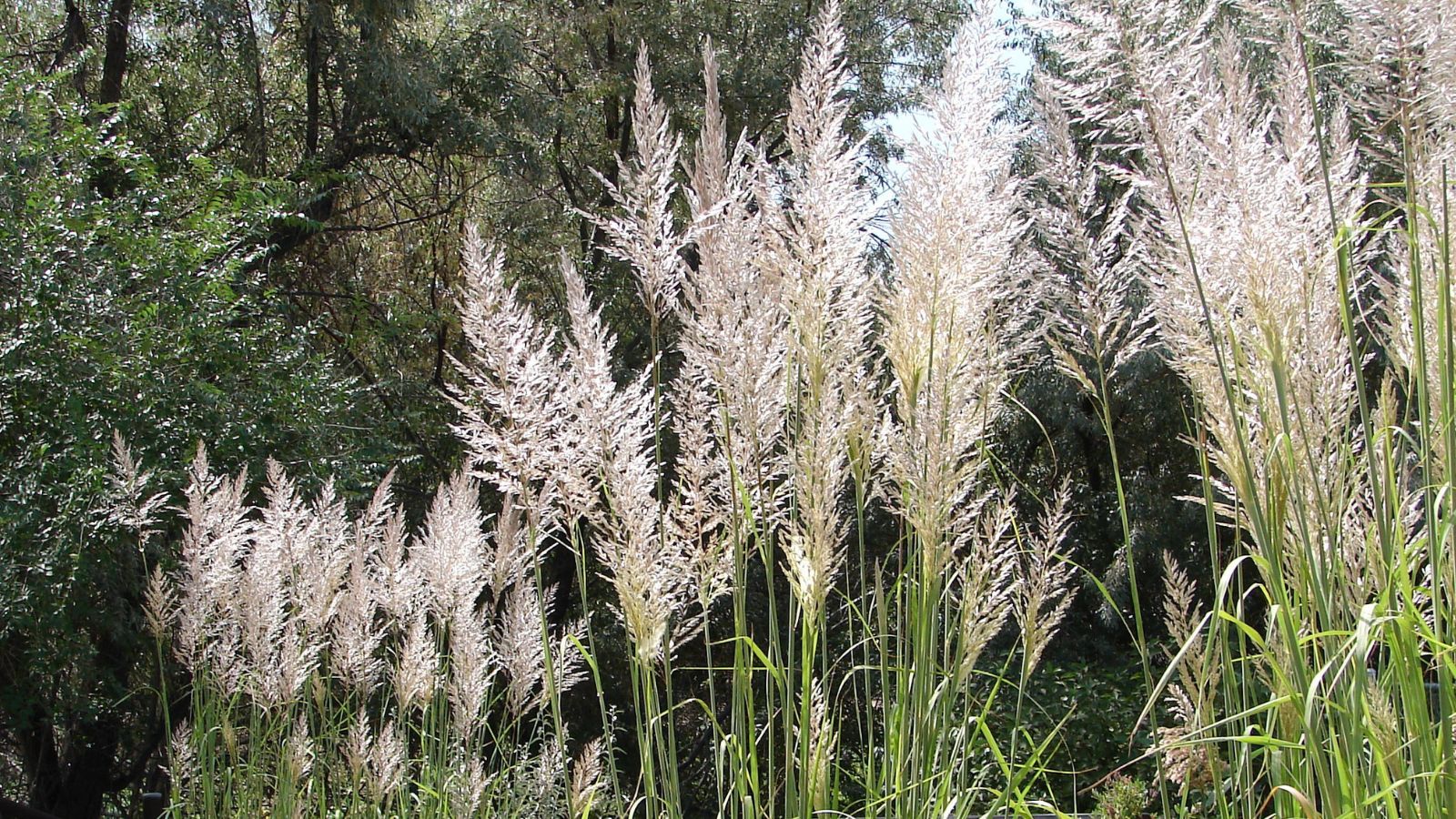
Ravenna Grass
|
|
botanical name Saccharum ravennae |
|---|---|
|
|
sun requirements Full sun |
|
|
height 6-15′ tall |
|
|
hardiness zones 5-9 |
Appearance: Thin, long stalks in brown and purple.
Growing Conditions: This grass requires normal soil, lots of sun, and thick, dry mulch.
Purple Fountain Grass

|
|
botanical name Pennisetum setaceum ‘Rubrum’ |
|---|---|
|
|
sun requirements Full sun |
|
|
height 2-5′ tall |
|
|
hardiness zones 8-11 |
Appearance: Purple and maroon blades with red flowers.
Growing Conditions: Purple Fountain Grass requires lots of sun, only occasional watering, and moderate soil.
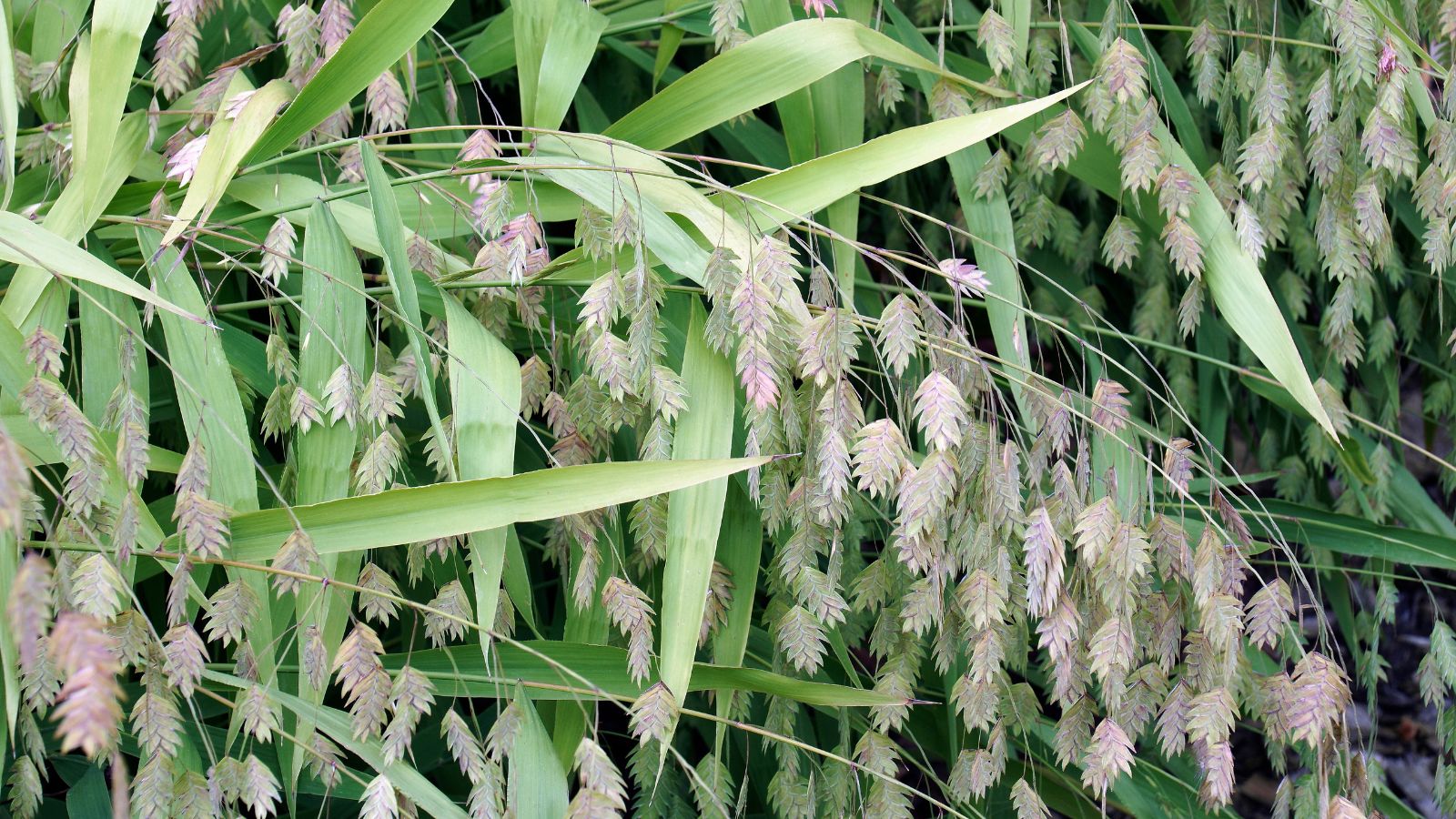
Northern Sea Oats
|
|
botanical name Chasmanthium latifolium |
|---|---|
|
|
sun requirements Partial shade |
|
|
height 2-3′ tall |
|
|
hardiness zones 5-9 |
Appearance: Looks similar to bamboo, with nodding, flat, spiky flowers.
Growing Conditions: This plant needs a fair amount of shade, as well as extensive watering.
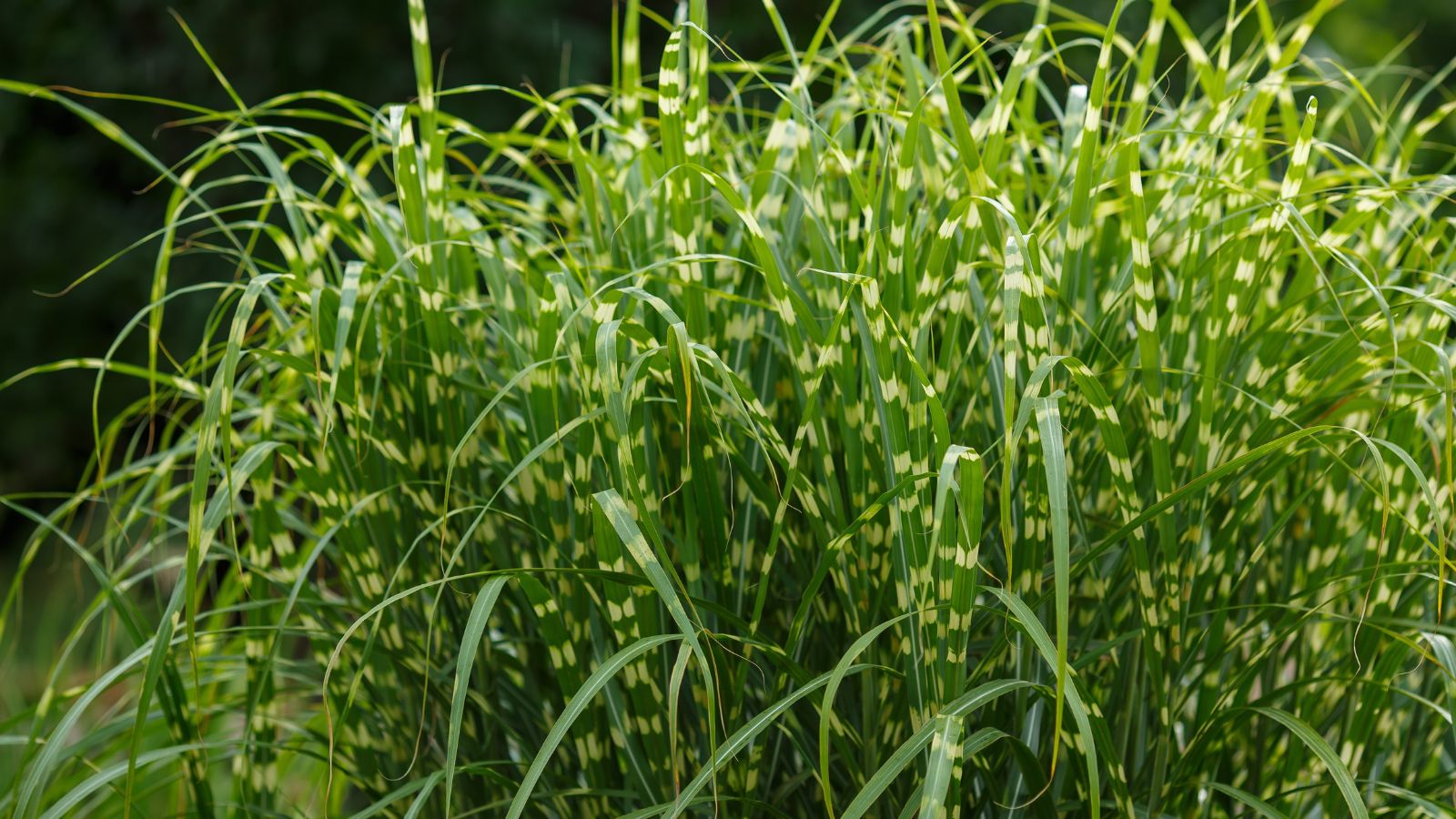
Zebra Grass
|
|
botanical name Miscanthus sinensis ‘Zebrinus’ |
|---|---|
|
|
sun requirements Full sun |
|
|
height 5-7′ tall |
|
|
hardiness zones 5-9 |
Appearance: Long, striped leaves with a deep green color, and purple inflorescences.
Growing Conditions: Zebra Grass grows best in hot, sunny areas, with fairly moist soil.
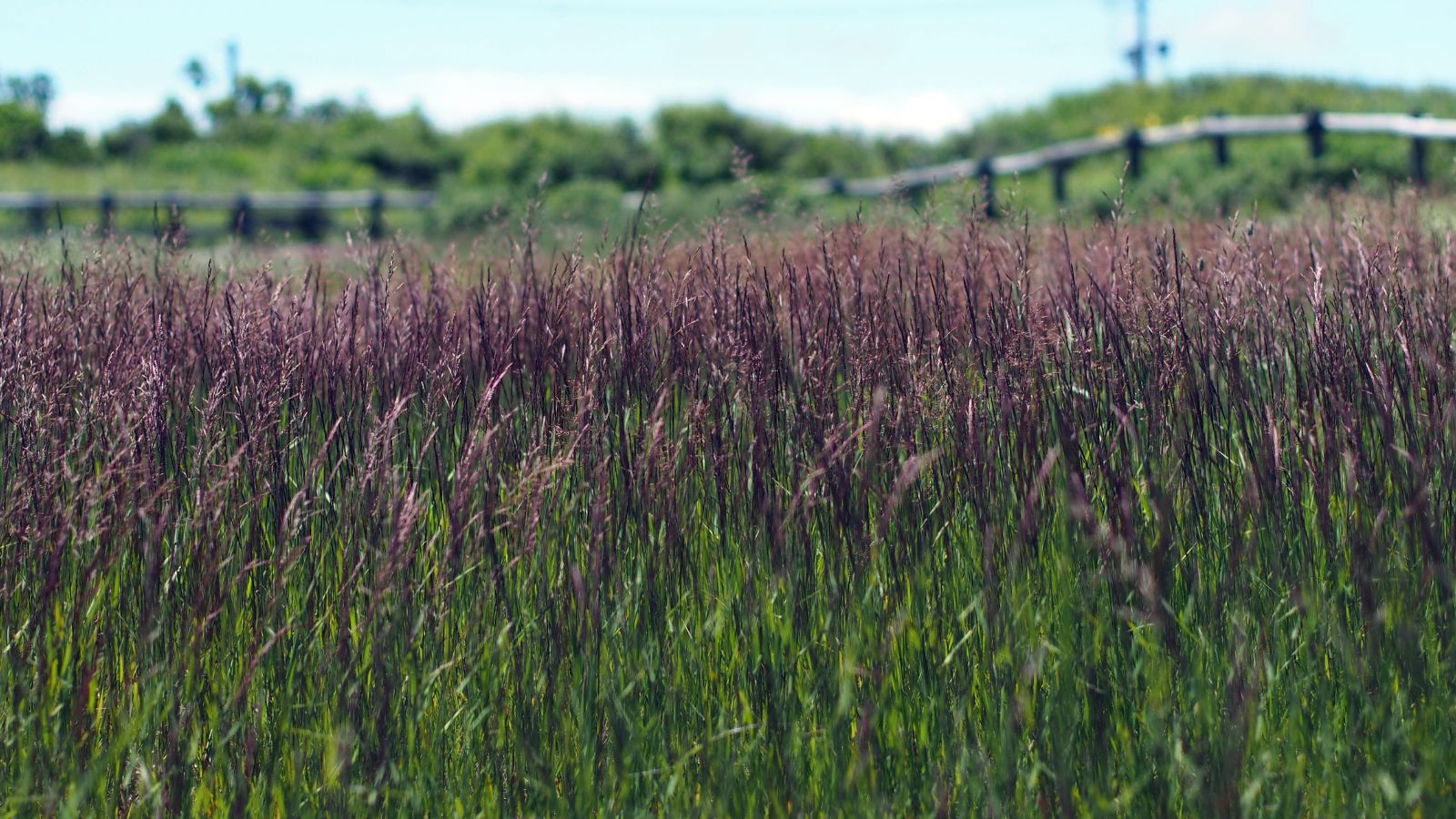
Purple Moor Grass
|
|
botanical name Molinia caerulea |
|---|---|
|
|
sun requirements Full sun |
|
|
height 2-3′ tall |
|
|
hardiness zones 4-8 |
Appearance: Blueish-green blades with small purple flowers.
Growing Conditions: Purple Moor Grass requires a moderate amount of sun with regular watering.
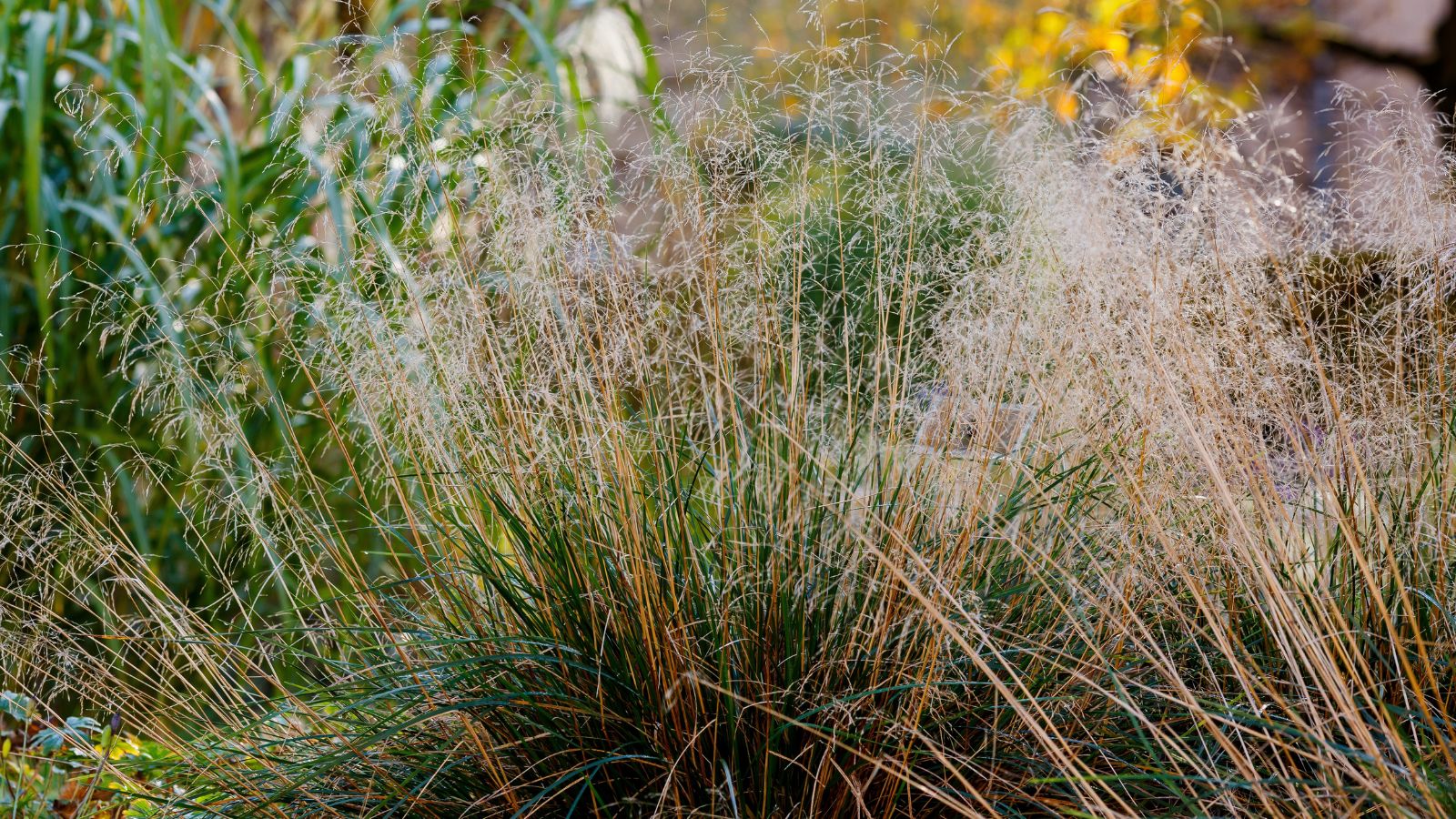
Hair Grass
|
|
botanical name Deschampsia cespitosa |
|---|---|
|
|
sun requirements Partial shade |
|
|
height 2-3′ tall |
|
|
hardiness zones 4-9 |
Appearance: Green and white leaves with a blush accent and sparse, lacy flowers.
Growing Conditions: Hair Grass should not have too much sun, but it should have regular watering.
Blue Fescue

|
|
botanical name Festuca glauca |
|---|---|
|
|
sun requirements Full sun |
|
|
height 8-12″ tall |
|
|
hardiness zones 4-8 |
Appearance: Icy blue coloring with small flowers.
Growing Conditions: Blue Fescue does best in well drained soil with lots of sun.
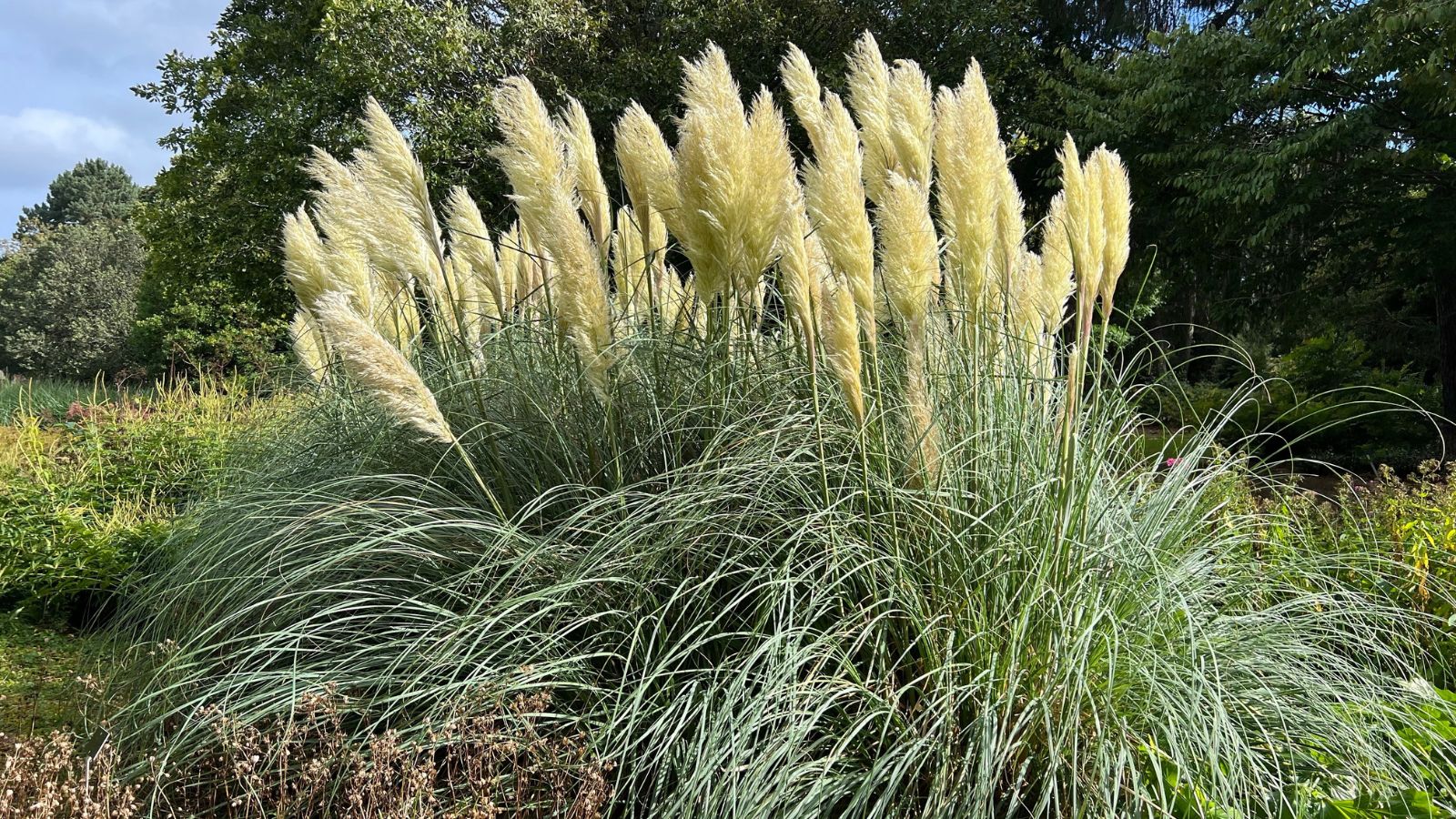
Dwarf Pampas Grass
|
|
botanical name Cortaderia selloana |
|---|---|
|
|
sun requirements Full sun |
|
|
height 3-12′ tall |
|
|
hardiness zones 8-10 |
Appearance: Long stalks with beautiful white flowers.
Growing Conditions: This grass works best in most soil types, but it does require lots of sun and water.
Liriope

|
|
botanical name Liriope muscari |
|---|---|
|
|
sun requirements Full sun to full shade |
|
|
height 12-18″ tall |
|
|
hardiness zones 5-10 |
Appearance: Long, slender blades in lots of colors, with purple flowers.
Growing Conditions: Liriope is incredibly easy to grow, but it does best with well drained soils and partial shade.
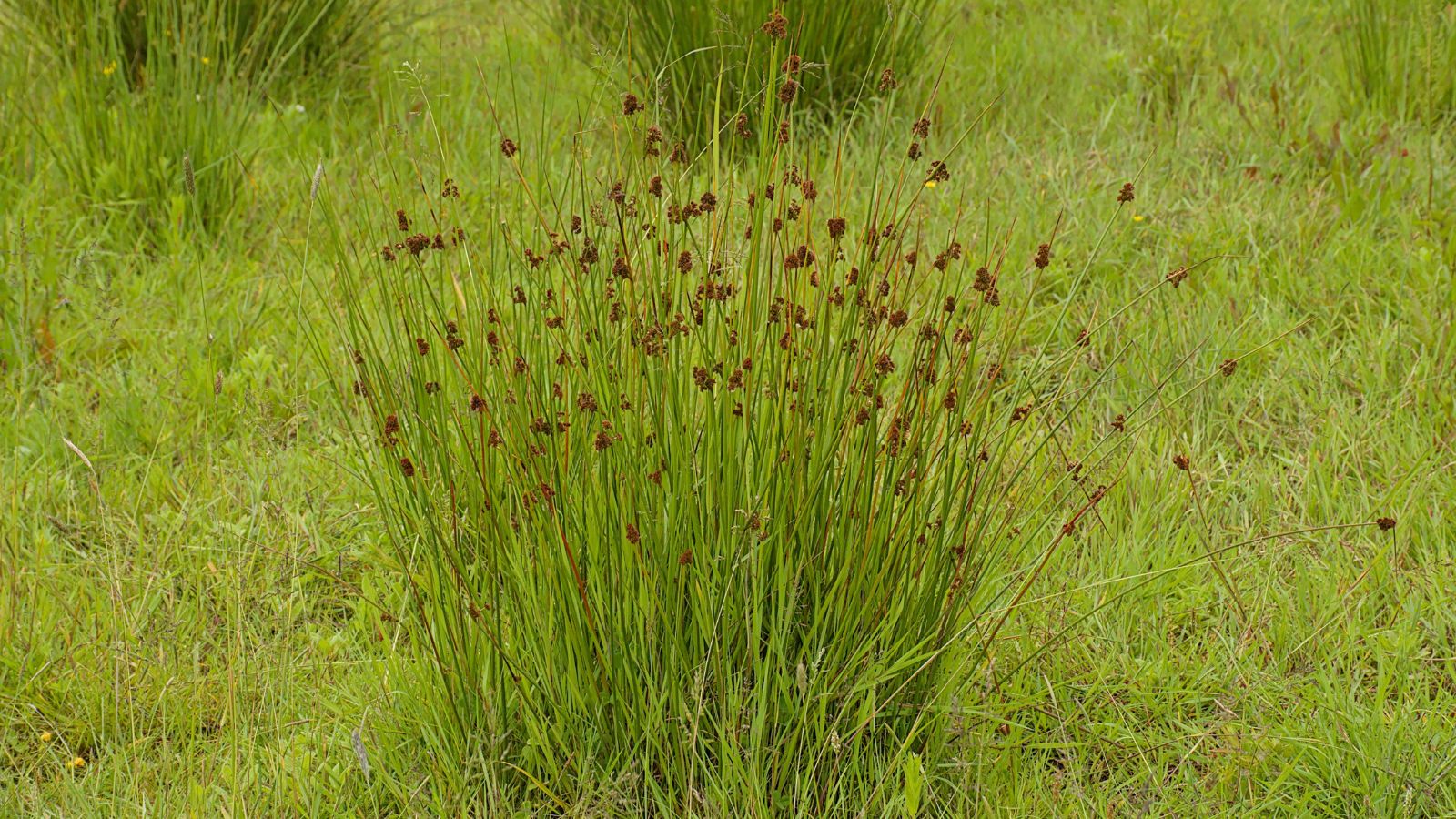
Rush
|
|
botanical name Juncus effusus |
|---|---|
|
|
sun requirements Full sun |
|
|
height 2-4′ tall |
|
|
hardiness zones 1-11 |
Appearance: Long stalks with a slight yellow coloring.
Growing Conditions: This plant does best when it is near water and receives lots of sunlight.
Big Bluestem

|
|
botanical name Andropogon gerardii |
|---|---|
|
|
sun requirements Full sun |
|
|
height 4-8′ tall |
|
|
hardiness zones 4-9 |
Appearance: Flat stems with a bluish coloring and a turkey foot shaped flower.
Growing Conditions: This plant does best in warmer areas with well-drained soils.
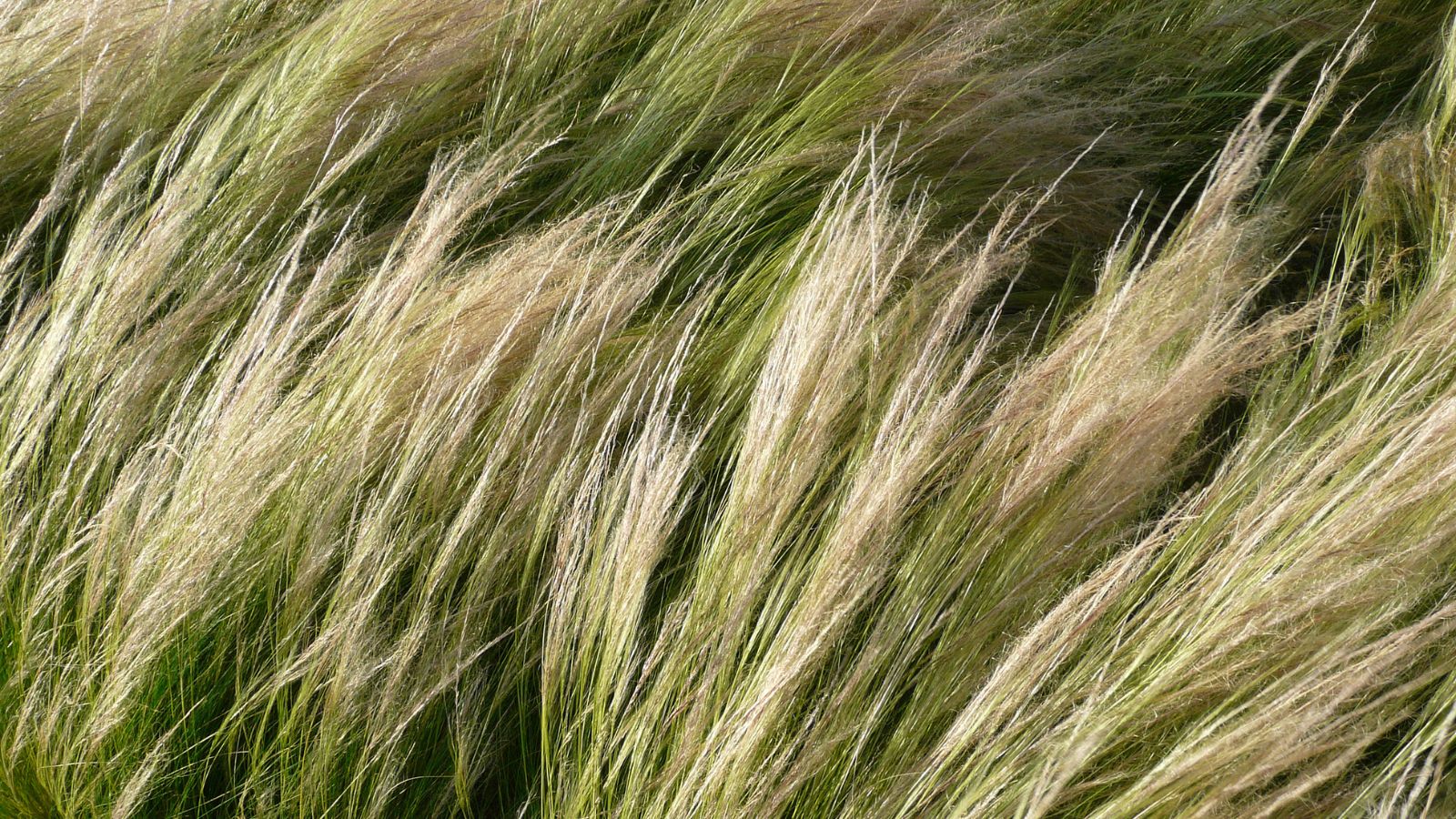
Mexican Feather Grass
|
|
botanical name Nassella tenuissima |
|---|---|
|
|
sun requirements Full sun to partial shade |
|
|
height 1-2′ tall |
|
|
hardiness zones 7-10 |
Appearance: Delicate, wispy leaves with small flowers.
Growing Conditions: Mexican Feather Grass needs well-drained soil, lots of sun, and a moderate amount of water.
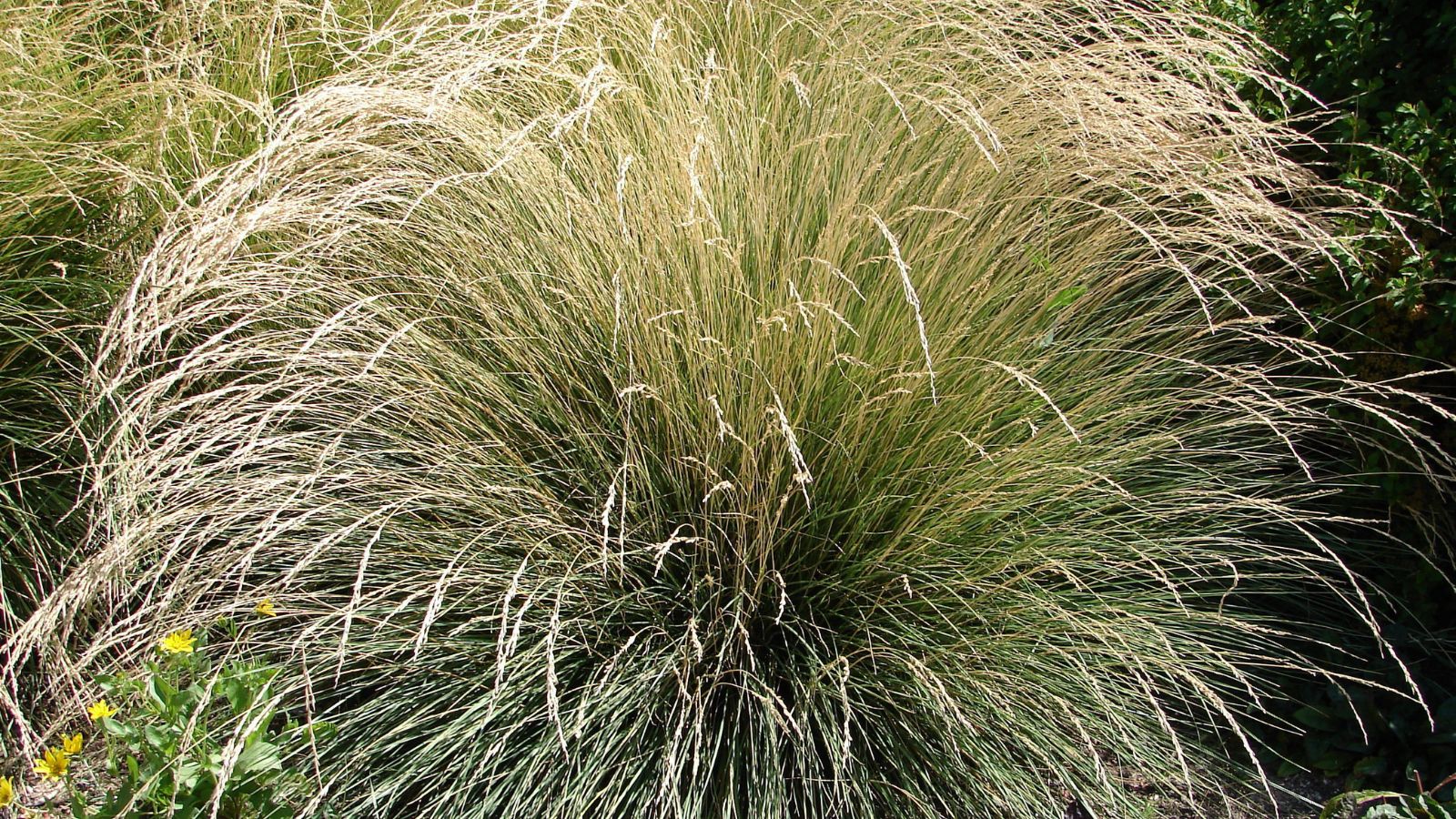
Atlas Fescue
|
|
botanical name Festuca mairei |
|---|---|
|
|
sun requirements Full sun to partial shade |
|
|
height 3-4′ tall |
|
|
hardiness zones 4-9 |
Appearance: Bright green with thin stalks.
Growing Conditions: This is a hardy plant that can grow well in almost all conditions.
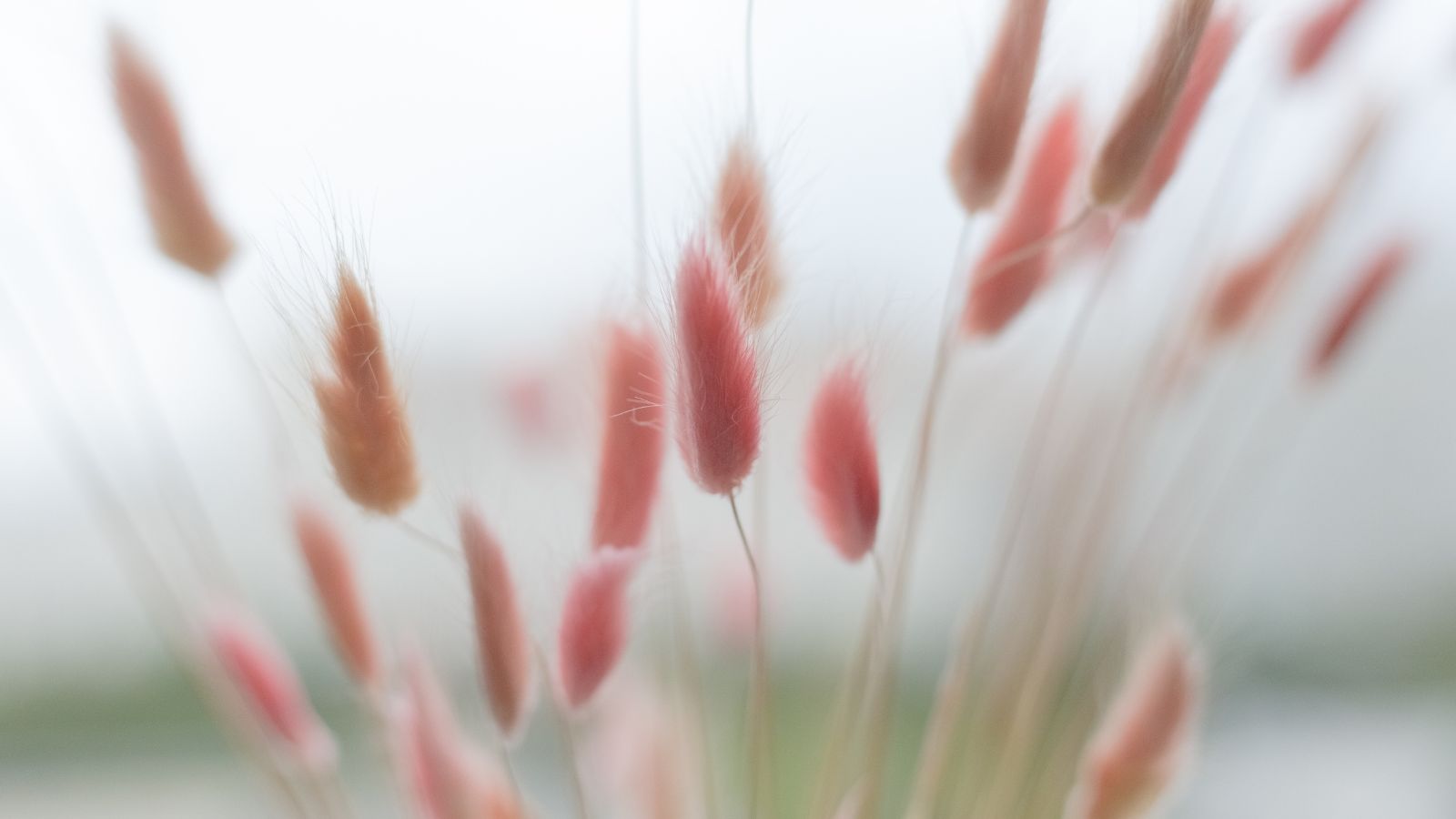
Red Bunny Tails
|
|
botanical name Pennisetum messiacum ‘Red Bunny Tails’ |
|---|---|
|
|
sun requirements Full sun to partial shade |
|
|
height 1.5-3′ tall |
|
|
hardiness zones 7-9 |
Appearance: Green stalks with beautiful, puffy burgundy flowers.
Growing Conditions: This grass requires an average amount of both water and sunlight.
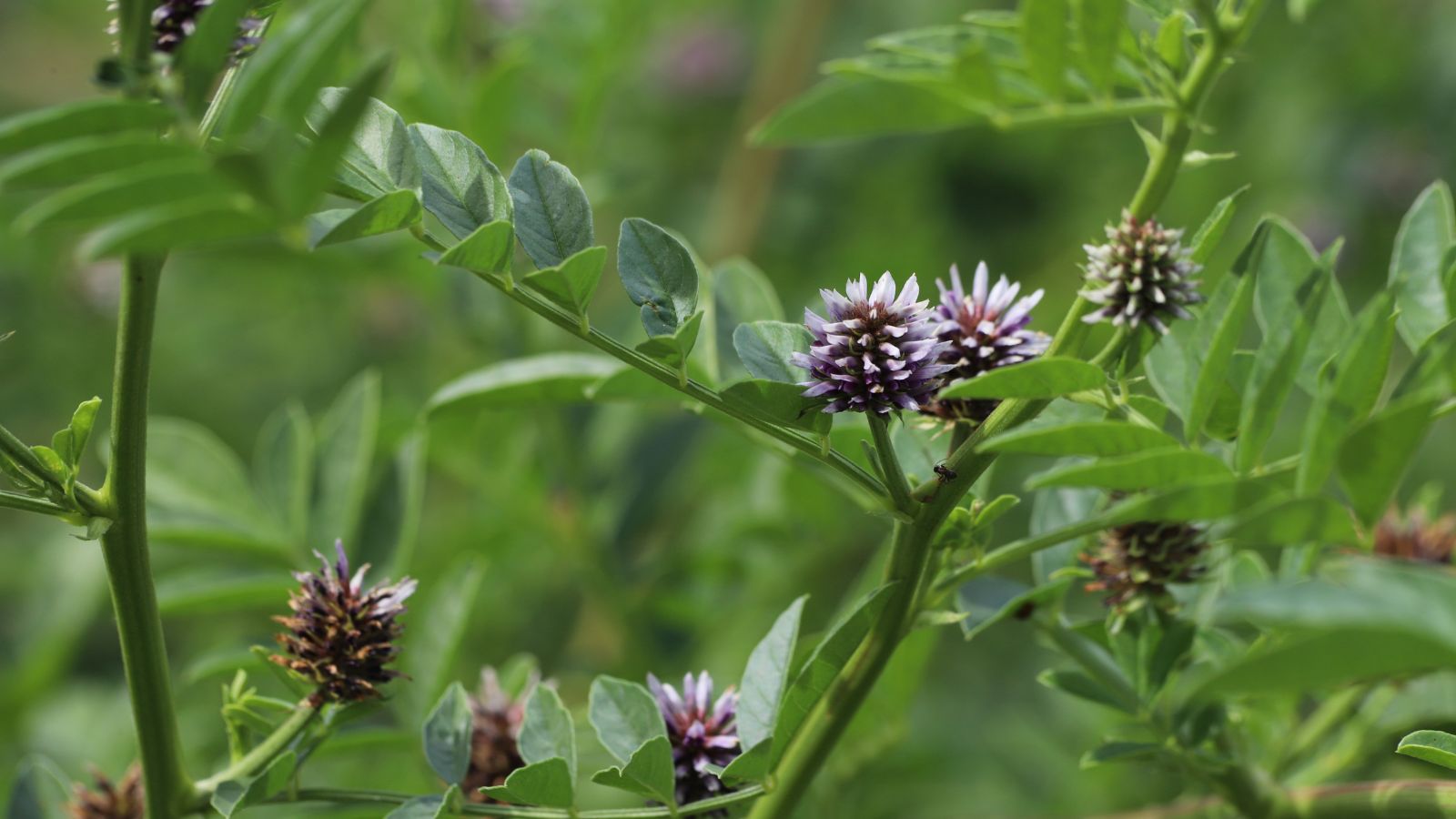
Licorice
|
|
botanical name Glycyrrhiza glabra |
|---|---|
|
|
sun requirements Full sun to partial shade |
|
|
height 5′ tall |
|
|
hardiness zones 6-11 |
Appearance: A light green color with rounded leaves and purplish, white flowers.
Growing Conditions: Licorice does best in moist soil.
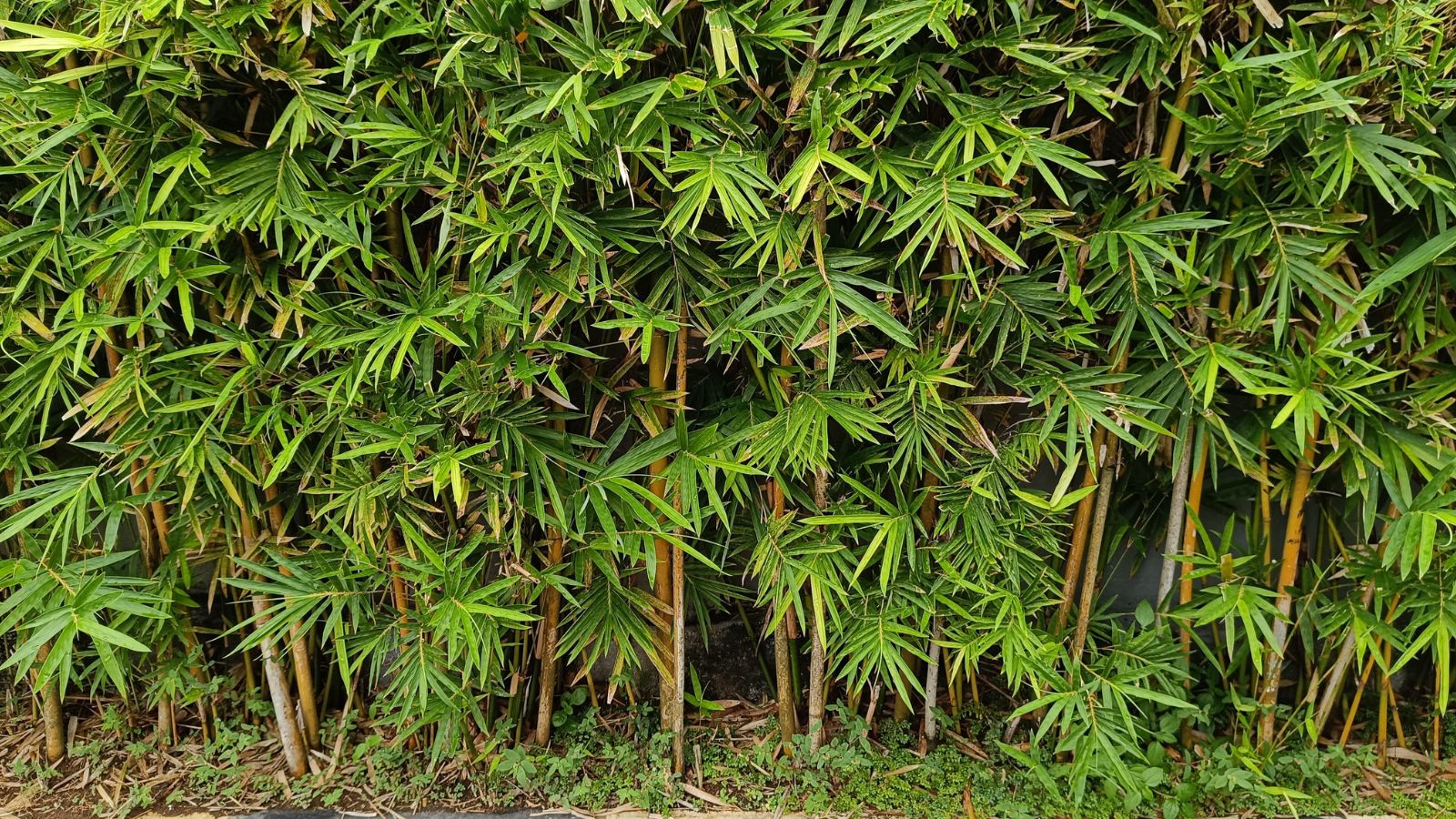
Baby Bamboo
|
|
botanical name Pogonatherum paniceum |
|---|---|
|
|
sun requirements Full sun to partial shade |
|
|
height 12-24″ tall |
|
|
hardiness zones 9-10 |
Appearance: Bushy with green and brown coloring.
Growing Conditions: Baby Bamboo does best in full sun with lots of water.
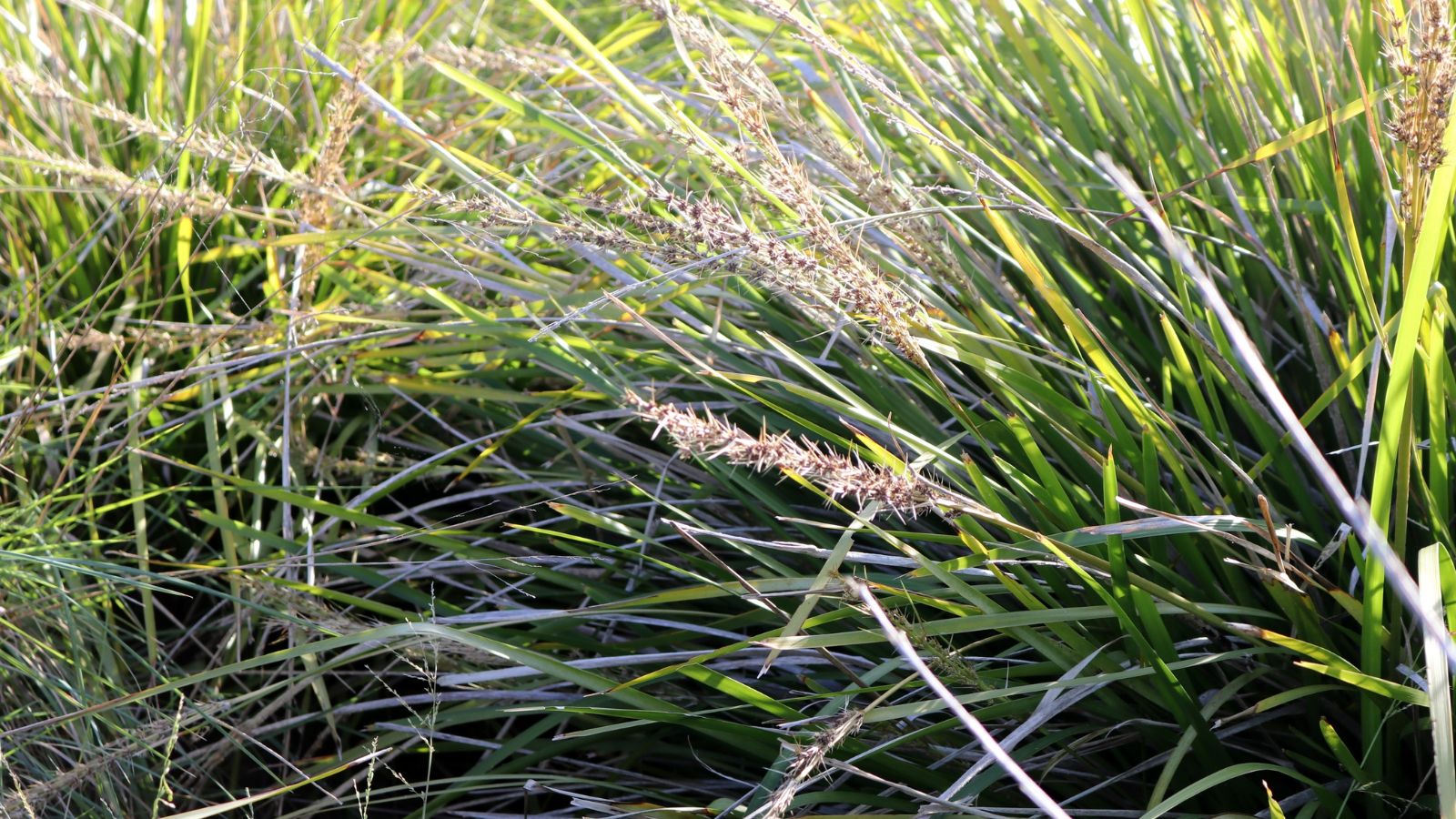
Australian Silver Rush
|
|
botanical name Juncus polyanthemos |
|---|---|
|
|
sun requirements Full sun |
|
|
height 4′ tall |
|
|
hardiness zones 8-12 |
Appearance: Grayish stems with brown flowers.
Growing Conditions: This grass thrives in both warm and cold temperatures, but it needs a fair amount of sun.
Red Riding Hood
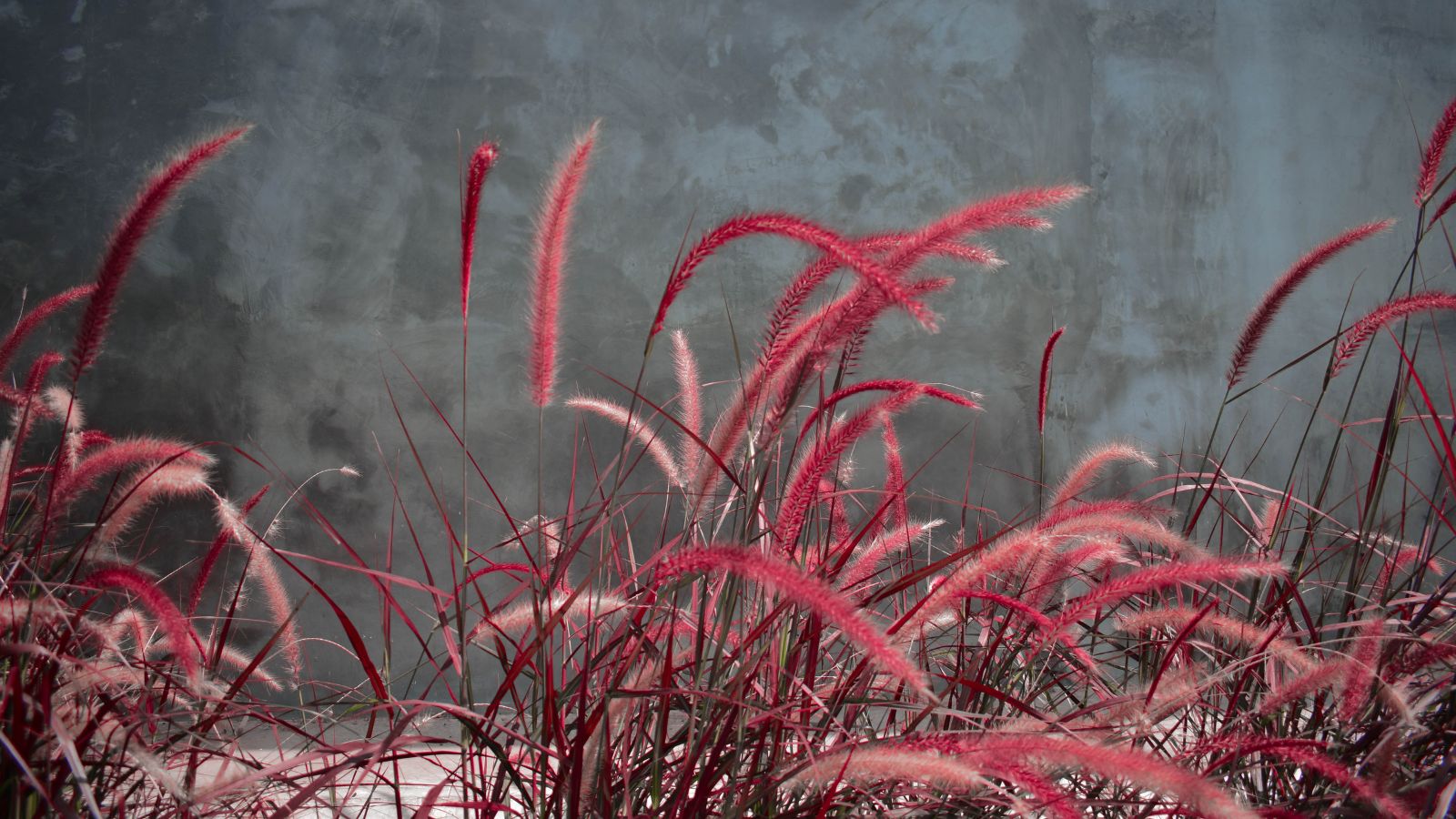
|
|
botanical name Pennisetum setaceum ‘Red Riding Hood’ |
|---|---|
|
|
sun requirements Full sun to partial shade |
|
|
height 1-3′ tall |
|
|
hardiness zones 9-11 |
Appearance: Beautiful burgundy stems, flowers, and leaves.
Growing Conditions: This plant does best in warm seasons and when it is trimmed regularly.
Slender Veldt Grass
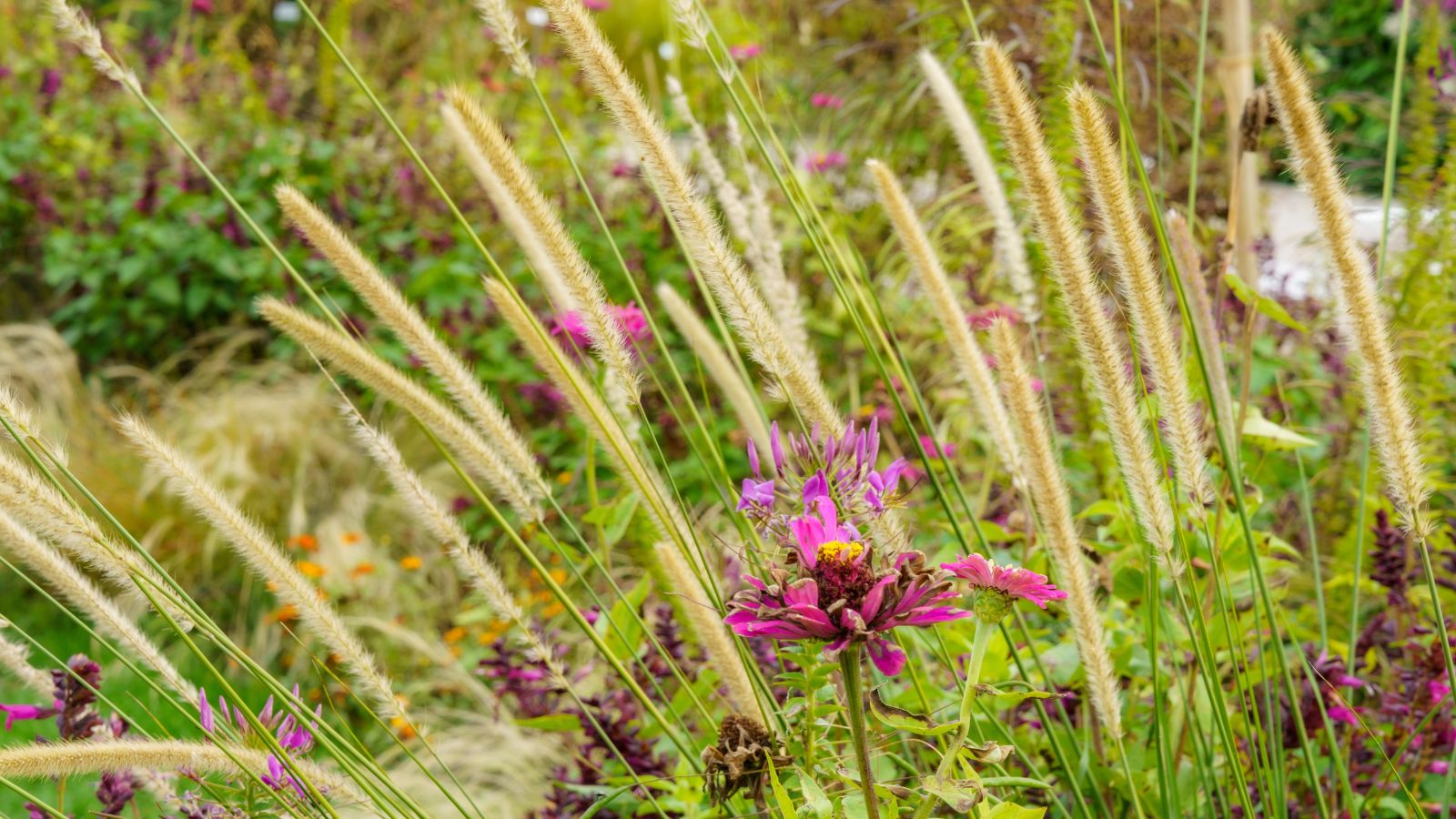
|
|
botanical name Pennisetum spathiolatum |
|---|---|
|
|
sun requirements Full sun to partial shade |
|
|
height 1-2′ tall |
|
|
hardiness zones 7-10 |
Appearance: Thin, dark green foliage and dense golden flower heads.
Growing Conditions: This grass does best in milder climates, but it does not need much irrigation.
Pink Muhly Grass
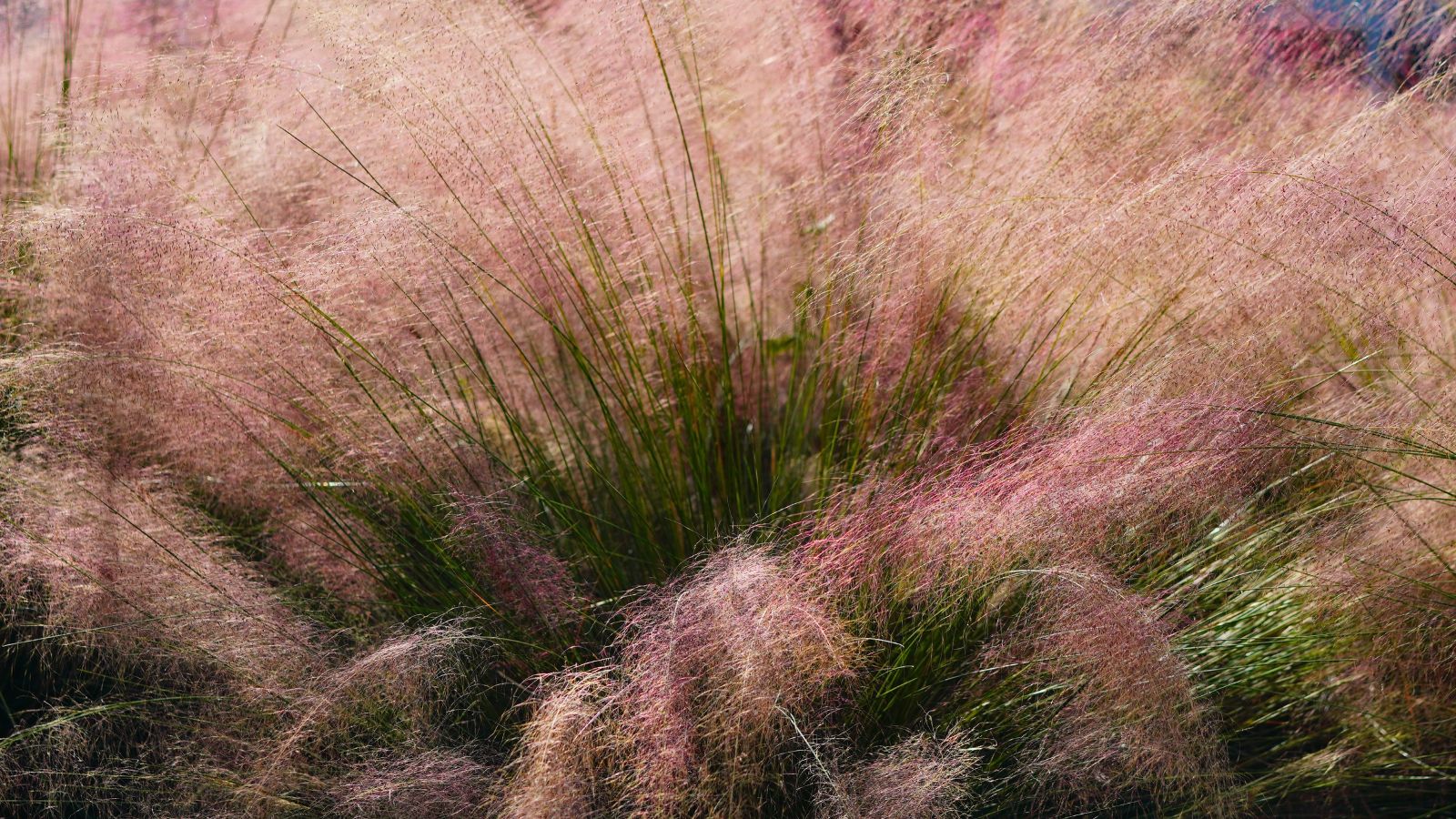
|
|
botanical name Muhlenbergia capillaris |
|---|---|
|
|
sun requirements Full sun to partial shade |
|
|
height 3′ tall |
|
|
hardiness zones 6-10 |
Appearance: Long, slender grass blades with pink flowering tops in fall.
Growing Conditions: Extremely drought-tolerant, great for xeriscaping. Amazing cotton-candy like fall color.
Learn More: Pink Muhly Grass
Ornamental grass growth will depend on the variety incorporated into the landscape design but can be broken down into two distinct branches: warm season grasses and cool season grasses.
Growth Habits of Ornamental Grasses in General
Even small ornamental grasses need plenty of space to grow and establish firm root systems. Even when planted carefully, these grasses can grow and propagate quickly, leading to crowding in the garden bed. At the first sign of crowding, separate the plants. Gently dig the roots up and transplant the grass to a new area of the garden bed with a similar soil composition. Once established, ornamental grass will grow between 4 to 8 inches per year, depending on the soil conditions and the variety planted.
Cool Season Grasses

Cool season ornamental grasses do best in cooler climates with moist soil. These varieties are sturdy plants that often grow and maintain their color year-round. Since they thrive in cool temperatures, many cool season grasses stay green even during the winter, provided the periods of frost and freezing weather are minimal.
Cool season grasses can be drought tolerant with a little additional help and care. During dry periods, the grass will continue to grow as long as it is sufficiently watered. Should the soil become too dry, the grass will dry and brown, lying dormant until conditions improve.
Unlike warm season grasses, these varieties must be planted with care to avoid overcrowding. Should growth become too thick, the soil may not provide enough nutrients to the plants, leading them to go dormant until the nutrients return to optimal levels.
If the plants go dormant and some of the blades turn brown, the damaged area can be cut away. This encourages the plant to produce fresh, healthy blades during the growing season while keeping the design looking nice throughout the year.
Warm Season Grasses

Warm season ornamental grasses are those that thrive in warmer conditions. These varieties tend to start growing in the mid-to-late spring when soil temperatures increase and wintery days are few and far between. Warm season grasses do best in southern climates where temperatures are mild year-round.
Warm season grasses prefer warm, dry soil and can be successfully grown in the Transition zone where the climate changes throughout the year. For landscape designs in this area, the ornamental grasses may not produce much visible growth until summer is in full swing, but as long as temperatures stay warm, the grasses can thrive, creating beautiful growth until late fall. Once the temperatures drop, the grass turns brown and can be cut back until spring.
It’s important to note that warm season grasses may not produce much noticeable growth until the temperatures in the soil are stable. For most areas, this happens in full summer, so warm season ornamental grasses start showing visible growth later into the growing season. If it’s important to have ornamental grasses that produce visible growth throughout more of the year, it may be possible to combine both cool and warm season varieties.
Planting Ornamental Grasses
Planting ornamental grasses requires some care and prep work to see the ideal growth and production rates, regardless of the types of grass used. As perennials, the grasses should come back, year after year, but their performance and longevity are primarily based on the foundation of the landscape design.
Preparing the Soil

Plants won’t grow in soil that is too densely packed, and tall ornamental grasses are no different. Before planting seeds or starter plants, the soil must be tilled. Tilling breaks up otherwise tightly packed areas, adding air to the soil and exposing nutrients that the plants need to thrive. Tilling can be done either in spring or fall, depending on the planting schedule.
For best results, the soil should be mixed with a small amount of fertilizer and compost to give the grasses the best foundation possible. Once the soil is rich in nutrients, the plants will be able to establish firm roots and produce fresh growth each year.
Most successful landscape designs plant ornamental grasses either in the spring or the fall. Planting in the spring gives each plant the chance to develop a healthy root system capable of surviving the harsh conditions of winter.
These plants are more successful than those planted in the fall because they’re more established in the garden by the time the temperatures drop. Spring planting should be done as soon as the soil is soft enough to work. Tilling through frozen soil is difficult and may only impede the plant’s growth cycle.
Planting ornamental grasses in the fall can be done, but it will require some additional work to keep the perennial plants happy throughout the winter. Since they’re planted late in the season, the root system each plant establishes will be slightly weaker than those planted in spring.
To combat this, make sure the soil maintains a stable moisture level and cover the top layer with mulch when the weather cools down. This will keep the roots warm while they work to establish a strong network.
August and early September are the best times for Autumn planting. Planting in late summer and very early fall gives the new ornamental grasses a chance to establish root systems before the temperatures change and winter weather rolls in. The longer the plants have to adjust to the soil, the stronger their foundation will be and the less damage they’ll suffer during the colder months.
Avoid planting tall ornamental grass starters too deep in the soil. If new plants are started too deep in the garden bed, the roots will not be able to maintain an ideal moisture level and may struggle to absorb the nutrients the plant needs from the soil. In many areas, this results in root rot, mold, and other fungi that damage the growth of the plant. Each variety will have its recommended depth guidelines to ensure ideal growing conditions.
Care and Maintenance
Like all plants, ornamental grasses benefit from conscientious maintenance and care throughout the year. When properly maintained, both cool season and warm season grasses will provide any landscape design with unique, eye-catching growth year after year.
Fertilizing

While other plants in the design may benefit from heavy fertilization, ornamental grasses require very little fertilizer to produce new growth. Most varieties do best in low nitrogen soils, and adding too much fertilizer can increase the nitrogen to the point of damaging the plant. For most gardens, using about a quarter cup of fertilizer per plant is sufficient to give the bed the nutrients it needs without harming the chemical composition of the soil. For best results, fertilizer should be applied at the start of the growth season.
Watering

Too much water can kill any type of ornamental grasses. While the soil should be moist enough to keep the roots hydrated, it’s best to avoid overwatering the garden bed. Ornamental grasses do not require frequent watering once they’re established, though, during droughts and dry spells, they may need a bit of additional water to maintain their growth.
Water the plants if they show signs of browning leaves and be sure to monitor moisture levels throughout the growing season. Younger plants will need additional water to establish a good root system.
Controlling Weeds

Ornamental grasses may be hardy, but weeds can choke their growth as easily as any other plant. Remove weeds periodically to keep each plant happy and growing strong throughout the year. Avoid the use of chemical weed killers as many of these products destroy grass as well as weeds.
Seasonal Tasks

Ornamental grasses are perennials, so they go dormant during the winter. Their growth gradually turns brown and dries out, leading many people to believe that the plants have died.
While other plants require pruning or removal once they are completely brown, ornamental grasses can largely be left alone during the winter. In fact, the plants only need trimming in the early spring before their growth cycles start. This helps remove any truly dead growth and stimulate the plant into producing new blades.
During the early spring and summer months, the grass needs minimal attention and care. Most plants can benefit from trimming of dead growth and occasional transplanting, should the bed become too crowded.
If plants need to be relocated, it’s best to transplant them in the early spring, so the roots have a chance to develop throughout the full growing season.
Dividing

Dying plants or those with brown growth in the middle of the plant can even be divided to encourage healthy growth. After the growing season, split the plant in two, cutting away the brown area to improve the appearance of the plant.
Not only will the landscaping look better, but the plant will be able to produce new growth the following season.
Ornamental grasses provide long-lasting and unique groundcover in every landscape design. Select the right variety for the climate and enjoy the foliage year after year.
With proper care and maintenance, ornamental grasses are the perfect accent to any landscape design and garden.





