How to Plant, Grow, and Care for Okame Cherry Tree
The Okame cherry tree is ideal for growing at home. It creates a beautiful canopy of deep pink blossoms in spring. Kevin Espiritu will show you how easy it is to grow and what it needs to give you the gift of perfect flowers.

Contents
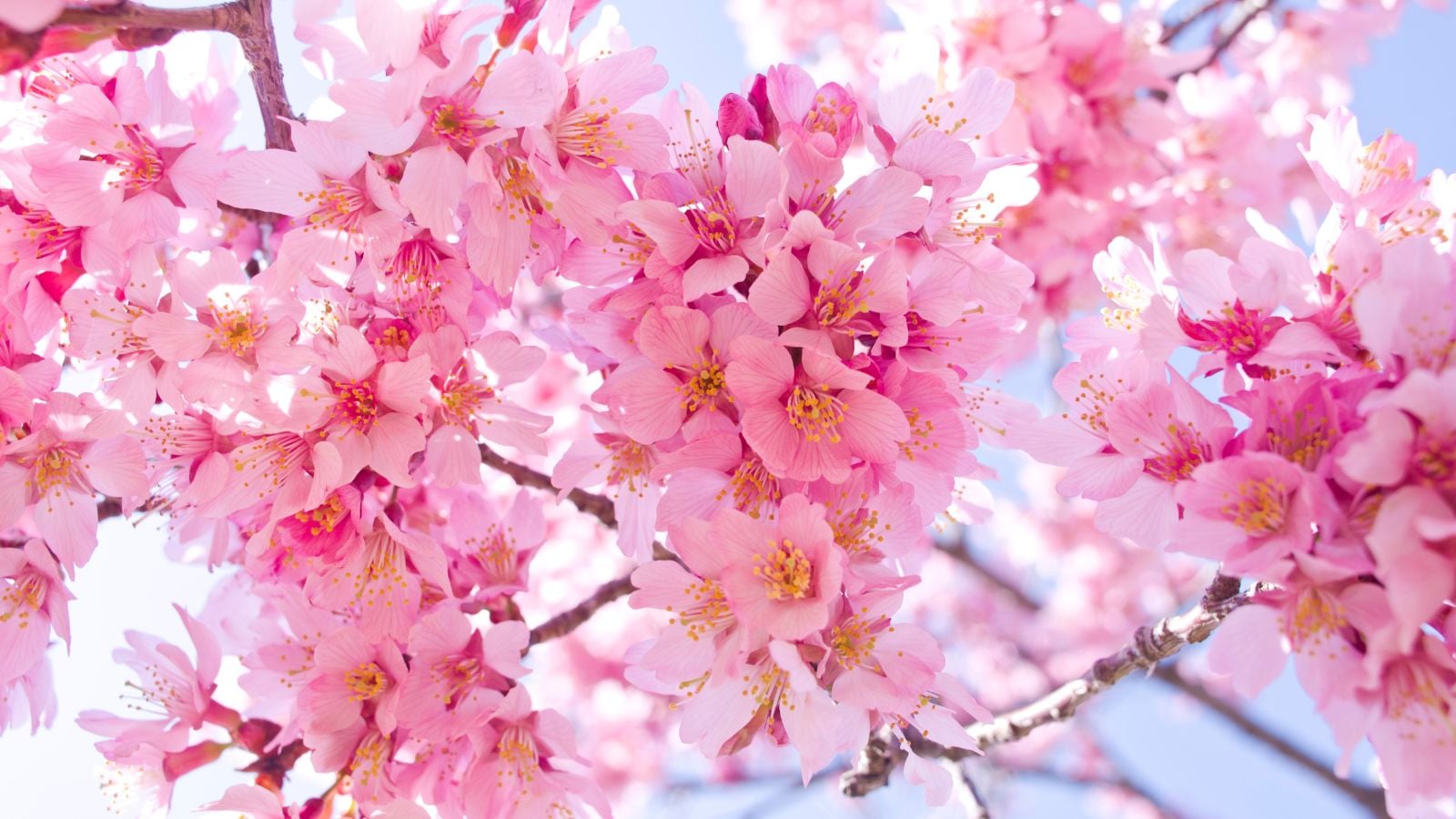
If you want to add a gorgeous, charming pink tree to your driveway, look no further than the Okame cherry tree. This incredible species of Prunus is one of the most striking of the flowering tree category, with pops of color brighter than you’re likely to see in a tree of any kind.
Even when the Okame flowering cherry tree isn’t blooming, it makes a beautiful addition to your garden, thanks to its green leaves with strong orange tints in its fall color display. Its rosy pink flowers are perfect for cherry blossom festival season, and they lack the messy fruit that other stone fruit trees do.
So let’s delve into the Okame cherry tree, so you can learn to grow one at home!
Plant Overview

|
Plant Type
Fruit tree
Family
Rosaceae
Genus
Prunus
Species
Prunus ‘Okame’
|
Native Area
Bred in England
Exposure
Full sun
Height
12-40’
Watering Requirements
Regular
|
Pests & Diseases
Rot, blight, mildew, aphids, scale, spider mites, borers
Maintenance
Low
Soil Type
Well-draining
Hardiness Zone
6-8
|
What is the Okame Cherry Tree?
Okame cherry trees sport striking pink and white blossoms that will add bundles of beauty to your landscape, and they can be planted at any time of the season. Producing masses of candy floss-pink flowers in early spring, Okame cherry trees are ideal for small gardens or lining driveways. These are strictly ornamental trees and don’t often produce viable fruit.
Native Area

This tree was originally bred in England from a cross of Prunus incisa and Prunus campanulata. The breeder, Captain Collingwood Ingram, wanted to create a tree with bright pink flowers, but without the low cold tolerance of the parent plants. It’s safe to say that he succeeded!
Characteristics

Before reaching maturity, it grows in a vase-shaped structure, rounding out as it grows older. When not in bloom, the foliage of these evergreen trees is still beautiful. It remains deep green until late August. At this point, the fall foliage begins turning golden yellow before eventually fading to a deep orange and red. The leaves remain, meaning it’s not a deciduous tree. All year long, the tree dons reddish brown bark that looks great in a landscape.
If you want a tree that attracts bees like crazy, look no further. Pollinators of all kinds flock to the rosy pink blossoms of this flowering cherry, with flowers lasting up to three weeks in the early spring. It also tends to flower earlier than other varieties of cherry for an earlier spring burst of color.
You can buy your own bare-root plants or find someone with a tree and propagate from that one. Whatever you decide, you won’t be disappointed.
Planting

Planting an Okame cherry tree requires careful site selection and preparation to ensure healthy growth. Start digging a hole twice as wide and slightly deeper than the tree’s root ball. Loosen the soil at the bottom of the hole and mix in compost to enrich it. Place the tree in the hole, ensuring the root collar (where the trunk meets the roots) is level with or slightly above ground level.
Backfill the hole with the soil, gently tamping it down to remove air pockets. Water thoroughly after planting to settle the soil around the roots. Mulch around the base with organic material, keeping it a few inches away from the trunk to retain moisture and prevent weeds. Water regularly during the first growing season to establish the tree.
How to Grow
Popular in the south, where it’s hot and humid, this tree can also tolerate a moderate to slightly cold climate. In fact, it needs a cold winter to bloom well in late winter and early spring. Grow it if you’re in zones 6 to 8.
Light

This tree wants full sun. Make sure to plant the tree in a location where it can be seen for your own enjoyment and has access to sunlight. If you live in a colder climate or up north, you should plant it in a location where it gets at least four to six hours of sunlight.
If in a hot climate or zones 8+, plant it in an area where it gets a bit of relief from the absolute hottest parts of the day if possible… blossom production will be better this way.
Water

When it comes to watering, be mindful of the specific climate you live in. If you’re in an area where soil dries up quickly and you don’t get much rain, you have to water much more often. After you plant your tree, water every few days, and after it’s established, water once per week. Avoid watering too often in times of heavy rain.
Also, add mulch around the base of the tree to avoid early dry-up. You don’t have to water as much if you’re in a colder climate that gets a bit more rain. It’s really an observation game here… pay attention to how your tree is looking and adjust your watering from there.
Soil

Flowering cherry trees can do well in almost any kind of soil. As long as the soil drains well, your tree should grow well. Make sure your soil is moist for healthy growth, though. This hybrid cherry doesn’t do well in overly wet or clay soil, so make sure that you avoid these soil conditions. Loose, fertile, well-draining soil is a good basis to start with. It will adapt to many soil types.
Temperature

Okame cherry trees are relatively adaptable but thrive best in temperate climates. They are cold-hardy and can tolerate temperatures as low as -10°F (-23°C). However, they also perform well in regions with mild winters and hot summers, provided they receive adequate water during dry spells.
While these trees require a period of winter chill to promote healthy flowering, they are less demanding than some other cherry varieties. Avoid planting them in areas with extreme heat or prolonged frost, as these conditions can stress the tree and impact its growth and blooms.
Fertilizer

You don’t need to fertilize too often for a cherry tree – once a year is plenty. Give it a low-nitrogen fertilizer early in the spring, so it can use that nutrition throughout the growing season. You can add a little bit of fruit tree fertilizer in place of your low-nitrogen fertilizer for a couple of feedings just before winter arrives. It’s at this time you should avoid fertilizing as your tree is dormant.
Maintenance

Pruning is necessary early in your tree’s life if you want to save yourself effort in later trees. Because it’s not a huge tree, some pruning after the blooms fall off will help shape it in years to come.
Here’s a simple process:
- After you plant your tree, cut the head to three feet above the ground and cut all branches back to no more than three buds.
- Let new shoots grow to about ten inches, then cut below them to help your cherry tree bush out.
- Prune off all shoots at the bottom of the tree (known as water sprouts) as well as branches coming from the center of the tree.
- Continue to shape your Okame cherry tree as desired for the first four years of its life.
Propagation

You can propagate Okame cherry tree using the green and springy cuttings of a branch in late spring and early summer. Remove all but the top two to three sets of leaves, and dip the cutting in rooting hormone.
Pot them about two to three inches deep in containers with soilless planting medium. Keep the medium warm and mildly moist by affixing a plastic bag over the cutting and the top of the container.
Lightly mist the inside of the bag as the condensation dissipates. You should see new growth in about a month. At that point, you can repot into four-inch containers. You can also graft onto another root stock, but that’s a more complicated process best explained in a different guide.
Common Problems
While the Okame cherry tree is resistant to most pests and diseases, there are a few things to look out for. Here are those, along with a couple of growing problems.
Growing Problems

If you plant your tree too deeply, it will be stressed and have less access to water and nutrients that keep it safe from pests and disease. If you just planted it, you can try to remove it and plant it slightly higher with a mound of soil at its base. However, you may have to work around issues that arise if it was planted too deeply a long time ago.
If you overwater your tree, the soil remains wet long enough to support disease pathogens that can cause root rot and the proliferation of other fungal diseases.
Pests

Over-fertilization is prohibited for cherry blossom trees. It can attract pests to your tree. If you find pests attacking the tree, use a pesticide to get rid of them.
Aphids, spider mites, and scale insects are common pests of cherry blossom trees. They suck the tree juices as they congregate on your tree. Aphids cause leaf curling and leaf drop. Spider mites cause light yellow stippling on green leaves. Scale insects congregate in slimy brown masses on branches. You can spray aphids and spider mites off the Okame cherry tree with water or use either insecticidal soap or neem oil to treat. Scale may require applications of horticultural oil in mid-spring.
Cherry borers generally only attack fruit trees when they are weak or improper nutrition is used. Please do not feed your tree with only high-nitrogen fertilizers; feed them regularly with a balanced fertilizer to keep them healthy. Ensure the trees are not dealing with stresses from damage to the trunk, pest pressures, or other causes, as they make trees more susceptible to borer attack.
Diseases

There is a risk of rot and spot in cherry trees. This requires you to water them carefully. Overwatering can spur the growth of the fungi that cause root rot. Ensure your tree has good drainage, which will also prevent some types of crown rot.
Black knot can occur in some cherry tree species, and while these ornamental cherries are less at risk, there is a rare chance that it could appear. If the fungal gall appears on your tree’s branches, prune affected branches below the gall and remove the infected tissue entirely. Do not compost the pruned material – it’s better to burn it or dispose of it in the trash!
Powdery mildew occurs in humid climates. While it isn’t likely to cause severe harm, it can spread to other plants. Prevent powdery mildew with regular applications of horticultural oil during the cool and damp season. Once temperatures consistently rise above 80°F (27°C), discontinue horticultural oil applications.
Crown galls are a risk, but unfortunately, by the time you diagnose it, it’s already established. This bacterial gall is most common on the trunks of infected trees. While the tree itself may still survive despite its bacterial infection, it can spread to other plants around the tree. There are no treatments for crown gall. Avoid using equipment around your tree that could damage it and allow fungal pathogens to enter the trunk.
Frequently Asked Questions
How fast do Okame cherry trees grow?
Usually, these flowering cherry trees grow around two feet per year, and mature plants max out at twenty to thirty feet tall, but the highest recorded one is forty-three feet tall!
Will Okame cherry tree roots invade the rest of my yard?
The roots of a cherry tree are typically closer to the surface of your soil and send out a lot of surface roots and sucker shoots. Be careful where you locate your tree, especially if you have hardscaping nearby.
How long does the cherry blossom season last?
Blooms of the Okame cherry tree usually last for about a month every spring. The blossom season is weather-dependent and can ideally occur between early March and April.
Does Okame cherry tree produce cherries?
The hybrid Okame cherry tree is sterile and doesn’t usually produce fruit.
Are cherry trees messy?
In general, other flowering cherries can be. However, this flowering cherry doesn’t produce the fruit that can cause the mess.
How long do ornamental cherry trees live?
In the context of flowering cherry trees, they live a short life of about 30 to 40 years.
How far should a cherry tree be planted from a house?
Plant your Okame cherry tree at least six meters from your home. This reduces the risk of roots infiltrating underground pipes like sewer lines and the risk of the roots damaging structures or cracking foundations. If you have limited space, consider growing your tree in a container.