How to Plant, Grow, and Care for Sundrops (Oenothera Fruticosa)
Oenothera fruticosa, or narrowleaf sundrop, is a drought-tolerant plant that is part of the evening primrose family. It's ideal for borders or xeriscapes. In this guide, Epic Gardening founder Kevin Espiritu shares how to grow and care for them!

Contents
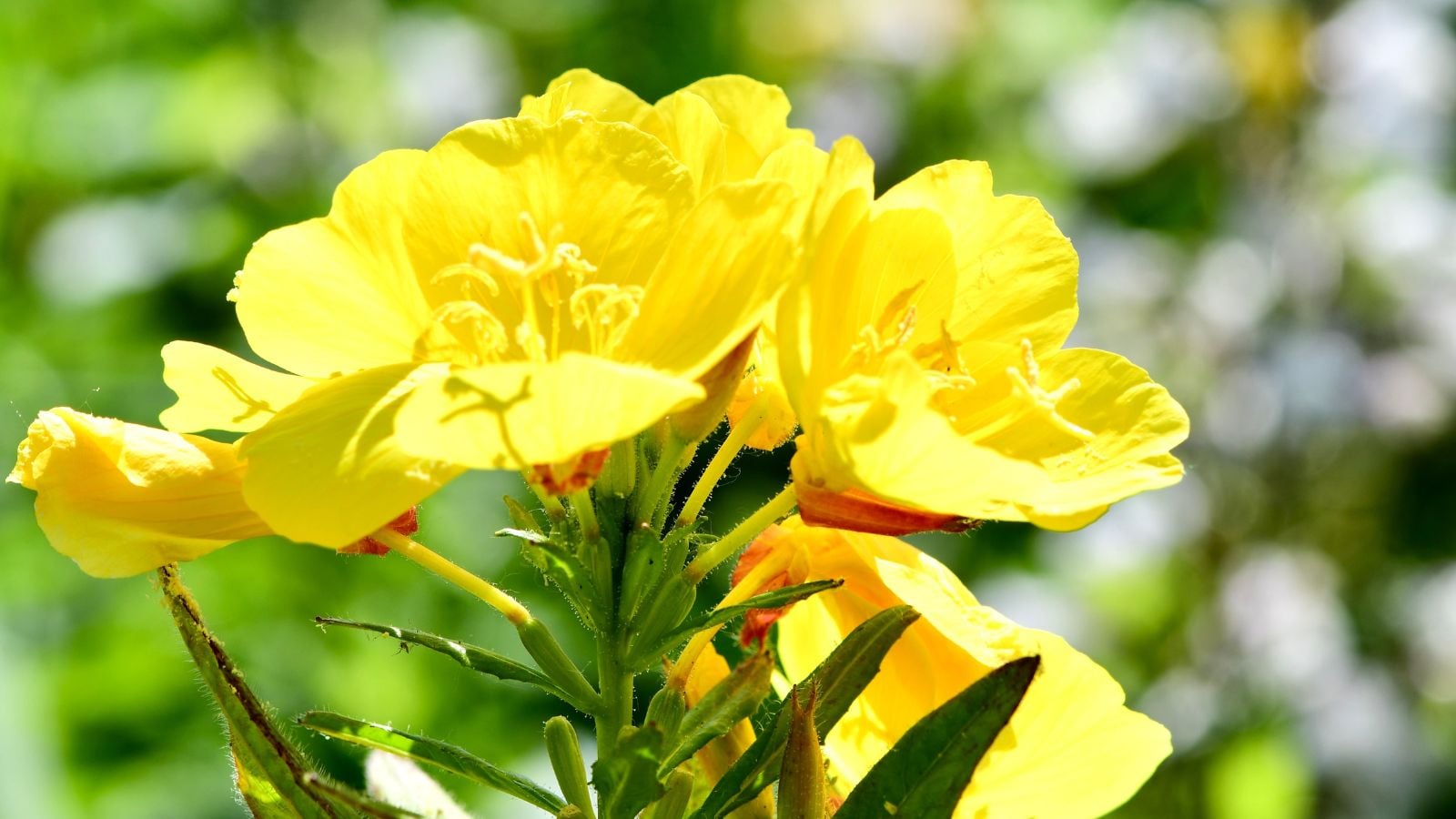
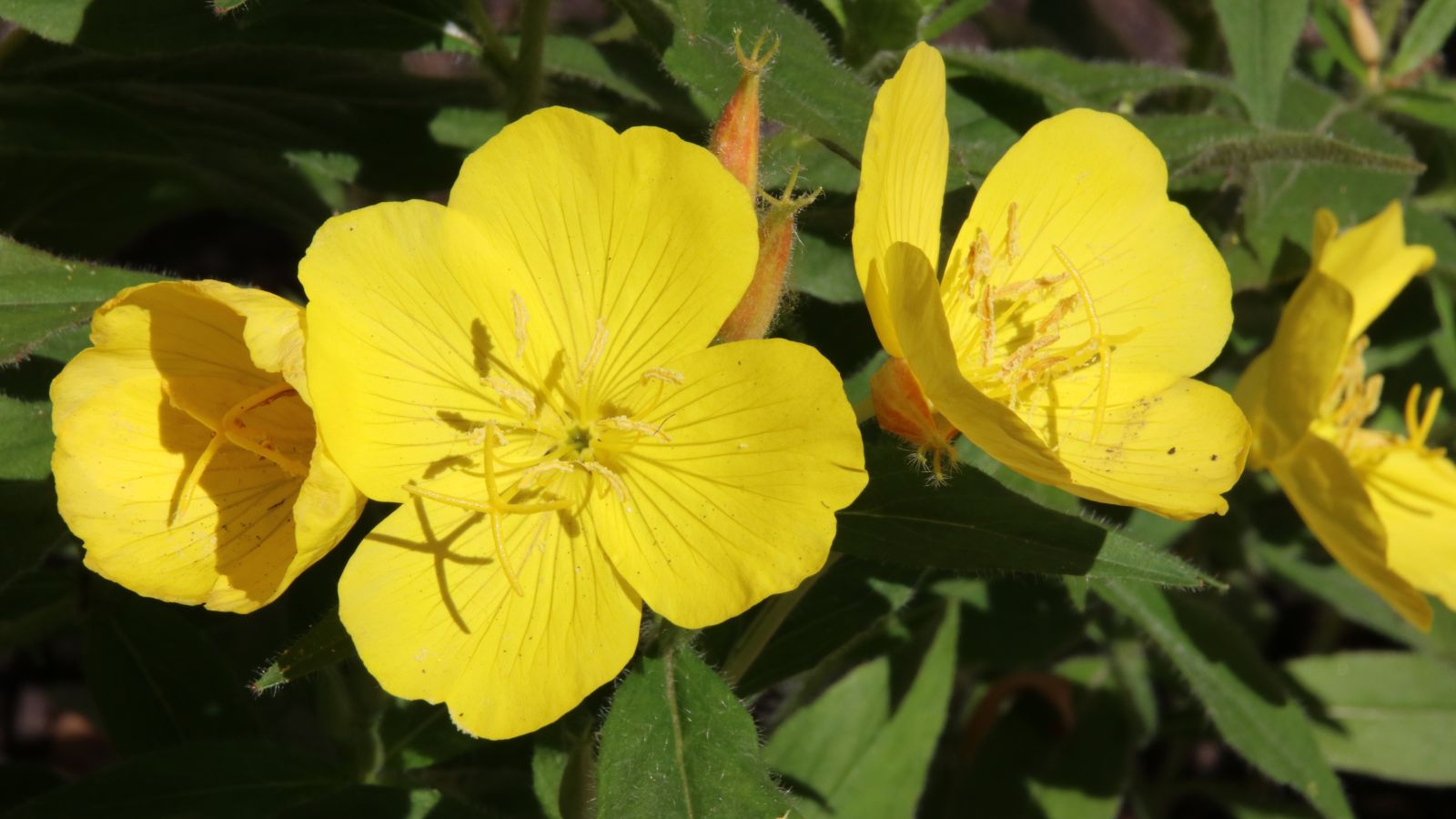
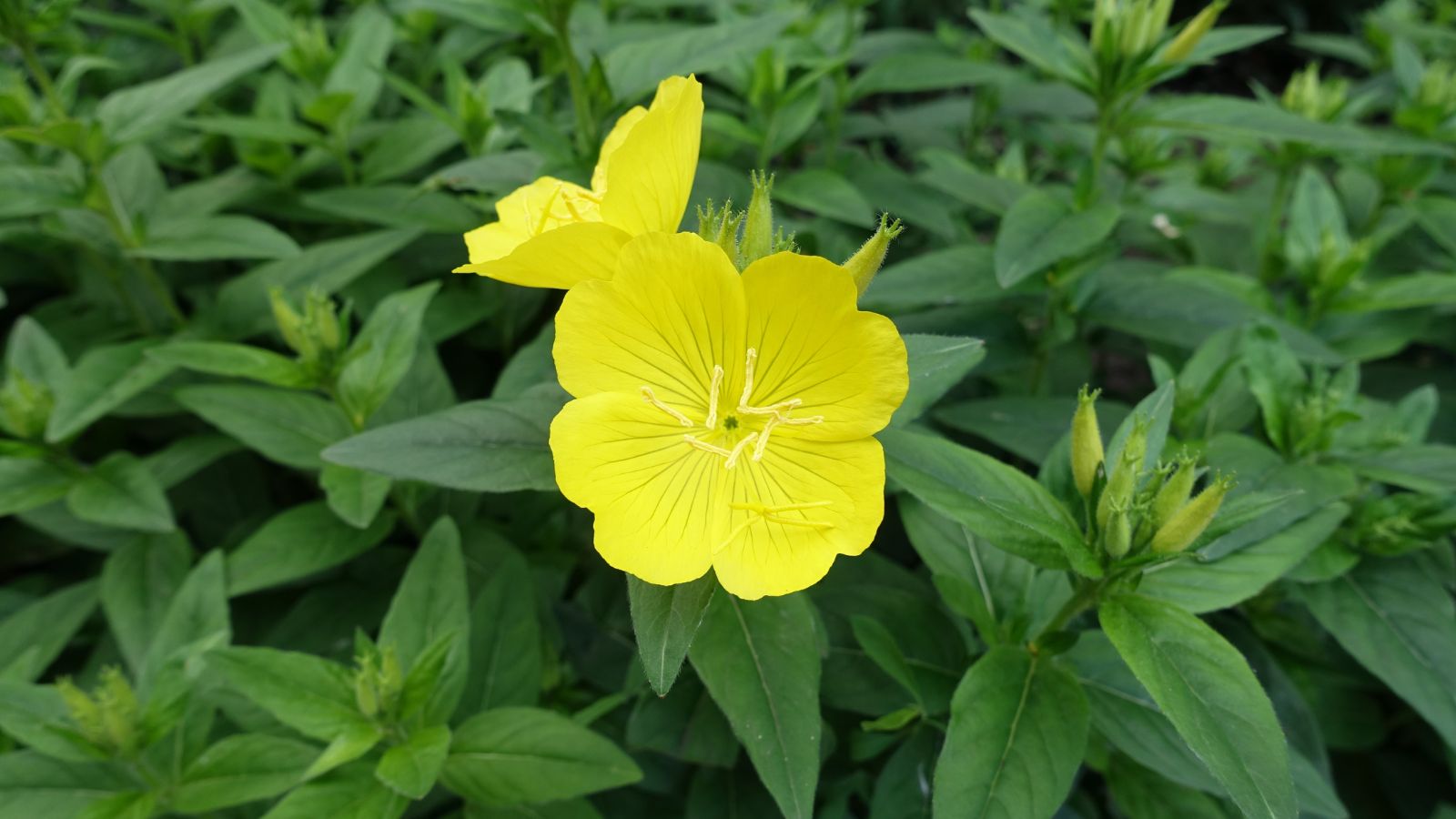
Oenothera fruticosa, commonly known as southern sundrops or sundrops, is a tall, day-flowering plant that produces bright yellow terminal clusters in late spring and summer. The lance-shaped, fresh green leaves of Oenothera fruticosa have a slightly jagged edge.
The name sundrops refers to the cup-like flowers that open during the day. Each bloom is short-lived, but they appear in succession for nearly two months. This low-maintenance flowering plant grows well in full sun and works beautifully as a xeriscape option in the garden.
Quick Care Guide

|
Scientific Name
Oenothera fruticosa
Family
Onagraceae
Zone
4-9
Height & Spread
1-3′ tall and wide
|
Light
Full sun to partial shade
Soil
Well-draining soils
Water
Tolerant of dry conditions
Pests & Diseases
Fairly resistant to deer, rabbits, etc.
|
All About Oenothera Fruticosa
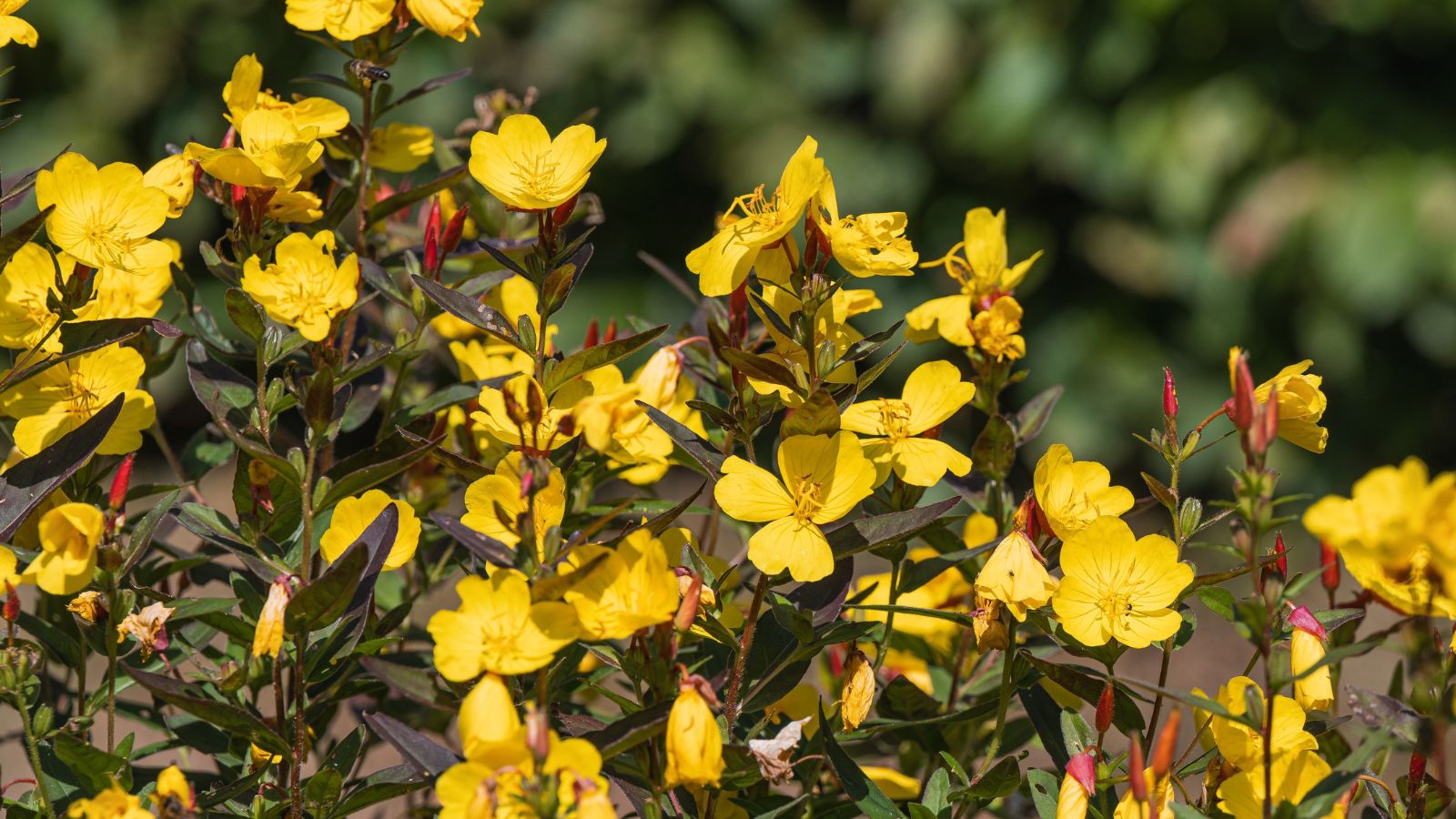
The narrow leaf primrose (Oenothera fruticosa) is a flowering member of the evening primrose family Onagraceae. It is native to many parts of Canada, Hawaii, Greenland, and eastern North America, where it grows in dry woodlands, wild gardens, moist savannas, and rocky outcrops. This tall herbaceous plant typically reaches one to three feet in height.
In the garden, you can grow Oenothera fruticosa as a border plant or in rocky and drought-tolerant areas. Cottage gardens, native plant plantings, rock gardens, and naturalized outcrops are all excellent settings for this eastern North American native. Sundrops tolerate poor soils, require only medium maintenance, and attract native bees.
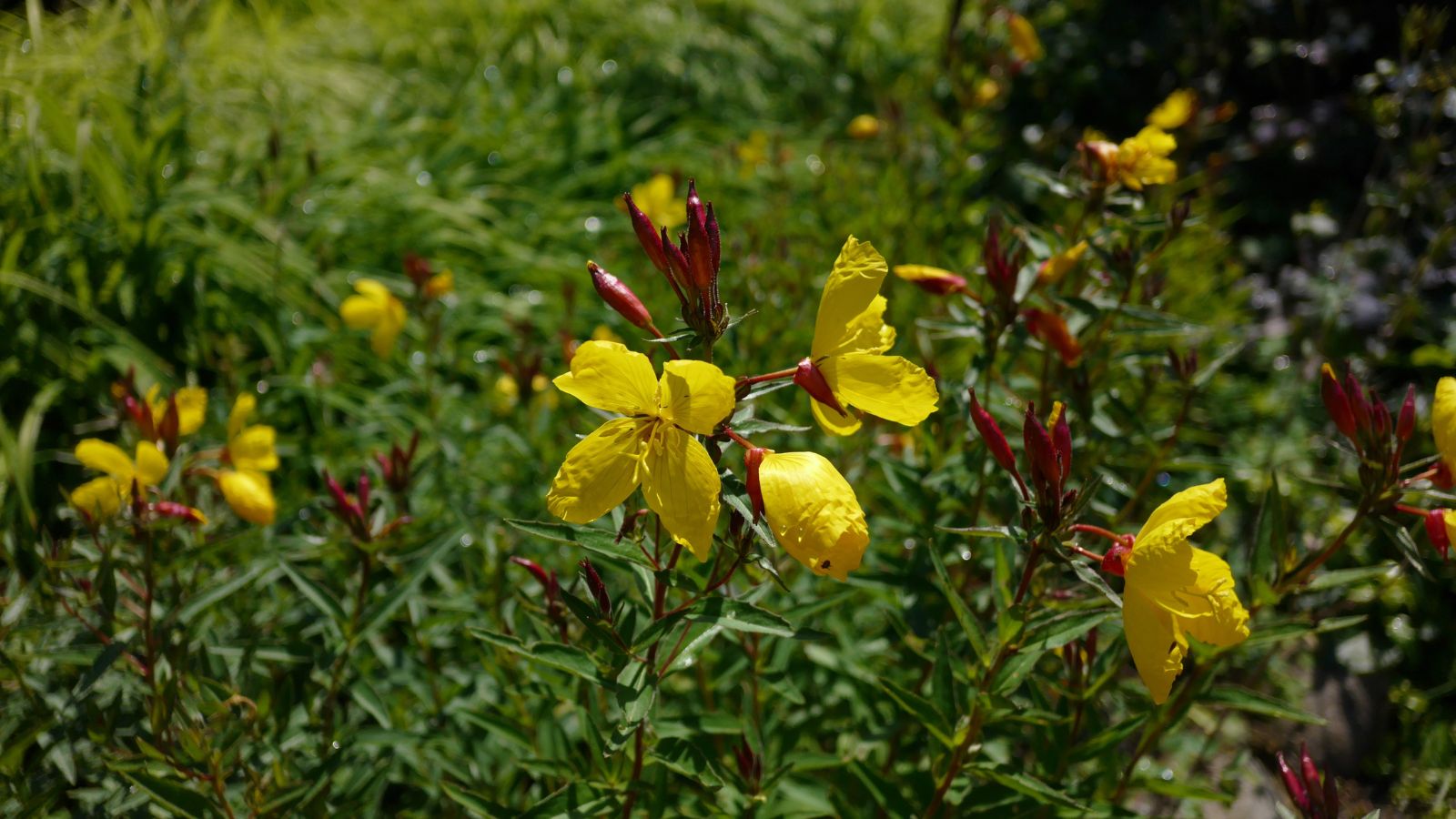
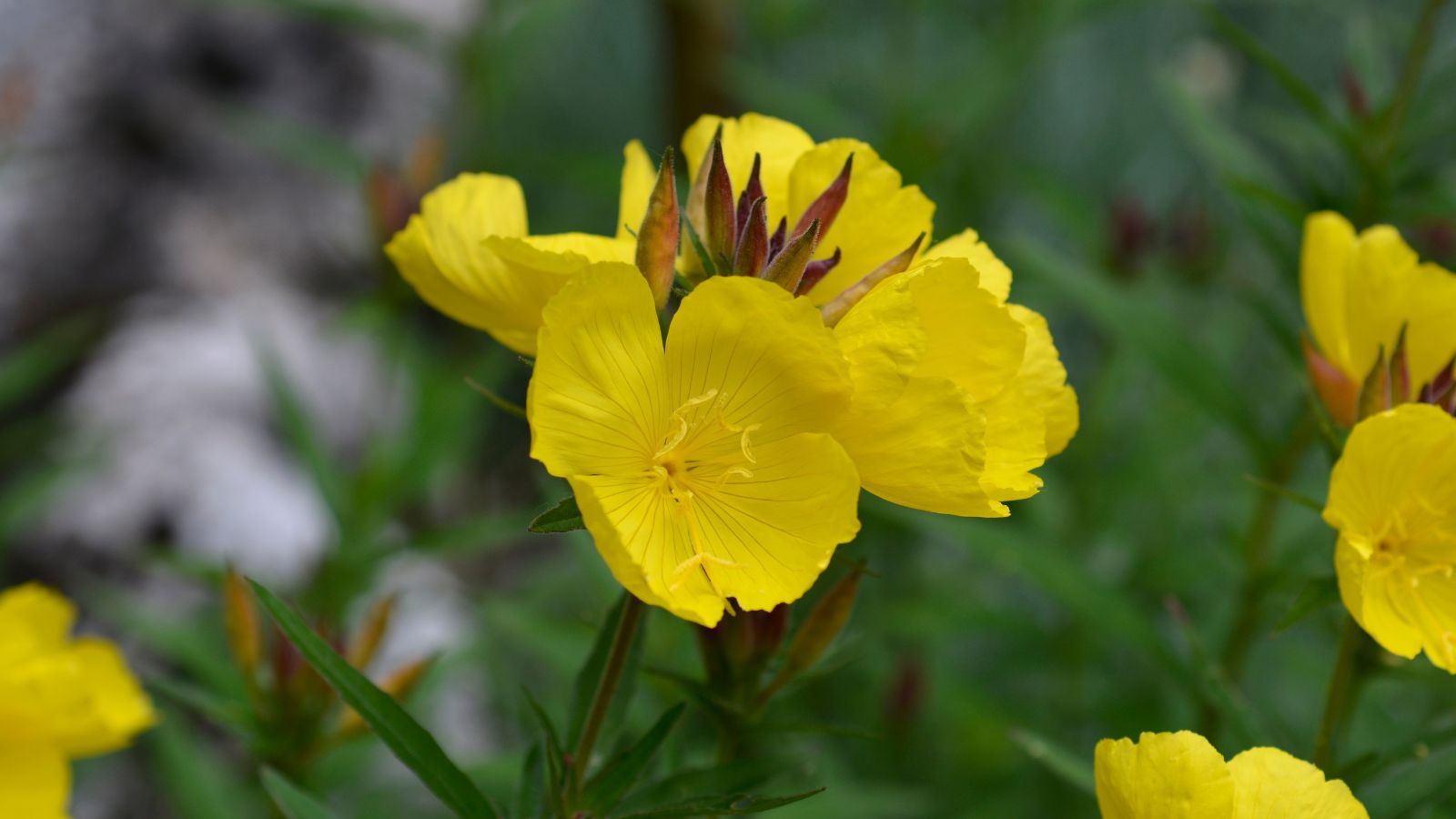
Botanically, this perennial wildflower has lanceolate leaves, pubescent blades, red stems, and bright yellow cup-like blooms. In spring, reddish basal leaves emerge from overwintered seeds, and the plant matures to bloom in May and June. Unlike its evening-blooming primrose relatives, this day-flowering species is a charming wild plant well-suited for bird-friendly beds. Its seeds are an important food source for mourning doves.
Although sundrops are a distinct species within the primrose family, two cultivars are commonly grown: ‘Fireworks’ and ‘African Sun’. ‘Fireworks’ features dark yellow flowers emerging from red buds, with deep bronze foliage and stems tinged red. ‘African Sun’ produces bright yellow cup-like blooms that form a vivid mat of color in the landscape.
How to Grow
Oenothera fruticosa is a low-maintenance perennial, and caring for yellow sundrops is simple once you understand what it needs. Here is how to keep this bright, cheerful plant thriving.
Light
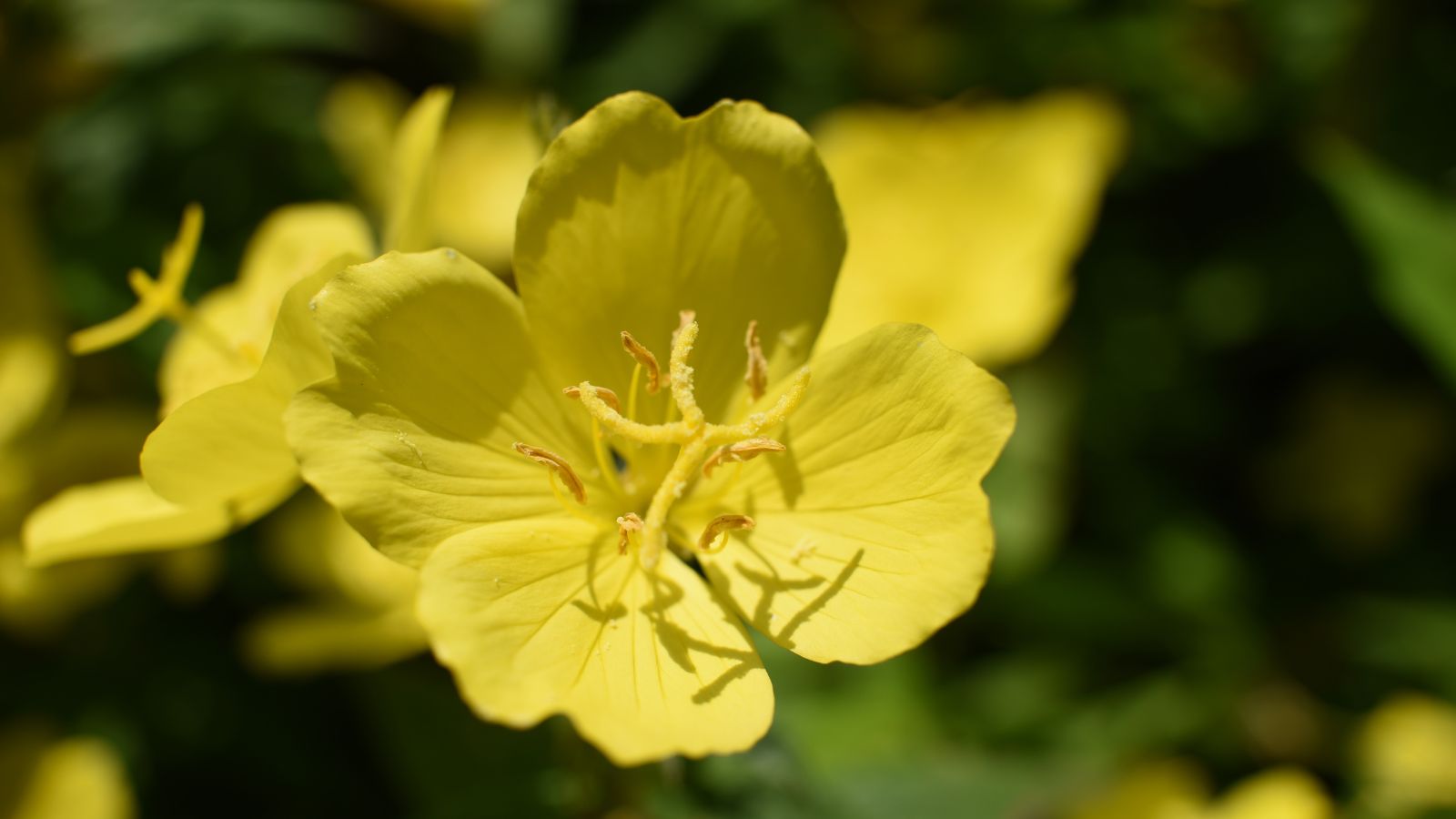
These primrose family plants grow naturally in sunny, sandy regions within USDA zones 4 to 9. They thrive in full sun, but they can also tolerate light shade.
Water

This plant is fairly drought tolerant and does not need much water to thrive, so water sparingly. Medium moisture is ideal when you first plant the seeds. Once the plants begin blooming, you will not need to irrigate.
Soil

These plants thrive in soil with a pH between 5 and 6. You can grow them easily in moderately fertile, well-draining soil. Their moisture needs range from dry to medium. While they can tolerate poor soil, good drainage is essential.
Temperature and Humidity

The minimum temperature tolerance of these plants is -33°F (-36°C). They emerge in early spring and begin blooming in late spring through summer. In fall, they naturally die back as part of their seasonal life cycle.
Fertilizer
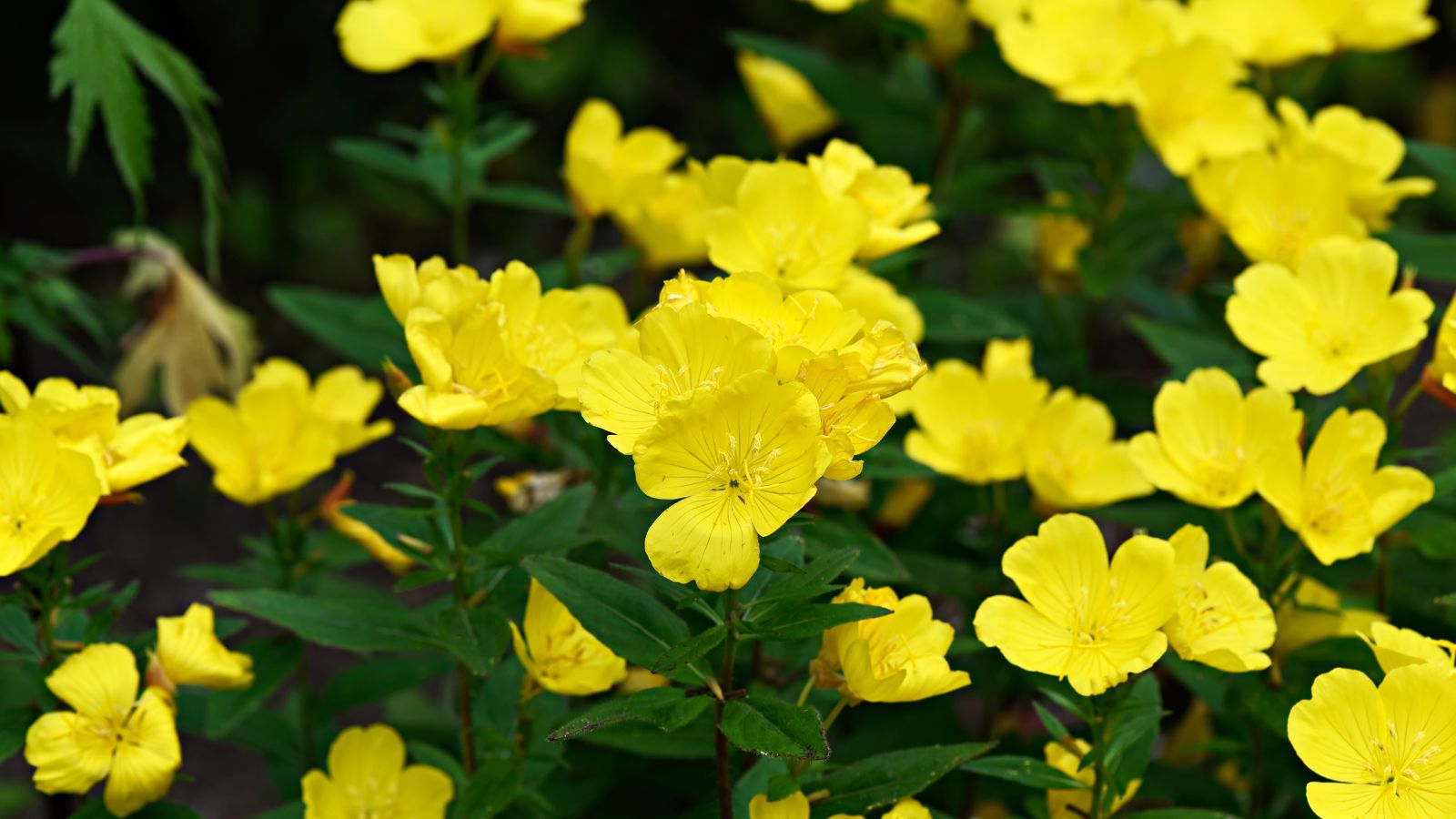
It does not require fertilizer. In fact, heavy feeding can reduce or even prevent blooming. Avoid adding large amounts of nutrients and resist overwatering to keep your plants flowering well.
Pruning

If the foliage of your Oenothera dies back after summer flowering, you can prune the stems down to the basal rosette to encourage new growth. Beyond removing any plants that have spread outside the area you want to cultivate, no additional pruning is necessary.
Propagation
You can propagate your flowers from seed. They spread very easily, so keep an eye on them to prevent unwanted spreading. Since these plants are native to dry woodlands and sunny savannas, transplant store-bought or divided sundrops into a sunny spot with plenty of light and warmth. After blooming, they drop their seed capsules and readily reseed wherever they are growing.
Troubleshooting
This plant is generally easy to grow since it resists most pests and diseases. However, there are a few issues your Oenothera fruticosa may encounter.
Growing Problems
Make sure your Oenothera fruticosa receives at least six hours of sun each day, since it needs direct light to thrive, bloom, and form well in the garden. Avoid overwatering or overfertilizing, as it prefers dry soil and minimal nutrient input.
Pests
It is naturally resistant to pests. While a few opportunistic insects may nibble on the foliage from time to time, they rarely cause any real problems.
Diseases
It is not susceptible to any major diseases, aside from occasional leaf spots that cause no real harm. Your primrose will not face significant disease issues, which is part of what makes it such an excellent plant to grow.
Frequently Asked Questions
Is Oenothera deer resistant?
Yes, Oenothera fruticosa is resistant to deer as well as rabbits.
Are sundrops perennial?
These plants are perennial. They will last for at least two years when you grow them in your garden in the right environments.
Is Oenothera fruticosa invasive?
This plant is native to most of the southeast US, but it is sometimes called “invasive” due to its weedy habit of spreading. However, it’s not invasive at all.
Are sundrops the same as evening primrose?
They are in the same family, but they are different species.





