15 Plants You Can Grow in November Using Row Covers
Row cover, or frost cloth, is a perfect tool for extending the growing season. Get more from your garden with this cheap material that’s easy to use. We’ll cover the best vegetables, herbs, and flowers you can grow this November under floating row covers.


Contents
Many of us gardeners begin winding down the garden at the end of the growing season. November isn’t the typical month to grow crops. But with row covers, or frost cloths, you can defy expectations and plant cold-season plants that thrive under protection this month.
Leafy greens, root crops, and cool-loving herbs are the ideal plants to grow this November using row covers. They need cool temperatures to grow, but they won’t survive hard freezes. The protective fabric lets air and moisture pass through, but it traps heat near the tops of the plants.
Row covers are cheap because they consist of lightweight polyester fibers. They’re not heavy, and they’re widely available at garden centers, plant nurseries, and online growing shops. If you can’t find one, use an old bedsheet instead! It’ll work well as a substitute.


Vegetables
Vegetables are the most common crops to grow under row covers this November. Cultivate leafy greens, root crops, and alliums that thrive under the cool of fall and winter. The best plants are those that you’ll enjoy eating. Grow what you love, or try something new if you’re feeling adventurous!
Beet

These root crops grow well under cool temperatures, and they turn sweeter after a light frost. Row covers allow you to grow beets well past November in pots, planters, or raised beds.
Beets dislike transplanting, as their roots are extremely sensitive to disturbance. Sow beet seeds outdoors, then drape the row cover over the site. Remove it on hot days to let sunlight reach the plants, and put it back over the plants before frosty nights.
Red beets are the classic cultivars that stain your fingers with their juice. Try the longtime favorite heirloom variety ‘Detroit Dark Red.’ Or, go for a golden yellow variety like ‘Touchstone Gold’ or ‘Golden Boy.’
Bok Choy

Leafy greens like bok choy grow exceptionally well under row covers in November. They’re perky and green in the garden, and they’re delicious and nutritious in the kitchen! Eat them fresh, or cook them in sautés, soups, and roasts.
There are large and small bok choy varieties available. They excel in cool weather, and they grow better in November than in the middle of summer. High heat causes bok choy to bolt and sprout flowers instead of leaves.
Sow bok choy seeds under row covers, or transplant starts when they’re ready to move. If you live in a cold climate, try growing tatsoi. It’s more cold-hardy than bok choy, and it stays tender under row covers.
Cabbage

Cabbage is perfect for overwintering. Some growers may leave it outside without cover, as it’s frost-hardy. Its leaves grow sweeter after light frosts!
In cold climates, cover the forming heads with row cover or greenhouse plastic. The plants won’t survive hard freezes, when temperatures drop below 28°F (-2°C) for longer than an hour. Drape covers over the plants at night, and remove them on warm, sunny days.
Green cabbage is the classic type, and it includes varieties like ‘Green Express.’ I prefer red cabbage, as it’s more decorative in the garden and in meals. Sow ‘Red Acre’ seeds if you want red cabbage.
Carrot

Carrots, like beets, are essential root crops for the November garden. They come in a range of colors, and their lacey green leaves are incredibly ornamental. Sow carrots in your beds, then cover their tops with covers to help the seeds germinate and mature into seedlings.
Carrots dislike transplanting; it can cause them to bolt and flower. Promote healthy growth by direct sowing them in containers, beds, or planters. Use the covers to keep them safe from frost while they sprout.
Mature carrots are frost-hardy, to a degree. You may overwinter them under a mulch, like compost or fallen leaves, from November onwards. Cover the roots with a layer two to three inches thick, and uncover them when you’re ready to harvest.
Lettuce

If you like lettuce, why not grow it this November under row covers? It loves cool weather, though it tends not to be too frost-hardy. Some varieties are hardier than others. Choose cold-loving lettuce for the fall, and heat-loving varieties for spring and summer.
For extra protection, add a row cover. It’ll protect young seedlings and mature heads from ice and snow. Drape it over the beds, or support it with posts.
If the lettuce seedlings are small, you’ll definitely want to support the row cover with posts. The fabric may damage the young plants. Use metal hoops, PVC pipes, or sticks to keep the cover off the plants.
Mâche

Mâche, or corn salad, is a rare leafy green that’s growing more popular in the U.S. It’s one of the hardiest greens available, and it’ll reseed itself if you let a few plants flower and set seeds. If you garden in a mild climate, you may not even need to use row covers in November to grow mâche!
This leafy vegetable dislikes transplanting. Direct sow seeds in your beds, and use covers to warm them while they sprout. Prevent bolting by removing the covers on sunny, hot days.
For repeat harvests, continue sowing mâche from November through the spring. The plants grow best during the cold months.
Onion

Sow onion seeds this October or November for a crop next spring. Giving them an early start will help them produce larger bulbs when the weather warms. Growers in mild climates may leave the seedlings exposed to the elements, while cold-climate gardeners will want to use row covers in November to protect the young onions.
What type of onion to grow depends on where you live. Sow short-day onions in southern states, long-day onions in northern ones, and intermediate-day onions in the states in between. Onions mature according to day length, and it’s good to choose a variety that’ll perform well in your garden.
Onions germinate reliably when the soil temperature hovers above 45°F (7°C). For quick harvests, sow green onions, or scallions, instead. They produce ample leaves with oniony flavor, and they go great fresh or cooked in recipes.
Radicchio

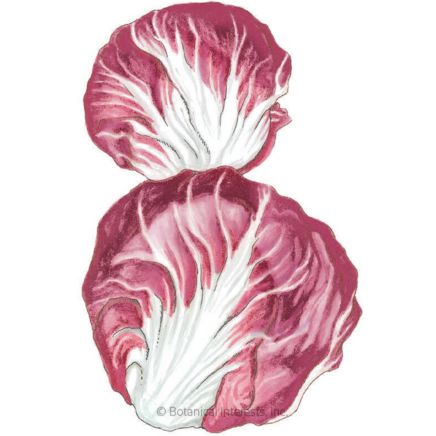
Radicchio is a bitter green with lovely color. It needs cold weather to thrive, and it’ll reliably overwinter in USDA hardiness zones 4 and above. It’s a crunchy, head-forming vegetable with a wide variety of uses in the kitchen.
Radicchio grows bitter under hot temperatures, so it’s better to plant it in November than during spring or summer. Protect it from hard freezes with row covers, and leave the plants uncovered on cool days and nights.
Herbs
Vegetables aren’t the only things you can grow in November using a row cover. Plant these herbs for aromatic, flavorful leaves to flavor your meals, teas, and marinades.
Cilantro

Cilantro is more bolt-resistant when it grows during the cold months, including November. It’s an annual herb, meaning it grows flowers and seeds, then dies in the same year. Though it goes great with summer dishes like hot tacos and rice bowls, it grows best in the fall, winter, or spring.
Grow long-lasting cilantro by planting seeds under covers this month. Sow them a half inch deep in the soil, and keep them moist while they sprout.
Cilantro seeds make up coriander spice! If you have leftover plants after November, let them bolt and produce seeds to harvest homegrown coriander.
Fennel

Fennel is halfway between being a vegetable and an herb! It produces lacey, feathery leaves with licorice-like flavors and aromas. They’re perfect for garnishing dishes and for making pickled and fermented goods.
Garden fennel produces a bulb-like structure at its base. The thick, crunchy leaves swell into a delicious bulb. To harvest, cut back the bulb at its base.
Fennel bulbs taste great roasted, fried, and sautéed. Drizzle them in olive oil, and sprinkle them with salt and pepper.
Lavender

Lavender seeds need time to sprout. They’ll have a slow germination rate when it’s cold, and a row cover will help boost germination rates. Sow them, keep them moist, and protect them until they sprout.
For quicker growth, start seeds inside and transplant the seedlings when they’re a few inches tall. Harden them off under row cover to protect them from frost. Then, transplant them and keep them under the covers so you can harvest their leaves through November.
Mature lavender shrubs are surprisingly frost-tolerant. They’ll survive the winter without protective covers in hardiness zones 5 and above. If a surprisingly cold night is approaching, you can ensure they survive the night by covering them.
Parsley

Biennial parsley thrives when the weather cools. New seeds sprout, and old plants grow frost-tolerant to survive the winter. If you’d like a parsley patch to survive through November, ensure you use covers to keep the plants warm.
Frost covers protect from more than the cold, as they also prevent pests from infecting your plants. They form an impenetrable barrier that flying insects struggle to get through. Use them as you need when the nights grow frosty and frigid, or when pests are abundant.
For the best growing results, sow cold-tolerant varieties that thrive through fall and winter. Try ‘Moss Curled’ for impressive growth through the cold months.
Rosemary

Rosemary, like lavender, is a woody, evergreen shrub with aromatic and flavorful leaves. It’s less cold-tolerant than lavender, and it’ll survive without protection in zones 8 and above.
Use covers to guarantee your rosemary makes it in colder zones, and ensure you have growth to harvest in the spring. Snip the leaves sparingly in November, and keep the covers on to encourage new growth.
Many cultivars of rosemary exist for the curious gardener. If you have a rock ledge or wall, try planting ‘Prostratus.’ It has a weeping form that drapes beautifully over the edges of planters and walls.
Ornamental Plants
If you’re looking for flowers in November, you want cold-loving plants! Try these two plants to start. They’re easy to find online and in garden centers, and they’ll survive the cold during harsh winter weather.
Ornamental Cabbage

Ornamental cabbage and kale develop ornate, gorgeous structures that look like flowers. The multi-colored leaves condense into brilliant heads that stand out in the winter landscape. They have pink, green, white, gray, and purple leaves in all sorts of combinations.
Find seeds from specialty retailers, or purchase starts from garden centers, grocery stores, and home improvement stores. They’re commonly available during November alongside chrysanthemums and pansies.
Pansy

Pansies are fall and winter-blooming perennials with giant blooms. They’re hybrids of Viola species, and they may not survive the summer in hot zones. Many pansies have multiple colors on different petals, creating colorful spectacles in the landscape.
Whether you’re planting seeds, seedlings, or starts, row covers in November are perfect for insulating and protecting pansies while they establish themselves. Keep their soil moist, but not soggy, and add mulch around their roots to provide further protection.





