13 No-Fuss Patio Plants That Look Good All Summer
Vibrant summer patio containers don’t have to require constant maintenance. If you choose reliable plants that thrive in pots, you’ll have months of color with minimal fuss. Gardening expert Madison Moulton lists the best picks for patios that almost take care of themselves.


Contents
We all want a patio overflowing with picture-perfect flowers in summer, but the result is often not as satisfying as we hoped. Wilting leaves and crispy blooms tend to detract from the overall look. But with the right selection of plants, you don’t need to sacrifice beauty for practicality.
Whether you’re working with small pots or larger container systems like GreenStalks, these plants deliver maximum impact with minimal effort. They handle summer heat, recover quickly from neglect, and keep looking fresh without much attention. Plus, many are also pollinator magnets for that extra buzz of life.


Impatiens

For shady corners where nothing else seems to thrive, impatiens are my go-to. These flowers bloom continuously from spring until frost, adding color to patios with ease.
If you have an area undercover that you need to plant in, traditional impatiens are a great choice. If your patio isn’t covered, New Guinea impatiens handle more sun than their traditional cousins. Place these no-fuss patio plants in an area with morning sun and afternoon shade for best performance.
Summer-planted impatiens need consistent moisture without waterlogging. They may wilt dramatically when dry, but luckily, they bounce back quickly once watered. Their dropping blooms mean no deadheading required, making them genuinely low-maintenance once established.
Gaillardia

Gaillardia isn’t a common choice for containers, but it does bring a wildflower look to non-wild spaces. These tough perennials need minimal water once established, meaning you won’t have to water daily or twice daily in summer as with some other flowers.
The only catch is that they need full sun, so they aren’t ideal for covered patios. But in the right position, they’ll produce non-stop blooms in sunset colors that complement any summer patio perfectly.
The only maintenance these no-fuss patio plants need is occasional deadheading to keep them tidy. Even that’s optional, as leaving spent blooms provides seeds for birds. Gaillardia self-seeds readily, so you might find bonus plants popping up next year.
Zinnia

If instant gratification is what you’re looking for, zinnias don’t disappoint. These fast-growing annuals go from seed to bloom in just weeks, a perfect no-fuss patio plant for anyone a bit late to planting this summer.
Try ‘Thumbelina’ for compact plants that are perfect for containers, or go big with ‘California Giants Blend‘ for dramatic cut flowers. Keep the pots in full sun with good drainage, and they’ll bloom until frost. Zinnias don’t mind heat and actually flower better in warm conditions, making them great for tough patio or balcony environments.
Water at the base rather than overhead to keep foliage dry and prevent disease. Butterflies adore them, so expect plenty of winged visitors throughout the season.
Coleus

Coleus are known for adding pops of color to shady areas like covered patios. But some varieties handle full sun beautifully, meaning you can grow coleus no matter what your patio space looks like.
The beauty of these no-fuss patio plants lies in their versatility. If you’ve heard the phrase ‘thriller, filler, spiller’ for container design, use them as thriller plants in mixed containers or combine a few different types for a colorful, low-maintenance display.
After planting, pinch growing tips early to encourage bushiness. After that, they don’t need much attention. If they start to flower, you can pinch those off too, as the foliage is typically what you want. Coleus wilts when it needs water, but recovers quickly once you notice.
Salvia
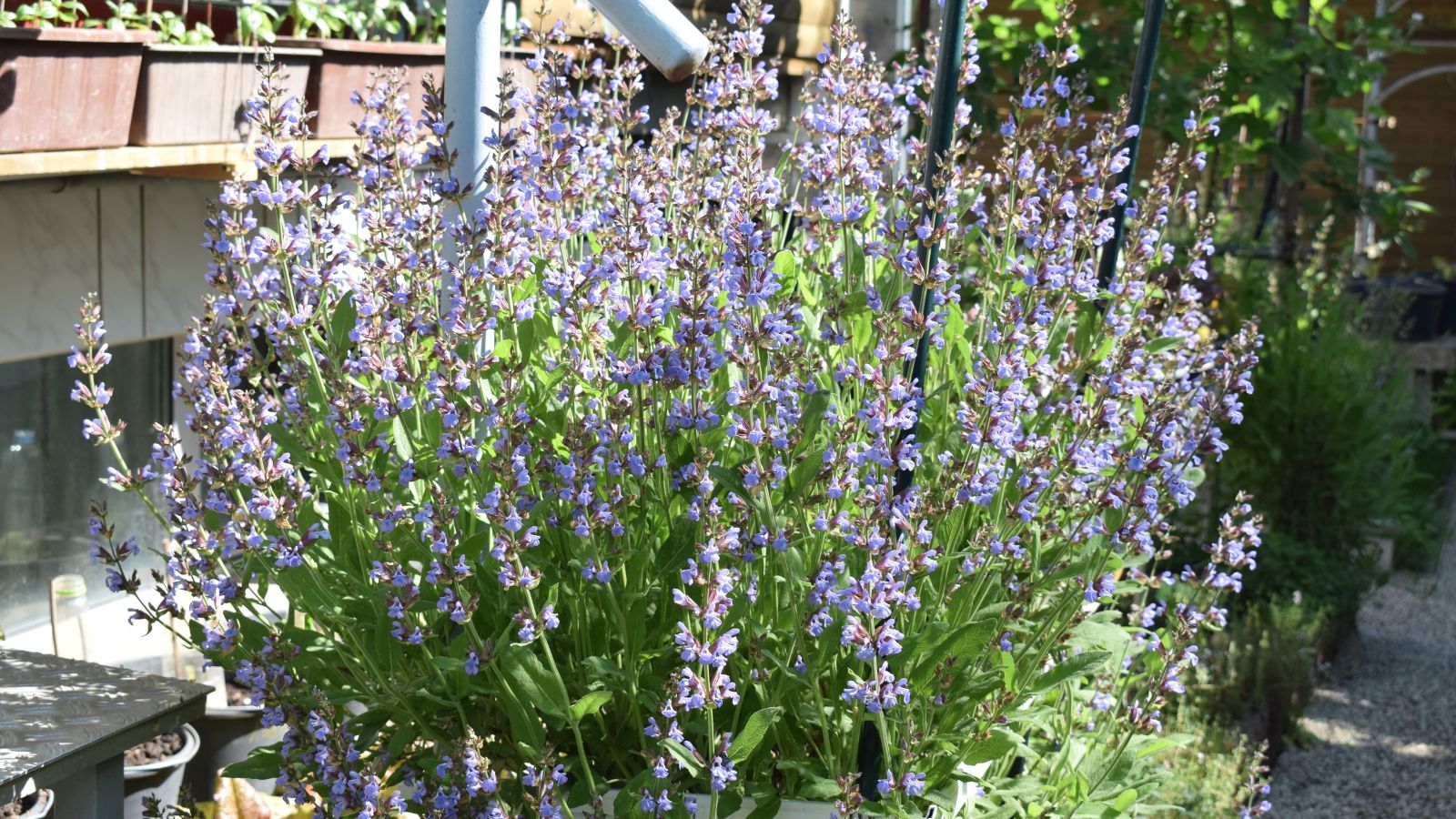
The massive salvia group offers something for every patio situation and any type of gardener. Tender salvias grown as annuals like ‘Blue Victory’ bloom profusely in heat, while perennial types return year after year in the right climates with minimal care.
As with many other entries on this list, plant salvias where they’ll get full sun and good drainage. They’re not picky about soil quality, as long as it drains well. Make sure you space according to mature size. Some salvias stay compact and tidy in containers, while others outgrow small spaces quickly.
Bees are obsessed with salvia flowers. All you need to do to keep them around is deadhead spent blooms, and even that isn’t 100% necessary. Salvias need almost no intervention to look good.
Lavender

Lavender is a summer garden staple for both looks and fragrance. This Mediterranean native doesn’t mind neglect once established. As they come from winter rainfall regions, these no-fuss patio plants prefer the dry conditions that would stress thirstier plants.
Choose types and varieties suited to your climate to make sure they last beyond one season. Also look for more compact types that thrive in containers. The most important thing to consider when planting is exceptional drainage, as lavender would far rather be dry than wet.
Like salvias, summer flowers attract bees and provide scented blooms to bring indoors. Prune lightly after flowering to maintain shape.
Sweet Potato Vine

Another foliage-focused no-fuss patio plant, sweet potato vine brings a touch of drama to summer gardens. They may not be the centerpiece of pots, but these vines can cascade over the sides of containers or baskets.
Whether you want eye-catching bright green or dramatic deep purple, you’ll find a stunning ornamental variety suitable for the occasion. Plant them at container edges to make the most of the flowing foliage. They’re equally happy in sun or partial shade, as long as it’s not too harsh.
Sweet potato vines bounce back quickly after watering, so don’t worry if they start looking a little sad. Trim the vines to control size or let them run wild for maximum impact.
Petunia

In tough patio conditions in summer, certain petunias don’t struggle anymore. Growers have created tough, no-fuss patio plants that power through summer heat without stress. You can enjoy the characteristic carpet of flowers no matter what your patio looks like.
Spreading petunias work as spectacular spillers in containers. Traditional types offer an incredible color range, ideal for growing in bright summer hanging baskets. Plant in full sun for maximum blooms (although they will tolerate some shade).
The secret to keeping petunias looking their best is consistent feeding. These heavy bloomers need regular nutrition to maintain their flower show. Water when the soil feels dry, and don’t be afraid to give them a mid-summer trim if they get leggy.
Rosemary

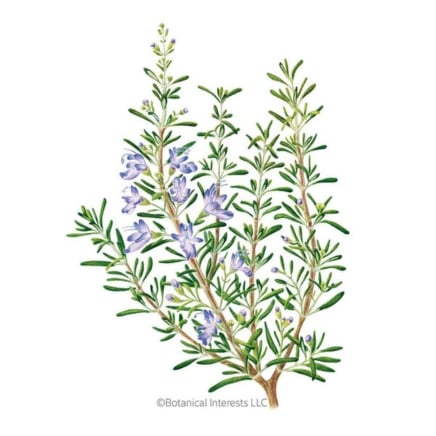
Your no-fuss patio garden can be both beautiful and functional with the right herbs. Rosemary has great structure, adorable flowers, and fresh herbs for your kitchen. Plus, this Mediterranean herb actually prefers the drainage and heat of patio conditions.
Plant in a pot with drainage holes and use a sandy potting mix to create the ideal conditions. They will generally be restricted by the size of the container, but keep harvesting to keep them from becoming unruly.
Keep them close by on your patio, preferably close to the kitchen for easy harvesting too. The aromatic foliage releases its scent when brushed, creating a sensory experience every time you pass.
Sedum

Sedums are one of the most drought-tolerant options, great for sunny patios that aren’t under cover. If you’re in a hot climate where succulents are preferred for summer patios, sedum is the ideal starting point.
These no-fuss patio plants come in diverse textures and colors with none of the high-maintenance nature of fussy flowers. With so many varieties to choose from, there’s a sedum for every situation.
Most sedums bloom late in the season when other plants are winding down, providing nectar for pollinators preparing for winter. Rather than tidying up spent flowers, keep them for winter interest and bird food. Divide every few years if they outgrow their space, but otherwise, these plants practically maintain themselves.
Portulaca

Like sedums, portulaca thrives in conditions that would kill most plants. But they come with adorable flowers that thrive in sunshine and close up at night, creating a daily show on your patio you can look forward to.
Some varieties are short-lived, but newer Portulaca species have been bred for longer flowering times, extending the display. Place your container in the hottest spots where nothing else grows, and they won’t mind. They actually bloom better in poor soil with minimal water.
Portulaca self-seeds, so you may find new ones popping up around your garden the following year. Some gardeners see this as a bonus, while others prefer to deadhead spent flowers. Either way, these tough plants provide reliable color in challenging spots.
Calibrachoa

Calibrachoa are similar to petunias, but are even more no-fuss. These trailing plants produce masses of small petunia-like flowers without the wilting leaves or deadheading. They’re perfect for containers and hanging baskets.
Feed regularly during the growing season to maintain constant blooms. They’re slightly more cold-sensitive than petunias, so provide some protection in fall. Once established, they’ll bloom continuously until frost kills them off.
Lantana

In hot climates, lantana is the perfect no-fuss patio plant. These plants don’t mind drought and humidity, producing cute clusters of tiny flowers that change color as they age. They can be aggressive in the garden, but keeping them in pots restricts growth and spread, giving you much less to worry about.
Lanata grows quickly and prolifically, preferring to be alone in a container rather than paired with other plants. But that doesn’t detract from their beauty or the no-fuss benefits they add.
Butterflies also adore lantana, visiting constantly throughout the day. In zones 9 and above, lantana is a perennial, returning each spring. Elsewhere, treat it as an annual or overwinter containers indoors.





