How to Plant, Grow, and Care for Nectarine Trees
A backyard nectarine tree might be the perfect addition to your food garden. The fruits are delicious and incredibly juicy, giving you plenty to harvest season after season. In this guide, we cover the ins and outs of growing this summer fruit!

Contents
Nectarines make a fantastic addition to the home garden, offering sweet, flavorful fruit while doubling as highly ornamental trees. A nectarine tree decorates the garden with fragrant pink blossoms in spring, fills the air with the scent of ripening fruit in summer, and delivers a fiery display of foliage that signals the start of fall.
A nectarine is essentially a smaller, sweeter version of a peach with smooth skin. Like peaches, nectarines come in clingstone and freestone varieties. Clingstone types have flesh that clings to the pit and are most often used for processing and canning. Freestone varieties separate easily from the pit and work best for fresh eating and freezing. Nectarines taste great fresh and also work well in salads, smoothies, ice creams, cobblers, and jams.
Gardeners have grown nectarines for thousands of years, which means many cultivars are available today. Breeders have developed varieties suited to zones 5 through 9. Dwarfing rootstocks allow gardeners with limited space to grow nectarines successfully, either in the ground or in containers.
Growing a nectarine tree does require consistent care and maintenance, which can feel intimidating to new gardeners. Success comes from following a regular maintenance schedule. With the right approach, growing a healthy tree that produces an abundant harvest becomes very achievable. When choosing a nectarine tree, visit a local nursery to find cultivars that perform well in your specific climate.
Round Metal Raised Garden Bed Kit

Round Metal Raised Garden Bed Kit – 15” Tall
Small Modular Metal Raised Garden Bed Kit

Small Modular Metal Raised Garden Bed Kit – 15” Tall
Quick Care Guide

|
Scientific Name
Prunus persica var. nucipersica
Days to Harvest
Annually June-August
Light
Full sun
Water
Moderate
|
Soil
Well-drained nutrient-rich
Fertilizer
10-10-10
Pests
Aphids, red spider mite, peachtree borer, scale
Diseases
Peach leaf curl, brown rot, bacterial spot, powdery mildew
|
All About Nectarine Trees
Nectarines, or Prunus persica var. nucipersica, share the same botanical species as peaches but fall under the variety nucipersica. Peaches and nectarines both originate from China and date back more than 2000 years. A natural genetic mutation in peaches produced the smooth, fuzz-free skin that defines nectarines.
Growers favored this trait and selectively bred it over time, resulting in the wide range of nectarine cultivars available today. The genus Prunus also includes other familiar fruits and nuts such as plums, cherries, and almonds.
Characteristics
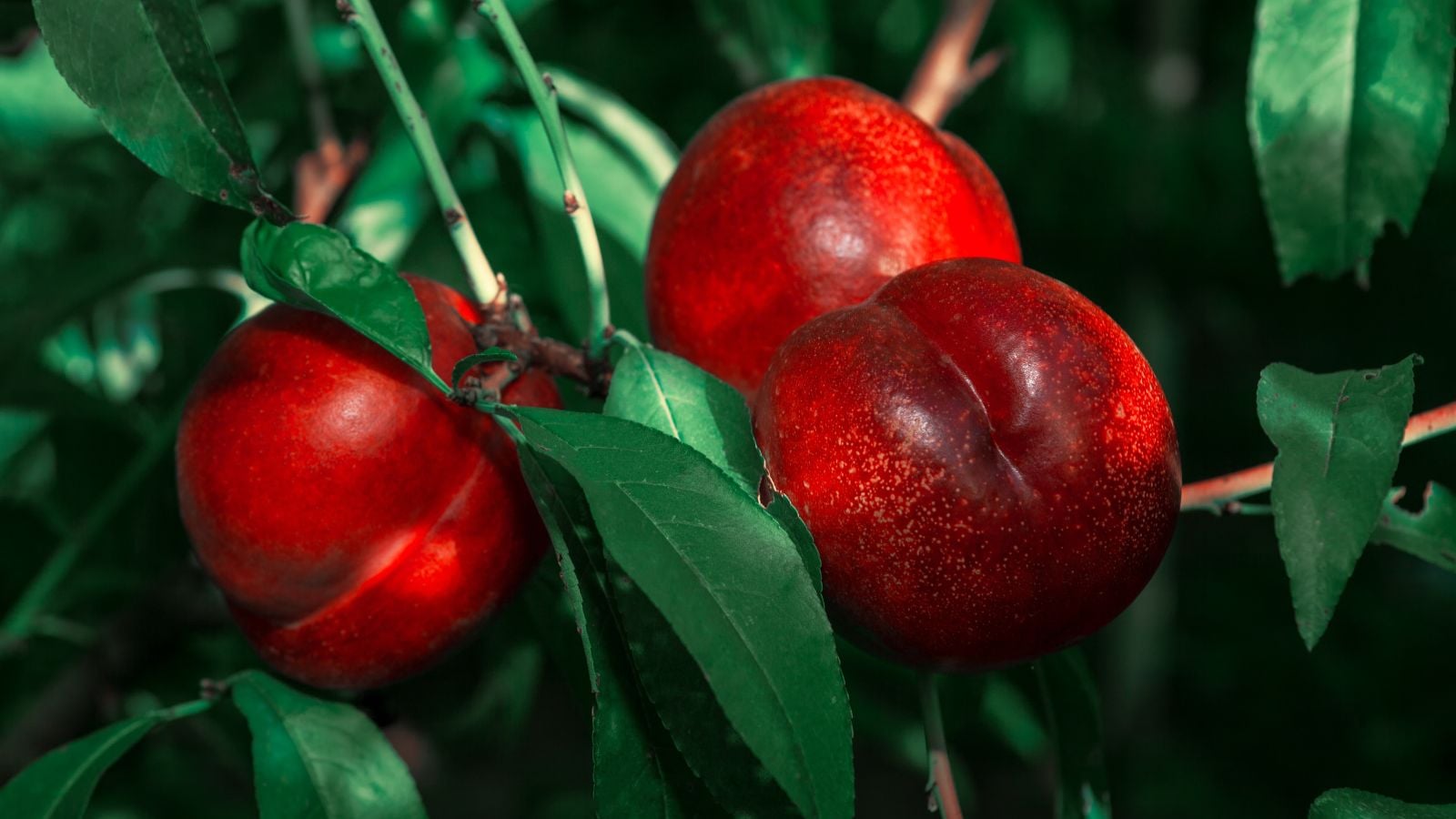
Mature nectarine trees range in height from six to 30 ft, depending on the rootstock used. Prunus persica is a deciduous tree with lanceolate leaves. The flowers are pink with five petals, similar in appearance to cherry blossoms. Nectarines develop green skin early on, then ripen to shades of yellow, orange, red, or white. The flesh is either yellow or white and surrounds a single large brown pit at the center.
Nectarine trees enter dormancy during winter. In spring, the tree breaks dormancy with pink blossoms that cover the canopy, followed shortly by leaf emergence. Nectarines are self-fertile, so they do not require pollination, although pollination increases fruit production. Fruit develops, ripens, and is harvested in summer.
After harvest, nectarine trees drop their leaves in fall and return to dormancy. Each cultivar has a specific chill requirement for fruiting the following season. Chill hours accumulate once temperatures fall below 45°F (7°C).
Varieties
Many excellent nectarine varieties are available to home gardeners. Breeders have developed cultivars for zones 5 to 9, so choosing a variety suited to your climate is essential. ‘Fantasia’ is a popular yellow freestone cultivar adapted to zones 5 to 9 with a low chill requirement of 250 hours. ‘Mericrest’ is another yellow freestone cultivar valued for its resistance to brown rot and leaf spot. It performs well in zones 5 to 8 and requires 800 chill hours.
If you prefer white nectarines, ‘Goldmine’ is a white freestone cultivar suited to zones 5 to 9 with a chill requirement of 400 hours. For gardeners with very mild winters, ‘Desert Delight’ is a strong option. This smaller nectarine tree produces semi-freestone yellow fruit and requires only 100 to 200 chill hours.

Planting

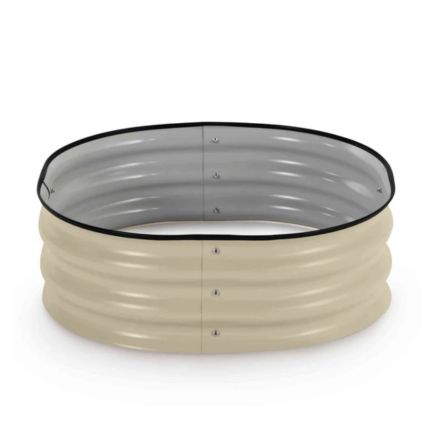
Young trees can be planted either in the ground or in containers. Select a sunny site that receives at least eight hours of direct sunlight each day and avoid areas with high wind. Good drainage is critical for healthy growth. If the planting site drains poorly, plant trees in a raised bed. Raised beds should measure five to six feet in diameter and 10 to 12 inches tall.
Plant nectarine trees while they are dormant in late winter or early spring. When planting in the ground or a container, keep the graft union at least two to three inches above the soil and mulch line. Slender young trees may need staking for added support. When planting more than one tree, space them 8 to 12 feet apart.
For in-ground planting, dig a hole twice the width of the rootball. Set the tree in place, backfill with loose soil, and finish with a layer of mulch. For container growing, choose a 15 to 20 gallon pot and fill it with a high-quality potting mix suitable for fruit trees.
How to Grow
Nectarines perform best with a consistent maintenance routine. Skipping regular care can lead to pest and disease problems, along with reduced fruit quality and yields.
Light
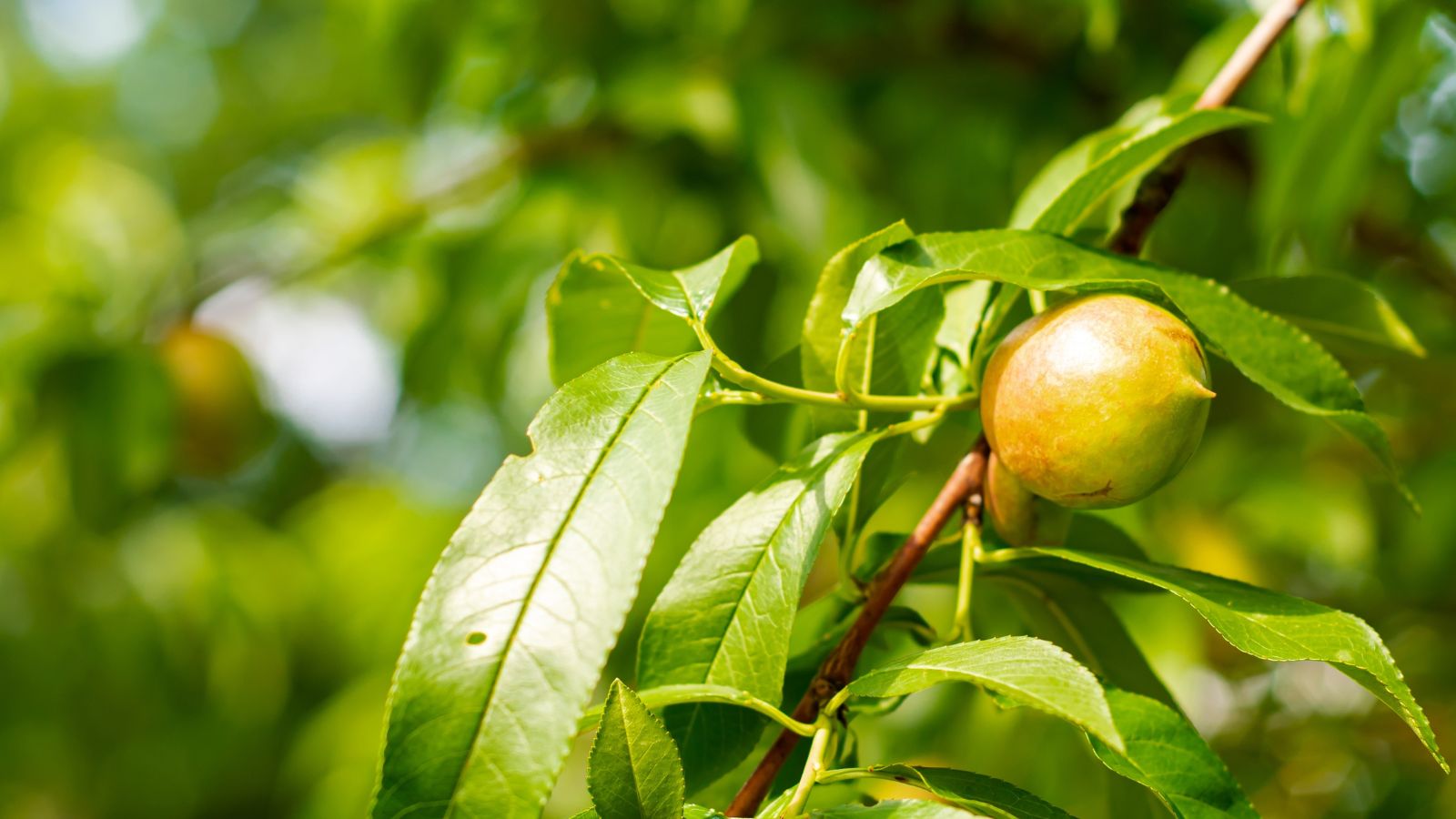
Nectarine trees require full sun, with a minimum of eight hours of direct sunlight each day. Nectarines grow well in zones 5 to 9, where hot summers and cool winters support optimal growth.
Growers commonly plant nectarines in regions with summer temperatures consistently above 95°F (35°C). Sunburn can occur under these conditions, but the damage is usually mild and does not affect overall tree health or fruit production.
Water

Water in-ground nectarine trees once a week and keep the soil moist but not saturated. Irrigate early in the morning to prevent prolonged moisture on the soil surface and plant tissues overnight. High humidity combined with wet conditions encourages disease development.
Use drip irrigation or soaker hoses to deliver water directly to the root zone and keep the trunk and foliage dry. Monitor soil moisture during winter and rainy periods, and reduce irrigation as needed to avoid overwatering.
Soil

Nectarines grow best in well-draining sandy loam soil with a pH between 6.0 and 7.0. Because nectarine trees are highly susceptible to disease and pest problems, maintaining high-quality soil is essential for growing a healthy, productive plant.
Temperature

Nectarines require a specific number of chill hours for proper bloom development. Chill hours accumulate once temperatures drop below 45°F (7°C). In regions with mild winters, selecting cultivars with lower chill requirements is essential for reliable fruit production.
While dormant, some cultivars tolerate temperatures as low as -15°F (-26°C). Although nectarine trees handle cold well, flower buds remain far more sensitive to frost damage. Fully open flowers can tolerate temperatures down to 28°F (-2°C) before injury occurs. Frost damage to blooms directly reduces fruit production for the season.
Fertilizing

Fertilize new trees one week after planting with 10-10-10 fertilizer. Apply 10-10-10 again every March, May, and after harvest. Broadcast the fertilizer eight to 12 inches away from the trunk to avoid direct contact with the roots.
Pruning
Prune nectarine trees annually while they are dormant. Focus on keeping the canopy open, removing weak or damaged limbs, and encouraging consistent fruit production. Train trees to an open-center form with three to four main scaffold branches.
This structure maximizes sunlight exposure and improves airflow, which helps reduce disease pressure. Thin developing fruit as needed to prevent limb breakage and to produce larger, higher-quality nectarines.
At Planting
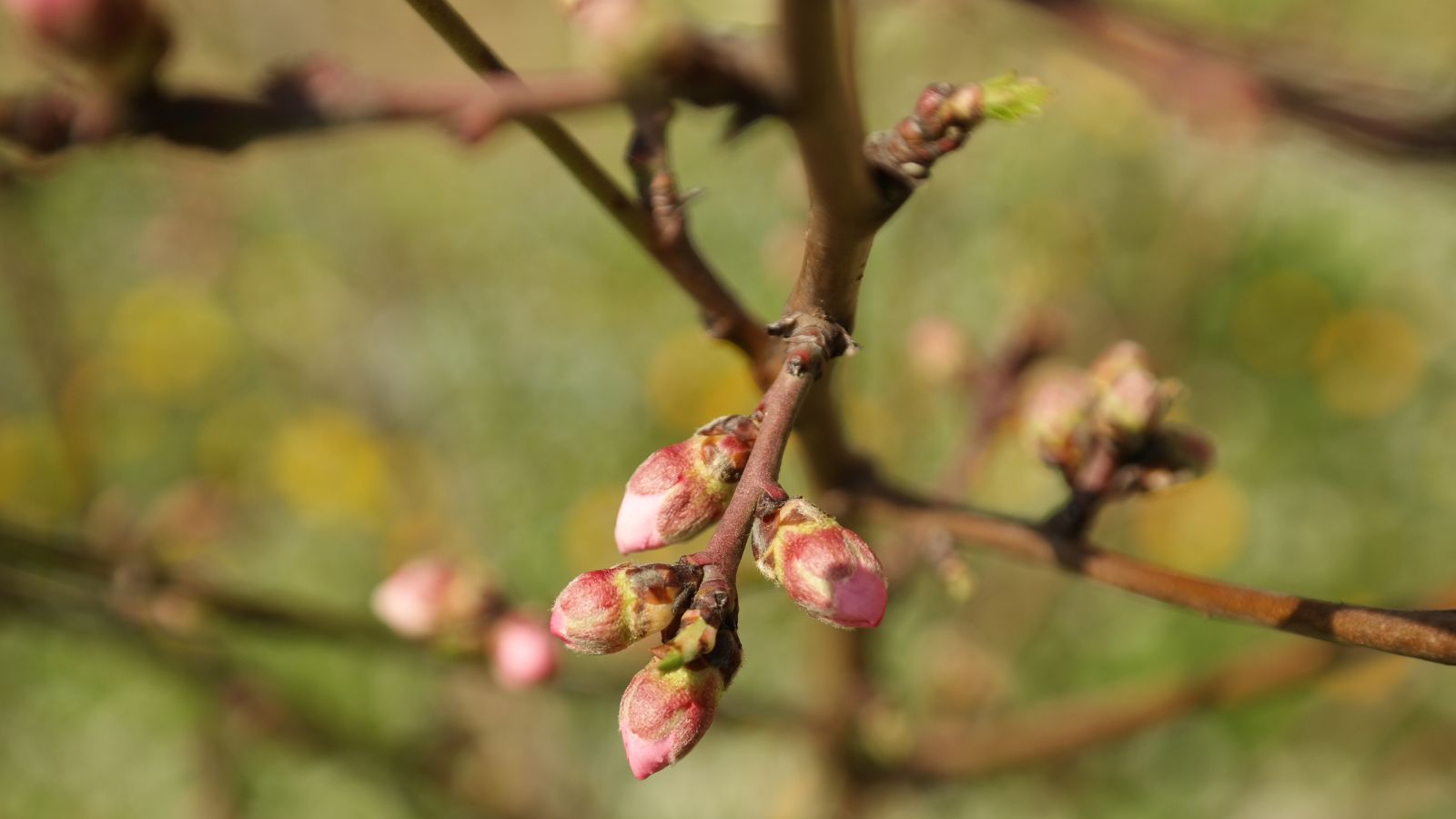
Young nectarine trees should be planted as a single whip and pruned down to about 30 inches. Pruning the top of the tree will promote side branching.
1st Year

Select three to four branches to become scaffold branches. Select scaffold branches that are at least three to four inches apart on the main trunk and pointing in different directions. Scaffold branches should never overlap and should have about a 45° angle from the main trunk. Remove all other growth.
2+ Years

Start by removing all damaged and diseased twigs and branches. If any fruit or leaves remain on the tree, remove and discard them.
Next, remove branches growing toward the center of the tree to keep the canopy open. Examine each scaffold branch closely. You will see many new shoots produced during spring and summer, which will become next season’s fruiting wood. Nectarines produce fruit primarily on one-year-old growth. You can identify one-year-old wood by its lighter color. These twigs lack the rough, woody exterior of older branches and appear light brown, green, or red.
During pruning, plan to remove about 40 to 50% of the new growth to maintain proper shape and prevent excessive fruit production. Without pruning, the tree develops weak limbs that can break under the weight of developing fruit. Choose strong branches arranged alternately to the right and left of each scaffold branch. Remove any shoots growing directly inward or outward from the canopy. Prune remaining new shoots back to 18 to 24 inches, cutting at an outward-facing bud to encourage balanced growth.
Fruit Thinning
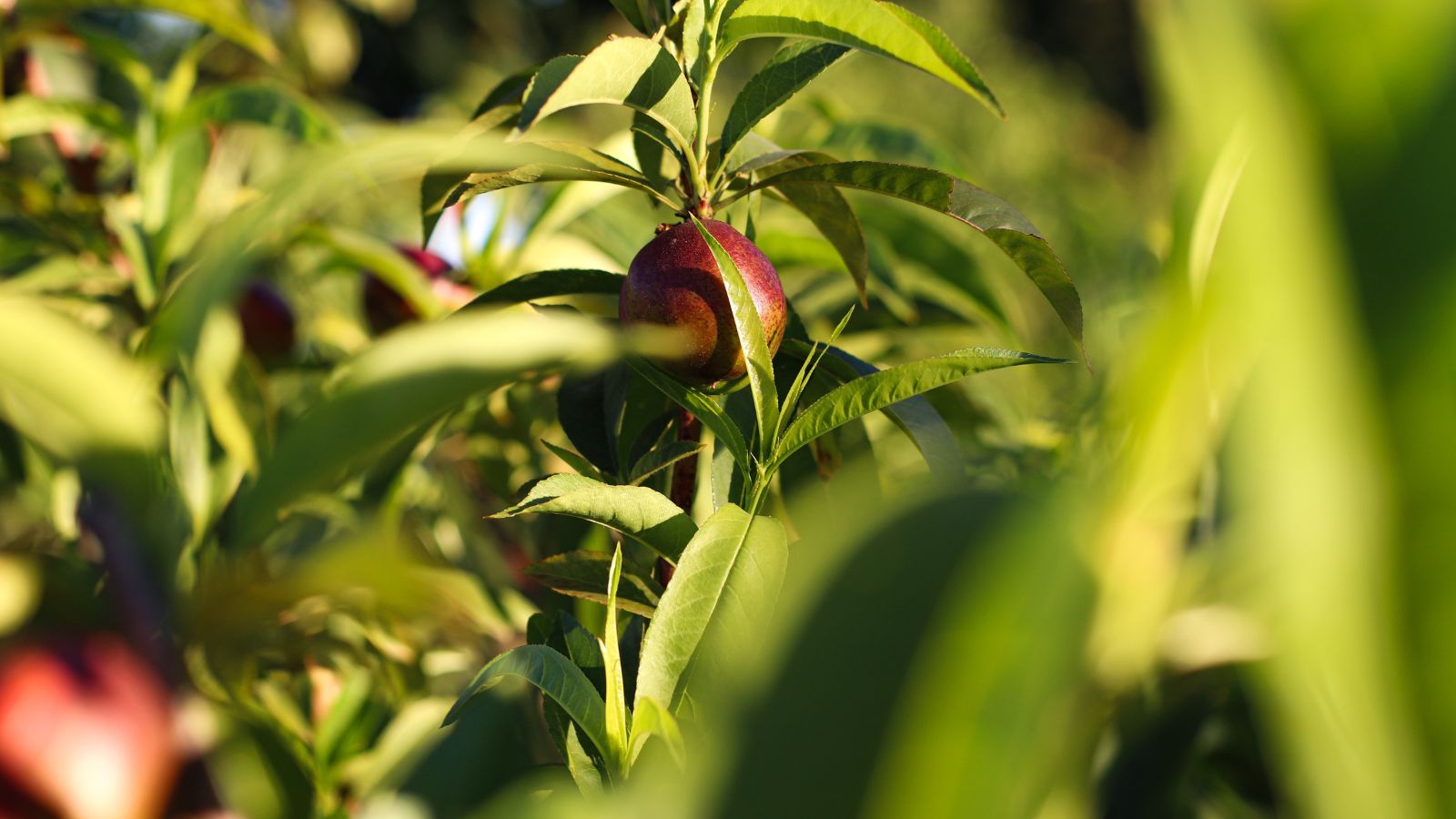
Fruit thinning is best done about one month after bloom while the fruit is still small. Start by removing the smallest fruit. Then, thin to keep larger fruit six to eight inches apart.
Propagation
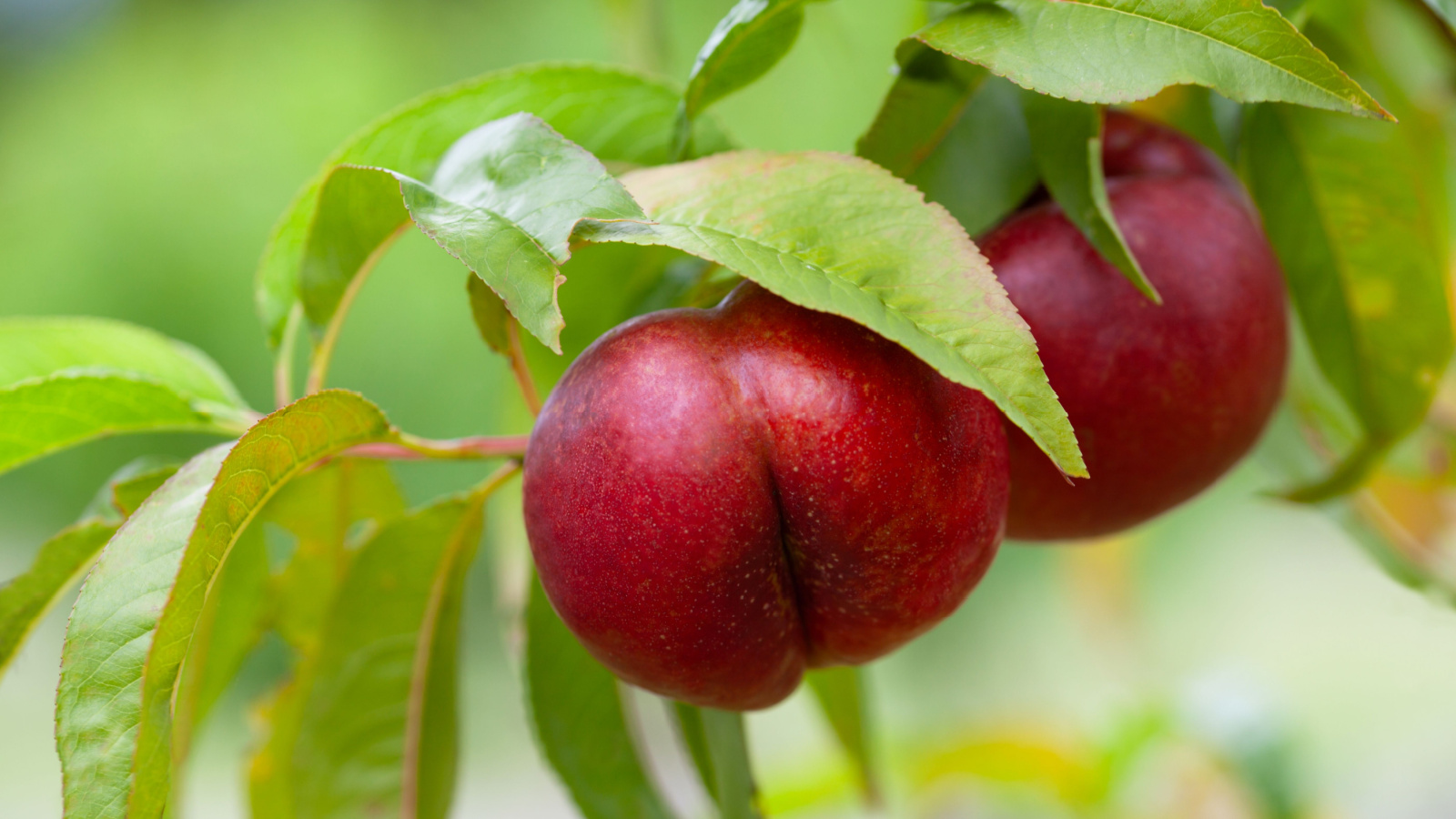
Nectarines can be propagated by seed, cuttings, or grafting.
Seed
Gardeners most often use seed propagation to produce rootstocks, though it can also grow fruiting trees. This method takes time, and trees grown from seed do not reliably retain the parent plant’s characteristics. Patient gardeners with space for multiple trees may still find it worthwhile. Trees grown from seed typically take two to four years to produce fruit.
To propagate by seed, remove the seed from the pit. Fresh seeds remain dormant and require stratification to break dormancy. Place the seed in a container or bag with moist soil and store it in the refrigerator at 34 to 40°F (1 to 4°C). Check regularly for germination, which can take three to four months.
Cuttings
Growers commonly use cuttings to propagate rootstocks that do not produce true-to-type seed, though cuttings can also propagate fruiting varieties. Collect hardwood cuttings from the previous season’s growth between October and January. Cuttings should measure 10 to 12 inches long.
Apply a rooting hormone to encourage callus and root development, then insert the cuttings into soil and keep them consistently moist. Protect cuttings from direct sunlight until roots establish.
Grafting
Grafting remains the preferred method for propagating nectarine trees. This approach allows growers to pair the most suitable cultivar with an appropriate rootstock for their region. Rootstocks can provide benefits such as size control and nematode resistance.
‘Lovell’ is one of the most widely used rootstocks due to its cold tolerance and ability to perform well in many soil types. Growers raise rootstocks from seed or cuttings and graft them using chip budding from May to early June or from late July through September.
Harvesting
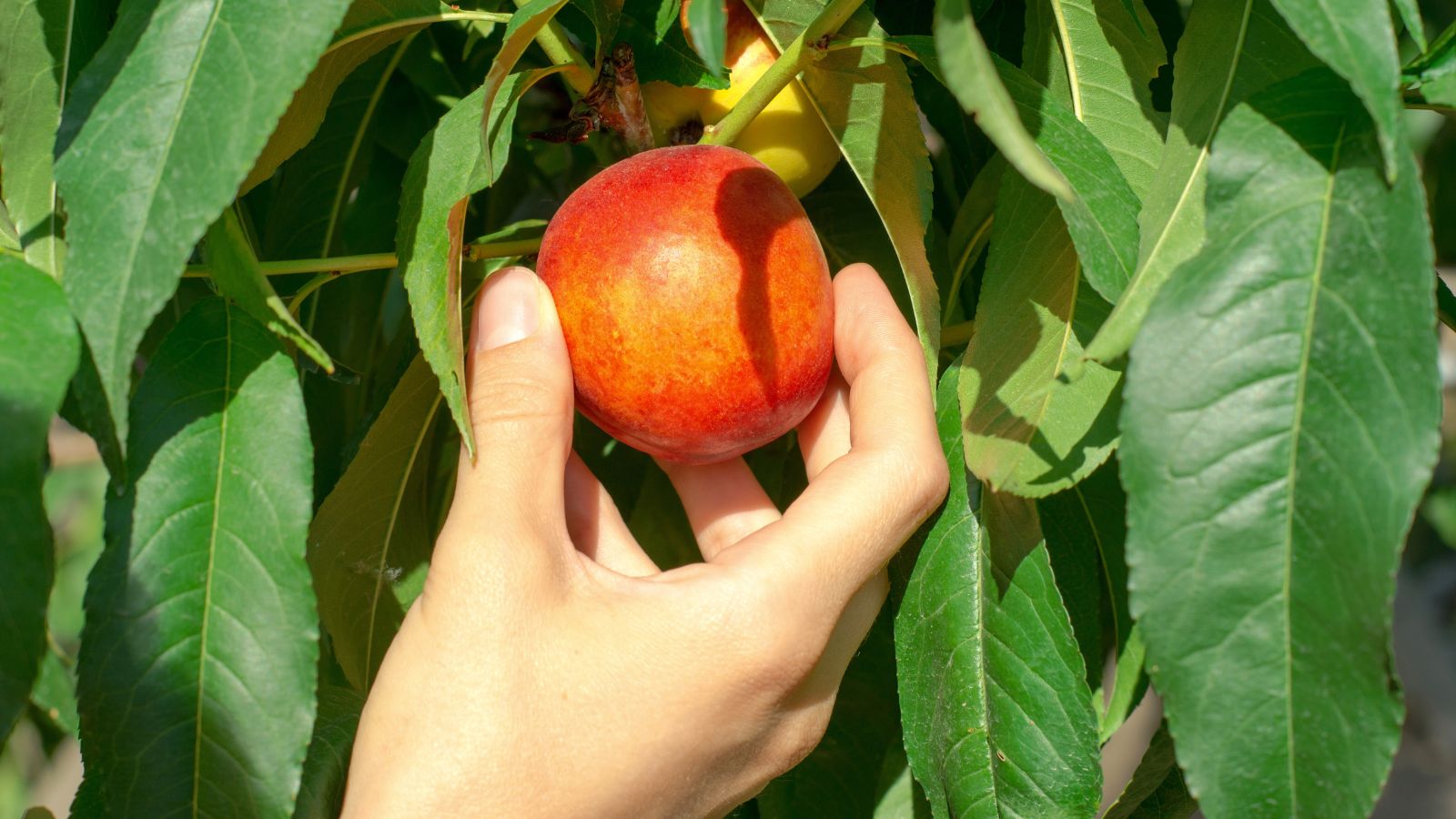
Nectarines are ready to harvest between June and August, though early and late cultivars can extend the season from May to September. Color provides the first sign of ripeness. Harvest fruit once it shows full color with no remaining green. Ripe nectarines should release easily from the tree with a gentle pull or twist.
Before harvesting the entire crop, taste one fruit to confirm ripeness. Nectarines feel firm and slightly crunchy at harvest and soften over the next few days. Avoid picking up fruit from the ground, as fallen nectarines bruise easily and can contaminate healthy fruit during storage.
Storing
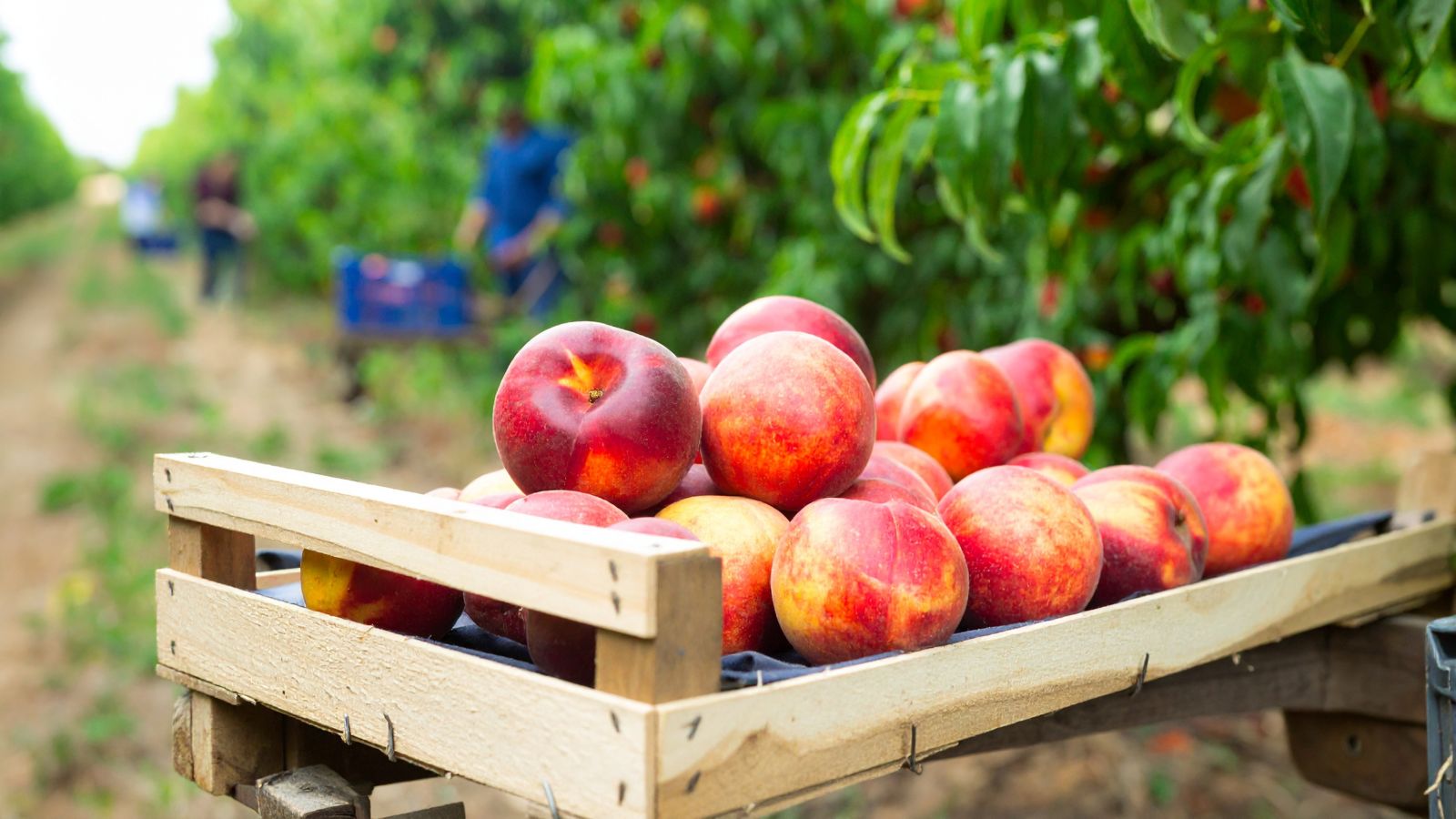
Store nectarines in the refrigerator for one to two weeks. At room temperature, they will keep for only a few days.
For long-term storage, nectarines can be frozen, canned, freeze-dried, dehydrated, or preserved as jams and jellies.
Troubleshooting
Growing a nectarine tree is highly rewarding, but these trees are susceptible to a few common problems. Fortunately, plenty of reliable information is available on nectarine care, and with the right approach, you can prevent or resolve most issues through proper maintenance and timely attention.
Growing Problems
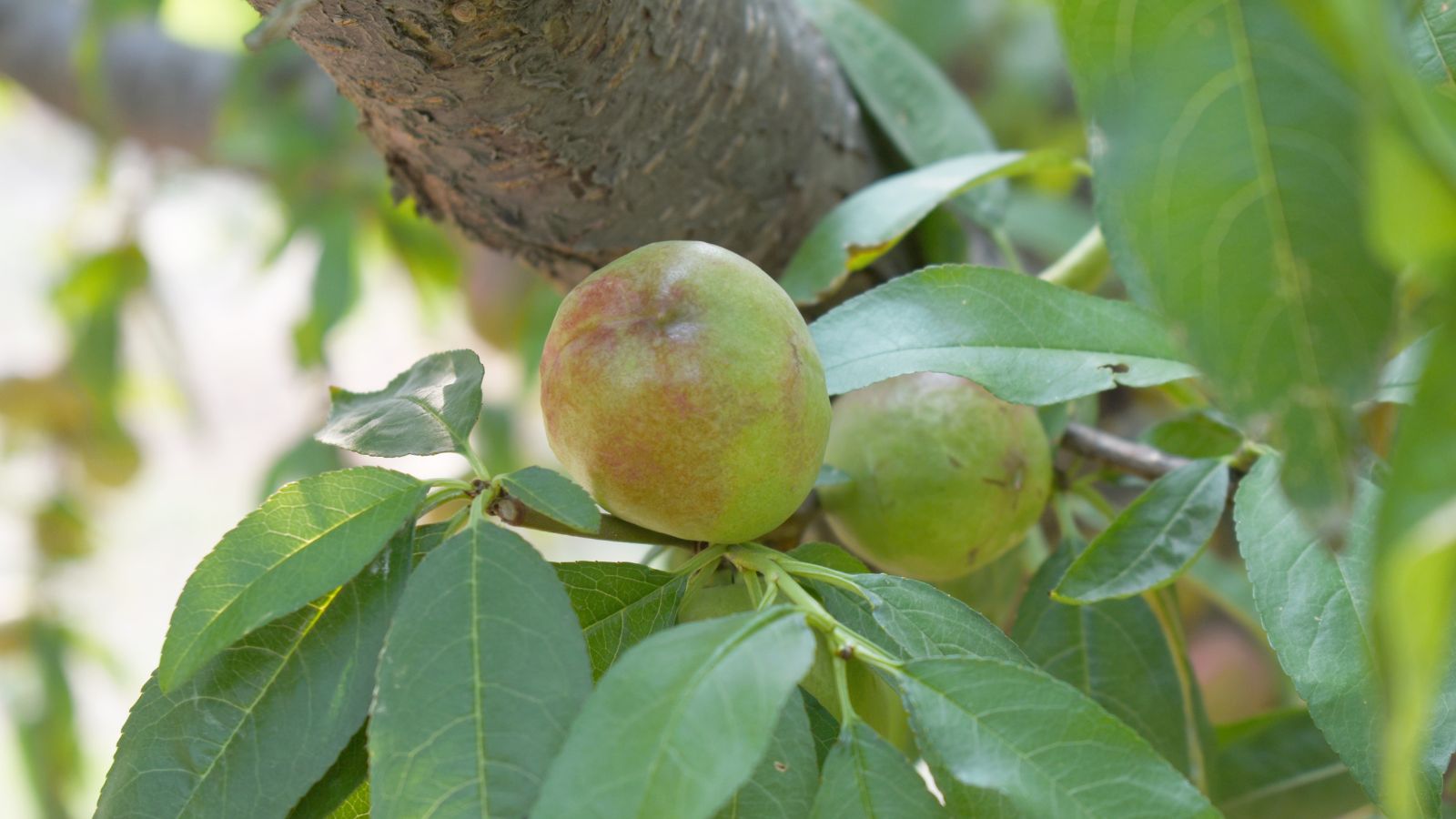
Poor weather during the bloom season can reduce nectarine production. Strong winds can damage blossoms or cause premature drop, and late frosts can injure open flowers. While you cannot control the weather, you can take steps to protect trees from unfavorable conditions. Avoid planting nectarine trees in windy locations. If wind is a concern, choose a sunny site near a fence or wall that provides protection from harsh gusts. During late frost events, move container-grown trees indoors or cover in-ground trees with frost fabric.
Warm winters can also interfere with production if trees fail to accumulate enough chill hours. When chilling requirements are not met, blooms may not fully develop, resulting in little to no fruit for the season. Selecting cultivars with chill requirements that match your local climate is essential to avoid repeated crop failure.
Excess nitrogen can lead to soft fruit, poor color, reduced shelf life, and increased pest pressure. Avoid over-fertilizing, and if you suspect excessive nitrogen, reduce application rates. Zinc deficiency is another common issue, often indicated by small, undersized new leaves. Use a fertilizer that includes zinc along with other essential micronutrients to support balanced growth.
Pests

Aphids are small, soft-bodied insects that feed on the sap of tender growing tips. Their feeding causes leaf curling and yellowing and, in severe cases, premature leaf drop. Aphids also excrete a sugary residue that encourages sooty mold growth.
Creating a garden environment that attracts beneficial insects supports natural aphid control. If beneficials do not keep populations in check, remove early infestations with a strong stream of water. For heavier infestations, horticultural oil and insecticidal soap provide effective organic control.
Red spider mites are tiny arachnids that feed on individual leaf cells, causing stippled yellow and white damage. Heavy infestations can lead to leaf drop. Predatory insects and mites often regulate populations naturally. When outbreaks occur, horticultural oil or insecticidal soap can reduce mite numbers effectively.
Peachtree borer is a clear-winged moth with a blue-black body and an orange band across the abdomen. The larvae are creamy white with brown heads and bore into the trunk and crown, damaging the cambium. One common sign of infestation is gumming at the base of the tree. Adult moths appear from May to September, while larvae remain inside the tree year-round.
Because treatments cannot reach larvae inside the trunk, focus control efforts on preventing egg-laying. Apply neem oil or spinosad to the trunk every one to two weeks from May through September. Pheromone traps also help monitor and reduce adult populations.
Scale insects commonly appear on twigs and branches of fruit trees. Several species exist in colors ranging from yellow and green to brown and black. Scale feeding causes little direct damage, but their excrement promotes sooty mold growth on leaves. Sooty mold reduces photosynthesis and may cause leaf drop. Natural predators often keep scale populations under control. When treatment becomes necessary, apply organic horticultural oil to affected areas.
Diseases
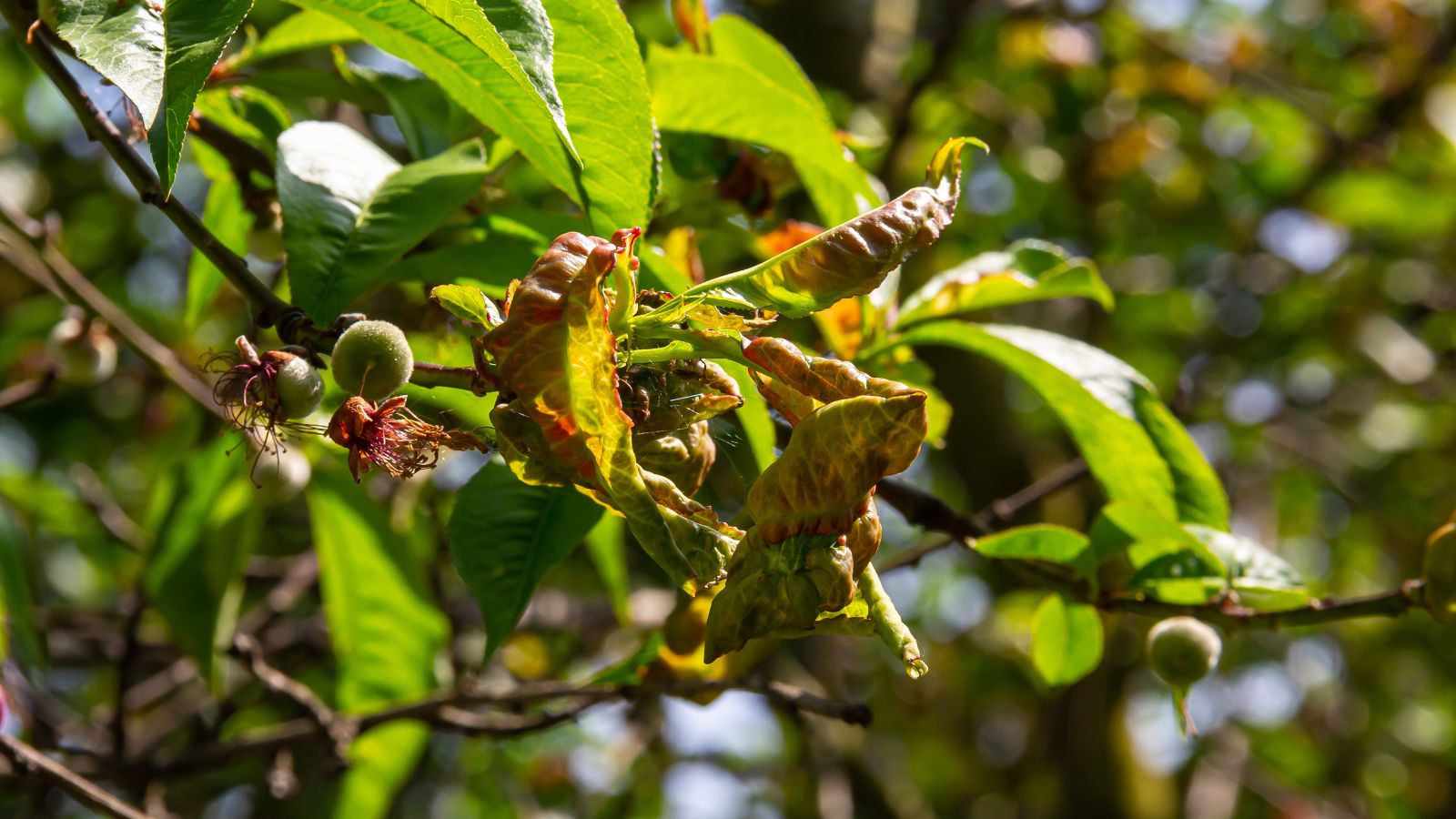
Peach leaf curl is caused by the pathogen Taphrina deformans. Symptoms include thickened, curled leaves that turn red or yellow. The pathogen thrives in cool, wet conditions, and white spores may appear on twigs and buds after rainfall. Prevention plays a critical role in management. Apply an organic copper fungicide on December first and February first to prevent infection. Without treatment, the disease can spread into branches and cause dieback.
Brown rot, caused by Monilinia fructicola, leads to blossom blight and leaf blight. Infected flowers may show gumming at their base. This pathogen overwinters in mummified fruit left on the tree or on the ground. Remove old fruit and fallen leaves during fall and winter to reduce the risk of future infection.
Bacterial spot, caused by Pseudomonas syringae, favors cool, moist conditions and appears most often in spring. Splashing water spreads the bacteria, and young nectarine and peach trees show the highest susceptibility. Symptoms include leaf spotting, limb dieback, cankers, and sudden damage to young flowers and leaves. Maintain a consistent pruning and fertilizing routine to keep trees vigorous, and avoid overhead watering to limit spread.
Powdery mildew is caused by Sphaerotheca pannosa. This disease develops during cool, moist nights followed by warm days. White, powdery fungal growth appears on leaves, shoots, and fruit. Infected leaves become distorted, and fruit may scar. Prevent powdery mildew by keeping foliage dry heading into the evening and avoiding watering the soil and leaves a few hours before sunset. Treat active infections with an organic sulfur fungicide.
Frequently Asked Questions
What time of year do nectarine trees produce fruit?
Nectarines are ready to harvest in the summer between June and August. Exact timing varies depending on the cultivar and climate.
Do I need two nectarine trees to produce fruit?
No, nectarines are self-fertile. Having two trees will increase the amount of fruit, but it is not necessary.
How tall does a nectarine tree grow?
Tree size varies, but nectarine trees can grow up to 30 feet. There are some dwarfing rootstocks available to maintain a height of 6-10 feet. Size management can also be achieved through pruning.