How to Plant, Grow, and Care for Navel Orange Trees
Do you want to harvest delicious oranges, fresh from your own garden? It's easier than you think. In this guide, Jillian Balli reveals what you need to know to get great harvests year after year!

Contents
Navel oranges have become underrated as mandarin popularity has surged. Growing a navel orange tree provides sweet, flavorful fruit during winter, when many gardens slow down or go dormant.
You can grow a navel orange tree as either a dwarf or standard form in the ground or in a container, which makes it accessible for most gardeners. Many people also grow navel oranges as patio trees in a wide range of growing zones, as long as they can move the tree indoors during harsh winter weather.
Navel oranges are naturally seedless with a balanced, sweet flavor. They are highly versatile and work well in countless recipes, homemade cleaning products, and DIY home décor projects. Navel oranges also offer strong nutritional value. They contain vitamin C, potassium, and fiber, which support overall health and may help reduce the risk of heart disease, cancer, and stroke.
Although navel oranges are widely available in grocery stores, growing your own tree offers unmatched convenience. A single tree can produce enough fruit to share generously and may inspire you to experiment with new recipes and creative uses.
Metal Tree Surround – 8” Tall
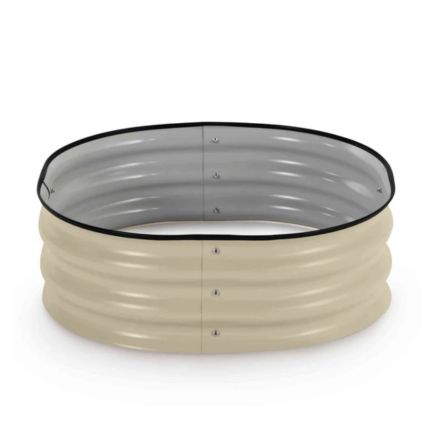
Level up your garden setup with these beautiful, hard-working Tree Surrounds. Made from ultra-durable aluzinc steel and built to last over 20 years, they’re designed to support both new and established trees or bushes to give you more control over your growing environment.
Buy at Epic Gardening ShopQuick Care Guide

|
Scientific Name
Citrus sinensis
Days to Harvest
Annually in the winter or spring
Light
Full sun
Water
Moderate
|
Soil
Well-draining sandy loam soil
Fertilizer
Citrus blend
Pests
Mites, thrips, scales, aphids, lepidopterans, Asian citrus psyllid
Diseases
Phytophthora root rot, Anthracnose, Botrytis, Huanglongbing (HLB)
|
All About The Navel Orange Tree

Sweet oranges fall under the botanical name Citrus sinensis, a hybrid between a pummelo and a mandarin. This group includes navel oranges, valencias, and blood oranges.
Navel oranges differ from other sweet oranges because they are seedless. A natural mutation caused a small secondary fruit to form at the blossom end, creating the familiar “belly button” appearance. This secondary fruit prevents seed development, which is why navels are seedless.
Growers first discovered the original mutation in Brazil in the 1800s and later introduced it to the United States as the ‘Washington’ navel orange. Additional mutations from the original ‘Washington’ navel have since produced several new navel varieties.
Characteristics
Citrus sinensis is an evergreen tree that grows between six and 30 feet tall, depending on the variety and rootstock. Trees bloom in spring, fruit develops through summer and fall, and harvest takes place in winter or early spring.
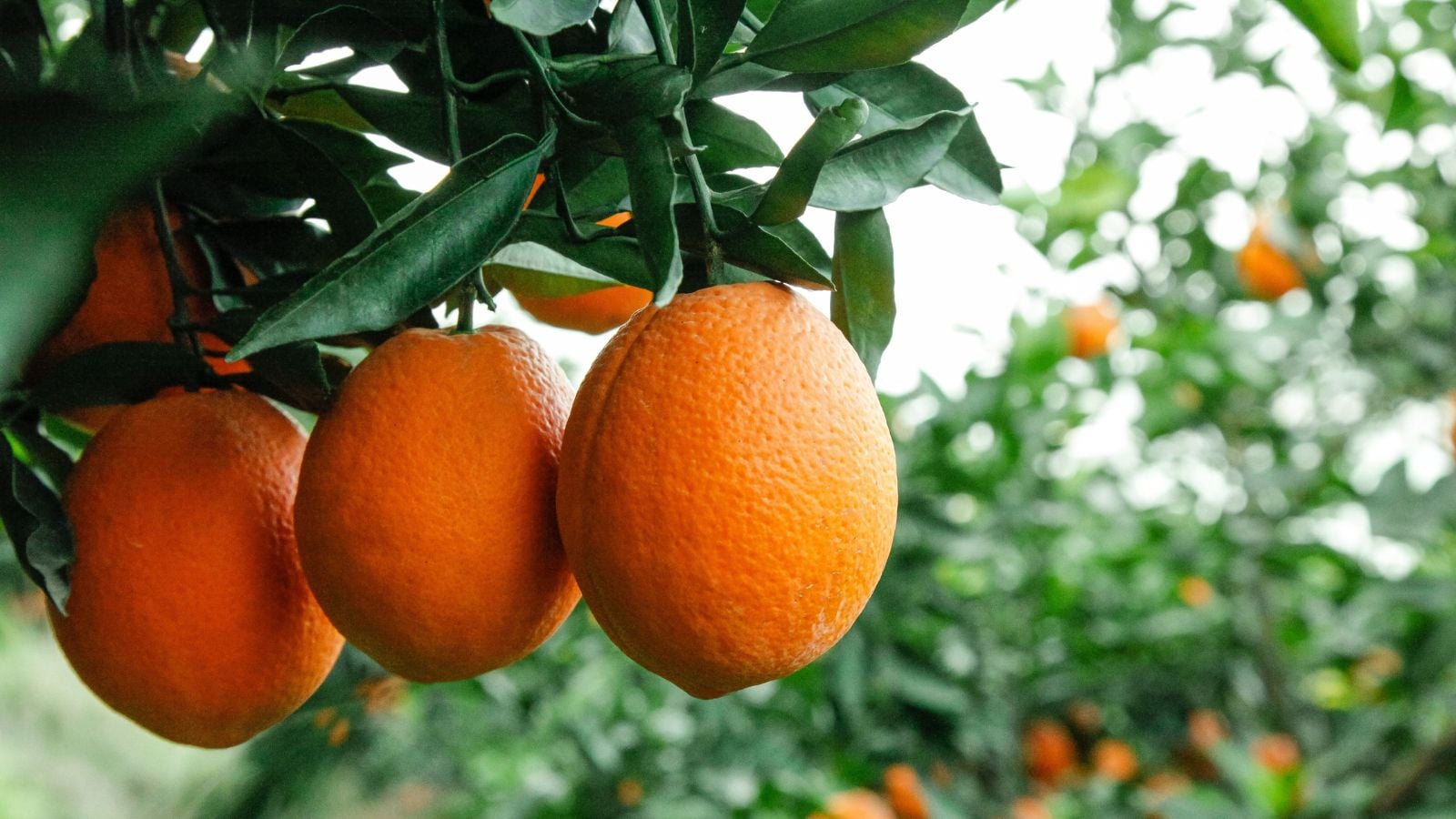
Navel orange trees have dark green, elliptical, waxy leaves and fragrant white flowers. Fruit starts out green and turns bright orange as it ripens. The average fruit measures about three inches in diameter. Navel oranges are self-fertile and do not require cross-pollination.
Varieties
While several navel varieties exist, a few stand out for home growers. The ‘Washington’ navel orange remains one of the most reliable options, despite its age. It typically ripens between November and January, and most store-bought navel oranges come from this variety.
‘Cara Cara’ also ripens between November and January and originated as a mutation of the ‘Washington’ navel. It offers excellent flavor and deep pink flesh instead of the usual orange.
‘Lane Late’ is a late-maturing bud sport of the ‘Washington’ navel orange. It closely resembles the original variety but ripens later, usually from February through June. The fruit holds well on the tree, which extends the harvest window by several months.
Planting
The best time to plant navel orange trees runs from April through August. Avoid planting when temperatures rise above 100°F (38°C). Choose a sunny location with well-draining soil. If drainage is poor, plant in a raised bed or a large container.
Because navel oranges are seedless, growers must plant them as grafted trees. Dig a hole twice as wide as the root ball and backfill with loose soil. Do not bury the graft union, and leave a few inches of the rootstock above the soil line. When planting in containers, navel orange trees need at least a 15 to 20 gallon pot. You can start young trees in smaller containers and transplant them as they grow and mature.
Purchase trees from a reputable nursery or garden center that follows local citrus regulations. Citrus-producing states such as California, Texas, Arizona, and Florida often enforce movement restrictions on young citrus trees. Contact your local Agricultural Extension Office to confirm current regulations in your area.
How to Grow
Navel orange trees are known to grow with minimal effort. Applying all the care tips below will result in high-quality produce and a beautiful tree.
Light
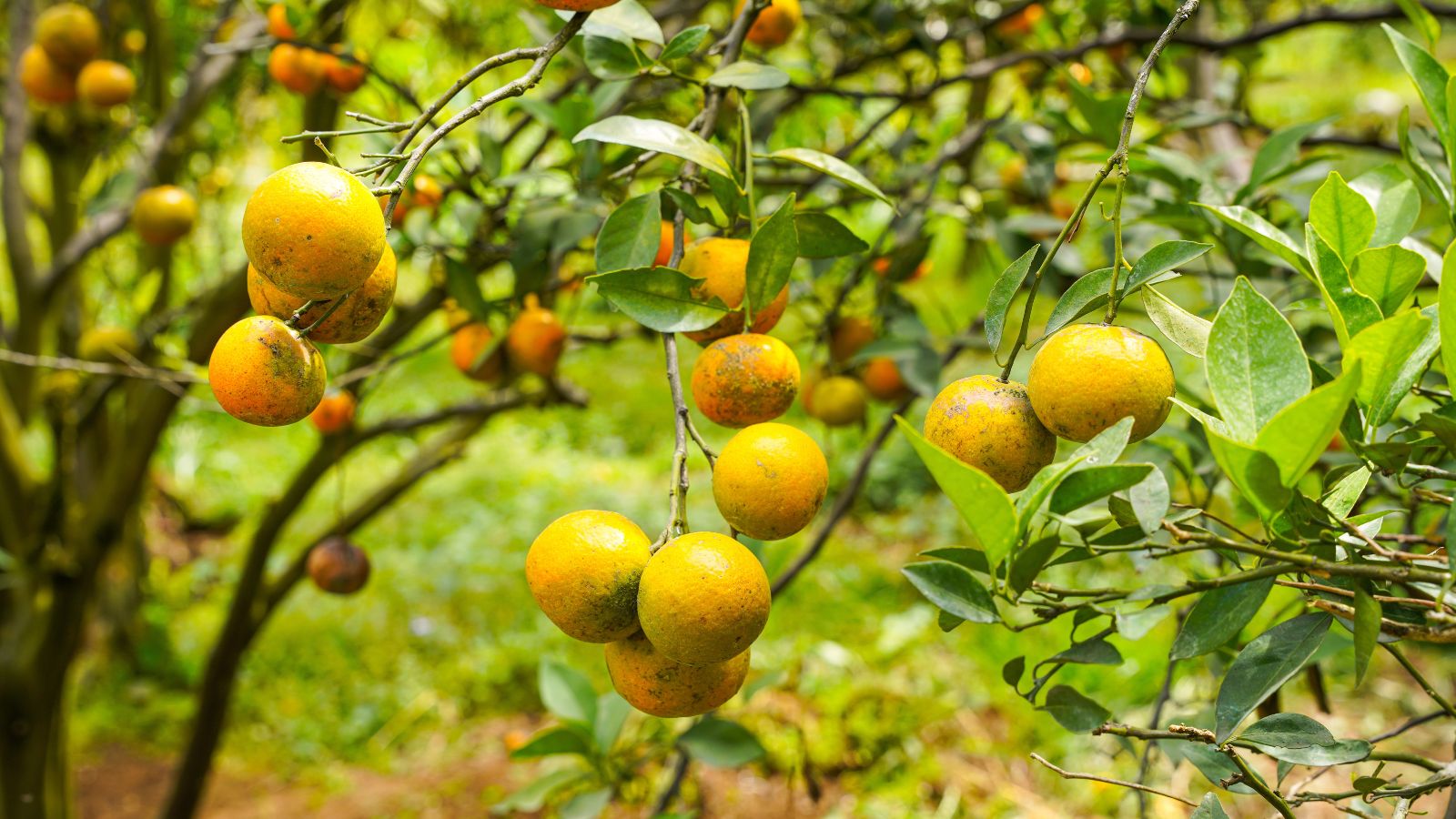
Navel orange trees need full to partial sun and require at least eight hours of direct sunlight each day. Hot summers paired with mild winters produce the best quality fruit.
Sunburn can occur during extremely hot summer weather, especially on tender new growth, but the damage usually remains minimal and trees typically recover as they mature. You can prevent sunburn by covering trees with light shade cloth or applying a whitewash to protect exposed branches and trunks.
Water

Water citrus early in the morning once a week. Keep the soil consistently moist, but never soggy or saturated. Use soaker hoses or drip irrigation to prevent water from wetting the trunk. Increase watering during fruit development. Reduce irrigation frequency or volume during cooler, wetter months to avoid overwatering.
Trees grown in containers often need more frequent watering. Fully saturate the potting mix, then allow it to dry down until slightly moist before watering again. You can water potted trees with drip irrigation or by hand using a hose. When watering manually, take care to keep water off the trunk.
Soil

Navel oranges grow best in well-draining, sandy loam soils with a pH between 6.0 and 7.0. If you are planting in heavy clay soil, amend it with organic matter to improve drainage and soil structure.
Temperature

They are hardy to USDA zones 8 through 11 and can tolerate temperatures down to 20°F (−7°C) for short periods, as well as temperatures above 100°F (38°C). Temperatures below 26°F (−3°C) may damage the fruit.
You can grow navel orange trees as container patio trees in USDA zones 4 through 11, provided you move them indoors when temperatures drop below freezing. In cooler zones, you may also use other methods to keep trees warm during winter. Protect trees from frost by bringing them indoors or covering them with frost fabric.
Fertilizing

Many citrus tree fertilizers are available at garden centers, and application rates and frequency depend on the specific blend and whether it is slow-release. Slow-release fertilizers usually require application once or twice per year. Feed navel orange trees consistently from March through August, when growth is most active.
Pruning
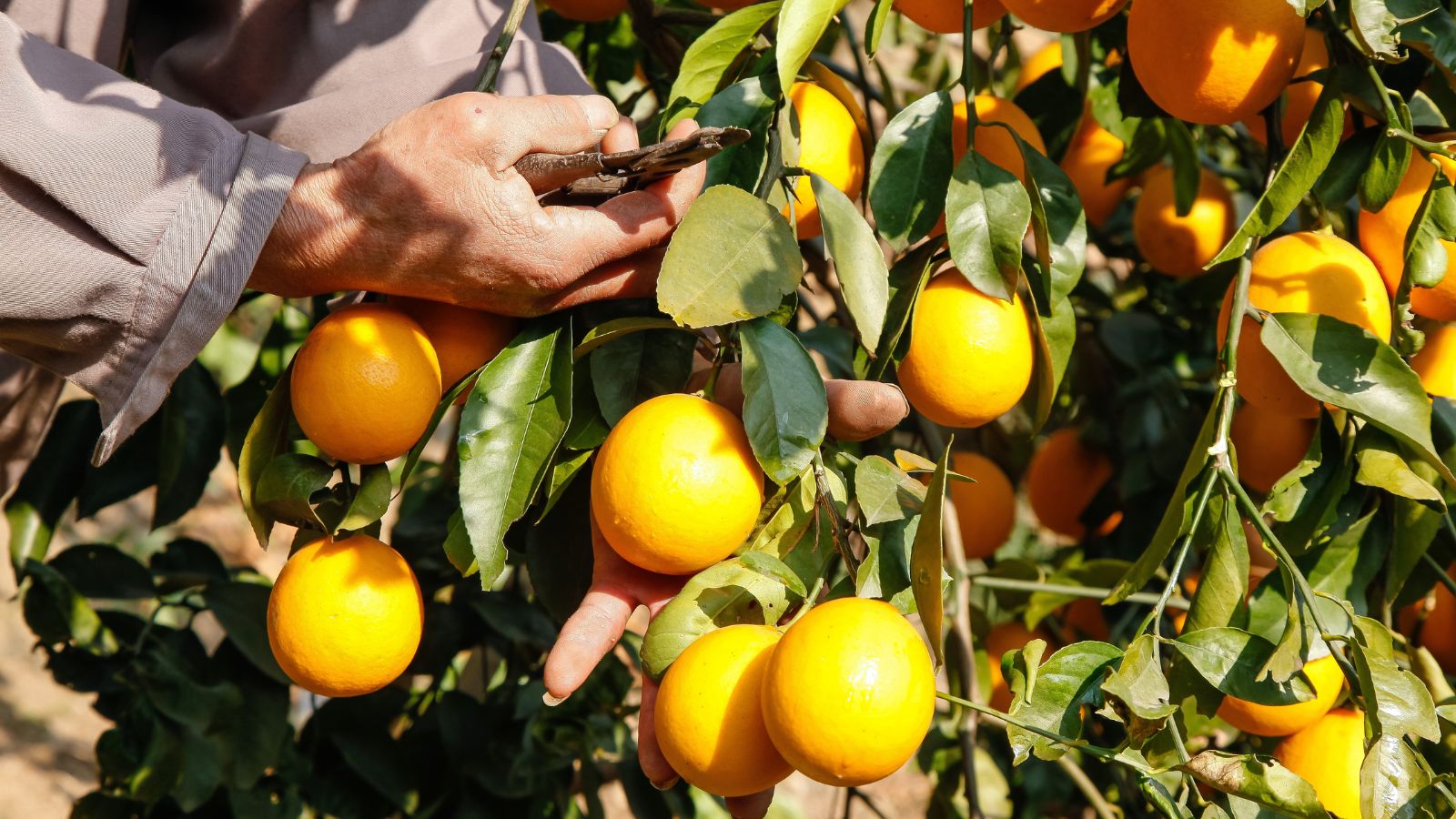
You can prune navel orange trees at any time of year, but late winter or early spring, before bloom, is ideal. Navel orange trees are evergreen, so they keep their leaves year-round. They do not rely on older wood to produce fruit, and flower buds are easy to spot on the branches. Removing flower buds during pruning reduces the number of oranges produced that season.
Remove suckers and dead or damaged wood each year. Suckers grow from the rootstock and look different from the fruiting variety. These shoots never produce quality fruit and should always be removed. Cut suckers flush with the main trunk.
When pruning dead or diseased branches, cut several inches below the affected area to remove all damaged tissue. Remove old or damaged fruit by hand as well. While fruit may drop on its own, early removal helps prevent disease and allows the tree to direct energy toward new shoot growth and flowering.
You can train navel orange trees as hedges, espaliers, or standard trees. When growing a standard tree, prune to keep the center open and improve sunlight penetration and airflow through the canopy. Trees can reach up to 30 feet tall at maturity, and regular pruning helps maintain the desired size and shape.
Propagation
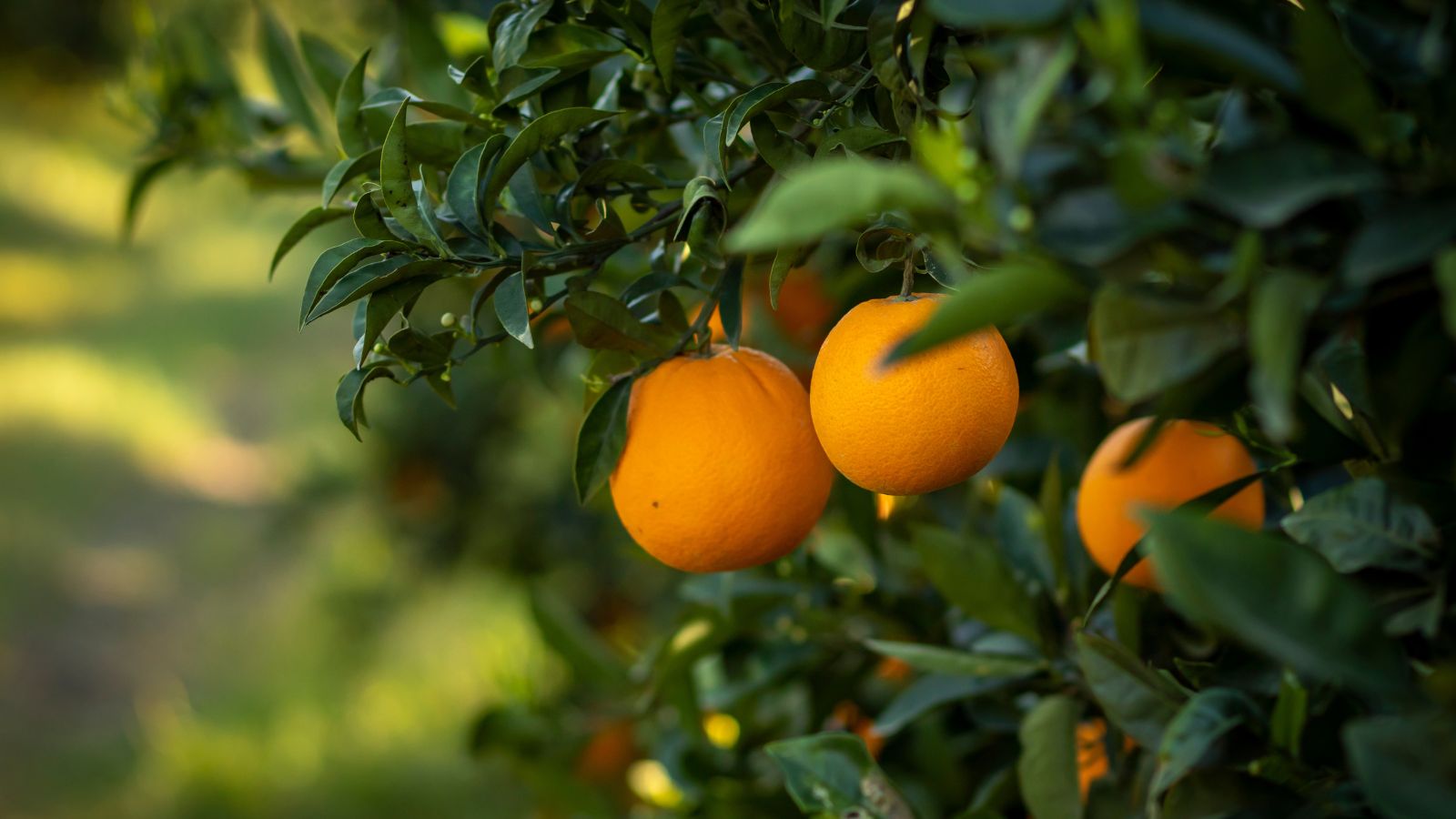
Before propagating citrus, check local regulations on citrus propagation. In some regions, including California, Arizona, Texas, and Florida, laws prohibit propagating citrus material that does not come from a certified clean stock program.
Grafting remains the most reliable way to grow a strong, disease-resistant navel orange tree. Growers commonly graft navel oranges onto rootstocks such as C-35, Carrizo, or trifoliate orange (Poncirus trifoliata). Nurseries grow rootstocks from seed, although you can also purchase them as liners.
Once the rootstock reaches sufficient thickness, you can graft it with the desired variety. Chip budding is the most commonly used grafting method for citrus.
Harvesting
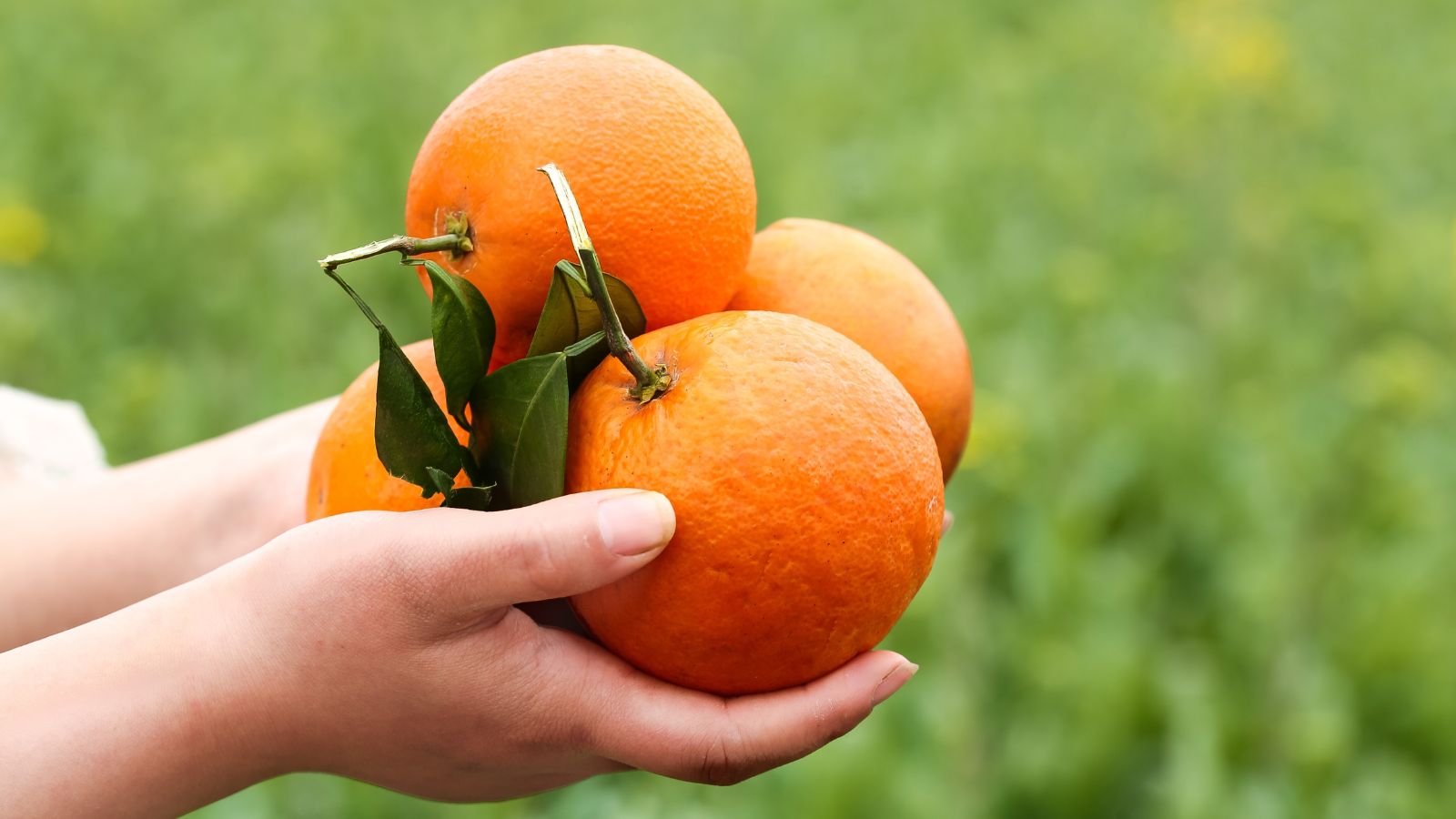
Harvesting navels is easy and you can do it as needed. Navels store exceptionally well on the tree, but you also have several good options for post-harvest storage.
Navels typically reach maturity in late winter or early spring. Cold winter temperatures trigger the color change from green to orange. The most reliable way to judge ripeness is by tasting the fruit. Once harvested, navels do not continue to sweeten, so pick them only after they have developed sufficient sugars.
Do not pull navel oranges directly from the tree, as this can damage branches. Instead, twist the fruit upward at an angle or cut it from the tree using clean clippers. You do not need to harvest all the fruit at once. Navels can remain on the tree for an extended period before quality declines. Wash oranges before storing to reduce the risk of contamination.
Storing
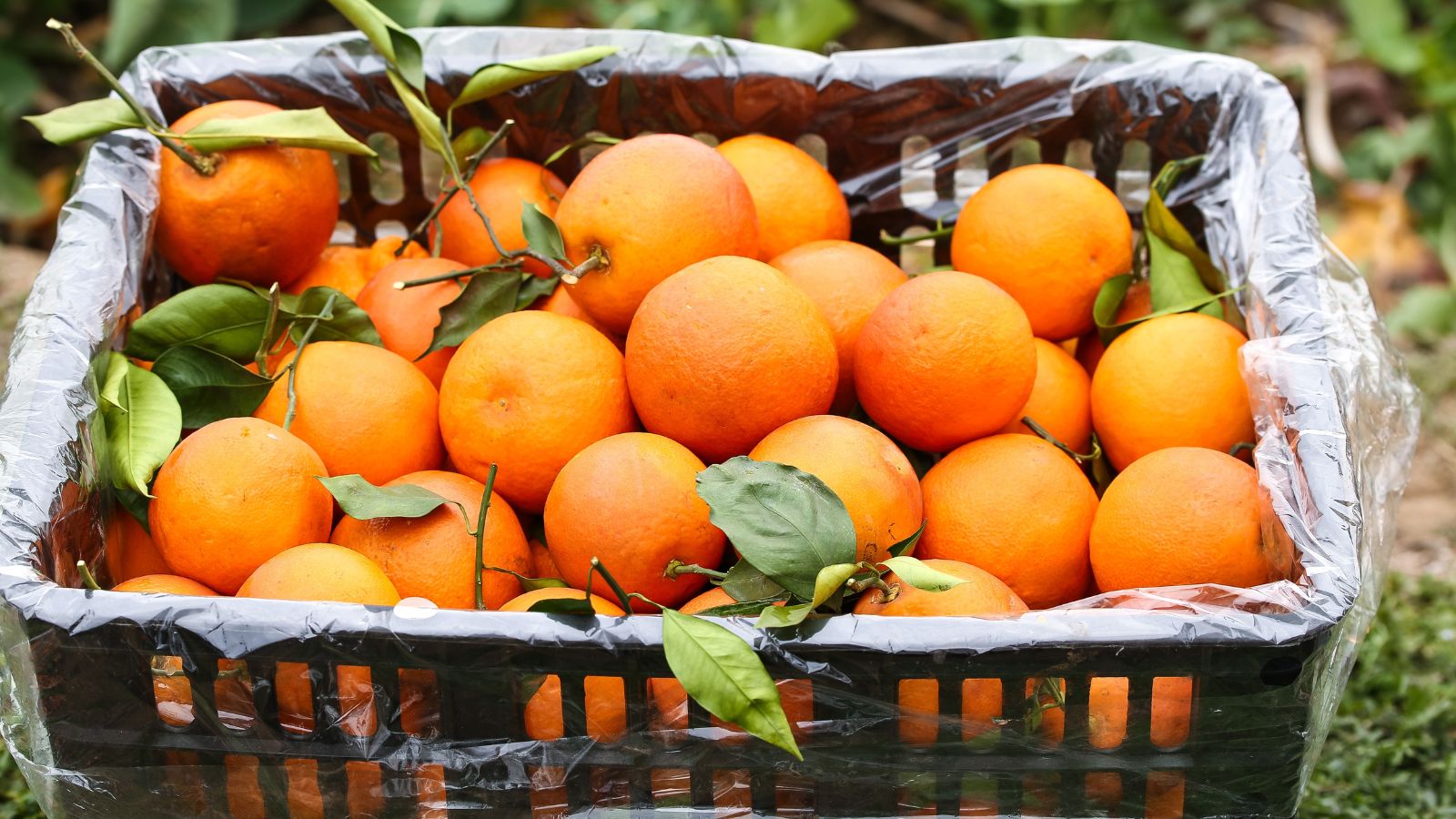
Navel oranges will store for up to one week at room temperature and up to four weeks in the refrigerator.
Freezing offers an easy and effective option for long-term storage. You can freeze different parts of the orange depending on how you plan to use them. Orange juice freezes well and stores for three to four months. You can store orange zest in the freezer for up to one year. To freeze the fleshy part of the fruit, remove the peel, separate the segments, and store them in a freezer bag or container for up to one year.
You can also can navel oranges, use them to make marmalade, or dehydrate them, which extends their storage life to as long as one year.
Troubleshooting
Navel orange trees rarely develop serious issues once they are fully grown and established. Below are some common problems you may encounter as your tree grows and matures.
Growing Problems
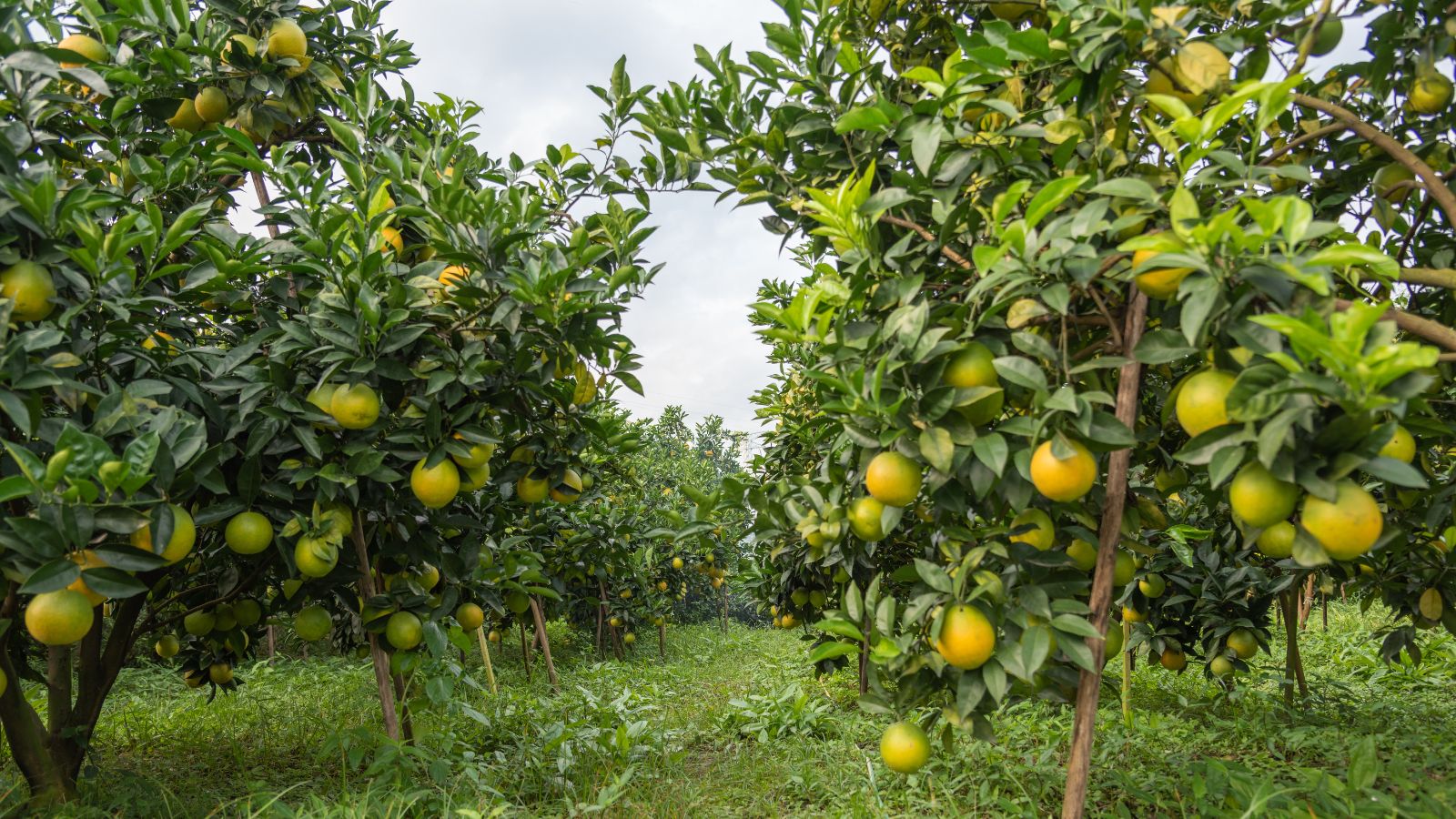
Excessive stress from heat or insufficient water can cause flowers to abort or trigger early fruit drop. While some fruit drop is normal, excessive drop signals plant stress. Weather fluctuations, such as heavy rainfall or unusually warm winters, also influence fruit quality. Natural changes in temperature and rainfall mean some seasons produce better fruit than others.
Micronutrient deficiencies, especially zinc and iron, commonly affect navel orange trees. The most visible symptom is yellowing between leaf veins. When deficiency symptoms appear, first review your fertilizer to confirm it supplies essential micronutrients.
If it does, test the soil pH before adding more fertilizer. High soil pH can limit micronutrient availability. Acidifying fertilizers can help lower the pH to a more suitable range and improve nutrient uptake.
Pests

Mites are small arachnids that feed on orange tree leaves. Several mite species target citrus, and the most common cause stippling damage on foliage. Heavy infestations lead to leaf drop. Mites usually attack weak or stressed trees, so maintaining overall tree health provides the first line of defense. When populations become severe, horticultural oils and insecticidal soaps help reduce infestations.
Citrus thrips are small yellow to orange insects that feed on flower buds and tender new leaves. Their feeding causes leaf curling, leaf scarring, and scarring on young fruit. Because thrips prefer soft new growth, damage rarely affects mature trees. On young trees with frequent flushes of new growth, feeding can slow development. Spraying does not control thrips effectively, so it is not recommended. For young trees, insect screens offer a practical solution until leaves harden and become less attractive.
Soft and armored scale insects commonly appear on twigs and branches. The insects themselves cause little direct damage, but they excrete honeydew, which promotes sooty mold growth. Sooty mold coats leaves, reduces photosynthesis, and can lead to leaf drop. Natural predators and parasites usually keep scale populations under control. If intervention becomes necessary, weekly applications of horticultural oil provide effective management.
Lepidopteran pests include several moth larvae that damage citrus foliage. Leaf rollers attack tender growing tips, while citrus leaf miners tunnel along the undersides of leaves. Damage remains mostly cosmetic on established trees but can slow growth on young trees. Mature trees rarely require treatment. On young trees, manually remove larvae as needed. Pheromone traps can disrupt mating cycles and help reduce populations.
Asian citrus psyllid is a small, mottled brown insect similar in size to an aphid. During feeding, psyllids inject a toxin that may cause dieback on tender new growth. The greater concern lies in disease transmission. This insect spreads Huanglongbing, also known as citrus greening disease, which severely damages citrus trees. Management responses vary by region, so review local regulations and contact your county extension office if psyllids appear in your area.
Diseases

Phytophthora root rot ranks among the most common root diseases affecting citrus trees. Early symptoms include an overall decline in tree health and leaves that turn yellow or pale green. In advanced stages, sap oozes from the trunk, a symptom often called gumming, and the trunk may develop a water-soaked appearance.
Prevent phytophthora by using proper irrigation practices and planting in well draining soil. Most rootstocks offer some level of resistance or tolerance, but leaving several inches of rootstock above the soil line remains critical. Fruiting varieties show high susceptibility to Phytophthora, and planting the graft union too close to the soil greatly increases infection risk.
Anthracnose and Botrytis are foliar diseases that thrive in wet conditions. Common symptoms include twig dieback, leaf drop, and fruit decay. Anthracnose appears as dark spores on leaves and twigs, while Botrytis produces lighter gray spores. Good cultural practices manage both diseases effectively. Prune trees to improve airflow and reduce excess moisture that favors spore development. Remove dead or damaged branches and old fruit to limit carryover into the next season. In most cases, infections remain mild and do not require fungicide treatment.
Huanglongbing, also known as citrus greening disease, is an incurable and highly destructive disease of navel orange trees. Infected citrus may develop yellow mottled leaves, sudden decline in young trees, small or misshapen fruit, and fruit that remains green or discolored when ripe. The Asian citrus psyllid spreads this disease, so controlling the insect helps prevent infection.
The disease can also spread through grafting with infected plant material. Once a navel orange tree becomes infected, removal is necessary. Always purchase new trees from reputable nurseries that comply with state regulations. For example, citrus trees grown in California should carry a CDFA label confirming they originate from clean nursery stock.
Frequently Asked Questions
How long does it take a navel orange tree to produce fruit?
Navel orange trees take about 4 years to produce a substantial amount of fruit. They will yield small amounts of fruit as early as 2 years.
How big does a navel orange tree get?
Tree size depends on the variety and rootstock combination. A dwarf tree will grow between 6-8 feet tall, a semi-dwarf tree will grow between 10-15 feet tall, and a standard tree can grow up to 30 feet tall.
Are navel orange trees self-pollinating?
Yes, navel orange trees are self-pollinating.